

Heart attacks are no longer considered a health problem that affects only older adults. In recent years, doctors have reported a noticeable rise in Heart Attack in Young Adults, with more people in their 20s, 30s, and early 40s being affected. Busy lifestyles, unhealthy eating habits, smoking, obesity, diabetes, high blood pressure (hypertension), chronic stress, and lack of physical activity are among the major reasons behind this growing trend.
A heart attack, also known as a myocardial infarction, occurs when the blood supply to a part of the heart is suddenly blocked. Without enough oxygen, the affected heart muscle begins to suffer damage within minutes. Receiving medical treatment as early as possible can greatly improve recovery and reduce the risk of serious complications.
The good news is that many cases of Heart Attack in Young Adults can be prevented. Understanding the warning signs, managing common risk factors, and following preventive healthcare practices can significantly reduce the risk of developing heart disease at a young age.
Table of Contents
ToggleWhat Is a Heart Attack?
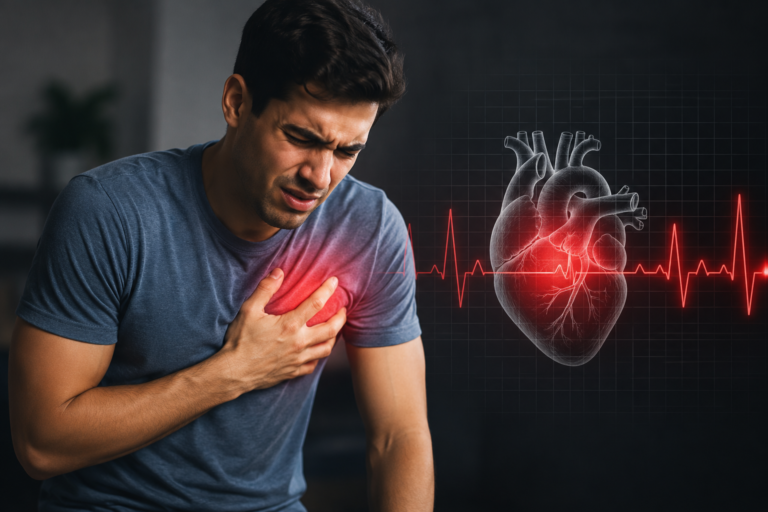
Heart Attack in Young Adults occurs through the same process, but it is increasingly linked to lifestyle-related risk factors and underlying health conditions. The blockage is most often caused by the buildup of fatty deposits, known as plaque, which can rupture and form a blood clot inside the artery.
When oxygen-rich blood cannot reach the heart, the affected muscle begins to weaken and may eventually become permanently damaged if treatment is delayed. Because every minute matters, a heart attack should always be treated as a medical emergency.
How Does a Heart Attack Happen?
A heart attack usually develops through the following stages:
- Fatty deposits gradually build up inside the coronary arteries.
- The arteries become narrower, reducing blood flow.
- A plaque may rupture suddenly.
- A blood clot forms around the rupture.
- The clot blocks blood flow to the heart muscle.
- Without oxygen, heart cells begin to die, leading to a heart attack.
Understanding this process helps explain why Heart Attack in Young Adults can quickly become life-threatening without prompt treatment.
Why Are Heart Attacks Becoming More Common in Young Adults?
The number of young adults diagnosed with heart disease has increased over the past decade. These unhealthy habits are major contributors to Heart Attack in Young Adults across the world.
Several factors contribute to this growing risk, including:
- Sedentary lifestyle
- Long working hours
- Lack of regular exercise
- Frequent consumption of processed and fast foods
- Smoking and vaping
- Excessive alcohol consumption
- Obesity
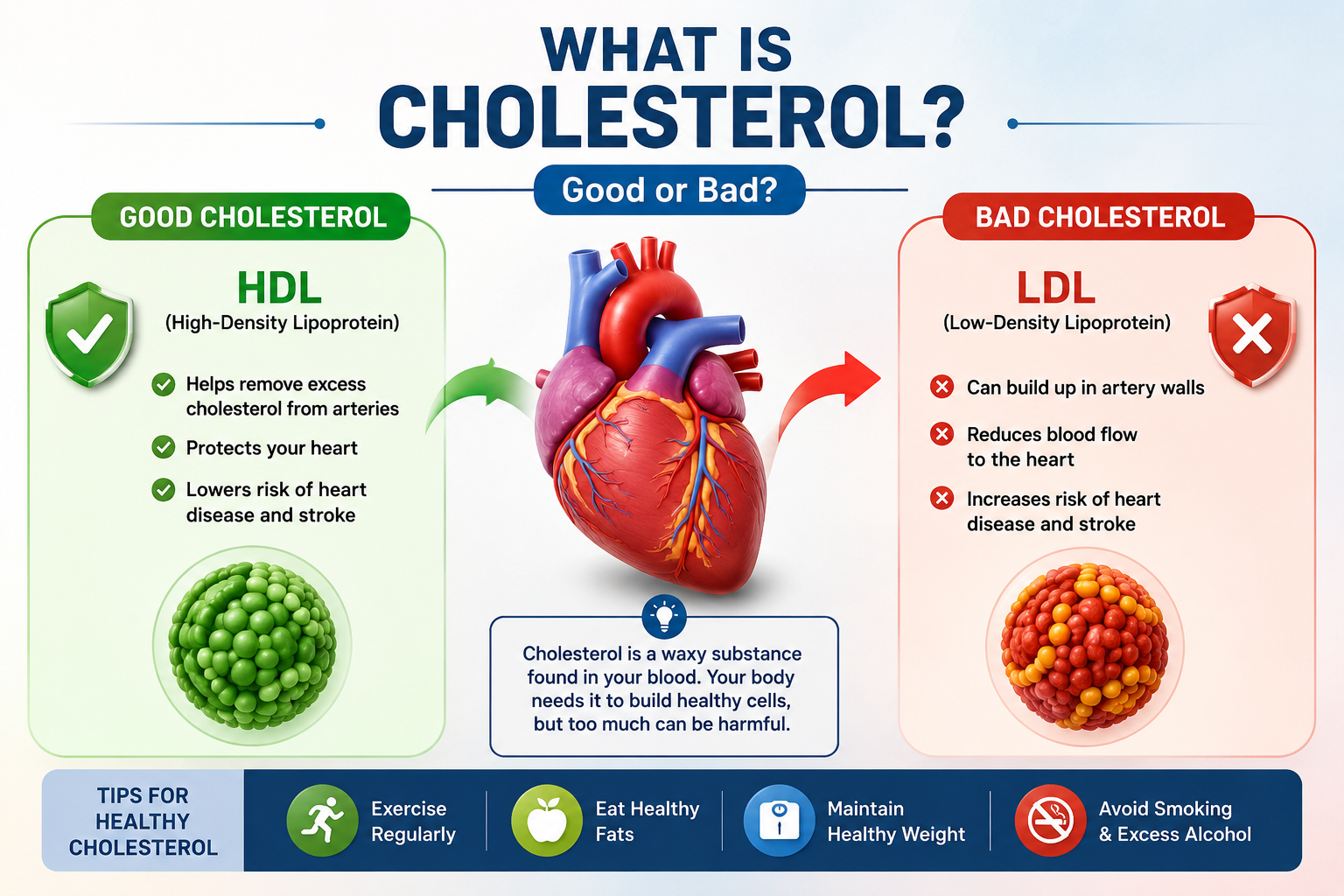
- High cholesterol
- Diabetes
- High blood pressure
- Chronic stress
- Poor sleep quality
- Family history of heart disease
Many young people assume they are too young to experience a heart attack. This misconception often causes them to ignore early symptoms and delay seeking medical care, increasing the risk of serious complications.
Common Causes of Heart Attack in Young Adults
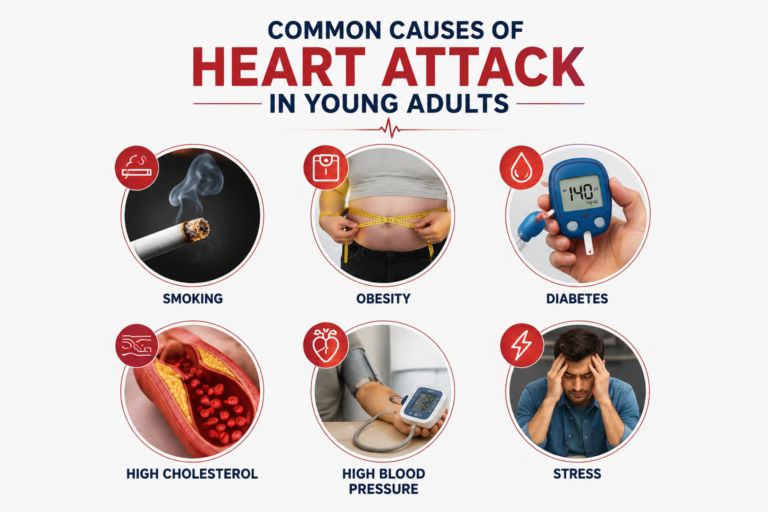
Although several factors may contribute to heart disease, the following are among the most common causes.
1. High Cholesterol
High cholesterol is one of the leading causes of Heart Attack in Young Adults. Over time, this plaque narrows the blood vessels and increases the risk of a blockage that can lead to a heart attack.
2. Smoking and Tobacco Use
Smoking damages the inner lining of blood vessels, reduces oxygen levels in the blood, and makes blood clots more likely to form. Even occasional smoking or vaping can increase cardiovascular risk.
3. High Blood Pressure
When blood pressure remains uncontrolled for a long time, the heart must work harder to pump blood throughout the body. Uncontrolled hypertension greatly increases the risk of Heart Attack in Young Adults.
4. Diabetes
High blood sugar can damage blood vessels and the nerves that regulate heart function. People with diabetes are more likely to develop coronary artery disease and experience heart attacks at a younger age. Doctors also recommend monitoring your HbA1c test regularly.
Additional Causes of Heart Attack in Young Adults
While conditions like high cholesterol, diabetes, and high blood pressure are well-known causes, several other lifestyle and genetic factors can also increase the risk of a heart attack at a young age.
1. Obesity
Being overweight places extra strain on the heart and increases the likelihood of developing conditions such as high blood pressure, high cholesterol, and type 2 diabetes. Excess body fat also contributes to chronic inflammation, which can damage blood vessels over time.
Reducing obesity also lowers the risk of Heart Attack in Young Adults.
2. Chronic Stress
Stress has become a common part of modern life, especially among young professionals and students. While occasional stress is normal, long-term stress can negatively affect the cardiovascular system.
Chronic stress may:
- Raise blood pressure
- Increase heart rate
- Trigger inflammation
- Encourage unhealthy habits like smoking or overeating
- Disrupt sleep patterns
Learning healthy ways to manage stress can help reduce the overall risk of heart disease.
3. Family History of Heart Disease
Genetics can play an important role in heart health. If a parent or sibling developed heart disease or experienced a heart attack at an early age, your own risk may be higher.
Although you cannot change your family history, regular health check-ups and healthy lifestyle choices can help lower your overall risk.
4. Lack of Physical Activity
A sedentary lifestyle has become increasingly common due to desk jobs, long screen time, and reduced physical activity. Not exercising regularly can lead to weight gain, poor circulation, higher cholesterol levels, and reduced heart efficiency.
Experts recommend staying physically active throughout the week to keep the heart strong and improve overall cardiovascular fitness.
5. Drug and Substance Abuse
Certain recreational drugs, including cocaine, amphetamines, and similar stimulants, can suddenly increase blood pressure, narrow blood vessels, and disturb the heart’s normal rhythm. Even in otherwise healthy young adults, these substances can trigger a life-threatening heart attack without warning.
Early Warning Signs of a Heart Attack
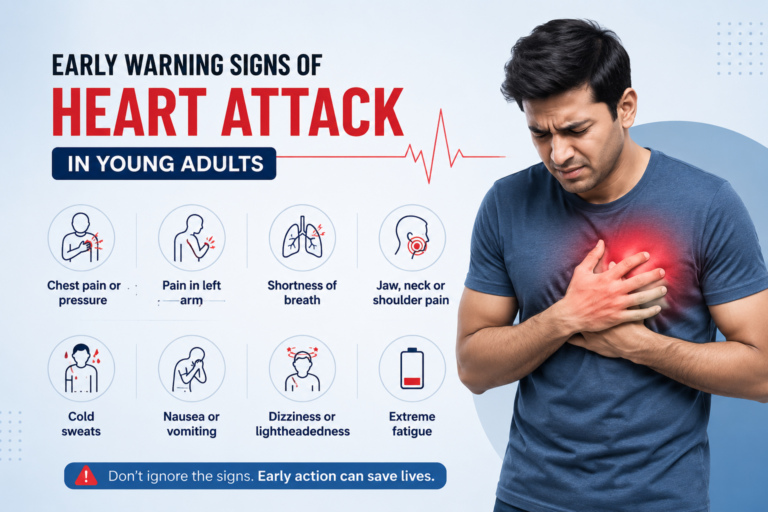
Recognizing these early symptoms is essential because Heart Attack in Young Adults may not always present with severe or typical chest pain. Some people experience sudden, severe chest pain, while others may notice only mild discomfort or unusual fatigue.
Common warning signs include:
- Chest pain, pressure, or tightness
- Pain spreading to the left arm or both arms
- Pain in the jaw, neck, shoulders, or upper back
- Shortness of breath
- Cold sweats
- Nausea or vomiting
- Dizziness or lightheadedness
- Unusual weakness or extreme fatigue
- Feeling faint
- A sense of pressure or heaviness in the chest
Symptoms may develop suddenly or gradually over several minutes. Ignoring these warning signs can delay treatment and increase the risk of permanent heart damage.
Heart Attack Symptoms in Women
Women may experience symptoms that are less obvious than the classic chest pain often associated with heart attacks.
Some common symptoms in women include:
- Unexplained tiredness
- Shortness of breath
- Pain in the back, neck, jaw, or shoulders
- Nausea
- Indigestion-like discomfort
- Dizziness
- Mild chest pressure
Early diagnosis of Heart Attack in Young Adults can improve treatment outcomes for women. Prompt evaluation is essential whenever these warning signs appear. Prompt evaluation is essential whenever these warning signs appear.
Silent Heart Attack
Not every heart attack causes intense pain. Some occur with very mild symptoms or none at all. These are known as silent heart attacks.
People with diabetes are more likely to experience silent heart attacks because high blood sugar can damage the nerves that normally transmit pain signals.
A silent heart attack can still cause permanent damage to the heart muscle and should never be underestimated.
Who Is at Higher Risk?
Although heart attacks can affect anyone, certain health conditions and lifestyle habits significantly increase the risk.
You may have a higher chance of developing heart disease if you:
- Have high blood pressure
- Live with diabetes
- Have high cholesterol levels
- Smoke or use tobacco products
- Are overweight or obese
- Do not exercise regularly
- Have a family history of early heart disease
- Have chronic kidney disease
- Experience sleep apnea
- Drink excessive amounts of alcohol
- Eat a diet high in processed foods and unhealthy fats
- Live with long-term stress
- Have certain autoimmune conditions
Identifying these risks early can significantly lower the chances of Heart Attack in Young Adults.
How Is a Heart Attack Diagnosed?
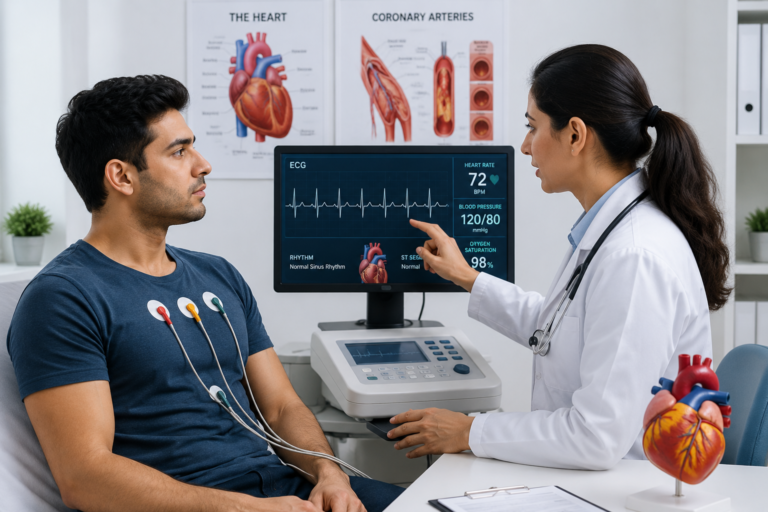
Electrocardiogram (ECG)
An ECG records the heart’s electrical activity and is often the first test performed in the emergency department. It helps identify abnormal heart rhythms and signs of reduced blood flow.
Doctors may also recommend a Lipid Profile test to evaluate cholesterol levels.
Blood Tests
Blood tests measure cardiac biomarkers, especially troponin, which is released when the heart muscle is damaged.
Elevated troponin levels are one of the most reliable indicators of a heart attack.
A CBC test may also be performed to assess your overall health and rule out other medical conditions.
Echocardiogram
An echocardiogram uses ultrasound waves to produce deWhen a heart attack is suspected, doctors perform several tests to confirm the diagnosis and assess the extent of heart damage. tailed images of the heart. It helps doctors evaluate heart function, pumping strength, and areas that may have been damaged.
Coronary Angiography
This procedure involves injecting a special dye into the coronary arteries while taking X-ray images. It allows doctors to identify blocked or narrowed arteries that may require immediate treatment.
CT Coronary Angiography
A CT coronary angiography provides detailed images of the coronary arteries without the need for a traditional invasive procedure. It can help detect plaque buildup and assess the risk of future heart problems in selected patients.
Emergency Treatment for a Heart Attack
A heart attack is a medical emergency that requires immediate attention. Immediate treatment is essential for Heart Attack in Young Adults to reduce long-term complications.
Depending on the patient’s condition, doctors may recommend one or more of the following treatments:
Medications
Emergency medicines may include:
- Aspirin to reduce blood clot formation
- Blood-thinning medications (anticoagulants)
- Nitroglycerin to improve blood flow
- Oxygen therapy (if oxygen levels are low)
- Clot-dissolving medications (in selected cases)
These treatments help restore circulation and prevent additional heart damage.
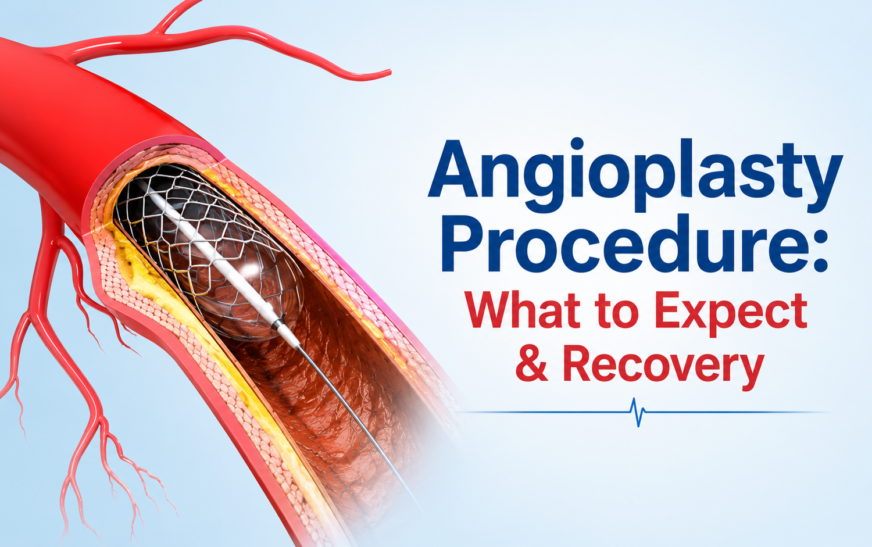
Angioplasty and Stent Placement
Also known as Percutaneous Coronary Intervention (PCI), this minimally invasive procedure opens blocked coronary arteries using a small balloon. A tiny mesh tube called a stent is then placed to keep the artery open and improve blood flow.
PCI is one of the most effective emergency treatments for many heart attack patients.
Coronary Artery Bypass Surgery (CABG)
When several coronary arteries are severely blocked or angioplasty is not suitable, doctors may recommend Coronary Artery Bypass Grafting (CABG).
This surgery creates a new pathway for blood to flow around blocked arteries, improving circulation to the heart muscle.
Recovery After a Heart Attack
Recovery is different for every individual and depends on the severity of the heart attack and the treatment received. Many people can return to their normal routine with proper medical care and healthy lifestyle changes.
- A successful recovery plan often includes:
- Cardiac rehabilitation programs
- Regular follow-up appointments
- Taking prescribed medications consistently
- A heart-friendly diet
- Gradually increasing physical activity under medical supervision
- Managing stress effectively
- Quitting smoking and avoiding tobacco products
Long-term lifestyle changes are especially important after Heart Attack in Young Adults to prevent another cardiac event.
How to Prevent Heart Attacks in Young Adults

Following these habits can significantly reduce the risk of Heart Attack in Young Adults.
Follow a Heart-Healthy Diet
Choose foods that support cardiovascular health, including:
- Fresh fruits
- Green vegetables
- Whole grains
- Nuts and seeds
- Fish rich in omega-3 fatty acids
- Lean protein sources
- Healthy oils such as olive oil
Try to limit:
- Processed foods
- Sugary beverages
- Excess salt
- Trans fats
- Foods high in saturated fat
Exercise Regularly
Aim for at least 150 minutes of moderate-intensity physical activity each week, along with muscle-strengthening exercises on two or more days, unless your healthcare provider advises otherwise.
Regular exercise helps improve blood circulation, maintain a healthy weight, and strengthen the heart.
Quit Smoking
Smoking significantly increases the risk of heart disease by damaging blood vessels and reducing oxygen delivery throughout the body.
Quitting smoking is one of the most effective steps you can take to protect your heart.
Maintain a Healthy Weight
Keeping your weight within a healthy range can help lower blood pressure, improve cholesterol levels, and reduce the risk of diabetes.
Even modest weight loss can have a positive impact on heart health.
Some people also follow intermittent fasting as part of a healthy lifestyle, but it should only be done under medical guidance.
Manage Stress
Long-term stress can affect both physical and mental health.
Healthy stress-management techniques include:
- Meditation
- Yoga
- Deep breathing exercises
- Mindfulness practices
- Spending time outdoors
- Talking to friends, family, or a mental health professional when needed
Get Quality Sleep
Adults should aim for 7–9 hours of quality sleep every night. Poor sleep has been linked to high blood pressure, obesity, diabetes, and other cardiovascular risk factors.
Schedule Regular Health Checkups
Routine health screenings can detect problems such as high blood pressure, diabetes, and high cholesterol before they lead to serious complications.
Early diagnosis allows timely treatment and better long-term outcomes.
Best Foods for Heart Health

Including heart-friendly foods in your daily diet can support healthy blood vessels and reduce the risk of cardiovascular disease.
Some excellent choices include:
- Oats
- Almonds
- Walnuts
- Berries
- Spinach
- Avocados
- Salmon
- Olive oil
- Beans
- Lentils
- Green tea (in moderation)
A balanced diet, combined with regular exercise, plays a key role in maintaining a healthy heart.
When Should You Seek Immediate Medical Help?
Call emergency medical services immediately if you experience any of the following:
- Chest pain lasting more than a few minutes
- Severe shortness of breath
- Pain spreading to the arm, jaw, neck, shoulder, or back
- Sudden cold sweating
- Fainting or loss of consciousness
- Unexplained extreme fatigue accompanied by chest discomfort
Immediate treatment is critical because Heart Attack in Young Adults can progress rapidly and lead to life-threatening complications if ignored.
Frequently Asked Questions (FAQs)
Can young adults really have a heart attack?
Yes. Although heart attacks are more common in older adults, they can also occur in people in their 20s, 30s, or early 40s due to factors such as smoking, obesity, diabetes, high cholesterol, family history, or substance abuse.
What is the most common warning sign of a heart attack?
Chest pain or pressure is the most common symptom. However, some people may experience jaw pain, arm pain, shortness of breath, nausea, dizziness, or unusual fatigue.
Can stress increase the risk of a heart attack?
Yes. Chronic stress can raise blood pressure, increase inflammation, and encourage unhealthy habits that contribute to heart disease.
Is a heart attack always accompanied by severe chest pain?
No. Some people experience mild symptoms or even silent heart attacks, particularly individuals with diabetes.
Can regular exercise reduce the risk of heart disease?
Absolutely. Regular physical activity improves circulation, controls weight, lowers blood pressure, and strengthens the heart, significantly reducing the risk of cardiovascular disease.
Are heart attacks preventable?
Many heart attacks can be prevented by maintaining a healthy diet, exercising regularly, avoiding smoking, managing stress, and attending routine health checkups.
How long does recovery usually take after a heart attack?
Recovery varies depending on the severity of the heart attack and the treatment received. Some people recover within a few weeks, while others may require several months along with cardiac rehabilitation.

Conclusion
Heart attacks are no longer limited to older adults. The increasing prevalence of obesity, diabetes, high blood pressure, smoking, chronic stress, and inactive lifestyles has made heart attack in young adults a growing public health concern.
Understanding the early warning signs, recognizing personal risk factors, and making healthier lifestyle choices can significantly lower the risk of heart disease. Regular health screenings, a balanced diet, physical activity, quality sleep, and avoiding tobacco products all contribute to better cardiovascular health.
If you or someone around you experiences symptoms of a heart attack, seek emergency medical care without delay. Acting quickly can save heart muscle, improve recovery, and potentially save a life.





1 Comment
Great content! Keep up the good work!