

Table of Contents
ToggleBlood sugar levels can change throughout the day depending on meals, physical activity, stress, sleep, and overall health. Knowing the difference between fasting and post-meal readings can help you understand how your body manages glucose and when a result may need further attention. Just as other blood tests can provide important information about your health, understanding normal creatinine levels by age can also help you interpret kidney-related test results.
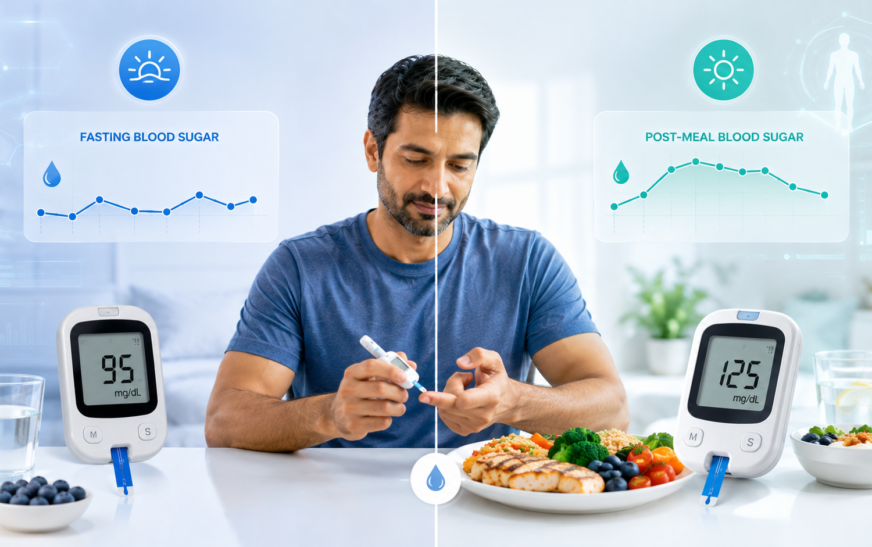
Two commonly discussed measurements are fasting blood sugar and post-meal blood sugar. Understanding the difference between these readings can help you make sense of glucose testing and recognize when a result may need further medical evaluation.
Fasting blood sugar is measured after you have not consumed calories for at least 8 hours, while post-meal measurements show how your body responds to food. Both provide useful information, but they answer different questions.
What Is Blood Sugar?
Blood sugar, also called blood glucose, is the amount of glucose circulating in your bloodstream. Glucose is an important source of energy for the body’s cells.
After you eat foods containing carbohydrates, your digestive system breaks them down into glucose. The pancreas then releases insulin, a hormone that helps glucose move from the bloodstream into cells where it can be used for energy.
When this process works properly, glucose levels remain within a healthy range. When the body does not produce enough insulin or cannot use insulin effectively, glucose can build up in the bloodstream.
Over time, consistently high blood glucose can increase the risk of health problems, including type 2 diabetes and its complications.
What Is Fasting Blood Sugar?
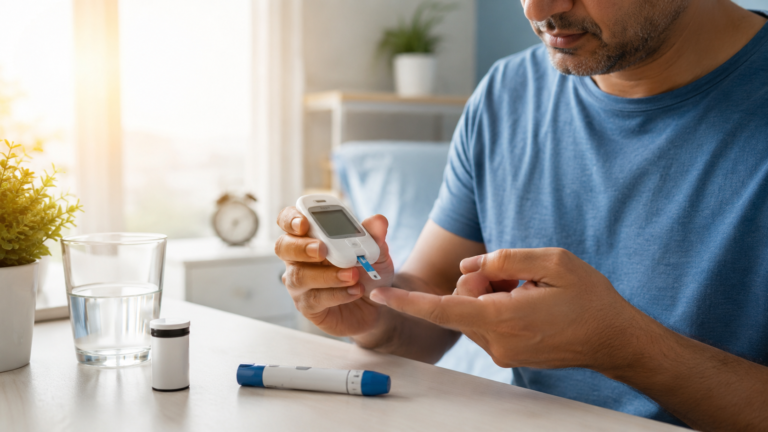
Fasting blood sugar is a glucose measurement taken after fasting for at least 8 hours. Usually, the test is performed in the morning before breakfast.
During the fasting period, you should generally avoid food and calorie-containing drinks. Your healthcare provider may give you specific instructions depending on the type of test being performed.
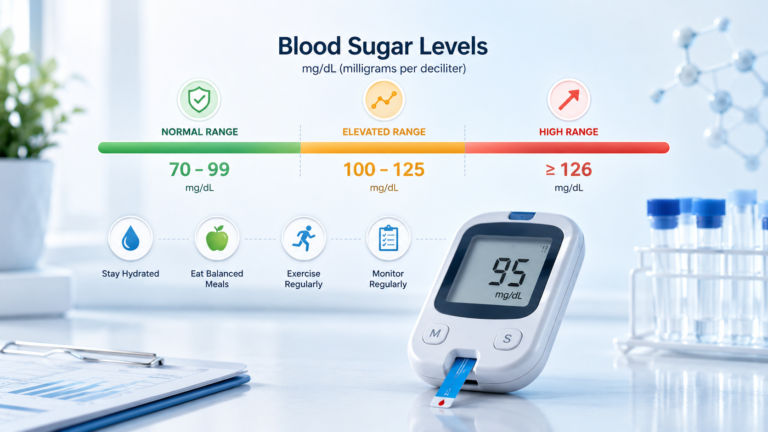
Fasting glucose is commonly used to screen for and help diagnose prediabetes and diabetes. According to the American Diabetes Association (ADA), fasting plasma glucose is classified as follows for nonpregnant adults:
- Normal: below 100 mg/dL
- Prediabetes: 100–125 mg/dL
- Diabetes: 126 mg/dL or higher
A diabetes diagnosis generally requires confirmation when there is no unequivocal hyperglycemia.
These numbers apply to laboratory plasma glucose testing and should not be interpreted as a diagnosis from a single home glucose-meter reading.
For people who use insulin pumps, understanding insulin delivery devices can also be important for maintaining better glucose management. Learn more about insulin delivery and blood sugar control through infusion sets.
What Is Post-Meal Blood Sugar?
Post-meal blood sugar refers to the glucose level measured after eating. The timing of the test matters because glucose usually rises after food and then gradually falls as insulin and other processes help move glucose into cells.
A post-meal glucose measurement may be taken at a specific interval, often around two hours after the beginning of a meal when healthcare professionals are evaluating glucose response.
It is important to distinguish this from the 2-hour oral glucose tolerance test (OGTT). The OGTT is a standardized diagnostic test involving a measured glucose drink, rather than an ordinary meal.
For diagnosis, the ADA considers a 2-hour plasma glucose level of 140–199 mg/dL during a 75-g OGTT to indicate impaired glucose tolerance, while 200 mg/dL or higher meets the glucose criterion for diabetes when the diagnostic requirements are fulfilled.
Fasting Blood Sugar vs Post-Meal Sugar
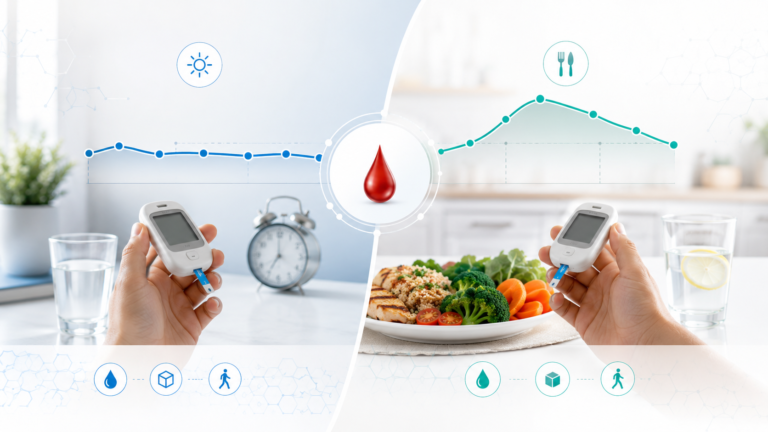
Fasting and post-meal measurements provide different information about glucose regulation.
A fasting test gives an idea of how your body is controlling glucose when you have not recently eaten. A post-meal measurement, on the other hand, can show how glucose responds after food.
For example, someone may have a normal fasting reading but experience higher-than-expected glucose levels after meals. In other cases, fasting levels may be elevated even when post-meal readings appear less concerning.
This is one reason healthcare professionals may consider multiple measurements, along with A1C, symptoms, medical history, and other risk factors.
Normal Blood Sugar Levels: What Do the Numbers Mean?
There is no single blood sugar number that is considered ideal for every person and every situation. Interpretation depends on whether the measurement was fasting, random, after a meal, or part of a standardized glucose tolerance test.
For nonpregnant adults, the ADA diagnostic categories include:
Fasting plasma glucose
- Below 100 mg/dL: normal
- 100–125 mg/dL: prediabetes range
- 126 mg/dL or higher: diabetes range
2-hour glucose during a 75-g OGTT
- Below 140 mg/dL: normal
- 140–199 mg/dL: prediabetes range
- 200 mg/dL or higher: diabetes range
The ADA also recognizes an A1C of 5.7–6.4% as the prediabetes range and an A1C of 6.5% or higher as a diabetes diagnostic criterion.
These diagnostic thresholds should not be confused with individualized glucose targets for people who have already been diagnosed with diabetes. Those targets may differ depending on age, medications, pregnancy status, health conditions, and other individual factors.
For a better understanding of the tests used to identify prediabetes and diabetes, including fasting glucose, A1C, and OGTT, see this guide to diabetes diagnosis and blood sugar testing.
Why Does Blood Sugar Rise After Eating?
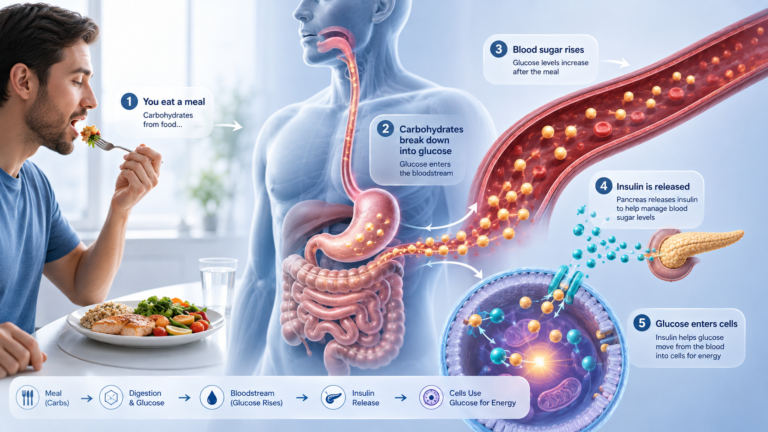
An increase in blood glucose after eating is a normal physiological response.
When carbohydrates are digested, glucose enters the bloodstream. The pancreas responds by releasing insulin, which helps the body use and store glucose.
The size and duration of the glucose rise can depend on several factors, including:
- The amount and type of carbohydrates consumed
- Fiber content of the meal
- Protein and fat content
- Portion size
- Physical activity
- Insulin sensitivity
- Medications
- Stress
- Sleep
- Existing health conditions
Meals high in rapidly absorbed carbohydrates may cause a quicker rise than meals containing more fiber, protein, or other foods that slow digestion.
However, an occasional higher reading does not automatically mean that a person has diabetes. Persistent abnormal results require appropriate medical assessment.
Why Can Fasting Blood Sugar Be High?
A higher-than-expected morning glucose level can happen for several reasons.
One possibility is insulin resistance, where the body’s cells do not respond to insulin as effectively as they should. The liver can also release glucose into the bloodstream overnight, which is a normal process but may contribute to higher levels in people with impaired glucose regulation.
Other factors that may influence morning readings include:
- Poor sleep
- Stress
- Illness
- Late meals
- Certain medications
- Reduced physical activity
- Alcohol consumption
- Existing diabetes or insulin resistance
If fasting blood sugar is repeatedly elevated, it is worth discussing the results with a healthcare professional rather than relying on a single measurement.
Metabolic health can also affect other organs, including the liver. Learn about the early signs of fatty liver and why recognizing them early can be important.
Why Can Blood Sugar Be High After Meals?
Post-meal glucose can rise for many reasons. The most obvious factor is the carbohydrate content of a meal, but other factors also matter.
Large portions, sugary drinks, refined carbohydrates, limited physical activity, insulin resistance, and certain medications can affect glucose levels.
The timing of the measurement is also important. A reading taken shortly after eating cannot be directly compared with a reading taken two hours later.
For this reason, when monitoring glucose at home, it is useful to follow the testing schedule recommended by your healthcare professional and record the time of the meal and the measurement.
What Factors Can Affect Blood Sugar Readings?

Blood glucose is not completely static. It can change throughout the day.
Some common factors include:
1. Food
Carbohydrates generally have the most immediate effect on glucose levels. Portion size and the overall composition of a meal can also influence the response.
2. Physical Activity
Exercise can increase glucose uptake by muscles and may affect glucose levels during and after activity.
3. Stress
Stress hormones can influence glucose regulation and may cause temporary increases in blood glucose in some people.
4. Sleep
Poor or insufficient sleep can affect metabolic health and may influence glucose regulation.
5. Illness
Infections and other illnesses can temporarily increase glucose levels because the body releases stress hormones during illness.
Liver health can also be evaluated through certain blood tests. If you want to understand why SGPT levels increase, you can learn more about common causes and related factors.
6. Medications
Some medicines can affect glucose levels. If you notice an unexpected change after starting or changing medication, discuss it with your healthcare professional.
How Is Blood Sugar Tested?
Different tests are used to evaluate glucose levels and diagnose diabetes, including fasting plasma glucose, A1C, and oral glucose tolerance testing. Learn more about diabetes tests and diagnosis.
Blood glucose can be measured in several ways.
Fasting Plasma Glucose Test
This is a laboratory blood test performed after at least 8 hours without calorie intake. It is commonly used for diabetes and prediabetes screening and diagnosis.
Home Blood Glucose Meter
A glucose meter uses a small blood sample, usually from a fingerstick. It can be useful for monitoring glucose at home, particularly for people who have been advised to monitor their levels.
However, home readings should not automatically be treated as a formal diagnosis.
Oral Glucose Tolerance Test
During an OGTT, glucose is measured after fasting and again after consuming a standardized glucose solution. The 2-hour result can help identify impaired glucose tolerance or diabetes.
A1C Test
An A1C test provides an estimate of average blood glucose over the preceding several months. Unlike a fasting test, it does not require fasting.
The ADA uses an A1C of 5.7–6.4% for the prediabetes range and 6.5% or higher as a diabetes diagnostic criterion, with appropriate testing and confirmation requirements.
When Should You Be Concerned About Your Blood Sugar?
One unusual reading does not necessarily indicate a problem. Glucose can temporarily change because of food, exercise, stress, illness, medications, or testing conditions.
However, repeatedly abnormal readings should not be ignored.
Talk to a healthcare professional if you consistently have:
- Elevated fasting glucose
- Higher-than-expected readings after meals
- Symptoms such as increased thirst or frequent urination
- Unexplained weight loss
- Unusual fatigue
- Repeatedly low glucose readings
- A family history or other risk factors for diabetes
Diabetes can sometimes develop without obvious symptoms, which is why appropriate screening is important for people at increased risk.
Persistent fatigue can have many possible causes. If you frequently experience feeling tired after sleep, understanding the common causes may help you decide when to seek further evaluation.
How Can You Support Healthy Blood Sugar Levels?
Lifestyle habits can play an important role in maintaining healthy glucose regulation.
Choose Balanced Meals
Build meals around vegetables, high-fiber foods, appropriate protein sources, and minimally processed carbohydrates. Portion sizes also matter.
Stay Physically Active
Regular physical activity can support insulin sensitivity and overall metabolic health. Your activity plan should be appropriate for your fitness level and medical conditions.
Maintain a Healthy Weight
For people who are overweight, achieving a sustainable amount of weight loss may improve metabolic health and reduce the risk of type 2 diabetes.
Get Enough Sleep
Consistent, good-quality sleep supports overall health and may contribute to better metabolic regulation.
Manage Stress
Long-term stress can affect many aspects of health. Relaxation techniques, physical activity, adequate sleep, and professional support when needed can help with stress management.
Follow Your Treatment Plan
If you have diabetes or prediabetes, follow the recommendations provided by your healthcare professional. Do not change diabetes medication based on an individual glucose reading without medical advice.
Can Fasting Blood Sugar Be Normal While Post-Meal Sugar Is High?
Yes, glucose patterns can vary throughout the day.
A person may have a fasting reading within the normal range while experiencing higher glucose levels after meals. Conversely, some people may have elevated fasting glucose.
This is why looking at only one measurement may not provide a complete picture of glucose regulation.
Healthcare professionals may use fasting glucose, A1C, an OGTT, symptoms, medical history, and other information to determine whether additional testing is appropriate.
Is Post-Meal Blood Sugar More Important Than Fasting Blood Sugar?
Neither test is universally “more important.” They measure glucose under different conditions.
Fasting testing provides information about glucose regulation after a prolonged period without food, while post-meal measurements provide information about the response to food.
The most useful test depends on the reason for testing and the individual’s health situation.
For someone being evaluated for diabetes, diagnostic decisions should be based on recognized laboratory criteria rather than trying to interpret one isolated home reading.
Frequently Asked Questions (FAQs)
What is a normal fasting blood sugar level?
For nonpregnant adults, a fasting plasma glucose below 100 mg/dL is considered normal. A fasting level of 100–125 mg/dL falls within the prediabetes range, while 126 mg/dL or higher meets the glucose criterion for diabetes when diagnostic requirements are fulfilled.
What is a normal blood sugar level after eating?
The answer depends on the timing and type of test. A standard meal reading should not be directly compared with a 2-hour OGTT result because the tests are performed differently. For a 75-g OGTT, a 2-hour result below 140 mg/dL is considered normal.
How long should I fast before a fasting blood sugar test?
Fasting plasma glucose testing requires at least 8 hours without caloric intake. Follow the specific instructions provided by your healthcare professional or laboratory.
Can stress increase blood sugar?
Yes. Stress can affect glucose regulation, and stress hormones may contribute to temporary increases in blood glucose.
Can I diagnose diabetes using a home glucose meter?
A home glucose meter can be useful for monitoring, but a single home reading should not be used to self-diagnose diabetes. Diagnosis generally relies on appropriate laboratory testing and, when necessary, confirmation of abnormal results.
Is high fasting blood sugar always diabetes?
No. A high reading can have several causes, and diagnosis requires appropriate testing. Repeated abnormal fasting results should be discussed with a healthcare professional.
Does blood sugar change throughout the day?
Yes. Glucose naturally changes in response to meals, physical activity, hormones, stress, sleep, illness, and other factors.
Conclusion
Understanding the difference between fasting blood sugar and post-meal blood sugar can help you better understand how your body manages glucose. Fasting testing measures glucose after at least 8 hours without calories, while post-meal measurements show how your body responds after eating.
For nonpregnant adults, a fasting plasma glucose below 100 mg/dL is considered normal, while 100–125 mg/dL falls within the prediabetes range. A fasting result of 126 mg/dL or higher meets the diabetes glucose criterion when properly confirmed.
Remember that one unusual blood sugar reading does not always indicate a health problem. Food, stress, exercise, sleep, illness, and medications can all affect glucose levels. If your readings are repeatedly higher or lower than expected, speak with a healthcare professional for appropriate testing and guidance.






1 Comment
Really enjoyed this post. Thanks for sharing such helpful info. If you want a science‑based breakfast tool, this one has been super helpful for me: