
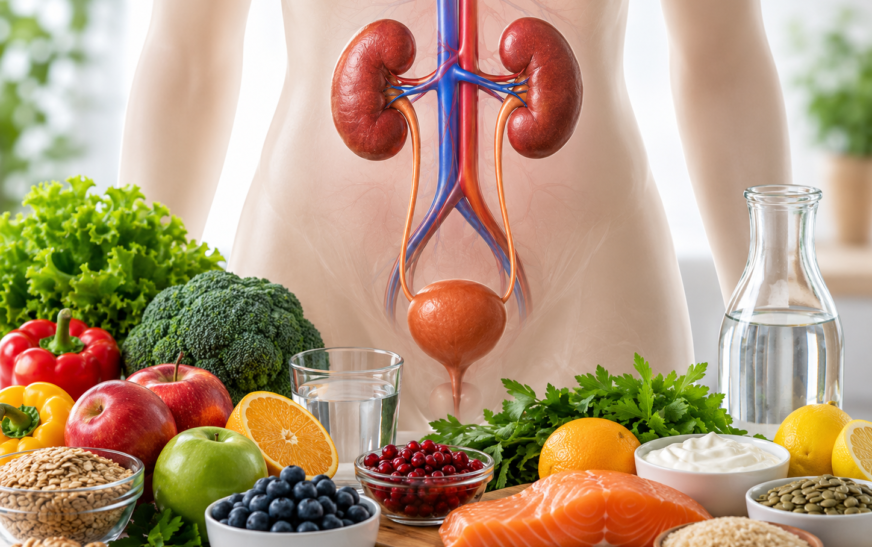
A Kidney Stone Diet is one of the most effective ways to support recovery and reduce the risk of future kidney stones. Along with proper medical treatment, eating the right foods, staying hydrated, and maintaining healthy lifestyle habits can help your kidneys function better while lowering the chances of stone recurrence. If you are recovering after kidney stone surgery, following a balanced diet becomes even more important for faster healing and long-term kidney health.
Kidney stones develop when minerals such as calcium, oxalate, and uric acid become highly concentrated in the urine, forming hard deposits inside the kidneys. In some cases, doctors may recommend a creatinine blood test to evaluate kidney function and monitor your overall kidney health. While treatment helps remove existing stones, long-term prevention depends largely on following a healthy Kidney Stone Diet and making sustainable dietary changes.
This guide covers everything you need to know about a Kidney Stone Diet, including the best foods to eat, foods to avoid, hydration tips, a practical Kidney Stone Diet Chart, and simple meal-planning strategies to help you recover faster and reduce the risk of future kidney stones.
Table of Contents
ToggleWhat Is a Kidney Stone Diet?
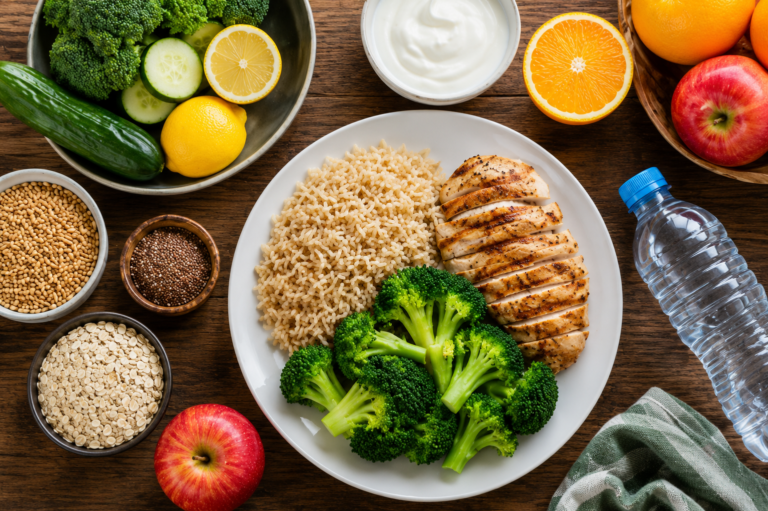
A Kidney Stone Diet is a healthy eating plan designed to support kidney function, prevent new stones from forming, and reduce the chances of recurrence after treatment. Rather than eliminating entire food groups, it focuses on balancing nutrients that influence stone formation while ensuring your body receives the vitamins and minerals it needs.
The diet generally emphasizes drinking plenty of water, reducing sodium intake, eating adequate amounts of calcium from food sources, consuming fresh fruits and vegetables, and limiting foods that are high in oxalates or purines when necessary. The exact recommendations may vary depending on the type of kidney stone, which is why personalized dietary advice from a healthcare professional is always beneficial.
Following a well-planned Kidney Stone Diet Chart can make it easier to choose kidney-friendly meals, stay consistent with healthy eating habits, and support long-term kidney health.
Why Is a Kidney Stone Diet Important?
Diet plays a significant role in both recovery and prevention. Even after successful treatment, kidney stones can return if healthy eating habits are not maintained. A balanced Kidney Stone Diet helps reduce the concentration of minerals that contribute to stone formation while supporting healthy kidney function.
Some of the key benefits include:
- Supports faster recovery after kidney stone treatment.
- Helps reduce the risk of recurring kidney stones.
- Promotes proper hydration and healthy urine production.
- Maintains a healthy balance of calcium, oxalate, and uric acid.
- Supports normal kidney function.
- Encourages healthier eating habits.
- Reduces excess sodium intake.
When combined with regular exercise, adequate hydration, and preventive healthcare, a healthy diet can significantly lower your risk of developing kidney stones again.
Key Principles of a Healthy Kidney Stone Diet
Before planning your meals, it’s important to understand the basic principles of a healthy Kidney Stone Diet.
1. Drink Plenty of Water
According to the National Kidney Foundation, drinking enough water every day is one of the most effective ways to reduce the risk of kidney stone formation. Staying hydrated is one of the most effective ways to prevent kidney stones. Drinking enough water helps dilute urine, making it less likely for minerals to stick together and form crystals. Most healthcare professionals recommend drinking enough fluids to produce clear or pale-yellow urine throughout the day.
2. Reduce Sodium Intake
Excess sodium can increase the amount of calcium released into the urine, which raises the risk of kidney stone formation. Limiting processed foods, packaged snacks, canned soups, and fast food is an important part of maintaining a healthy Kidney Stone Diet.
3. Get Calcium from Food
Many people believe they should avoid calcium completely after developing kidney stones, but this is a common misconception. Calcium-rich foods such as milk, yogurt, and cheese may actually help reduce oxalate absorption in the digestive tract. Unless advised otherwise by your doctor, obtaining calcium from food is generally a healthier option than relying on unnecessary supplements.The National Institute of Diabetes and Digestive and Kidney Diseases (NIDDK) recommends getting calcium from foods instead of avoiding calcium completely unless advised by your healthcare provider.
4. Eat More Fruits and Vegetables
Fresh fruits and vegetables provide essential vitamins, minerals, antioxidants, and fiber that support overall kidney health. Citrus fruits like lemons and oranges are especially beneficial because they contain citrate, a natural compound that may help reduce stone formation.
5. Limit Processed Foods
Highly processed foods are often high in sodium, unhealthy fats, and preservatives that may negatively affect kidney health. Choosing fresh, home-cooked meals over packaged foods is a simple way to improve your Kidney Stone Diet and support long-term wellness.
Foods to Eat on a Kidney Stone Diet
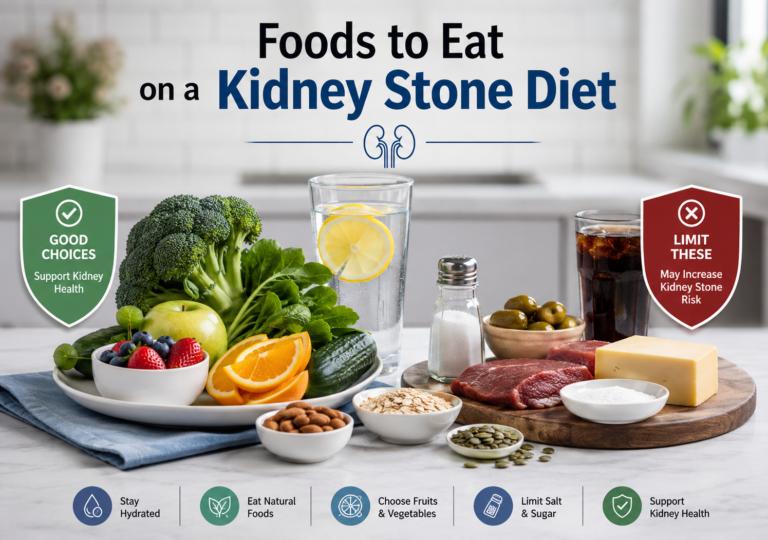
Choosing the right foods is one of the most important parts of a Kidney Stone Diet. A balanced diet can help reduce the buildup of stone-forming minerals, improve kidney function, and lower the risk of future kidney stones. The foods below are generally recommended for most people, but your doctor may suggest additional dietary changes based on the type of kidney stone you have.
1. Drink Plenty of Water
Water is the foundation of every Kidney Stone Diet. Staying hydrated helps dilute urine and reduces the concentration of minerals that can form kidney stones. Most adults should aim to drink enough fluids to produce clear or pale-yellow urine throughout the day.
If you live in a hot climate, exercise regularly, or sweat heavily, you may need to drink even more water. Staying hydrated before, during, and after physical activity is equally important.
Best fluids include:
- Plain water
- Lemon water
- Lime water
- Coconut water (in moderation)
- Sugar-free herbal teas
Avoid:
- Sugary soft drinks
- Energy drinks
- Excessive sweetened fruit juices
2. Eat Calcium-Rich Foods
Many people mistakenly believe that all calcium should be avoided after developing kidney stones. However, dietary calcium actually helps bind oxalates in the digestive tract, reducing their absorption and lowering the risk of calcium oxalate stones.
Good calcium-rich foods include:
- Low-fat milk
- Plain yogurt
- Cottage cheese
- Fortified plant-based milk
- Calcium-set tofu
Instead of taking calcium supplements without medical advice, try to meet your daily calcium needs through food whenever possible.
3. Choose Fresh Fruits
Fresh fruits are an essential part of a healthy Kidney Stone Diet because they provide vitamins, antioxidants, and fiber while helping maintain proper hydration.
The best fruits include:
- Lemons
- Oranges
- Limes
- Watermelon
- Apples
- Pears
- Papaya
- Grapes
Citrus fruits are especially beneficial because they contain citrate, a natural compound that may help reduce the formation of certain kidney stones.
4. Eat More Vegetables
Vegetables provide essential nutrients that support kidney health. Most vegetables can be safely included in a Kidney Stone Diet, although people with calcium oxalate stones may need to limit certain high-oxalate vegetables based on medical advice.
Good choices include:
- Cabbage
- Cauliflower
- Broccoli
- Bell peppers
- Cucumbers
- Mushrooms
- Green beans
- Lettuce
Eating a variety of colorful vegetables also supports overall health and improves daily nutrient intake.
5. Include Whole Grains
Whole grains provide fiber, vitamins, and minerals that contribute to overall wellness. They also help maintain a healthy digestive system and may reduce the risk of several chronic diseases.
Healthy whole-grain options include:
- Brown rice
- Oats
- Whole wheat bread
- Quinoa
- Barley
- Whole wheat pasta
Replace refined grains with whole grains whenever possible to improve the nutritional quality of your meals.
6. Choose Lean Protein Sources
Protein is necessary for tissue repair and overall health, but consuming excessive amounts of animal protein may increase the risk of certain kidney stones. A balanced Kidney Stone Diet focuses on moderate portions of lean protein.
Healthy protein choices include:
- Skinless chicken
- Fish
- Eggs
- Lentils
- Beans
- Chickpeas
- Tofu
Plant-based protein sources are often a healthier choice because they contain less saturated fat and provide additional fiber.
7. Healthy Fats
Healthy fats support overall body function without placing unnecessary stress on your kidneys.
Good sources include:
- Olive oil
- Avocados
- Unsalted nuts (only in moderation and depending on stone type)
- Flaxseeds
- Chia seeds
If you have calcium oxalate stones, ask your healthcare provider whether certain nuts and seeds should be limited.
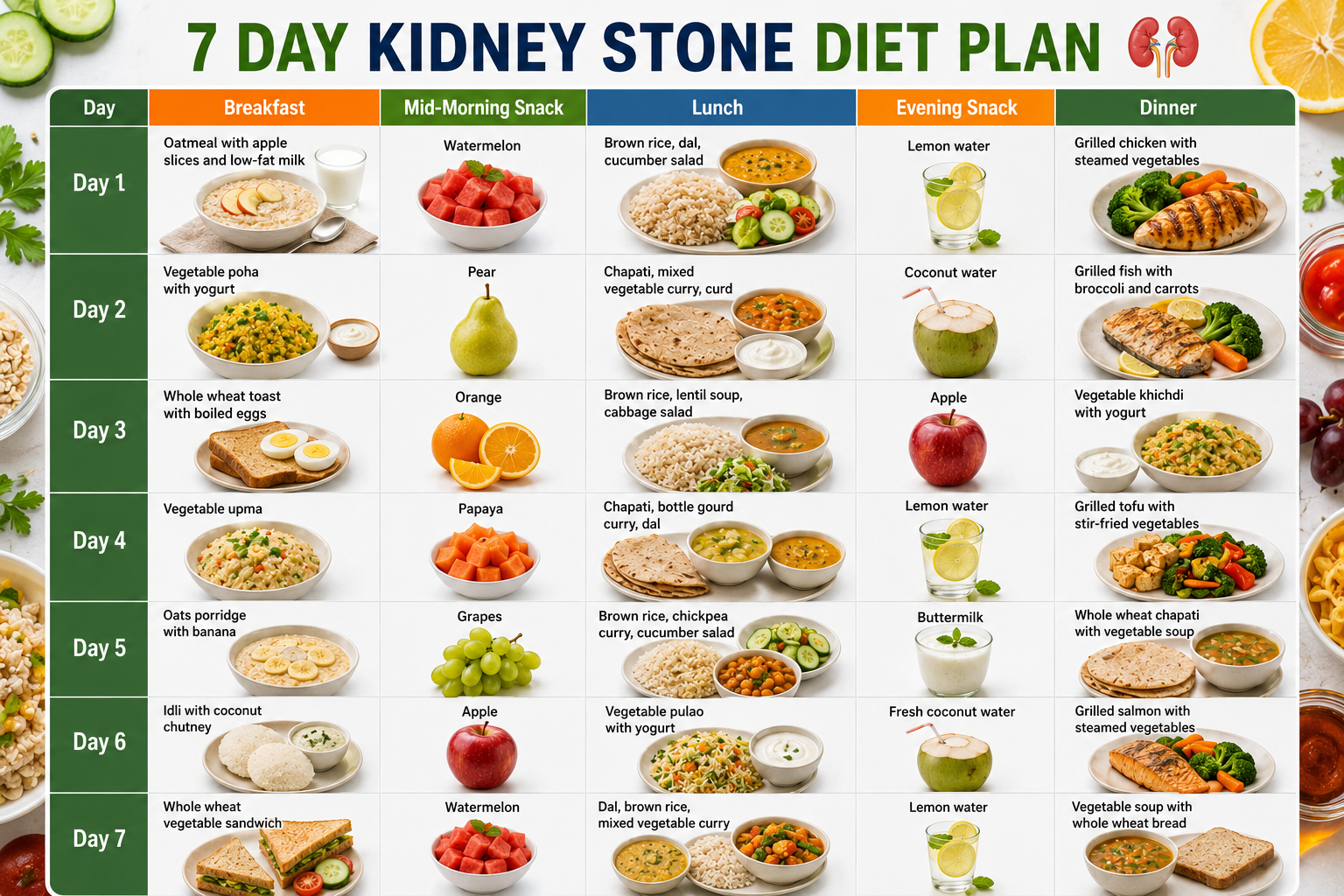
Sample Kidney Stone Diet Chart
The following Kidney Stone Diet Chart provides an example of balanced food choices throughout the day
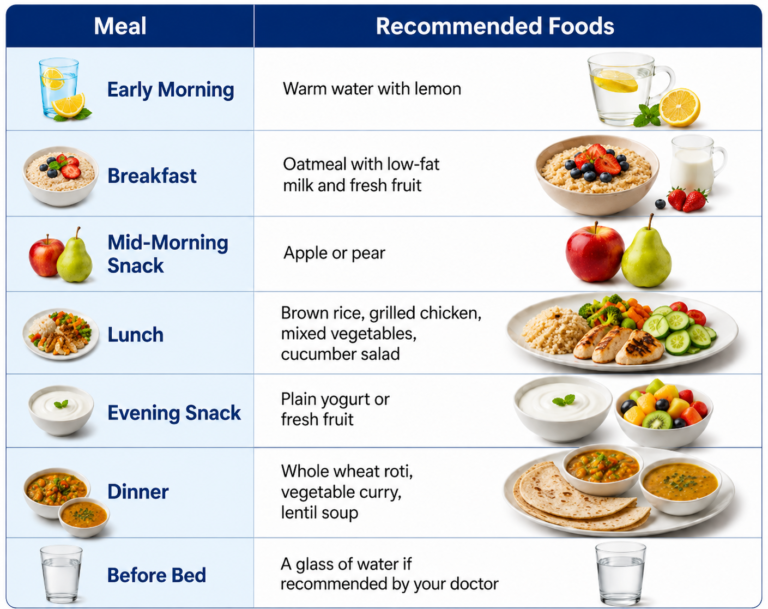
This Kidney Stone Diet Chart is only a general example. Your dietary needs may vary depending on your age, medical history, activity level, and the type of kidney stone you have.
Foods to Avoid on a Kidney Stone Diet
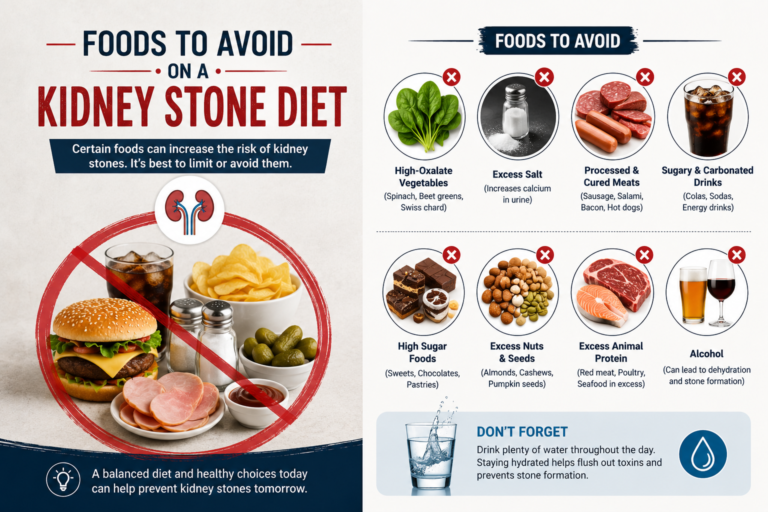
While eating the right foods is important, avoiding certain foods can also make a significant difference. A well-balanced Kidney Stone Diet limits foods that may increase the concentration of stone-forming minerals in the urine. The exact restrictions depend on the type of kidney stone, but the following foods are commonly recommended in moderation or should be avoided.
1. High-Oxalate Foods
People with calcium oxalate stones may need to reduce foods that are naturally high in oxalates. Oxalates can combine with calcium in the urine, increasing the risk of stone formation.
Examples include:
- Spinach
- Beetroot
- Swiss chard
- Rhubarb
- Almonds
- Cashews
- Peanuts
- Dark chocolate
- Sweet potatoes
You don’t always need to eliminate these foods completely. Pairing them with calcium-rich foods during meals may help reduce oxalate absorption. Always follow your healthcare provider’s recommendations based on your specific condition.
2. Excess Salt (Sodium)
Too much sodium causes your kidneys to release more calcium into the urine, increasing the likelihood of kidney stones.
Try to limit:
- Packaged snacks
- Instant noodles
- Chips
- Processed meats
- Pickles
- Canned soups
- Fast food
- Ready-to-eat meals
Preparing fresh meals at home is one of the easiest ways to reduce sodium intake and support a healthy Kidney Stone Diet.
3. Sugary Drinks
Soft drinks and sugar-sweetened beverages may increase the risk of kidney stone formation, especially when consumed regularly. Some carbonated drinks also contain phosphoric acid, which may contribute to stone development in certain individuals.
Limit or avoid:
- Soft drinks
- Energy drinks
- Sweetened fruit juices
- Packaged iced tea
- Sweetened coffee beverages
Choose water or naturally flavored water instead whenever possible.
4. Excess Animal Protein
Eating large amounts of red meat and processed meat may increase uric acid levels and reduce urinary citrate, making stone formation more likely.
Limit foods such as:
- Beef
- Lamb
- Pork
- Organ meats
- Bacon
- Sausages
- Salami
Instead, choose moderate portions of lean protein and include more plant-based protein sources in your meals.
5. Highly Processed Foods
Highly processed foods often contain excessive sodium, unhealthy fats, preservatives, and added sugars. Regular consumption may negatively affect kidney health and reduce the effectiveness of a Kidney Stone Diet.
Examples include:
- Frozen meals
- Processed cheese
- Packaged baked goods
- Instant soups
- Fast-food burgers
- Processed sauces
Reading nutrition labels can help you make healthier food choices.
Kidney Stone Diet Based on Stone Type
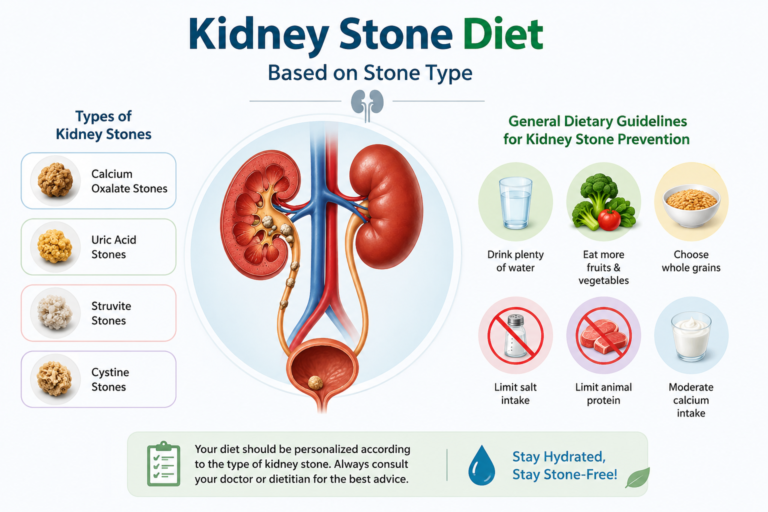
Not all kidney stones are the same. Your dietary recommendations may vary depending on the type of stone diagnosed by your doctor. Understanding the stone type allows you to follow a more personalized Kidney Stone Diet.
Calcium Oxalate Stones
Calcium oxalate stones are the most common type of kidney stone.
Diet Tips:
- Drink plenty of water.
- Eat calcium-rich foods with meals.
- Reduce high-oxalate foods.
- Limit sodium intake.
- Avoid excessive vitamin C supplements unless prescribed.
Uric Acid Stones
Uric acid stones are often associated with a diet high in purines.
Recommended foods:
- Fruits
- Vegetables
- Whole grains
- Low-fat dairy products
Foods to limit:
- Red meat
- Organ meats
- Shellfish
- Alcohol
Maintaining a healthy body weight and staying hydrated can further reduce the risk of uric acid stones.
Calcium Phosphate Stones
People with calcium phosphate stones should focus on maintaining balanced calcium intake while limiting excessive sodium.
A healthy Kidney Stone Diet for this type usually includes:
- Fresh vegetables
- Fruits
- Whole grains
- Adequate hydration
- Moderate protein intake
- Struvite Stones
Struvite stones usually develop after urinary tract infections. Although diet alone cannot prevent these stones, staying hydrated and following your doctor’s treatment plan are essential for recovery.
Lifestyle Tips to Support a Kidney Stone Diet

Following a healthy diet is only one part of preventing kidney stones. Small lifestyle changes can make your Kidney Stone Diet even more effective.
Stay Physically Active
Regular exercise supports overall health and helps maintain a healthy body weight, which may reduce the risk of several chronic conditions.
Drink Water Throughout the Day
Don’t wait until you feel thirsty. Carry a reusable water bottle and drink fluids consistently from morning until bedtime.
Maintain a Healthy Weight
Being overweight or obese may increase the risk of kidney stones. Eating balanced meals and staying active can help you achieve a healthier weight.
Take Medicines as Prescribed
If your doctor recommends medication to prevent future kidney stones, follow the prescribed dosage and never stop treatment without medical advice. Understanding your common medicines and using them correctly can improve treatment outcomes.
Schedule Regular Health Check-Ups
Routine medical examinations help monitor kidney function and identify potential problems early. Preventive screenings and preventive healthcare play an important role in reducing the risk of future complications.
When Should You See a Doctor?
While following a Kidney Stone Diet can support recovery and help prevent future stones, it should not replace medical treatment.
Seek medical attention if you experience:
- Severe pain in the back, side, or lower abdomen
- Blood in the urine
- Fever or chills with urinary symptoms
Painful or frequent urination - Persistent nausea or vomiting
- Difficulty passing urine
Your doctor may recommend additional tests, including imaging scans or a creatinine blood test, to evaluate kidney function and determine the most appropriate treatment plan.
Common Mistakes to Avoid on a Kidney Stone Diet
Many people unintentionally make dietary mistakes that increase the risk of kidney stone recurrence. Avoiding these habits can improve the effectiveness of your Kidney Stone Diet.
Drinking Too Little Water
Not drinking enough water is one of the leading causes of kidney stone formation. Aim to stay hydrated throughout the day rather than consuming large amounts of water only when you feel thirsty.
Completely Avoiding Calcium
Many people stop eating calcium-rich foods after being diagnosed with kidney stones. In reality, dietary calcium helps reduce oxalate absorption and supports healthy bones. Unless advised by your doctor, include calcium-rich foods in moderation.
Eating Too Much Salt
A high-sodium diet can increase calcium levels in the urine, making kidney stones more likely to develop. Choose fresh foods whenever possible and reduce packaged or processed meals.
Consuming Excess Animal Protein
Large amounts of red meat and processed meat may increase uric acid production, especially in people who are prone to uric acid stones. Balance your meals with plant-based protein and lean protein sources.
Ignoring Follow-Up Care
Even after successful treatment, kidney stones can return. Regular medical check-ups, healthy eating habits, and preventive healthcare are essential for reducing the risk of recurrence.
Frequently Asked Questions (FAQs)
What is the best Kidney Stone Diet?
The best Kidney Stone Diet includes plenty of water, fresh fruits, vegetables, whole grains, moderate amounts of lean protein, and calcium-rich foods while limiting excess sodium, sugary drinks, and processed foods.
Which foods should I avoid if I have kidney stones?
Depending on the type of kidney stone, you may need to limit high-oxalate foods, processed foods, excessive salt, sugary beverages, and large amounts of red meat.
Is drinking lemon water good for kidney stones?
Yes. Lemon water contains citrate, which may help reduce the formation of certain types of kidney stones. It can also help you increase your daily fluid intake.
Can I drink milk on a Kidney Stone Diet?
Yes. For most people, moderate amounts of milk and other calcium-rich foods are recommended because dietary calcium may help reduce oxalate absorption. However, follow your doctor’s advice if you have specific dietary restrictions.
How much water should I drink each day?
Fluid requirements vary from person to person. Many healthcare professionals recommend drinking enough water to produce clear or pale-yellow urine throughout the day.
Can kidney stones come back after treatment?
Yes. Kidney stones can recur if healthy eating habits and hydration are not maintained. Following a balanced Kidney Stone Diet and attending regular medical check-ups can help reduce the risk of recurrence.
Is a Kidney Stone Diet different for every patient?
Yes. The ideal diet depends on the type of kidney stone, your medical history, and your overall health. Your healthcare provider or dietitian can recommend a personalized meal plan based on your individual needs.
Conclusion
Following a healthy Kidney Stone Diet is one of the most effective ways to support recovery, protect kidney function, and reduce the risk of future kidney stones. Simple lifestyle changes such as drinking enough water, limiting sodium, choosing fresh fruits and vegetables, eating adequate dietary calcium, and avoiding highly processed foods can make a significant difference over time.
Remember that dietary recommendations may vary depending on the type of kidney stone you have and your overall health condition. Combining a balanced diet with regular medical check-ups, healthy lifestyle habits, and timely treatment can help you maintain better kidney health and lower the chances of recurrence. If your symptoms persist or worsen, consult a qualified healthcare professional for a personalized treatment plan.