
Table of Contents
ToggleKidney stones are one of the most common urinary tract conditions affecting millions of people worldwide. They can develop silently over time and often cause sudden, severe pain when they move through the urinary tract. While some kidney stones pass naturally, others may require medication or even surgery depending on their size and location.
Understanding what kidney stones are is the first step toward preventing them. These hard mineral deposits form when certain substances in the urine become highly concentrated and begin to crystallize. Without enough fluid to dilute these minerals, the crystals grow larger and eventually become stones.
Anyone can develop kidney stones, but factors such as dehydration, diet, obesity, family history, and certain medical conditions significantly increase the risk. Fortunately, many cases can be prevented through lifestyle changes, healthy eating habits, and regular medical check-ups.
If you’ve recently experienced symptoms such as severe back pain, blood in urine, or painful urination, it’s important to understand the possible causes and seek medical advice. People with underlying conditions like hypertension, diabetes, or abnormal kidney function may have a higher chance of developing kidney stones.In this comprehensive guide, you’ll learn what are kidney stones, how they form, their different types, major causes, risk factors, symptoms, diagnosis, and effective prevention strategies to help protect your kidney health.
What Are Kidney Stones?
Kidney stones are hard deposits made of minerals and salts that develop inside the kidneys. These deposits form when the urine contains high concentrations of minerals such as calcium, oxalate, uric acid, or cystine. Instead of dissolving and leaving the body naturally, these minerals stick together, forming tiny crystals that gradually grow into stones.
The size of kidney stones varies considerably. Some are as small as a grain of sand and pass through the urinary tract without causing symptoms. Others may grow several centimeters in diameter, blocking urine flow and leading to intense pain, infection, or kidney damage.
Although kidney stones develop in the kidneys, they may travel through different parts of the urinary system, including the ureters, bladder, and urethra. Pain usually begins when the stone starts moving and blocks the flow of urine.
Kidney stones affect both men and women, though men are generally at a slightly higher risk. However, the number of women diagnosed with kidney stones has also increased in recent years due to changing dietary habits and lifestyle factors.
Understanding what kidney stones are helps individuals recognize early warning signs and adopt preventive measures before complications occur.
How Do Kidney Stones Form?
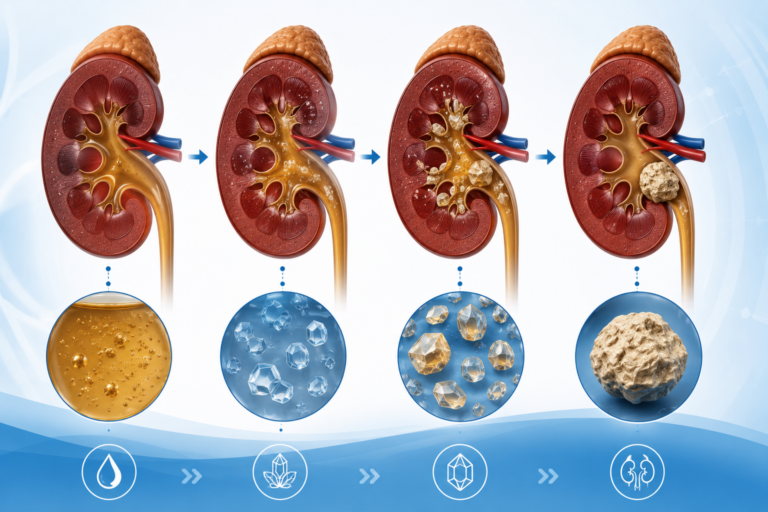
Kidney stones do not develop overnight. They usually form gradually through a process called crystallization.
Healthy urine contains various minerals and waste products. Normally, these substances remain dissolved because urine contains enough water and natural chemicals that prevent crystal formation.
However, when urine becomes concentrated due to dehydration or other factors, minerals begin sticking together.
The process generally occurs in four stages.
Stage 1 – Mineral Concentration
When you don’t drink enough water, urine becomes highly concentrated. Calcium, oxalate, uric acid, and other minerals become more likely to crystallize.
Stage 2 – Crystal Formation
Tiny mineral crystals begin forming inside the kidneys. Initially, these crystals are microscopic and usually cause no symptoms.
Stage 3 – Crystal Growth
Over time, additional minerals attach to these crystals, making them larger. Without sufficient fluid intake, the crystals continue growing.
Stage 4 – Stone Development
Eventually, the crystals become solid kidney stones. Some remain inside the kidneys, while others move into the ureters, causing pain and urinary blockage.
People who have previously experienced kidney stones are more likely to develop them again unless preventive measures are taken.
Types of Kidney Stones
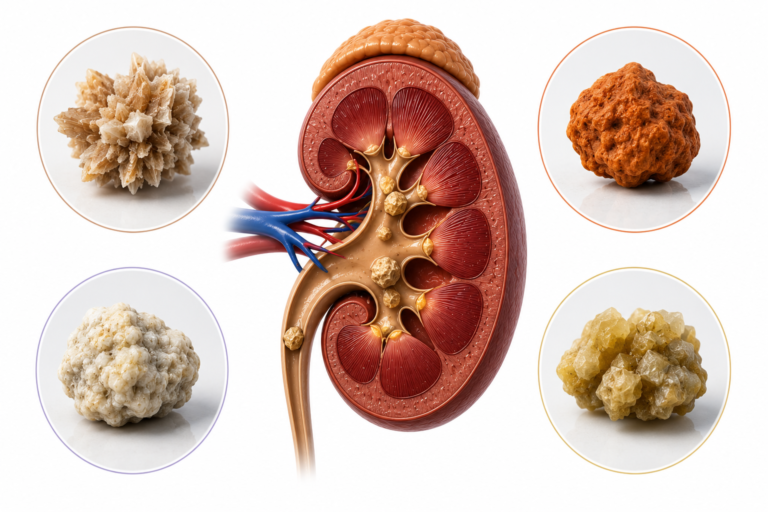
Not all kidney stones are the same. Identifying the type of stone helps doctors determine the most appropriate treatment and prevention plan.
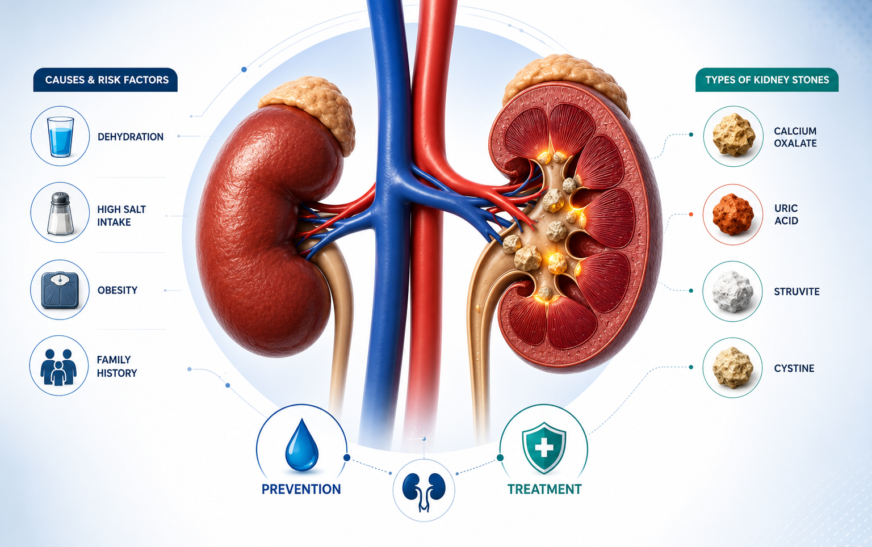
1. Calcium Stones
Calcium stones are the most common type of kidney stone, accounting for nearly 80% of all cases. They are primarily made of calcium oxalate, although some may consist of calcium phosphate. According to the National Kidney Foundation, calcium stones often develop due to a combination of dietary habits, dehydration, and certain medical conditions.
Common risk factors include:
- High sodium intake
- Oxalate-rich foods
- Low water consumption
- Vitamin D disorders
- Certain metabolic conditions
People who regularly consume processed or high-sodium foods may have a greater risk of developing calcium stones. Maintaining a balanced diet, staying well-hydrated, and limiting excess salt intake can help lower this risk. For more information about the different types of kidney stones, visit the National Kidney Foundation.
2. Uric Acid Stones
Uric acid stones develop when urine becomes excessively acidic.
They are commonly seen in individuals who:
- Eat large amounts of red meat
- Consume organ meats frequently
- Have gout
- Experience chronic dehydration
- Follow high-protein diets
Unlike calcium stones, uric acid stones can sometimes be dissolved using medications that increase urine pH.
3. Struvite Stones
Struvite stones usually develop after repeated urinary tract infections (UTIs).
These stones tend to grow rapidly and may become quite large before symptoms appear.
Women with frequent urinary infections are at greater risk.
4. Cystine Stones
Cystine stones are relatively rare and result from a hereditary condition called cystinuria.
People with this condition release excessive amounts of the amino acid cystine into their urine, leading to recurrent stone formation from a young age.
Common Causes of Kidney Stones
Common Causes of Heart Attack in Young Adults
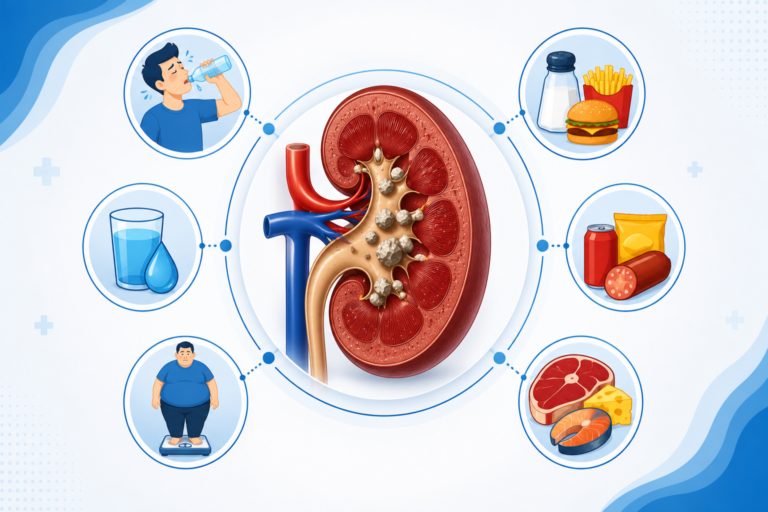
Understanding what causes kidney stones helps reduce your chances of developing them in the future.
Several factors contribute to stone formation.
Dehydration
Insufficient water intake is one of the leading causes of kidney stones.
When your body lacks adequate fluids, urine becomes concentrated, allowing minerals to crystallize more easily.
Experts generally recommend drinking enough water to produce clear or pale-yellow urine throughout the day.
Diet High in Sodium
Consuming too much salt increases calcium levels in urine, significantly raising the risk of calcium stone formation.
Common high-sodium foods include:
- Packaged snacks
- Fast food
- Processed meat
- Instant noodles
- Frozen meals
Reducing sodium intake benefits not only kidney health but also helps manage hypertension.
High Oxalate Foods
Certain healthy foods naturally contain oxalates, including:
- Spinach
- Beetroot
- Chocolate
- Nuts
- Tea
These foods don’t necessarily need to be avoided entirely, but individuals prone to kidney stones should consume them in moderation while maintaining adequate calcium intake.
Low Calcium Intake
Many people mistakenly believe reducing calcium prevents kidney stones.
In reality, consuming too little dietary calcium may actually increase calcium oxalate stone formation because oxalates are absorbed more easily in the digestive tract.
A balanced diet remains the best approach.
Risk Factors for Kidney Stones
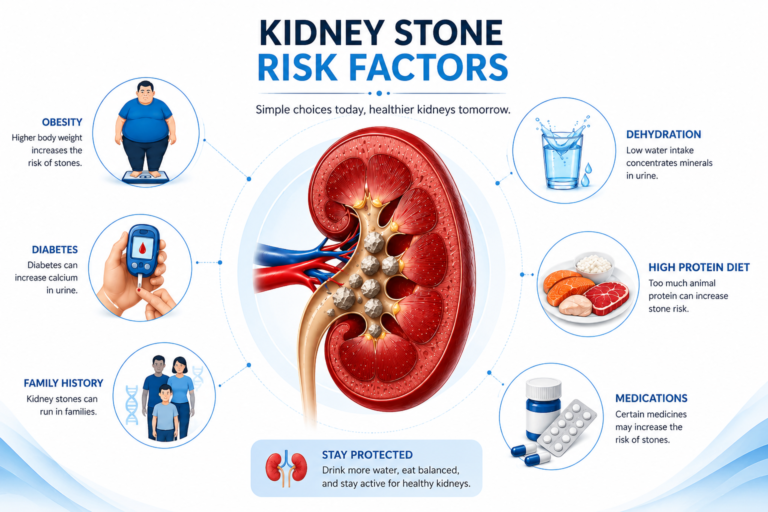
While anyone can develop kidney stones, certain factors can significantly increase the risk. Knowing these kidney stone risk factors can help you take preventive steps before stones form.
Family History
If one or more family members have had kidney stones, your chances of developing them are higher. Genetics can influence how your body processes minerals and waste products.
Previous Kidney Stones
Once you’ve had a kidney stone, you’re more likely to develop another one. Without lifestyle changes or medical guidance, recurrence is common.
Obesity and Excess Weight
Being overweight can change your body’s metabolism and increase the levels of stone-forming substances in urine. Obesity is also linked to diabetes and high blood pressure, both of which may contribute to kidney problems.
Certain Medical Conditions
Some health conditions increase the likelihood of kidney stone formation, including:
- Diabetes
- Gout
- Hyperparathyroidism
- Chronic urinary tract infections
- Digestive disorders
- Kidney diseases
Regular health check-ups can help identify these conditions early.
Poor Hydration
People living in hot climates or those who sweat heavily without replacing lost fluids are more likely to develop concentrated urine, increasing the risk of stones.
High-Protein Diet
Excessive consumption of:
- Red meat
- Organ meat
- Seafood
- Protein supplements
May increase uric acid levels and contribute to certain types of kidney stones.
Certain Medications
Some medicines and supplements may increase stone risk, such as:
- High-dose Vitamin C
- Calcium supplements (when taken without medical advice)
- Certain diuretics
- Some anti-seizure medications
Always consult your healthcare provider before starting or stopping any medication.
Early Symptoms of Kidney Stones
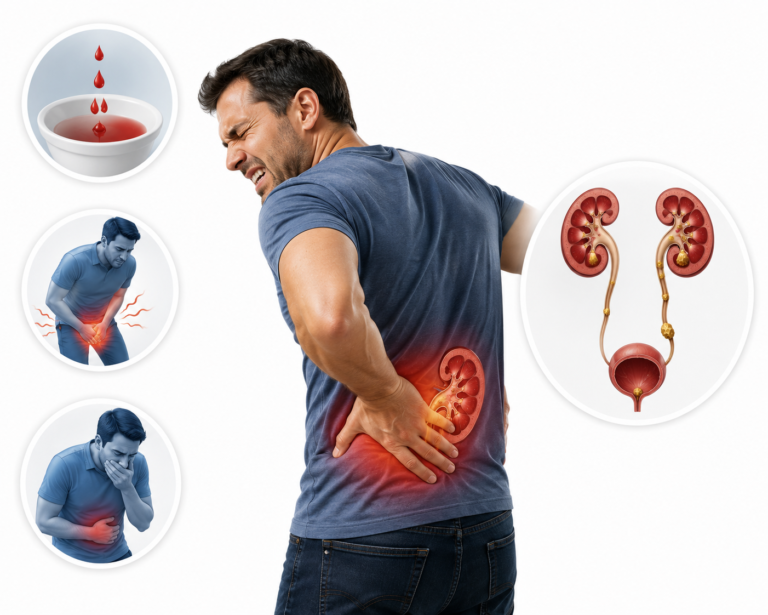
Kidney stones often remain unnoticed until they begin moving through the urinary tract. At that point, symptoms can appear suddenly and become quite severe.
Common kidney stone symptoms include:
- Severe pain in the lower back or side
- Pain that spreads toward the groin
- Burning sensation while urinating
- Blood in urine (pink, red, or brown)
- Frequent urge to urinate
- Passing small amounts of urine
- Cloudy or foul-smelling urine
- Nausea and vomiting
- Fever and chills (if an infection is present)
The intensity of pain may come and go in waves as the stone moves through the ureter.
When Is Kidney Stone Pain an Emergency?
Seek immediate medical attention if you experience:
- Severe pain that doesn’t improve
- Fever with chills
- Difficulty passing urine
- Persistent vomiting
- Large amounts of blood in urine
Prompt treatment helps prevent complications such as kidney infections or permanent kidney damage.
How Are Kidney Stones Diagnosed?
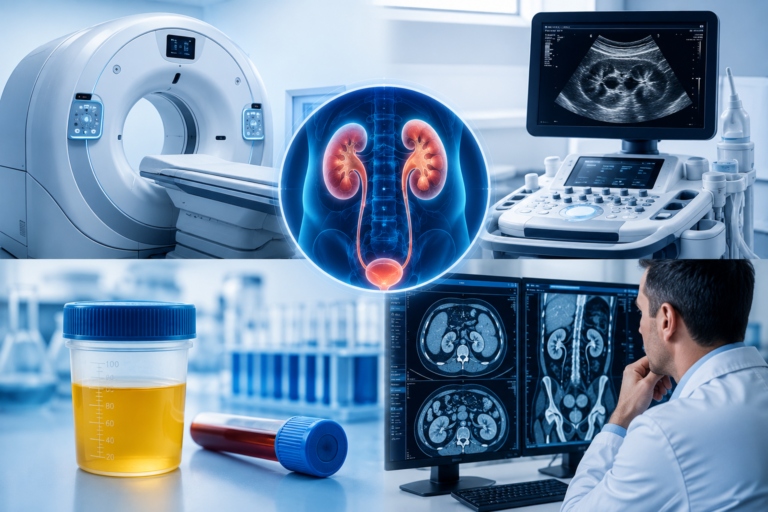
Doctors use several methods to confirm kidney stones and determine their size, location, and type.
Physical Examination
The doctor reviews your symptoms, medical history, and family history before recommending tests.
Urine Tests
Urine analysis helps detect:
- Blood
- Infection
- Crystals
- High mineral levels
Blood Tests
Blood tests evaluate kidney function and identify mineral imbalances.
Common tests include:
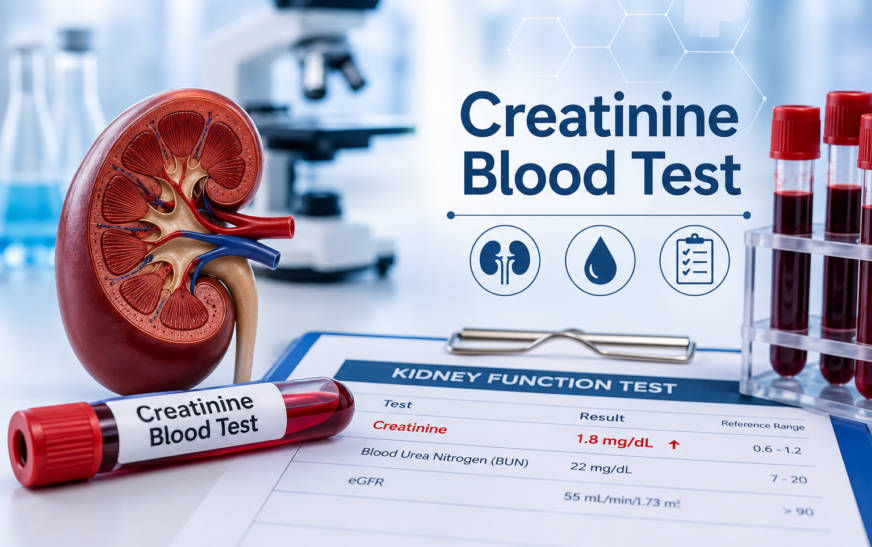
- Creatinine Blood Test
- Calcium levels
- Uric acid
- Kidney function tests
Imaging Tests
Doctors may recommend:
- CT Scan
- Ultrasound
- X-ray
- Intravenous Pyelogram (IVP)
Imaging reveals the exact size and location of kidney stones, helping determine the best treatment approach.
Treatment Options for Kidney Stones
Treatment depends on the stone’s size, type, and location.
Small Kidney Stones
Small stones often pass naturally within a few days or weeks.
Doctors typically recommend:
- Drinking plenty of water
- Pain-relieving medications
- Alpha blockers to relax the urinary tract
Large Kidney Stones
Larger stones may require medical procedures such as:
- Shock Wave Lithotripsy (SWL)
- Ureteroscopy
- Percutaneous Nephrolithotomy (PCNL)
- Laser treatment
In some cases, surgery is necessary if the stone is too large to pass naturally.
Can Kidney Stones Be Prevented?
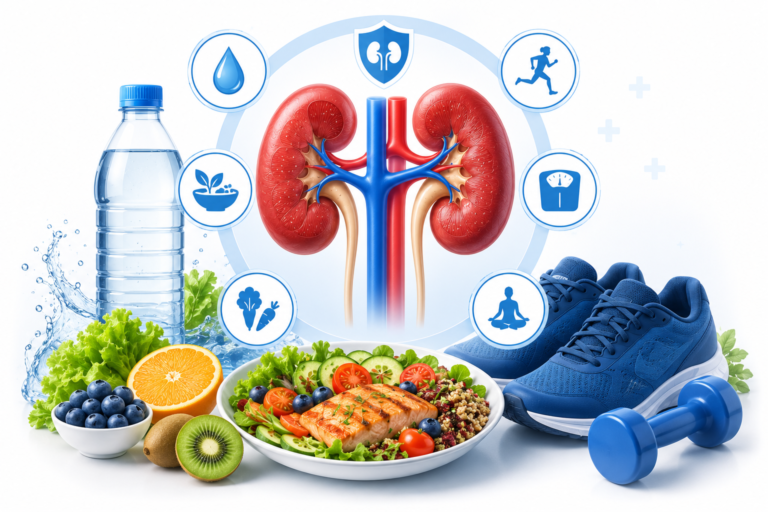
The good news is that many kidney stones can be prevented with healthy lifestyle habits.
Stay Well Hydrated
Drink 2.5–3 liters of water daily unless advised otherwise by your doctor. Adequate hydration keeps urine diluted and reduces crystal formation.
Reduce Salt Intake
Lowering sodium intake helps reduce calcium levels in urine.
Choose:
- Fresh fruits
- Fresh vegetables
- Home-cooked meals
Limit:
- Packaged foods
- Fast food
- Chips
- Processed meats
Eat a Balanced Diet
Include:
- Fruits
- Vegetables
- Whole grains
- Moderate calcium intake
- Lean protein
Avoid excessive amounts of sugary drinks and processed foods.
For a detailed meal plan, read our Kidney Stone Diet Chart.
Related Reading: Kidney Stone Diet Chart
Maintain a Healthy Weight
Regular exercise and a healthy body weight reduce the risk of kidney stones and improve overall kidney health.
Manage Underlying Health Conditions
Proper management of diabetes, hypertension, and metabolic disorders lowers the chances of recurrent kidney stones.
Routine health monitoring also helps detect kidney problems early.
Lifestyle Tips for Better Kidney Health
Healthy kidneys are essential for filtering waste and maintaining the body’s fluid balance. These everyday habits can support kidney health and reduce the risk of stone formation:
- Drink enough water throughout the day.
- Limit sugary drinks and excessive caffeine.
- Eat a balanced diet rich in fruits and vegetables.
- Exercise regularly to maintain a healthy weight.
- Avoid smoking and excessive alcohol consumption.
- Do not overuse painkillers unless prescribed.
- Get regular health check-ups if you have diabetes or high blood pressure.
Following these simple habits can significantly improve long-term kidney health.
Frequently Asked Questions (FAQs)
What causes kidney stones?
Kidney stones are commonly caused by dehydration, high sodium intake, excess oxalate in the diet, high uric acid levels, obesity, certain medications, and inherited conditions. These factors increase the concentration of minerals in urine, allowing crystals to form and grow into stones.
How to prevent kidney stones?
You can help prevent kidney stones by drinking plenty of water, reducing salt intake, eating a balanced diet, maintaining a healthy weight, and managing conditions such as diabetes and hypertension. Your doctor may also recommend dietary changes based on the type of stone you have.
How do you get kidney stones?
Kidney stones develop when minerals and salts in urine become highly concentrated due to dehydration, dietary habits, medical conditions, or genetic factors. Over time, these minerals crystallize and form solid stones inside the kidneys.
How to avoid kidney stones?
To avoid kidney stones, stay hydrated, limit processed and salty foods, consume calcium in recommended amounts, avoid excessive animal protein, and have regular medical check-ups if you’re at high risk or have had stones before.
What are kidney stones?
Kidney stones are hard deposits made of minerals and salts that form inside the kidneys. They vary in size and can move through the urinary tract, sometimes causing severe pain, blood in the urine, and difficulty passing urine.
Conclusion
Understanding what kidney stones are is the first step toward protecting your kidney health and reducing the risk of future stone formation. Kidney stones develop when minerals and salts in the urine become concentrated, forming hard deposits that can cause severe pain and other urinary complications. Fortunately, many cases can be prevented through proper hydration, a balanced diet, regular physical activity, and healthy lifestyle habits.
Knowing the different types, causes, symptoms, and risk factors can help you recognize warning signs early and seek timely medical care. If you experience persistent back or side pain, blood in your urine, fever, or difficulty urinating, it is important to consult a qualified healthcare professional for proper evaluation and treatment.
If you’ve had kidney stones before, following your doctor’s recommendations and maintaining healthy lifestyle habits can significantly reduce the chances of recurrence. For additional evidence-based information on kidney stone prevention and kidney health, refer to the latest patient education resources published by the National Institute of Diabetes and Digestive and Kidney Diseases (NIDDK).