

Many people blame a slow metabolism when they feel tired, gain weight, or struggle with low energy. While metabolism can affect these symptoms, your thyroid may actually be the underlying cause. The thyroid gland produces hormones that regulate how your body uses energy, controls body temperature, supports heart function, and influences many other vital processes.
A thyroid blood test—which includes T3, T4, and TSH—helps doctors understand whether your thyroid is working normally. These hormone levels can reveal if your thyroid is underactive (hypothyroidism), overactive (hyperthyroidism), or functioning within a healthy range.
In this guide, you’ll learn what the thyroid does, how T3, T4, and TSH work together, what your test results mean, and when you should consider getting tested.
Regular health check-ups and Preventive Healthcare can help detect thyroid disorders early before symptoms become severe.
Table of Contents
ToggleWhat Is the Thyroid?
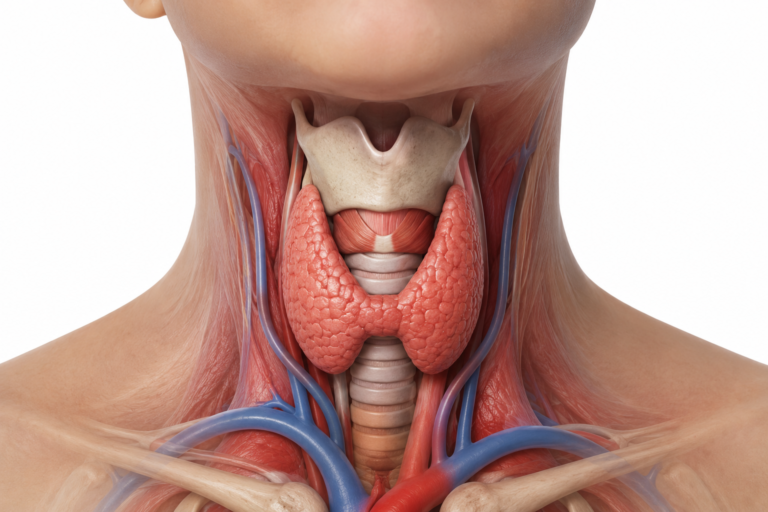
The thyroid is a small, butterfly-shaped gland located at the front of your neck, just below your Adam’s apple. Although it is small, it plays a major role in controlling your body’s metabolism by producing hormones that influence almost every organ.
The thyroid releases two primary hormones:
- Triiodothyronine (T3)
- Thyroxine (T4)
These hormones travel through the bloodstream and help regulate:
- Metabolism
- Heart rate
- Body temperature
- Energy production
- Digestion
- Muscle function
- Brain development
- Growth and development
Your thyroid does not work alone. It is controlled by the pituitary gland, which produces Thyroid Stimulating Hormone (TSH). TSH signals the thyroid to produce the right amount of T3 and T4 based on your body’s needs.
How Does the Thyroid Affect Metabolism?

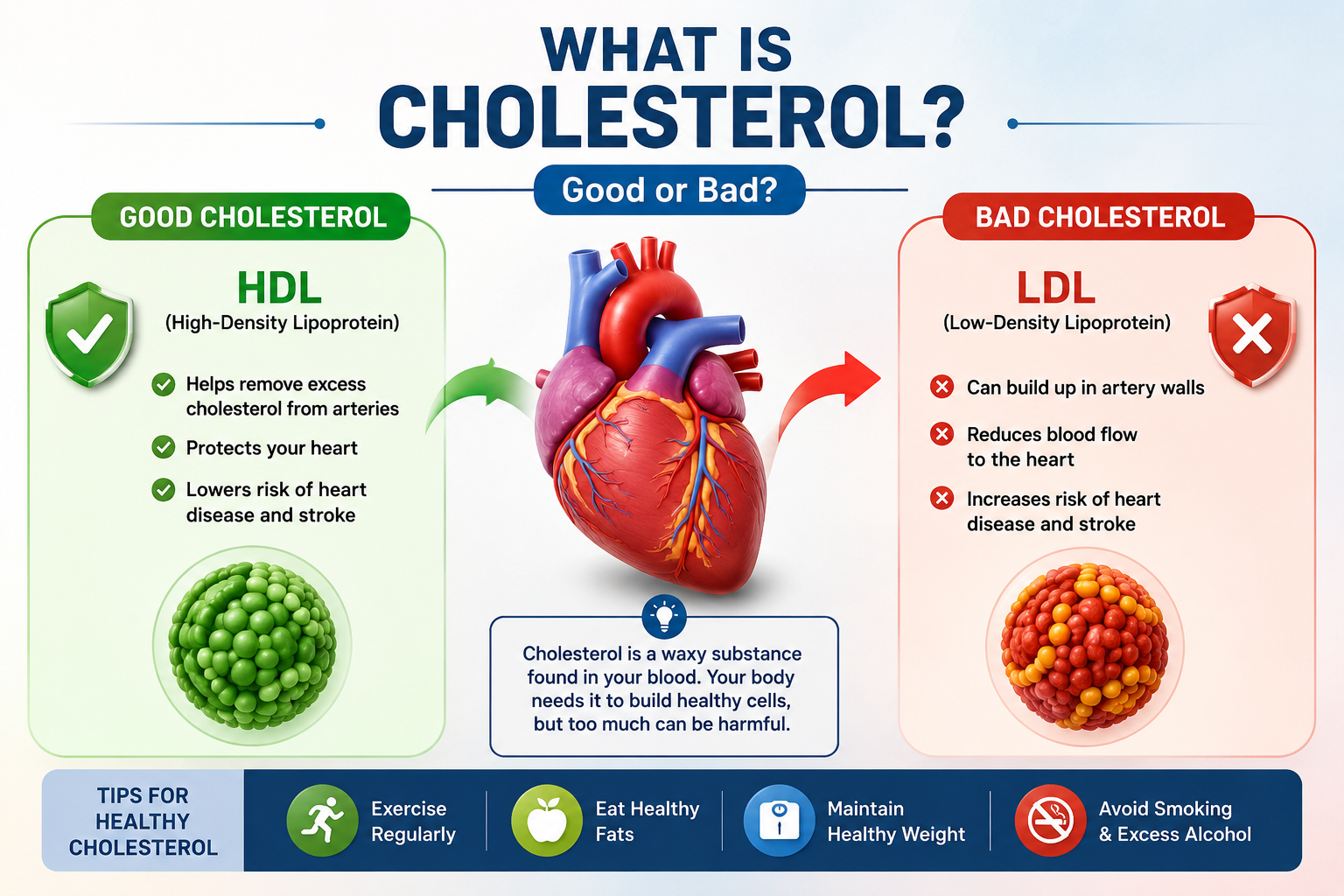
Poor thyroid function may also affect Cholesterol levels, increasing the risk of cardiovascular disease if left untreated.
Your metabolism is the process by which your body converts food into energy. The thyroid controls the speed of this process through thyroid hormones.
When thyroid hormone levels are balanced:
- Calories are burned efficiently.
- Energy levels remain steady.
- Body temperature stays normal.
- Weight remains easier to manage.
- Heart rate functions normally.
However, thyroid problems can change your metabolism significantly.
| Thyroid Condition | Effect on Metabolism | Common Symptoms |
|---|---|---|
| Hypothyroidism | Slows metabolism | Weight gain, fatigue, constipation, feeling cold |
| Hyperthyroidism | Speeds up metabolism | Weight loss, rapid heartbeat, anxiety, excessive sweating |
Because many metabolism-related symptoms overlap with thyroid disorders, doctors usually recommend a thyroid blood test before assuming metabolism alone is responsible.
What Is a T3, T4, and TSH Blood Test?

A thyroid blood test measures hormones that show how well your thyroid gland is functioning.
The three most common tests include:
TSH (Thyroid Stimulating Hormone)
TSH is produced by the pituitary gland rather than the thyroid itself. It acts like a messenger, telling the thyroid when to make more or less thyroid hormone.
Generally:
- High TSH may indicate an underactive thyroid.
- Low TSH may indicate an overactive thyroid.
Since TSH responds quickly to hormone changes, it is often the first test doctors use to screen for thyroid disorders.
T4 (Thyroxine)
T4 is the main hormone produced by the thyroid gland. Most of it remains inactive until the body converts it into T3.
Doctors often measure Free T4, which represents the active hormone available for use by your body.
Abnormal T4 levels may suggest:
- Hypothyroidism
- Hyperthyroidism
- Thyroid inflammation
- Certain pituitary disorders
T3 (Triiodothyronine)
T3 is the active thyroid hormone that directly affects your metabolism.
Although your thyroid produces some T3, most of it comes from the conversion of T4 into T3 in different tissues.
Doctors may recommend a T3 test when:
- Hyperthyroidism is suspected.
- TSH levels are abnormal.
- Symptoms continue despite normal T4 levels.
Together, TSH, T3, and T4 provide a complete picture of thyroid function and help doctors identify the underlying cause of thyroid-related symptoms.
Why Would Your Doctor Recommend a Thyroid Blood Test?
Your healthcare provider may suggest a thyroid blood test if you have symptoms that could indicate a thyroid disorder.
Common reasons include:
Unexplained Weight Changes
Sudden weight gain or unexpected weight loss may be linked to abnormal thyroid hormone levels.
Constant Fatigue
If you feel tired despite getting enough sleep, your thyroid may not be producing enough hormones.
Since fatigue can have multiple causes, your doctor may also recommend a CBC Test to rule out conditions like anemia or infection.
Hair Loss
Both hypothyroidism and hyperthyroidism can contribute to noticeable hair thinning or excessive hair shedding.
Mood Changes
Thyroid disorders can affect mental health and may cause:
- Anxiety
- Depression
- Irritability
- Difficulty concentrating
Changes in Heart Rate
An overactive thyroid often causes a fast heartbeat, while an underactive thyroid may slow your heart rate.
Temperature Sensitivity
People with hypothyroidism frequently feel cold, whereas those with hyperthyroidism often experience heat intolerance and excessive sweating.
Family History of Thyroid Disease
If thyroid disorders run in your family, your doctor may recommend regular thyroid screening even before symptoms appear.
How Should You Prepare for a Thyroid Blood Test?
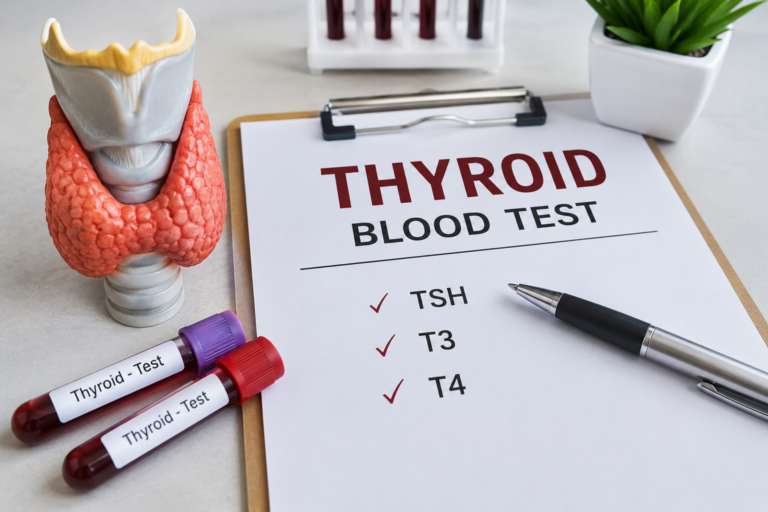
Fortunately, preparing for a thyroid blood test is usually simple.
Most people do not need special preparation, but your doctor may recommend a few precautions:
- Inform your healthcare provider about all medications and supplements.
- Certain medicines may affect thyroid hormone levels.
- If you take thyroid medication, follow your doctor’s instructions regarding when to take it before testing.
- Stay well hydrated before your blood sample is collected.
- Wear loose-fitting clothing to make the blood draw easier.
The procedure itself usually takes only a few minutes, and you can return to your normal activities immediately afterward.
Depending on your symptoms, your doctor may recommend other blood investigations such as a Creatinine Blood Test to evaluate overall kidney health.
What Are the Normal T3, T4, and TSH Levels?
Normal reference ranges can vary slightly between laboratories, but the following values are commonly used:
| Test | Typical Normal Range |
|---|---|
| TSH | 0.4–4.0 mIU/L |
| Free T4 | 0.8–1.8 ng/dL |
| Free T3 | 2.3–4.2 pg/mL |
Remember that these values may differ depending on the laboratory, your age, pregnancy status, and medical history. Always discuss your results with your healthcare provider instead of interpreting them on your own.
How to Read Your Thyroid Blood Test Results
Reading a thyroid blood test isn’t just about looking at whether a value is high or low. Doctors evaluate your TSH, T3, and T4 levels together to determine how well your thyroid gland is functioning.
| TSH | T4 | T3 | Possible Meaning |
|---|---|---|---|
| High | Low | Low | Hypothyroidism (Underactive Thyroid) |
| Low | High | High | Hyperthyroidism (Overactive Thyroid) |
| High | Normal | Normal | Subclinical Hypothyroidism |
| Low | Normal | Normal | Subclinical Hyperthyroidism |
| Normal | Normal | Normal | Healthy Thyroid Function |
Your doctor may also consider your symptoms, family history, medications, and other laboratory tests before making a diagnosis.
Understanding Hypothyroidism
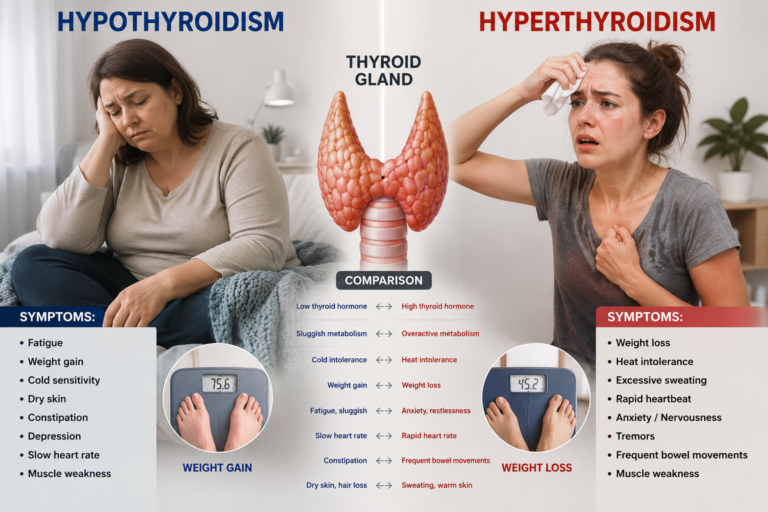
Hypothyroidism occurs when the thyroid does not produce enough hormones, causing your body’s metabolism to slow down.
Common Symptoms
- Constant fatigue
- Weight gain
- Feeling cold
- Dry skin
- Hair thinning
- Constipation
- Slow heart rate
- Puffy face
- Depression
- Poor concentration
Common Causes
- Hashimoto’s thyroiditis
- Thyroid surgery
- Radiation therapy
- Certain medications
- Iodine deficiency
- Congenital thyroid disorders
Most people with hypothyroidism have high TSH and low T4 levels.
Additional information on thyroid disorders is available from NIDDK Thyroid Disease.
Understanding Hyperthyroidism
Hyperthyroidism develops when the thyroid produces excessive hormones, causing metabolism to speed up.
Common Symptoms
- Weight loss despite eating normally
- Rapid heartbeat
- Anxiety
- Tremors
- Sweating
- Heat intolerance
- Difficulty sleeping
- Frequent bowel movements
- Muscle weakness
Common Causes
- Graves’ disease
- Toxic thyroid nodules
- Thyroiditis
- Excess iodine intake
- Taking too much thyroid medication
People with hyperthyroidism usually have low TSH and high T3 and T4 levels.
What Can Affect Your Thyroid Test Results?
Several factors can influence your thyroid blood test results, even if you don’t have thyroid disease.
These include:
- Pregnancy
- Certain medications
- Biotin supplements
- Recent illness
- Pituitary gland disorders
- Autoimmune diseases
- Iodine intake
- Age
Always tell your doctor about any medications or supplements you’re taking before your test.
When Should You See a Doctor?
You should consult a healthcare professional if you notice symptoms that may suggest a thyroid disorder, especially if they persist for several weeks.
Seek medical advice if you experience:
- Ongoing fatigue
- Unexplained weight gain or weight loss
- Hair loss
- Neck swelling
- Irregular heartbeat
- Difficulty swallowing
- Mood changes
- Persistent constipation
- Excessive sweating
- Menstrual irregularities
Early diagnosis allows treatment to begin before complications develop.
How Are Thyroid Disorders Treated?
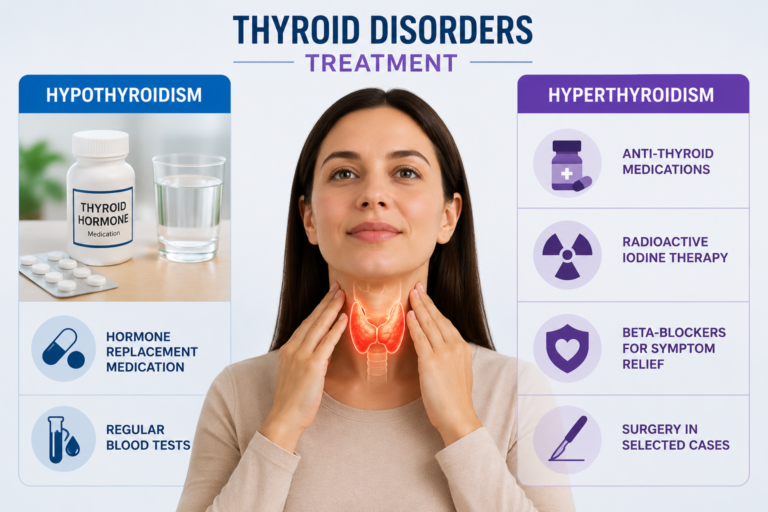
Treatment depends on whether your thyroid is underactive or overactive.
For Hypothyroidism
Doctors commonly prescribe synthetic thyroid hormone replacement medication, which restores normal hormone levels. Regular blood tests help ensure the dosage remains appropriate.
For Hyperthyroidism
Treatment options may include:
- Anti-thyroid medications
- Radioactive iodine therapy
- Beta-blockers for symptom relief
- Surgery in selected cases
Your treatment plan will depend on your age, symptoms, overall health, and the cause of your thyroid condition.
Can You Keep Your Thyroid Healthy?
While not every thyroid condition can be prevented, healthy lifestyle habits may support overall thyroid function.
Helpful habits include:
- Eat a balanced diet with adequate iodine.
- Include selenium- and zinc-rich foods where appropriate.
- Exercise regularly.
- Manage stress effectively.
- Avoid smoking.
- Get enough sleep.
- Schedule routine health checkups if you have a family history of thyroid disease.
Since thyroid disorders can influence cholesterol levels, your doctor may also suggest a Lipid Profile Test during routine health screenings.
Frequently Asked Questions (FAQs)
What does the thyroid do?
The thyroid produces hormones that regulate metabolism, body temperature, heart rate, digestion, and energy production. It helps almost every organ function properly.
Where is your thyroid located?
The thyroid is located at the front of your neck, just below the Adam’s apple and wrapped around the windpipe.
What are thyroid stimulating hormones?
Thyroid Stimulating Hormone (TSH) is produced by the pituitary gland. It signals the thyroid to produce T3 and T4 hormones based on your body’s needs.
What is the thyroid?
The thyroid is a butterfly-shaped endocrine gland responsible for producing hormones that regulate metabolism, growth, and many essential body functions.
Can thyroid problems affect metabolism?
Yes. An underactive thyroid slows metabolism, while an overactive thyroid speeds it up, leading to changes in weight, energy levels, and heart rate.
Is fasting required before a thyroid blood test?
Most thyroid blood tests do not require fasting. However, follow your doctor’s instructions, especially if you’re taking thyroid medication or other medicines that could affect the results.
How often should thyroid levels be checked?
The frequency depends on your health. People receiving treatment for thyroid disorders often need periodic blood tests to monitor hormone levels and adjust medication if necessary.
Conclusion
Your thyroid plays a central role in regulating metabolism, energy levels, heart function, and overall health. Understanding how TSH, T3, and T4 work together can help you make sense of your thyroid blood test results and recognize when something may be wrong.
While abnormal results do not always indicate a serious condition, they should never be ignored. A healthcare professional can interpret your test results alongside your symptoms and medical history to determine whether further evaluation or treatment is needed.
If you’re experiencing unexplained fatigue, weight changes, mood swings, or other symptoms associated with thyroid disorders, discussing a thyroid blood test with your doctor may be an important step toward protecting your long-term health.