
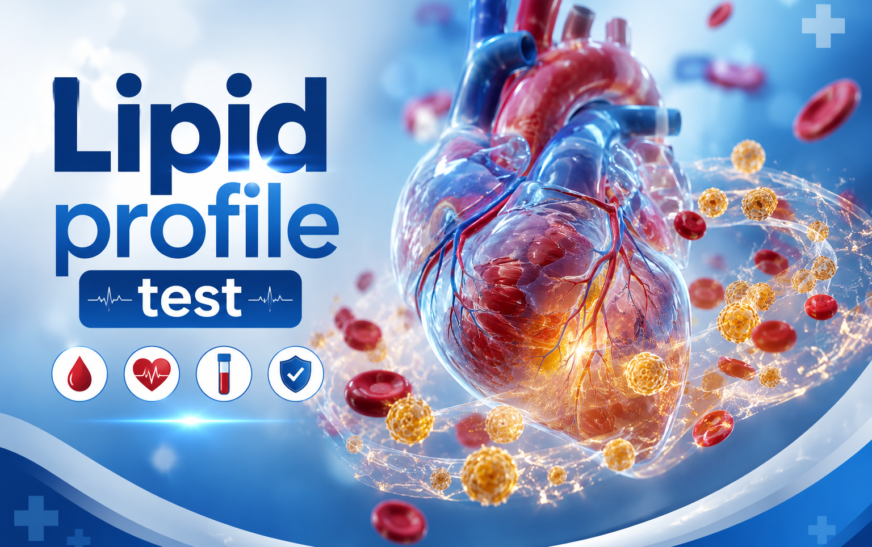
Heart disease remains one of the leading causes of death worldwide, yet many people don’t realize they’re at risk until symptoms appear. One of the simplest ways to assess your heart health is through a Lipid Profile Test. This blood test measures different types of cholesterol and fats in your bloodstream, helping doctors evaluate your risk of cardiovascular diseases and recommend preventive measures before serious complications develop.
If you’ve recently received a lipid profile report, you might wonder what terms like LDL, HDL, triglycerides, and total cholesterol actually mean. Understanding these numbers can help you make informed decisions about your diet, lifestyle, and overall health.
In this guide, you’ll learn what a Lipid Profile Test is, why it’s important, how to interpret your cholesterol numbers, and practical ways to maintain healthy cholesterol levels.
Table of Contents
ToggleWhat Is a Lipid Profile Test?

A Lipid Profile Test is a blood test that measures the amount of fats (lipids) in your bloodstream. These lipids are essential for many body functions, but when their levels become too high or too low, they can increase your risk of heart disease, stroke, and other cardiovascular conditions.
A standard lipid profile typically measures:
- Total Cholesterol
- Low-Density Lipoprotein (LDL) Cholesterol
- High-Density Lipoprotein (HDL) Cholesterol
- Triglycerides
- Very Low-Density Lipoprotein (VLDL) (in some reports)
Doctors often recommend this test as part of a routine health check-up, especially for adults over the age of 20 or individuals with risk factors such as obesity, diabetes, smoking, or a family history of heart disease.
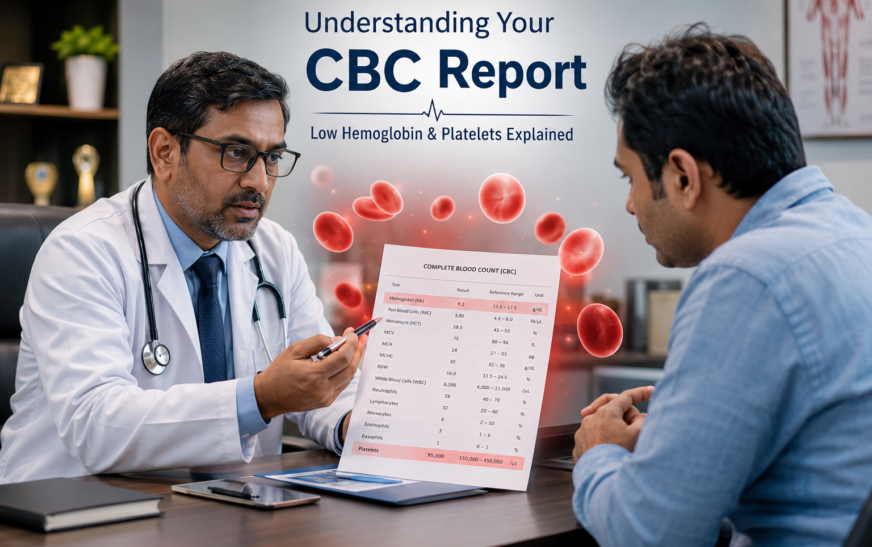
If you’re undergoing multiple health screenings, you may also find our guide on Understanding CBC Report helpful for interpreting your complete blood test results.
Why Is a Lipid Profile Test Important?
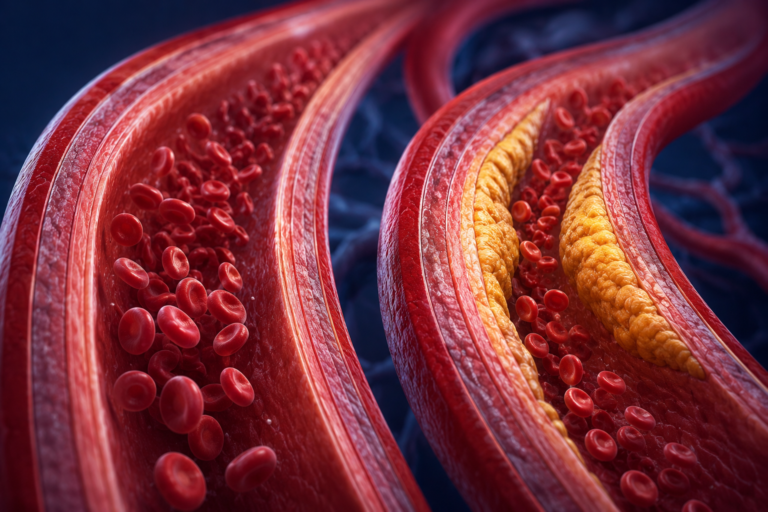
Many people have high cholesterol without experiencing any symptoms. This is why high cholesterol is often called a “silent condition.”
A Lipid Profile Test helps detect unhealthy cholesterol levels before they lead to serious complications.
Doctors use this test to:
- Assess the risk of heart disease
- Detect high cholesterol early
- Monitor cholesterol-lowering medications
- Evaluate lifestyle changes
- Identify inherited cholesterol disorders
- Reduce the risk of heart attack and stroke
Regular testing allows healthcare providers to recommend preventive strategies before plaque builds up inside your arteries.
The Centers for Disease Control and Prevention (CDC) heart disease resources explain that high cholesterol is a major risk factor for cardiovascular disease and often develops without noticeable symptoms.
What Does a Lipid Profile Test Measure?
Let’s understand each component of the report.
1. Total Cholesterol
Total cholesterol is the combined amount of all cholesterol present in your blood. It includes both good and bad cholesterol.
A healthy total cholesterol level generally indicates a lower risk of cardiovascular disease. However, the overall number alone doesn’t tell the complete story because the balance between HDL and LDL is equally important.
Ideal Total Cholesterol Level
|
Category |
Total Cholesterol |
|
Desirable |
Less than 200 mg/dL |
|
Borderline High |
200–239 mg/dL |
|
High |
240 mg/dL or above |
2. LDL Cholesterol (Bad Cholesterol)
LDL stands for Low-Density Lipoprotein. It is commonly known as bad cholesterol because excess LDL can accumulate inside artery walls and form plaque.
Over time, plaque narrows the arteries, making it harder for blood to flow properly. This significantly increases the risk of:
- Heart attack
- Stroke
- Peripheral artery disease
The lower your LDL cholesterol, the better your cardiovascular health.
Optimal LDL Levels
|
Category |
LDL Level |
|
Optimal |
Less than 100 mg/dL |
|
Near Optimal |
100–129 mg/dL |
|
Borderline High |
130–159 mg/dL |
|
High |
160–189 mg/dL |
|
Very High |
190 mg/dL or above |
3. HDL Cholesterol (Good Cholesterol)
HDL stands for High-Density Lipoprotein.
Unlike LDL, HDL is considered good cholesterol because it removes excess cholesterol from the bloodstream and transports it back to the liver, where it can be processed and eliminated.
Higher HDL levels are generally associated with a lower risk of cardiovascular disease.
Recommended HDL Levels
|
Group |
HDL Level |
|
Men |
40 mg/dL or higher |
|
Women |
50 mg/dL or higher |
|
Protective Level |
60 mg/dL or above |
Regular exercise, healthy fats, and avoiding smoking can help increase HDL cholesterol naturally.
4. Triglycerides
Triglycerides are a type of fat stored in your body and used as an energy source. However, consistently high triglyceride levels may contribute to heart disease and pancreatitis.
High triglycerides are often linked to:
- Obesity
- Diabetes
- Excess sugar intake
- Heavy alcohol consumption
- Lack of physical activity
Normal Triglyceride Levels
|
Category |
Triglycerides |
|
Normal |
Less than 150 mg/dL |
|
Borderline High |
150–199 mg/dL |
|
High |
200–499 mg/dL |
|
Very High |
500 mg/dL or above |
If you have diabetes or prediabetes, reading about the HbA1c Test can help you better understand long-term blood sugar control and its relationship with cholesterol.
5. VLDL Cholesterol
Very Low-Density Lipoprotein (VLDL) primarily carries triglycerides throughout the body.
Although VLDL isn’t always highlighted in standard reports, elevated levels may contribute to plaque formation and increase the risk of cardiovascular disease.
Healthy lifestyle habits can help maintain normal VLDL levels alongside LDL and triglycerides.
Lipid Profile Test Normal Range
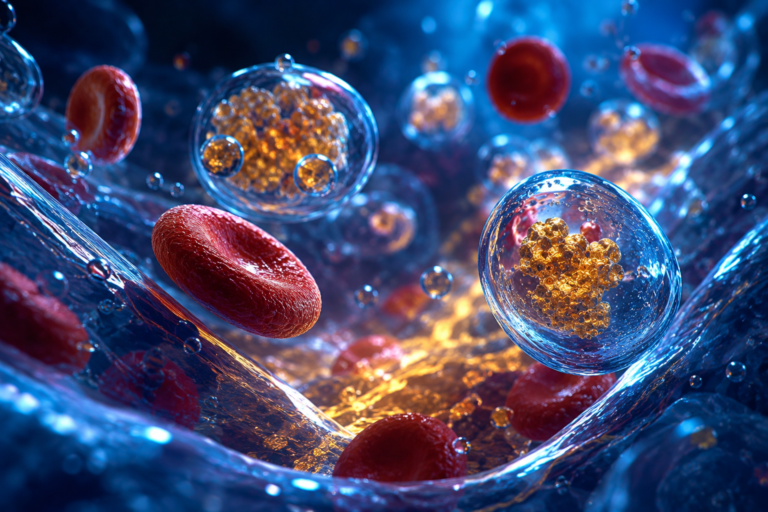
The following table summarizes the commonly accepted reference ranges for a healthy lipid profile.
|
Test |
Normal Range |
|
Total Cholesterol |
Less than 200 mg/dL |
|
LDL Cholesterol |
Less than 100 mg/dL |
|
HDL Cholesterol |
Men: ≥40 mg/dL, Women: ≥50 mg/dL |
|
Triglycerides |
Less than 150 mg/dL |
|
VLDL |
5–40 mg/dL |
Keep in mind that your doctor may interpret these values differently depending on your age, existing medical conditions, family history, and overall cardiovascular risk.
How to Read Lipid Profile Test Results
Getting your Lipid Profile Test report is only the first step. Understanding what the numbers mean is equally important. A normal report usually indicates a lower risk of cardiovascular
disease, while abnormal values may require lifestyle changes, further evaluation, or medication.
Here’s how to interpret the key components:
- High LDL (Bad Cholesterol): Increases the risk of plaque buildup in arteries.
- Low HDL (Good Cholesterol): Reduces your body’s ability to remove excess cholesterol.
- High Triglycerides: Often linked to obesity, diabetes, poor diet, and excessive alcohol intake.
- High Total Cholesterol: May indicate an increased risk of heart disease, depending on HDL and LDL levels.
Your doctor will consider your age, blood pressure, diabetes status, family history, and lifestyle before interpreting your results.
If you’re monitoring overall heart health, don’t miss our guide on What Is Cholesterol? Good vs Bad Cholesterol Explained.
Who Should Get a Lipid Profile Test?
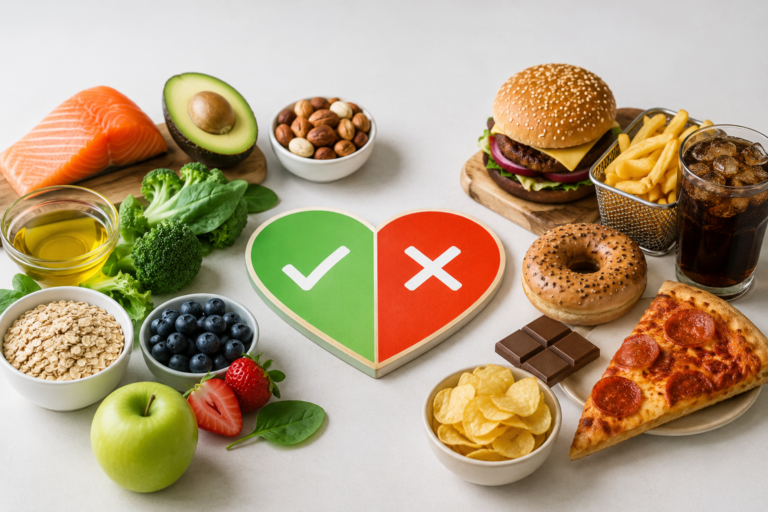
Doctors recommend a Lipid Profile Test for both healthy adults and people at higher risk of heart disease.
You should consider getting tested if you:
- Are 20 years or older as part of routine health screening
- Have diabetes or high blood pressure
- Are overweight or obese
- Smoke or consume tobacco
- Have a family history of high cholesterol or heart disease
- Have experienced a heart attack or stroke
- Are taking cholesterol-lowering medication
- Lead a sedentary lifestyle
Adults with normal cholesterol levels are generally advised to repeat the test every 4–6 years, while high-risk individuals may need more frequent testing.
Why Is a Lipid Profile Test Done After Fasting?
Many doctors recommend fasting for 9–12 hours before a Lipid Profile Test because eating can temporarily increase triglyceride levels, which may affect the accuracy of the results.
During fasting:
- Water is allowed.
- Avoid tea, coffee, juice, soft drinks, and chewing gum.
- Do not consume alcohol for at least 24 hours before the test.
- Continue medications only if advised by your doctor.
Although non-fasting lipid tests are acceptable in some situations, fasting is still preferred when a detailed cholesterol assessment is needed.
Can You Drink Alcohol Before a Lipid Profile Test?
No. It is recommended to avoid alcohol for at least 24 hours before your Lipid Profile Test.
Alcohol can:
- Raise triglyceride levels
- Affect cholesterol measurements
- Reduce the accuracy of your report
For the most reliable results, follow your doctor’s fasting instructions carefully.
Common Causes of High Cholesterol
High cholesterol develops due to a combination of lifestyle and genetic factors.
Common causes include:
- Diet high in saturated and trans fats
- Physical inactivity
- Obesity
- Smoking
- Excessive alcohol consumption
- Diabetes
- Hypothyroidism
- Kidney disease
- Family history of high cholesterol
- Increasing age
Early detection through a Lipid Profile Test allows you to take preventive steps before complications develop.
If you have thyroid problems, read our article on Thyroid Blood Test: T3, T4 & TSH Results Explained to understand how thyroid function can influence cholesterol levels.
How to Improve Your Lipid Profile Naturally

Small lifestyle changes can make a significant difference in your cholesterol levels and overall heart health.
1. Eat a Heart-Healthy Diet
Choose foods that help lower bad cholesterol and support healthy blood vessels.
Include:
- Oats and whole grains
- Fresh fruits and vegetables
- Nuts and seeds
- Beans and lentils
- Fatty fish such as salmon
- Olive oil and other healthy fats
Limit:
- Fried foods
- Processed snacks
- Sugary beverages
- Bakery products
- Red and processed meat
2. Exercise Regularly
Aim for at least 150 minutes of moderate-intensity exercise each week.
Good options include:
- Brisk walking
- Cycling
- Swimming
- Jogging
- Strength training
Regular physical activity helps increase HDL cholesterol while lowering LDL cholesterol and triglycerides.
3. Maintain a Healthy Weight
Even losing 5–10% of your body weight can improve cholesterol levels and reduce your risk of heart disease.
4. Quit Smoking
Smoking damages blood vessels and lowers HDL (good cholesterol). Quitting smoking improves heart health and reduces cardiovascular risk over time.
5. Limit Alcohol Consumption
Excessive alcohol intake can significantly increase triglyceride levels. If you drink alcohol, do so in moderation or follow your healthcare provider’s advice.
6. Follow Your Doctor’s Advice
If lifestyle changes aren’t enough, your doctor may prescribe cholesterol-lowering medications such as statins. Continue taking medications as directed and schedule regular follow-up tests to monitor your progress.
When Should You Consult a Doctor?
Consult a healthcare professional if your Lipid Profile Test shows:
- LDL cholesterol above the recommended range
- Total cholesterol above 240 mg/dL
- HDL cholesterol below the healthy range
- Triglycerides above 200 mg/dL
- A strong family history of heart disease
- Chest pain, shortness of breath, or other cardiovascular symptoms
Early diagnosis and treatment can significantly reduce the risk of serious complications.
Frequently Asked Questions (FAQs)
What is a lipid profile test used for?
A Lipid Profile Test is used to measure cholesterol and triglyceride levels in your blood. It helps assess your risk of heart disease, stroke, and other cardiovascular conditions while also monitoring the effectiveness of cholesterol-lowering treatment.
What is a lipid profile test?
A Lipid Profile Test is a blood test that measures total cholesterol, LDL cholesterol, HDL cholesterol, triglycerides, and sometimes VLDL. It provides an overview of your heart health and cholesterol levels.
Why is a lipid profile test done after fasting?
Doctors usually recommend fasting for 9–12 hours before a Lipid Profile Test because eating can temporarily raise triglyceride levels and affect the accuracy of the results.
How do you read lipid profile test results?
A Lipid Profile Test report is interpreted by comparing your cholesterol values with the normal reference ranges. Your doctor will also consider your age, medical history, and cardiovascular risk factors before making a diagnosis.
Can I drink alcohol before a lipid profile test?
No. Avoid drinking alcohol for at least 24 hours before a Lipid Profile Test, as it can increase triglyceride levels and influence your test results.
For additional information about the procedure and preparation for a Lipid Profile Test, visit the MedlinePlus lipid profile test guide.
Conclusion
A Lipid Profile Test is one of the most valuable screening tools for assessing your heart health. By measuring total cholesterol, LDL, HDL, triglycerides, and other blood lipids, this test helps identify potential cardiovascular risks before symptoms appear.
Understanding your cholesterol numbers empowers you to make healthier choices. Eating a balanced diet, staying physically active, maintaining a healthy weight, avoiding smoking, and following your doctor’s recommendations can all contribute to better cholesterol levels and long-term heart health.
Regular lipid profile testing, especially if you have risk factors such as diabetes, obesity, or a family history of heart disease, can help detect problems early and support timely treatment.