
The thyroid gland may be small, but it plays a major role in keeping your body healthy. It controls metabolism, energy production, body temperature, heart rate, menstrual health, fertility, and even brain function. When this gland does not produce the right amount of hormones, it can lead to thyroid problems in women, affecting both physical and emotional well-being.
Women are significantly more likely than men to develop thyroid disorders. Hormonal changes during puberty, pregnancy, after childbirth, and menopause increase the risk. Because many symptoms—such as fatigue, weight gain, hair loss, mood swings, and irregular periods—can resemble common hormonal changes, thyroid disorders often remain undiagnosed for months or even years.
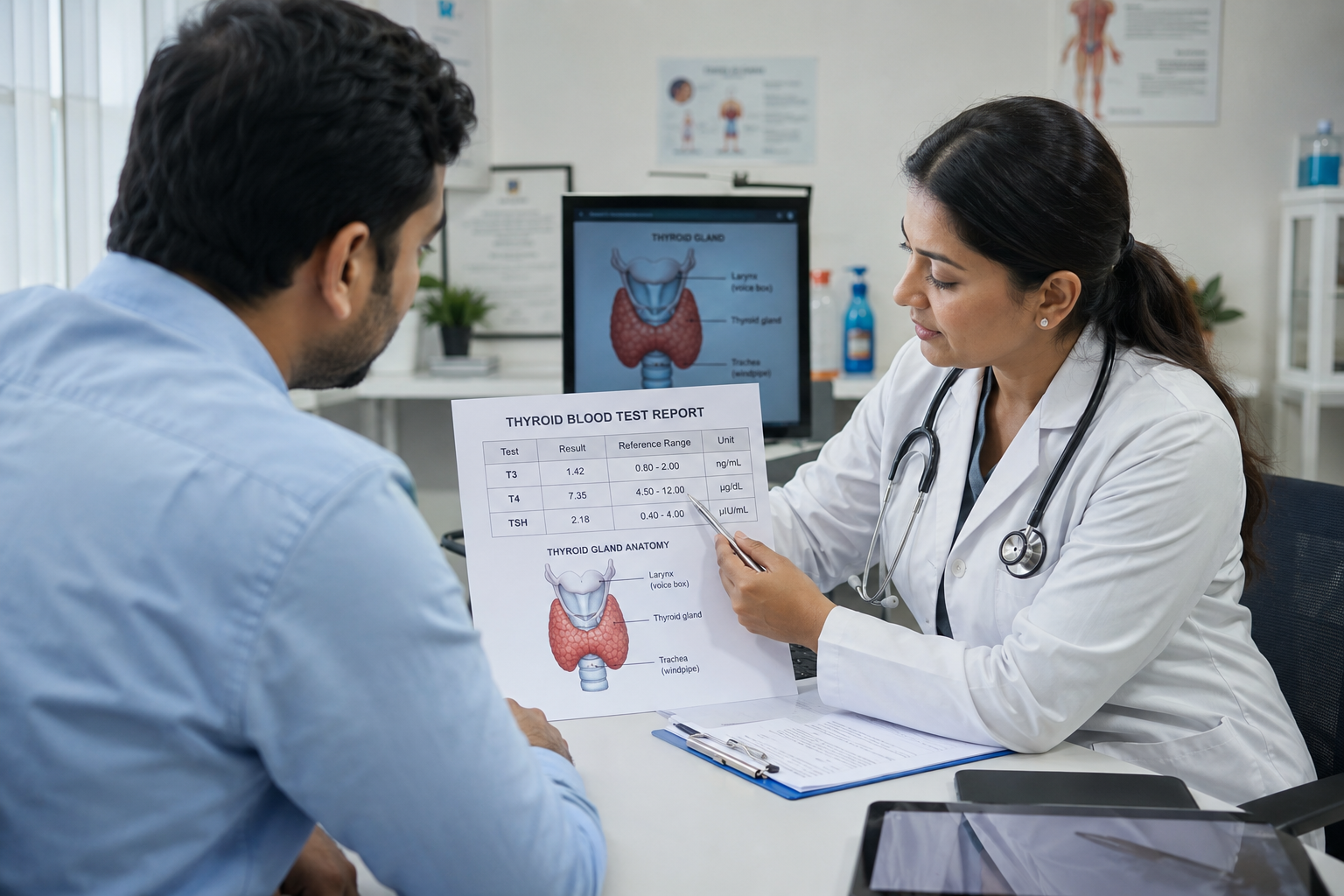
If your doctor has advised hormone testing, understanding your reports is equally important. Before getting tested, read our detailed guide on Thyroid Blood Test to learn how TSH, T3, and T4 levels help diagnose thyroid disorders.
Table of Contents
ToggleThis comprehensive guide explains everything you need to know about thyroid problems in women, including symptoms, causes, diagnosis, treatment, diet, pregnancy considerations, and preventive measures.
What Are Thyroid Problems in Women?
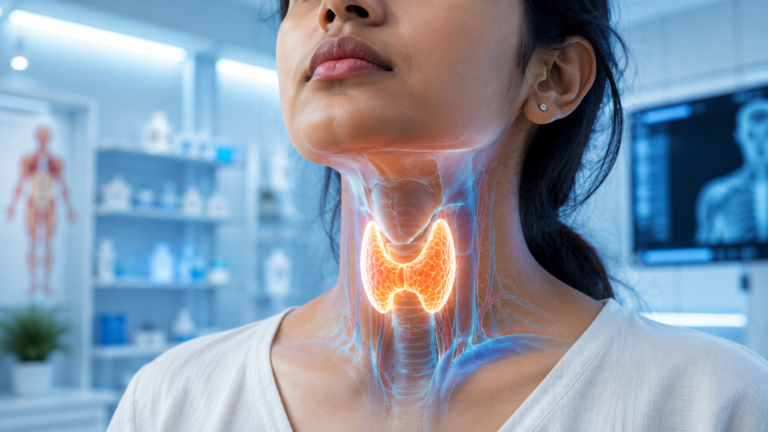
Thyroid problems in women refer to conditions in which the thyroid gland produces either too little or too much thyroid hormone. The thyroid is a butterfly-shaped gland located at the front of the neck and is part of the endocrine system.
It releases two essential hormones:
- Triiodothyronine (T3)
- Thyroxine (T4)
These hormones help regulate:
- Metabolism
- Energy levels
- Body temperature
- Heart rate
- Brain function
- Digestion
- Muscle strength
- Fertility
- Menstrual cycle
When thyroid hormone levels become abnormal, several body systems are affected simultaneously. This is why thyroid problems in women often present with multiple symptoms rather than a single complaint.
Why Are Thyroid Problems More Common in Women?
Women experience frequent hormonal fluctuations throughout life, making them more susceptible to thyroid disorders. Estrogen and other reproductive hormones can influence thyroid function, while autoimmune diseases—which are more common in women—also contribute to thyroid dysfunction.
The risk of thyroid problems in women increases during:
- Puberty
- Pregnancy
- After childbirth (postpartum period)
- Perimenopause
- Menopause
Women with autoimmune conditions such as rheumatoid arthritis, lupus, or type 1 diabetes are also at a higher risk of developing thyroid disease.
Types of Thyroid Problems in Women

Several thyroid conditions can affect women. Each disorder has different causes, symptoms, and treatment approaches.
1. Hypothyroidism (Underactive Thyroid)
Hypothyroidism occurs when the thyroid gland fails to produce enough hormones. It is one of the most common thyroid problems in women and usually develops slowly over time.
Common Symptoms
- Constant tiredness
- Weight gain
- Dry skin
- Constipation
- Hair thinning
- Puffy face
- Feeling cold
- Depression
- Slow heartbeat
- Memory problems
Hashimoto’s thyroiditis is the most common cause of hypothyroidism.
2. Hyperthyroidism (Overactive Thyroid)
Hyperthyroidism develops when the thyroid gland produces excessive thyroid hormones.
This speeds up metabolism and affects almost every organ.
Common Symptoms
- Rapid heartbeat
- Weight loss despite eating normally
- Anxiety
- Irritability
- Tremors
- Excessive sweating
- Heat intolerance
- Difficulty sleeping
- Increased appetite
One of the leading causes is Graves’ disease, an autoimmune disorder.
3. Hashimoto’s Thyroiditis
Hashimoto’s thyroiditis is an autoimmune disease in which the immune system mistakenly attacks healthy thyroid tissue.
Over time, this damage reduces hormone production and leads to hypothyroidism.
Women between the ages of 30 and 50 are most commonly affected.
4. Graves’ Disease
Graves’ disease causes the immune system to overstimulate the thyroid gland, resulting in excessive hormone production.
Some women may also develop eye problems such as:
- Bulging eyes
- Eye irritation
- Double vision
- Sensitivity to light
5. Thyroid Nodules
Thyroid nodules are abnormal growths within the thyroid gland.
Most nodules are benign, but doctors may recommend further evaluation through ultrasound or biopsy to rule out thyroid cancer.
Symptoms of Thyroid Problems in Women

The symptoms of thyroid problems in women depend on whether the thyroid gland is underactive or overactive. Because thyroid hormones influence nearly every organ, symptoms may appear gradually and often resemble other health conditions.
Some women experience only a few mild symptoms, while others develop multiple signs that interfere with daily life.
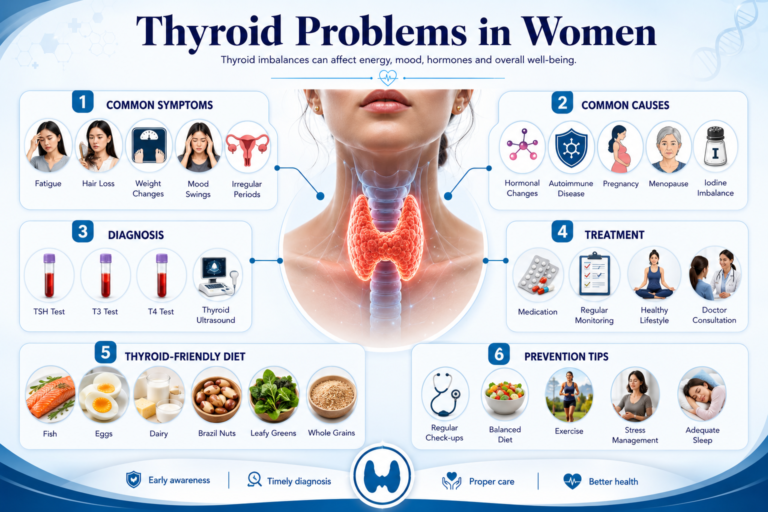
Common symptoms include:
- Persistent fatigue
- Unexplained weight gain or weight loss
- Hair fall or thinning hair
- Dry and rough skin
- Brittle nails
- Swelling in the neck
- Hoarse voice
- Depression or anxiety
- Mood swings
- Poor concentration
- Brain fog
- Memory issues
- Irregular menstrual cycles
- Heavy or light periods
- Difficulty becoming pregnant
- Reduced libido
- Muscle weakness
- Joint pain
- Constipation
- Diarrhea
- Feeling unusually cold or hot
- Slow heartbeat or rapid heartbeat
Many of these symptoms overlap with hormonal disorders such as polycystic ovary syndrome (PCOS). If you are experiencing irregular periods along with weight gain or insulin resistance, you may also benefit from reading our guide on PCOS Diet Plan to understand how nutrition supports hormonal health.
Causes of Thyroid Problems in Women
Several factors can contribute to thyroid problems in women. Understanding these causes can help identify risk early and improve treatment outcomes.
The most common causes include:
Autoimmune Diseases
The immune system may mistakenly attack the thyroid gland, leading to Hashimoto’s thyroiditis or Graves’ disease.
Hormonal Changes
Pregnancy, childbirth, and menopause can significantly affect thyroid hormone production.
Iodine Deficiency
Iodine is essential for producing thyroid hormones. Inadequate iodine intake may contribute to thyroid dysfunction, although iodized salt has reduced this risk in many countries.
Family History
Women with close relatives who have thyroid disorders are more likely to develop thyroid disease themselves.
Certain Medications
Some medications used for heart disease, psychiatric conditions, or cancer treatment can affect thyroid function.
Radiation Exposure
Previous radiation therapy to the neck or upper chest can damage the thyroid gland.
Congenital Conditions
Some women are born with thyroid abnormalities that become noticeable later in life.
Risk Factors for Thyroid Problems in Women
Although thyroid problems in women can occur at any age, certain factors significantly increase the risk. Knowing these risk factors can help with early detection and timely treatment.
1. Family History
If your parents or siblings have thyroid disease, your chances of developing thyroid problems in women are higher due to genetic factors.
2. Age
Women over the age of 35 are more likely to experience thyroid disorders, and the risk continues to increase with age.
3. Pregnancy and Postpartum Period
Pregnancy places additional demands on the thyroid gland. Some women develop temporary thyroid inflammation after giving birth, known as postpartum thyroiditis.
4. Menopause
Hormonal changes during menopause can influence thyroid hormone production and may worsen existing thyroid conditions.
5. Autoimmune Diseases
Women with autoimmune disorders such as rheumatoid arthritis, lupus, celiac disease, or type 1 diabetes are more likely to develop thyroid disease.
6. Iodine Imbalance
Both iodine deficiency and excessive iodine intake can interfere with normal thyroid function.
7. Radiation Exposure
Radiation therapy to the head or neck can damage thyroid tissue and increase the likelihood of thyroid disorders.
How Are Thyroid Problems in Women Diagnosed?

Early diagnosis is essential because untreated thyroid problems in women can affect the heart, reproductive system, bones, and mental health. Doctors diagnose thyroid disorders using a combination of physical examination, blood tests, and imaging studies.
1. Thyroid Function Blood Tests
The most commonly recommended tests include:
- TSH (Thyroid Stimulating Hormone)
- Free T3
- Free T4
2. Thyroid Antibody Test
Doctors may recommend antibody testing to identify autoimmune thyroid disorders such as Hashimoto’s thyroiditis or Graves’ disease.
3. Thyroid Ultrasound
Ultrasound helps detect thyroid enlargement, cysts, or nodules.
4. Radioactive Iodine Uptake Scan
In selected cases, this scan helps evaluate thyroid activity and determine the cause of hyperthyroidism.
According to the American Thyroid Association, thyroid function tests remain the gold standard for diagnosing most thyroid disorders.
Treatment for Thyroid Problems in Women

Treatment depends on the type and severity of the condition. Most women respond well when treatment begins early.
Treatment for Hypothyroidism
Hypothyroidism is usually treated with thyroid hormone replacement medication.
Treatment may include:
- Levothyroxine
- Regular TSH monitoring
- Dose adjustments
- Annual thyroid checkups
Most patients require lifelong medication, but proper treatment allows them to live healthy, normal lives.
Treatment for Hyperthyroidism
Treatment options may include:
- Anti-thyroid medicines
- Beta-blockers to control symptoms
- Radioactive iodine therapy
- Thyroid surgery in severe cases
Doctors choose treatment based on age, symptoms, pregnancy status, and overall health.
Best Diet for Thyroid Problems in Women
A healthy diet supports thyroid function but cannot replace medical treatment. Proper nutrition helps maintain hormone balance and overall well-being.
Foods to Include
- Iodized salt (in recommended amounts)
- Fish
- Eggs
- Milk and yogurt
- Brazil nuts
- Pumpkin seeds
- Whole grains
- Fresh fruits
- Green leafy vegetables
- Lentils
- Beans
- Lean chicken
- Healthy fats
Selenium, zinc, iron, vitamin D, and iodine are important nutrients for thyroid health.
If routine blood tests reveal nutritional deficiencies, understanding your results is important. You can also read our guide on Understanding CBC Report to learn how blood tests evaluate overall health:
Foods to Limit
Women with thyroid problems in women should avoid excessive consumption of:
- Highly processed foods
- Sugary beverages
- Excess alcohol
- Smoking
- Excess iodine supplements (unless prescribed)
Some people may also need to moderate soy-based products depending on medical advice.
Thyroid Problems During Pregnancy
Pregnancy increases the body’s demand for thyroid hormones. Untreated thyroid problems in women during pregnancy can increase the risk of complications for both mother and baby.
Possible complications include:
- Miscarriage
- Preterm birth
- Pregnancy-induced hypertension
- Low birth weight
- Developmental problems in the baby
- Preeclampsia
Women planning pregnancy or already pregnant should have thyroid levels checked if they have symptoms or risk factors.
For more information, the National Institute of Diabetes and Digestive and Kidney Diseases (NIDDK) offers evidence-based guidance.
Can Thyroid Problems Affect Fertility?
Yes. One of the lesser-known effects of thyroid problems in women is reduced fertility.
Abnormal thyroid hormone levels may lead to:
- Irregular ovulation
- Irregular menstrual cycles
- Difficulty conceiving
- Increased miscarriage risk
Proper diagnosis and treatment often improve fertility outcomes.
Possible Complications
If left untreated, thyroid problems in women can lead to serious health complications.
These include:
- Heart disease
- High cholesterol
- Osteoporosis
- Infertility
- Pregnancy complications
- Depression
- Anxiety disorders
- Peripheral nerve damage
- Myxedema (severe hypothyroidism)
Thyroid storm (medical emergency caused by severe hyperthyroidism)
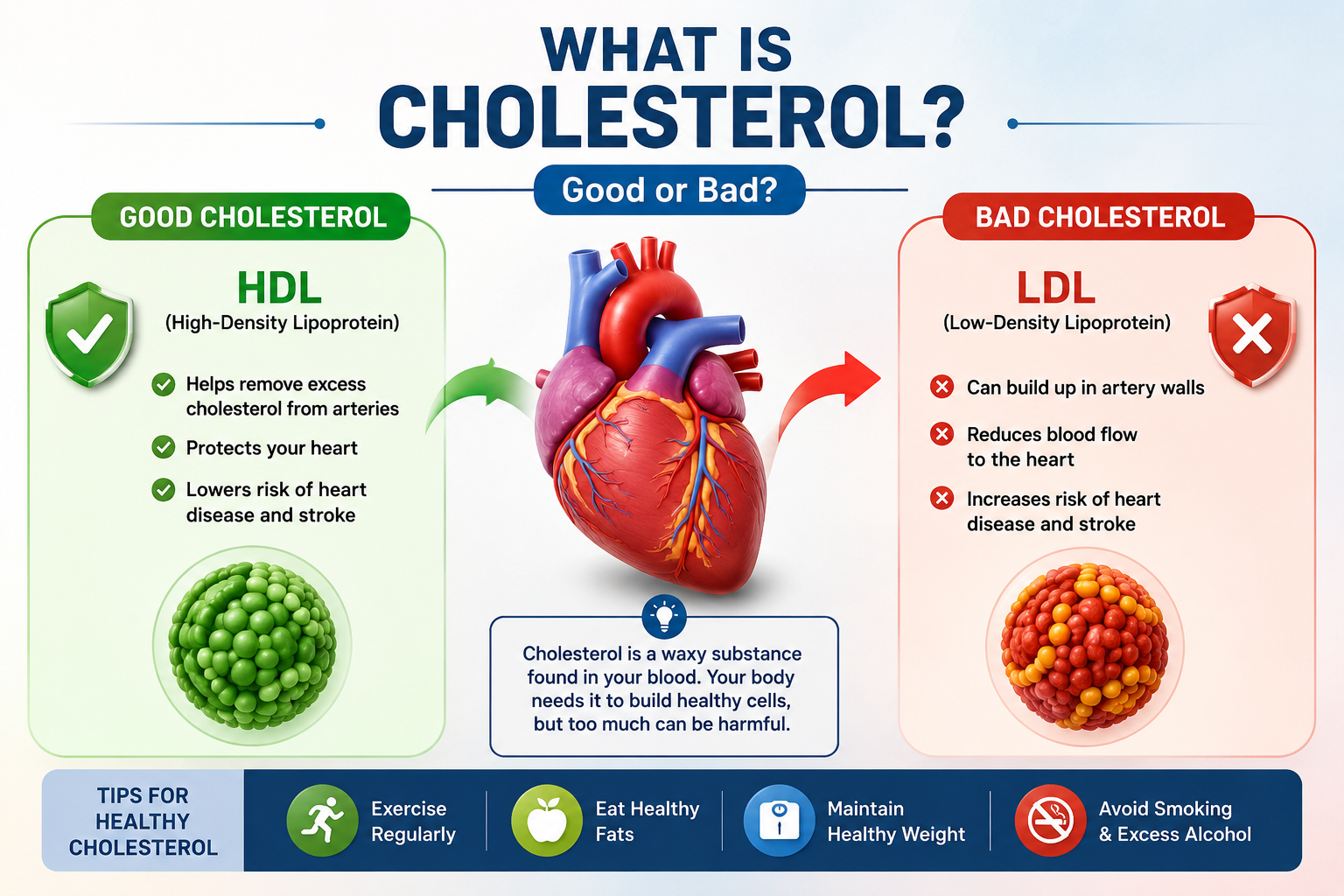
Women with thyroid disease may also develop metabolic disorders. Monitoring cardiovascular health is important, and our guide on Lipid Profile Test explains how cholesterol testing supports heart health:
How to Prevent Thyroid Problems in Women
Although not every thyroid disorder can be prevented, healthy lifestyle habits may reduce the risk and support better thyroid function.
Prevention Tips
- Eat a balanced diet rich in iodine and selenium.
- Exercise for at least 30 minutes most days of the week.
- Maintain a healthy body weight.
- Avoid smoking.
- Limit alcohol consumption.
- Manage stress through yoga, meditation, or deep breathing.
- Get enough sleep.
- Take thyroid medications exactly as prescribed.
- Schedule regular thyroid checkups if you have a family history.
- Consult your doctor before taking iodine supplements.
Women with high blood pressure and thyroid disease should also monitor their cardiovascular health. Learn more in our article on Hypertension.
When Should You See a Doctor?
Consult a healthcare professional if you experience:
- Persistent fatigue
- Sudden weight gain or loss
- Hair thinning
- Swelling in the neck
- Difficulty swallowing
- Fast or slow heartbeat
- Irregular menstrual periods
- Difficulty becoming pregnant
- Depression without a clear cause
- Constant feeling of being unusually cold or hot
Early diagnosis and treatment greatly improve long-term outcomes.
Frequently Asked Questions (FAQs)
What are the first signs of thyroid problems in women?
Common early signs include fatigue, unexplained weight changes, hair loss, dry skin, constipation, mood changes, and irregular menstrual periods.
Why are thyroid problems more common in women?
Hormonal changes during puberty, pregnancy, childbirth, and menopause, along with a higher risk of autoimmune diseases, make women more susceptible to thyroid disorders.
Can thyroid problems affect pregnancy?
Yes. Untreated thyroid disorders can increase the risk of miscarriage, preterm birth, preeclampsia, and developmental issues in the baby.
Which blood test is used to diagnose thyroid problems?
Doctors usually recommend TSH, Free T3, and Free T4 blood tests. Additional antibody tests may also be required in some cases.
Can thyroid disease be cured?
Some thyroid conditions are temporary, while others require lifelong treatment. With proper medication and regular monitoring, most women can manage the condition effectively.
What foods are good for thyroid health?
Foods rich in iodine, selenium, zinc, lean protein, fruits, vegetables, dairy products, eggs, fish, and whole grains support healthy thyroid function.
Can stress cause thyroid problems?
Stress alone does not directly cause thyroid disease, but it can worsen symptoms and may trigger autoimmune thyroid disorders in susceptible individuals.
Does thyroid disease cause weight gain?
Yes. Hypothyroidism often slows metabolism, leading to weight gain, while hyperthyroidism may cause unintended weight loss.
Is thyroid disease hereditary?
Yes. A family history of thyroid disorders increases the risk of developing thyroid disease.
When should women get their thyroid checked?
Women should consider thyroid screening if they have symptoms, a family history of thyroid disease, are pregnant, planning pregnancy, or are over 35 years of age with risk factors.
Conclusion
Thyroid problems in women are among the most common hormonal disorders and can affect metabolism, menstrual health, fertility, pregnancy, heart function, and overall quality of life. Because symptoms often develop gradually and resemble other conditions, they are frequently overlooked. Recognizing the warning signs early and seeking medical evaluation can prevent long-term complications.
With timely diagnosis, appropriate medication, regular thyroid function testing, and healthy lifestyle habits, most women with thyroid problems in women can successfully manage their condition and lead healthy, active lives. If you notice persistent fatigue, unexplained weight changes, irregular menstrual cycles, or neck swelling, consult your healthcare provider for a proper thyroid evaluation rather than ignoring these symptoms.