
Table of Contents
ToggleBed sores are skin injuries that develop when a person remains in the same position for an extended period. They commonly affect bedridden patients, older adults, wheelchair users, and people with limited mobility. These wounds may begin as skin discolouration but can progress into painful open ulcers if pressure continues.
Understanding bed sores treatment is important for patients, caregivers, and family members who want to protect damaged skin, reduce discomfort, and prevent complications.
The appropriate treatment depends on the wound’s stage, depth, location, and the patient’s overall health.
Bed sores can develop in different stages depending on the severity of skin and tissue damage. Read our guide to pressure ulcers to learn more about their stages, causes, and prevention.
This guide covers the causes, symptoms, stages, medical care, home care, dressings, nutrition, prevention, and recovery time associated with pressure sores. It also answers common questions and provides an additional wound care resource.
What Are Bed Sores?
Bed sores, also known as pressure sores or pressure ulcers, are injuries to the skin and underlying tissues caused by prolonged pressure or a combination of pressure, friction, and shear. They commonly develop over bony areas such as the heels, hips, tailbone, elbows, ankles, and back of the head.
When pressure remains on one area for too long, blood flow to the tissues can decrease. Without adequate oxygen and nutrients, the tissue becomes damaged. Severe pressure injuries may extend into deeper tissues, muscles, and bones.
The main goal of bed sores treatment is to relieve pressure, protect the affected area, support tissue healing, and manage infection when present. Early assessment can help prevent a minor injury from developing into a more serious wound.
What Causes Bed Sores?
Understanding the causes of pressure sores helps patients and caregivers reduce risk factors and prevent further skin damage.
1. Prolonged Pressure
Remaining in the same position for too long places continuous pressure on the skin and underlying tissues. This is a common cause of bed sores in people who cannot move independently.
2. Friction and Shear
Dragging a patient across bedsheets or allowing them to slide down a bed can damage delicate skin. These forces may worsen an existing wound or contribute to new pressure injuries.
3. Excess Moisture
Sweat, urine, stool, and wound drainage can keep the skin damp. Prolonged moisture exposure weakens the skin and increases its vulnerability to injury.
4. Poor Nutrition and Dehydration
The body needs sufficient calories, protein, vitamins, minerals, and fluids to repair damaged tissue. Poor nutrition may slow healing and increase the risk of complications.
5. Underlying Medical Conditions
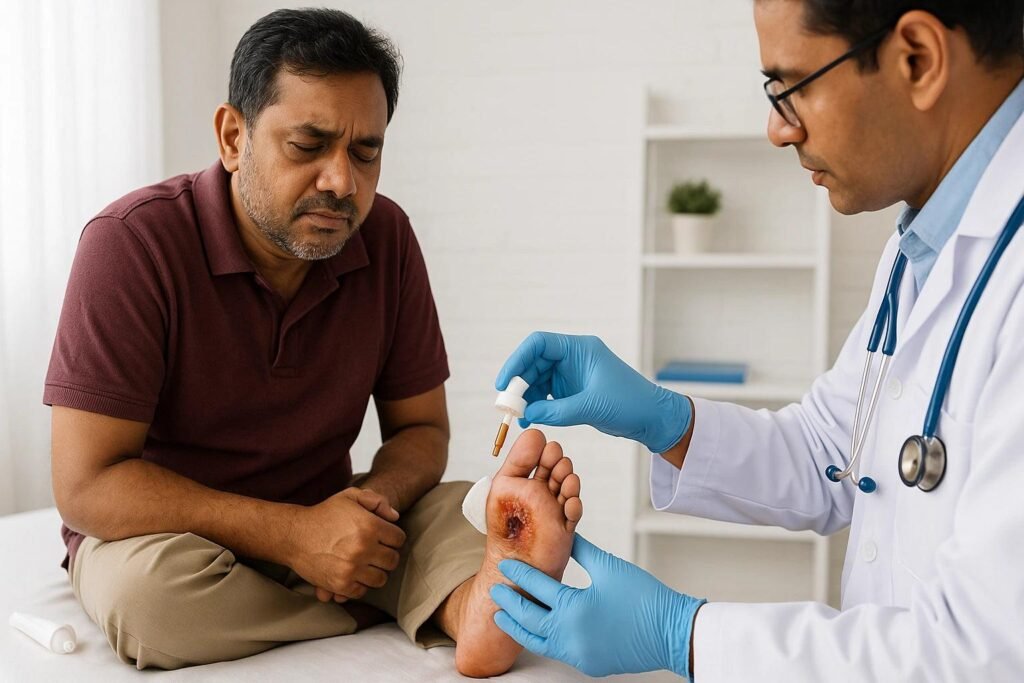
Diabetes, poor circulation, neurological disorders, and reduced sensation can increase the risk of pressure injuries. People who cannot feel discomfort may not notice early skin damage.
6. Fragile Skin and Limited Mobility
Older adults and people recovering from surgery may have fragile skin or difficulty changing position. These factors can increase pressure on vulnerable areas.
What Are the Signs and Symptoms of Bed Sores?
Recognising symptoms early can help patients receive appropriate care before an injury becomes deeper.
Common warning signs include:
- Persistent redness or unusual skin discolouration.
- Pain, tenderness, itching, or discomfort.
- Skin that feels warmer, cooler, firmer, or softer than the surrounding area.
- Swelling or fluid-filled blisters.
- Shallow open wounds or skin loss.
- Drainage, pus, or an unpleasant smell.
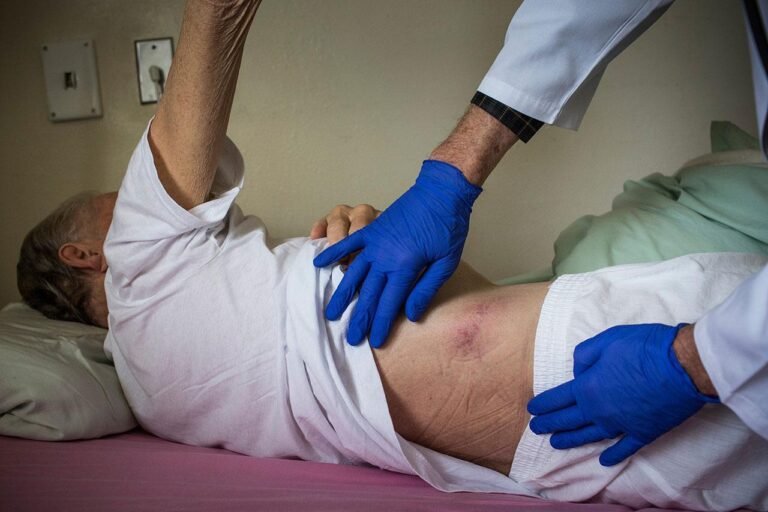
On darker skin, pressure damage may appear purple, blue, or darker than the surrounding area rather than bright red. The affected area may also feel unusually warm, firm, or painful.
If you notice persistent skin changes over a pressure point, relieve pressure immediately and arrange a healthcare assessment. Do not massage the affected area.
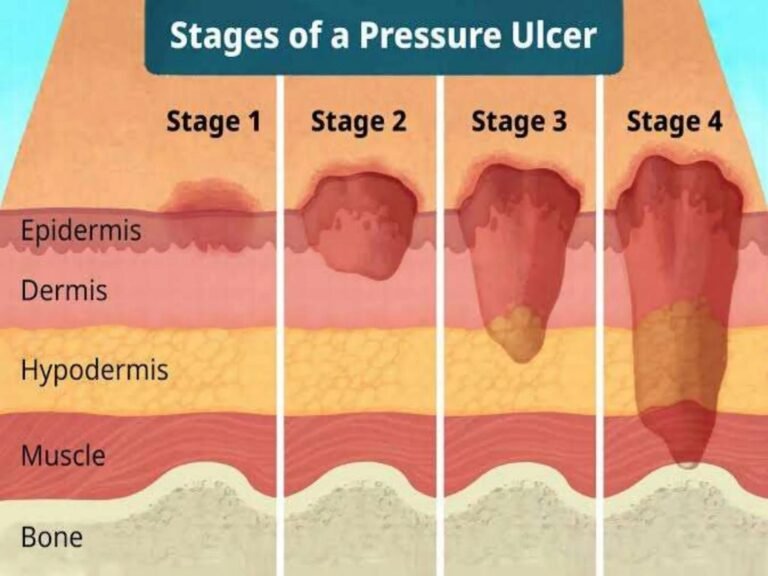
What Are the Four Stages of Bed Sores?
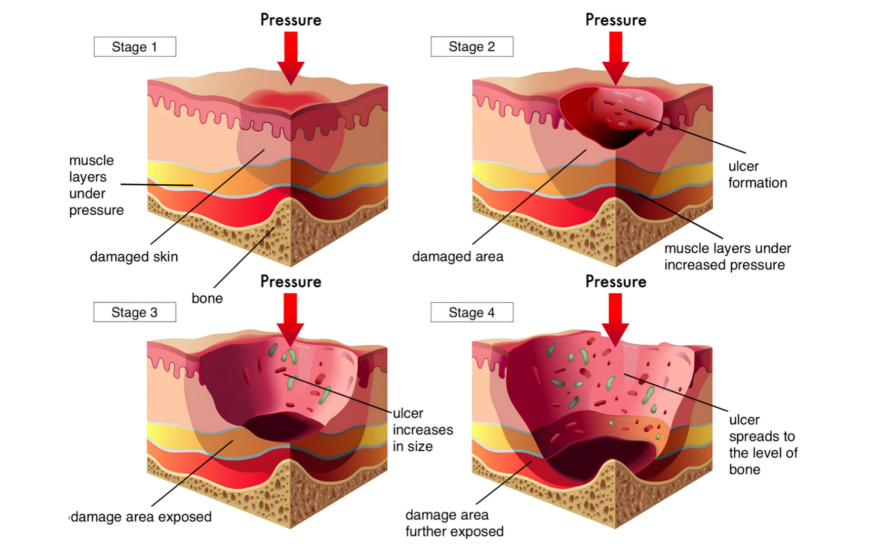
Healthcare professionals classify pressure injuries according to the extent of tissue damage. Understanding the stage helps determine the level of care required.
Stage 1: Skin Discolouration Without an Open Wound
The skin remains intact but develops persistent redness or another colour change. The affected area may feel painful, warm, firm, or unusually soft.
At this stage, bed sores treatment generally focuses on pressure relief, skin protection, regular monitoring, and assessment of risk factors.
Stage 2: Partial Skin Loss
The injury affects the upper layers of the skin. It may appear as a shallow open wound or a fluid-filled blister.
A healthcare professional may recommend gentle cleansing and an appropriate protective dressing.
Stage 3: Full-Thickness Skin Loss
The wound extends through the full thickness of the skin and may expose underlying fatty tissue. Dead tissue or wound drainage may be present.
Professional wound assessment, pressure relief, appropriate dressings, and sometimes debridement may be necessary.
Stage 4: Deep Tissue Damage
The injury is severe and may expose or involve muscles, tendons, or bones. The risk of serious infection is higher.
These wounds require specialist medical care and may need advanced wound management, removal of damaged tissue, infection treatment, or surgery in selected cases.
Some pressure injuries cannot be staged immediately because dead tissue obscures their depth. Deep tissue injuries may also develop beneath apparently intact skin.
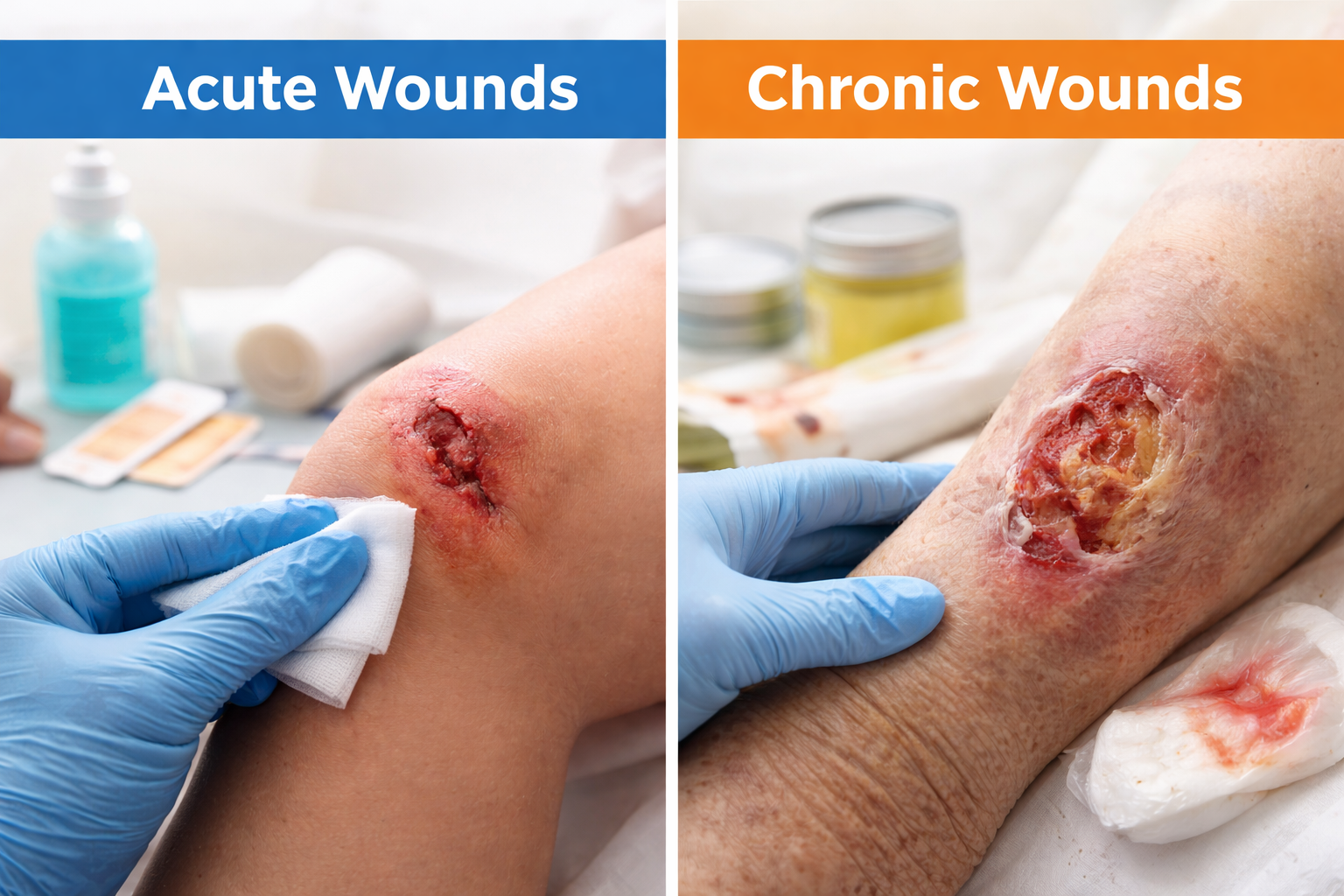
Pressure sores are one category of skin injury, and other wounds may have different causes and healing needs. Learn more about the types of wounds and their characteristics.
Bed Sores Treatment: 7 Effective Ways to Promote Healing
The right bed sores treatment depends on the wound’s depth, location, size, drainage, and the patient’s general health. Suspected pressure ulcers should be assessed by a healthcare professional, especially when the skin has broken.
1. Relieve Pressure on the Affected Area
Removing pressure is one of the most important steps in helping a pressure sore heal. A wound may not recover properly if the same area continues to bear the body’s weight.
Helpful measures include:
- Change the patient’s position regularly according to an individual care plan.
- Use pillows and positioning aids to reduce pressure on the wound.
- Support the calves appropriately to keep pressure off the heels when advised.
- Avoid lying directly on an existing pressure sore.
- Help wheelchair users change their weight-bearing position frequently.
- Use suitable transfer techniques to minimise dragging and friction.
Repositioning frequency should depend on the patient’s condition, skin response, mobility, and mattress. Follow the healthcare team’s recommendations rather than relying on one schedule for everyone.
2. Clean the Wound Properly
Keeping a pressure sore clean helps remove surface contamination and supports healing. Open wounds should be cleaned using sterile saline or a wound cleanser recommended by a healthcare professional.
Wash your hands before and after wound care and follow the prescribed dressing instructions.
Avoid applying alcohol, hydrogen peroxide, or strong antiseptics directly to the wound unless specifically directed by a clinician. These substances may damage healthy tissue.
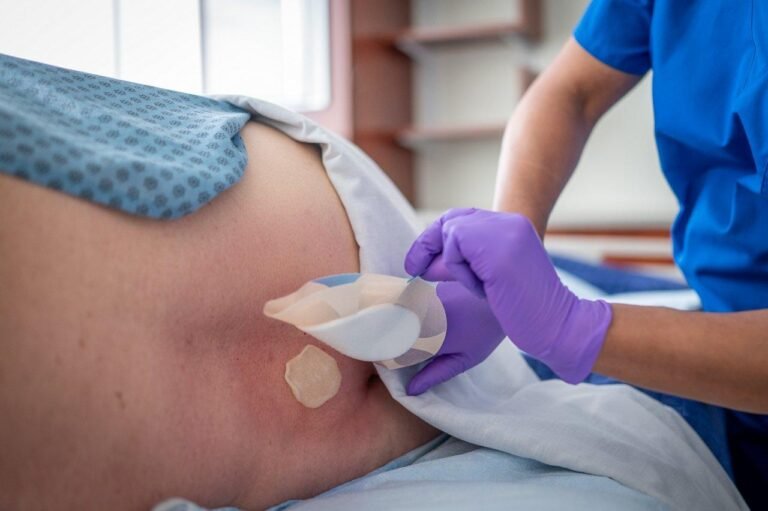
3. Use an Appropriate Wound Dressing
Dressings protect damaged skin, absorb drainage, and maintain a suitable environment for healing. Choosing the right dressing is an important part of bed sores treatment.
Depending on the wound, a healthcare professional may recommend:
- Foam dressings: Help absorb drainage and provide cushioning.
- Hydrocolloid dressings: May suit selected wounds with limited to moderate drainage.
- Hydrogel dressings: Can provide moisture to selected dry wounds.
- Alginate dressings: May help manage greater amounts of wound drainage.
- Skin barrier products: Protect surrounding skin from moisture and incontinence.
Not every dressing is suitable for every pressure sore. The appropriate product depends on the wound’s condition and location. Deep injuries may require specialist wound care.
4. Remove Dead Tissue When Necessary
Dead tissue can interfere with healing and may contribute to infection. Healthcare professionals may recommend debridement, which involves removing dead or damaged tissue using an appropriate clinical method.
Never cut, scrape, or pull dead tissue out of a pressure sore at home. Doing so can cause bleeding, pain, and further injury.
5. Treat Infection When Present
Increasing pain, swelling, warmth, spreading redness, or pus may indicate an infection. Fever, chills, confusion, or feeling seriously unwell can indicate a more severe complication.
A clinician may prescribe antibiotics when an infection requires them. Antibiotics are not routinely necessary for every pressure sore and should not be used simply to accelerate healing.
Deep infections may require hospital treatment, drainage, or surgery. Prompt medical assessment is essential if symptoms worsen.
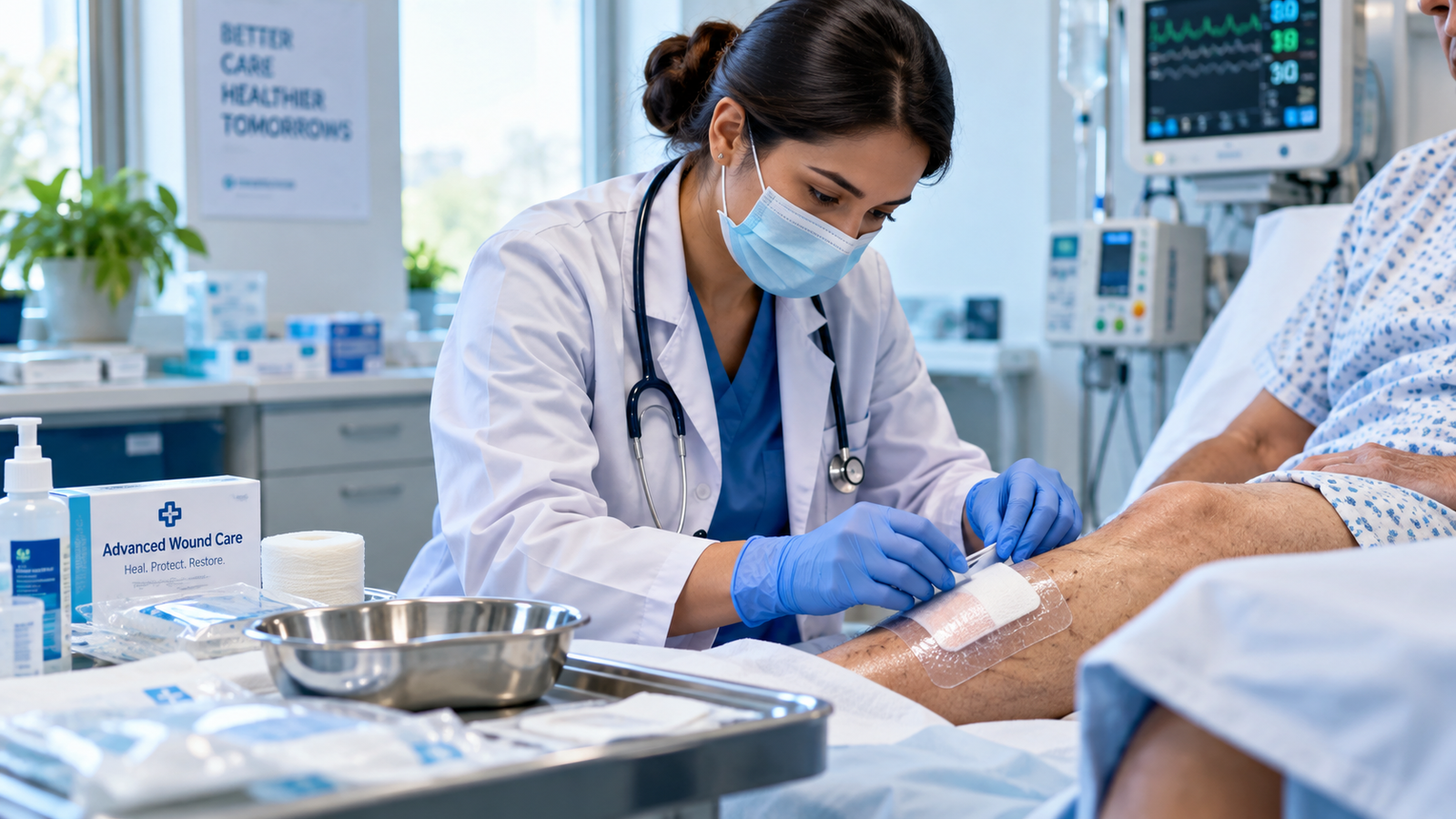
Some pressure sores require specialised assessment and wound management. Read our guide to advanced wound care to learn more about approaches used to manage complex wounds.
6. Support Healing Through Nutrition
Adequate nutrition provides the energy and nutrients required for tissue repair. People with pressure sores should aim for a balanced diet containing sufficient protein, calories, vitamins, and minerals.
Useful food choices include:
- Eggs, milk, yoghurt, lentils, and beans.
- Fish, chicken, tofu, or paneer according to dietary preferences.
- Fruits and vegetables that provide essential vitamins and minerals.
- Adequate fluids, unless a healthcare professional has advised fluid restriction.
Patients with poor appetite, unintended weight loss, or nutritional deficiencies may benefit from assessment by a dietitian. Supplements should be considered according to individual needs.
7. Use Pressure-Relieving Mattresses and Cushions
Pressure-redistributing mattresses and cushions help spread body weight more evenly and reduce pressure on vulnerable areas.
Options may include specialised foam mattresses, pressure-redistributing cushions, and selected dynamic air mattresses.
The most suitable equipment depends on the patient’s mobility, wound location, body weight, and care setting. These support surfaces can complement bed sores treatment, but they do not replace repositioning, daily skin checks, or appropriate wound care.
Where Can You Find More Guidance About Wound Care?
Every wound is different, and appropriate care depends on its cause, depth, location, and signs of infection. Patients dealing with pressure sores, cuts, ulcers, or other skin injuries may need additional information to understand wound care and available treatment approaches.
Wound Guide is an additional online resource for readers who want to explore different types of wounds and wound care. Visit WoundGuide.org to learn more about wound-related topics and find additional guidance that may help you understand your wound care needs.
This resource can complement general wound care research, but online information cannot replace a medical examination. If a pressure sore is deep, worsening, or showing signs of infection, consult a qualified healthcare professional for an appropriate diagnosis and treatment plan.
Can Bed Sores Be Treated at Home?
Some early pressure injuries may improve with careful skin protection and pressure relief. However, home care should not replace professional assessment when an ulcer is suspected.
Safe bed sores treatment at home may include:
- Checking the skin daily, particularly around the heels, hips, tailbone, elbows, and ankles.
- Following an individual repositioning schedule.
- Keeping the skin clean and dry.
- Changing wet or soiled clothing and bedsheets promptly.
- Following professional wound-cleaning and dressing instructions.
- Supporting adequate nutrition and hydration.
- Monitoring changes in wound size, colour, pain, and drainage.
Avoid home remedies such as toothpaste, turmeric paste, powders, or unprescribed creams on an open pressure sore. These may irritate tissue, contaminate the wound, or delay appropriate care.
If the wound is deep, enlarging, increasingly painful, or showing signs of infection, seek medical attention promptly rather than relying on home remedies.
How Long Does It Take for Bed Sores to Heal?
Recovery time varies according to the severity of the injury, circulation, nutrition, infection status, and the ability to relieve pressure consistently.
| Pressure injury | General healing expectation |
|---|---|
| Stage 1 | May improve within days after effective pressure relief, but needs monitoring. |
| Stage 2 | May heal over several weeks, depending on the wound and the patient's health. |
| Stage 3 | May take weeks to months or longer. |
| Stage 4 | Often requires months of specialist care and may not heal completely in every patient. |
These are general estimates rather than guaranteed timelines. Healing may be slower in people with diabetes, poor circulation, malnutrition, or ongoing pressure.
Regular follow-up helps the care team determine whether the treatment is working. If a wound is not improving, the healthcare professional may reassess the dressing, pressure-relief plan, nutrition, and possibility of infection.
How to Prevent Bed Sores in Bedridden Patients
Prevention is essential for people who spend most of their time in bed or a wheelchair. Consistent preventive care can reduce pressure, protect the skin, and lower the risk of complications.
Follow a Repositioning Schedule
Help the patient change position regularly according to an individual care plan. Use suitable transfer aids and avoid dragging the patient across bedsheets.
Inspect the Skin Every Day
Check vulnerable areas for persistent discolouration, blisters, swelling, warmth, or tenderness. Pay particular attention to areas the patient cannot easily see or feel.
Maintain Good Skin Hygiene
Clean the skin gently and dry it carefully. Manage sweating and incontinence promptly, and use a suitable moisture barrier when recommended.
Choose Appropriate Bedding
Keep bedsheets dry, smooth, and free from wrinkles. Use a pressure-redistributing mattress and suitable cushions when indicated. Avoid placing hard objects beneath the patient.
Encourage Safe Movement
When possible, encourage gentle movement and changes in position. A physiotherapist or healthcare professional can advise on safe exercises and transfers.
Provide Adequate Nutrition
Offer balanced meals containing protein, fruits, vegetables, and other nutrient-rich foods. Seek professional advice if the patient has difficulty eating, swallowing, or maintaining a healthy weight.
Preventive care should continue during bed sores treatment because pressure on nearby areas can cause additional injuries even while an existing wound is healing.
When Should You See a Doctor?
Seek medical advice promptly if you suspect a pressure sore, even if the skin has not broken. Early assessment helps determine whether professional bed sores treatment or a preventive skin-care plan is needed.
Arrange urgent medical assessment if you notice:
- Pus or foul-smelling wound drainage.
- Increasing pain, swelling, warmth, or spreading redness.
- A wound that is getting larger or deeper.
- Blackened tissue or exposed deeper structures.
- Fever or chills.
Seek emergency medical care if the patient develops confusion, rapid breathing, fainting, or severe weakness alongside signs of infection. These symptoms may indicate a serious complication.
People with diabetes, poor circulation, reduced immunity, or severe mobility limitations may need closer monitoring and earlier professional intervention.
Frequently Asked Questions (FAQs)
What Is the Best Treatment for Bed Sores?
The best bed sores treatment depends on the wound’s stage, depth, and whether an infection is present. Relieving pressure, cleaning the wound with an appropriate cleanser, using a suitable dressing, and maintaining proper nutrition can support healing. Deep or infected pressure sores require professional medical assessment and may need specialised wound care.
How to Cure Bed Sores Fast at Home?
To support healing at home, remove pressure from the affected area, change positions regularly, keep the skin clean and dry, and follow the healthcare professional’s wound dressing instructions. These measures may support bed sores treatment when a professional has confirmed that home care is appropriate.
Eat a balanced diet with sufficient protein and maintain adequate hydration unless fluids are restricted. Avoid home remedies on open wounds and seek medical care if the sore deepens, becomes increasingly painful, or shows signs of infection.
Which Ointment Is Good for Bed Sores?
There is no single ointment that is suitable for every pressure sore. A healthcare professional may recommend a skin barrier product to protect surrounding skin or a specific topical treatment based on the wound’s condition. Open pressure sores often require an appropriate dressing. Avoid using antibiotic ointments, harsh antiseptics, or other medicated creams without medical advice.
How to Prevent Bedsores on Buttocks?
To prevent bedsores on the buttocks, change positions regularly according to an individual care plan and avoid prolonged pressure on the tailbone and hips. Keep the skin clean and dry, manage moisture caused by sweating or incontinence, use suitable pressure-redistributing cushions or mattresses, and check the skin daily.
Avoid dragging the body across bedsheets, and seek medical advice if persistent discolouration, pain, or skin breakdown develops. Prevention remains important even after treatment begins because repeated pressure can delay recovery.
Conclusion
Bed sores can cause significant discomfort and serious complications if they are not managed appropriately. Starting bed sores treatment early, relieving pressure, maintaining skin hygiene, and following professional wound-care instructions can support recovery.
The most appropriate approach depends on the wound’s severity and the patient’s individual needs. Caregivers should inspect the skin regularly and seek medical help if the injury worsens or infection is suspected.
For additional information about different wound types and wound care, readers can explore Wound Guide. Combining educational resources with professional medical advice can help patients and caregivers make informed decisions about wound management.