
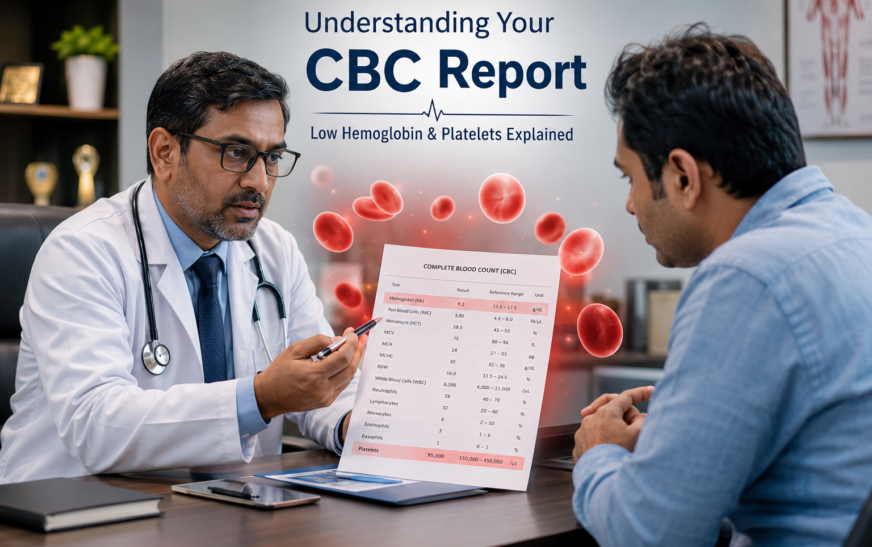
Blood test results can sometimes feel overwhelming, especially when you notice values marked as “Low” or “High.” Among the most commonly performed laboratory tests, the CBC Report is one of the most valuable tools doctors use to assess your overall health. It provides detailed information about your blood cells and can help detect conditions such as infections, inflammation, immune disorders, and certain blood diseases.
If your CBC Report shows low hemoglobin or a low platelet count, it doesn’t automatically mean you have a serious illness. These abnormal values can occur for many reasons, ranging from nutritional deficiencies to temporary infections or underlying medical conditions. In some cases, doctors may recommend additional investigations, such as a thyroid blood test, to identify health conditions that could contribute to ongoing fatigue or changes in blood counts.
In this guide, you’ll learn how to read a CBC Report, what low hemoglobin and platelets indicate, their possible causes, symptoms, treatment options, and when it’s important to seek medical attention. If you’re experiencing persistent weakness or tiredness, understanding the causes of being Tired After Sleep may also provide helpful insights into your overall health.
Table of Contents
ToggleWhat Is a CBC Report?
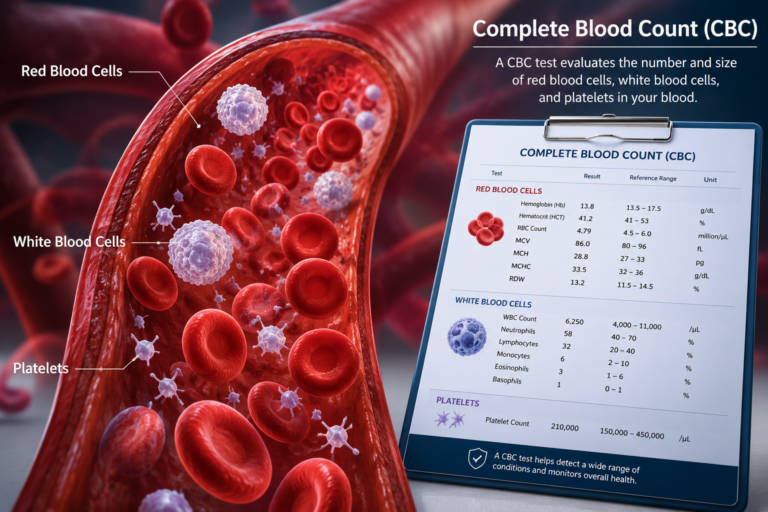
A CBC Report (Complete Blood Count Report) is a routine blood test that measures the different types of cells circulating in your bloodstream. It is often one of the first tests recommended during a health checkup because it provides a broad overview of your health.
Doctors may recommend a CBC blood test if you have symptoms such as:
- Persistent fatigue
- Fever
- Frequent infections
- Easy bruising
- Excessive bleeding
- Weakness
- Unexplained weight loss
- Dizziness
A CBC Report can also help monitor ongoing medical conditions and evaluate how well certain treatments are working.
What Does a CBC Report Measure?
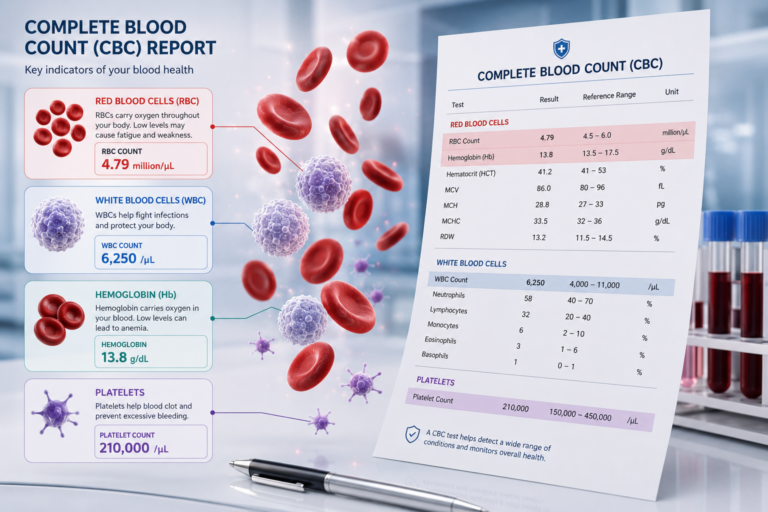
A standard CBC Report measures several important blood components.
| Blood Component | Normal Function |
|---|---|
| Red Blood Cells (RBCs) | Carry oxygen throughout the body |
| Hemoglobin (Hb) | Protein inside RBCs that transports oxygen |
| Hematocrit (HCT) | Percentage of blood made up of red blood cells |
| White Blood Cells (WBCs) | Fight infections and support immunity |
| Platelets | Help blood clot and stop bleeding |
| RBC Indices (MCV, MCH, MCHC, RDW) | Provide additional information about red blood cells |
Together, these values help healthcare professionals identify various health conditions before symptoms become severe.
Understanding Normal CBC Values
Although reference ranges may vary slightly between laboratories, the following values are commonly considered normal.
| Test | Typical Adult Range |
|---|---|
| Hemoglobin (Men) | 13.5–17.5 g/dL |
| Hemoglobin (Women) | 12.0–15.5 g/dL |
| Platelets | 150,000–450,000/µL |
| White Blood Cells | 4,000–11,000/µL |
| Red Blood Cells | 4.2–6.1 million/µL |
| Hematocrit | 36–52% |
Rather than focusing on a single value, doctors interpret your CBC Report alongside your medical history, symptoms, medications, and other laboratory findings.
What Does Low Hemoglobin Mean?
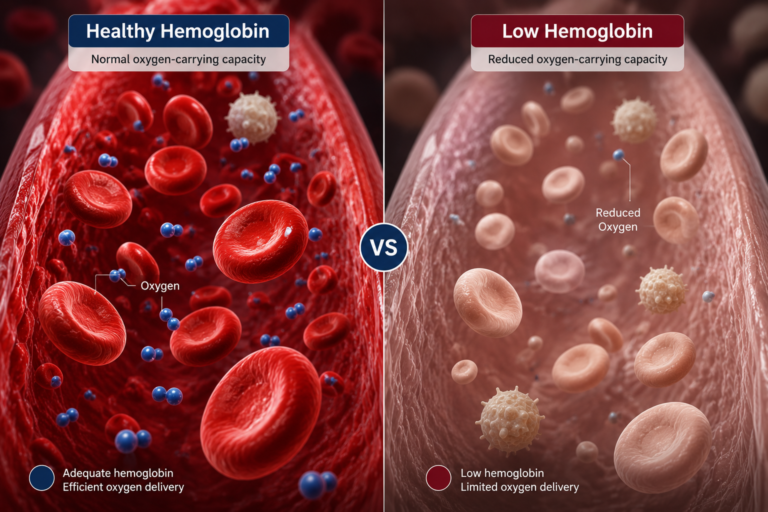
Hemoglobin is the oxygen-carrying protein found inside red blood cells. When hemoglobin levels are lower than normal, your body’s tissues receive less oxygen, making everyday activities feel more exhausting.
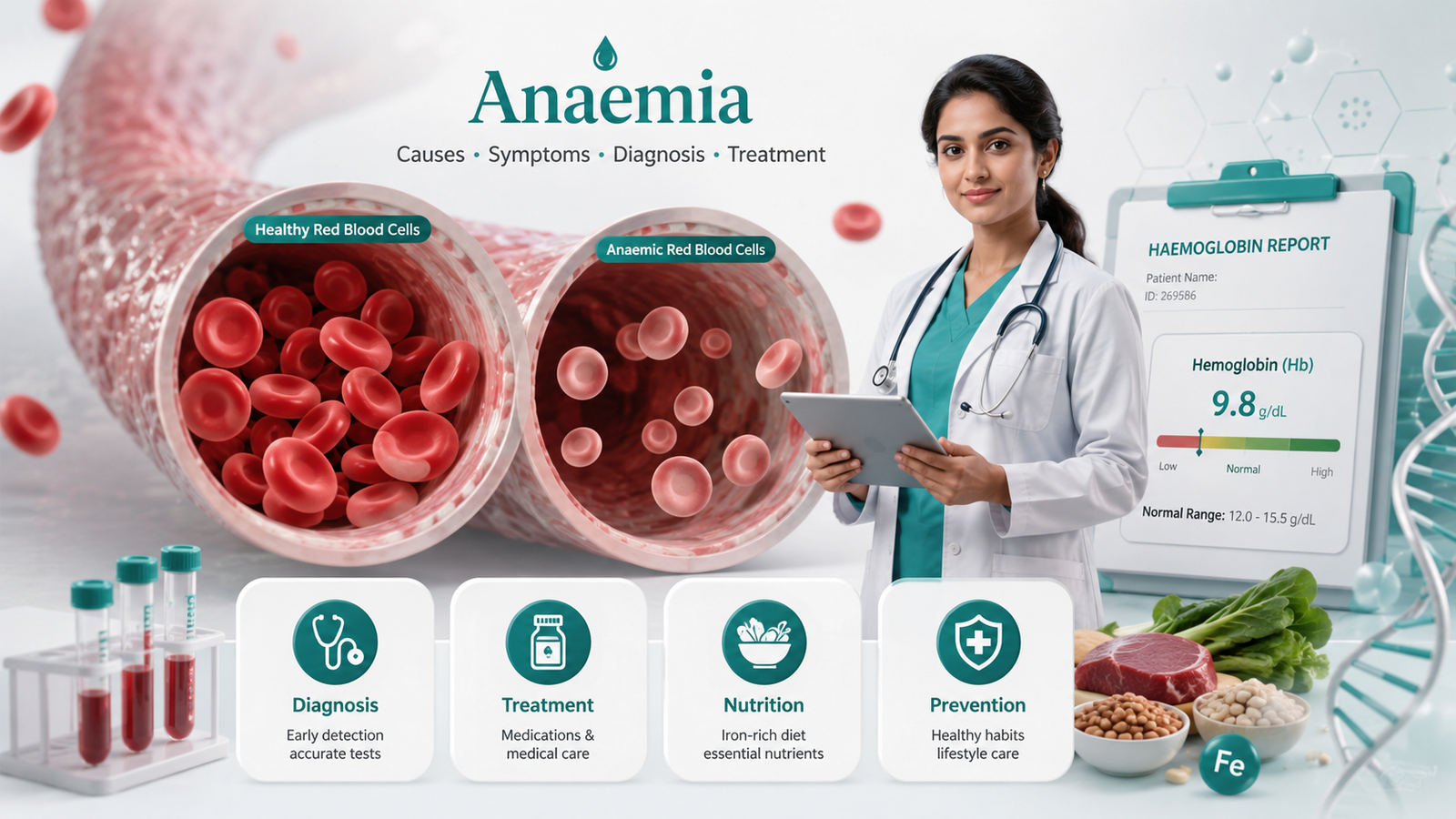
Low hemoglobin is commonly associated with anemia, but anemia itself is not a disease—it’s a sign that something else may be affecting your body’s ability to produce healthy red blood cells.
A low hemoglobin level can develop gradually or suddenly depending on the underlying cause.
Common Causes of Low Hemoglobin
Several conditions can reduce hemoglobin levels.
1. Iron Deficiency
Iron is essential for making hemoglobin. Poor dietary intake, chronic blood loss, or reduced iron absorption are among the most common causes.
Women with heavy menstrual periods and individuals with gastrointestinal bleeding are particularly at risk.
2. Vitamin B12 or Folate Deficiency
Vitamin B12 and folate are necessary for healthy red blood cell production. A deficiency may result in fewer but larger red blood cells, reducing the body’s oxygen-carrying capacity.
If your doctor suspects a nutritional deficiency, they may also recommend testing for Vitamin B12 deficiency to identify the underlying cause.
3. Chronic Diseases
Conditions such as:
- Chronic kidney disease
- Autoimmune disorders
- Cancer
- Chronic infections
may interfere with red blood cell production and contribute to low hemoglobin.
4. Blood Loss
Blood loss may occur due to:
- Heavy menstrual bleeding
- Surgery
- Injuries
- Stomach ulcers
- Colon polyps
- Internal bleeding
Even slow, unnoticed blood loss over time can eventually lower hemoglobin levels.
5. Bone Marrow Disorders
The bone marrow produces blood cells. Diseases affecting bone marrow function can reduce red blood cell production, resulting in abnormal findings on a CBC Report.
Symptoms of Low Hemoglobin
Symptoms often depend on how low the hemoglobin level is and how quickly it has fallen.
Common symptoms include:
- Persistent fatigue
- Weakness
- Pale skin
- Shortness of breath
- Dizziness
- Headaches
- Cold hands and feet
- Rapid heartbeat
- Difficulty concentrating
Many people experiencing chronic tiredness may also benefit from understanding the possible causes of being Tired After Sleep, as poor sleep quality and anemia can sometimes produce similar symptoms.
How Doctors Confirm the Cause of Low Hemoglobin
A CBC Report alone usually cannot identify the exact reason for low hemoglobin. Instead, it acts as an important screening test.
Depending on your results, your healthcare provider may recommend:
- Iron studies
- Ferritin test
- Vitamin B12 levels
- Folate test
- Kidney function tests
- Stool test for hidden blood
- Bone marrow examination (in selected cases)
These additional investigations help determine the appropriate treatment rather than simply correcting the hemoglobin level.
What Does a Low Platelet Count Mean?
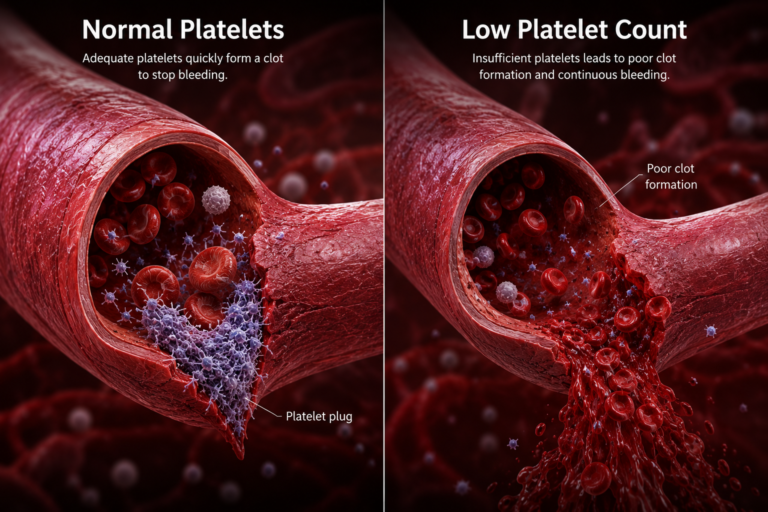
Platelets are tiny blood cell fragments that help stop bleeding by forming blood clots whenever blood vessels are injured.
A platelet count below 150,000 per microliter is called thrombocytopenia.
A mildly reduced platelet count may not cause noticeable symptoms. However, significantly low levels increase the risk of excessive bleeding and bruising.
Unlike low hemoglobin, which mainly affects oxygen delivery, low platelets primarily affect your body’s ability to control bleeding.
What Causes a Low Platelet Count?
A low platelet count, also known as thrombocytopenia, can occur when your body does not produce enough platelets, destroys them too quickly, or traps them in the spleen. Your CBC Report helps detect this condition, but additional tests are often needed to determine the exact cause.
Some common causes include:
1. Viral Infections
Certain viral infections, such as dengue, influenza, hepatitis, HIV, or COVID-19, can temporarily reduce platelet production. Platelet levels usually improve once the infection resolves.
2. Autoimmune Disorders
Conditions like immune thrombocytopenia (ITP) cause the immune system to mistakenly destroy healthy platelets, leading to a low platelet count.
3. Certain Medications
Some antibiotics, chemotherapy drugs, blood thinners, and anti-seizure medications may lower platelet levels as a side effect. Always consult your doctor before stopping any prescribed medicine.
4. Bone Marrow Disorders
Diseases affecting the bone marrow, including leukemia or aplastic anemia, can reduce the production of platelets and other blood cells.
5. Enlarged Spleen
An enlarged spleen may trap a large number of platelets, leaving fewer circulating in the bloodstream.
Symptoms of Low Platelets
Many people with mildly low platelet counts do not experience noticeable symptoms. However, when platelet levels drop significantly, bleeding problems may occur.
Common symptoms include:
- Easy bruising
- Frequent nosebleeds
- Bleeding gums
- Tiny red or purple spots on the skin (petechiae)
- Heavy menstrual bleeding
- Blood in urine or stool
- Cuts that take longer to stop bleeding
If your CBC Report shows a severely low platelet count along with unusual bleeding, seek immediate medical attention.
Can Low Hemoglobin and Low Platelets Occur Together?
Yes. In some cases, a CBC Report may show both low hemoglobin and low platelets. This combination can occur due to several underlying conditions, including:
- Vitamin B12 deficiency
- Folate deficiency
- Bone marrow disorders
- Autoimmune diseases
- Severe infections
- Certain cancers
- Chronic kidney disease
- Side effects of chemotherapy
Because multiple conditions can cause these abnormalities, doctors usually recommend additional laboratory tests before making a diagnosis.
How Doctors Diagnose the Cause
A CBC Report is the starting point, but it does not always reveal why your blood counts are abnormal. Your healthcare provider may recommend additional investigations based on your symptoms and medical history.
These tests may include:
- Peripheral blood smear
- Iron studies
- Ferritin test
- Vitamin B12 and folate levels
- Liver and kidney function tests
- Coagulation profile
- Reticulocyte count
- Bone marrow biopsy (if required)
These investigations help identify the root cause and guide the most appropriate treatment.
Treatment for Low Hemoglobin and Low Platelets
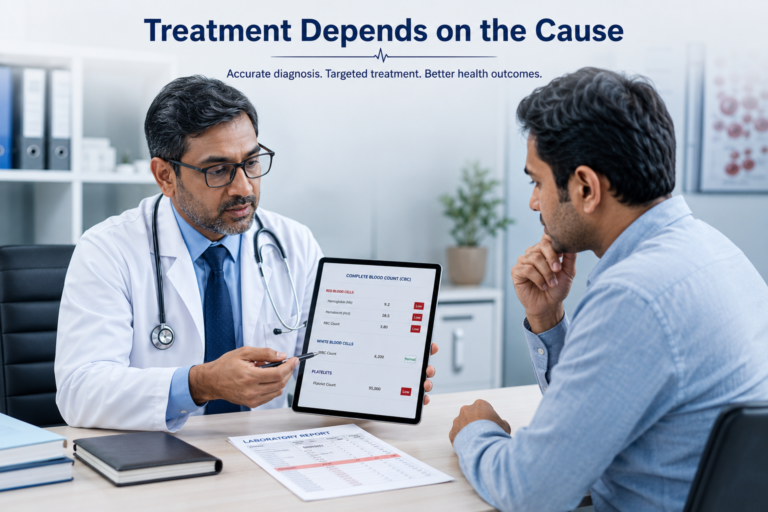
Treatment depends on the underlying cause rather than simply increasing blood counts.
For Low Hemoglobin
Treatment may include:
- Iron supplements for iron deficiency
- Vitamin B12 or folic acid supplements
- Dietary improvements
- Treating chronic diseases
- Blood transfusion in severe cases
If nutritional deficiencies are suspected, your doctor may also evaluate you for anaemia to determine the most effective treatment plan.
For Low Platelets
Depending on the cause, treatment may involve:
- Monitoring mild cases
- Treating infections
- Changing medications
- Corticosteroids for immune-related conditions
- Platelet transfusion in severe bleeding
- Treatment of underlying bone marrow disorders
Never self-medicate based solely on your CBC Report without consulting a healthcare professional.
Foods That Support Healthy Blood Counts

A balanced diet plays an important role in maintaining healthy blood cells.
Iron-Rich Foods
- Spinach
- Lentils
- Beans
- Lean meat
- Liver
- Pumpkin seeds
Vitamin B12 Sources
- Eggs
- Fish
- Dairy products
- Chicken
- Fortified cereals
Folate-Rich Foods
- Broccoli
- Citrus fruits
- Avocados
- Leafy green vegetables
- Peas
Vitamin C-Rich Foods
Vitamin C improves iron absorption. Include foods such as:
- Oranges
- Kiwi
- Strawberries
- Bell peppers
- Tomatoes
Eating a balanced diet supports healthy blood production but should not replace medical treatment when abnormalities are detected in your CBC Report.
When Should You See a Doctor?
Seek medical advice if you experience:
- Persistent fatigue
- Shortness of breath
- Frequent dizziness
- Easy bruising
- Unexplained bleeding
- Blood in urine or stool
- High fever with a low platelet count
- Severe weakness
If you have recurring symptoms or abnormal blood test results, your doctor may recommend additional investigations such as a creatinine blood test or a thyroid blood test to rule out other health conditions that can affect your overall well-being.
Tips to Maintain Healthy Blood Counts
Simple lifestyle habits can support healthy blood cell production.
- Eat a nutrient-rich diet.
- Stay hydrated.
- Exercise regularly.
- Get adequate sleep.
- Avoid smoking and excessive alcohol.
- Treat infections promptly.
- Attend routine health check-ups.
- Follow your doctor’s advice if you have chronic illnesses.
Frequently Asked Questions
What is a CBC blood report?
A Complete Blood Count (CBC) report is a common blood test that measures red blood cells, white blood cells, hemoglobin, hematocrit, and platelets. It helps detect conditions such as anemia, infections, inflammation, and blood disorders.
What is a normal CBC report?
A normal CBC report varies by age and sex. In general, hemoglobin, white blood cells, red blood cells, and platelets should fall within the laboratory’s reference range. Your doctor will interpret these values based on your health condition.
How are bands reported on a CBC?
Bands are immature white blood cells that may appear as a percentage or absolute count in the CBC differential. Higher levels often indicate the body’s response to infection or inflammation.
How are blasts reported on a CBC?
Blasts are immature blood cells normally found in the bone marrow. If present in the bloodstream, they are reported as a percentage or count and may require further evaluation for blood disorders.
How much time does it take to get a CBC report?
Most laboratories provide a CBC Report within a few hours to 24 hours. Emergency departments may deliver results in less than an hour.
Conclusion
A CBC Report is one of the most valuable diagnostic tools for assessing your overall health. While low hemoglobin may indicate reduced oxygen-carrying capacity and low platelets may increase the risk of bleeding, these findings do not always point to a serious illness. Many cases are linked to treatable conditions such as nutritional deficiencies, temporary infections, or medication side effects.
Understanding your CBC Report helps you ask informed questions and seek timely medical care. Rather than focusing on a single abnormal value, always discuss your results with a qualified healthcare provider, who can interpret them alongside your symptoms, medical history, and additional test results. Early diagnosis and appropriate treatment can significantly improve your health outcomes.