
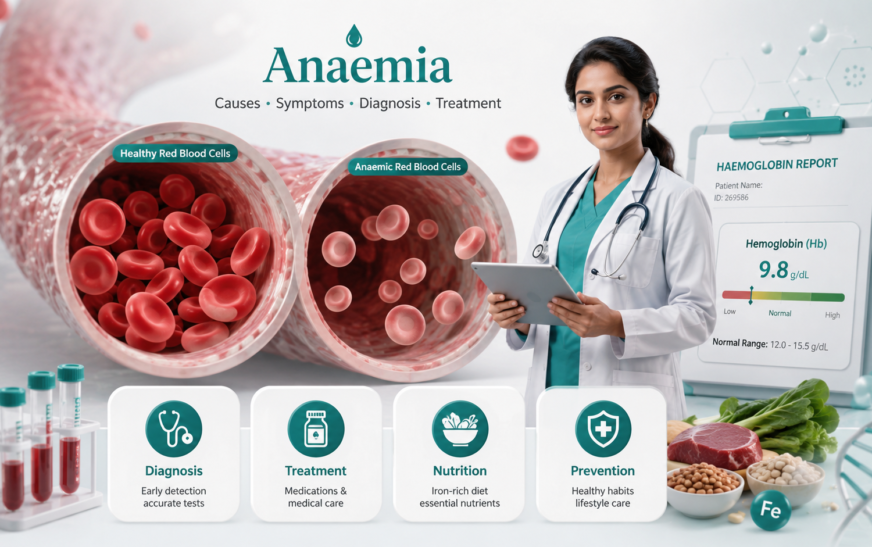
One of the most common blood disorders worldwide, affecting millions of people, including children, adults, pregnant women, and older adults. It develops when your body does not produce enough healthy red blood cells or has insufficient haemoglobin to carry oxygen efficiently throughout the body. As oxygen delivery decreases, people with anaemia may experience symptoms such as fatigue, weakness, dizziness, pale skin, and shortness of breath, making everyday activities more challenging.
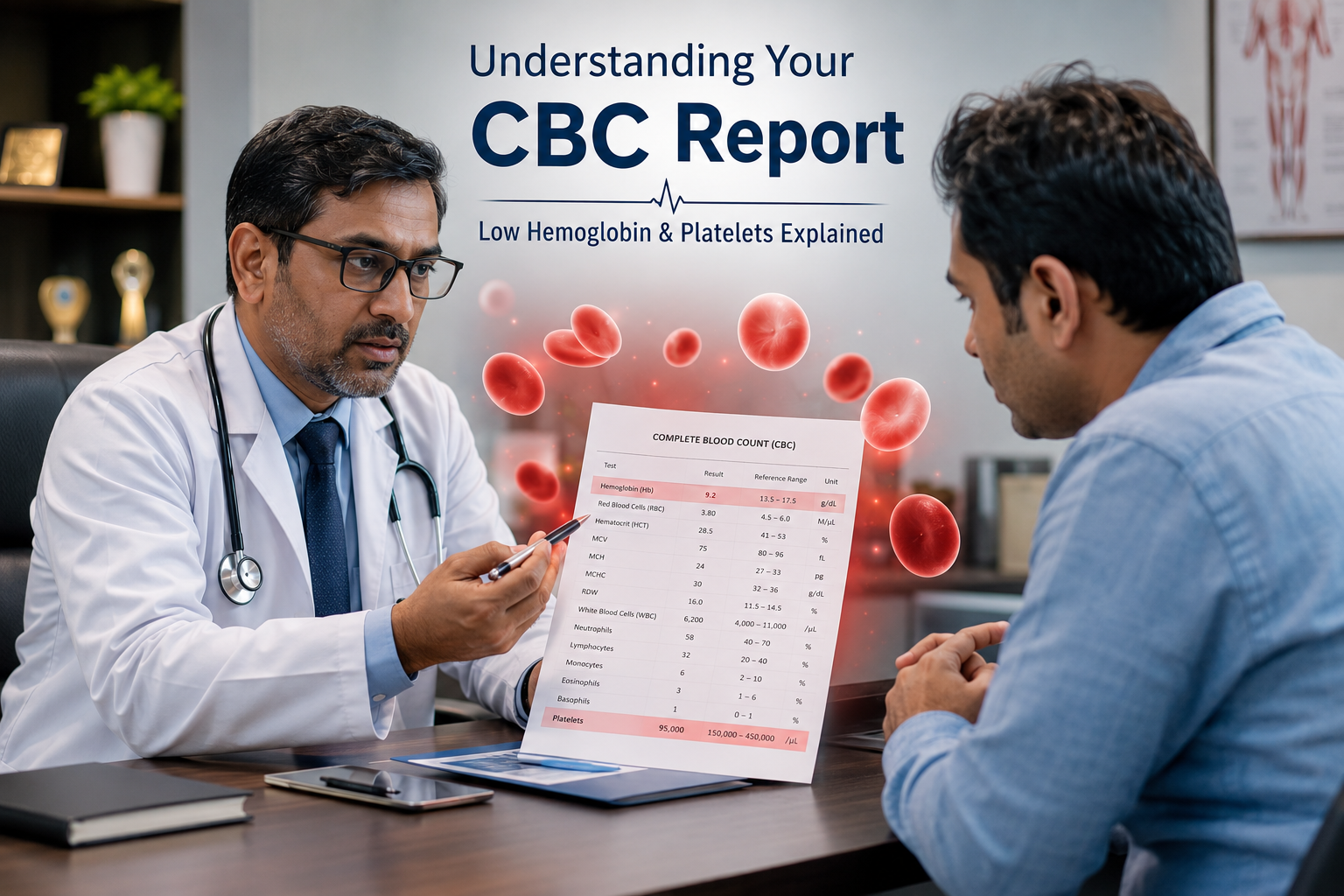
According to the World Health Organization (WHO), over 1.6 billion people worldwide are affected by anaemia, making it a major global health concern. Iron deficiency remains the most common cause, but vitamin B12 deficiency, folate deficiency, chronic diseases, inherited blood disorders, and blood loss can also contribute to the condition. Doctors usually begin the evaluation with a CBC Report, which measures haemoglobin levels and other blood components to help diagnose anaemia and determine its severity.
The good news is that most cases can be effectively managed with early diagnosis, a balanced diet, appropriate supplements, and treatment for the underlying cause. Maintaining adequate iron, vitamin B12, and folate levels is essential for healthy blood production. Since chronic kidney disease can also contribute to anaemia, understanding your Normal Creatinine Levels and undergoing a Creatinine Blood Test when recommended by your doctor may help identify related health issues.
Table of Contents
ToggleIn this comprehensive guide, you’ll learn everything you need to know about anaemia, including its causes, symptoms, different types, diagnosis, treatment options, dietary recommendations, prevention strategies, and when to seek medical care. Whether you’re looking to understand the condition or support someone living with anaemia, this guide provides practical, evidence-based information to help you make informed health decisions.
What Is Anaemia?
Medical condition in which the body has fewer healthy red blood cells (RBCs) or lower-than-normal haemoglobin levels. Haemoglobin is an iron-rich protein found inside red blood cells that carries oxygen from the lungs to every tissue and organ in the body. When haemoglobin levels fall, your organs receive less oxygen, causing symptoms such as tiredness, weakness, and difficulty concentrating.
Red blood cells are produced in the bone marrow and typically survive for about 120 days before being replaced by new cells. Any condition that reduces red blood cell production, increases their destruction, or causes excessive blood loss can result in anaemia.
Normal Haemoglobin Levels
| Group | Normal Haemoglobin Level |
|---|---|
| Adult Men | 13.8–17.2 g/dL |
| Adult Women | 12.1–15.1 g/dL |
| Pregnant Women | ≥11 g/dL |
| Children | Varies by age |
When haemoglobin levels fall below these ranges, healthcare providers may diagnose anaemia, depending on the patient’s age, sex, and medical history.
If you’re experiencing symptoms such as persistent fatigue, your doctor may recommend a CBC Report to evaluate your haemoglobin and red blood cell count. A complete blood count is one of the most important tests used to diagnose anaemia and identify its underlying cause.
How Does Affect the Body?
Every organ in your body depends on oxygen to function efficiently. Healthy red blood cells transport oxygen through the bloodstream, allowing muscles, the brain, and vital organs to produce energy.
When anaemia develops:
- Less oxygen reaches body tissues.
- Energy production decreases.
- The heart works harder to deliver oxygen-rich blood.
- Physical and mental performance may decline.
This reduced oxygen supply explains why many people feel constantly tired, weak, or short of breath, even after adequate rest.
Types of Anaemia
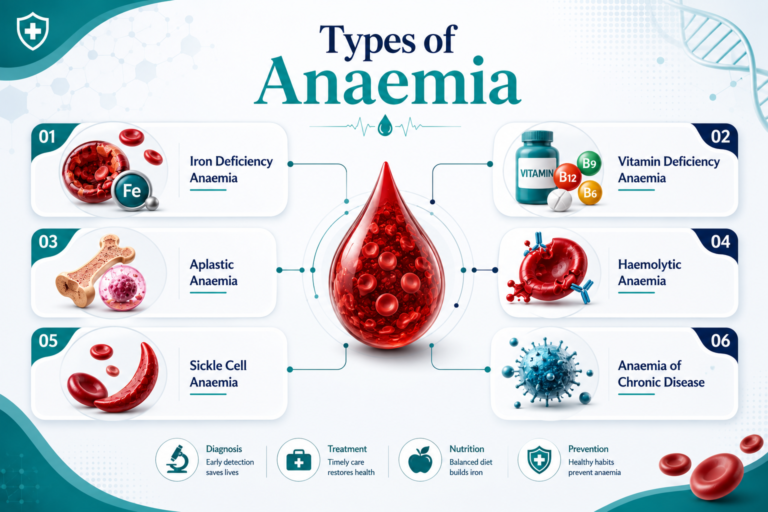
There are several different types of anaemia, each with unique causes and treatment approaches.
1. Iron Deficiency
Iron deficiency is the most common type worldwide. It occurs when the body lacks enough iron to produce sufficient haemoglobin.
Common causes include:
- Poor dietary iron intake
- Heavy menstrual bleeding
- Pregnancy
- Gastrointestinal bleeding
- Poor iron absorption
2. Vitamin Deficiency
A lack of vitamin B12 or folate can reduce healthy red blood cell production.
Possible causes include:
- Poor nutrition
- Digestive disorders
- Certain medications
- Autoimmune conditions
People with vitamin B12 deficiency may also experience tingling sensations, balance problems, or memory issues.
3. Aplastic
This rare but serious condition occurs when the bone marrow fails to produce enough blood cells.
Possible causes include:
- Autoimmune diseases
- Radiation therapy
- Certain medications
- Viral infections
- Exposure to toxic chemicals
4. Haemolytic
In haemolytic anaemia, red blood cells are destroyed faster than the bone marrow can replace them.
Causes may include:
- Autoimmune disorders
- Infections
- Certain medications
- Genetic conditions
- Blood transfusion reactions
5. Sickle Cell
Sickle cell anaemia is an inherited blood disorder in which red blood cells become sickle-shaped instead of round.
These abnormal cells:
- Break down quickly
- Block blood vessels
- Reduce oxygen delivery
- Cause severe pain episodes
6. Chronic Disease
Long-term illnesses may interfere with red blood cell production.
Conditions associated with this type include:
- Chronic kidney disease
- Rheumatoid arthritis
- Cancer
- Chronic infections
- Inflammatory bowel disease
People with kidney disease may also benefit from understanding the Normal Creatinine Levels and Creatinine Blood Test, as reduced kidney function can contribute to certain forms of anaemia.
How Common Is Anaemia?
Anaemia affects millions of people worldwide and remains one of the leading nutritional disorders.
Some groups are at higher risk, including:
- Women of reproductive age
- Pregnant women
- Infants and young children
- Older adults
- People with chronic illnesses
- Individuals with poor dietary intake
- Vegetarians and vegans without proper supplementation
The risk of increases when nutritional deficiencies, chronic diseases, or ongoing blood loss remain untreated.
Who Is at Higher Risk?
Although anaemia can affect anyone, certain factors significantly increase the likelihood of developing the condition.
Women
Women are more likely to develop anaemia because of menstrual blood loss, pregnancy, and increased iron requirements.
Pregnant Women
Pregnancy increases blood volume, requiring additional iron and folic acid for healthy fetal development.
Older Adults
Older adults may experience anaemia due to chronic diseases, nutritional deficiencies, or decreased nutrient absorption.
Children
Rapid growth during infancy and adolescence increases iron requirements, making children vulnerable to anaemia if their diet lacks essential nutrients.
People with Chronic Diseases
Conditions such as kidney disease, inflammatory disorders, and cancer may interfere with red blood cell production.
Causes
Anaemia develops when your body cannot produce enough healthy red blood cells, loses blood faster than it can replace it, or destroys red blood cells prematurely. Identifying the underlying cause of anaemia is essential because treatment varies depending on the reason behind the condition.
1. Iron Deficiency
Iron deficiency is the most common cause of anaemia worldwide. Iron is required to produce haemoglobin, the protein that enables red blood cells to carry oxygen throughout the body.
Iron deficiency may result from:
- Poor dietary iron intake
- Heavy menstrual bleeding
- Pregnancy
- Stomach ulcers
- Gastrointestinal bleeding
- Frequent blood donation
- Poor iron absorption due to digestive disorders
Without adequate iron, the bone marrow cannot produce enough healthy red blood cells, leading to anaemia.
2. Vitamin B12 and Folate Deficiency
Vitamin B12 and folate are essential nutrients for healthy red blood cell production. A deficiency in either vitamin can result in larger-than-normal red blood cells that do not function properly.
Common causes include:
- Poor diet
- Strict vegetarian or vegan diets without supplementation
- Pernicious anaemia
- Crohn’s disease
- Celiac disease
- Certain medications
Vitamin B12 deficiency may also cause nerve-related symptoms, including numbness, tingling, memory problems, and difficulty maintaining balance.
3. Chronic Diseases
Several long-term medical conditions interfere with the body’s ability to produce healthy red blood cells.
Examples include:
- Chronic kidney disease
- Cancer
- Rheumatoid arthritis
- Lupus
- Chronic infections
- Liver disease
People with kidney disease should also understand the importance of a Creatinine Blood Test and Normal Creatinine Levels, as reduced kidney function can contribute to chronic disease-related anaemia.
4. Blood Loss
Continuous or sudden blood loss is another common cause of anaemia.
Sources of blood loss include:
- Heavy menstrual periods
- Stomach ulcers
- Colon polyps
- Haemorrhoids
- Gastrointestinal cancers
- Surgery
- Traumatic injuries
Even slow blood loss over several months can gradually deplete the body’s iron stores.
5. Bone Marrow Disorders
Bone marrow produces red blood cells, white blood cells, and platelets. Diseases affecting the bone marrow can reduce blood cell production.
Examples include:
- Aplastic anaemia
- Leukemia
- Myelodysplastic syndromes
- Bone marrow fibrosis
These conditions require prompt medical evaluation and specialist treatment.
6. Inherited Disorders
Some people inherit genetic conditions that affect red blood cell production or lifespan.
Examples include:
- Sickle cell anaemia
- Thalassemia
- Hereditary spherocytosis
Inherited forms of anaemia often require lifelong monitoring and treatment.
7. Pregnancy
During pregnancy, blood volume increases significantly to support fetal growth. If iron and folic acid intake is insufficient, pregnant women are more likely to develop anaemia.
Routine prenatal check-ups usually include blood tests to detect and manage the condition early.
Symptoms
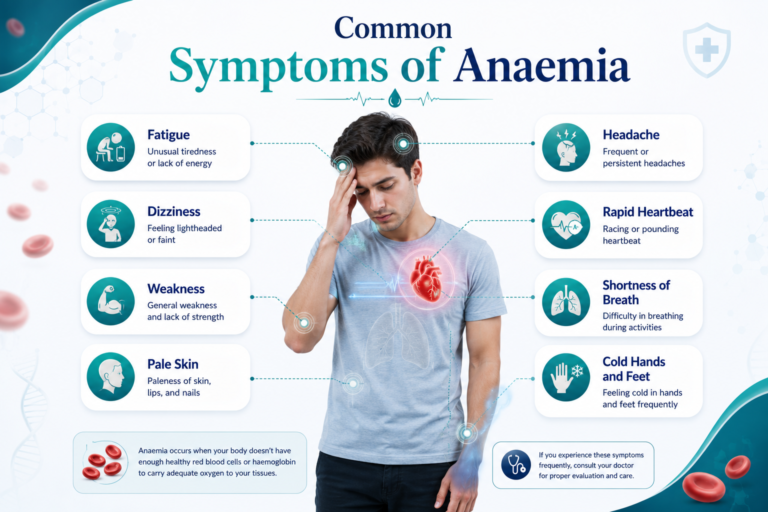
The symptoms vary depending on its severity and underlying cause. Mild cases may not produce noticeable symptoms, while moderate to severe anaemia can significantly affect daily life.
Common Symptoms
Early signs include:
- Persistent fatigue
- Weakness
- Pale skin
- Dizziness
- Headaches
- Shortness of breath
- Cold hands and feet
- Reduced exercise tolerance
- Difficulty concentrating
- Fast or irregular heartbeat
Many people initially mistake these symptoms for stress or lack of sleep, delaying diagnosis.
Severe Symptoms
If anaemia becomes severe, symptoms may include:
- Chest pain
- Rapid heartbeat
- Fainting
- Severe breathlessness
- Extreme tiredness
- Difficulty performing routine activities
Severe anaemia requires immediate medical attention because it may reduce oxygen delivery to vital organs.
Symptoms by Age Group
In Children
Children may experience:
- Poor growth
- Delayed development
- Frequent infections
- Poor concentration
- Irritability
- Reduced appetite
In Adults
Adults commonly experience:
- Fatigue
- Weakness
- Reduced work performance
- Difficulty exercising
- Poor concentration
In Older Adults
Older adults may notice:
- Confusion
- Balance problems
- Falls
- Memory issues
- Worsening heart disease
Risk Factors
Certain factors increase the likelihood of developing anaemia.
These include:
- Poor nutrition
- Iron-deficient diet
- Vitamin B12 deficiency
- Folate deficiency
- Heavy menstrual bleeding
- Pregnancy
- Chronic kidney disease
- Cancer
- Gastrointestinal disorders
- Family history of blood disorders
- Frequent blood donation
- Alcohol misuse
- Older age
Women of reproductive age remain one of the highest-risk groups due to menstrual blood loss and pregnancy-related iron requirements.
Complications
If left untreated, anaemia can lead to serious health problems.
Potential complications include:
Heart Problems
The heart must work harder to supply oxygen throughout the body, increasing the risk of:
- Enlarged heart
- Heart failure
- Irregular heartbeat
Individuals with Hypertension should carefully manage anaemia, as both conditions can increase cardiovascular strain.
Pregnancy Complications
Untreated anaemia during pregnancy may increase the risk of:
- Premature birth
- Low birth weight
- Maternal fatigue
- Postpartum complications
Growth and Development Issues
Children with untreated anaemia may experience:
- Delayed growth
- Learning difficulties
- Reduced attention span
- Behavioral problems
Reduced Immunity
People may be more susceptible to infections because oxygen is essential for healthy immune function.
Reduced Quality of Life
Persistent fatigue and weakness can affect:
- Work productivity
- Academic performance
- Physical activity
- Mental well-being
- Daily functioning
Early diagnosis and treatment greatly improve long-term outcomes.
When Should You See a Doctor?
Consult a healthcare professional if you experience symptoms that may indicate anaemia, especially if they persist for more than a few days.
Seek medical advice if you have:
- Constant tiredness
- Unexplained weakness
- Pale skin
- Frequent dizziness
- Shortness of breath
- Chest pain
- Rapid heartbeat
- Heavy menstrual bleeding
- Blood in stool or urine
- Unexplained weight loss
Early diagnosis allows doctors to identify the underlying cause and begin appropriate treatment before complications develop.
How Is Anaemia Diagnosed?
Doctors diagnose anaemia through a combination of medical history, physical examination, and laboratory tests.
Common diagnostic tests include:
- Complete Blood Count (CBC)
- Haemoglobin test
- Hematocrit
- Mean Corpuscular Volume (MCV)
- Iron studies
- Ferritin test
- Vitamin B12 level
- Folate level
- Reticulocyte count
- Kidney function tests
A CBC Report is usually the first and most important investigation because it measures haemoglobin levels, red blood cell count, and other blood parameters that help confirm anaemia and guide further evaluation.
Treatment
The treatment for anaemia depends on its underlying cause, severity, age, overall health, and medical history. While mild cases may improve with dietary changes, moderate to severe anaemia often requires medication or medical intervention. Early treatment can help restore healthy haemoglobin levels, relieve symptoms, and prevent complications.
Treatment recommendations should always follow medical advice to ensure safe and effective recovery.
Iron Supplements
Iron supplements are commonly prescribed for people with iron deficiency anaemia. These supplements help the body produce healthy red blood cells and increase haemoglobin levels.
Doctors may recommend:
- Oral iron tablets
- Iron capsules
- Liquid iron supplements for children
- Intravenous (IV) iron in severe cases or when oral supplements are not effective
Iron supplements should only be taken under medical supervision, as excessive iron intake can be harmful.
Vitamin B12 and Folate Supplements
If anaemia is caused by a deficiency of vitamin B12 or folate, your doctor may prescribe:
- Vitamin B12 tablets
- Vitamin B12 injections
- Folic acid supplements
Including foods rich in these nutrients can also support recovery.
Treating the Underlying Cause
In many cases, successful treatment of anaemia requires addressing the condition responsible for it.
Examples include:
- Treating stomach ulcers
- Managing chronic kidney disease
- Controlling inflammatory disorders
- Treating intestinal diseases that reduce nutrient absorption
- Managing heavy menstrual bleeding
People with chronic illnesses should continue regular health check-ups and follow their treatment plan.
Blood Transfusion
A blood transfusion may be necessary when anaemia is severe or causes life-threatening symptoms.
Doctors usually recommend transfusions in situations such as:
- Severe blood loss
- Very low haemoglobin levels
- Major surgery
- Serious trauma
- Certain blood disorders
Blood transfusions quickly improve oxygen delivery but are generally reserved for emergency situations.
Bone Marrow or Stem Cell Transplant
For rare conditions such as aplastic anaemia, a bone marrow or stem cell transplant may be considered. This treatment replaces damaged bone marrow with healthy stem cells capable of producing new blood cells.
Best Foods to Eat
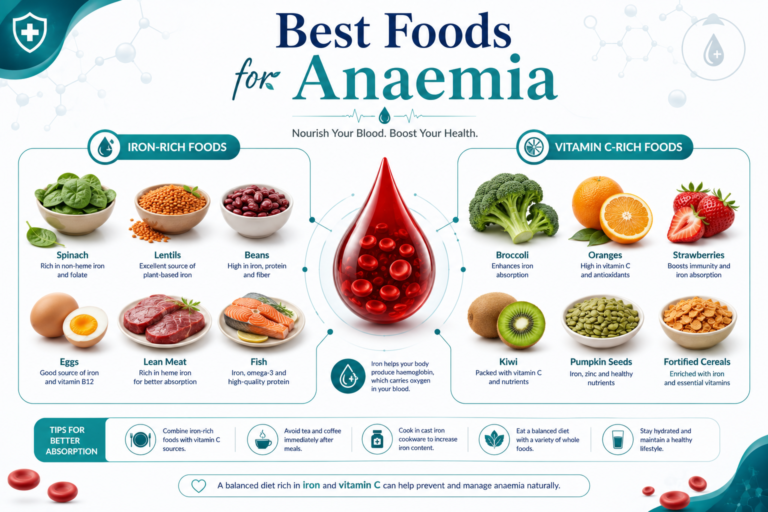
A healthy diet plays a crucial role in preventing and managing. Consuming iron-rich foods along with nutrients that improve iron absorption can help increase haemoglobin levels naturally.
Iron-Rich Foods
Excellent dietary sources of iron include:
- Lean red meat
- Chicken
- Turkey
- Fish
- Liver (in moderation)
- Eggs
- Lentils
- Chickpeas
- Kidney beans
- Spinach
- Kale
- Tofu
- Pumpkin seeds
- Sesame seeds
- Iron-fortified cereals
Vitamin C-Rich Foods
Vitamin C improves iron absorption, especially from plant-based foods.
Include:
- Oranges
- Lemons
- Kiwi
- Strawberries
- Guava
- Tomatoes
- Bell peppers
- Broccoli
Pairing iron-rich foods with vitamin C-rich fruits or vegetables can significantly improve iron absorption.
Vitamin B12 Sources
People with vitamin B12 deficiency-related anaemia should
Include:
- Milk
- Cheese
- Yogurt
- Eggs
- Fish
- Chicken
- Meat
- Fortified breakfast cereals
Vegetarians and vegans may require vitamin B12 supplements after consulting their healthcare provider.
Folate-Rich Foods
Good sources of folate include:
- Spinach
- Asparagus
- Avocado
- Lentils
- Black-eyed peas
- Citrus fruits
- Broccoli
Foods to Avoid
Certain foods and beverages can reduce iron absorption when consumed with meals.
Limit:
- Tea
- Coffee
- Alcohol
- Calcium supplements taken with iron-rich meals
- Highly processed foods
- Excess sugary drinks
- Fast food
If you drink tea or coffee, try consuming them at least one to two hours after meals.
Lifestyle Tips to Manage
Healthy lifestyle habits can support treatment and reduce the risk of recurrence.
Eat a Balanced Diet
Include foods rich in:
- Iron
- Vitamin B12
- Folate
- Vitamin C
- Protein
- Stay Hydrated
Adequate hydration supports overall health and proper circulation.
Avoid Skipping Meals
Regular, nutrient-rich meals help maintain healthy blood production.
Exercise Wisely
Mild physical activity such as walking or yoga may improve overall health, but avoid intense exercise if you experience severe fatigue due to anaemia.
Take Medicines as Prescribed
Never stop iron or vitamin supplements without consulting your doctor, even if symptoms improve.
Monitor Your Blood Health
Regular blood tests help assess treatment progress and detect recurring anaemia early. A follow-up CBC Report is commonly recommended to monitor haemoglobin levels and overall blood health.
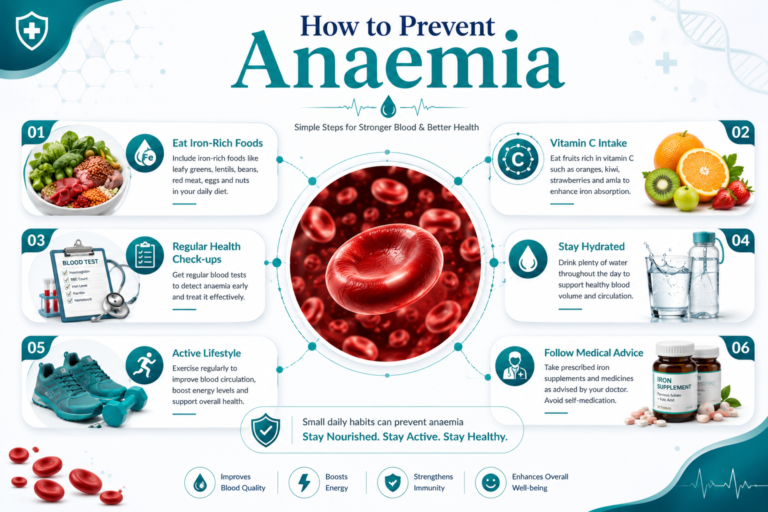
Can Be Prevented?
Not every type of anaemia can be prevented, but many cases can be avoided by maintaining good nutrition and addressing health problems early.
Prevention strategies include:
- Eating iron-rich foods regularly
- Including vitamin C with meals
- Getting enough vitamin B12 and folate
- Treating heavy menstrual bleeding
- Managing chronic diseases
- Avoiding unnecessary blood loss
- Regular health check-ups
- Following prenatal care during pregnancy
People with chronic medical conditions should continue regular monitoring, including kidney health assessments such as Normal Creatinine Levels, when advised by their healthcare provider.
Frequently Asked Questions (FAQs)
What is anaemia?
Anaemia is a condition in which the body has fewer healthy red blood cells or lower haemoglobin levels than normal, reducing the amount of oxygen delivered to body tissues.
What are the early symptoms of anaemia?
Common early symptoms of anaemia include fatigue, weakness, pale skin, dizziness, headaches, and shortness of breath during physical activity.
What is the most common cause of anaemia?
Iron deficiency is the leading cause of anaemia worldwide. Other causes include vitamin B12 deficiency, folate deficiency, chronic diseases, inherited disorders, and blood loss.
Which foods help improve anaemia?
Iron-rich foods such as lean meat, spinach, lentils, beans, pumpkin seeds, and fortified cereals, along with vitamin C-rich fruits like oranges and guava, can help improve anaemia.
Can anaemia be cured?
Many types of anaemia can be successfully treated once the underlying cause is identified. Treatment may include dietary changes, supplements, medications, or other medical therapies.
How is anaemia diagnosed?
Doctors usually diagnose anaemia through a CBC Report, haemoglobin testing, iron studies, vitamin B12 and folate levels, and additional investigations based on the suspected cause.
Who is most at risk of developing anaemia?
Women, pregnant individuals, young children, older adults, people with chronic diseases, and those with poor nutritional intake are at a higher risk of developing anaemia.
When should I see a doctor for anaemia?
Seek medical advice if you experience ongoing fatigue, weakness, dizziness, shortness of breath, chest pain, heavy menstrual bleeding, or symptoms that interfere with your daily activities.
Conclusion
Anaemia is a common yet treatable condition that affects the body’s ability to transport oxygen efficiently. While fatigue, weakness, and pale skin are among the most common symptoms, the condition can have many different causes, including iron deficiency, vitamin deficiencies, chronic diseases, inherited disorders, and blood loss.
Early diagnosis is essential for identifying the underlying cause and starting appropriate treatment. Most cases can be effectively managed through a combination of a balanced diet, nutritional supplements, healthy lifestyle habits, and medical care when necessary.
If you experience persistent tiredness, dizziness, shortness of breath, or other symptoms of anaemia, consult a healthcare professional for evaluation. A timely diagnosis and personalized treatment plan can help restore healthy haemoglobin levels, improve your energy, and reduce the risk of long-term complications.
Maintaining a balanced diet and healthy lifestyle supports long-term blood health, as recommended in the healthy eating guidelines.