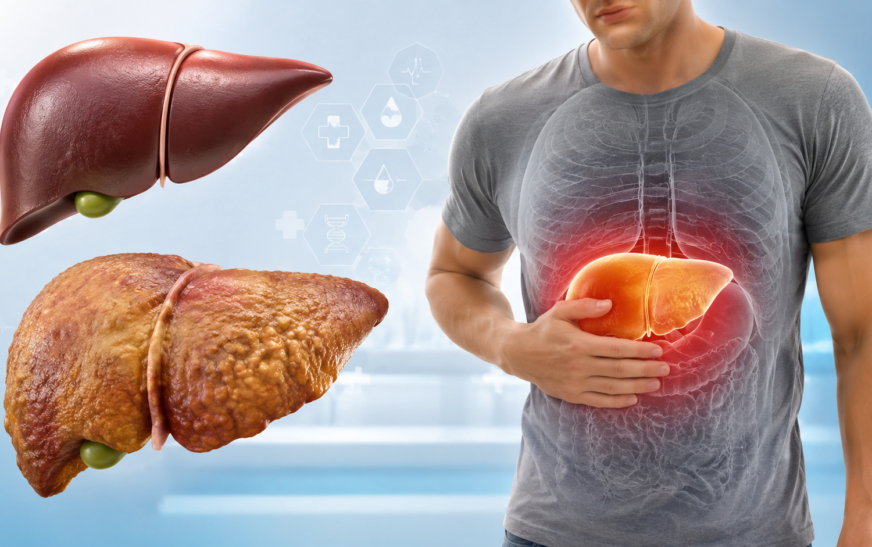

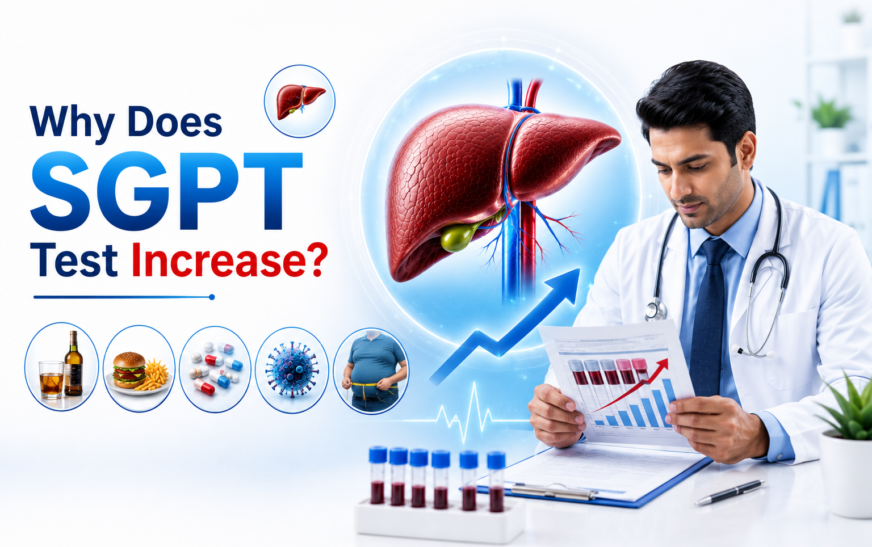
SGPT (Serum Glutamic Pyruvic Transaminase), also known as Alanine Aminotransferase (ALT), is an enzyme found mainly in the liver. Doctors often measure this enzyme through a liver function test (LFT) to assess liver health. When liver cells become inflamed or damaged, they release more SGPT into the bloodstream, causing the level to rise.
If elevated liver enzymes are caused by fat buildup in the liver, you can also read our detailed guide on Fatty Liver to understand its early warning signs, causes, and prevention methods.
A high result does not always indicate a serious liver disease, but it should never be ignored. Elevated enzyme levels may be linked to fatty liver disease, viral hepatitis, obesity, diabetes, excessive alcohol intake, certain medications, or other medical conditions. Identifying the underlying cause early can help prevent further liver damage and improve treatment outcomes.
Table of Contents
ToggleMany people have no symptoms and only discover an abnormal result during a routine health check-up. That’s why understanding what affects this liver enzyme is important, especially if you have risk factors such as obesity, high cholesterol, or diabetes.
In this guide, you’ll learn what SGPT is, the normal range, common causes of high levels, symptoms, diagnosis, treatment options, and practical ways to improve liver health naturally.
What Is SGPT?
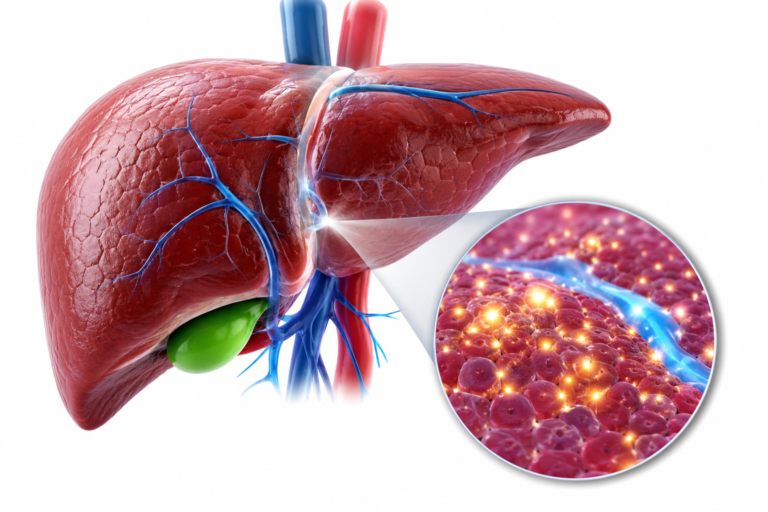
SGPT stands for Serum Glutamic Pyruvic Transaminase, an enzyme primarily present inside liver cells. Today, it is more commonly known as Alanine Aminotransferase (ALT). Its main role is to help convert amino acids into energy that the body uses for normal functioning.
Under normal conditions, only a small amount of this enzyme is present in the bloodstream. However, when liver cells become injured due to infection, inflammation, fat accumulation, alcohol, or medications, they release more ALT into the blood. As a result, the blood test shows elevated levels.
Although the liver contains the highest concentration, small amounts of this enzyme are also found in the kidneys, heart, and skeletal muscles.
Functions of SGPT
- Helps convert amino acids into energy
- Supports normal liver metabolism
- Indicates liver cell injury
- Assists doctors in evaluating liver function
- Plays an important role in liver function tests (LFTs)
What Is the Normal SGPT Range?
The normal range varies slightly between laboratories because different testing methods may be used. Age and sex can also influence the results.
Typical Normal Values
| Category | Normal Range |
|---|---|
| Adult Men | 10–40 U/L |
| Adult Women | 7–35 U/L |
| Children | May vary with age |
A mildly elevated result does not automatically mean liver disease. Healthcare providers usually interpret the report along with:
- Medical history
- Symptoms
- Other liver enzyme tests
- Imaging studies such as ultrasound or FibroScan
For this reason, a single abnormal value should always be evaluated in the proper clinical context.
Why Does SGPT Increase?
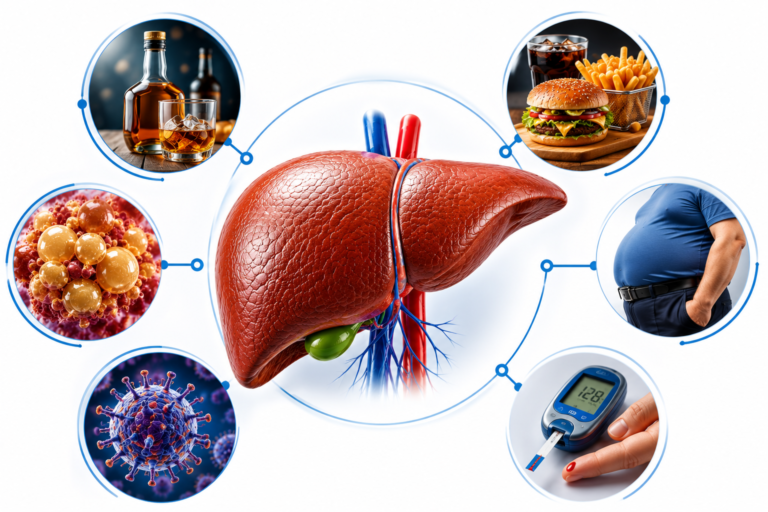
An increase in SGPT usually means that liver cells are under stress or have been damaged. When these cells are injured, the enzyme leaks into the bloodstream, causing the blood level to rise.
The increase may be temporary or long-lasting depending on the underlying cause. Some people experience only a mild elevation that returns to normal after lifestyle changes, while others may require medical treatment for chronic liver conditions.
Common reasons include:
- Fatty liver disease
- Viral hepatitis
- Excessive alcohol consumption
- Obesity
- Type 2 diabetes
- Certain medications
- Autoimmune liver diseases
- Muscle injury
- Liver infections
Doctors rarely diagnose liver disease based on this enzyme alone. They usually combine blood tests, symptoms, imaging, and medical history before reaching a conclusion.
Common Causes of High SGPT Levels
1. Fatty Liver Disease
Fatty liver disease is one of the leading causes of elevated liver enzymes worldwide. It develops when excess fat builds up inside liver cells, causing inflammation and gradual damage.
There are two main types:
- Non-Alcoholic Fatty Liver Disease (NAFLD): Common in people with obesity, diabetes, or high cholesterol.
- Alcohol-Related Fatty Liver Disease: Caused by excessive alcohol consumption over time.
Risk factors include:
- Obesity
- High cholesterol
- Type 2 diabetes
- Poor diet
- Lack of physical activity
If detected early, fatty liver disease can often be reversed through weight loss, healthy eating, and regular exercise.
For more detailed information on Non-Alcoholic Fatty Liver Disease (NAFLD), including its causes, diagnosis, and treatment options, visit the National Institute of Diabetes and Digestive and Kidney Diseases (NIDDK).
2. Viral Hepatitis
Hepatitis A, B, and C viruses directly affect liver cells, causing inflammation. During an active infection, liver enzyme levels often increase significantly.
Common symptoms include:
- Fever
- Fatigue
- Loss of appetite
- Nausea
- Dark urine
Yellowing of the skin and eyes (jaundice)
Early diagnosis and appropriate treatment help reduce the risk of long-term liver damage.
3. Excessive Alcohol Consumption
Drinking large amounts of alcohol over a long period places continuous stress on the liver. Over time, this may lead to:
- Alcoholic fatty liver disease
- Alcoholic hepatitis
- Liver fibrosis
- Cirrhosis
Reducing or completely avoiding alcohol can improve liver function and may help enzyme levels return to normal.
4. Obesity
Being overweight increases the risk of fat accumulation inside the liver, leading to inflammation and liver cell injury.
People with abdominal obesity are especially likely to develop non-alcoholic fatty liver disease, making weight management an important part of improving liver health.
5. Type 2 Diabetes
Diabetes and insulin resistance are closely linked with fatty liver disease. High blood sugar encourages fat storage in the liver, which may eventually cause inflammation and liver cell damage.
Proper diabetes management through medication, diet, and exercise can significantly improve overall liver function.
People with diabetes should also monitor their long-term blood sugar levels through the HbA1c Test, as uncontrolled diabetes can increase the risk of liver-related complications.
6. Certain Medications
Some medicines and supplements may temporarily affect liver enzyme levels.
Examples include:
- High doses of paracetamol (acetaminophen)
- Certain antibiotics
- Cholesterol-lowering medicines (statins)
- Anti-seizure medications
- Some herbal supplements
Never stop prescribed medication without discussing it with your healthcare provider.
7. Liver Cirrhosis
Cirrhosis occurs when healthy liver tissue is gradually replaced by scar tissue. In the early stages, enzyme levels may remain elevated because ongoing liver injury continues.
As cirrhosis becomes advanced, the liver loses functioning cells, and blood test results may not accurately reflect the severity of the disease.
8. Autoimmune Liver Disease
Autoimmune hepatitis develops when the body’s immune system mistakenly attacks healthy liver cells.
This chronic inflammation may increase liver enzyme levels and usually requires long-term medical treatment to prevent complications.
9. Muscle Injury
Although ALT is mainly found in the liver, it also exists in skeletal muscles. Intense exercise, muscle trauma, or certain muscle disorders can sometimes cause mild elevations in blood test results without significant liver disease.
10. Other Medical Conditions
Several less common conditions may also contribute to elevated liver enzymes, including:
- Thyroid disorders
- Wilson disease
- Hemochromatosis
- Celiac disease
- Gallbladder disorders
- Certain viral or bacterial infections
Because many conditions can produce similar blood test results, doctors often recommend additional investigations before confirming the diagnosis.
Symptoms of High SGPT Levels
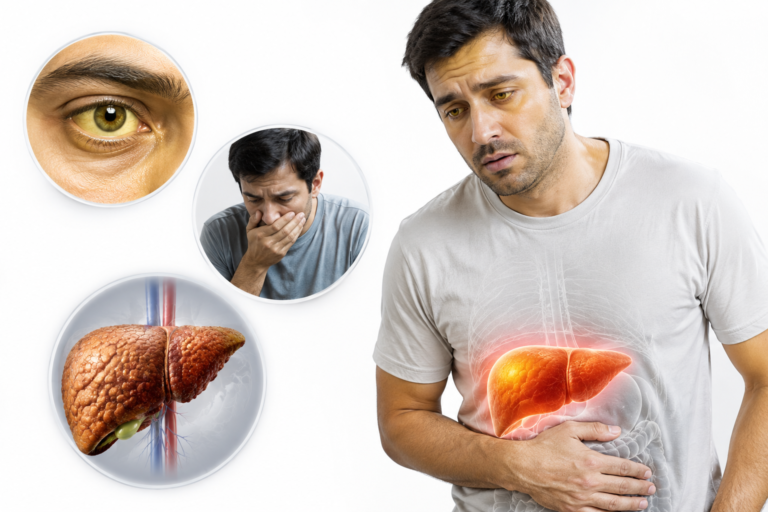
Many people with elevated liver enzymes do not experience symptoms in the early stages. In fact, abnormal results are often detected during a routine health check-up or blood test. Symptoms usually appear when the underlying liver condition becomes more severe.
Common symptoms include:
- Persistent fatigue or weakness
- Pain or discomfort in the upper right side of the abdomen
- Loss of appetite
- Nausea or vomiting
- Unexplained weight loss
- Dark-colored urine
- Pale or clay-colored stools
- Yellowing of the skin and eyes (jaundice)
- Itchy skin
- Swelling in the legs or abdomen in advanced liver disease
These symptoms are not specific to SGPT alone and may occur with various liver disorders. If you experience any of these signs, consult a healthcare professional for proper evaluation.
Who Is at Higher Risk of High SGPT?
Some people are more likely to develop elevated liver enzyme levels due to their lifestyle or existing medical conditions.
You may be at higher risk if you:
- Are overweight or obese
- Have Type 2 diabetes
- Have high cholesterol or high triglycerides
- Drink alcohol regularly
- Have viral hepatitis
- Take certain medicines for a long time
- Have a family history of liver disease
- Lead a sedentary lifestyle
- Consume a diet high in processed or fatty foods
If you fall into one or more of these categories, regular liver health screening can help detect problems early.
Can High SGPT Be Temporary?
Yes. In many cases, elevated liver enzyme levels are temporary and return to normal once the underlying cause is resolved.
Temporary causes include:
- Strenuous exercise
- Viral infections
- Certain medications
- Alcohol consumption
- Minor liver inflammation
Doctors often recommend repeating the blood test after a few weeks if no serious liver disease is suspected. However, persistently abnormal results require further medical evaluation.
How Is High SGPT Diagnosed?

A single blood test cannot determine the exact cause of liver injury. Healthcare providers evaluate several factors before making a diagnosis.
1. Liver Function Test (LFT)
A liver function test measures several enzymes and proteins, including:
- SGPT (ALT)
- AST (SGOT)
- Alkaline phosphatase (ALP)
- Bilirubin
- Albumin
Together, these values provide a better picture of overall liver function.
2. Blood Tests
Additional investigations may include:
- Hepatitis A, B, and C screening
- Blood sugar (HbA1c)
- Lipid profile
- Complete Blood Count (CBC)
- Autoimmune markers
- Iron studies
These tests help identify the underlying reason for abnormal liver enzyme levels.
3. Imaging Tests
Doctors may recommend imaging studies such as:
- Liver ultrasound
- FibroScan
- CT scan
- MRI (if necessary)
These investigations can detect fatty liver, liver fibrosis, cirrhosis, tumors, or other structural abnormalities.
4. Liver Biopsy
In selected cases, a liver biopsy may be recommended when other investigations cannot clearly identify the cause or determine the severity of liver damage.
If you want to understand how Liver Function Tests are performed and what each result means, MedlinePlus offers a comprehensive patient-friendly guide.
SGPT vs SGOT: What’s the Difference?
Although both enzymes are used to assess liver health, they are not identical.
| Feature | SGPT (ALT) | SGOT (AST) |
|---|---|---|
| Main location | Liver | Liver, heart, muscles |
| Specificity | More specific for liver injury | Less specific |
| Medical use | Detects liver cell damage | Evaluates liver and muscle injury |
| Current name | Alanine Aminotransferase | Aspartate Aminotransferase |
Doctors usually interpret both results together rather than relying on a single enzyme.
What Do Different SGPT Levels Mean?
The severity of an elevated result depends on how high the value is and the underlying medical condition.
| Level | Possible Meaning |
|---|---|
| Within normal range | Healthy liver function |
| 40–80 U/L | Mild elevation |
| 80–200 U/L | Moderate liver injury |
| Above 200 U/L | Significant liver damage requiring medical evaluation |
The numbers alone cannot confirm a diagnosis. Doctors also consider symptoms, medical history, imaging, and other laboratory findings.
How to Reduce High SGPT Levels Naturally

Treatment depends on the underlying cause, but healthy lifestyle changes play a major role in improving liver health.
1. Maintain a Healthy Weight
Excess body fat increases the risk of fatty liver disease. Losing even 5–10% of body weight can significantly improve liver function.
Healthy weight-loss strategies include:
- Eating balanced meals
- Reducing portion sizes
- Exercising regularly
- Avoiding crash diets
Along with a balanced diet and regular exercise, Intermittent Fasting may help improve metabolic health and support weight management in some individuals when followed under medical guidance.
2. Follow a Liver-Friendly Diet
A nutritious diet supports liver repair and reduces inflammation.
Choose foods such as:
- Green leafy vegetables
- Fresh fruits
- Whole grains
- Oats
- Lentils and beans
- Nuts and seeds
- Olive oil
- Fatty fish
- Low-fat dairy products
Limit:
- Fried foods
- Fast food
- Sugary drinks
- Refined carbohydrates
- Processed snacks
- Foods high in trans fats
3. Exercise Regularly
Regular physical activity helps reduce liver fat, improve insulin sensitivity, and support healthy liver function.
Aim for:
- At least 150 minutes of moderate exercise each week
- Brisk walking
- Cycling
- Swimming
- Strength training twice a week
4. Avoid Alcohol
Alcohol places additional stress on the liver and may worsen existing liver disease. Avoiding alcohol gives the liver an opportunity to recover and function more efficiently.
5. Control Diabetes and Cholesterol
Proper management of blood sugar and cholesterol helps reduce fat accumulation inside the liver.
Follow your healthcare provider’s recommendations regarding:
- Medications
- Healthy eating
- Regular exercise
- Routine monitoring
6. Review Your Medications
Some prescription medicines and herbal supplements may affect liver enzyme levels. Never discontinue medication without consulting your doctor, but discuss possible alternatives if liver tests remain abnormal.
7. Stay Hydrated
Drinking enough water supports overall health and helps maintain normal body functions. While hydration alone does not lower liver enzyme levels, it complements a healthy lifestyle.
8. Get Regular Health Check-Ups
People with diabetes, obesity, fatty liver disease, or chronic hepatitis should have periodic liver function tests to monitor recovery and detect complications early.
Medical Treatment for High SGPT
There is no medicine specifically designed to lower SGPT. Treatment focuses on addressing the underlying cause.
Depending on the diagnosis, your doctor may recommend:
- Antiviral medicines for hepatitis
- Diabetes management
- Cholesterol-lowering treatment
- Weight-loss programs
- Treatment for autoimmune liver disease
- Lifestyle modifications
- Regular follow-up blood tests
Most people experience improvement once the underlying condition is properly managed.
Foods to Eat for Better Liver Health
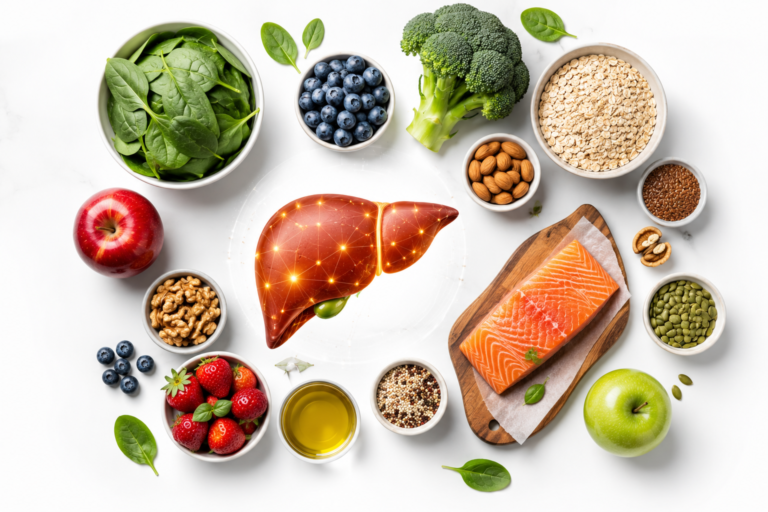
A balanced diet can support liver recovery and overall health.
Best Foods
- Spinach
- Broccoli
- Beetroot
- Carrots
- Apples
- Citrus fruits
- Berries
- Brown rice
- Oatmeal
- Lentils
- Chickpeas
- Walnuts
- Almonds
- Salmon
- Olive oil
- Green tea (in moderation)
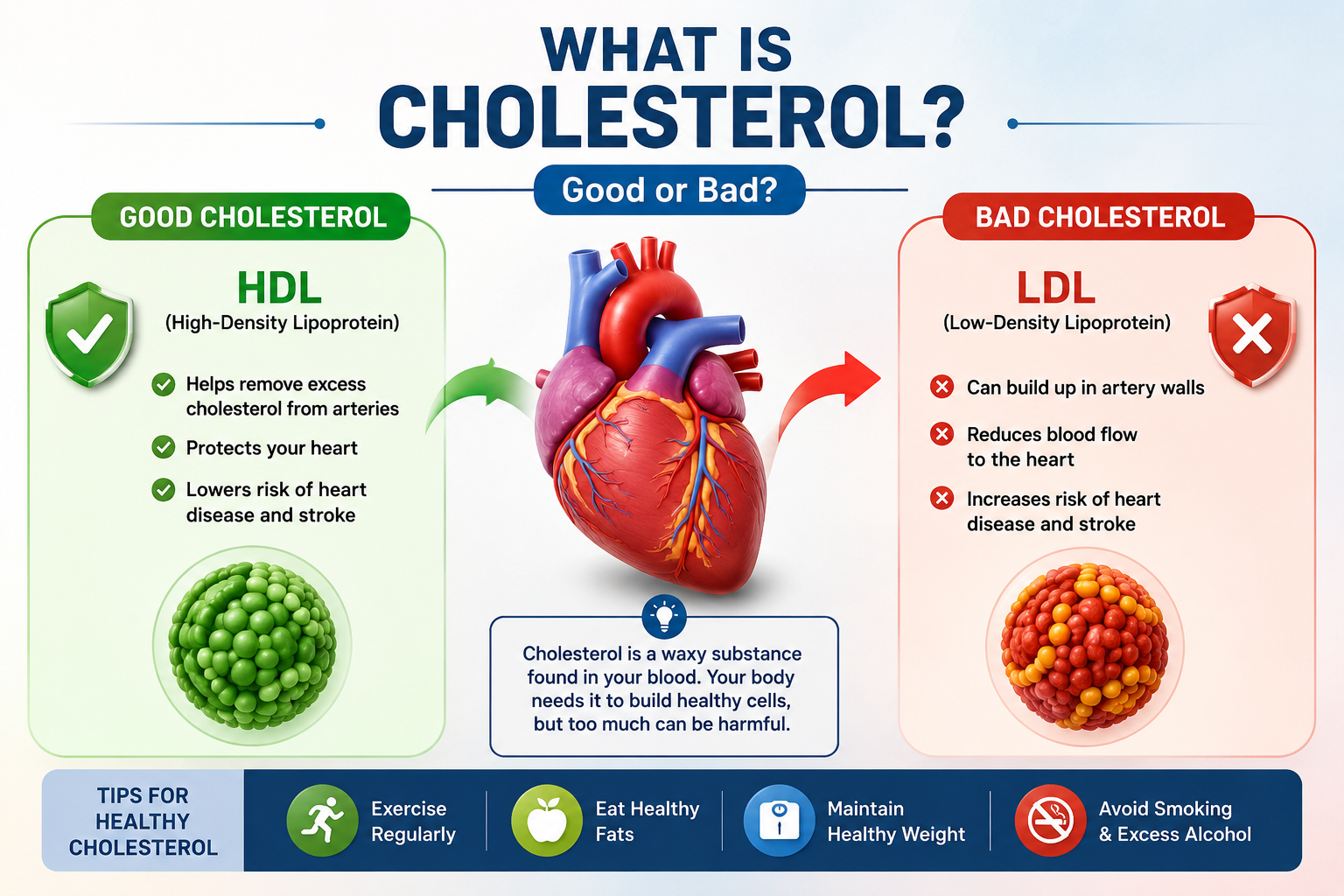
Managing cholesterol levels through healthy food choices is another important step toward maintaining overall liver and heart health.
Foods to Avoid
Limit foods that may place extra stress on the liver, including:
- Alcohol
- Sugary soft drinks
- Cakes and pastries
- White bread
- Deep-fried foods
- Chips
- Processed meat
- High-fat fast food
- Excessive red meat
- Foods containing trans fats
Can High SGPT Be Prevented?
Although not every liver condition can be prevented, adopting a healthy lifestyle can significantly reduce the risk of developing elevated liver enzyme levels and liver disease.
Here are some practical ways to protect your liver:
- Maintain a healthy body weight.
- Eat a balanced diet rich in fruits, vegetables, and whole grains.
- Exercise for at least 150 minutes each week.
- Limit or avoid alcohol consumption.
- Get vaccinated against hepatitis A and B if recommended.
- Take medications only as prescribed.
- Avoid self-medicating with herbal supplements without medical advice.
- Drink enough water every day.
- Schedule regular health check-ups if you have diabetes, obesity, or a family history of liver disease.
Making these habits part of your daily routine can help keep your liver healthy and reduce the chances of abnormal liver enzyme levels.
Taking care of your overall health is just as important as protecting your liver. If you frequently wake up feeling exhausted despite getting enough sleep, it may be linked to an underlying health condition. Read our guide on Why You Feel Tired After Sleep to explore the possible causes and learn when it’s time to seek medical advice.
When Should You See a Doctor?
An abnormal liver function test should always be discussed with a healthcare professional, especially if it remains elevated or is accompanied by symptoms.
Seek medical attention if you experience:
- Yellowing of the skin or eyes (jaundice)
- Severe pain in the upper right abdomen
- Persistent nausea or vomiting
- Dark urine or pale stools
- Unexplained weight loss
- Severe fatigue lasting several weeks
- Swelling of the abdomen or legs
- Repeated abnormal liver blood test results
Early diagnosis allows doctors to identify the underlying cause and begin treatment before permanent liver damage occurs.
Frequently Asked Questions (FAQs)
Is a high SGPT level always a sign of liver disease?
No. Although SGPT is mainly associated with liver health, elevated levels can also occur due to strenuous exercise, muscle injury, certain medications, or temporary infections. Doctors usually evaluate additional blood tests and imaging before confirming a diagnosis.
What is the normal SGPT range?
In most laboratories, the normal range is approximately:
- Adult men: 10–40 U/L
- Adult women: 7–35 U/L
However, reference values may vary slightly depending on the laboratory and testing method.
Can fatty liver cause high SGPT?
Yes. Fatty liver disease is one of the most common reasons for elevated liver enzyme levels. As fat accumulates inside liver cells, inflammation develops, leading to abnormal blood test results.
How long does it take to lower high SGPT levels?
Recovery depends on the underlying cause. Mild elevations caused by fatty liver, alcohol use, or medications may improve within a few weeks to several months after lifestyle changes or appropriate treatment.
Can exercise help reduce SGPT?
Yes. Regular physical activity improves insulin sensitivity, reduces liver fat, and supports overall liver health. Combined with a healthy diet, exercise may help normalize liver enzyme levels over time.
Which foods are good for liver health?
Foods that support liver health include:
- Leafy green vegetables
- Fruits
- Whole grains
- Oats
- Lentils
- Nuts
- Olive oil
- Fatty fish
- Green tea (in moderation)
A balanced diet is more effective than relying on a single “superfood.”
Is high SGPT dangerous?
A mildly elevated level is not always dangerous. However, persistently high results may indicate liver inflammation or damage and should be evaluated by a healthcare professional to determine the exact cause.
Can stress increase SGPT?
Emotional stress itself is not considered a direct cause of elevated liver enzyme levels. However, unhealthy habits associated with stress, such as poor diet, alcohol consumption, lack of exercise, or certain medications, may indirectly affect liver health.

Conclusion
SGPT is an important marker of liver health, but an elevated result does not automatically mean you have a serious liver disease. It simply indicates that liver cells may be under stress or have been damaged, making further evaluation essential.
The most common causes include fatty liver disease, viral hepatitis, obesity, diabetes, alcohol consumption, and certain medications. Fortunately, many of these conditions can be effectively managed through early diagnosis, healthy lifestyle changes, and appropriate medical treatment.
If your blood test shows elevated SGPT, don’t ignore it—but don’t panic either. Your doctor may recommend additional investigations to determine the underlying cause and guide the most appropriate treatment plan.
Maintaining a balanced diet, exercising regularly, avoiding excessive alcohol, controlling blood sugar and cholesterol, and attending routine health check-ups are among the best ways to protect your liver. With timely care and healthy habits, many people can improve liver function and reduce the risk of long-term complications.