
Table of Contents
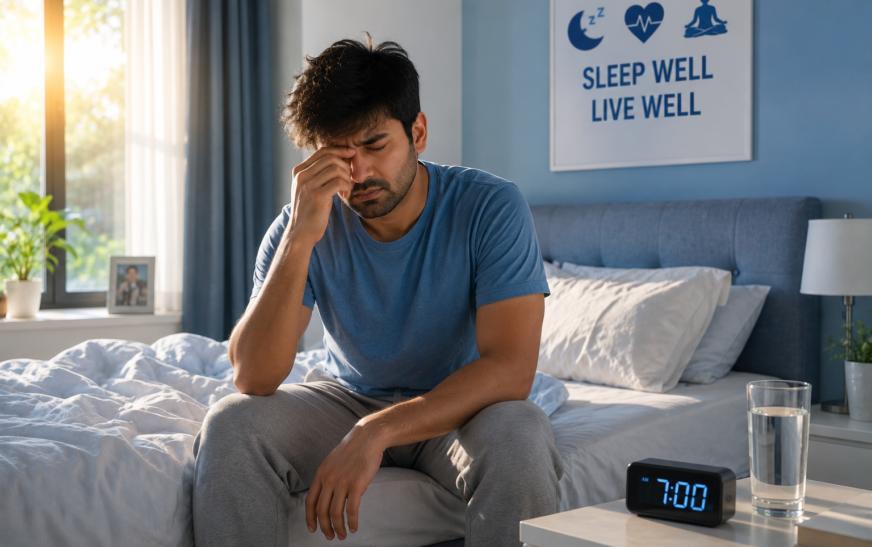
ToggleHave you ever gone to bed on time, slept for eight hours, and still woke up feeling exhausted? If so, you’re not alone. Many people experience tired after sleep, even after what seems like a full night’s rest. Instead of feeling refreshed, they struggle with low energy, brain fog, and difficulty starting the day.
Sleep is an essential part of maintaining good physical and mental health. Developing healthy daily habits can improve sleep quality and reduce the risk of long-term health problems. You can learn more in our detailed guide on Preventive Healthcare.
Feeling tired after sleep isn’t always caused by sleeping too little. The quality of your sleep, daily habits, stress levels, diet, and even certain health conditions all play an important role in how energized you feel in the morning. In some cases, persistent morning fatigue may be an early sign of an underlying sleep disorder or medical condition that shouldn’t be ignored.
The good news is that waking up tired is often treatable. By understanding the possible causes and making a few lifestyle changes, many people can improve their sleep quality and wake up with more energy.
In this article, you’ll learn why you may feel tired after sleep, the most common causes, symptoms to watch for, and practical ways to improve your sleep and overall health.
What Does It Mean to Feel Tired After Sleep?
Feeling tired after sleep means you wake up without feeling refreshed, even after getting the recommended seven to nine hours of sleep. While it’s normal to feel slightly groggy for a few minutes after waking, that sensation should disappear once your body becomes active.
However, if you continue to feel exhausted for hours after getting out of bed, your body may not be getting enough restorative sleep. Poor-quality sleep often leaves you feeling drained despite spending enough time in bed.
Common signs include:
- Difficulty getting out of bed
- Low energy throughout the morning
- Feeling sleepy during the day
- Brain fog
- Poor concentration
- Reduced productivity
- Lack of motivation
Occasionally waking up tired is common, especially after a stressful day or a late night. But if you regularly feel tired after sleep for several weeks, it’s worth identifying the underlying cause.
Why Quality Sleep Matters
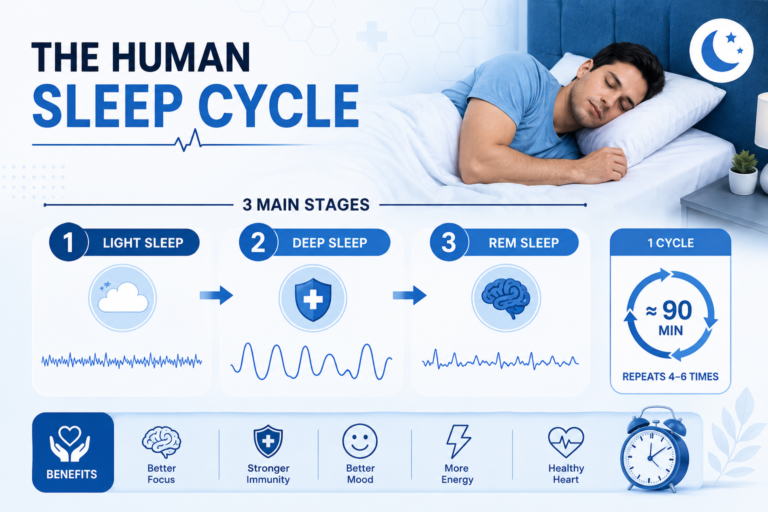
Getting enough sleep isn’t just about the number of hours you spend in bed. Your body needs uninterrupted, high-quality sleep to recover physically and mentally.
During the night, your body moves through several sleep stages, including:
- Light sleep
- Deep sleep
- Rapid Eye Movement (REM) sleep
Deep sleep is the stage where your body repairs muscles, restores energy, strengthens the immune system, and releases important growth hormones. REM sleep helps support memory, learning, emotional health, and brain function.
If these sleep stages are interrupted by frequent awakenings or poor sleep habits, you may wake up feeling exhausted instead of refreshed.
Common Causes of Tired After Sleep
Many different factors can leave you feeling tired after sleep. Some are related to everyday habits, while others may be linked to an underlying health condition.
1. Poor Sleep Quality
One of the leading reasons people wake up feeling exhausted is poor sleep quality.
Even if you stay in bed for eight hours, frequent interruptions can prevent your body from reaching the deeper stages of sleep needed for recovery.
Common causes of poor sleep quality include:
- Noise during the night
- Bright lights in the bedroom
- An uncomfortable mattress or pillow
- Room temperature that is too hot or too cold
- Excessive screen time before bed
- Frequent nighttime awakenings
Improving your sleeping environment can make a noticeable difference in how refreshed you feel each morning.
2. Not Getting Enough Deep Sleep
Deep sleep is one of the most important stages of the sleep cycle because it’s when your body performs most of its repair work.
During deep sleep, your body:
- Repairs muscles and tissues
- Restores energy stores
- Supports immune function
- Releases growth hormones
If you don’t spend enough time in deep sleep, you may wake up feeling tired even after sleeping for several hours.
Several factors can reduce deep sleep, including:
- Chronic stress
- Alcohol consumption before bedtime
- Irregular sleep schedules
- Certain medications
- Increasing age
Following a consistent bedtime routine may help improve deep sleep and overall sleep quality.
3. Sleep Apnea
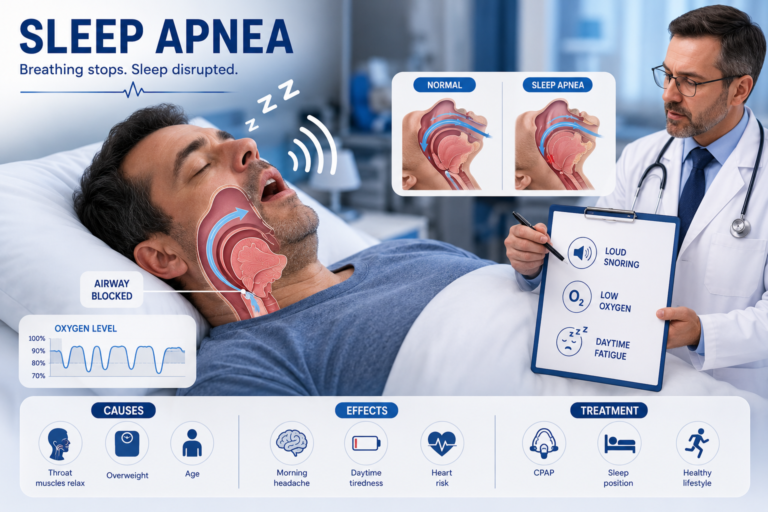
Sleep apnea is a common condition that repeatedly interrupts breathing while you’re asleep. These pauses may happen dozens or even hundreds of times each night, preventing your body from getting restorative sleep.
Many people with sleep apnea don’t realize they wake up repeatedly because the interruptions are very brief.
Common symptoms include:
- Loud snoring
- Gasping or choking during sleep
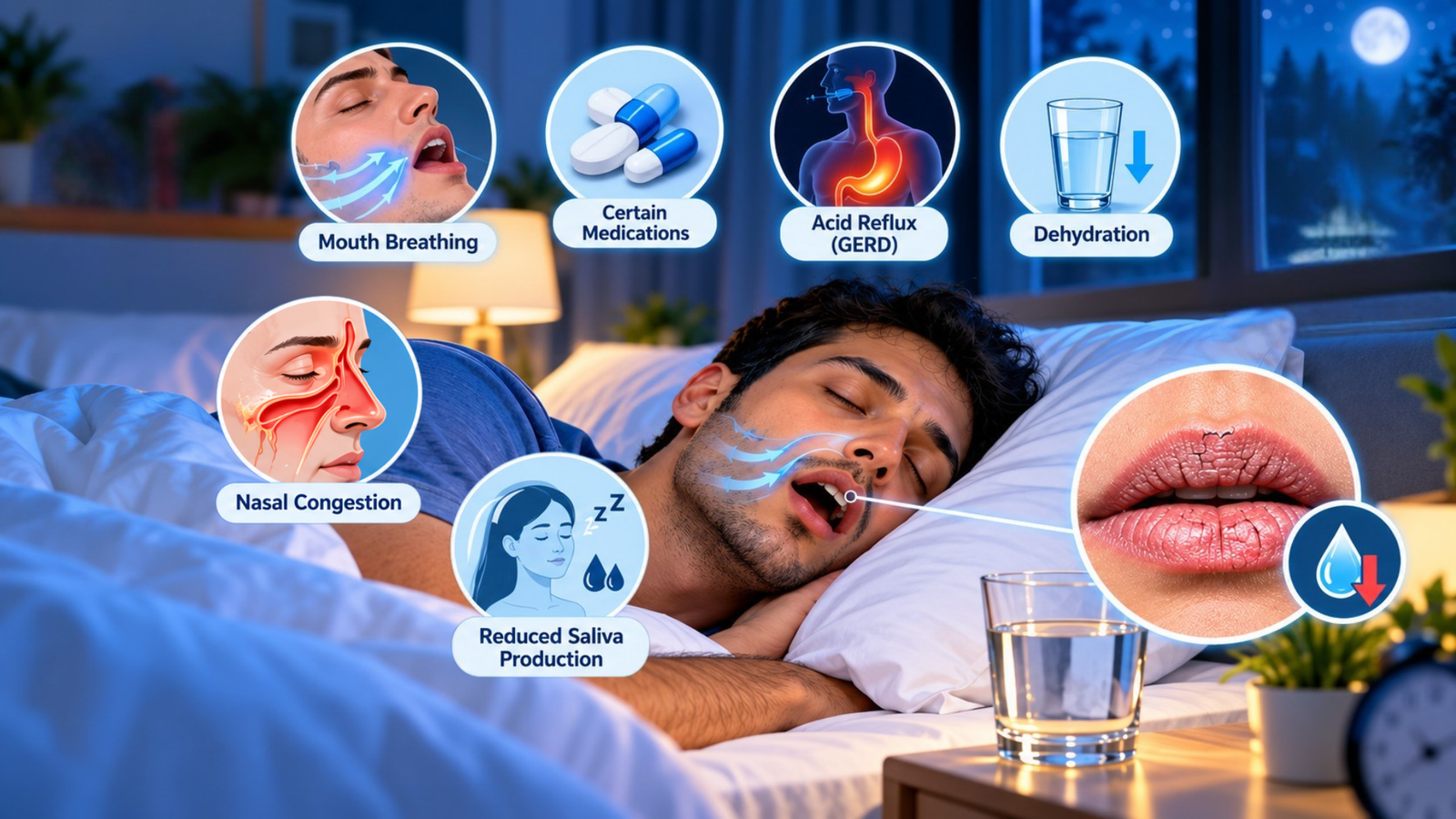
- Dry mouth in the morning
- Morning headaches
- Excessive daytime sleepiness
- Waking up tired almost every morning
If you suspect sleep apnea, it’s important to consult a healthcare professional. Proper diagnosis and treatment can significantly improve sleep quality and overall health.
Sleep apnea is a common but often undiagnosed condition that can seriously affect sleep quality and overall health. The National Heart, Lung, and Blood Institute (NHLBI) provides detailed information about its symptoms, diagnosis, and treatment options.
4. Stress and Anxiety
Stress and anxiety can make it difficult for both your mind and body to relax before bedtime.
When you’re stressed, your body produces more cortisol, often called the stress hormone. Elevated cortisol levels can interfere with your ability to fall asleep and stay asleep throughout the night.
People experiencing stress or anxiety often report:
- Racing thoughts
- Restless sleep
- Frequent awakenings
- Difficulty falling asleep
- Feeling mentally exhausted after waking
Managing stress through relaxation techniques, meditation, or regular exercise may help improve sleep quality and reduce morning fatigue.
5. Depression
Depression affects much more than mood—it can also change your sleep patterns and energy levels.
Some people with depression struggle with insomnia, while others sleep for long periods but still wake up feeling exhausted. This happens because depression can reduce the restorative quality of sleep.
Other symptoms may include:
- Persistent sadness
- Loss of interest in daily activities
- Difficulty concentrating
- Low motivation
- Changes in appetite
- Feelings of hopelessness
If emotional symptoms are accompanied by ongoing morning fatigue, seeking support from a healthcare professional is an important step toward recovery.
6. Poor Diet and Unhealthy Eating Habits
The food you eat has a direct impact on your sleep quality and energy levels. A diet high in processed foods, sugary snacks, and unhealthy fats can make it harder for your body to recover during sleep. As a result, you may wake up feeling exhausted instead of refreshed.
Eating large or heavy meals close to bedtime can also affect digestion and interfere with deep sleep.
To support better sleep and improve your morning energy:
- Eat balanced meals that include protein, whole grains, and healthy fats.
- Avoid heavy dinners at least 2–3 hours before bedtime.
- Limit sugary desserts and caffeinated drinks in the evening.
- Include fresh fruits and vegetables in your daily diet.
Making healthier food choices can improve sleep quality and reduce morning fatigue over time.
7. Vitamin and Mineral Deficiencies

Your body needs essential vitamins and minerals to produce energy and keep your brain and muscles functioning properly. A deficiency in certain nutrients can leave you feeling weak and tired, even after getting enough sleep.
Vitamin B12 Deficiency
Vitamin B12 plays an important role in nerve function and red blood cell production. Low vitamin B12 levels can reduce oxygen delivery throughout the body, leading to fatigue and weakness.
Common symptoms include:
- Low energy
- Tingling in the hands and feet
- Difficulty concentrating
- Memory problems
- Weakness
Vitamin B12 deficiency is one of the common nutritional causes of persistent fatigue and low energy. If you notice symptoms such as tingling in your hands or feet, memory problems, or ongoing tiredness, read our complete guide on Signs of Vitamin B12 Deficiency to understand its symptoms, causes, and treatment options.
Iron Deficiency
Iron helps carry oxygen through the bloodstream. Without enough iron, your body can’t produce sufficient healthy red blood cells, which may result in persistent fatigue.
Symptoms may include:
- Pale skin
- Dizziness
- Shortness of breath
- Weakness
- Reduced stamina
Vitamin D Deficiency
Vitamin D is essential for healthy muscles, bones, and immune function. Low levels have also been linked to poor sleep quality and daytime fatigue.
If your tiredness continues despite sleeping well, your doctor may recommend blood tests to check for vitamin deficiencies.
In some cases, persistent fatigue may also be linked to kidney function or other underlying health conditions. A Creatinine Blood Test helps assess kidney health and may be recommended alongside other blood tests during a medical evaluation.
8. Dehydration
Even mild dehydration can make you feel sluggish after waking up.
Since your body loses fluids overnight through breathing and sweating, not drinking enough water may contribute to:
- Dry mouth
- Morning headaches
- Dizziness
- Poor concentration
- Low energy
Start your day with a glass of water and stay hydrated throughout the day to help maintain your energy levels.
9. Lack of Physical Activity
A sedentary lifestyle can leave you feeling tired even if you’re getting enough sleep.
Regular exercise improves blood circulation, supports deeper sleep, reduces stress, and increases overall energy levels.
Some great options include:
- Brisk walking
- Cycling
- Swimming
- Yoga
- Light strength training
Experts recommend at least 150 minutes of moderate physical activity each week. However, avoid intense workouts right before bedtime because they may interfere with sleep.
10. Underlying Medical Conditions
Sometimes, waking up exhausted isn’t caused by lifestyle habits. Certain medical conditions can affect sleep quality or reduce your body’s ability to produce energy.
Hypothyroidism
An underactive thyroid slows down your metabolism, making you feel tired throughout the day.
Other symptoms include:
- Weight gain
- Dry skin
- Feeling cold easily
- Constipation
- Slow heart rate
Diabetes
People with diabetes may wake up feeling exhausted because high or low blood sugar levels can interrupt sleep.
Other symptoms include:
- Increased thirst
- Frequent urination
- Blurred vision
- Unexplained weight loss
- Increased hunger
People with diabetes often experience poor sleep due to fluctuating blood sugar levels, which can lead to daytime fatigue. To understand diabetes in detail, including its symptoms, causes, and treatment, read our complete guide on What Is Diabetes?
Anemia
Anemia develops when your body doesn’t have enough healthy red blood cells to carry oxygen efficiently.
Common symptoms include:
- Weakness
- Pale skin
- Rapid heartbeat
- Shortness of breath
- Constant fatigue
Chronic Fatigue Syndrome (CFS)
Chronic Fatigue Syndrome is a long-term condition characterized by extreme fatigue that doesn’t improve with rest.
Symptoms may include:
Severe tiredness lasting six months or longer
- Brain fog
- Muscle pain
- Poor concentration
- Unrefreshing sleep
If these symptoms are affecting your daily life, consult a healthcare professional for a proper evaluation.
11. Certain Medications
Some prescription and over-the-counter medicines can make you feel sleepy or reduce sleep quality.
These may include:
- Allergy medications (antihistamines)
- Some antidepressants
- Blood pressure medicines
- Muscle relaxants
- Certain pain relievers
If you think a medication is affecting your sleep or energy levels, don’t stop taking it on your own. Speak with your healthcare provider about possible alternatives.
Symptoms That May Occur Along With Tired After Sleep
People who feel tired after sleep may also notice other symptoms depending on the underlying cause.
These can include:
- Persistent daytime fatigue
- Difficulty waking up in the morning
- Brain fog
- Poor memory
- Difficulty concentrating
- Headaches
- Mood changes
- Irritability
- Muscle weakness
- Frequent yawning
- Reduced productivity
- Lack of motivation
- Excessive daytime sleepiness
If these symptoms continue for more than a few weeks or begin affecting your daily activities, it’s important to seek medical advice. Early diagnosis and treatment can help identify the underlying cause and improve your overall quality of life.
How to Stop Feeling Tired After Sleep
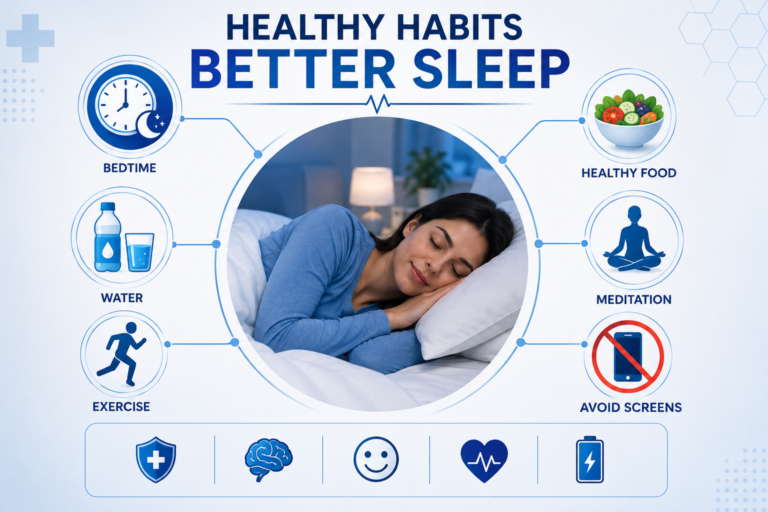
If you regularly feel tired after sleep, don’t ignore it. While occasional tiredness is normal, persistent morning fatigue often indicates that your sleep quality or overall health needs attention. Fortunately, simple lifestyle changes can make a noticeable difference for many people.
1. Maintain a Consistent Sleep Schedule
Your body follows a natural internal clock known as the circadian rhythm. Going to bed and waking up at different times every day can disrupt this rhythm and affect sleep quality.
To improve your sleep:
- Go to bed and wake up at the same time every day.
- Aim for 7–9 hours of sleep each night.
- Avoid staying up late on weekends.
A regular sleep schedule helps your body enter deeper, more restorative sleep.
2. Improve Your Sleep Hygiene
Good sleep hygiene creates the ideal environment for quality rest.
Simple habits include:
- Keep your bedroom cool, dark, and quiet.
- Use a comfortable mattress and pillow.
- Avoid screens for at least one hour before bedtime.
- Reduce bright light exposure in the evening.
- Keep electronic devices away from your bed.
Better sleep habits can improve sleep quality and help you wake up feeling refreshed.
3. Exercise Regularly
Regular physical activity helps your body sleep better at night while improving daytime energy.
Benefits include:
- Better blood circulation
- Reduced stress
- Improved deep sleep
- Higher energy levels
- Better mood
Aim for at least 30 minutes of moderate exercise on most days of the week. Walking, cycling, swimming, and yoga are all excellent choices.
4. Stay Hydrated
Dehydration is a common but often overlooked cause of low energy.
To stay hydrated:
- Drink a glass of water after waking up.
- Carry a reusable water bottle.
- Eat water-rich foods like cucumbers, watermelon, and oranges.
- Limit sugary beverages.
Proper hydration supports healthy circulation and helps maintain energy throughout the day.
5. Eat a Nutritious Diet
A balanced diet provides the nutrients your body needs to produce energy and support healthy sleep.
Include foods rich in:
- Lean protein
- Whole grains
- Fresh fruits
- Vegetables
- Healthy fats
- Nuts and seeds
Try to avoid heavy meals, excess sugar, and caffeine close to bedtime.
6. Reduce Stress Before Bed
Stress is one of the biggest reasons people struggle to get restorative sleep.
Relaxation techniques that may help include:
- Deep breathing exercises
- Meditation
- Reading a book
- Listening to calming music
- Gentle stretching
- Keeping a gratitude journal
Even a few minutes of relaxation before bed can improve sleep quality.
7. Limit Caffeine and Alcohol
Caffeine can remain in your system for several hours and may interfere with deep sleep.
Alcohol may help you fall asleep initially, but it often disrupts sleep during the second half of the night.
For better rest:
- Avoid caffeine after mid-afternoon.
- Limit alcohol consumption, especially before bedtime.
8. Seek Medical Advice if Symptoms Persist
Lifestyle improvements may not always solve the problem.
If you continue to feel tired after sleep despite following healthy habits, speak with a healthcare professional. Persistent fatigue may be caused by a sleep disorder, nutritional deficiency, thyroid problem, or another medical condition that requires treatment.
Foods That May Help Boost Energy

Eating nutrient-rich foods may improve your overall energy levels and support better sleep.
| Food | Benefits |
|---|---|
| Eggs | Rich in protein and vitamin B12 |
| Oats | Provide long-lasting energy |
| Bananas | Natural carbohydrates and potassium |
| Almonds | Healthy fats, magnesium, and protein |
| Greek Yogurt | High-quality protein |
| Spinach | Good source of iron and folate |
| Fatty Fish | Rich in omega-3 fatty acids and vitamin D |
| Fresh Fruits | Provide vitamins and antioxidants |
When Should You See a Doctor?
Occasional tiredness isn’t usually a concern. However, you should seek medical advice if you:
- Feel tired after sleep for more than two to three weeks.
- Snore loudly or stop breathing while sleeping.
- Experience excessive daytime sleepiness.
- Have chest pain or shortness of breath.
- Notice unexplained weight changes.
- Feel depressed or lose interest in daily activities.
- Have ongoing memory or concentration problems.
Early diagnosis can help identify conditions such as sleep apnea, anemia, thyroid disorders, diabetes, or nutritional deficiencies.
If fatigue persists despite getting enough sleep, professional medical evaluation is recommended. Mayo Clinic explains when persistent tiredness may indicate an underlying medical condition that requires diagnosis and treatment.
How Doctors Diagnose the Cause
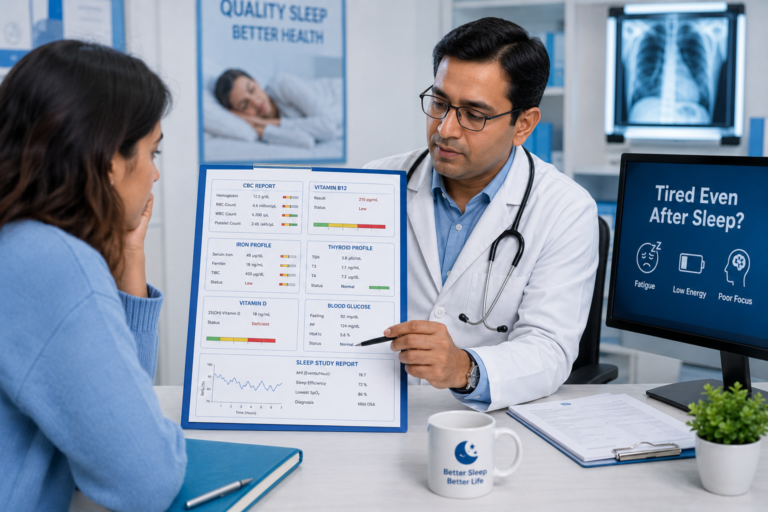
To determine why you’re waking up exhausted, your healthcare provider may recommend several evaluations.
These may include:
- Medical history review
- Physical examination
- Complete Blood Count (CBC)
- Thyroid function tests
- Blood glucose test
- Vitamin B12 test
- Iron studies
- Vitamin D test
Sleep study (Polysomnography) if a sleep disorder is suspected
The treatment plan will depend on the underlying cause of your symptoms.
Prevention Tips
The following habits can help improve sleep quality and reduce the risk of morning fatigue:
- Maintain a regular sleep schedule.
- Sleep for 7–9 hours every night.
- Stay physically active.
- Eat a healthy, balanced diet.
- Drink enough water throughout the day.
- Limit caffeine and alcohol before bedtime.
- Manage stress with relaxation techniques.
- Keep your bedroom cool, quiet, and dark.
- Schedule regular health check-ups.
Consistency is the key to improving sleep and maintaining healthy energy levels.
Frequently Asked Questions (FAQs)
Why do I feel tired after sleep even after sleeping for 8 hours?
Poor sleep quality, sleep apnea, stress, vitamin deficiencies, dehydration, and certain medical conditions can leave you feeling tired after sleep, even if you’ve slept for the recommended number of hours.
Can dehydration cause morning fatigue?
Yes. Dehydration can reduce blood circulation and energy levels, leading to headaches, dizziness, and tiredness after waking up.
Is it normal to wake up tired every day?
No. Occasional tiredness is normal, but waking up exhausted every morning may indicate poor sleep quality or an underlying health condition.
Which vitamin deficiency is commonly linked to fatigue?
Vitamin B12, iron, and vitamin D deficiencies are among the most common nutritional causes of persistent fatigue.
Can stress affect sleep quality?
Yes. Stress and anxiety can interrupt deep sleep, making it difficult for your body to recover overnight and leaving you less refreshed in the morning.
How can I wake up feeling more refreshed?
Following a regular sleep schedule, improving sleep hygiene, exercising regularly, eating a balanced diet, staying hydrated, and managing stress can all help improve your sleep quality.

Conclusion
Feeling tired after sleep occasionally is normal, especially after a stressful day or an interrupted night’s rest. However, if you wake up feeling exhausted almost every morning despite getting enough sleep, it’s important to identify the underlying cause.
Poor sleep quality, unhealthy lifestyle habits, nutritional deficiencies, dehydration, sleep disorders, and certain medical conditions can all contribute to persistent morning fatigue. Recognizing these factors early can help you take the right steps toward improving your health.
Simple changes such as maintaining a consistent sleep schedule, eating a nutritious diet, staying active, reducing stress, and practicing good sleep hygiene can significantly improve how rested you feel each morning.
If your symptoms continue despite these changes, don’t ignore them. A healthcare professional can help identify the underlying cause and recommend the most appropriate treatment.
By making sleep a priority and adopting healthy daily habits, you can improve your sleep quality, restore your energy, and enjoy more productive, healthier days.