
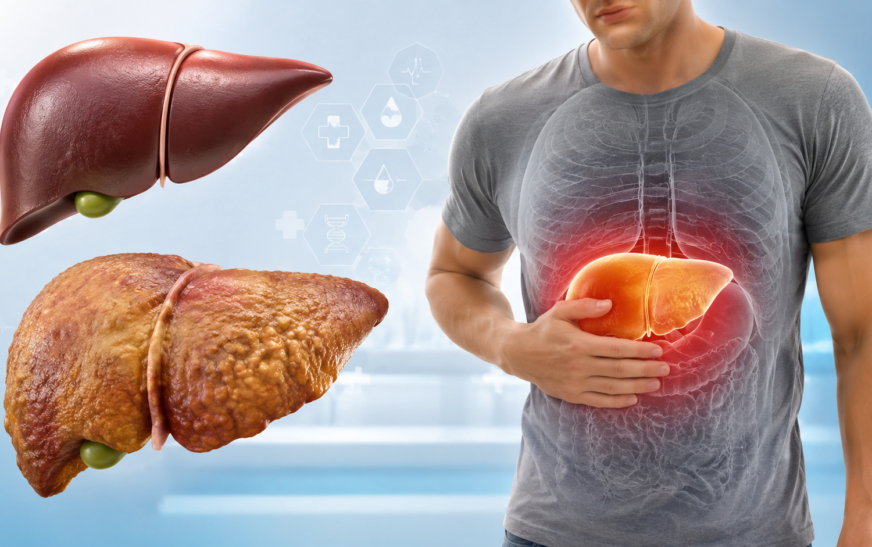
Your liver is one of the hardest-working organs in your body. It filters toxins from the blood, helps digest food, stores essential nutrients, and supports hundreds of important metabolic functions every day. However, when excess fat begins to build up inside the liver, these vital functions may gradually become less effective. This condition is known as fatty liver.
In recent years, fatty liver has become increasingly common due to unhealthy eating habits, lack of physical activity, obesity, and conditions such as type 2 diabetes. The worrying part is that many people do not realize they have this condition because it often develops silently. In its early stages, fatty liver may not cause noticeable symptoms, allowing it to progress unnoticed for months or even years.
Ignoring the warning signs can increase the risk of liver inflammation, fibrosis, cirrhosis, and other serious health complications. Fortunately, when detected early, fatty liver can often be managed and even reversed through healthy lifestyle changes and appropriate medical care.
Table of Contents
ToggleLearning to recognize the early signs of fatty liver can help you take action before permanent liver damage occurs. In this guide, you’ll discover the most common symptoms, possible causes, risk factors, diagnosis, treatment options, and practical tips to keep your liver healthy.
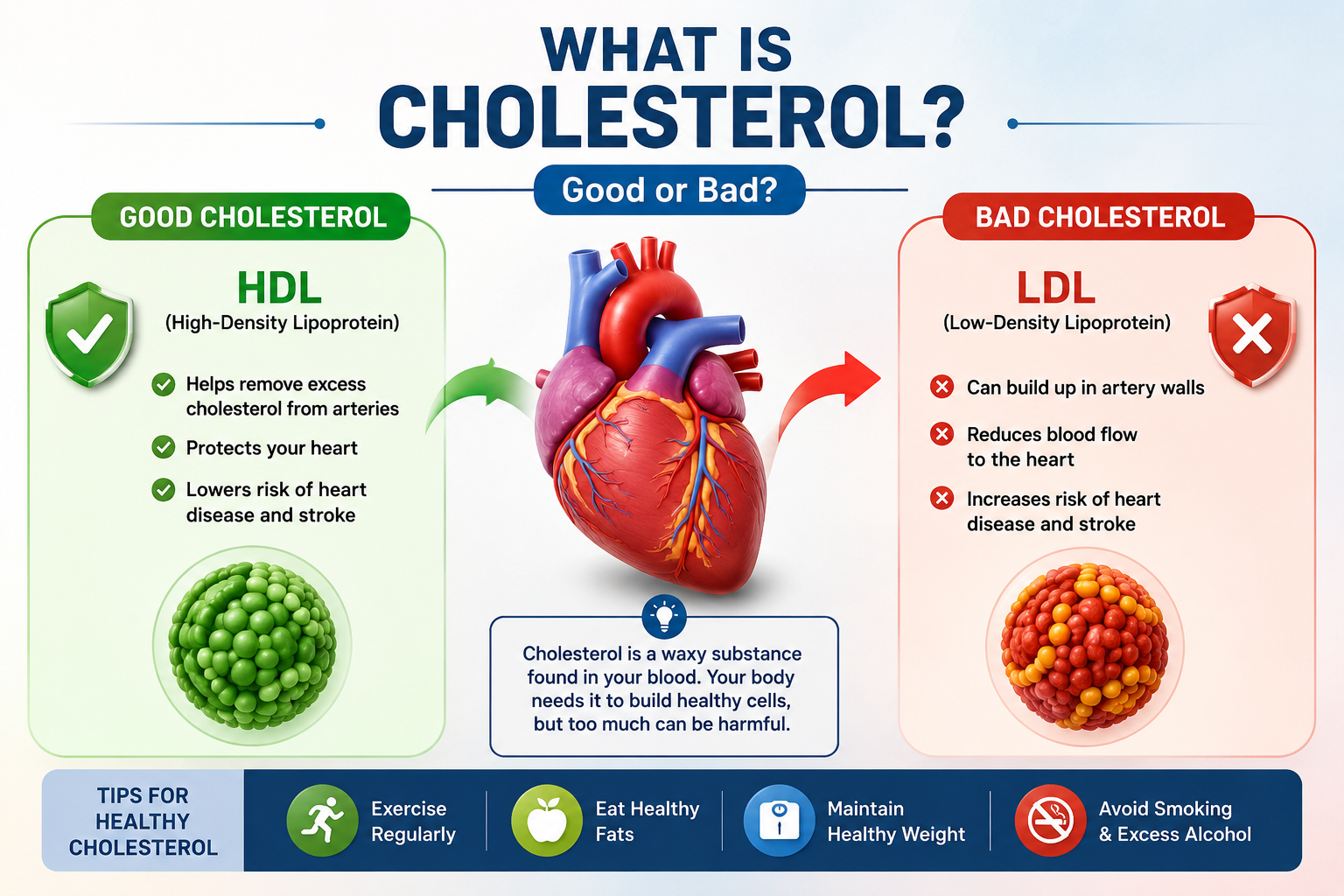
High cholesterol is one of the major risk factors for fatty liver. Learn more about high cholesterol and how it affects your overall health.
What Is Fatty Liver?
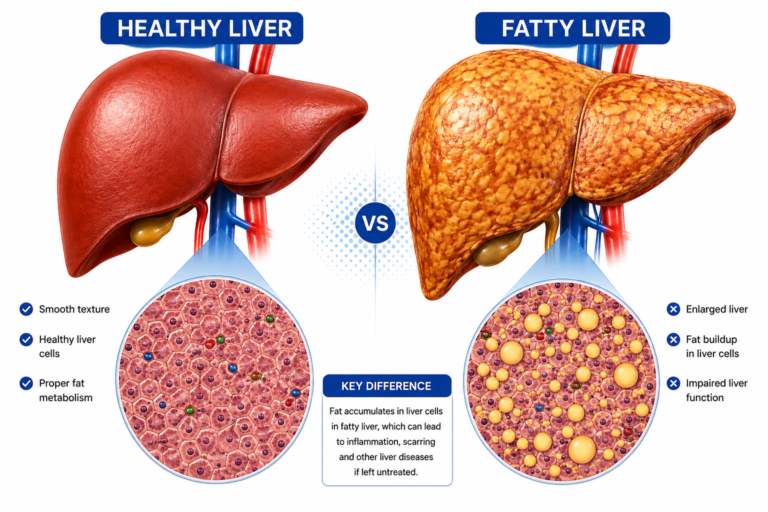
Fatty liver, medically known as hepatic steatosis, occurs when too much fat accumulates inside liver cells. While a small amount of fat is normal, it becomes a concern when fat accounts for more than 5–10% of the liver’s total weight.
This buildup can interfere with normal liver function. Over time, if left untreated, it may trigger inflammation and increase the risk of permanent liver damage.
There are two primary types of this condition.
1. Non-Alcoholic Fatty Liver Disease (NAFLD)
Non-Alcoholic Fatty Liver Disease develops in people who drink little or no alcohol. It is strongly linked to obesity, insulin resistance, type 2 diabetes, high cholesterol, and metabolic syndrome. Today, NAFLD is one of the leading causes of chronic liver disease worldwide.
2. Alcohol-Related Fatty Liver Disease (AFLD)
Alcohol-Related Fatty Liver Disease results from excessive alcohol consumption over a long period. Alcohol affects the liver’s ability to process fats properly, leading to fat accumulation inside liver cells.
Although the causes differ, both forms can progress to liver inflammation and serious complications if they are not managed early.
For more detailed medical information about fatty liver disease, you can visit the National Institute of Diabetes and Digestive and Kidney Diseases (NIDDK).
Why Early Detection Matters
One of the biggest challenges with fatty liver is that it usually develops without causing severe symptoms. Many individuals continue their daily routine without realizing that excess fat is slowly affecting their liver.
Identifying the condition early offers several important benefits:
- Helps prevent further liver damage.
- Reduces the risk of inflammation and fibrosis.
- Increases the chances of reversing the condition through lifestyle changes.
- Supports better control of diabetes, cholesterol, and body weight.
- Lowers the risk of long-term liver complications.
Early diagnosis gives you more treatment options and greatly improves your chances of maintaining a healthy liver.
Early Signs of Fatty Liver You Should Never Ignore
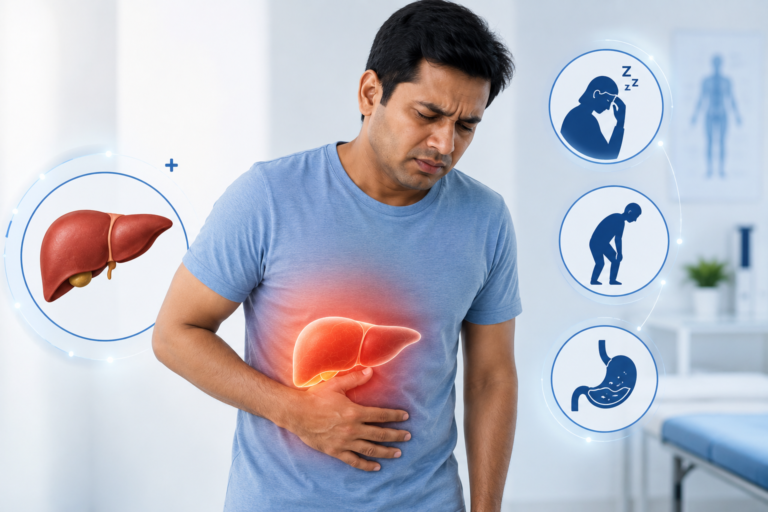
Although some people remain symptom-free, others may experience subtle warning signs that should never be ignored.
1. Persistent Fatigue
Feeling tired all the time is one of the most frequently reported early symptoms of fatty liver. Unlike normal tiredness after a busy day, this type of fatigue often continues even after adequate sleep or rest.
As the liver becomes less efficient at processing nutrients and removing waste products, your body may produce less energy than usual.
Common signs include:
- Feeling exhausted throughout the day
- Low energy despite enough sleep
- Difficulty concentrating at work
- Reduced motivation for everyday activities
- Feeling physically drained after simple tasks
Since fatigue can have many causes, it is important to pay attention if it occurs alongside other symptoms discussed in this article.
2. Pain or Discomfort in the Upper Right Abdomen
The liver is located beneath the ribs on the upper right side of the abdomen. As fat accumulates, some individuals may notice mild discomfort or a dull aching sensation in this area.
The discomfort is usually not sharp but may feel like:
- A constant dull ache
- Pressure under the right ribs
- Mild tenderness
- A feeling of fullness after meals
Persistent abdominal discomfort should never be ignored, especially if it continues for several days or becomes more frequent.
3. Unexplained Weight Gain
Weight gain, particularly around the waist, is closely linked with fatty liver. Excess calories are often stored as fat, and some of that fat can accumulate inside the liver.
You may notice:
- Increasing abdominal fat
- Difficulty losing weight
- Slower metabolism
- Expanding waist circumference
Although weight gain alone does not confirm fatty liver, it is one of the strongest risk factors for developing the condition.
4. Feeling Weak or Physically Drained
Another early warning sign is an ongoing feeling of weakness. Many people notice they become tired more quickly during activities that were once easy to perform.
Possible symptoms include:
- Muscle weakness
- Poor exercise tolerance
- Reduced stamina
- Feeling exhausted after light physical activity
When weakness is accompanied by fatigue, abdominal discomfort, or unexplained weight gain, it is advisable to consult a healthcare professional for further evaluation.
5. Loss of Appetite
A noticeable decrease in appetite can sometimes be an early indication of fatty liver. Since the liver plays a key role in digestion and metabolism, any disruption in its function may affect how hungry you feel.
People experiencing this condition may notice:
- Feeling full after eating a small portion
- Less interest in meals
- Skipping meals without feeling hungry
- Mild nausea before or after eating
Although appetite changes can occur for many reasons, persistent loss of appetite along with other symptoms should not be ignored.
6. Digestive Problems
Digestive discomfort is another symptom that some people experience during the early stages of fatty liver. As liver function becomes less efficient, digestion may slow down, especially after consuming heavy or fatty foods.
Common digestive complaints include:
- Bloating
- Indigestion
- Mild nausea
- Gas
- Feeling uncomfortable after meals
These symptoms are common in several digestive disorders, but when they occur together with fatigue or abdominal discomfort, they may point to an underlying liver problem.
7. Brain Fog and Poor Concentration
Many individuals with fatty liver report difficulty concentrating or staying mentally focused. This feeling, often called “brain fog,” can affect daily productivity and overall well-being.
Possible symptoms include:
- Forgetfulness
- Difficulty focusing
- Reduced attention span
- Mental tiredness
- Trouble completing routine tasks
Researchers believe that inflammation and metabolic changes associated with this condition may contribute to these cognitive issues in some people.
8. Dark Patches on the Skin
Dark, thickened patches of skin—known medically as acanthosis nigricans—may sometimes be linked with fatty liver, particularly in people with insulin resistance.
These patches commonly appear on the:
- Neck
- Underarms
- Elbows
- Knees
- Groin
Although this skin condition does not always indicate liver disease, it is worth discussing with your doctor, especially if you also have obesity, diabetes, or metabolic syndrome.
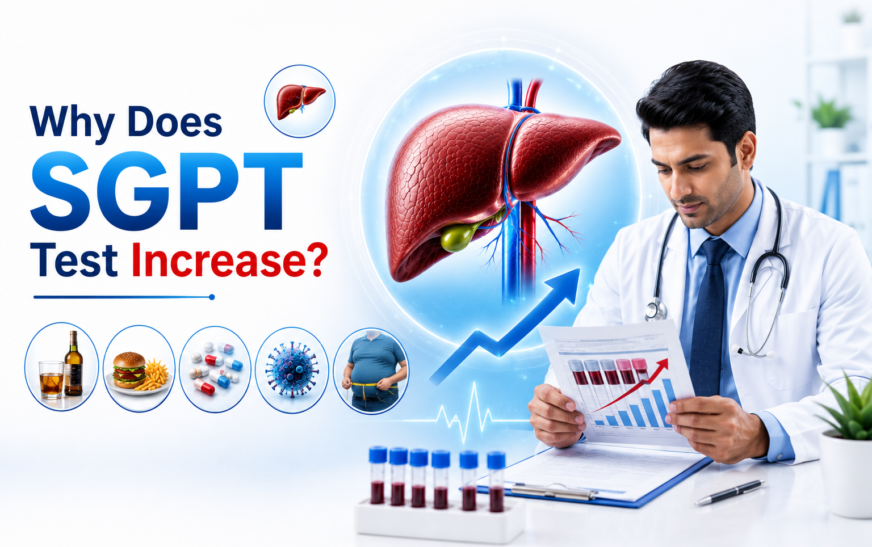
9. Elevated Liver Enzymes
Many people discover they have fatty liver during a routine health check-up. Blood tests may reveal higher-than-normal liver enzyme levels, even if there are no obvious symptoms.
Doctors commonly evaluate:
- ALT (Alanine Aminotransferase)
- AST (Aspartate Aminotransferase)
- GGT (Gamma-Glutamyl Transferase)
Abnormal liver enzyme results do not automatically confirm fatty liver, but they often lead to further investigations such as an ultrasound or FibroScan.
10. Yellowing of the Skin or Eyes
Yellowing of the skin or the whites of the eyes, known as jaundice, is usually associated with advanced liver disease rather than early fatty liver. However, it should never be ignored because it may indicate significant liver damage.
Seek medical attention immediately if you notice:
- Yellow skin or eyes
- Dark urine
- Pale-colored stools
- Persistent itching
- Severe fatigue
Prompt diagnosis and treatment can help identify the underlying cause and prevent further complications.
What Causes Fatty Liver?
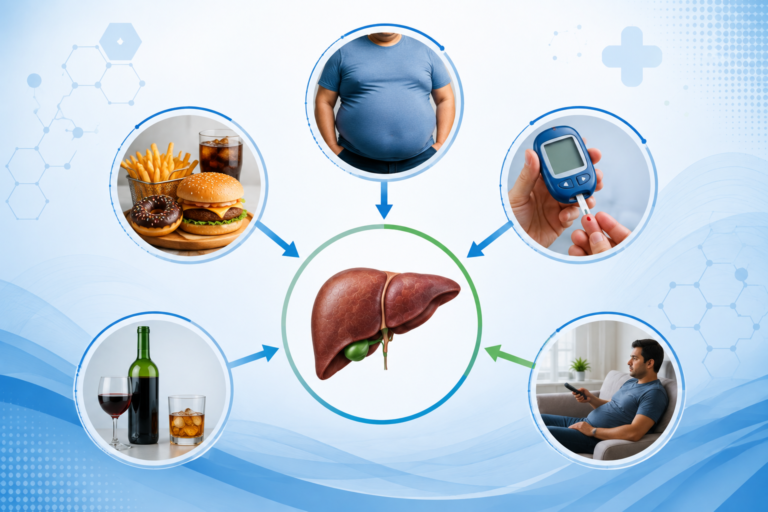
Several lifestyle and medical factors can increase the likelihood of developing fatty liver. Understanding these causes can help you make informed decisions to protect your liver health.
Obesity
Being overweight—especially carrying excess fat around the abdomen—is one of the strongest risk factors. Extra body fat increases the amount of fat stored inside the liver.
Type 2 Diabetes
People with diabetes are more likely to develop fatty liver because insulin resistance makes it difficult for the body to process and store fat properly.
High Cholesterol and Triglycerides
High levels of cholesterol and triglycerides can contribute to fat accumulation in the liver. Keeping these levels under control supports better liver function.
Insulin Resistance
Insulin resistance is one of the leading causes of non-alcoholic fatty liver. It encourages the body to store excess fat in the liver instead of using it efficiently for energy.
Excessive Alcohol Consumption
Long-term heavy alcohol intake damages liver cells and interferes with normal fat metabolism, increasing the risk of alcohol-related fatty liver disease.
Unhealthy Diet
Regularly eating foods high in sugar, refined carbohydrates, saturated fats, and processed ingredients can increase the risk of developing fatty liver.
Examples include:
- Sugary drinks
- Fried foods
- Fast food
- White bread
- Packaged snacks
- Sweet desserts
- Lack of Physical Activity
A sedentary lifestyle slows calorie burning and promotes fat storage throughout the body, including the liver. Regular exercise helps improve insulin sensitivity and supports overall liver health.
Risk Factors for Fatty Liver
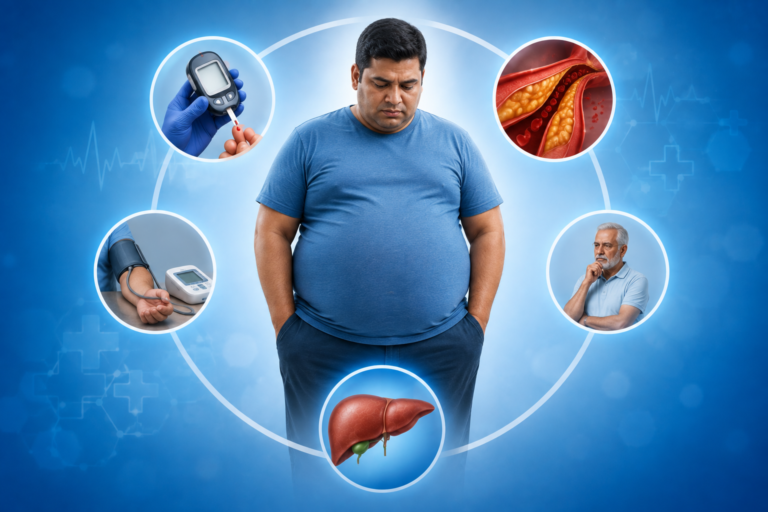
While anyone can develop this condition, some people are more vulnerable than others.
The risk is higher if you:
- Are overweight or obese
- Have type 2 diabetes
- Have high cholesterol or triglycerides
- Have high blood pressure
- Have metabolic syndrome
- Have Polycystic Ovary Syndrome (PCOS)
- Have sleep apnea
- Have a family history of liver disease
- Are over the age of 40
- Drink excessive amounts of alcohol
Having these risk factors does not necessarily mean you will develop fatty liver, but it does increase the importance of regular health screenings and healthy lifestyle habits.
When Should You See a Doctor?
Many people ignore mild symptoms, assuming they will improve on their own. However, it is important to consult a healthcare professional if you experience:
- Persistent fatigue
- Ongoing pain in the upper right side of the abdomen
- Frequent digestive discomfort
- Unexplained weight changes
- Yellowing of the skin or eyes
- Abnormal liver function test results
- Multiple risk factors for fatty liver, such as obesity, diabetes, or high cholesterol
Seeking medical advice early allows for timely diagnosis and treatment, reducing the risk of long-term liver damage and improving your overall health outcomes.
How Is Fatty Liver Diagnosed?

Because the early stages of fatty liver often develop without obvious symptoms, many cases are discovered during routine medical check-ups. Doctors usually diagnose the condition by reviewing your medical history, evaluating your symptoms, performing a physical examination, and recommending specific laboratory or imaging tests.
1. Physical Examination
Your healthcare provider will begin by asking questions about your overall health and lifestyle. They may also check for signs that suggest liver-related problems.
During the examination, your doctor may:
- Measure your weight and Body Mass Index (BMI)
- Examine your abdomen for liver enlargement
- Review your eating habits and alcohol consumption
- Discuss your medical history and current medications
Although a physical examination cannot confirm fatty liver, it helps determine whether further testing is required.
2. Blood Tests
Blood tests are commonly used to assess liver health and detect possible inflammation or damage.
Your doctor may recommend:
- ALT (Alanine Aminotransferase)
- AST (Aspartate Aminotransferase)
- GGT (Gamma-Glutamyl Transferase)
- Lipid profile
- Blood glucose test
- HbA1c
Some people with fatty liver have normal blood test results, so additional imaging tests may still be necessary.
3. Ultrasound Scan
An abdominal ultrasound is one of the most common and reliable imaging tests used to identify excess fat in the liver.
The procedure is:
- Safe
- Non-invasive
- Painless
- Quick to perform
If fat deposits are present, the ultrasound can often detect them before symptoms become severe.
4. FibroScan (Transient Elastography)
A FibroScan is a specialized test that measures liver stiffness and estimates the amount of fat stored in the liver.
Doctors often recommend this test to:
- Check for liver scarring (fibrosis)
- Evaluate disease progression
- Monitor treatment response
This test provides more detailed information than a standard ultrasound in certain cases.
5. Liver Biopsy
A liver biopsy is rarely required but may be recommended when the diagnosis remains uncertain or when advanced liver damage is suspected.
During this procedure, a very small sample of liver tissue is collected and examined under a microscope to assess inflammation, fat accumulation, and scarring.
Treatment for Fatty Liver
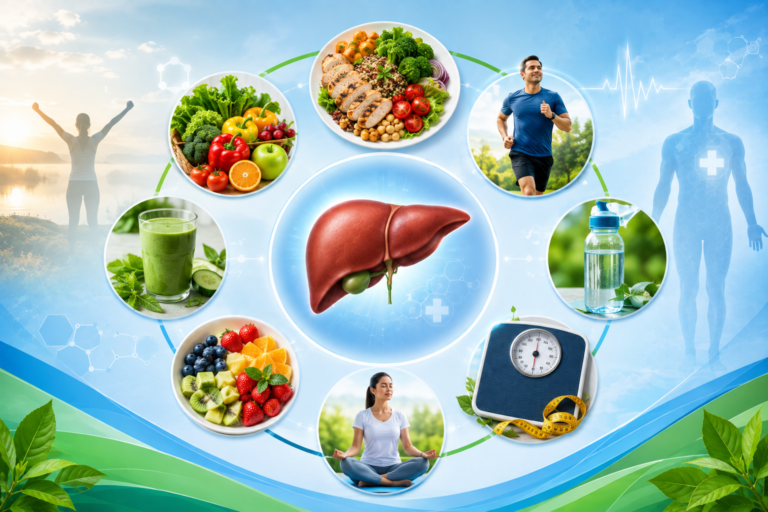
There is currently no single medicine that can cure fatty liver in every patient. Treatment mainly focuses on reducing liver fat, controlling underlying medical conditions, and improving overall health through sustainable lifestyle changes.
Achieve a Healthy Weight
If you are overweight, even modest weight loss can significantly improve liver health.
Experts often recommend losing 5–10% of your body weight, as this may reduce fat accumulation and improve liver function.
Healthy weight management should include:
- Balanced eating habits
- Portion control
- Regular physical activity
- Gradual and sustainable weight loss
Crash diets or rapid weight loss should be avoided because they may place additional stress on the liver.
Along with a balanced diet, many people also explore intermittent fasting to support metabolic health. Speak with your healthcare provider before making major dietary changes.
Eat a Liver-Friendly Diet
A nutritious diet is one of the most effective ways to manage fatty liver.
Include more:
- Fresh vegetables
- Seasonal fruits
- Whole grains
- Lean protein
- Fish rich in omega-3 fatty acids
- Nuts and seeds
- Healthy oils such as olive oil
Try to limit:
- Sugary drinks
- Fast food
- Fried foods
- Refined carbohydrates
- Processed snacks
- Foods high in saturated and trans fats
Making healthier food choices consistently can help improve liver function over time.
Following evidence-based healthy eating guidelines can support liver health and reduce the risk of chronic diseases.
Stay Physically Active
Exercise helps reduce liver fat, improve insulin sensitivity, and support healthy weight management.
Aim for at least 150 minutes of moderate-intensity physical activity every week.
Good options include:
- Brisk walking
- Cycling
- Swimming
- Jogging
- Strength training
- Yoga
The key is to stay active consistently rather than focusing only on intense workouts.
Manage Other Health Conditions
Many people with fatty liver also have conditions such as diabetes, high cholesterol, or high blood pressure.
Managing these conditions through medication, healthy eating, and regular follow-up appointments can slow disease progression and improve overall liver health.
Avoid Alcohol
Alcohol places extra stress on the liver. If you have been diagnosed with fatty liver, reducing or completely avoiding alcohol can help prevent additional liver damage and support recovery.
Use Medicines Responsibly
Certain medicines and herbal supplements may affect liver function. Always take medications exactly as prescribed and consult your healthcare provider before starting any new supplement or over-the-counter medicine.
Can Fatty Liver Be Reversed?
One of the most encouraging facts about fatty liver is that it is often reversible, particularly when identified in its early stages.
Many people notice significant improvement after making healthy lifestyle changes, including:
- Losing excess body weight
- Following a balanced diet
- Exercising regularly
- Controlling blood sugar and cholesterol
- Avoiding excessive alcohol
- Attending regular medical check-ups
The sooner treatment begins, the better the chances of restoring normal liver function and preventing long-term complications.
Tips to Prevent Fatty Liver
Simple daily habits can lower your risk of developing liver disease and support long-term health.
Here are some practical prevention tips:
- Maintain a healthy body weight.
- Eat a balanced and nutritious diet.
- Exercise most days of the week.
- Reduce sugary foods and soft drinks.
- Avoid excessive alcohol consumption.
- Control diabetes, cholesterol, and blood pressure.
- Drink enough water every day.
- Schedule routine health check-ups, especially if you have risk factors.
Consistently following these healthy habits can greatly reduce the chances of developing fatty liver.
Frequently Asked Questions (FAQs)
What are the earliest signs of fatty liver?
The earliest signs may include ongoing fatigue, discomfort in the upper right abdomen, digestive problems, reduced appetite, weakness, and difficulty concentrating. However, many people experience no symptoms during the initial stages.
Can fatty liver be reversed naturally?
Yes. In many cases, fatty liver improves with healthy eating, regular exercise, gradual weight loss, and proper management of diabetes or high cholesterol. Early intervention offers the best results.
Is fatty liver a serious condition?
It can become serious if left untreated. Without proper management, fatty liver may progress to inflammation, fibrosis, cirrhosis, or even liver failure. Early diagnosis greatly reduces these risks.
Which foods should people with fatty liver avoid?
It is advisable to limit sugary beverages, processed foods, fried items, refined carbohydrates, and foods rich in saturated fats. Replacing these with healthier options supports better liver function.
Can someone have fatty liver without knowing it?
Yes. Many individuals do not notice any symptoms during the early stages. This is why routine health screenings are important, especially for people with obesity, diabetes, high cholesterol, or a family history of liver disease.
Conclusion
Fatty liver is a common health condition that often develops silently, making early awareness extremely important. Paying attention to symptoms such as persistent fatigue, abdominal discomfort, digestive changes, or unexplained weakness can help you seek medical advice before the condition becomes more serious.
The good news is that early-stage fatty liver is often manageable and, in many cases, reversible. A balanced diet, regular exercise, maintaining a healthy weight, and controlling conditions such as diabetes or high cholesterol can make a significant difference in protecting your liver.
If you experience ongoing symptoms or have several risk factors, do not delay seeking professional medical advice. Early diagnosis, timely treatment, and healthy lifestyle choices can help preserve liver function, reduce complications, and improve your overall quality of life for years to come.
Regular check-ups and healthy lifestyle habits are important parts of preventive healthcare, helping reduce the risk of liver disease and other chronic conditions.