
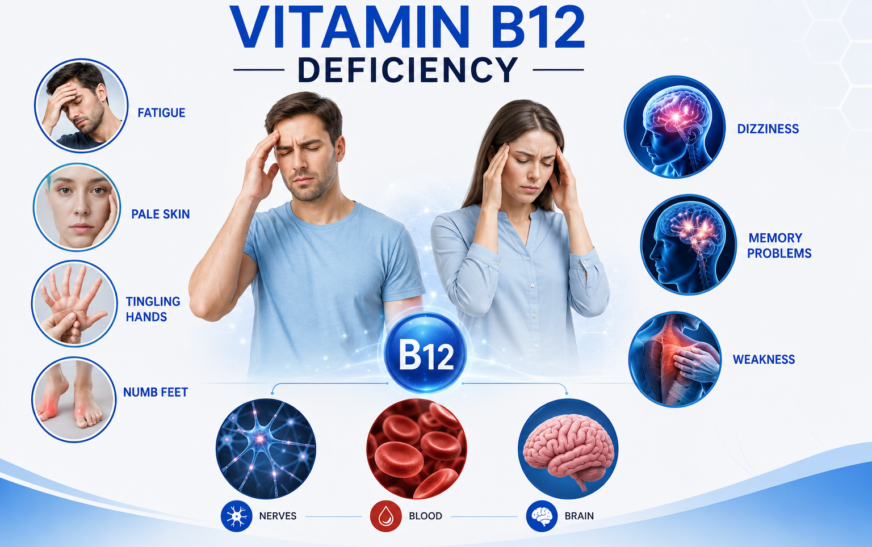
Feeling tired all the time, experiencing tingling in your hands or feet, or struggling with poor concentration may seem like everyday problems. However, these symptoms can sometimes point to vitamin b12 deficiency, a condition that affects millions of people worldwide. Because the symptoms often develop slowly, many people ignore them until they begin to interfere with daily life.
Vitamin B12, also known as cobalamin, is an essential nutrient that helps your body make healthy red blood cells, supports nerve function, produces DNA, and keeps your brain working properly. Since the body cannot produce this vitamin on its own, it must be obtained through food or supplements. When your body doesn’t get enough vitamin B12—or cannot absorb it effectively—vitamin b12 deficiency can develop.
This condition is more common than many people realize. Older adults, vegetarians, vegans, people with digestive disorders, and those taking certain medications have a greater chance of developing vitamin b12 deficiency. If left untreated, it may lead to anemia, nerve damage, memory problems, balance issues, and even permanent neurological complications.
The encouraging news is that vitamin b12 deficiency is usually preventable and treatable when identified early. Recognizing the warning signs and seeking timely medical advice can help restore normal vitamin levels and prevent long-term health problems.
Table of Contents
ToggleAdopting Preventive Healthcare practices, such as regular health check-ups, a balanced diet, and routine screening, can help identify nutritional deficiencies early and support better long-term health.
In this comprehensive guide, you’ll learn everything about vitamin b12 deficiency, including its symptoms, causes, risk factors, diagnosis, treatment options, prevention strategies, and the best foods to maintain healthy vitamin B12 levels.
What Is Vitamin B12 Deficiency?
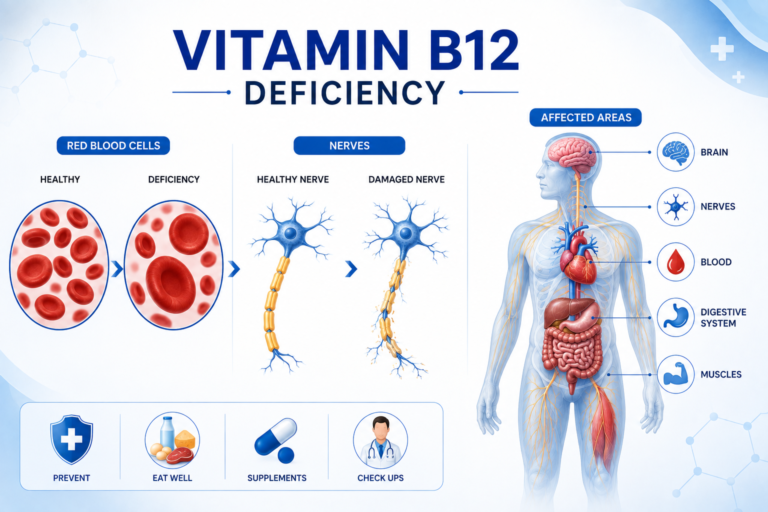
Vitamin b12 deficiency occurs when the body does not have enough vitamin B12 to carry out important biological functions. This can happen because you are not consuming enough vitamin B12-rich foods or because your digestive system cannot absorb the vitamin properly.
Vitamin B12 is stored in the liver, so the body can maintain its supply for months or even years. As these stores become depleted, symptoms begin to appear gradually. This is one reason why many people do not recognize vitamin b12 deficiency in its early stages.
Without enough vitamin B12, your body cannot produce healthy red blood cells efficiently. It also struggles to maintain healthy nerves and proper brain function. As a result, untreated vitamin b12 deficiency can affect multiple organs and significantly reduce your quality of life.
Why Is Vitamin B12 Important?
Vitamin B12 is involved in several essential functions that keep the body healthy. Maintaining adequate levels helps support both physical and mental well-being.
Vitamin B12 helps:
- Produce healthy red blood cells
- Support normal nerve function
- Maintain brain health and memory
- Synthesize DNA
- Improve energy metabolism
- Support immune system function
- Promote healthy fetal development during pregnancy
When vitamin B12 levels fall below normal, vitamin b12 deficiency can interfere with these processes and cause a wide range of symptoms.
Early Signs and Symptoms of Vitamin B12 Deficiency
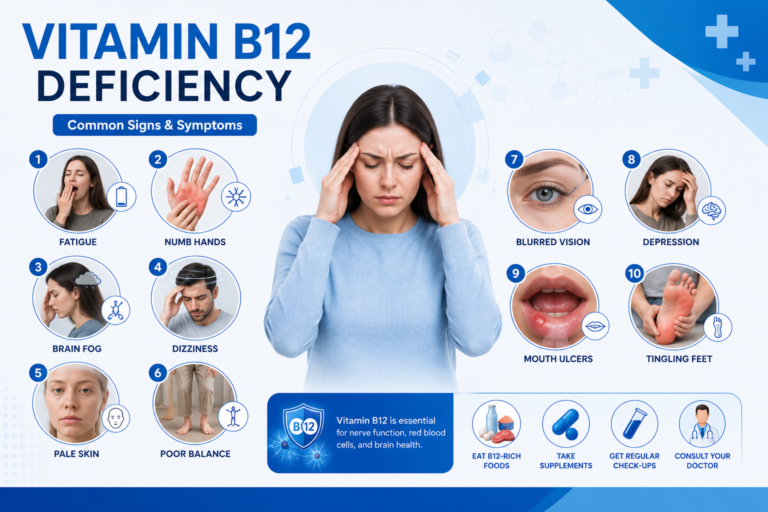
The symptoms of vitamin b12 deficiency usually develop gradually. Some individuals experience only mild signs initially, while others develop more serious complications if treatment is delayed.
Below are the most common symptoms you should never ignore.
1. Persistent Fatigue and Weakness
Feeling tired despite getting enough rest is one of the earliest symptoms of vitamin b12 deficiency.
Vitamin B12 is necessary for producing healthy red blood cells that transport oxygen throughout the body. When fewer healthy red blood cells are available, muscles and organs receive less oxygen, leading to fatigue and weakness.
Common symptoms include:
- Constant tiredness
- Low energy levels
- Muscle weakness
- Feeling exhausted after light activity
- Reduced physical performance
If fatigue continues without an obvious reason, it is worth discussing the possibility of vitamin b12 deficiency with your healthcare provider.
2. Pale or Yellowish Skin
People with vitamin b12 deficiency often notice changes in skin color.
Because the body cannot produce enough healthy red blood cells, the skin may appear pale. In some individuals, damaged blood cells break down more rapidly, increasing bilirubin levels and causing a slight yellow tint to the skin or eyes.
If pale skin is accompanied by fatigue, dizziness, or weakness, medical evaluation is recommended.
3. Tingling or Numbness in the Hands and Feet
Vitamin B12 plays a crucial role in maintaining the protective covering around nerves, known as the myelin sheath.
When vitamin b12 deficiency affects nerve health, symptoms may include:
- Tingling sensations
- Pins and needles feeling
- Numbness in fingers
- Numbness in toes
- Burning sensation in the feet
- Reduced sensitivity to touch
These symptoms should not be ignored because prolonged nerve damage caused by vitamin b12 deficiency may become irreversible.
4. Difficulty Walking and Poor Balance
As nerve damage progresses, vitamin b12 deficiency may affect coordination and balance.
People may experience:
- Difficulty walking
- Unsteady movements
- Frequent stumbling
- Poor coordination
- Increased risk of falls
Older adults are especially vulnerable because these symptoms are often mistaken for age-related changes rather than a nutritional deficiency.
5. Memory Problems and Brain Fog
The brain depends on vitamin B12 for healthy nerve communication and normal cognitive function.
People living with vitamin b12 deficiency may notice:
- Forgetfulness
- Difficulty concentrating
- Brain fog
- Confusion
- Poor focus
- Slower thinking
In severe cases, untreated vitamin b12 deficiency may contribute to cognitive decline and dementia-like symptoms, making early diagnosis especially important.
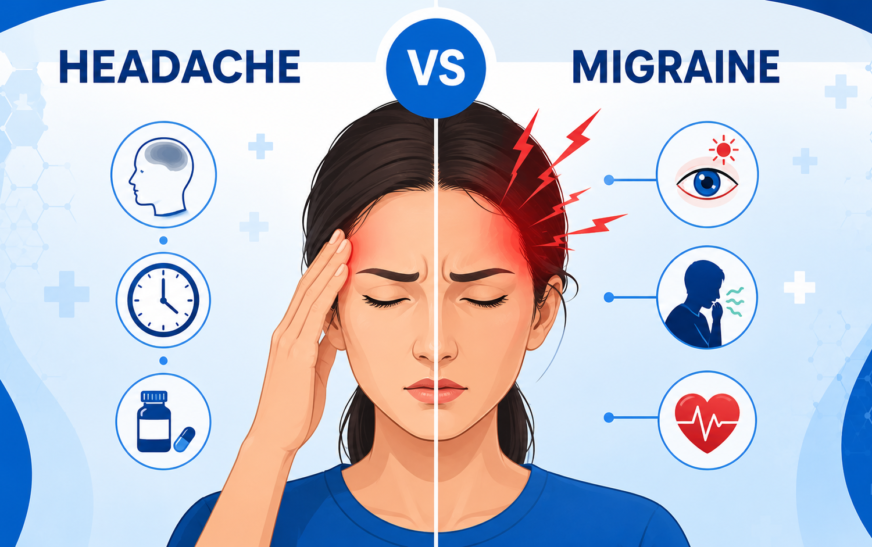
If brain fog is accompanied by frequent headaches, it’s important to understand the difference between common headaches and migraines. Read our detailed guide on Migraine vs Headache to learn about their symptoms, causes, and treatment options.
6. Mood Changes, Depression, and Anxiety
Mental health can also be affected by low vitamin B12 levels. This nutrient plays an important role in maintaining healthy brain cells and supporting the production of chemicals that regulate mood.
People with vitamin b12 deficiency may experience emotional and psychological symptoms such as:
- Depression
- Anxiety
- Irritability
- Mood swings
- Lack of motivation
- Difficulty managing stress
These symptoms can develop gradually and are often mistaken for everyday stress or emotional exhaustion. If mood changes occur along with fatigue or numbness, a vitamin B12 test may be recommended.
7. Shortness of Breath and Dizziness
Healthy red blood cells carry oxygen from the lungs to every part of the body. When the body produces fewer healthy red blood cells due to vitamin b12 deficiency, oxygen delivery decreases.
As a result, you may notice:
Shortness of breath after mild physical activity
- Dizziness when standing
- Feeling faint
- Rapid heartbeat
- Reduced exercise tolerance
These symptoms become more noticeable as anemia worsens and should not be ignored.
8. Glossitis and Mouth Ulcers
Changes inside the mouth are another common sign of vitamin b12 deficiency.
You may develop:
- A swollen tongue
- A smooth, bright red tongue
- Burning sensation in the mouth
- Mouth ulcers
- Pain while eating or speaking
- Cracks at the corners of the lips
Since these symptoms can have multiple causes, healthcare providers may recommend blood tests to determine whether low vitamin B12 levels are responsible.
9. Blurred Vision
Although uncommon, severe vitamin b12 deficiency can affect the optic nerve that connects the eyes to the brain.
Possible symptoms include:
- Blurred vision
- Double vision
- Difficulty focusing
- Reduced eyesight
- Increased sensitivity to light
Prompt treatment can help prevent permanent vision problems in many cases.
10. Heart Palpitations
When oxygen delivery decreases because of anemia, the heart works harder to meet the body’s needs.
People with vitamin b12 deficiency may experience:
- Fast heartbeat
- Heart palpitations
- Chest discomfort
- Feeling the heart pounding
- Breathlessness during physical activity
Although these symptoms may have several causes, they should always be evaluated by a healthcare professional.
What Causes Vitamin B12 Deficiency?
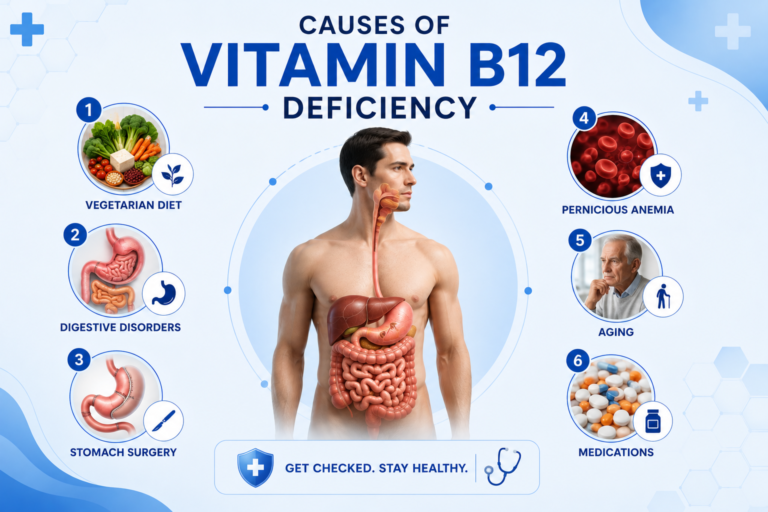
There are many possible causes of vitamin b12 deficiency. Some people do not consume enough vitamin B12 through their diet, while others have medical conditions that prevent proper absorption.
Identifying the underlying cause is essential because the treatment plan depends on why the deficiency developed.
1. Poor Dietary Intake
One of the leading causes of vitamin b12 deficiency is not eating enough vitamin B12-rich foods.
Vitamin B12 is naturally found in foods such as:
- Chicken
- Fish
- Eggs
- Milk
- Cheese
- Yogurt
People following strict vegetarian or vegan diets are more likely to develop low vitamin B12 levels unless they regularly consume fortified foods or supplements.
2. Pernicious Anemia
Pernicious anemia is an autoimmune disorder that prevents the stomach from producing intrinsic factor, a protein needed to absorb vitamin B12.
Without intrinsic factor, the body cannot absorb enough vitamin B12 from food, making vitamin b12 deficiency difficult to correct through diet alone.
Most people with this condition require lifelong vitamin B12 injections or high-dose supplements.
3. Digestive Disorders
Several digestive conditions interfere with vitamin B12 absorption and increase the risk of deficiency.
These include:
- Crohn’s disease
- Celiac disease
- Chronic gastritis
- Inflammatory bowel disease (IBD)
- Small intestinal bacterial overgrowth (SIBO)
People with these disorders should have their vitamin B12 levels checked regularly.
4. Stomach or Intestinal Surgery
Surgical procedures involving the stomach or small intestine may reduce the body’s ability to absorb vitamin B12.
Examples include:
- Gastric bypass surgery
- Weight-loss surgery
- Removal of part of the stomach
- Removal of part of the small intestine
After these procedures, long-term monitoring and supplementation are often necessary.
5. Certain Medications
Some commonly used medicines can lower vitamin B12 absorption when taken for several months or years.
These include:
- Metformin
- Proton pump inhibitors (PPIs)
- H2 receptor blockers
- Long-term antacid medications
If you use these medicines regularly, your healthcare provider may recommend periodic vitamin B12 testing.
6. Aging
As people age, stomach acid production naturally decreases. Since stomach acid helps release vitamin B12 from food, older adults have a greater risk of developing vitamin b12 deficiency even if they eat a balanced diet.
Routine screening may help identify low vitamin B12 levels before symptoms become severe.
Older adults are more likely to develop vitamin B12 deficiency because the body’s ability to absorb the vitamin decreases with age. You can learn more about the causes, symptoms, diagnosis, and treatment from the Mayo Clinic – Vitamin B12 Deficiency Anemia.
Who Is at Higher Risk?
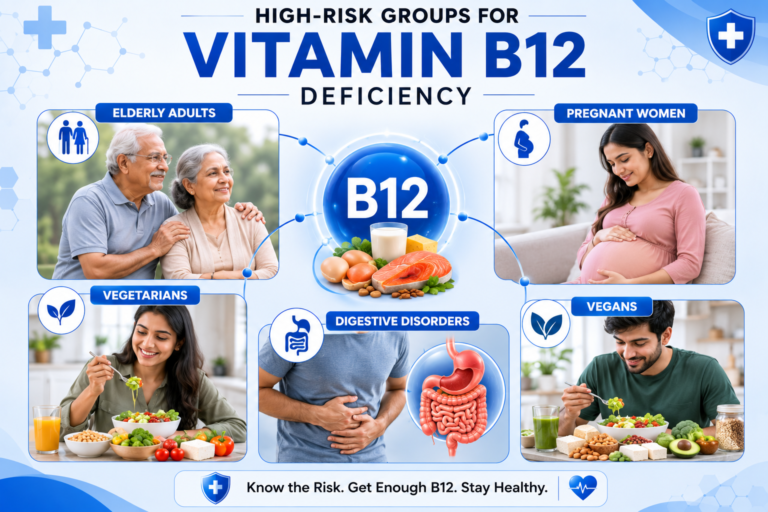
Certain groups are more likely to develop vitamin B12 deficiency than others.
People at increased risk include:
- Adults over 60 years
- Vegetarians
- Vegans
- Pregnant women with poor dietary intake
- Breastfeeding mothers
- Individuals with Crohn’s disease
- People with celiac disease
- Patients who have undergone gastric bypass surgery
- Long-term metformin users
- Individuals taking acid-reducing medicines
- People diagnosed with pernicious anemia
- Heavy alcohol users
If you belong to any of these groups, regular health check-ups and blood tests can help detect vitamin B12 deficiency early before complications develop.
How Is Vitamin B12 Deficiency
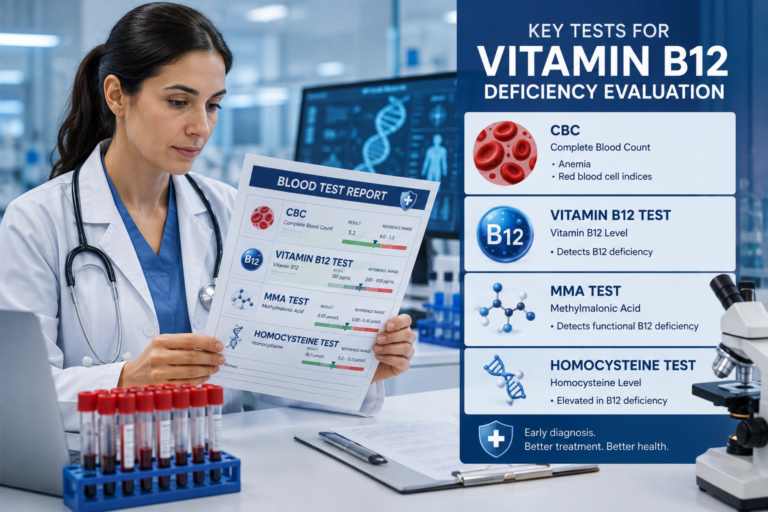
Diagnosing vitamin b12 deficiency begins with understanding your symptoms, medical history, dietary habits, and overall health. Since fatigue, weakness, dizziness, and numbness can also occur in many other conditions, doctors usually confirm the diagnosis through blood tests.
Early diagnosis is important because prompt treatment can prevent long-term nerve damage and other serious complications.
1. Medical History and Physical Examination
Your healthcare provider will first ask questions about:
- Your daily diet
- Vegetarian or vegan eating habits
- Current medications
- Previous stomach or intestinal surgery
- Existing digestive disorders
- Family history of anemia
- Duration and severity of symptoms
During the physical examination, your doctor may check for:
- Pale skin
- Balance problems
- Muscle weakness
- Reduced reflexes
- Numbness in the hands or feet
- Changes in the tongue or mouth
These findings help determine whether further testing for vitamin b12 deficiency is needed.
2. Complete Blood Count (CBC)
A Complete Blood Count (CBC) is usually the first laboratory test ordered.
This test evaluates:
- Red blood cell count
- White blood cell count
- Hemoglobin
- Hematocrit
- Mean Corpuscular Volume (MCV)
People with vitamin B12 deficiency often have large red blood cells, a condition known as megaloblastic anemia. A high MCV level can be an important clue that vitamin B12 levels should be checked.
3. Serum Vitamin B12 Test
The serum vitamin B12 test measures the amount of vitamin B12 present in your blood.
Although it is the most commonly used test, borderline results sometimes require additional investigations because symptoms may still occur even when blood levels appear close to normal.
4. Methylmalonic Acid (MMA) Test
When vitamin B12 levels are low, methylmalonic acid (MMA) levels usually rise.
The MMA test is considered one of the most accurate methods for detecting early vitamin B12 deficiency, especially when routine blood tests are inconclusive.
Doctors often recommend this test if symptoms strongly suggest a deficiency despite borderline serum vitamin B12 levels.
5. Homocysteine Test
Vitamin B12 helps break down homocysteine in the body.
When vitamin B12 is lacking, homocysteine levels increase. Measuring homocysteine can help doctors identify nutritional deficiencies and confirm the diagnosis when used alongside other blood tests.
6. Additional Tests
Depending on your symptoms and medical history, your healthcare provider may also recommend:
- Folate level test
- Iron studies
- Intrinsic factor antibody test
- Anti-parietal cell antibody test
- Liver function tests
- Thyroid function tests
These investigations help identify the underlying cause and rule out conditions with similar symptoms.
Depending on your overall health, doctors may also evaluate kidney function through additional blood tests. Understanding Normal Creatinine Levels by Age can help you learn how creatinine values vary across different age groups and what they may indicate about kidney health.
Treatment for Vitamin B12 Deficiency
The treatment for vitamin b12 deficiency depends on its severity, underlying cause, and how well your body absorbs vitamin B12.
Most people respond well to treatment, especially when the condition is diagnosed early.
1. Vitamin B12 Supplements
People with mild deficiency are often treated with oral vitamin B12 supplements.
These supplements are available as:
- Tablets
- Capsules
- Chewable tablets
- Sublingual tablets
- Oral sprays
Taking supplements regularly helps restore vitamin B12 levels in people whose deficiency is caused mainly by poor dietary intake.
Always follow your healthcare provider’s instructions regarding dosage and duration.
2. Vitamin B12 Injections
Some individuals cannot absorb vitamin B12 properly through the digestive tract.
Vitamin B12 injections are commonly recommended for:
- Pernicious anemia
- Severe deficiency
- Significant nerve symptoms
- Crohn’s disease
- Celiac disease
- Gastric bypass surgery
- Malabsorption disorders
Initially, injections may be given frequently, followed by maintenance doses every few weeks or months.
Many patients notice improved energy within a few weeks, while nerve recovery may take several months.
3. Dietary Changes
If low vitamin B12 intake is the main cause, improving dietary habits becomes an important part of treatment.
Include foods such as:
- Salmon
- Tuna
- Sardines
- Chicken
- Eggs
- Milk
- Cheese
- Yogurt
People following vegetarian or vegan diets should discuss fortified foods or supplements with a healthcare professional.
4. Treating the Underlying Cause
Successful treatment is not only about increasing vitamin B12 levels but also addressing the reason behind the deficiency.
Depending on the cause, your doctor may recommend:
- Managing Crohn’s disease
- Treating celiac disease
- Adjusting long-term medications
- Monitoring after stomach surgery
- Regular follow-up blood tests
Addressing the underlying condition reduces the chances of the deficiency returning.
For evidence-based information about vitamin B12, recommended daily intake, and supplementation, refer to the NIH Vitamin B12 Fact Sheet.
Best Foods Rich in Vitamin B12
A balanced diet is one of the best ways to maintain healthy vitamin B12 levels.
Animal-Based Sources
| Food | Vitamin B12 Level |
|---|---|
| Beef liver | Excellent |
| Clams | Excellent |
| Salmon | High |
| Tuna | High |
| Sardines | High |
| Beef | Good |
| Chicken | Moderate |
| Eggs | Moderate |
| Milk | Moderate |
| Cheese | Moderate |
| Yogurt | Moderate |
Fortified Foods
For vegetarians and vegans, good options include:
- Fortified breakfast cereals
- Fortified soy milk
- Fortified almond milk
- Fortified oat milk
- Nutritional yeast with added vitamin B12
- Fortified meat alternatives
Including these foods regularly helps maintain healthy vitamin B12 levels and supports overall health.
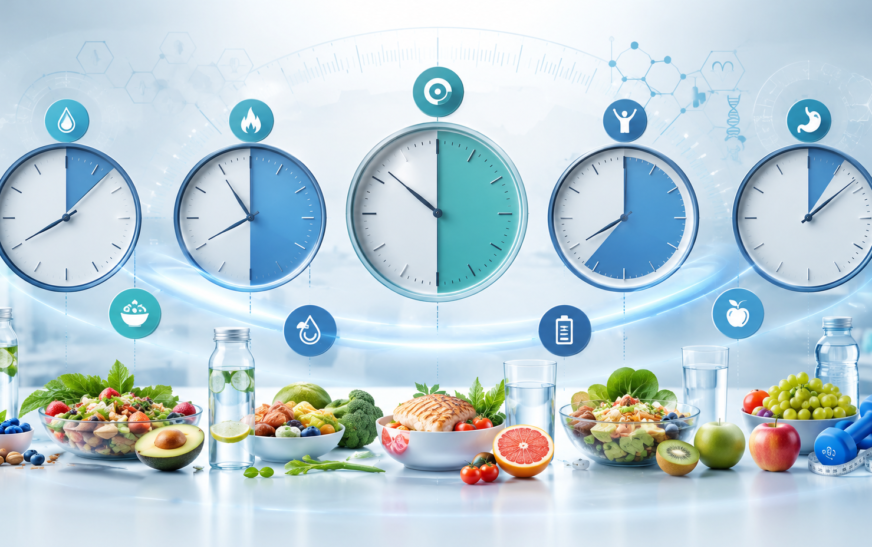
Along with eating vitamin B12-rich foods, following healthy dietary habits is equally important. Our Intermittent Fasting Guide explains how balanced meal timing can support overall health and improve metabolic wellness.
Can Vitamin B12 Deficiency Be Prevented?
Yes, in many cases, vitamin b12 deficiency can be prevented through a balanced diet, regular health check-ups, and timely supplementation when needed. People at higher risk should pay extra attention to their vitamin B12 intake and consult a healthcare provider if they develop symptoms.
1. Eat Vitamin B12-Rich Foods
The easiest way to maintain healthy vitamin B12 levels is by including foods naturally rich in this nutrient.
Examples include:
- Fish
- Lean meat
- Eggs
- Milk
- Cheese
- Yogurt
- Fortified breakfast cereals
A balanced diet can significantly reduce the risk of nutritional deficiencies.
2. Take Supplements When Recommended
Vegetarians, vegans, older adults, and people with absorption problems may need vitamin B12 supplements to maintain healthy levels.
However, supplements should only be taken according to your doctor’s advice, as the dosage varies depending on age, medical history, and existing vitamin B12 levels.
3. Get Regular Health Check-ups
Routine blood tests help detect low vitamin B12 levels before noticeable symptoms appear.
If you belong to a high-risk group, periodic screening can prevent complications associated with vitamin b12 deficiency.
4. Manage Digestive Disorders
Conditions such as Crohn’s disease, celiac disease, and chronic gastritis can reduce vitamin B12 absorption.
Proper treatment and regular follow-up with your healthcare provider help improve nutrient absorption and overall health.
5. Follow Medical Advice After Surgery
People who have undergone gastric bypass or other stomach surgeries should continue long-term monitoring because their bodies may absorb less vitamin B12 than normal.
What Happens If Vitamin B12 Deficiency Is Left Untreated?
Ignoring vitamin b12 deficiency may lead to serious health problems that can affect your blood, nervous system, and brain.
Possible complications include:
- Megaloblastic anemia
- Permanent nerve damage
- Loss of balance
- Difficulty walking
- Muscle weakness
- Memory loss
- Poor concentration
- Depression
- Vision problems
- Pregnancy complications
- Increased risk of falls in older adults
Although many symptoms improve with treatment, permanent nerve damage may occur if the condition remains untreated for a long time.
How Long Does Recovery Take?
Recovery depends on the severity of the deficiency and how early treatment begins.
A general timeline is:
| Recovery Stage | Expected Time |
|---|---|
| Improved energy | Within a few days to 2 weeks |
| Better red blood cell production | 2–6 weeks |
| Improvement in anemia | 2–3 months |
| Recovery of nerve symptoms | 3–12 months |
| Long-term treatment (if needed) | Long-term treatment (if needed) |
Most people recover well when treatment starts early and medical advice is followed consistently.
When Should You See a Doctor?
Consult a healthcare professional if you experience symptoms that could indicate vitamin b12 deficiency, especially if they continue for several weeks.
Seek medical attention if you have:
- Persistent fatigue
- Tingling or numbness
- Difficulty walking
- Frequent dizziness
- Pale skin
- Shortness of breath
- Memory problems
- Depression without a clear reason
- Long-term digestive disorders
- A vegetarian or vegan diet without supplementation
Early diagnosis can help prevent serious complications and improve recovery.
Frequently Asked Questions (FAQs)
What are the early signs of vitamin B12 deficiency?
Early symptoms include fatigue, weakness, tingling in the hands and feet, pale skin, dizziness, poor concentration, and memory problems.
What causes vitamin B12 deficiency?
Common causes include poor dietary intake, pernicious anemia, digestive disorders, stomach surgery, aging, and certain medications that reduce vitamin B12 absorption.
Can vitamin B12 deficiency cause nerve damage?
Yes. If left untreated, vitamin b12 deficiency may damage the nerves, leading to numbness, balance problems, muscle weakness, and difficulty walking.
Which foods contain the most vitamin B12?
Some of the richest sources include:
- Beef liver
- Clams
- Salmon
- Tuna
- Sardines
- Eggs
- Milk
- Cheese
- Yogurt
- Fortified cereals
Is vitamin B12 deficiency common in vegetarians?
Yes. Since vitamin B12 is mainly found in animal-based foods, vegetarians and vegans are more likely to develop low vitamin B12 levels unless they consume fortified foods or supplements.
Can vitamin B12 deficiency be cured?
In most cases, yes. With proper diagnosis, dietary improvements, supplements, or injections, vitamin B12 levels can usually be restored successfully.
How is vitamin B12 deficiency diagnosed?
Doctors diagnose the condition using:
- Complete Blood Count (CBC)
- Serum Vitamin B12 Test
- Methylmalonic Acid (MMA)
- Homocysteine Test
- Additional blood tests if necessary
Who is at the highest risk?
People at greater risk include:
- Older adults
- Vegetarians
- Vegans
- Pregnant women with poor nutrition
- Individuals with digestive diseases
- Patients after gastric bypass surgery
- Long-term metformin users

Conclusion
Vitamin b12 deficiency is a common nutritional disorder that often develops slowly, making it easy to overlook the early warning signs. Symptoms such as persistent fatigue, tingling sensations, poor balance, memory problems, and mood changes should never be ignored because they may indicate an underlying vitamin deficiency.
The good news is that most cases can be treated successfully through early diagnosis, a healthy diet, vitamin B12 supplements, or injections when necessary. Maintaining a healthy lifestyle and following Preventive Healthcare practices can also help identify nutritional deficiencies early and reduce the risk of long-term complications.
People who follow vegetarian or vegan diets, older adults, and individuals with digestive disorders should pay special attention to maintaining adequate vitamin B12 levels.
If you suspect you may have vitamin b12 deficiency, consult your healthcare provider for appropriate testing and treatment. Taking action early can help protect your nervous system, support healthy blood cell production, improve energy levels, and reduce the risk of long-term complications.