

Table of Contents
ToggleYour kidneys work around the clock to remove waste products, balance fluids, and keep your body functioning properly. One of the easiest ways to check how well they are working is by measuring normal creatinine levels. Creatinine is a natural waste product produced when your muscles use energy. Healthy kidneys filter it from the blood and remove it through urine. When kidney function changes, creatinine levels may rise or fall.
Knowing your normal creatinine levels can help detect kidney problems early, even before symptoms appear. However, a single test result doesn’t always tell the whole story. Doctors also consider factors such as age, gender, muscle mass, hydration, and estimated glomerular filtration rate (eGFR) to understand your kidney health.
In this guide, you’ll learn what normal creatinine levels are, the healthy range by age and gender, what causes abnormal levels, common symptoms, and practical ways to keep your kidneys healthy. You’ll also understand when a creatinine test is needed and what your results may indicate.
Related Read: If you’re looking for a complete explanation of how the test is performed and how results are interpreted, read our Creatinine Blood Test guide.
What Are Normal Creatinine Levels?
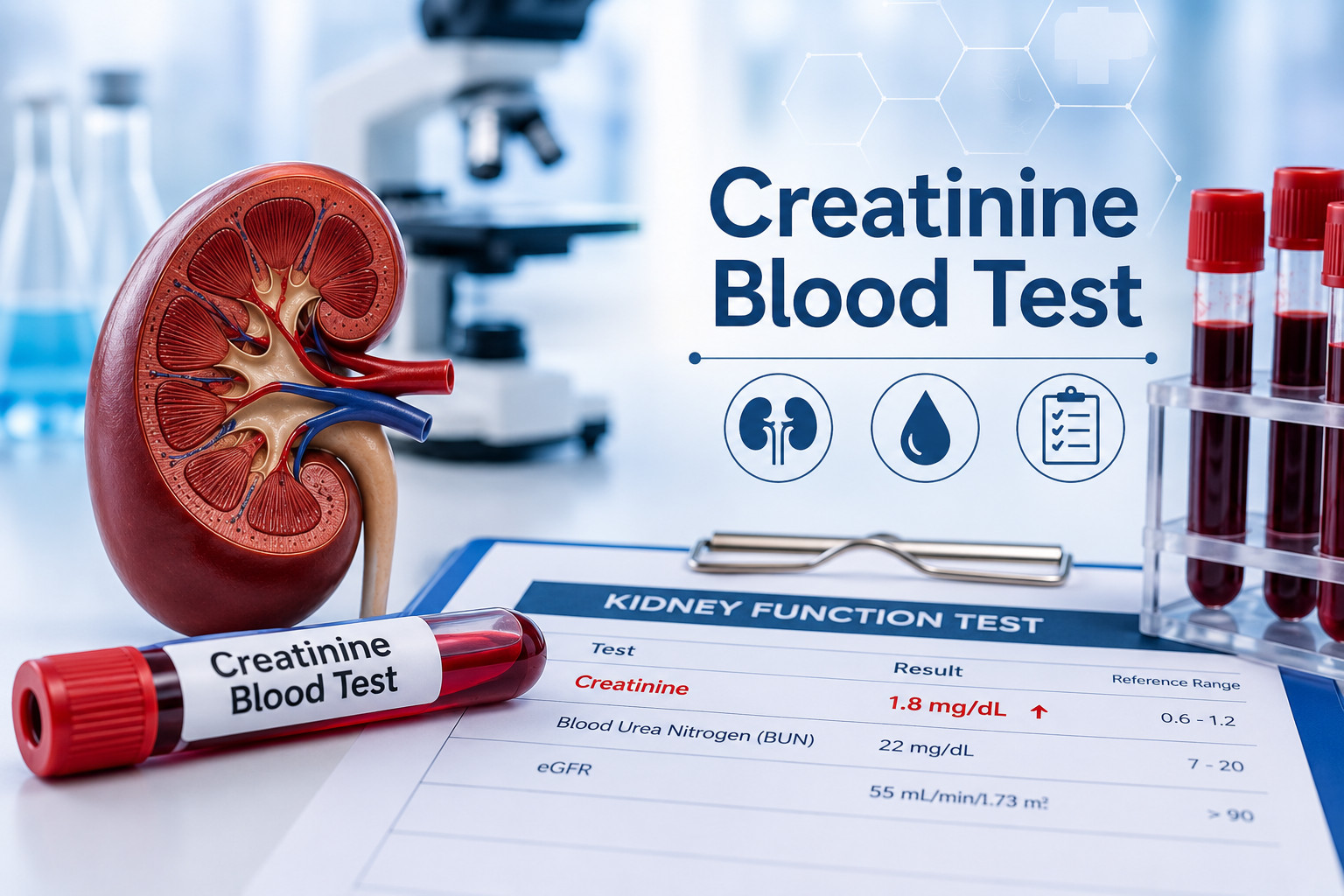
Normal creatinine levels refer to the healthy amount of creatinine found in your blood. Creatinine is produced naturally when muscles break down creatine during everyday activities. Because this process happens continuously, everyone has creatinine circulating in their bloodstream.
Healthy kidneys filter creatinine from the blood and remove it through urine. When the kidneys are functioning normally, normal creatinine levels remain within a healthy range. If the kidneys cannot filter waste effectively, creatinine begins to build up, resulting in higher-than-normal levels.
Although laboratories may use slightly different reference ranges, normal creatinine levels generally fall within these limits:
| Group | Normal Creatinine Level |
|---|---|
| Adult Men | 0.7–1.3 mg/dL |
| Adult Women | 0.6–1.1 mg/dL |
| Children | 0.3–0.7 mg/dL |
These values can vary depending on age, muscle mass, hydration, pregnancy, and overall health. For this reason, healthcare providers interpret normal creatinine levels together with your medical history and other kidney function tests, such as eGFR.
You can learn more about laboratory testing from the MedlinePlus Creatinine Test resource.
Why Are Normal Creatinine Levels Important?
Maintaining normal creatinine levels is a good sign that your kidneys are filtering waste efficiently. Since kidney disease often develops silently in its early stages, checking creatinine levels can help identify problems before noticeable symptoms appear.
Doctors commonly recommend a creatinine test for people who:
- Have diabetes
- Have high blood pressure
- Are over 60 years of age
- Have a family history of kidney disease
- Take medications that may affect kidney function
- Experience swelling, fatigue, or changes in urination
Monitoring normal creatinine levels over time also helps doctors evaluate kidney health, monitor chronic kidney disease (CKD), and determine whether treatment is working.
Early detection allows timely treatment and lifestyle changes that may slow the progression of kidney disease and reduce the risk of serious complications.
According to the National Kidney Foundation, regular kidney function testing plays a key role in detecting kidney disease early.
Normal Creatinine Levels by Age and Gender

The healthy range for normal creatinine levels is not the same for everyone. Men usually have slightly higher creatinine levels than women because they generally have more muscle mass. Children typically have lower levels, while older adults may have lower values due to age-related muscle loss.
| Age Group | Expected Normal Creatinine Levels |
|---|---|
| Newborns | 0.3–1.0 mg/dL |
| Children | 0.3–0.7 mg/dL |
| Teenagers | 0.5–1.0 mg/dL |
| Adult Women | 0.6–1.1 mg/dL |
| Adult Men | 0.7–1.3 mg/dL |
| Older Adults | May be slightly lower because of reduced muscle mass |
Remember that these ranges are general guidelines. A result that falls slightly outside the reference range does not always indicate kidney disease. Doctors interpret normal creatinine levels alongside other laboratory findings, your symptoms, medications, and eGFR to get a complete picture of kidney function.
Normal Serum Creatinine Levels
Normal serum creatinine levels refer to the amount of creatinine present in the liquid portion of your blood, known as serum. This measurement helps doctors evaluate how efficiently your kidneys are filtering waste products.
Several factors can influence normal serum creatinine levels, including:
- Age
- Gender
- Muscle mass
- Physical activity
- Hydration status
- Certain medications
- Pregnancy
For example, athletes or people with greater muscle mass may naturally have slightly higher creatinine levels without having kidney disease. Similarly, older adults may have lower values because they generally have less muscle mass.
This is why doctors interpret normal serum creatinine levels together with your medical history and other laboratory findings instead of relying on one result alone.
Normal Creatinine Levels in Urine
While blood creatinine measures how much creatinine remains in your bloodstream, a urine creatinine test evaluates how much is being removed by your kidneys.
Doctors may recommend a urine creatinine test when they need additional information about kidney function or when investigating conditions such as chronic kidney disease, proteinuria, or dehydration.
Typical reference ranges include:
| Test Type | Normal Range |
|---|---|
| Random Urine Creatinine | 20–320 mg/dL |
| 24-Hour Urine Creatinine | Approximately 500–2,000 mg/day (depends on age, sex, and muscle mass) |
Results can vary depending on hydration, diet, exercise, and body composition. Your doctor will explain whether your urine creatinine level falls within the expected range.
Factors That Affect Normal Creatinine Levels

Many people assume that abnormal creatinine levels always indicate kidney disease, but that’s not always true. Several everyday factors can temporarily increase or decrease normal creatinine levels.
1. Muscle Mass
People with greater muscle mass naturally produce more creatinine. This is why men often have slightly higher normal creatinine levels than women.
2. Age
As people grow older, muscle mass gradually declines, which may slightly reduce creatinine levels even when kidney function remains normal.
3. Hydration
Dehydration reduces blood flow to the kidneys and may temporarily increase creatinine levels. Staying well hydrated helps maintain healthy kidney function.
4. Diet
Eating large amounts of red meat or taking creatine supplements before testing can temporarily raise creatinine levels. A balanced diet supports healthier kidney function.
5. Intense Exercise
Strenuous workouts can increase muscle breakdown for a short period, leading to a temporary rise in creatinine levels. This usually returns to normal after adequate rest.
6. Medications
Some medicines may affect kidney function and alter creatinine levels, including:
- NSAID pain relievers
- Certain antibiotics
- Chemotherapy drugs
- Contrast dye used in imaging tests
Always inform your healthcare provider about any medications or supplements you are taking before a kidney function test.
7. Pregnancy
Pregnant women often have slightly lower creatinine levels because of increased kidney filtration during pregnancy. This is generally considered normal.
Symptoms of Abnormal Creatinine Levels
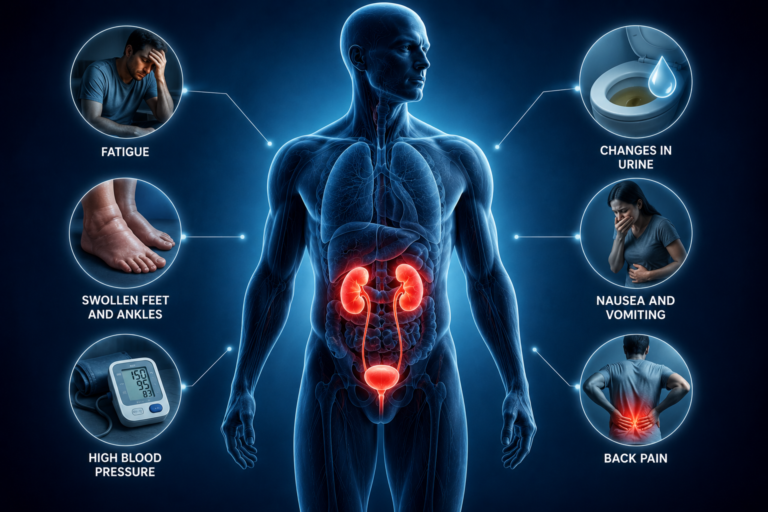
Abnormal creatinine levels may not cause noticeable symptoms in the early stages. However, if kidney function continues to decline, several warning signs may develop.
Common symptoms include:
- Persistent fatigue
- Swelling in the feet, ankles, or hands
- Frequent or reduced urination
- Foamy or bloody urine
- Shortness of breath
- Loss of appetite
- Nausea or vomiting
- Muscle cramps
- Difficulty concentrating
- High blood pressure
- Persistent itching
If you notice these symptoms along with abnormal creatinine test results, seek medical advice promptly. Early diagnosis can help prevent further kidney damage.
What Happens If Creatinine Levels Are High?
High creatinine levels often indicate that your kidneys are not filtering waste products as efficiently as they should. However, an elevated result does not always mean you have kidney disease. Temporary conditions such as dehydration or intense physical activity can also increase creatinine levels.
Some of the most common causes include:
Chronic Kidney Disease (CKD)
Chronic kidney disease is one of the leading reasons for high creatinine levels. As kidney function declines, waste products remain in the bloodstream instead of being filtered out.
Diabetes
High blood sugar can damage the tiny blood vessels inside the kidneys over time. This reduces their ability to maintain normal creatinine levels and increases the risk of kidney disease.
High Blood Pressure
Uncontrolled hypertension puts extra pressure on the kidneys and may gradually reduce their filtering ability. People with high blood pressure should have their kidney function checked regularly.
Dehydration
Not drinking enough water reduces blood flow to the kidneys, causing creatinine levels to rise temporarily. Rehydration often restores normal creatinine levels if dehydration is the only cause.
Certain Medications
Some medicines can affect kidney function, including:
- Nonsteroidal anti-inflammatory drugs (NSAIDs)
- Certain antibiotics
- Chemotherapy medications
- Contrast dye used during CT scans and angiography
Always consult your healthcare provider before stopping or changing prescribed medications.
Urinary Tract Obstruction
Kidney stones, enlarged prostate, or urinary tract blockages may prevent normal urine flow and cause creatinine to accumulate in the blood.
What Happens If Creatinine Levels Are Low?
Although high creatinine levels receive more attention, low creatinine levels can also occur. In most cases, they are not a sign of serious kidney disease.
Possible causes include:
- Reduced muscle mass
- Aging
- Pregnancy
- Poor nutrition
- Liver disease
- Long-term illness
Doctors usually interpret low creatinine levels together with your medical history and other laboratory findings. Treatment depends on the underlying cause rather than the creatinine level itself.
How to Maintain Normal Creatinine Levels Naturally

Keeping normal creatinine levels is an important part of maintaining healthy kidneys. While some medical conditions require professional treatment, adopting healthy daily habits can support kidney function and reduce the risk of abnormal creatinine levels.
1. Stay Well Hydrated
Water helps your kidneys remove waste products efficiently. Drinking enough fluids throughout the day supports healthy filtration and may help maintain normal creatinine levels.
2. Eat a Balanced Diet
A kidney-friendly diet should include:
- Fresh fruits
- Vegetables
- Whole grains
- Healthy fats
- Moderate amounts of lean protein
Limiting processed foods and excess salt may also help protect kidney function.
Following a balanced kidney-friendly diet can help support healthy kidney function and overall urinary health.
3. Manage Blood Pressure
High blood pressure is one of the leading causes of kidney disease. Regular monitoring, a healthy diet, exercise, and prescribed medications can help maintain healthy kidneys.
4. Control Blood Sugar
People with diabetes should keep their blood sugar within the recommended range to reduce the risk of kidney damage.
5. Exercise Regularly
Moderate exercise supports heart health, weight management, and healthy kidney function. However, avoid intense workouts immediately before a creatinine test because they may temporarily increase your results.
6. Avoid Smoking and Excessive Alcohol
Smoking reduces blood flow to the kidneys, while excessive alcohol consumption may contribute to dehydration and kidney stress.
7. Use Medications Carefully
Avoid unnecessary use of painkillers and always take medicines exactly as prescribed. Certain drugs can affect kidney function if used for long periods.
Foods That Support Healthy Kidney Function

Although no specific food can directly lower creatinine levels, a balanced diet supports healthy kidneys and helps maintain normal creatinine levels.
Consider including:
- Apples
- Blueberries
- Strawberries
- Bell peppers
- Cauliflower
- Cabbage
- Garlic
- Olive oil
- Oats
- Brown rice (in moderation)
- Fish rich in omega-3 fatty acids
Limit foods high in sodium, processed sugar, and unhealthy fats, as they may increase the risk of kidney-related problems over time.
When Should You Get a Creatinine Test?
Doctors may recommend a creatinine test if you:
- Have diabetes
- Have high blood pressure
- Have a family history of kidney disease
- Notice swelling in your feet or ankles
- Experience changes in urination
- Feel persistent fatigue
- Are taking medications that may affect kidney function
- Need routine health screening after the age of 60
Regular kidney function tests can help detect problems early, allowing timely treatment and better long-term outcomes.
Frequently Asked Questions (FAQs)
What creatinine level is bad for the kidneys?
There isn’t a single creatinine level that is considered “bad” for everyone. A result above the normal range may indicate reduced kidney function, but doctors also consider your age, sex, muscle mass, medical history, and eGFR before making a diagnosis. If your creatinine level remains consistently high, consult a healthcare provider for further evaluation.
Is a creatinine level of 1.7 normal?
A creatinine level of 1.7 mg/dL is generally higher than the normal range for most adults. However, its significance depends on factors such as age, gender, muscle mass, hydration, and overall health. Your doctor may recommend additional tests to determine whether the result is temporary or related to kidney disease.
Does a creatinine level of 2.5 require dialysis?
No. A creatinine level of 2.5 mg/dL does not automatically mean dialysis is necessary. Dialysis is usually recommended based on overall kidney function, eGFR, symptoms, and the underlying cause of kidney damage rather than creatinine levels alone.
What is the normal creatinine level by age?
Normal creatinine levels vary with age because muscle mass changes throughout life. Children usually have lower creatinine levels than adults, while adult men often have slightly higher levels than women due to greater muscle mass.
General reference ranges include:
- Children: 0.3–0.7 mg/dL
- Teenagers: 0.5–1.0 mg/dL
- Adult Women: 0.6–1.1 mg/dL
- Adult Men: 0.7–1.3 mg/dL
Doctors interpret these values together with your overall health and kidney function.
What is the normal creatinine level in urine in mg/dL?
A random urine creatinine test typically ranges between 20 and 320 mg/dL, although values may vary depending on age, muscle mass, hydration, and the laboratory performing the test. A 24-hour urine creatinine test is interpreted differently and provides additional information about kidney function.
What is the normal serum creatinine level?
Normal serum creatinine levels generally range from:
- Adult Men: 0.7–1.3 mg/dL
- Adult Women: 0.6–1.1 mg/dL
These reference values may differ slightly between laboratories. Doctors often evaluate serum creatinine along with an eGFR to obtain a clearer picture of kidney health.
What are normal creatinine levels in urine?
Normal urine creatinine levels depend on the type of test performed. For a random urine sample, the normal range is commonly 20–320 mg/dL. For a 24-hour urine collection, expected values vary according to age, sex, and body size. Your healthcare provider will explain whether your result falls within the normal range.
What is the normal creatinine level in blood?
The normal creatinine level in blood is generally:
- Men: 0.7–1.3 mg/dL
- Women: 0.6–1.1 mg/dL
- Children: 0.3–0.7 mg/dL
These values help doctors assess kidney function and detect possible kidney disorders.
Can creatinine levels go back to normal?
Yes. Normal creatinine levels can often be restored if elevated levels are caused by dehydration, certain medications, or temporary illnesses. If chronic kidney disease is responsible, treatment focuses on slowing disease progression, protecting kidney function, and maintaining stable creatinine levels rather than completely returning them to normal.
Conclusion
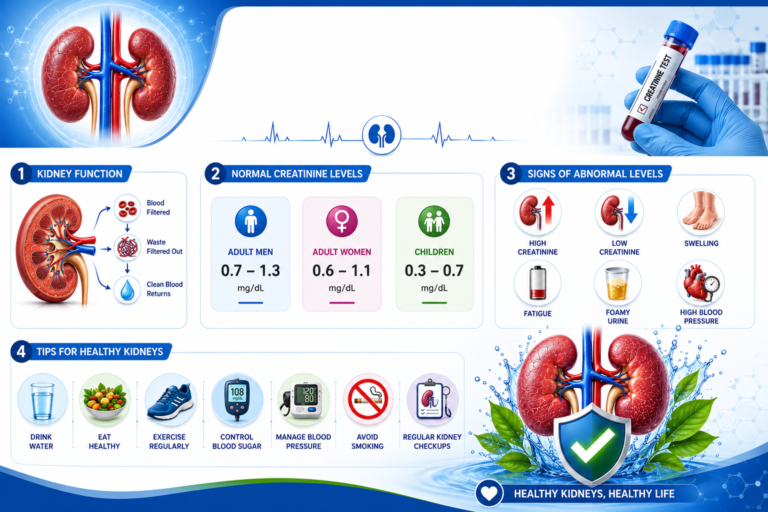
Maintaining normal creatinine levels is an important indicator of healthy kidney function. While creatinine levels naturally vary based on age, gender, muscle mass, and overall health, consistently high or low values should never be ignored. Regular kidney function tests, a balanced diet, proper hydration, physical activity, and effective management of conditions like diabetes and high blood pressure can help protect your kidneys over the long term.
Remember that a creatinine result is only one part of the overall assessment. Doctors often evaluate normal creatinine levels alongside eGFR, urine tests, symptoms, and your medical history to make an accurate diagnosis. If your test results fall outside the normal range or you notice symptoms such as swelling, fatigue, or changes in urination, seek medical advice promptly. Early detection and timely treatment can make a significant difference in preserving kidney health and preventing future complications.