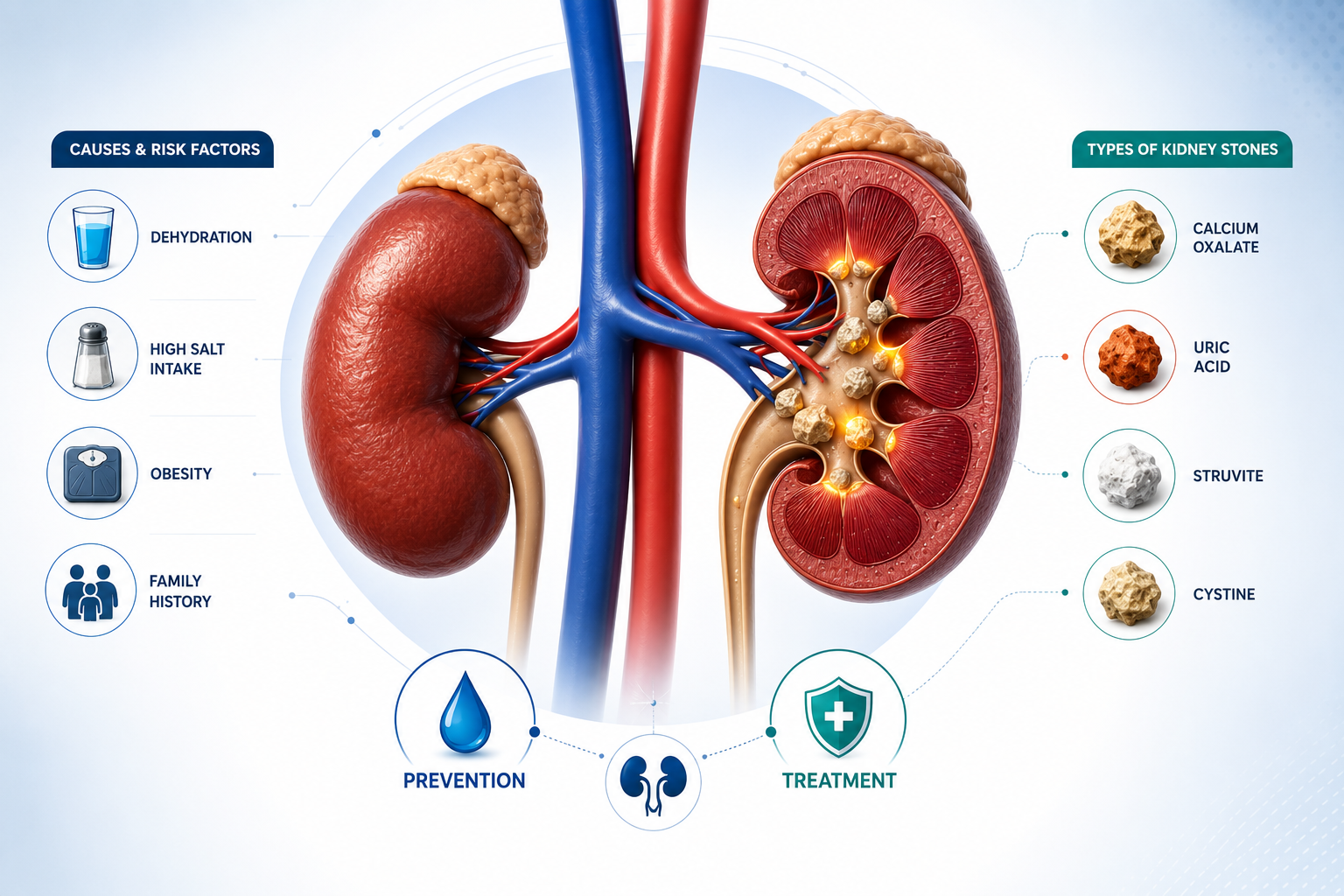

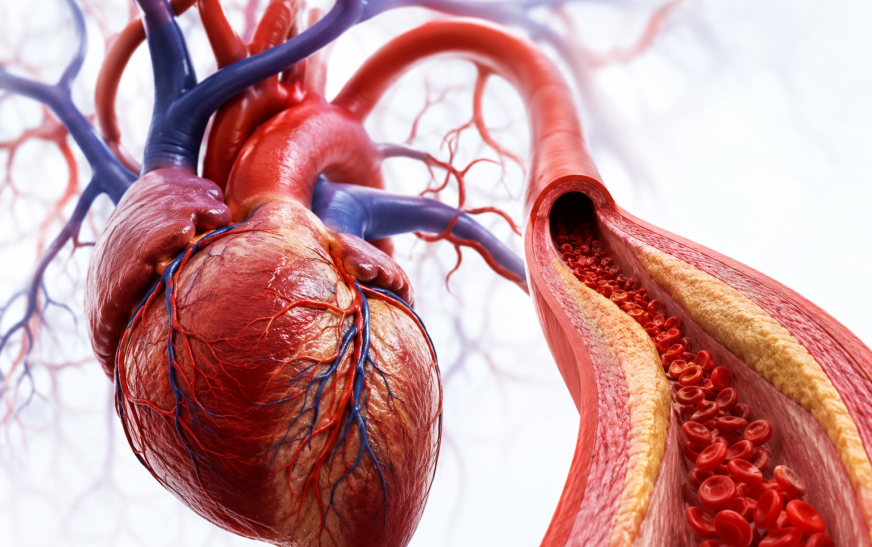
Table of Contents
ToggleHigh blood pressure, also known as Hypertension, is one of the most common chronic health conditions affecting millions of people across the world. It occurs when the force of blood against the artery walls remains consistently higher than normal. Since this condition often develops without noticeable symptoms, many people are unaware they have it until serious complications arise. For this reason, healthcare experts often call Hypertension the “silent killer.”
If left unmanaged, high blood pressure can place excessive strain on the heart, blood vessels, kidneys, brain, and eyes. Over time, this may increase the risk of heart attack, stroke, kidney disease, heart failure, and vision problems. People with Cholesterol disorders or diabetes are at an even greater risk of developing cardiovascular complications.
The good news is that Hypertension can often be prevented or controlled through healthy lifestyle habits, regular health screenings, and appropriate medical treatment. Understanding its causes, symptoms, stages, and treatment options helps reduce the risk of long-term complications and improves overall quality of life.
In this guide, you’ll learn everything you need to know about Hypertension, including its causes, symptoms, blood pressure categories, diagnosis, treatment, prevention, and the warning signs that should never be ignored.
What Is Hypertension?
Hypertension is a medical condition in which blood pressure remains consistently above the normal range. Blood pressure refers to the force exerted by circulating blood against the walls of the arteries. While it naturally changes throughout the day depending on physical activity, emotions, and rest, persistently high readings require medical attention.
Blood pressure is measured in millimeters of mercury (mmHg) and consists of two numbers:
- Systolic Pressure – The pressure when the heart contracts and pumps blood.
- Diastolic Pressure – The pressure when the heart relaxes between heartbeats.
For example:
120/80 mmHg
- 120 = Systolic pressure
- 80 = Diastolic pressure
Doctors usually diagnose hypertension after multiple elevated readings taken on different occasions or through home blood pressure monitoring. A single high reading does not always indicate a long-term problem.
Why Is Blood Pressure Important?
Healthy blood pressure allows oxygen and nutrients to reach every organ efficiently. When blood pressure stays too high for months or years, it gradually damages arteries, making them less flexible and more prone to narrowing.
This damage can lead to several serious health conditions, including:
- Heart attack
- Stroke
- Heart failure
- Kidney disease
- Vision loss
- Cognitive decline
People living with Diabetes should be especially careful because diabetes and high blood pressure together significantly increase the risk of cardiovascular disease.
Regular health check-ups and timely treatment can help prevent these complications before permanent damage occurs.
Blood Pressure Categories
Doctors classify blood pressure into different categories to determine the severity of Hypertension and choose the most appropriate treatment plan.
| Blood Pressure Category | Systolic (mmHg) | Diastolic (mmHg) |
|---|---|---|
| Normal | Less than 120 | Less than 80 |
| Elevated | 120–129 | Less than 80 |
| Stage 1 Hypertension | 130–139 | 80–89 |
| Stage 2 Hypertension | 140 or higher | 90 or higher |
| Hypertensive Crisis | 180 or higher | 120 or higher |
A hypertensive crisis is a medical emergency. If your blood pressure reaches 180/120 mmHg or higher, seek immediate medical care, especially if you experience chest pain, difficulty breathing, confusion, or blurred vision.
Types of Hypertension
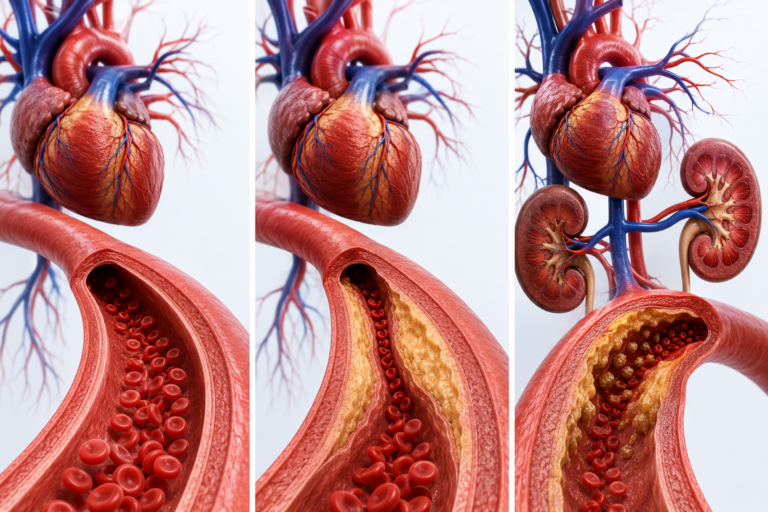
There are different types of hypertension, and identifying the type helps doctors determine the best treatment approach.
1. Primary (Essential) Hypertension
Primary Hypertension is the most common form, accounting for nearly 90–95% of all cases. It develops gradually over several years without a single identifiable cause.
Common contributing factors include:
- Ageing
- Family history
- High salt intake
- Excess body weight
- Lack of physical activity
- Smoking
- Excessive alcohol consumption
2. Secondary Hypertension
Secondary hypertension develops because of another underlying medical condition or certain medications. Unlike primary hypertension, it often appears suddenly and may cause
significantly higher blood pressure readings.
Possible causes include:
- Kidney disease
- Thyroid disorders
- Adrenal gland disorders
- Obstructive sleep apnea
- Certain medicines such as steroids and oral contraceptives
Treating the underlying condition often helps improve blood pressure control.
3. Resistant Hypertension
Resistant hypertension refers to high blood pressure that remains above the target range despite taking three or more prescribed blood pressure medications.
Patients with resistant hypertension may require:
- Medication adjustments
- Additional diagnostic tests
- Lifestyle modifications
- Regular specialist follow-up
Causes of Hypertension
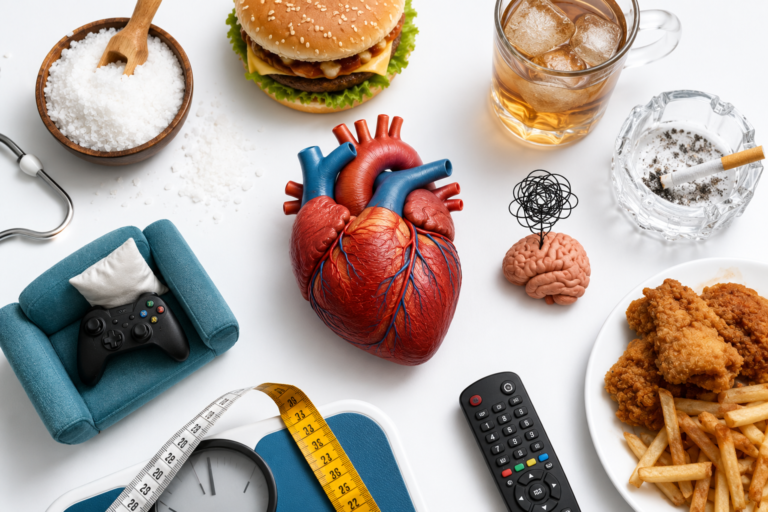
Several lifestyle habits, medical conditions, and genetic factors can contribute to hypertension.
High Sodium Intake
A diet high in sodium causes the body to retain excess fluid, increasing blood volume and putting extra pressure on artery walls. Packaged foods, processed meats, canned soups, and fast food are major sources of hidden salt.
Reducing sodium intake is one of the most effective ways to manage high blood pressure.
Excess Body Weight
Being overweight forces the heart to pump harder to circulate blood throughout the body. As a result, blood pressure gradually increases.
Maintaining a healthy weight through balanced nutrition and regular exercise can significantly lower the risk of developing this condition.
Physical Inactivity
People who spend most of their day sitting are more likely to develop high blood pressure than those who stay physically active.
Experts recommend at least 150 minutes of moderate-intensity exercise every week to support heart health.
Smoking
Smoking damages blood vessels, reduces oxygen supply, and temporarily raises blood pressure after every cigarette. Over time, it increases the risk of heart attack, stroke, and other cardiovascular diseases.
Quitting smoking benefits both heart health and overall well-being.
Excessive Alcohol Consumption
Heavy alcohol intake may increase blood pressure and reduce the effectiveness of medications used to treat it.
Limiting alcohol consumption is an important part of managing cardiovascular health.
Chronic Stress
Although stress alone does not directly cause Hypertension, it often leads to unhealthy habits such as overeating, smoking, excessive alcohol consumption, and poor sleep. These habits can contribute to persistently high blood pressure over time.
Practicing yoga, meditation, deep breathing exercises, and regular physical activity may help reduce stress levels.
Family History
Genetics play an important role in determining the risk of developing high blood pressure. If one or both parents have a history of Hypertension, your chances of developing the condition are higher.
Although family history cannot be changed, maintaining healthy habits can delay or even prevent its onset.
Other Medical Conditions
Several health conditions increase the likelihood of developing Hypertension, including:
- Diabetes
- Chronic kidney disease
- High cholesterol
- Thyroid disorders
- Sleep apnea
If you already have Lipid Profile abnormalities or elevated cholesterol levels, managing them early can help reduce the overall risk of cardiovascular complications associated with high blood pressure.
Risk Factors for Hypertension
Although anyone can develop Hypertension, certain factors make some people more likely to experience persistently high blood pressure. Knowing these risk factors can help you make lifestyle changes before serious complications occur.
Age
The risk of developing Hypertension increases with age because blood vessels gradually lose their flexibility. However, unhealthy eating habits, obesity, and physical inactivity have also made high blood pressure increasingly common among younger adults.
Family History
If your parents or close relatives have a history of high blood pressure, your chances of developing Hypertension are higher. While genetics cannot be changed, regular health check-ups and healthy habits can reduce your overall risk.
Being Overweight or Obese
Carrying excess body weight increases the workload on your heart, forcing it to pump harder to circulate blood throughout the body. Even losing 5–10% of your body weight may help lower blood pressure.
Poor Eating Habits
A diet high in salt, saturated fats, processed foods, and sugary beverages contributes significantly to high blood pressure. Choosing nutrient-rich foods and limiting sodium intake can improve heart health.
Lack of Physical Activity
People who rarely exercise are more likely to gain weight and develop cardiovascular diseases. Regular physical activity helps strengthen the heart, allowing it to pump blood more efficiently.
Smoking and Tobacco Use
Smoking damages blood vessels and increases the risk of heart attack and stroke. Quitting smoking is one of the most effective ways to improve cardiovascular health.
Excessive Alcohol Consumption
Drinking too much alcohol may raise blood pressure over time and reduce the effectiveness of blood pressure medications.
Diabetes
People with diabetes often have a higher risk of cardiovascular disease because elevated blood sugar damages blood vessels. Monitoring your HbA1c Test regularly can help manage diabetes and reduce the risk of developing high blood pressure.
High Cholesterol
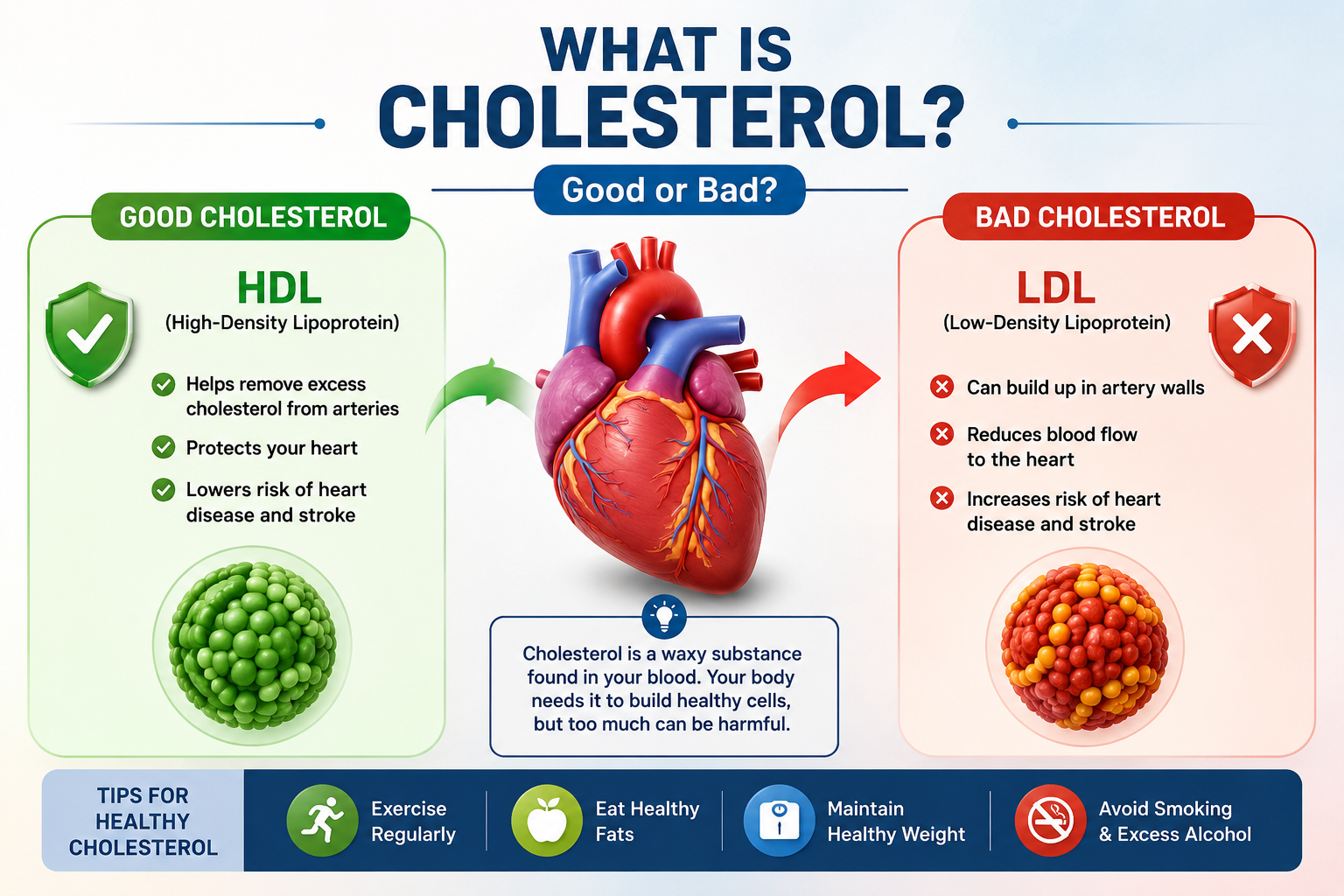
High cholesterol can narrow arteries, making it harder for blood to flow properly. Over time, this increases the strain on the heart and contributes to cardiovascular disease. Understanding your Cholesterol levels and getting a Lipid Profile test when recommended can help identify potential risks early.
Symptoms of Hypertension
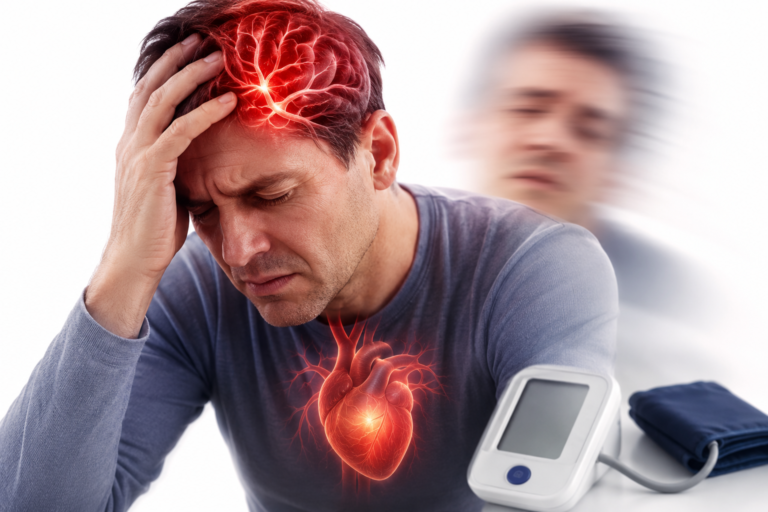
One of the biggest challenges with hypertension is that it usually develops without obvious symptoms. Many people feel completely healthy until complications occur, making regular blood pressure monitoring extremely important.
However, when blood pressure becomes dangerously high, symptoms may include:
- Severe headaches
- Dizziness
- Blurred or double vision
- Chest pain
- Shortness of breath
- Nosebleeds
- Fatigue
- Irregular heartbeat
- Confusion
- Difficulty concentrating
If you experience these symptoms along with a very high blood pressure reading, seek immediate medical attention.
Blood Pressure Stages
Healthcare professionals classify Hypertension into different stages to determine the appropriate treatment approach.
Elevated Blood Pressure
Reading:
- Systolic: 120–129 mmHg
- Diastolic: Less than 80 mmHg
Lifestyle changes such as reducing salt intake, maintaining a healthy weight, and exercising regularly can often prevent progression.
Stage 1 Hypertension
Reading:
- Systolic: 130–139 mmHg
- Diastolic: 80–89 mmHg
Doctors may recommend:
- Healthy diet
- Regular exercise
- Weight management
- Home blood pressure monitoring
- Medication, depending on overall cardiovascular risk
Stage 2 Hypertension
Reading:
- Systolic: 140 mmHg or above
- Diastolic: 90 mmHg or above
Treatment usually includes:
- Lifestyle modifications
- Prescription medication
- Routine blood pressure monitoring
- Regular medical follow-up
Hypertensive Crisis
Reading:
- Systolic: 180 mmHg or higher
- Diastolic: 120 mmHg or higher
A hypertensive crisis is a medical emergency. Seek immediate medical care if you experience:
- Severe chest pain
- Difficulty breathing
- Severe headache
- Confusion
- Blurred vision
- Weakness or numbness
How Is Hypertension Diagnosed?
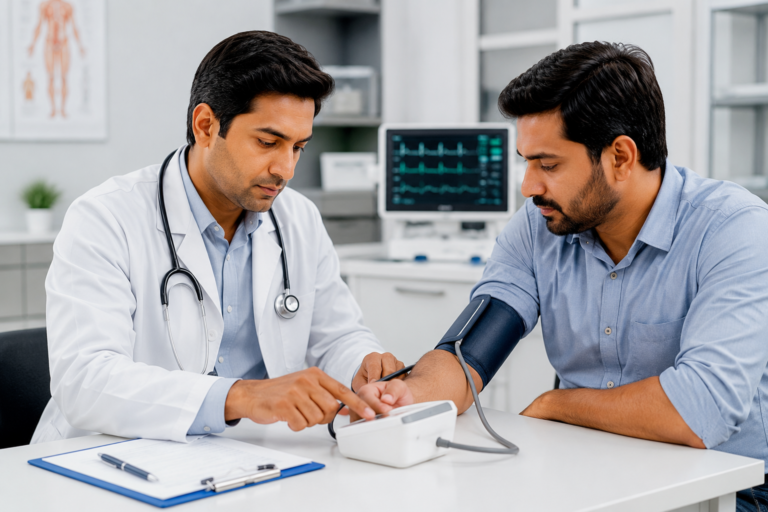
Doctors do not diagnose hypertension based on a single high blood pressure reading. Instead, multiple readings taken on different days are usually required to confirm the diagnosis.
Blood Pressure Measurement
A blood pressure monitor measures:
- Systolic pressure
- Diastolic pressure
Your doctor may also recommend home blood pressure monitoring to obtain more accurate readings.
Medical History
During your appointment, your healthcare provider may ask about:
- Family history
- Smoking habits
- Alcohol consumption
- Physical activity
- Diet
- Existing medical conditions
- Current medications
These details help identify possible causes of high blood pressure.
Physical Examination
A physical examination allows your doctor to evaluate your heart, blood vessels, kidneys, and overall cardiovascular health.
Laboratory Tests
Additional tests may include:
- Blood glucose test
- Kidney function tests
- Electrolyte levels
- Urine analysis
- Cholesterol testing
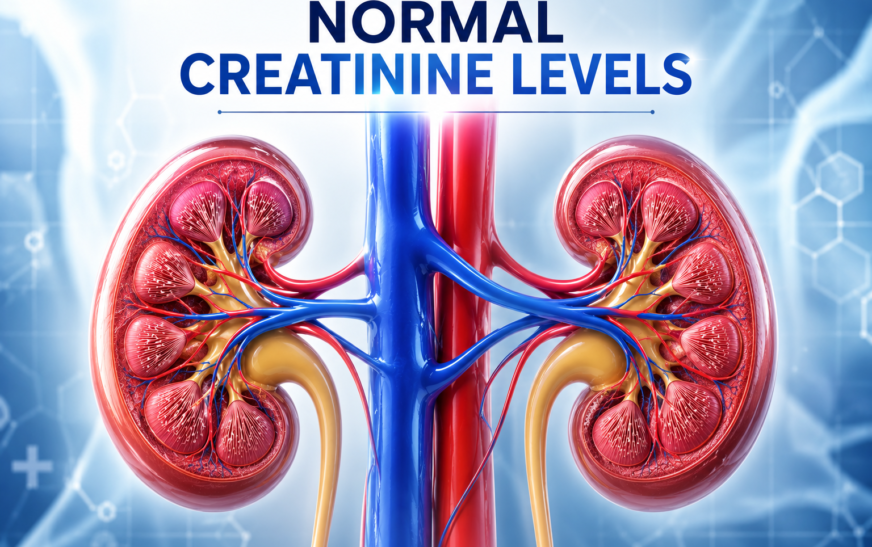
A Creatinine Blood Test helps evaluate kidney function because kidney disease can both cause and result from long-term high blood pressure.
Similarly, a CBC Report provides valuable information about your overall health and may help identify underlying medical conditions requiring further investigation.
Complications of Untreated Hypertension
Without proper treatment, Hypertension can gradually damage major organs throughout the body.
Heart Disease
Long-term high blood pressure forces the heart to work harder, increasing the risk of:
- Heart attack
- Heart failure
- Enlarged heart
- Coronary artery disease
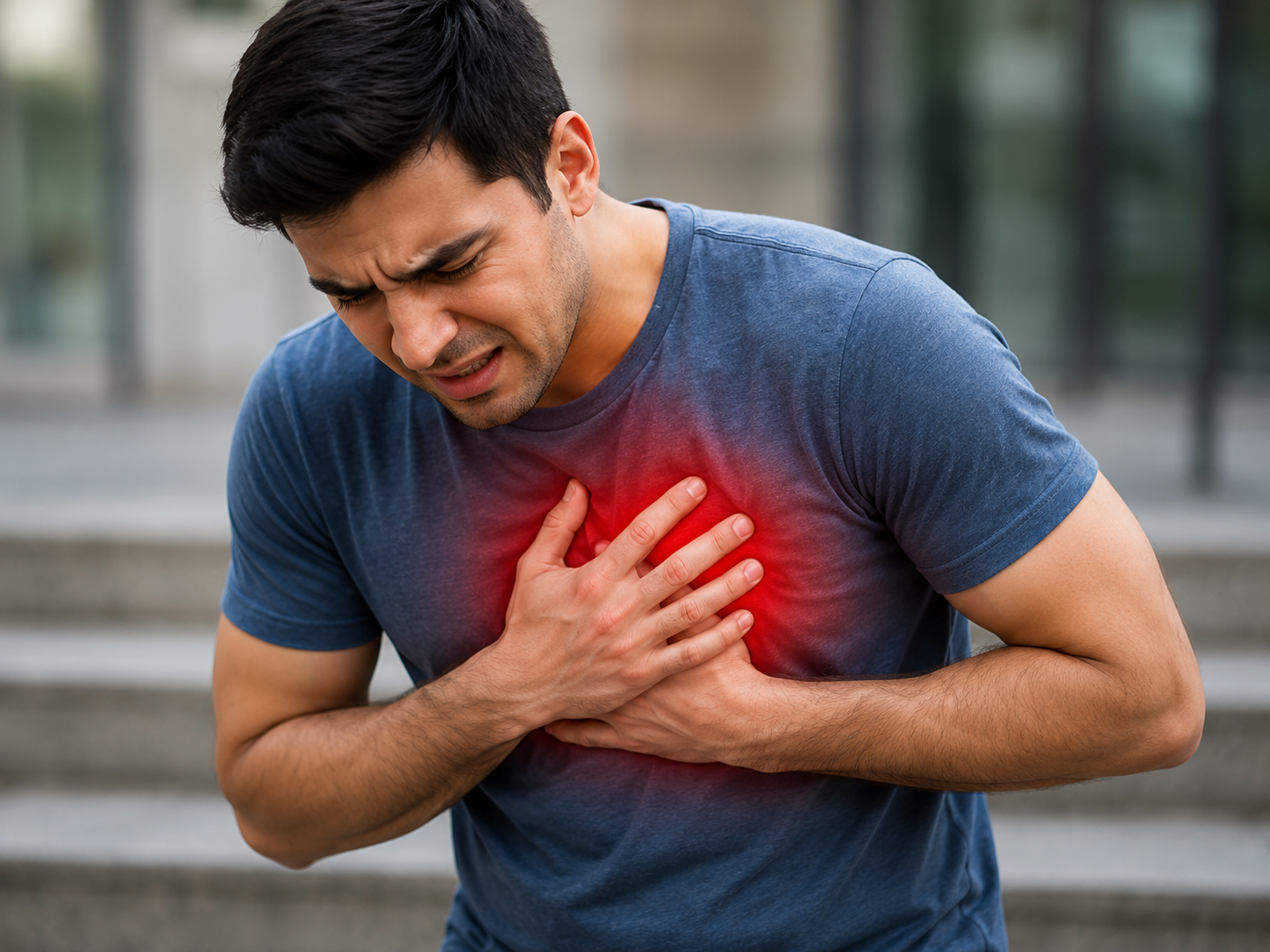
Young adults with uncontrolled blood pressure are also at increased risk of early cardiovascular disease. Learn more about the warning signs in our guide on Heart Attack in Young Adults.
Stroke
Persistently high blood pressure damages blood vessels in the brain, increasing the likelihood of ischemic and hemorrhagic strokes.
Kidney Damage
The kidneys depend on healthy blood vessels to filter waste from the blood. Over time, uncontrolled high blood pressure can reduce kidney function and eventually lead to chronic kidney disease.
Monitoring kidney health through a Creatinine Blood Test can help detect problems early.
Vision Problems
High blood pressure may damage the delicate blood vessels in the eyes, leading to blurred vision or permanent vision loss if left untreated.
Brain and Memory Problems
Studies have shown that uncontrolled Hypertension may contribute to memory loss, cognitive decline, and an increased risk of dementia later in life.
Damage to Blood Vessels
Persistent high blood pressure weakens artery walls, increasing the risk of aneurysms and other vascular diseases.
Treatment for Hypertension
The treatment of Hypertension depends on your blood pressure level, age, overall health, and the presence of other medical conditions. In many cases, doctors recommend combining
lifestyle changes with medication to achieve better blood pressure control and reduce the risk of long-term complications.
Lifestyle Changes
For many people, adopting healthier daily habits can significantly improve blood pressure levels.
Doctors commonly recommend:
- Reduce salt intake to less than 5 grams per day.
- Eat a balanced diet rich in fruits and vegetables.
- Maintain a healthy body weight.
- Exercise for at least 150 minutes per week.
- Quit smoking and avoid tobacco products.
- Limit alcohol consumption.
- Get 7–9 hours of quality sleep every night.
- Manage stress through meditation, yoga, or deep breathing exercises.
If you’re trying to lose weight, Intermittent Fasting may support weight management when combined with a balanced diet and regular physical activity. However, it should only be followed under medical guidance, especially if you have diabetes or take blood pressure medications.
Medications for Hypertension
When lifestyle changes alone are not enough, your doctor may prescribe one or more medications.
Common medicines include:
- ACE inhibitors
- Angiotensin II receptor blockers (ARBs)
- Calcium channel blockers
- Diuretics
- Beta-blockers
The choice of medication depends on your age, blood pressure readings, kidney function, and other medical conditions. Never stop taking prescribed medicines without consulting your healthcare provider.
If you are already taking Common Medicines for chronic conditions, always inform your doctor before starting a new blood pressure medication to avoid possible drug interactions.
Best Foods for Hypertension
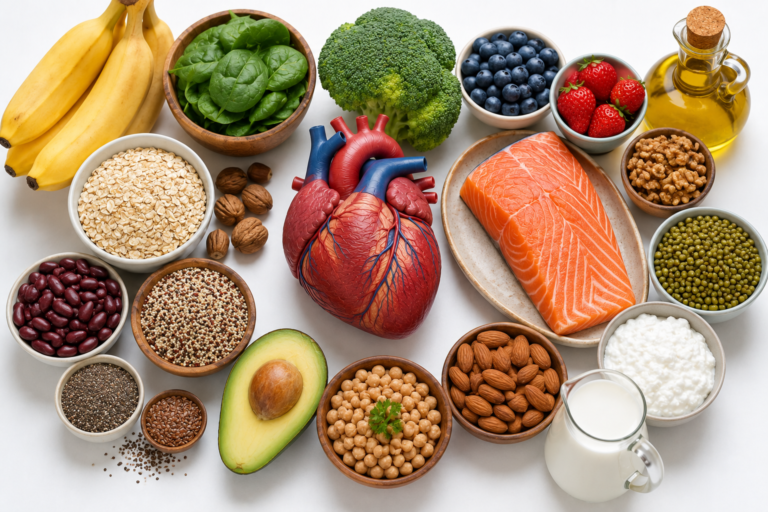
A heart-friendly diet plays an important role in controlling high blood pressure. Eating nutrient-rich foods can help improve circulation, reduce sodium intake, and support overall cardiovascular health.
Include the following foods in your daily diet:
- Leafy green vegetables
- Bananas
- Berries
- Oats
- Brown rice
- Whole grains
- Beans and lentils
- Low-fat milk and yogurt
- Salmon and other omega-3-rich fish
- Unsalted nuts and seeds
- Olive oil
- Garlic
- Tomatoes
- Citrus fruits
These foods are rich in potassium, magnesium, fibre, and healthy fats, all of which support healthy blood pressure.
Foods to Avoid
People living with Hypertension should reduce or avoid foods that increase blood pressure.
These include:
- Processed foods
- Fast food
- Salty snacks
- Instant noodles
- Pickles
- Processed meat
- Sugary drinks
- Bakery products high in trans fat
- Excess caffeine
- Excess alcohol
Reading nutrition labels and choosing low-sodium products can help maintain healthier blood pressure levels.
Can Hypertension Be Prevented?
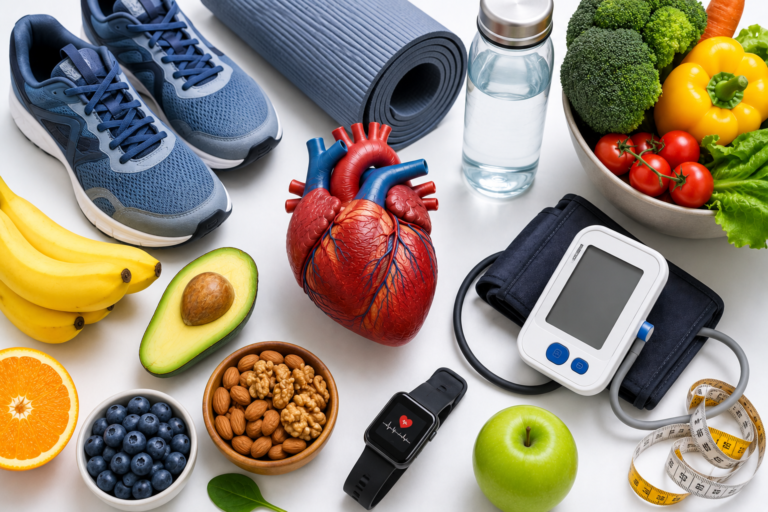
Although not every case can be prevented, healthy lifestyle habits greatly reduce the risk of developing hypertension.
Simple prevention tips include:
- Check your blood pressure regularly.
- Eat a balanced, low-sodium diet.
- Stay physically active.
- Maintain a healthy weight.
- Quit smoking.
- Limit alcohol intake.
- Manage stress effectively.
- Get enough sleep every night.
- Take medicines exactly as prescribed.
- Attend regular health check-ups.
Our guide on Preventive Healthcare explains how routine health screenings help identify chronic diseases early and improve long-term health outcomes.
The World Health Organization (WHO) – Hypertension recommends reducing salt intake, staying physically active, maintaining a healthy weight, and avoiding tobacco use to lower the risk of developing high blood pressure.
When Should You See a Doctor?
Consult your healthcare provider if:
- Your blood pressure remains 130/80 mmHg or higher on repeated measurements.
- You experience frequent headaches, dizziness, or blurred vision.
- You have diabetes, kidney disease, or a family history of high blood pressure.
- Lifestyle changes are not improving your blood pressure.
Seek emergency medical care immediately if your blood pressure reaches 180/120 mmHg or higher, especially if you experience:
- Chest pain
- Difficulty breathing
- Severe headache
- Confusion
- Vision changes
- Weakness or numbness
Prompt medical attention can prevent life-threatening complications.
Living with Hypertension
A diagnosis of Hypertension does not mean you cannot live a healthy and active life. Many people successfully manage high blood pressure through regular monitoring, healthy eating,
exercise, medication, and stress management.
If you also have Diabetes or abnormal Cholesterol levels, following your doctor’s advice and attending routine health check-ups becomes even more important because these conditions
often occur together and increase cardiovascular risk.
Small daily improvements can make a significant difference in protecting your heart, kidneys, brain, and overall well-being.
Frequently Asked Questions (FAQs)
What is hypertension?
Hypertension is a condition in which blood pressure remains consistently higher than normal, increasing the risk of heart disease, stroke, kidney disease, and other serious health complications.
What are the early symptoms of hypertension?
Most people with high blood pressure have no symptoms. However, severe cases may cause headaches, dizziness, blurred vision, chest pain, shortness of breath, or nosebleeds.
What causes hypertension?
Common causes include excessive salt intake, obesity, physical inactivity, smoking, excessive alcohol consumption, chronic stress, family history, kidney disease, and diabetes.
What is the normal blood pressure range?
A normal blood pressure reading is less than 120/80 mmHg. Higher readings may indicate elevated blood pressure or hypertension depending on their severity.
Can hypertension be cured?
Hypertension usually cannot be permanently cured, but it can be effectively managed through lifestyle changes, regular monitoring, and prescribed medications.
What foods should I avoid if I have hypertension?
Limit processed foods, fast food, salty snacks, processed meat, sugary drinks, foods high in trans fats, and excessive alcohol to help control blood pressure.
Is hypertension common in young adults?
Yes. Although it is more common in older adults, obesity, stress, smoking, poor diet, and lack of exercise have increased the number of young adults diagnosed with high blood pressure.
When should I seek emergency care for hypertension?
Seek immediate medical attention if your blood pressure reaches 180/120 mmHg or higher, especially if it is accompanied by chest pain, severe headache, confusion, difficulty breathing, or vision changes.
Conclusion
Hypertension is one of the most common yet preventable health conditions worldwide. Because it often develops without noticeable symptoms, regular blood pressure monitoring is essential for early detection. Left untreated, it can lead to serious complications such as heart attack, stroke, kidney disease, vision loss, and heart failure.
The good news is that high blood pressure can usually be controlled through healthy lifestyle choices, timely diagnosis, and appropriate medical treatment. Eating a balanced diet, staying physically active, managing stress, and following your healthcare provider’s advice can greatly reduce your risk of complications.
If you have risk factors such as obesity, diabetes, high cholesterol, or a family history of cardiovascular disease, don’t wait for symptoms to appear. Early action is the best way to protect your heart and maintain long-term health.
For the latest evidence-based recommendations on preventing and managing high blood pressure, refer to the National Heart, Lung, and Blood Institute (NHLBI) – High Blood Pressure.