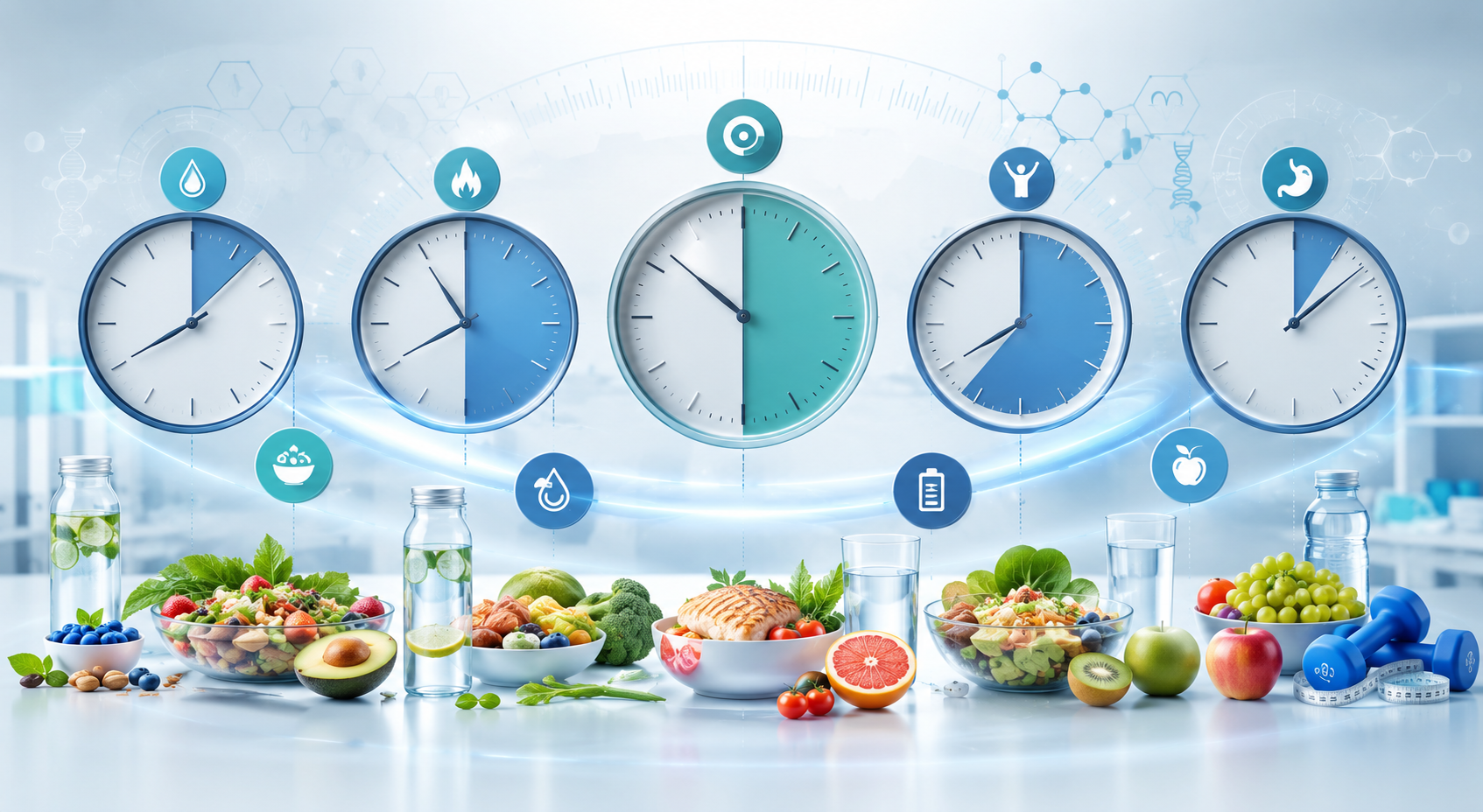

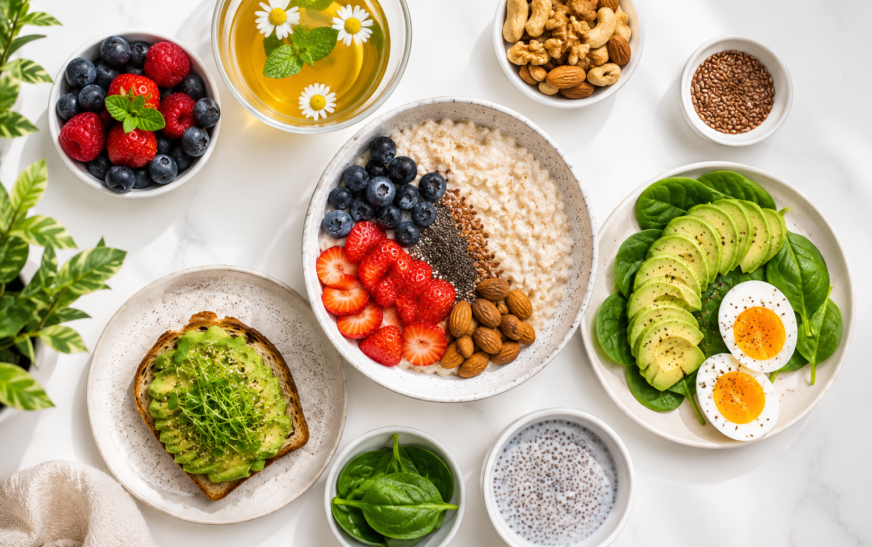
Polycystic Ovary Syndrome (PCOS) is one of the most common hormonal disorders affecting women of reproductive age. It can lead to irregular periods, weight gain, acne, excessive hair growth, infertility, and insulin resistance. While there is no permanent cure for PCOS, following the right PCOS diet plan can significantly improve symptoms, support hormone balance, and reduce long-term health risks.
A healthy PCOS diet plan focuses on whole foods, lean proteins, healthy fats, and high-fiber carbohydrates that help stabilize blood sugar levels. When combined with regular exercise and healthy lifestyle habits, a balanced diet can make managing PCOS much easier. Since insulin resistance is common in women with PCOS, keeping track of blood sugar is equally important. You can also read our guide on Intermittent Fasting to understand how meal timing may support better metabolic health.
In this complete guide, you’ll learn the best foods to eat, foods to avoid, meal planning tips, and practical dietary strategies that can help improve hormonal balance naturally.
Table of Contents
ToggleWhat Is PCOS?
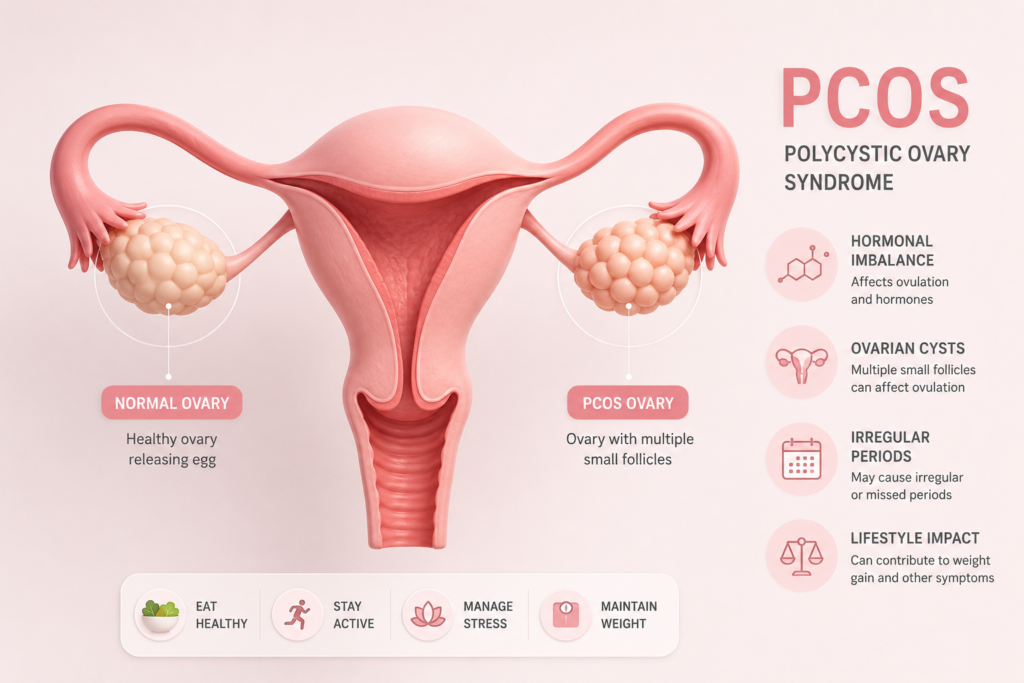
Polycystic Ovary Syndrome (PCOS) is a hormonal condition in which the ovaries produce higher-than-normal levels of androgens (male hormones). These hormonal changes can interfere with ovulation, causing irregular menstrual cycles and multiple small follicles to develop in the ovaries.
Common symptoms include:
- Irregular or missed periods
- Weight gain, especially around the abdomen
- Acne and oily skin
- Excess facial or body hair
- Hair thinning or hair loss
- Difficulty getting pregnant
- Dark patches on the skin
- Mood changes
PCOS affects every woman differently. Some experience only mild symptoms, while others struggle with multiple health concerns.
Why Is Diet Important for PCOS?
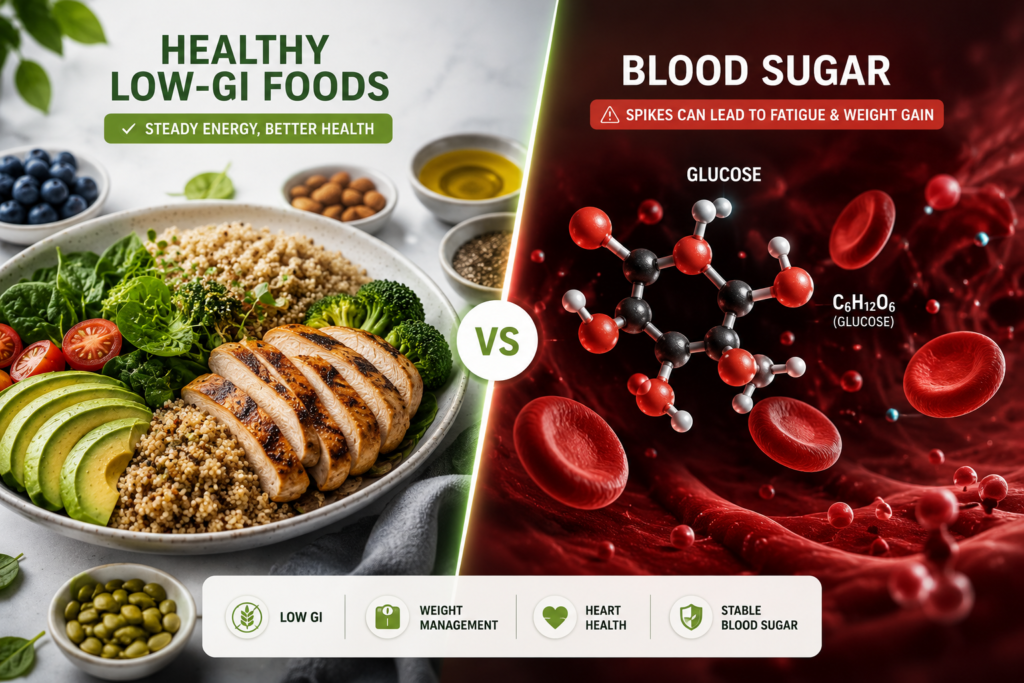
Diet plays a major role in controlling PCOS symptoms because it directly affects insulin levels, inflammation, hormone production, and body weight.
Many women with PCOS have insulin resistance, where the body’s cells don’t respond effectively to insulin. As a result, the pancreas produces more insulin, which can increase androgen production and worsen symptoms like acne, weight gain, and irregular periods.
A well-balanced PCOS diet plan can help:
- Improve insulin sensitivity
- Balance hormone levels
- Support healthy weight management
- Reduce inflammation
- Improve ovulation
- Lower cholesterol levels
- Reduce the risk of type 2 diabetes
Maintaining healthy blood sugar is equally important for women with PCOS. Our detailed guide on HbA1c Test explains how long-term blood sugar monitoring helps assess diabetes risk.
According to the International Evidence-Based Guideline for the Assessment and Management of PCOS , healthy eating and regular physical activity are considered first-line treatments for managing PCOS symptoms.
Principles of the Best PCOS Diet Plan
Instead of following restrictive diets, focus on sustainable eating habits that nourish your body and improve hormone health.
1. Choose Low Glycemic Index (GI) Foods
Low GI foods release glucose slowly into the bloodstream, preventing sudden blood sugar spikes.
Examples include:
- Oats
- Brown rice
- Quinoa
- Sweet potatoes
- Lentils
- Chickpeas
- Beans
These foods improve insulin sensitivity and provide long-lasting energy.
2. Eat More Fiber
Fiber slows digestion and helps regulate blood sugar levels.
High-fiber foods include:
- Broccoli
- Spinach
- Carrots
- Apples
- Pears
- Berries
- Chia seeds
- Flaxseeds
Women with PCOS should aim for plenty of vegetables and fruits every day.
3. Include Lean Protein
Protein helps maintain muscle mass, keeps you full for longer, and reduces cravings.
Healthy protein sources include:
- Eggs
- Chicken breast
- Fish
- Tofu
- Paneer (low-fat)
- Greek yogurt
- Lentils
- Chickpeas
Including protein with every meal supports stable blood sugar levels.
4. Add Healthy Fats
Healthy fats support hormone production and reduce inflammation.
Choose foods like:
- Avocados
- Almonds
- Walnuts
- Olive oil
- Pumpkin seeds
- Sunflower seeds
- Fatty fish
Healthy fats may also improve heart health. To understand how dietary fats affect cholesterol, read our guide on Cholesterol.
5. Stay Hydrated
Water supports metabolism, digestion, and overall health.
Aim for:
- 2–3 liters of water daily
- Herbal teas without added sugar
- Lemon water
- Coconut water (in moderation)
Avoid sugary drinks whenever possible.
Best Foods to Eat in a PCOS Diet Plan
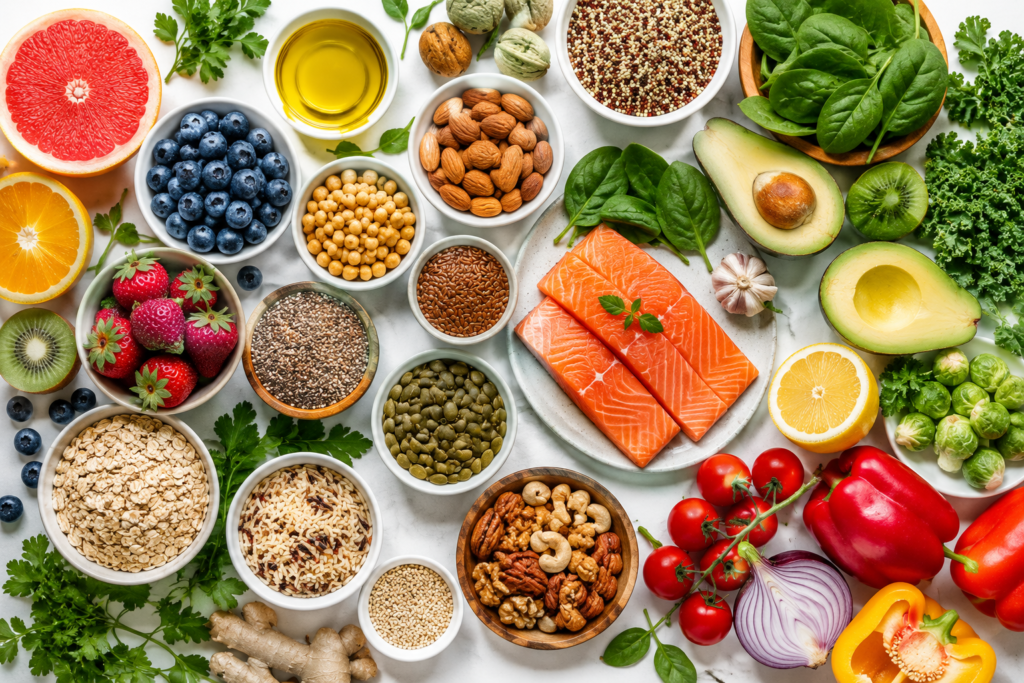
The success of a PCOS diet plan depends on choosing nutrient-rich foods that help balance hormones and reduce insulin resistance.
Whole Grains
Whole grains provide fiber, vitamins, and minerals while keeping blood sugar stable.
Examples include:
- Brown rice
- Oats
- Whole wheat
- Barley
- Millets
- Quinoa
Green Leafy Vegetables
Leafy greens are rich in iron, magnesium, folate, and antioxidants.
Best choices:
- Spinach
- Kale
- Fenugreek leaves
- Mustard greens
- Lettuce
These vegetables are naturally low in calories and high in nutrients.
Fresh Fruits
Most fruits are suitable when eaten in moderation.
Choose:
- Apples
- Pears
- Oranges
- Berries
- Kiwi
- Guava
Limit fruit juices because they contain less fiber and can raise blood sugar quickly.
Healthy Protein Sources
Protein should be included in every meal.
Good options:
- Eggs
- Fish
- Chicken
- Turkey
- Paneer
- Tofu
- Beans
- Lentils
Protein helps reduce hunger and supports healthy metabolism.
Healthy Snacks
Instead of processed snacks, choose:
- Mixed nuts
- Roasted chickpeas
- Seeds
- Greek yogurt
- Fresh fruit
- Cottage cheese
Healthy snacks prevent overeating between meals.
Foods to Avoid in a PCOS Diet Plan
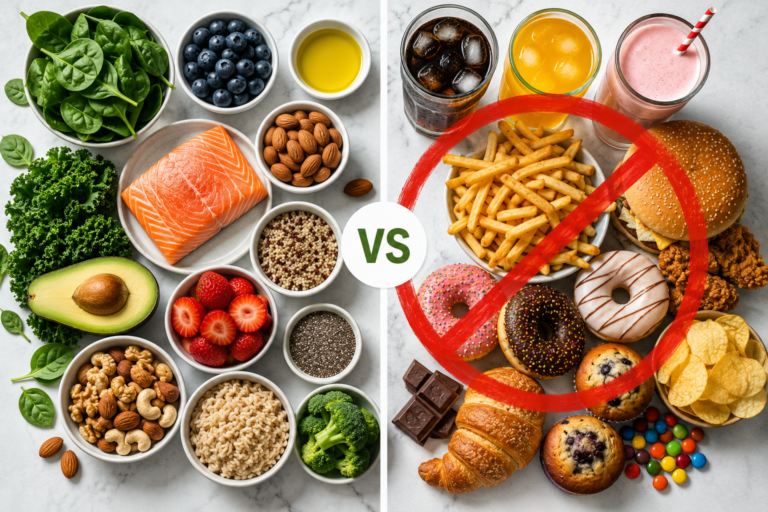
Certain foods can worsen insulin resistance, increase inflammation, and make hormonal imbalance more severe.
Sugary Foods
Avoid:
- Soft drinks
- Candy
- Cakes
- Cookies
- Ice cream
- Sweetened cereals
Excess sugar increases insulin levels and contributes to weight gain.
Refined Carbohydrates
Reduce intake of:
- White bread
- White rice
- Pastries
- Instant noodles
- Pizza
- Bakery products
These foods digest quickly and cause rapid blood sugar spikes.
Processed Foods
Processed foods often contain unhealthy fats, excess sodium, preservatives, and added sugars.
Examples include:
- Chips
- Packaged snacks
- Frozen meals
- Processed meats
- Fast food
Frequent consumption may increase inflammation and worsen PCOS symptoms.
Fried Foods
Deep-fried foods are usually high in unhealthy fats and calories.
Limit:
- French fries
- Fried chicken
- Pakoras
- Samosas
- Fried snacks
Instead, choose grilled, baked, roasted, or steamed alternatives.
High-Sugar Beverages
Avoid drinks like:
- Soft drinks
- Energy drinks
- Sweetened coffee
- Sweetened tea
- Packaged fruit juices
Water, unsweetened tea, and infused water are healthier alternatives.
7-Day PCOS Diet Plan
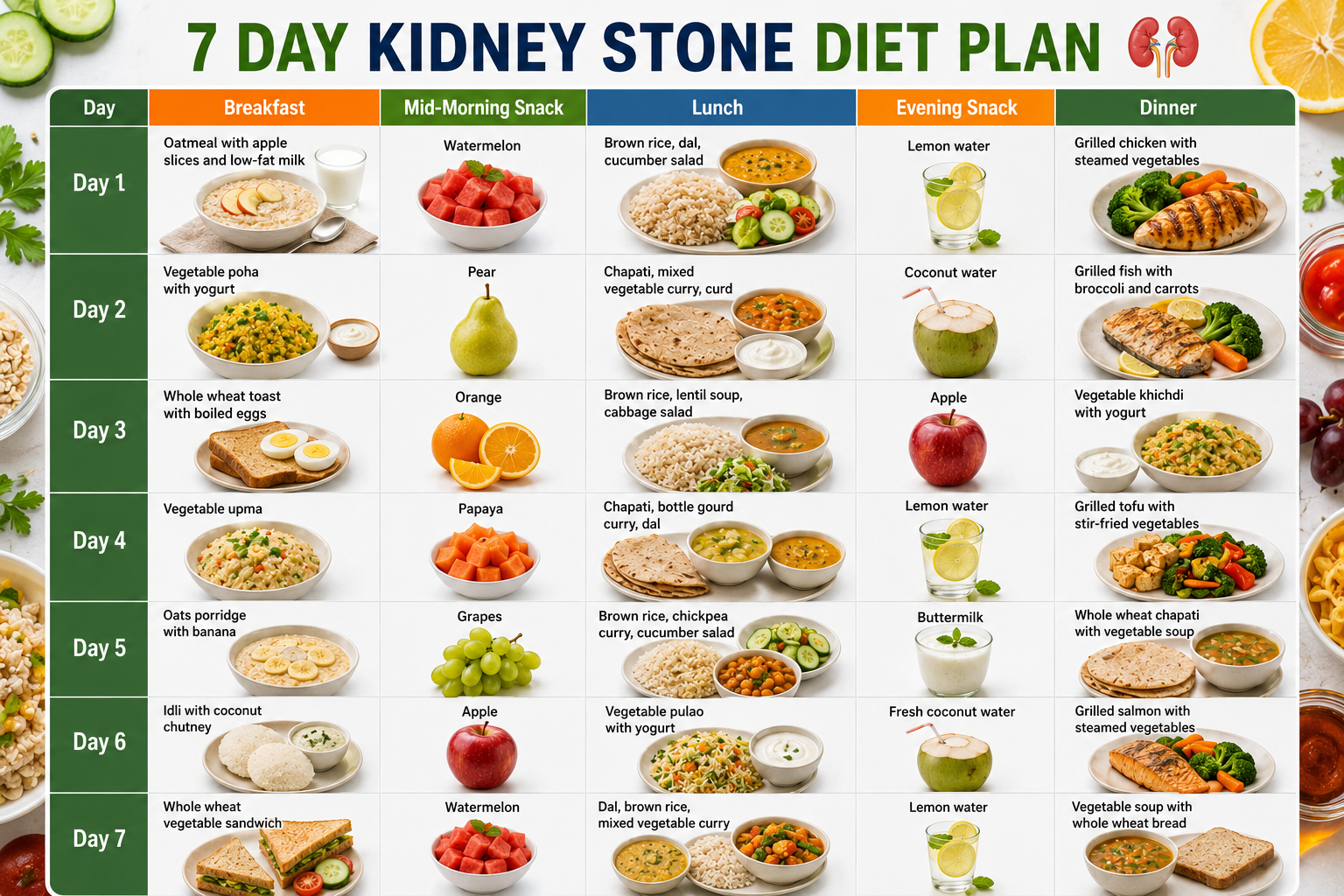
Following a structured PCOS diet plan makes it easier to maintain healthy eating habits and avoid unhealthy food choices. The sample meal plan below focuses on high-fiber foods, lean protein, healthy fats, and low glycemic carbohydrates that support hormonal balance.
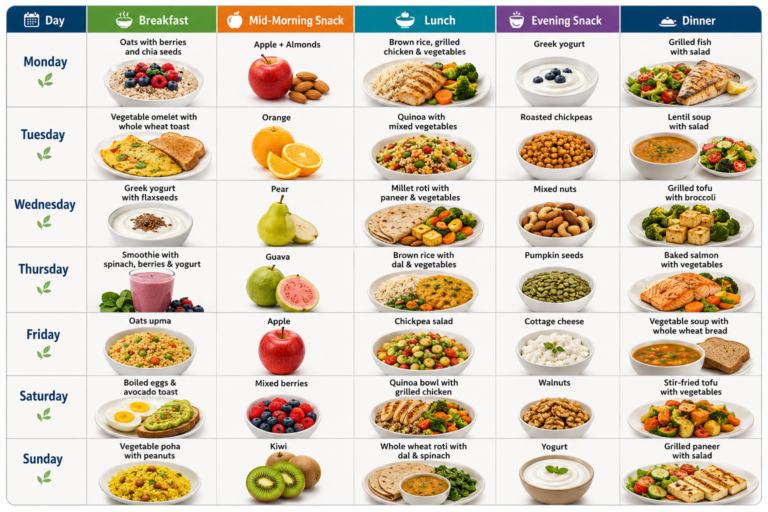
This sample PCOS meal plan provides balanced nutrition while helping regulate blood sugar levels.
Best Drinks for PCOS
Choosing healthy beverages is just as important as selecting the right foods in a PCOS diet plan.
Best Drinks
- Plain water
- Lemon water (without sugar)
- Green tea
- Herbal tea
- Coconut water (in moderation)
- Buttermilk
- Unsweetened almond milk
Green tea contains antioxidants that may help reduce inflammation and support metabolism. According to Harvard Healthy Eating Plate, replacing sugary beverages with water is an important step toward better overall health.
Foods to Limit vs Foods to Avoid
Foods to Limit | Foods to Avoid |
White rice | Sugary soft drinks |
White bread | Cakes & pastries |
Potatoes | Candy |
Sweetened yogurt | Energy drinks |
Fruit juice | Packaged juices |
Flavored coffee | Fast food |
Butter | Deep-fried snacks |
Processed cereals | Processed meats |
Completely avoiding processed and sugary foods can improve the effectiveness of your PCOS diet plan.
Lifestyle Tips to Support a PCOS Diet Plan
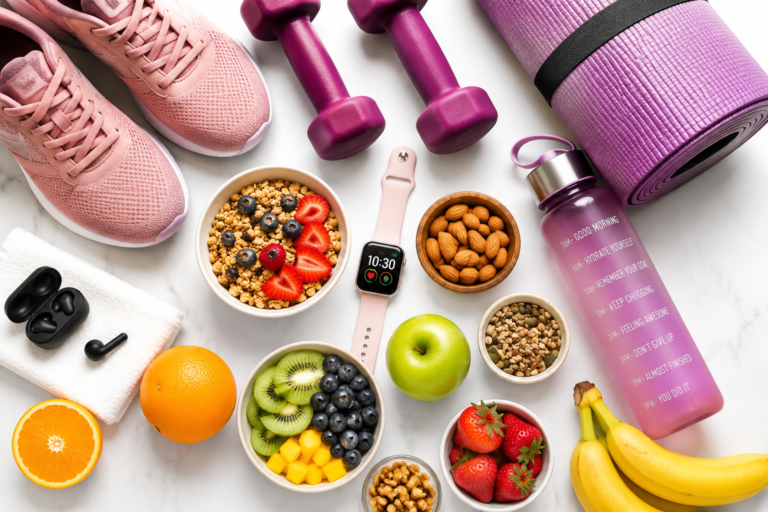
Diet alone isn’t enough to manage PCOS effectively. Healthy lifestyle habits can improve hormone balance and overall well-being.
1. Exercise Regularly
Aim for at least 150 minutes of moderate exercise every week.
Good options include:
- Walking
- Cycling
- Strength training
- Yoga
- Swimming
Regular exercise improves insulin sensitivity and supports healthy weight management.
2. Maintain a Healthy Weight
Even losing 5–10% of body weight may improve hormone levels, menstrual cycles, and fertility in many women with PCOS.
3. Sleep Well
Poor sleep can increase stress hormones and worsen insulin resistance.
Aim for:
- 7–9 hours of quality sleep
- Fixed bedtime routine
- Limited screen time before bed
4. Manage Stress
Chronic stress affects hormone production.
Helpful stress-management techniques include:
- Meditation
- Deep breathing
- Yoga
- Journaling
- Spending time outdoors
5. Monitor Your Health Regularly
Women with PCOS have a higher risk of insulin resistance, diabetes, and high cholesterol.
Regular health tests are important. You can learn more in our guides on Lipid Profile Test and Thyroid Blood Test, as thyroid disorders can sometimes cause symptoms similar to PCOS.
Common Mistakes to Avoid in a PCOS Diet Plan
Avoid these common mistakes that can slow your progress:
- Skipping breakfast
- Eating too much sugar
- Following crash diets
- Drinking sugary beverages daily
- Ignoring protein intake
- Eating very little fiber
- Sleeping less than 7 hours
- Not exercising regularly
- Depending only on supplements
- Expecting instant results
Consistency is far more effective than following extreme diets for a short period.
Frequently Asked Questions (FAQs)
What is the best PCOS diet plan?
The best PCOS diet plan includes whole grains, vegetables, fruits, lean protein, healthy fats, and low glycemic foods while limiting sugar and processed foods.
Which foods should women with PCOS avoid?
Women with PCOS should avoid sugary drinks, refined carbohydrates, deep-fried foods, processed snacks, and excessive sweets.
Can diet cure PCOS?
No. Diet cannot cure PCOS, but a healthy PCOS diet plan can help reduce symptoms, improve insulin sensitivity, support weight management, and balance hormones.
Is intermittent fasting good for PCOS?
Some women may benefit from intermittent fasting, but it should only be followed after consulting a healthcare professional. Read our guide on Intermittent Fasting to understand its potential benefits and precautions.
Is dairy bad for PCOS?
Not necessarily. Low-fat, unsweetened dairy products like Greek yogurt and milk can be included unless they worsen your symptoms or your healthcare provider advises otherwise.
Conclusion
Managing PCOS doesn’t require strict dieting—it requires consistency and healthier food choices. A balanced PCOS diet plan rich in vegetables, whole grains, lean protein, healthy fats, and fiber can improve insulin sensitivity, reduce inflammation, and support hormonal balance. Combined with regular exercise, quality sleep, stress management, and routine health checkups, these habits can help you manage PCOS more effectively and improve your overall quality of life.
If you have persistent symptoms or are planning a pregnancy, consult a qualified healthcare professional or registered dietitian for personalized dietary advice.