

Intermittent Fasting has become one of the most popular health and nutrition approaches worldwide. Unlike traditional diets that focus on what you eat, Intermittent Fasting focuses on when you eat. By alternating between periods of eating and fasting, many people aim to improve their overall health, manage weight, and support better metabolic function as part of a Preventive Healthcare routine.
Research suggests that intermittent fasting may offer several health benefits, including improved blood sugar regulation, better heart health, enhanced brain function, and weight management. However, like any dietary approach, it is not suitable for everyone. Some individuals may experience side effects, especially during the initial stages or if fasting is not followed correctly.
Whether your goal is to lose weight, improve energy levels, or maintain long-term wellness through Preventive Healthcare, understanding the science behind Intermittent Fasting can help you make informed decisions.
Table of Contents
ToggleWhat is Intermittent Fasting?

Intermittent Fasting is an eating pattern that alternates between periods of eating and fasting. Rather than restricting specific foods, it focuses on limiting the hours during which food is consumed.
During the fasting period, your body uses stored energy after depleting available glucose. This metabolic switch encourages the body to burn stored fat for fuel. Many researchers believe this process contributes to several potential health benefits, including improved insulin sensitivity and better metabolic health.
Unlike crash diets, Intermittent Fasting doesn’t necessarily require calorie counting. Instead, it encourages structured meal timing while maintaining a balanced and nutritious diet.
Some people follow fasting for weight management, while others adopt it to improve overall health, reduce inflammation, or support healthy aging.
How Does Intermittent Fasting Work?
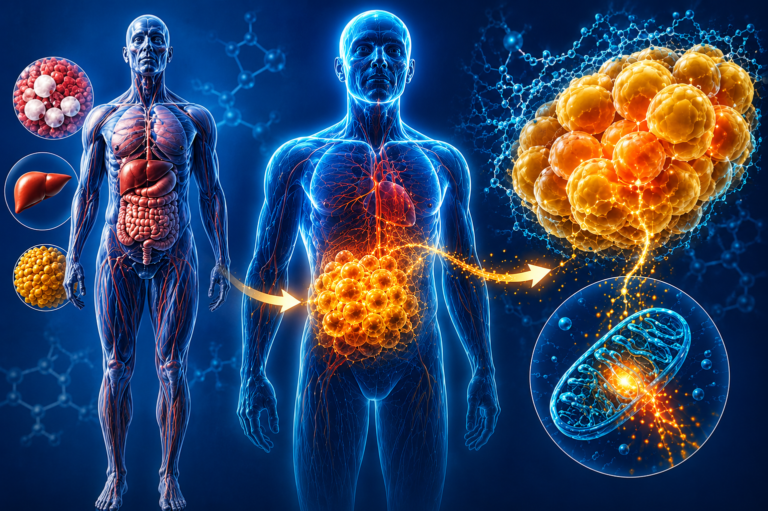
The human body primarily relies on glucose from food for energy. After eating, glucose enters the bloodstream, and insulin helps transport it into cells. During fasting, glucose levels gradually decrease, causing insulin levels to fall as well.
As fasting continues, the body begins using stored fat as its primary energy source. This process is commonly known as the metabolic switch.
Several biological changes occur during Intermittent Fasting, including:
Lower Insulin Levels
Reduced insulin levels make it easier for the body to access stored fat for energy. Improved insulin sensitivity may also help regulate blood sugar levels over time.
Increased Fat Burning
When carbohydrate stores become limited, the body starts breaking down stored fat into fatty acids and ketones, which provide energy during fasting periods.
This mechanism explains why many people choose Intermittent Fasting for weight loss.
Cellular Repair
Research indicates that fasting may activate cellular repair processes, including autophagy, where damaged cells are broken down and recycled. Scientists continue to study how this process may contribute to healthy aging and disease prevention.
Hormonal Changes
Fasting may increase levels of human growth hormone (HGH), which supports muscle maintenance and fat metabolism. It may also improve several metabolic markers associated with long-term health.
Different Types of Intermittent Fasting
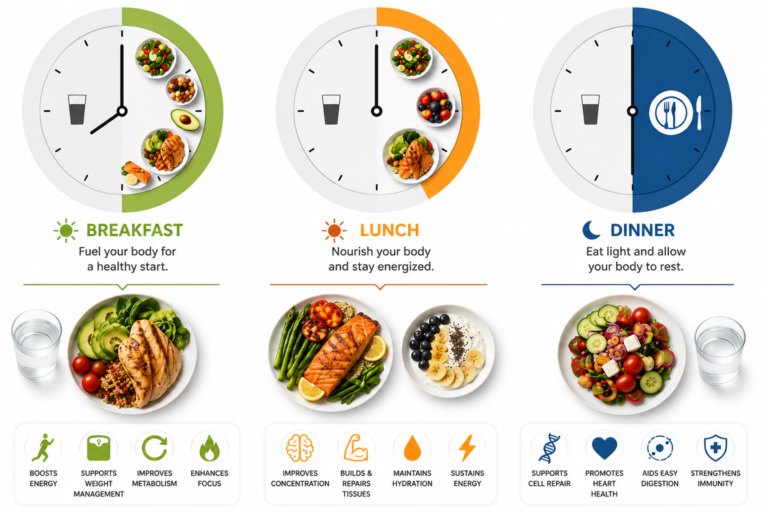
There isn’t a single approach to Intermittent Fasting. People choose different fasting schedules depending on their lifestyle and health goals.
16:8 Method
This is the most common fasting schedule.
- Fast for 16 hours
- Eat during an 8-hour window
Many beginners find this method easier because part of the fasting period occurs while sleeping.
5:2 Diet
In this approach:
- Eat normally for five days each week.
- Reduce calorie intake significantly on two non-consecutive days.
Eat-Stop-Eat
This method involves fasting for a full 24 hours once or twice per week. It requires careful planning and may not be suitable for beginners.
Alternate-Day Fasting
People alternate between regular eating days and fasting days. Some versions allow a small number of calories during fasting periods.
Because this method is more restrictive, it should ideally be followed under professional guidance.
Benefits of Intermittent Fasting

Scientific studies continue to explore the long-term effects of Intermittent Fasting. Although individual results vary, several potential benefits have been consistently observed.
1. Supports Healthy Weight Management
One of the biggest reasons people choose Intermittent Fasting is weight management. Eating within a limited time window often reduces overall calorie intake naturally while encouraging the body to burn stored fat.
Regular physical activity combined with healthy food choices may improve results even further.
2. May Improve Blood Sugar Control
Several studies suggest that Intermittent Fasting may improve insulin sensitivity and support healthy blood sugar regulation in certain individuals.
However, people living with diabetes should never begin fasting without consulting a healthcare professional, as medication adjustments may be necessary.
3. May Support Heart Health
Some research suggests that Intermittent Fasting may help improve heart health by supporting healthy cholesterol levels, reducing blood pressure, and lowering inflammation. These factors are associated with a reduced risk of cardiovascular disease. However, results can vary depending on an individual’s overall diet and lifestyle.
A heart-friendly eating plan that includes fruits, vegetables, whole grains, and healthy fats can further enhance these benefits.
4. May Improve Brain Function
Studies suggest that intermittent fasting may support brain health by reducing oxidative stress and promoting the production of brain-derived neurotrophic factor (BDNF), a protein associated with learning and memory.
Researchers are also investigating whether fasting may help reduce the risk of age-related cognitive decline. While early findings are promising, more long-term human studies are needed.
5. May Reduce Inflammation
Chronic inflammation is linked to several health conditions, including heart disease, diabetes, and obesity. Some studies indicate that Intermittent Fasting may help lower inflammatory markers, supporting overall wellness.
Reducing processed foods, maintaining a healthy weight, and staying physically active can further support these effects.
6. May Improve Insulin Sensitivity
Improved insulin sensitivity allows the body to use insulin more efficiently, helping regulate blood sugar levels. This may benefit some individuals with insulin resistance, but fasting should always be discussed with a healthcare provider before making changes to diabetes management.
7. May Encourage Healthy Lifestyle Habits
Many people find that Intermittent Fasting encourages mindful eating. Planning meals within a specific eating window often reduces unnecessary snacking and promotes healthier food choices.
However, fasting is most effective when combined with a balanced diet, regular exercise, adequate sleep, and stress management.
Side Effects of Intermittent Fasting

Although Intermittent Fasting offers several potential health benefits, it may also cause side effects, particularly during the adjustment period.
Hunger and Food Cravings
Feeling hungry is one of the most common experiences when starting Intermittent Fasting. Hunger usually becomes more manageable as the body adapts to the new eating schedule.
Fatigue and Low Energy
Some individuals may feel tired, especially during the first few weeks. Staying hydrated, eating nutrient-rich meals, and getting enough sleep may help reduce fatigue.
Headaches
Headaches can occur due to dehydration, caffeine withdrawal, or changes in eating patterns. Drinking enough water and avoiding long fasting periods in the beginning may help.
Dizziness
Low blood sugar or inadequate hydration can cause dizziness. Individuals experiencing severe dizziness should stop fasting and consult a healthcare professional.
Digestive Issues
Some people experience bloating, constipation, or stomach discomfort if they consume large meals after fasting. Eating balanced meals with sufficient fiber and fluids may reduce digestive problems.
Nutrient Deficiencies
Poor meal planning during eating windows can result in inadequate intake of vitamins, minerals, protein, and healthy fats. Choosing nutrient-dense foods is essential for maintaining good health.
Who Should Avoid Intermittent Fasting?

Intermittent Fasting may not be appropriate for everyone. It is important to seek medical advice before starting if you:
- Have Type 1 diabetes or use insulin regularly.
- Are pregnant or breastfeeding.
- I have a history of eating disorders.
- Are underweight or malnourished.
- Are taking medications that require food.
- Have chronic kidney disease or liver disease.
- Are recovering from surgery or serious illness.
Individuals with existing medical conditions should always consult a healthcare provider before making major dietary changes.
Tips to Follow Intermittent Fasting Safely
Following Intermittent Fasting correctly can help maximize its benefits while reducing the risk of side effects.
Stay Hydrated
Drink plenty of water throughout the day. Unsweetened tea and black coffee are generally acceptable during fasting periods unless advised otherwise by your healthcare provider.
Eat Balanced Meals
Include:
- Lean protein
- Whole grains
- Fruits
- Vegetables
- Healthy fats
- Fiber-rich foods
Balanced nutrition helps maintain energy levels and reduces hunger.
Avoid Overeating
Eating excessive amounts of food during your eating window can reduce the potential benefits of Intermittent Fasting. Focus on portion control and mindful eating.
Start Slowly
Beginners may find it easier to start with a 12-hour fasting window before gradually progressing to a 14:10 or 16:8 schedule.
Listen to Your Body
If you experience severe weakness, dizziness, fainting, or persistent discomfort, discontinue fasting and seek medical advice.
Frequently Asked Questions (FAQs)
What Is Intermittent Fasting?
Intermittent Fasting is an eating pattern that alternates between periods of eating and fasting. It focuses on meal timing rather than restricting specific foods.
Does Intermittent Fasting Work?
Yes. Intermittent Fasting can support weight management, improve insulin sensitivity, and promote better metabolic health when combined with a balanced diet and healthy lifestyle. Results vary from person to person.
Is Intermittent Fasting Healthy?
For many healthy adults, Intermittent Fasting can be safe and beneficial. However, it may not be suitable for pregnant women, people with eating disorders, or individuals with certain medical conditions without professional guidance.
How Does Intermittent Fasting Work?
During fasting periods, insulin levels decrease, allowing the body to use stored fat for energy. This metabolic change may contribute to weight loss and other health benefits.
How to Do Intermittent Fasting?
Beginners often start with the 16:8 method, where they fast for 16 hours and eat during an 8-hour window. Staying hydrated and eating balanced meals are essential for success.
Conclusion
Intermittent Fasting is more than just a popular diet trend—it is an eating pattern that may support weight management, metabolic health, heart health, and overall well-being when followed correctly. While many people experience positive results, fasting is not a one-size-fits-all solution.
The success of Intermittent Fasting depends on maintaining a nutritious diet, staying physically active, getting enough sleep, and choosing a fasting schedule that suits your lifestyle. Individuals with diabetes, kidney disease, or other chronic health conditions should consult a healthcare professional before starting.
When practiced responsibly, Intermittent Fasting can become part of a healthy lifestyle rather than a temporary diet. The goal should always be long-term health, balanced nutrition, and sustainable habits instead of quick fixes.