
Kidney stones can cause severe pain and discomfort, making everyday activities difficult. While medical treatment may be necessary in some cases, your daily diet also plays an important role in managing symptoms and reducing the risk of future stones. Following a 7 day kidney stone diet chart can help your body stay hydrated, support kidney function, and provide the nutrients needed for recovery.
A well-balanced kidney stone diet focuses on drinking enough water, limiting excess sodium, choosing fresh fruits and vegetables, eating moderate amounts of lean protein, and avoiding foods that may increase stone formation. However, dietary recommendations can vary depending on the type of kidney stone, such as calcium oxalate, uric acid, struvite, or cystine stones. That’s why it is always best to follow your healthcare provider’s advice alongside a healthy eating plan.
In this guide, you’ll find a practical 7 day kidney stone diet chart, recommended foods to eat, foods to avoid, hydration tips, and simple lifestyle changes that may help lower the chances of kidney stones returning.
If you’re new to this condition, learn more about Kidney Stones: Causes, Symptoms & Treatment before following this 7 day kidney stone diet chart.
A well-planned 7 day kidney stone diet chart not only supports recovery but also helps reduce the risk of future kidney stones.
Table of Contents
ToggleWhat Is a Kidney Stone?
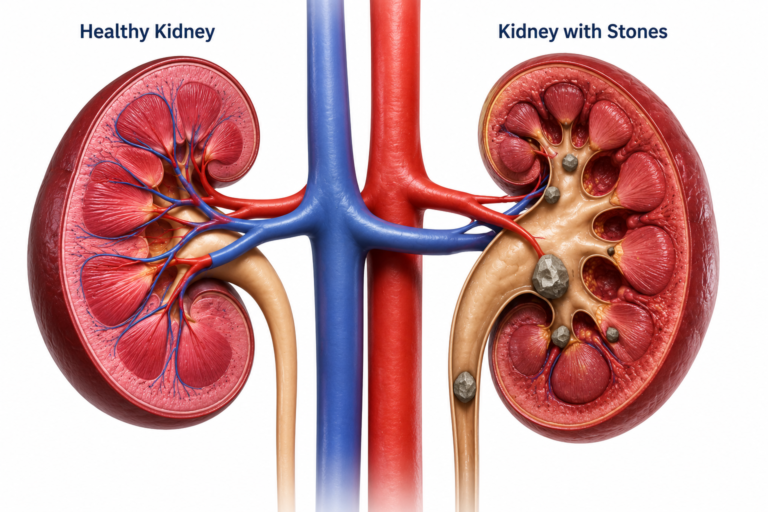
A kidney stone is a hard deposit made of minerals and salts that forms inside the kidneys. These stones develop when urine becomes highly concentrated, allowing minerals to crystallize and stick together. Some kidney stones are as small as a grain of sand, while others can grow much larger and block the urinary tract.
Many people experience intense pain when a stone moves from the kidney into the ureter.
Other common symptoms include:
- Sharp pain in the back, side, or lower abdomen
- Pain or burning during urination
- Blood in the urine
- Frequent urge to urinate
- Nausea and vomiting
- Cloudy or foul-smelling urine
The most common types of kidney stones include:
- Calcium oxalate stones – The most common type, often linked to oxalate-rich foods and low fluid intake.
- Uric acid stones – More common in people who eat large amounts of animal protein or have gout.
- Struvite stones – Usually develop after urinary tract infections.
- Cystine stones – Rare stones caused by an inherited genetic condition.
Understanding the type of kidney stone is important because dietary recommendations may differ for each one.
Why Diet Matters for Kidney Stones
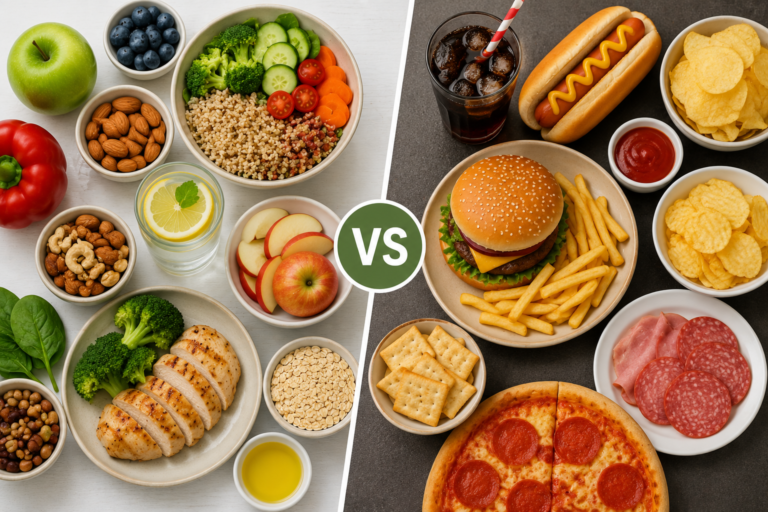
Following a 7 day kidney stone diet chart makes it easier to include kidney-friendly foods while limiting ingredients that may contribute to stone formation.
Diet is one of the most effective ways to reduce the risk of recurring kidney stones. Even after successful treatment, many people develop another stone within a few years if they do not make healthy lifestyle changes.
A balanced 7 day kidney stone diet chart can help by:
- Increasing urine volume through proper hydration
- Reducing excess sodium intake
- Supporting healthy calcium consumption
- Limiting foods high in oxalates when necessary
- Reducing excessive animal protein
- Maintaining a healthy body weight
While diet alone may not dissolve existing kidney stones, it can support recovery and help prevent new stones from forming.
Along with a healthy diet, following Preventive Healthcare practices such as regular checkups and staying hydrated can help reduce the risk of recurring kidney stones.
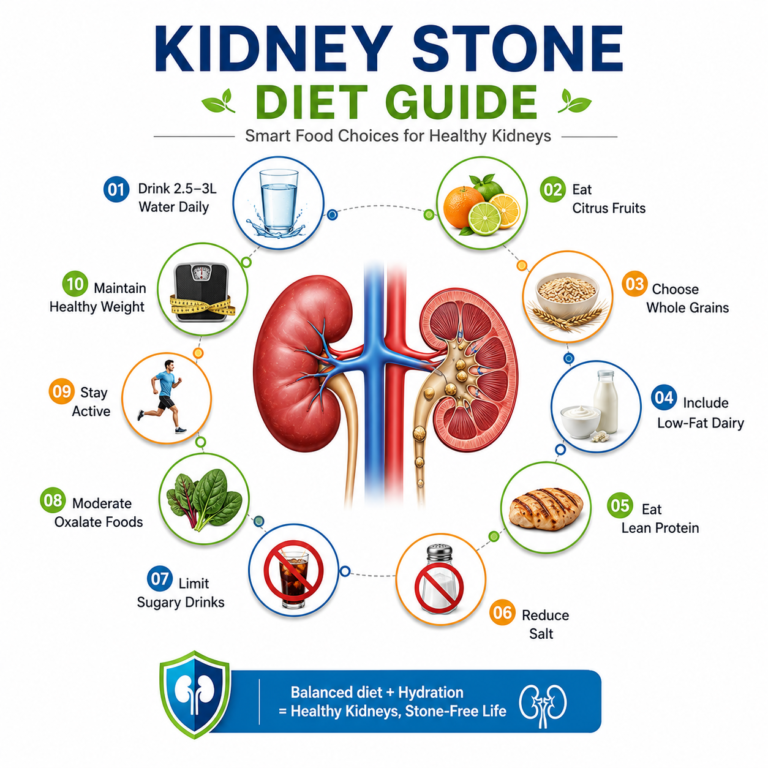
Foods to Eat During Kidney Stone Recovery
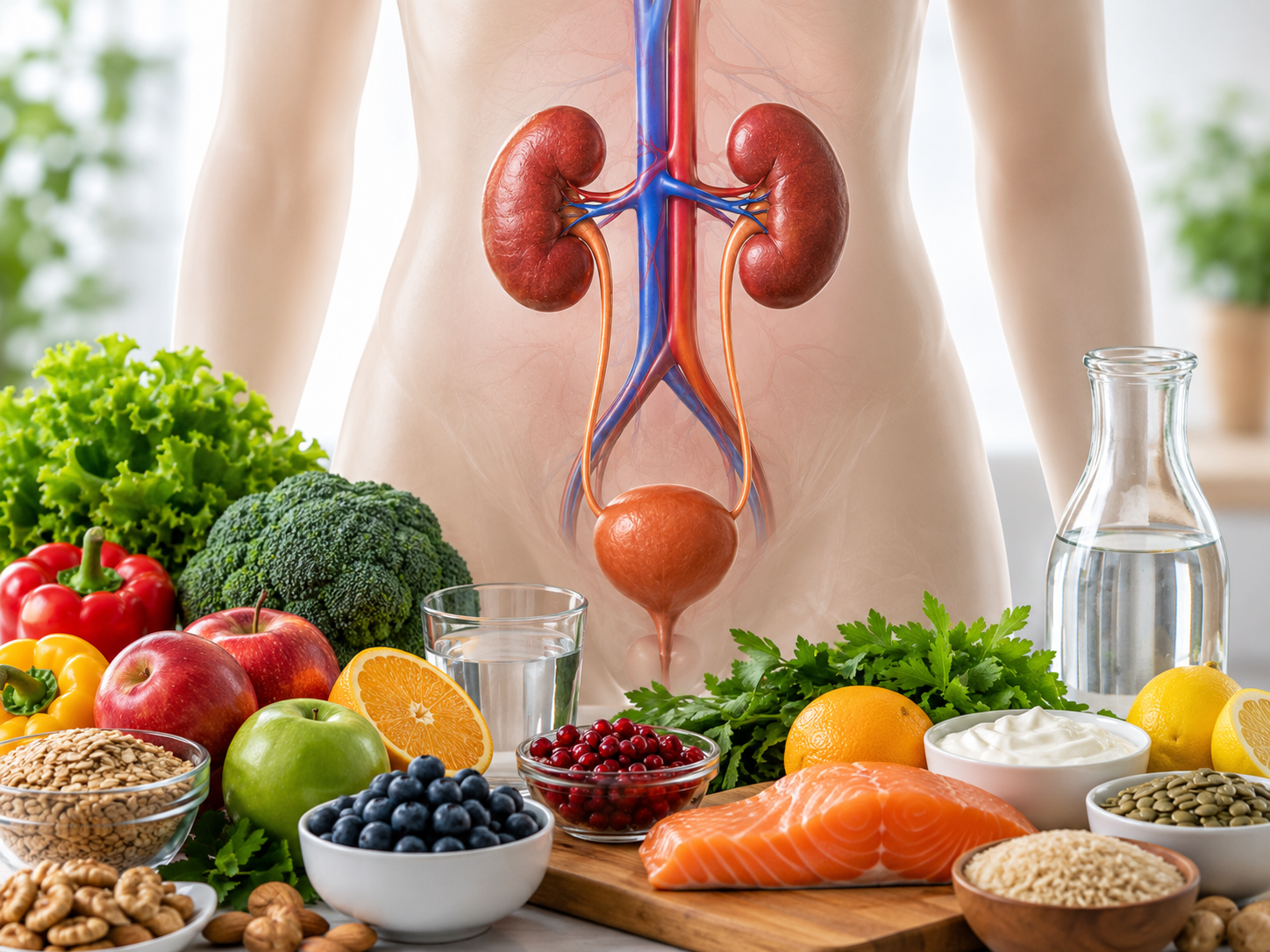
Choosing nutrient-rich foods is essential for protecting your kidneys and maintaining overall health. The following foods are generally considered kidney-friendly for most people, although individual recommendations may vary.
1. Drink Plenty of Water
Hydration is the most important part of any kidney stone prevention plan. Drinking enough fluids helps dilute urine and reduces the concentration of stone-forming minerals.
Aim for 2.5–3 liters of water per day, or more if advised by your doctor.
You can also include:
- Lemon water
- Coconut water (in moderation)
- Clear vegetable soups
- Herbal tea (without added sugar)
2. Eat Fresh Fruits
Many fruits are rich in vitamins, antioxidants, and water, making them excellent choices during recovery.
Good options include:
- Apples
- Watermelon
- Oranges
- Lemons
- Pears
- Grapes
- Papaya
Citrus fruits such as lemons and oranges contain citrate, which may help reduce the formation of certain kidney stones.
3. Include Vegetables
Vegetables provide fiber, vitamins, and minerals while supporting overall kidney health.
Healthy choices include:
- Cabbage
- Cauliflower
- Broccoli
- Bell peppers
- Cucumbers
- Bottle gourd
- Pumpkin
If you have calcium oxalate stones, your healthcare provider may recommend limiting vegetables that are particularly high in oxalates, such as spinach and beet greens.
4. Choose Whole Grains
Whole grains provide steady energy and fiber without excessive processed ingredients.
Examples include:
- Oats
- Brown rice
- Whole wheat bread
- Quinoa
- Millet
5. Eat Moderate Amounts of Lean Protein
Protein is important, but excessive animal protein may increase the risk of certain kidney stones.
Healthier protein options include:
- Skinless chicken
- Fish
- Eggs
- Lentils
- Chickpeas
- Tofu
Keep portion sizes moderate and avoid overeating protein-rich foods.
6. Consume Calcium-Rich Foods
Many people mistakenly avoid calcium after developing kidney stones. In reality, getting enough calcium from food may actually help reduce calcium oxalate stone formation.
Good dietary sources include:
- Low-fat milk
- Yogurt
- Cottage cheese
- Fortified plant-based milk
Avoid taking calcium supplements unless recommended by your healthcare provider.
Your doctor may also recommend a Creatinine Blood Test to assess kidney function, especially if you have recurring kidney stones or other kidney-related concerns.
The National Institute of Diabetes and Digestive and Kidney Diseases (NIDDK) recommends a balanced diet, adequate calcium intake from food, and limiting excess sodium to reduce the risk of kidney stones.
Including these foods in your 7 day kidney stone diet chart can help support better kidney health and recovery.
Foods to Avoid If You Have Kidney Stones
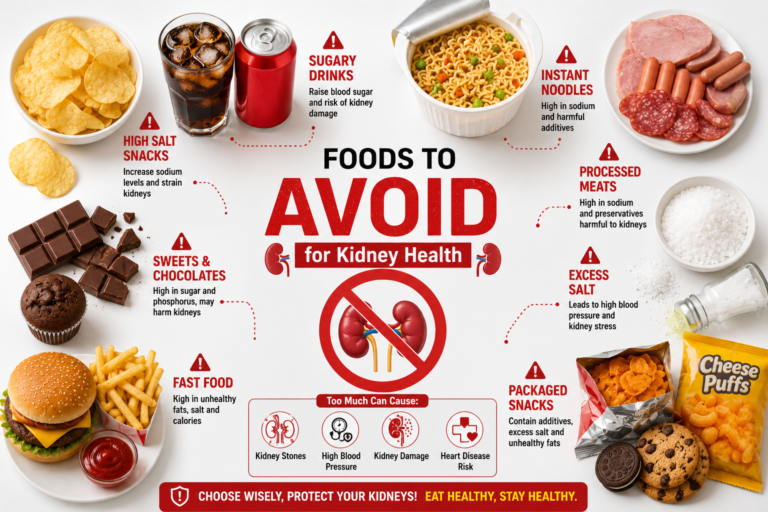
While adding healthy foods to your meals is important, avoiding certain foods can be equally beneficial. Some foods may increase the amount of minerals in urine, making it easier for kidney stones to form. The exact restrictions depend on the type of kidney stone, but these general recommendations are helpful for most people.
1. High-Sodium Foods
Eating too much salt increases the amount of calcium released into the urine, which may raise the risk of kidney stone formation.
Limit foods such as:
- Potato chips
- Instant noodles
- Packaged snacks
- Pickles
- Processed meats
- Fast food
- Frozen ready-to-eat meals
Try to keep your daily sodium intake below 2,300 mg, or lower if your doctor recommends it.
2. Oxalate-Rich Foods
If you have calcium oxalate kidney stones, your doctor may suggest reducing foods that are naturally high in oxalates.
These include:
- Spinach
- Beetroot
- Chocolate
- Nuts (large quantities)
- Sweet potatoes
- Rhubarb
- Tea (excessive amounts)
You don’t always need to eliminate these foods completely. Eating them with calcium-rich foods may help reduce oxalate absorption.
3. Sugary Drinks
Soft drinks and beverages with added sugar may increase the risk of kidney stones.
Avoid or limit:
- Cola drinks
- Energy drinks
- Sweetened fruit juices
- Packaged iced tea
- Flavored sugary beverages
Instead, choose plain water, lemon water, or unsweetened herbal tea.
4. Excess Animal Protein
Large portions of red meat and processed meats may increase uric acid levels and reduce urinary citrate, which can encourage stone formation.
Limit:
- Beef
- Lamb
- Organ meats
- Bacon
- Sausages
- Processed chicken
Choose moderate portions of lean chicken, fish, eggs, or plant-based proteins instead.
5. Excess Sugar and Refined Carbohydrates
Foods high in refined sugar may contribute to obesity and metabolic changes linked with kidney stones.
Limit foods like:
- Cakes
- Cookies
- Candies
- White bread
- Sweet desserts
- Pastries
Whole grains and fresh fruits are healthier alternatives.
Avoiding these foods is an important part of any 7 day kidney stone diet chart designed for kidney stone prevention.
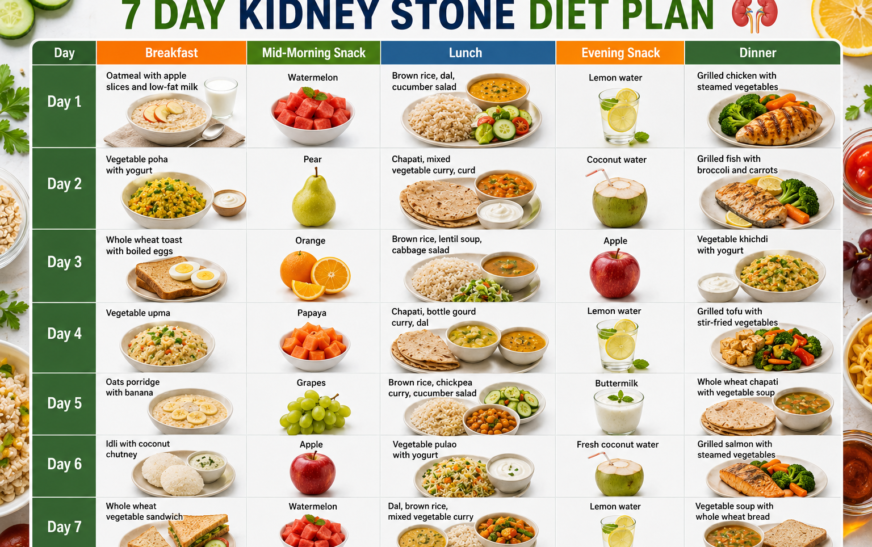
7 Day Kidney Stone Diet Chart
The following 7 day kidney stone diet chart is a general meal plan designed to promote hydration, balanced nutrition, and kidney health. Individual dietary needs may vary depending on your medical condition, kidney stone type, and healthcare provider’s advice.
| Day | Breakfast | Mid-Morning Snack | Lunch | Evening Snack | Dinner |
|---|---|---|---|---|---|
| Day 1 | Oatmeal with apple slices and low-fat milk | Watermelon | Brown rice, dal, cucumber salad | Lemon water | Grilled chicken with steamed vegetables |
| Day 2 | Vegetable poha with yogurt | Pear | Chapati, mixed vegetable curry, curd | Coconut water | Grilled fish with broccoli and carrots |
| Day 3 | Whole wheat toast with boiled eggs | Orange | Brown rice, lentil soup, cabbage salad | Apple | Vegetable khichdi with yogurt |
| Day 4 | Vegetable upma | Papaya | Chapati, bottle gourd curry, dal | Lemon water | Grilled tofu with stir-fried vegetables |
| Day 5 | Oats porridge with banana | Grapes | Brown rice, chickpea curry, cucumber salad | Buttermilk | Whole wheat chapati with vegetable soup |
| Day 6 | Idli with coconut chutney | Apple | Vegetable pulao with yogurt | Fresh coconut water | Grilled salmon with steamed vegetables |
| Day 7 | Whole wheat vegetable sandwich | Watermelon | Dal, brown rice, mixed vegetable curry | Lemon water | Vegetable soup with whole wheat bread |
This 7 day kidney stone diet chart provides a simple weekly meal plan that can be adjusted according to your nutritional needs and your doctor’s recommendations.
Tip: Drink water regularly throughout the day instead of waiting until you feel thirsty.
Hydration Tips for Kidney Stone Patients
Hydration is one of the most effective ways to reduce the risk of recurring kidney stones. Drinking enough fluids helps dilute urine and flush out minerals before they form crystals.
Proper hydration remains one of the most important parts of a 7 day kidney stone diet chart.
Follow these simple hydration tips:
- Drink 2.5–3 liters of water daily, unless your doctor advises otherwise.
- Start your morning with a glass of water.
- Carry a reusable water bottle throughout the day.
- Add fresh lemon to water for natural citrate.
- Increase fluid intake during hot weather or exercise.
- Reduce sugary beverages and soft drinks.
A pale yellow urine color usually indicates good hydration.
According to the National Kidney Foundation, drinking enough water every day is one of the most effective ways to help prevent kidney stones.
Lifestyle Tips to Prevent Kidney Stones
Combining healthy habits with a 7 day kidney stone diet chart may help lower the chances of recurring kidney stones.
Along with following a balanced kidney stone diet, healthy lifestyle habits can lower the chances of future stone formation.
Maintain a Healthy Weight
Being overweight may increase the risk of kidney stones. Regular physical activity and a balanced diet can help maintain a healthy weight.
Limit Salt Intake
Avoid adding extra salt to meals and reduce processed foods whenever possible.
Don’t Skip Calcium
Getting enough calcium from food is beneficial for most people and may help reduce calcium oxalate stone formation.
Stay Physically Active
Aim for at least 30 minutes of moderate exercise on most days of the week.
Follow Your Doctor’s Advice
Different kidney stones require different dietary approaches. Always follow the recommendations provided by your healthcare professional, especially if you’ve had recurring stones.
Frequently Asked Questions (FAQs)
What are 10 foods to avoid for kidney stones?
If you have kidney stones, it’s generally recommended to limit foods that may increase stone formation. These include spinach, beetroot, chocolate, potato chips, processed meats, instant noodles, sugary soft drinks, excessive salt, nuts in large amounts, and organ meats. The exact foods to avoid depend on the type of kidney stone you have.
What diet dissolves kidney stones?
No specific diet can completely dissolve most kidney stones. However, following a 7 day kidney stone diet chart with plenty of water, low-sodium meals, fresh fruits, vegetables, whole grains, and moderate protein can help support recovery and reduce the risk of new stones forming. Some uric acid stones may dissolve with medical treatment prescribed by a doctor.
What breakfast is good for kidney stones?
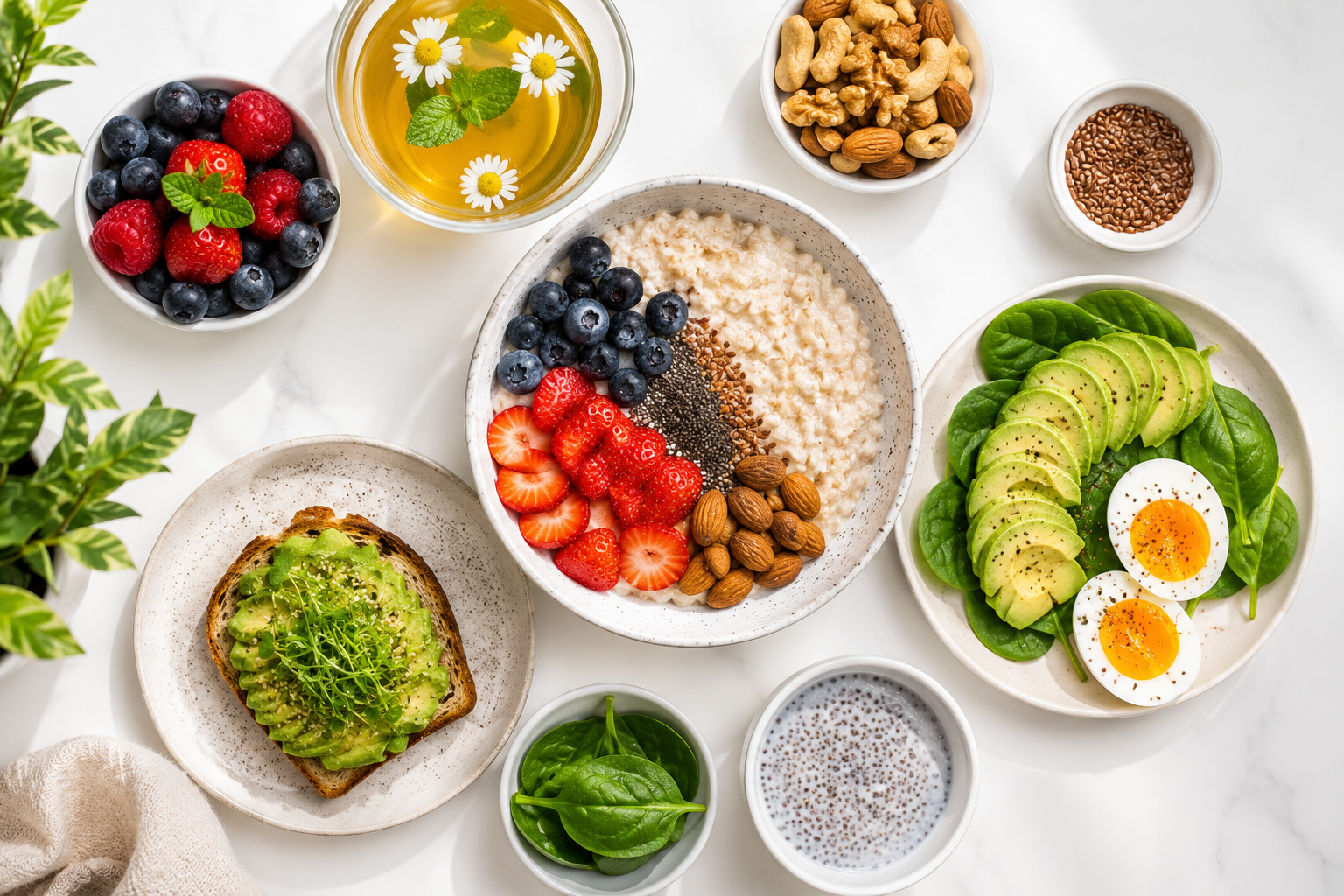
Healthy breakfast options include oatmeal with fresh fruit, vegetable poha, whole wheat toast with boiled eggs, oats porridge, or idli with coconut chutney. These meals fit well into a 7 day kidney stone diet chart and provide balanced nutrition.
Can I eat rice if I have kidney stones?
Yes, rice can be included in a kidney stone diet. Brown rice is generally a healthier choice because it contains more fiber and nutrients than white rice. Eating rice in moderation as part of a balanced 7 day kidney stone diet chart is usually considered safe.
What fruit is bad for kidney stones?
Most fruits are beneficial for kidney health. However, people with calcium oxalate kidney stones may need to limit fruits that are naturally high in oxalates, depending on their doctor’s advice. Citrus fruits, apples, pears, and watermelon are generally good choices for most people.
What are the 5 warning signs of kidney stones?
The most common warning signs of kidney stones include:
- Severe pain in the back, side, or
- lower abdomen
- Pain or burning while urinating
- Blood in the urine
- Frequent urge to urinate
- Nausea and vomiting
If you experience these symptoms, seek medical attention promptly.
Conclusion
Managing kidney stones involves more than just treating the symptoms—it also requires making long-term lifestyle and dietary changes. Following a 7 day kidney stone diet chart can help you build healthier eating habits, improve hydration, and support overall kidney function. Choosing fresh fruits, vegetables, whole grains, and lean proteins while reducing excess salt, sugary drinks, and processed foods may lower the risk of future kidney stones.
Remember that every individual is different. The most effective kidney stone diet plan depends on the type of stone you have, your medical history, and your nutritional needs. If you experience severe pain, recurring kidney stones, or other health concerns, consult a qualified healthcare professional for a personalized treatment plan.
If the stone is too large to pass naturally, your healthcare provider may recommend Kidney Stone Surgery along with dietary and lifestyle changes.
Following a 7 day kidney stone diet chart consistently, along with medical advice, can support recovery and help prevent future kidney stones.