

Table of Contents
ToggleNot every fasting routine follows the same eating pattern. The different types of intermittent fasting range from simple beginner-friendly schedules to more advanced fasting methods that require longer fasting periods. Each approach has a unique eating window, fasting duration, and potential health benefits, making it important to choose a method that matches your daily routine, nutritional needs, and long-term goals.
Unlike traditional diets that focus mainly on food choices, intermittent fasting emphasizes meal timing. Instead of restricting specific foods, it encourages eating within a defined time window while allowing the body to spend longer periods without calorie intake. This structured approach has become increasingly popular among people looking to improve metabolic health, manage body weight, and build healthier eating habits.
Current research suggests that intermittent fasting may support weight management, improve insulin sensitivity, and contribute to better metabolic health when combined with a balanced diet, regular physical activity, and adequate sleep. However, experts also agree that no single fasting schedule works for everyone. Factors such as age, activity level, medical history, medications, and lifestyle all influence which fasting method is most suitable.
With several fasting schedules available, many beginners find it difficult to decide where to start. Some methods are easy to follow and fit comfortably into a busy routine, while others require greater discipline and experience. Understanding how each fasting schedule works can help you choose a realistic approach that you can maintain consistently rather than following a plan that becomes difficult after a few days.
In this guide, you’ll explore the 9 most popular types of intermittent fasting, understand how each method works, compare their advantages and limitations, and learn which fasting schedule may be the best fit for your health goals and lifestyle.
Why Are There Different Types of Intermittent Fasting?

Although every fasting method follows the same basic principle of alternating between eating and fasting, the duration of the fasting and eating windows can vary significantly. This flexibility is the reason why several types of intermittent fasting have evolved over time.
Some people prefer shorter fasting windows because they are easier to maintain, while others choose longer fasting periods to simplify meal planning or align with their personal health goals. The right fasting schedule often depends on daily routine, work hours, physical activity, and previous fasting experience.
When selecting a fasting method, consider factors such as:
- Your current lifestyle and work schedule
- Your health and fitness goals
- Previous fasting experience
- Daily energy requirements
- Existing medical conditions
- Long-term sustainability
Rather than choosing the most restrictive fasting plan, it is generally better to select a schedule that you can follow comfortably while maintaining a nutritious and balanced diet.
How to Choose the Right Intermittent Fasting Method
Before deciding among the different types of intermittent fasting, ask yourself a few important questions.
Are You New to Intermittent Fasting?
If you are just beginning, shorter fasting schedules such as 12:12 or 14:10 are often easier to follow. These methods allow your body to adjust gradually before moving to longer fasting periods.
What Is Your Primary Goal?
People choose intermittent fasting for different reasons. Your objective may include:
- Managing body weight
- Improving metabolic health
- Reducing unnecessary snacking
- Developing healthier eating habits
- Simplifying daily meal planning
Choosing a fasting method that supports your personal goal increases the chances of maintaining it successfully over the long term.
Do You Have Any Existing Health Conditions?
Intermittent fasting may not be suitable for everyone. Individuals with diabetes, kidney disease, heart disease, or other chronic medical conditions should always seek medical advice before making significant dietary changes.
People taking medications that require food at specific times should also consult their healthcare provider before starting any fasting routine.
Can You Maintain the Schedule Consistently?
The most effective fasting routine is not necessarily the longest one—it’s the one you can follow consistently. A sustainable eating pattern, combined with healthy food choices, proper hydration, regular exercise, and adequate sleep, often delivers better long-term results than an overly restrictive fasting schedule.
Quick Overview of the 9 Types of Intermittent Fasting
| Fasting Method | Fasting Window | Difficulty | Best Suited For |
|---|---|---|---|
| Overnight Fast (12:12) | 12 Hours | ⭐ | Complete Beginners |
| 14:10 Method | 14 Hours | ⭐⭐ | Beginners |
| 16:8 Method | 16 Hours | ⭐⭐⭐ | Weight Management |
| 18:6 Method | 18 Hours | ⭐⭐⭐ | Intermediate Users |
| Warrior Diet | 20 Hours | ⭐⭐⭐⭐ | Experienced Fasters |
| OMAD | 23 Hours | ⭐⭐⭐⭐⭐ | Advanced Users |
| 5:2 Diet | Two Low-Calorie Days | ⭐⭐⭐ | Flexible Lifestyle |
| Alternate-Day Fasting | Every Alternate Day | ⭐⭐⭐⭐ | Experienced Individuals |
| 24–36 Hour Fast | 24–36 Hours | ⭐⭐⭐⭐⭐ | Advanced Fasters |
Which Types of Intermittent Fasting Should You Choose?
There is no universally “best” fasting schedule. The ideal types of intermittent fasting depend on your health goals, daily routine, experience level, and ability to remain consistent. Starting with a beginner-friendly approach and progressing gradually is usually more effective than immediately choosing an advanced fasting method.
In the next section, we’ll explore each fasting schedule in detail, including how it works, who it is suitable for, its potential advantages, and practical tips to help you decide which method best fits your lifestyle.

1. Overnight Fasting (12:12 Method)
Among the different types of intermittent fasting, the 12:12 method, also known as Overnight Fasting, is considered the easiest way to begin. It involves fasting for 12 hours and eating all your meals within the remaining 12-hour window. Since most of the fasting period happens while you’re asleep, this schedule feels natural for many people and requires very little adjustment.
For example, if you finish dinner at 8:00 PM, your next meal would be at 8:00 AM the following morning. During the fasting period, you should avoid calorie-containing foods and beverages, while plain water, black coffee, and unsweetened tea are generally acceptable.
Why Choose This Method?
- Easy to follow and maintain
- Helps reduce late-night snacking
- Encourages a regular eating routine
- Suitable for long-term lifestyle changes
- Ideal for first-time fasters
Ideal Candidates
This method is recommended for:
- Beginners
- Older adults
- Busy professionals
- Anyone starting intermittent fasting for the first time
2. 14:10 Intermittent Fasting
The 14:10 method is a natural progression after Overnight Fasting. In this schedule, you fast for 14 hours and eat during a 10-hour window. It provides a slightly longer fasting period without feeling too restrictive, making it one of the most practical types of intermittent fasting for beginners.
Many people find this schedule easier to integrate into their daily routine because it doesn’t require skipping multiple meals.
Example Schedule
- Last meal: 7:00 PM
- First meal: 9:00 AM
Main Advantages
- Beginner-friendly
- Supports healthier meal timing
- Helps reduce mindless snacking
- Easy to maintain alongside work or studies
- Encourages better portion control
Things to Consider
Although this method is easier than longer fasting schedules, the results may develop more gradually. Maintaining balanced meals during the eating window remains essential.
Recommended For
- New fasters
- Students
- Office workers
- Individuals building healthier eating habits
3. 16:8 Intermittent Fasting
The 16:8 method is the most widely followed among all types of intermittent fasting. It involves fasting for 16 hours while consuming all meals within an 8-hour eating window.
Because it offers a balance between flexibility and effectiveness, many healthcare professionals and nutrition experts consider it one of the easiest fasting schedules to maintain over the long term.
A typical schedule involves finishing dinner at 8:00 PM and eating your first meal at 12:00 PM the next day.
Research published by Harvard Health Publishing suggests that time-restricted eating may offer health benefits when combined with a balanced diet and healthy lifestyle.
Why Is the 16:8 Method So Popular?
Many people prefer this fasting schedule because it:
- Fits easily into daily routines
- May support healthy weight management
- Helps improve meal timing
- Can reduce unnecessary snacking
- Encourages mindful eating habits
Research has shown that combining the 16:8 method with regular physical activity and a balanced diet may contribute to improved metabolic health and better body composition. However, results vary from person to person, and consistency plays a much bigger role than the length of the fasting window.
Sample Eating Window
| Time | Activity |
|---|---|
| 8:00 PM | Finish dinner |
| 8:00 PM–12:00 PM (Next Day) | Fasting period |
| 12:00 PM | First meal |
| 8:00 PM | Eating window closes |
Foods That Support This Fasting Schedule
To get the most from the 16:8 fasting method, prioritize nutrient-dense foods such as:
- Lean protein
- Eggs
- Whole grains
- Fruits
- Vegetables
- Healthy fats
- Nuts and seeds
- Greek yogurt
- Plenty of water throughout the day
Choosing balanced meals helps maintain energy levels and reduces the temptation to overeat after breaking your fast.
Healthy fats mention karne ke baad: Understanding good and bad cholesterol can help you make healthier food choices.

4. 18:6 Intermittent Fasting
The 18:6 fasting schedule extends the fasting window to 18 hours, leaving a 6-hour eating period. It is generally recommended for individuals who have already adapted to shorter fasting schedules like 14:10 or 16:8.
While this method may offer a longer fasting period, it also requires greater discipline and thoughtful meal planning to meet daily nutritional needs.
Example Schedule
- Last meal: 6:00 PM
- First meal: 12:00 PM
- Eating window: 12:00 PM–6:00 PM
Key Advantages
- Longer fasting period
- Helps improve appetite control
- Encourages structured meal timing
- May naturally reduce calorie intake
- Suitable for experienced beginners
Challenges to Keep in Mind
The longer fasting window may increase hunger during the initial weeks. Some people may also experience fatigue while adapting, making gradual progression from shorter fasting schedules a better approach.
Suitable For
- Individuals already comfortable with 16:8 fasting
- People aiming for better meal discipline
- Those following a structured daily routine
Expert Tip
You don’t need to start with the longest fasting schedule to experience potential benefits. Many people achieve better long-term results by beginning with shorter types of intermittent fasting, allowing their bodies to adapt gradually before progressing to more advanced methods. Consistency, balanced nutrition, proper hydration, and regular physical activity are often more important than extending the fasting window too quickly.
Women with hormonal conditions may also benefit from reading our PCOS Diet Plan guide before making dietary changes.
5. Warrior Diet (20:4 Method)
The Warrior Diet is one of the more advanced types of intermittent fasting and is designed for individuals who are already comfortable with longer fasting periods. This method involves fasting for 20 hours and consuming your daily meals within a 4-hour eating window.
Unlike beginner-friendly fasting schedules, the Warrior Diet requires careful planning to ensure your body receives enough calories and nutrients during the limited eating period. Because of its restrictive nature, it is generally recommended only for experienced fasters.
Example Schedule
- Last Meal: 8:00 PM
- Fast: 8:00 PM – 4:00 PM
- Eating Window: 4:00 PM – 8:00 PM
Why Some People Choose the Warrior Diet
- Creates a longer fasting window
- Simplifies meal timing
- May encourage mindful eating
- Can reduce unnecessary snacking
- Suitable for experienced fasters
Things to Consider
This fasting method is not ideal for beginners. Since meals are limited to a short eating window, it can be challenging to consume enough protein, fiber, vitamins, and minerals. Planning balanced meals becomes especially important to avoid nutritional gaps.
Best Suited For
- Experienced intermittent fasters
- People comfortable with long fasting periods
- Individuals following structured daily routines

6. OMAD (One Meal a Day)
OMAD, or One Meal a Day, is among the most restrictive types of intermittent fasting. As the name suggests, you eat one complete meal each day within about one hour and fast for the remaining 23 hours.
While OMAD may seem simple because it involves only one meal, meeting your daily nutritional requirements can be challenging. The single meal should be well-balanced and include adequate protein, healthy fats, fiber, vitamins, and minerals.
Example Schedule
- Fast: 7:00 PM – 6:00 PM
- Eating Window: 6:00 PM – 7:00 PM
Potential Advantages
- Simplifies meal planning
- Reduces meal preparation time
- Encourages portion awareness
- Suitable for people with prior fasting experience
Important Considerations
Eating only once a day may not provide enough nutrients if meals are poorly planned. Some individuals may also experience fatigue, headaches, or difficulty maintaining energy levels during the adjustment period.
For this reason, OMAD should only be considered after successfully adapting to shorter fasting schedules such as 16:8 or 18:6.
Best Suited For
- Advanced fasters
- Healthy adults with prior fasting experience
- Individuals who prefer a simplified eating routine
7. The 5:2 Diet
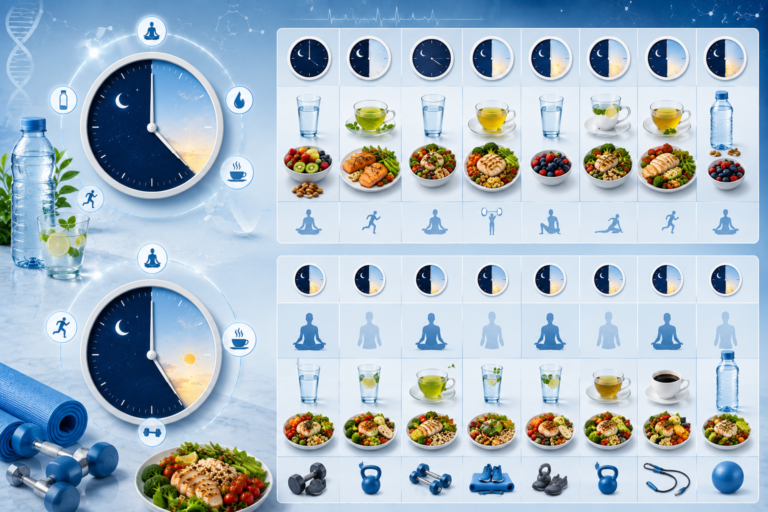
The 5:2 Diet follows a different approach compared to most other types of intermittent fasting. Instead of fasting every day, you eat normally for five days each week and significantly reduce your calorie intake on two non-consecutive days.
Most people consume around 500–600 calories on fasting days while maintaining balanced meals on regular eating days.
Example Weekly Plan
| Day | Plan |
|---|---|
| Monday | Normal meals |
| Tuesday | 500–600 calorie day |
| Wednesday | Normal meals |
| Thursday | Normal meals |
| Friday | 500–600 calorie day |
| Saturday | Normal meals |
| Sunday | Normal meals |
Why People Like the 5:2 Diet
- Flexible weekly routine
- Doesn’t require fasting every day
- Easier for many beginners
- Fits well into busy lifestyles
- Supports gradual calorie control
What Should You Eat on Low-Calorie Days?
To stay full while keeping calories low, choose nutrient-dense foods such as:
- Leafy green vegetables
- Vegetable soups
- Eggs
- Grilled chicken or fish
- Low-fat yogurt
- Fresh fruits in moderation
Is It Right for Everyone?
Although the 5:2 Diet is considered more flexible than many fasting schedules, overeating on normal eating days can reduce its effectiveness. Planning balanced meals throughout the week remains essential.
9. Extended Fasting (24–36 Hours)
Extended fasting involves avoiding food for 24 to 36 hours. This schedule is considerably more challenging than the other types of intermittent fasting and should not be practiced frequently without professional guidance.
Some people follow a 24-hour fast once a week, while others occasionally extend the fasting period to 36 hours. Because of the longer duration, hydration becomes extremely important throughout the fast.
Example Schedule
- Finish dinner: Monday – 7:00 PM
- Next meal: Tuesday – 7:00 PM (24-hour fast)
or
- Finish dinner: Monday – 7:00 PM
- Next meal: Wednesday – 7:00 AM (36-hour fast)
Potential Benefits
- Encourages mindful eating habits
- Simplifies meal planning on fasting days
- May improve metabolic flexibility
- Suitable only for experienced individuals
Important Safety Points
Extended fasting should never become a regular routine without medical supervision. People who experience severe weakness, dizziness, fainting, or dehydration should stop fasting immediately and seek medical advice.
Best Suited For
- Healthy adults
- Experienced fasters
- Individuals who have successfully adapted to shorter fasting schedules
Which Type of Intermittent Fasting Matches Your Lifestyle?
Choosing the right types of intermittent fasting depends on your daily routine, experience, and health goals. Instead of selecting the longest fasting window, focus on a schedule that you can maintain comfortably.
| If You Are... | Recommended Method |
|---|---|
| Completely new to fasting | Overnight Fast (12:12) |
| Looking for a gradual transition | 14:10 Method |
| Wanting a balanced lifestyle | 16:8 Method |
| Comfortable with longer fasting | 18:6 Method |
| Seeking a flexible weekly plan | 5:2 Diet |
| Experienced with fasting | Warrior Diet |
| Prefer eating once a day | OMAD |
| Comfortable with advanced fasting | Alternate-Day Fasting |
| Considering prolonged fasting | 24–36 Hour Fast (Medical Guidance Recommended) |
Metabolic health wali line ke baad: Monitoring your Lipid Profile Test can help track cholesterol changes over time.
Common Mistakes to Avoid
Even after choosing the right types of intermittent fasting, certain mistakes can reduce their effectiveness.
- Starting with an advanced fasting schedule too quickly
- Drinking too little water during fasting hours
- Overeating when breaking a fast
- Choosing highly processed foods instead of balanced meals
- Ignoring protein and fiber intake
- Sleeping fewer than seven hours regularly
- Expecting immediate weight-loss results
- Continuing to fast despite severe dizziness or persistent weakness
Remember that intermittent fasting is most effective when paired with nutritious meals, regular physical activity, proper hydration, stress management, and adequate sleep. Building
healthy habits over time is far more beneficial than following an extreme fasting schedule for only a short period.
Who Should Avoid Intermittent Fasting?
Although the various types of intermittent fasting may offer health benefits for many healthy adults, they are not suitable for everyone. Certain individuals should seek medical advice before making significant changes to their eating pattern.
- Intermittent fasting may not be recommended for:
- Pregnant or breastfeeding women
- Children and teenagers who are still growing
- People with Type 1 diabetes
- Individuals taking insulin or medications that require meals at specific times
- People with a history of eating disorders
- Individuals who are underweight or malnourished
- Those recovering from surgery or serious illness
- People with chronic kidney disease, severe liver disease, or other complex medical conditions
If you have an existing health condition or take prescription medication, consult your healthcare provider before starting any fasting routine.
Kidney disease mention karne ke baad: People with abnormal Creatinine Blood Test results should seek medical advice before fasting.
Tips to Follow Intermittent Fasting Safely
Regardless of which types of intermittent fasting you choose, following healthy habits can make the experience safer and more sustainable.
Stay Hydrated
Drink plenty of water throughout the day. Black coffee, plain tea, and other calorie-free beverages can also help you stay hydrated during fasting hours.
Eat Nutrient-Dense Foods
Focus on meals that include:
- Lean protein
- Whole grains
- Fresh fruits
- Vegetables
- Healthy fats
- High-fiber foods
A balanced meal helps maintain energy levels and reduces excessive hunger after fasting.
Avoid Overeating
Breaking your fast with very large meals or processed foods may reduce the potential benefits of intermittent fasting. Eat slowly and practice portion control.
Start Gradually
If you’re new to the different types of intermittent fasting, begin with shorter schedules such as 12:12 or 14:10 before progressing to longer fasting windows.
Listen to Your Body
Feeling slightly hungry during the adjustment period is common. However, persistent dizziness, fainting, severe weakness, or confusion should never be ignored. Stop fasting and seek medical advice if these symptoms occur.
Maintain a Healthy Lifestyle
Intermittent fasting works best when combined with:
- Regular exercise
- Quality sleep
- Stress management
- Balanced nutrition
- Consistent meal timing
Fasting alone cannot replace healthy lifestyle habits.
Frequently Asked Questions (FAQs)
Which type of intermittent fasting is best for beginners?
Among the different types of intermittent fasting, the 12:12 and 14:10 methods are generally considered the easiest for beginners because they allow the body to adjust gradually to longer fasting periods.
Is 16:8 the most effective intermittent fasting schedule?
The 16:8 method is one of the most popular fasting schedules because it is relatively easy to follow and fits well into most daily routines. However, the best method depends on your personal goals, lifestyle, and overall health.
Can I drink coffee while intermittent fasting?
Yes. Plain black coffee without sugar, milk, or cream is generally acceptable during fasting hours. Unsweetened tea and water are also suitable choices.
Which intermittent fasting method is best for weight management?
Many people find the 16:8 method effective because it balances flexibility with consistency. However, successful weight management depends on overall calorie intake, food quality, and physical activity—not just the fasting schedule.
Can women follow intermittent fasting?
Many healthy women can safely practice intermittent fasting, but hormonal changes, pregnancy, breastfeeding, and certain medical conditions may require a different approach. Consulting a healthcare professional is recommended before starting.
How long does it take to see results from intermittent fasting?
Results vary from person to person. Factors such as eating habits, physical activity, sleep quality, and consistency all influence how quickly changes may become noticeable.
Can I exercise while following intermittent fasting?
Yes. Many people continue exercising while fasting. However, workout intensity should match your energy levels, especially during the early stages of adapting to a fasting routine.
What foods should I eat after breaking a fast?
Choose balanced meals containing lean protein, whole grains, healthy fats, vegetables, fruits, and fiber-rich foods. Avoid overeating or relying heavily on highly processed foods.
Are all types of intermittent fasting safe?
No. Some fasting schedules, such as OMAD and extended fasting, are more restrictive and may not be suitable for everyone. Beginners should start with shorter fasting windows and progress gradually if appropriate.
Can intermittent fasting help improve overall health?
Current research suggests that intermittent fasting may support metabolic health, insulin sensitivity, and weight management when combined with a balanced diet and a healthy lifestyle. Individual results can vary, and more long-term research is still ongoing.
Conclusion
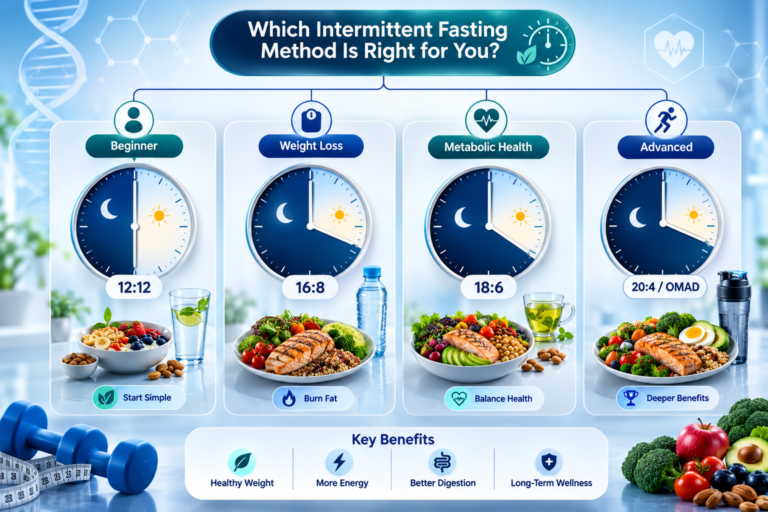
The different types of intermittent fasting provide flexibility for people with varying lifestyles, health goals, and levels of experience. From beginner-friendly methods like 12:12 and 14:10 to more advanced approaches such as OMAD, the Warrior Diet, and Extended Fasting, each schedule offers its own advantages and challenges.
Rather than choosing the most restrictive fasting routine, focus on finding a method that fits comfortably into your daily life and can be maintained consistently. Pairing intermittent fasting with nutritious meals, regular exercise, proper hydration, quality sleep, and stress management is far more important than simply extending the fasting window.
If you have diabetes, kidney disease, heart disease, or any other chronic medical condition, consult a healthcare professional before starting intermittent fasting. A personalized approach will always be safer and more sustainable than following a fasting trend without proper guidance.
When practiced responsibly, intermittent fasting can become a practical long-term eating pattern that supports overall health and well-being rather than a short-term diet.
The World Health Organization (WHO) also emphasizes that healthy eating, regular physical activity, and maintaining a healthy weight remain essential for long-term health.