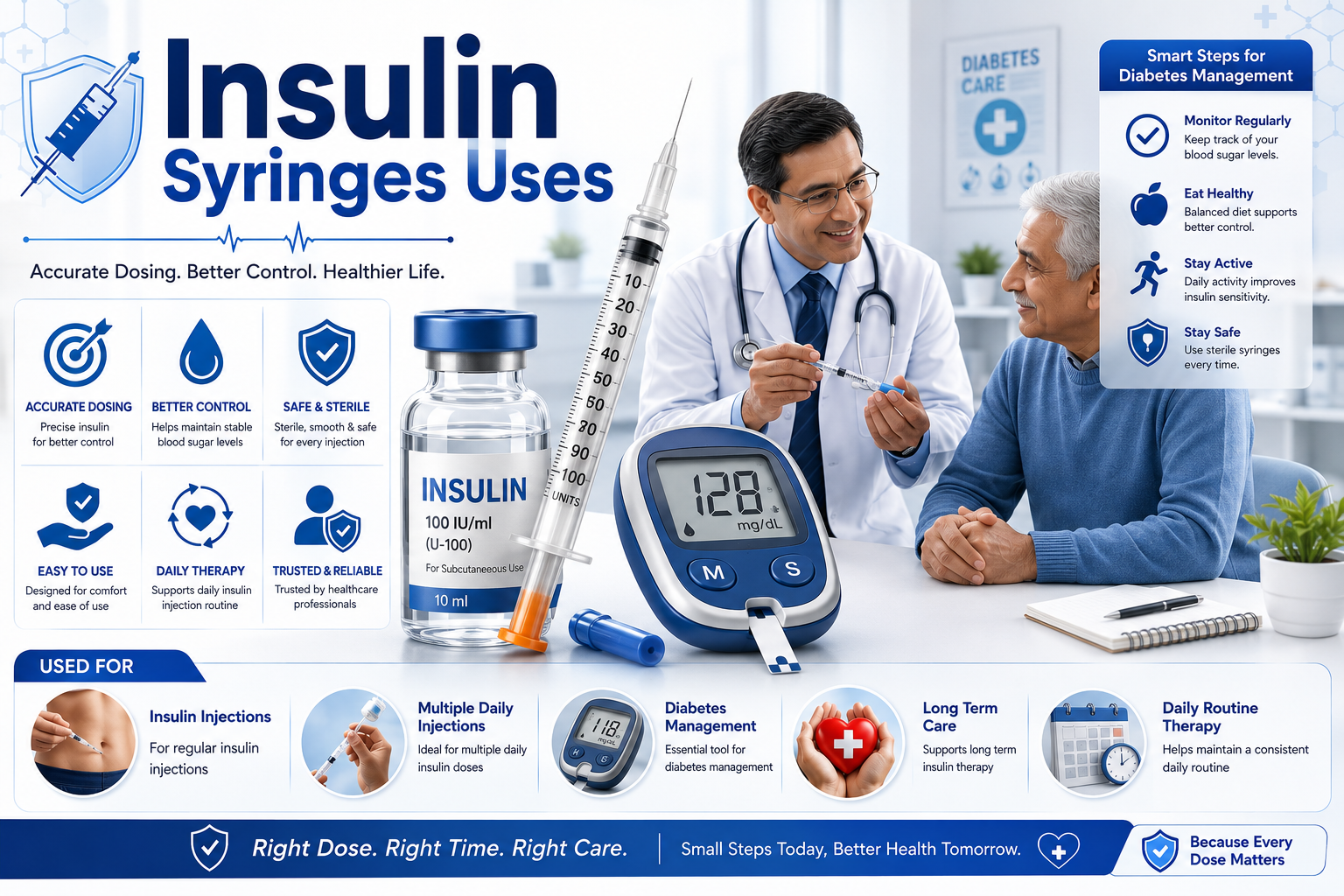

Managing diabetes often requires accurate insulin administration, and choosing the right insulin syringe plays an important role in that process. Whether you’re newly diagnosed with diabetes or caring for someone who uses insulin, understanding how an insulin syringe works can help ensure safer and more effective treatment.
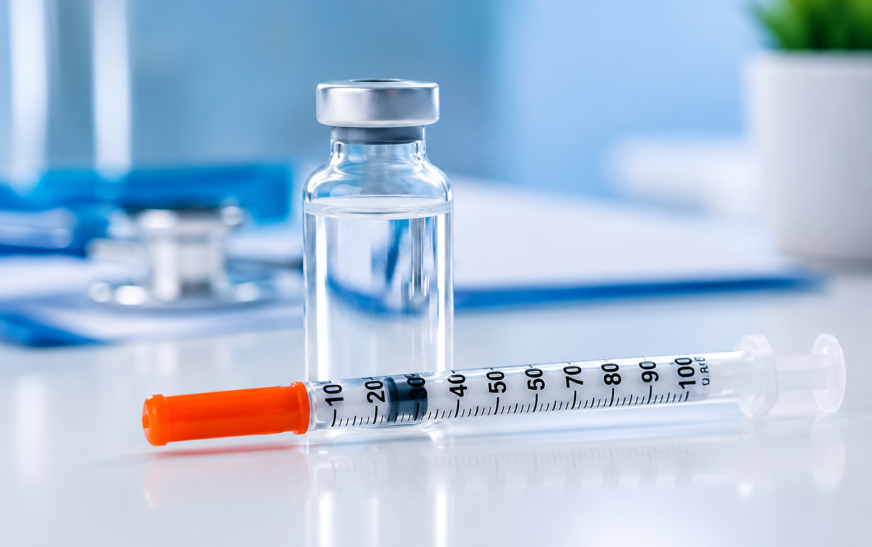
An insulin syringe is specially designed to deliver insulin into the fatty tissue beneath the skin (subcutaneous tissue). Unlike standard syringes, it features precise unit markings that allow users to measure insulin doses accurately. Using the correct syringe, needle size, and injection technique can improve blood sugar control while reducing discomfort and medication errors.
If you’re new to diabetes management, it’s also helpful to understand What Is Diabetes and how insulin helps regulate blood sugar levels.
In this guide, you’ll learn everything about insulin syringes, including their uses, parts, different types, available sizes, and the proper injection technique. You’ll also discover practical safety tips and common mistakes to avoid for better diabetes care.
Table of Contents
ToggleWhat Is an Insulin Syringe?
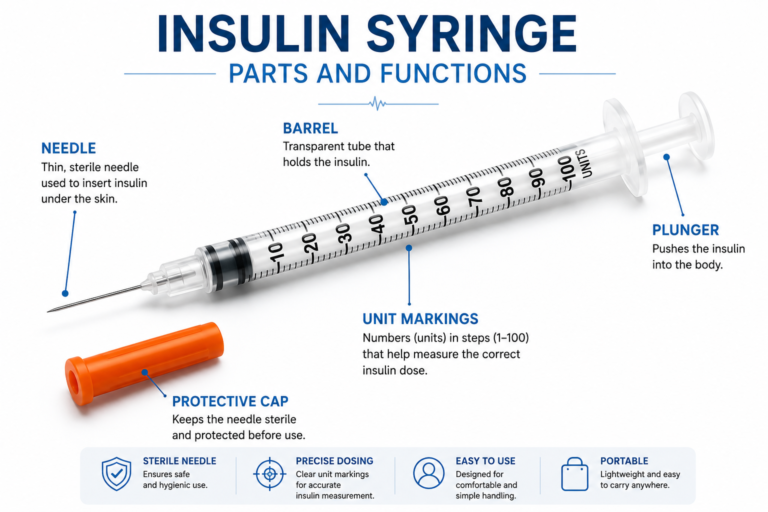
An insulin syringe is a single-use medical device specifically designed to inject insulin into the body. It helps people with diabetes administer accurate insulin doses to manage blood glucose levels effectively.
Unlike regular syringes used for medications, insulin syringes are calibrated in insulin units rather than milliliters. This specialized design ensures that users receive the exact amount of insulin prescribed by their healthcare provider.
Insulin syringes are commonly recommended for people with:
- Type 1 diabetes
- Type 2 diabetes requiring insulin therapy
- Gestational diabetes (when insulin treatment is prescribed)
Healthcare professionals generally advise using a new sterile syringe for every injection to reduce the risk of infection and maintain needle sharpness.
Since insulin dosage directly affects blood sugar control, patients should regularly monitor their glucose levels.
What Is an Insulin Syringe Used For?
The primary purpose of an insulin syringe is to deliver insulin safely and accurately beneath the skin. Proper insulin administration helps maintain healthy blood glucose levels and reduces the risk of diabetes-related complications.
1. Managing Diabetes
People living with diabetes often require insulin therapy when their body cannot produce enough insulin or cannot use it efficiently.
2. Delivering Accurate Insulin Doses
Insulin syringes feature clear unit markings that help users measure insulin precisely, reducing dosing errors.
3. Supporting Long-Term Blood Sugar Control
Consistent insulin administration, combined with healthy lifestyle habits and regular HbA1c monitoring, supports long-term diabetes management.
4. Administering Different Types of Insulin
Depending on a doctor’s prescription, insulinsyringes can be used to inject:
- Rapid-acting insulin
- Short-acting insulin
- Intermediate-acting insulin
- Long-acting insulin
Always ensure that the syringe matches the insulin concentration prescribed, such as U-40 or U-100.
Parts of an Insulin Syringe
Understanding each part of an insulin syringe helps users administer insulin safely and accurately.
Needle
The needle is the thin, sharp component that enters the skin. Modern insulin syringes use very fine needles to minimize pain during injections.
Barrel
The barrel is the transparent tube that holds insulin. It contains clear unit markings for accurate measurement.
Plunger
The plunger pushes insulin through the needle into the body when pressed.
Needle Cap
The protective cap keeps the needle sterile before use and helps prevent accidental needle injuries.
Unit Markings
Unlike regular syringes, insulin syringes display insulin units instead of milliliters, making dosage measurement easier and more accurate.
Types of Insulin Syringes
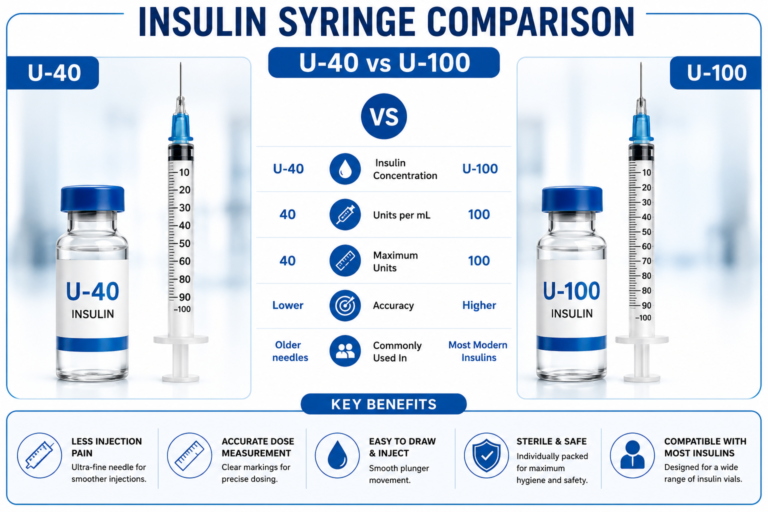
Choosing the correct insulin syringe depends on your insulin dose, insulin concentration, and your healthcare provider’s recommendation.
U-40 Insulin Syringe
These syringes are designed specifically for U-40 insulin, which contains 40 units of insulin per milliliter.
Best for:
- Patients prescribed U-40 insulin.
U-100 Insulin Syringe
The most commonly used insulin syringe worldwide is the U-100 syringe. It is intended for insulin that contains 100 units per milliliter.
Best for:
- Most individuals use modern insulin formulations.
Important: Never use a U-40 syringe with U-100 insulin or vice versa, as incorrect dosing can lead to serious blood sugar fluctuations.
Insulin Syringe Sizes
Insulin syringes are available in different capacities to match various insulin dosage requirements.
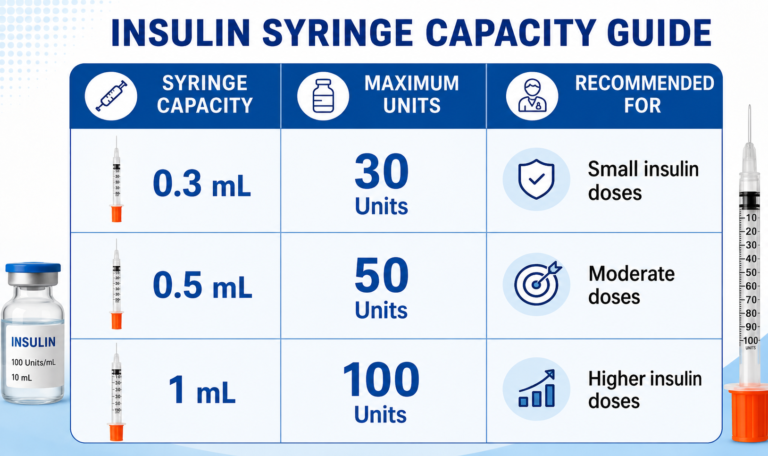
Selecting the smallest syringe that comfortably accommodates your prescribed dose improves measurement accuracy and helps reduce dosing mistakes.
How to Use an Insulin Syringe Properly
Using an insulin syringe correctly is essential for accurate insulin delivery and better blood sugar management. Following the right injection technique helps reduce discomfort, prevent dosing errors, and improve the effectiveness of insulin therapy.
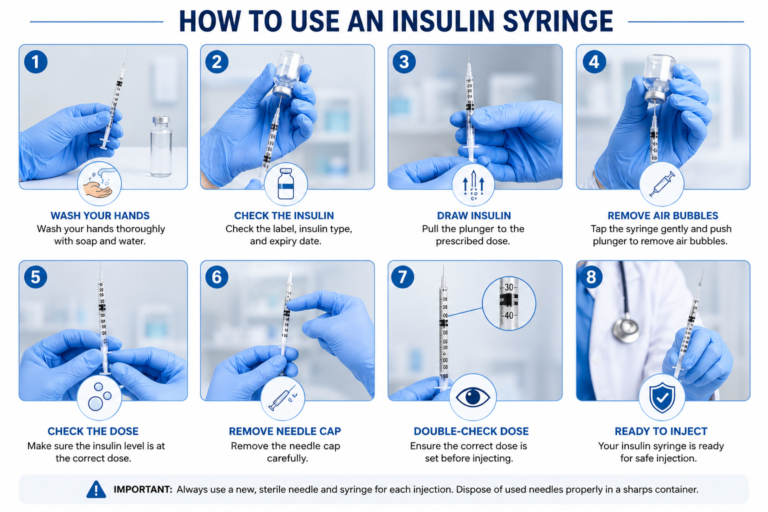
Step 1: Wash Your Hands
Begin by washing your hands thoroughly with soap and water. Clean hands help reduce the risk of infection during the injection process.
Step 2: Check the Insulin
Before filling the syringe, inspect the insulin bottle or pen.
- Check the expiration date.
- Ensure the insulin matches your prescription.
- Look for discoloration, clumps, or particles if the insulin should be clear.
- Roll cloudy insulin gently between your palms if instructed by your healthcare provider. Do not shake the vial vigorously.
Step 3: Draw the Correct Dose
Remove the protective cap from the syringe and pull back the plunger to draw in air equal to your prescribed insulin dose.
Inject the air into the insulin vial, turn the vial upside down, and slowly pull back the plunger until the correct number of insulin units is reached.
Tap the syringe gently if air bubbles appear, then push the bubbles back into the vial before measuring the dose again.
Step 4: Choose an Injection Site
Insulin should be injected into the fatty tissue beneath the skin rather than directly into muscle.
Common injection sites include:
- Abdomen
- Upper thighs
- Upper outer arms
- Buttocks
Rotating injection sites regularly helps prevent skin thickening and improves insulin absorption.
Step 5: Inject the Insulin
Pinch the skin gently if recommended by your healthcare provider.
Insert the needle at the correct angle:
- 90 degrees for most short insulin needles.
- 45 degrees for longer needles or individuals with less body fat.
Press the plunger slowly until all the insulin has been delivered.
Hold the syringe in place for about 10 seconds before removing it to reduce insulin leakage.
Step 6: Dispose of the Syringe Safely
Never reuse or share an insulin syringe.
Dispose of the used syringe immediately in an approved sharps disposal container according to your local healthcare guidelines.
Proper Insulin Injection Technique
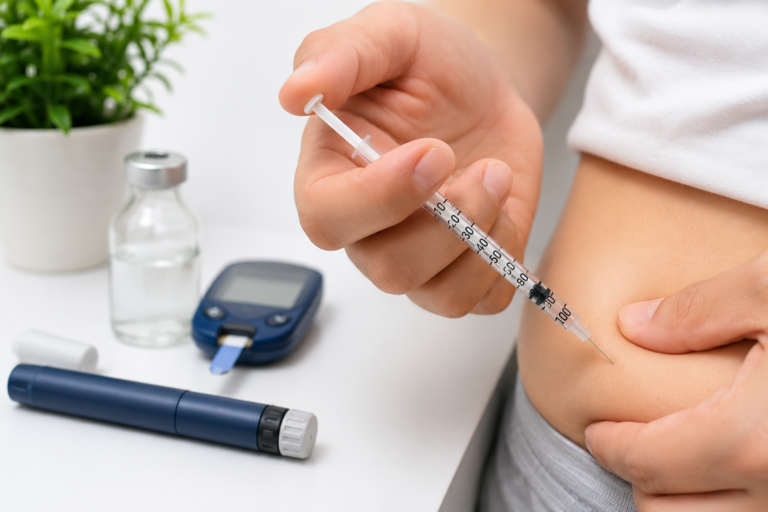
Learning the correct insulin injection technique can improve treatment outcomes while minimizing pain and skin complications.
Follow these best practices:
- Wash your hands before every injection.
- Use a new sterile insulin syringe each time.
- Rotate injection sites regularly.
- Inject into fatty tissue, not muscle.
- Avoid injecting into bruised, swollen, or scarred skin.
- Never share syringes with anyone.
- Store insulin according to the manufacturer’s instructions.
Patients using insulin therapy should also monitor their HbA1c levels and daily blood sugar readings to evaluate treatment effectiveness.
Best Injection Sites for an Insulin Syringe
Different body areas absorb insulin at different rates.
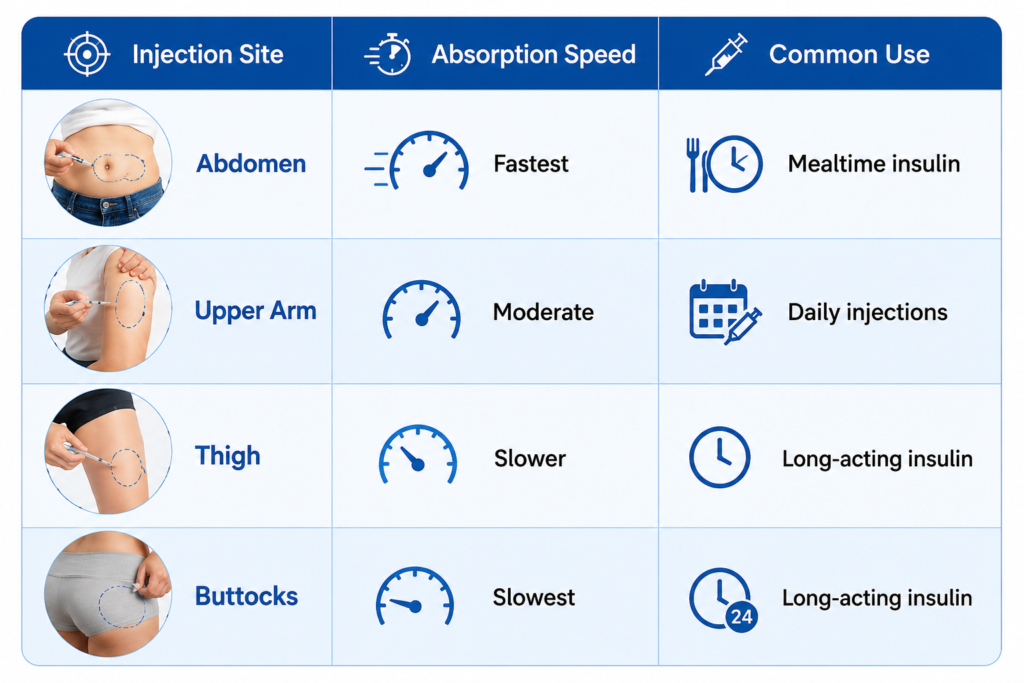
Changing the injection site with each dose helps reduce the risk of lipohypertrophy (fatty lumps under the skin).
Insulin Syringe Needle Sizes
The needle size affects both comfort and insulin delivery.
Common needle lengths include:
- 4 mm
- 5 mm
- 6 mm
- 8 mm
- 12.7 mm
Most adults can use shorter needles effectively because insulin only needs to reach the subcutaneous fat layer.
Needle gauges typically range from 28G to 31G, with higher gauge numbers indicating thinner needles that are generally less painful.
Insulin Syringe Safety Tips
Following safety recommendations helps prevent infections, dosing mistakes, and unnecessary discomfort.
Safety Tips
- Always verify the insulin concentration before use.
- Match the syringe with the prescribed insulin (U-40 or U-100).
- Never reuse disposable insulin syringes.
- Replace damaged or bent syringes immediately.
- Keep insulin stored at the recommended temperature.
- Carry spare syringes while traveling.
- Keep syringes out of children’s reach.
- Dispose of used syringes safely in a sharps container.
Proper diabetes care also includes medication adherence and routine health monitoring.
Common Mistakes to Avoid When Using an Insulin Syringe
Even experienced users can occasionally make mistakes that affect blood sugar control.
1. Using the Wrong Syringe
Using a U-40 syringe with U-100 insulin (or vice
versa) may result in incorrect insulin dosing.
2. Reusing Disposable Syringes
Reusing needles increases the risk of infection, pain, and tissue damage.
3. Injecting Into the Same Spot Repeatedly
Repeated injections in one area may cause hardened skin, reducing insulin absorption.
4. Not Removing Air Bubbles
Large air bubbles can affect insulin measurement accuracy.
5. Incorrect Injection Angle
Injecting too deeply may place insulin into muscle instead of fatty tissue, changing how quickly it is absorbed.
6. Skipping Blood Sugar Monitoring
Regular glucose monitoring helps ensure insulin therapy remains effective.
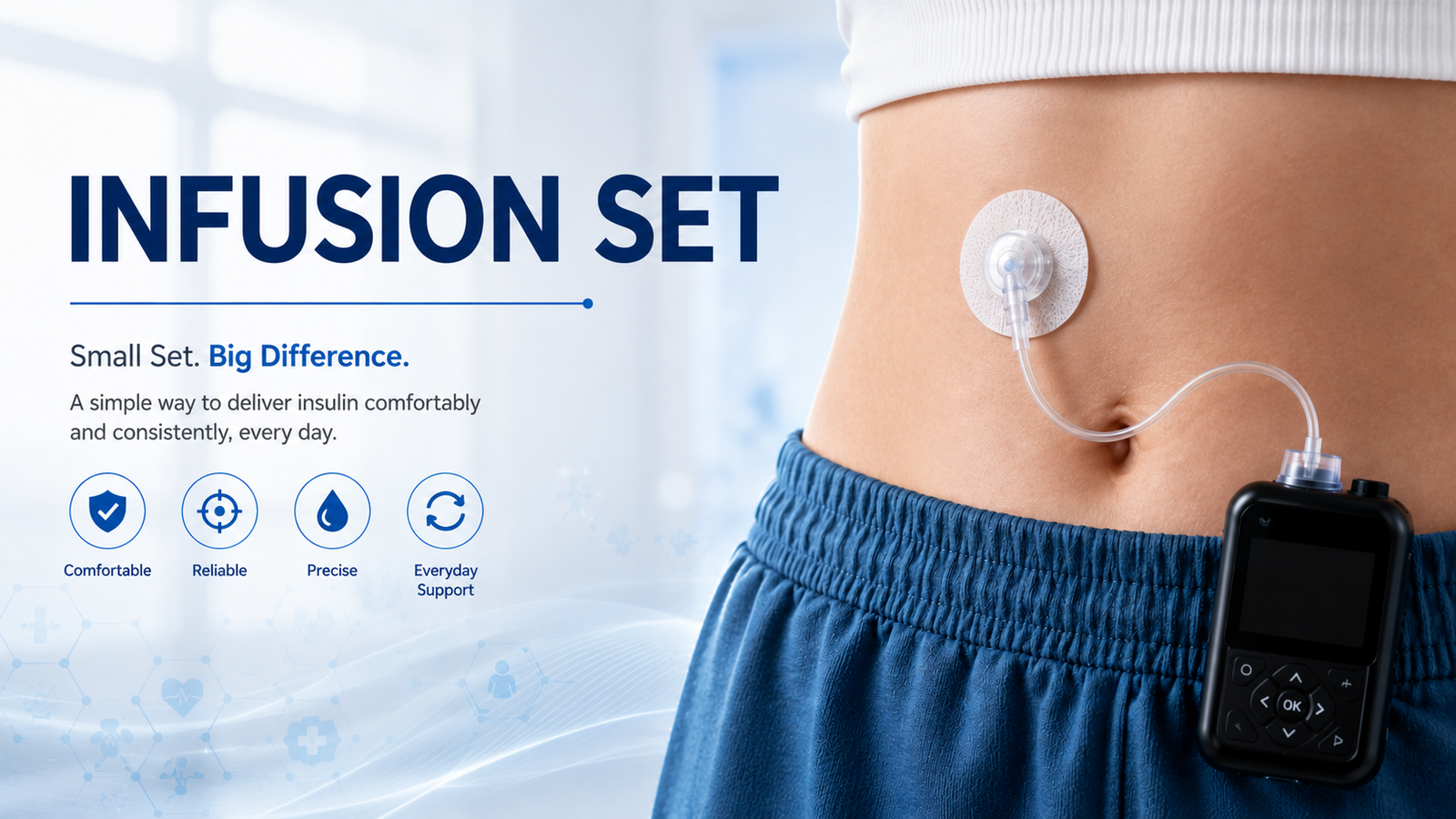
Insulin Syringe vs Infusion Set
People managing diabetes may use either an insulin syringe or an infusion set, depending on their treatment plan.
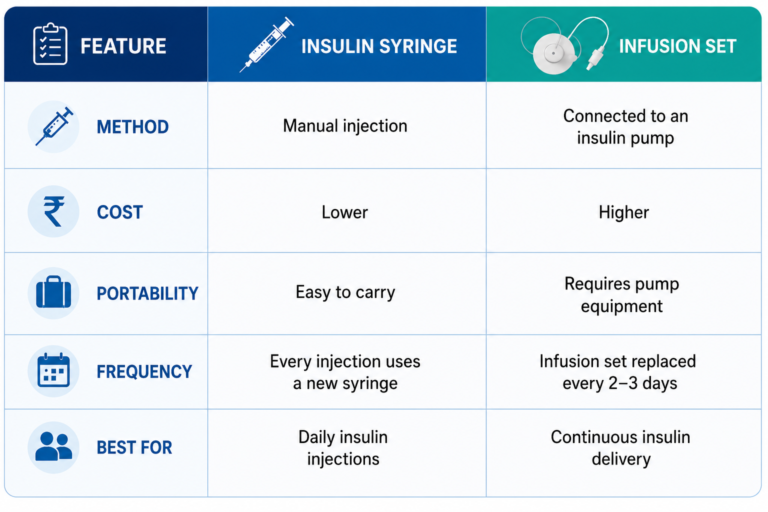
Both methods can effectively deliver insulin when used correctly. The right option depends on your lifestyle, medical needs, and your healthcare provider’s advice.
Storage and Disposal of an Insulin Syringe
Proper storage and disposal help maintain hygiene and reduce the risk of accidental injuries.
Storage Tips
- Store unused syringes in a clean, dry place.
- Protect syringes from excessive heat and direct sunlight.
- Keep them in their original sterile packaging until use.
- Do not use damaged or expired syringes.
Disposal Guidelines
- Never throw used syringes into regular household trash unless local regulations allow it.
- Place used syringes immediately into a puncture-resistant sharps container.
- Follow your local healthcare or pharmacy disposal recommendations for safe disposal.
Frequently Asked Questions (FAQs)
Where can I buy insulin syringes over the counter?
In many countries, insulin syringes can be purchased over the counter at licensed pharmacies without a prescription, depending on local regulations. Some pharmacies may require identification or have quantity limits, while others allow direct purchase. Before buying, ensure you select the correct syringe type, such as U-40 or U-100, based on your prescribed insulin. If you’re unsure, consult your healthcare provider or pharmacist for guidance.
Where to buy insulin syringes?
You can buy insulin syringes from retail pharmacies, hospital pharmacies, medical supply stores, or reputable online medical equipment suppliers. Always purchase syringes from trusted sources to ensure they are sterile, properly packaged, and approved for medical use. Avoid buying damaged or unsealed products, as sterility is essential for safe insulin administration.
Where can I buy insulin syringes?
Insulin syringes are widely available at pharmacies, diabetes care centers, healthcare clinics, and authorized online medical stores. Availability may vary depending on your country’s healthcare regulations. If you require a specific syringe size or insulin concentration, ask your pharmacist to help you choose the correct product for your prescription.
How to read an insulin syringe?
Reading an insulin syringe correctly is important for administering the right insulin dose. The barrel contains unit markings that indicate the amount of insulin to be drawn into the syringe. Always read the measurement at the top edge of the plunger closest to the needle. Double-check the dosage before injecting and ensure the syringe matches your insulin concentration, such as U-40 or U-100, to avoid dosing errors.
Can you buy insulin syringes over the counter?
Yes, in many regions, insulin syringes are available over the counter without a prescription. However, local laws and pharmacy policies may differ. Some locations may have restrictions on the quantity that can be purchased or require proof of insulin therapy. It is always recommended to purchase syringes from licensed pharmacies and use them only as directed by your healthcare provider.
Conclusion
An insulin syringe is an essential medical device that helps people with diabetes administer insulin safely and accurately. Understanding its parts, available sizes, different types, and proper injection technique can significantly improve diabetes management while reducing the risk of dosing errors and injection-related complications.
Choosing the correct syringe, matching it with the prescribed insulin concentration, rotating injection sites, and following safe disposal practices are all important steps toward effective insulin therapy. Regular blood sugar monitoring, routine HbA1c testing, and following your healthcare provider’s recommendations further support long-term diabetes control and overall well-being.
If you’re new to insulin therapy or unsure about the correct injection technique, always seek guidance from a qualified healthcare professional before making any changes to your treatment routine.