
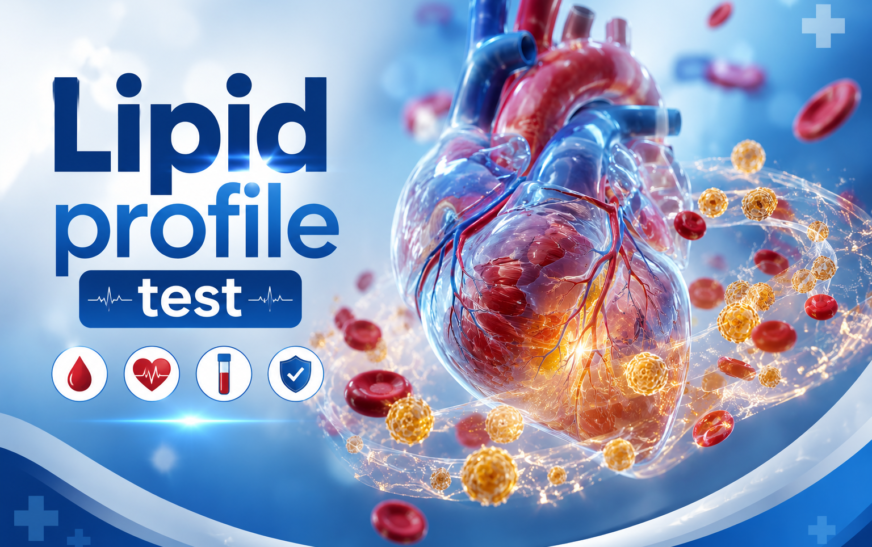
Understanding Your Lipid Profile: What Do Your Cholesterol Numbers Actually Mean?

Heart disease remains one of the leading causes of death worldwide, yet many people don’t realize they’re at risk until symptoms appear. One of the simplest ways to assess your heart health is through a Lipid Profile Test. This blood test measures different types of cholesterol and fats in your
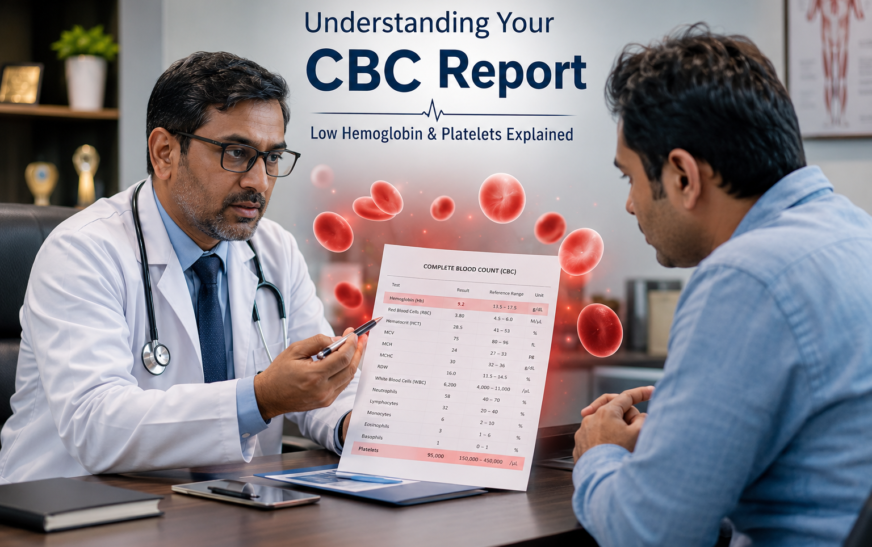
Demystifying Your CBC Report: What Do Low Hemoglobin and Platelets Really Mean?
Blood test results can sometimes feel overwhelming, especially when you notice values marked as “Low” or “High.” Among the most commonly performed laboratory tests, the CBC Report is one of the most valuable tools doctors use to assess your overall health. It provides detailed information about your blood cells and

PCOS Diet Plan: What to Eat and Avoid for Better Hormonal Balance
Polycystic Ovary Syndrome (PCOS) is one of the most common hormonal disorders affecting women of reproductive age. It can lead to irregular periods, weight gain, acne, excessive hair growth, infertility, and insulin resistance. While there is no permanent cure for PCOS, following the right PCOS diet plan can significantly improve

Is It Your Metabolism or Your Thyroid? How to Read a T3, T4, and TSH Blood Test
Many people blame a slow metabolism when they feel tired, gain weight, or struggle with low energy. While metabolism can affect these symptoms, your thyroid may actually be the underlying cause. The thyroid gland produces hormones that regulate how your body uses energy, controls body temperature, supports heart function, and

BENEFITS AND SIDE EFFECTS OF INTERMITTENT FASTING

Intermittent Fasting has become one of the most popular health and nutrition approaches worldwide. Unlike traditional diets that focus on what you eat, Intermittent Fasting focuses on when you eat. By alternating between periods of eating and fasting, many people aim to improve their overall health, manage weight, and support
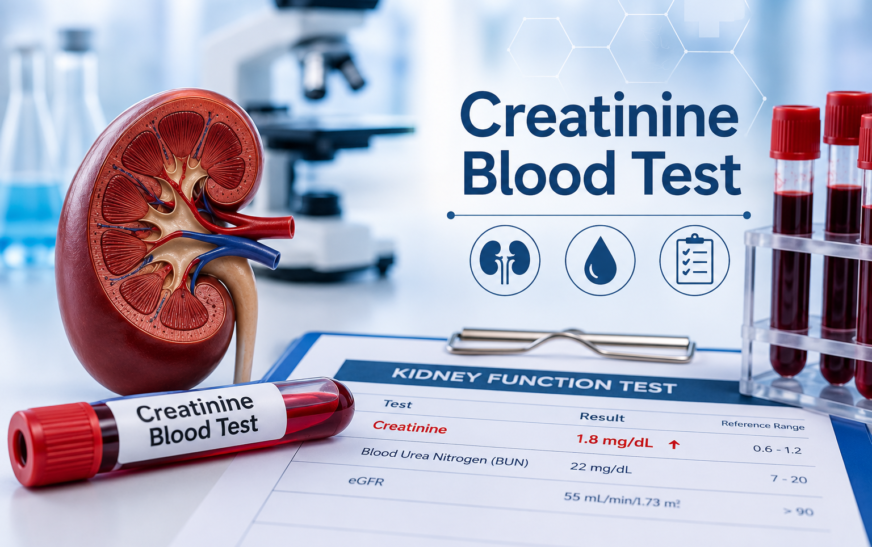
Creatinine Blood Test: Normal Range, Causes of High Levels
Your kidneys play an essential role in filtering waste products and maintaining the body’s overall balance. One of the most reliable ways to evaluate kidney function is through a creatinine blood test. This simple laboratory test measures the amount of creatinine in your bloodstream, helping healthcare providers assess how well
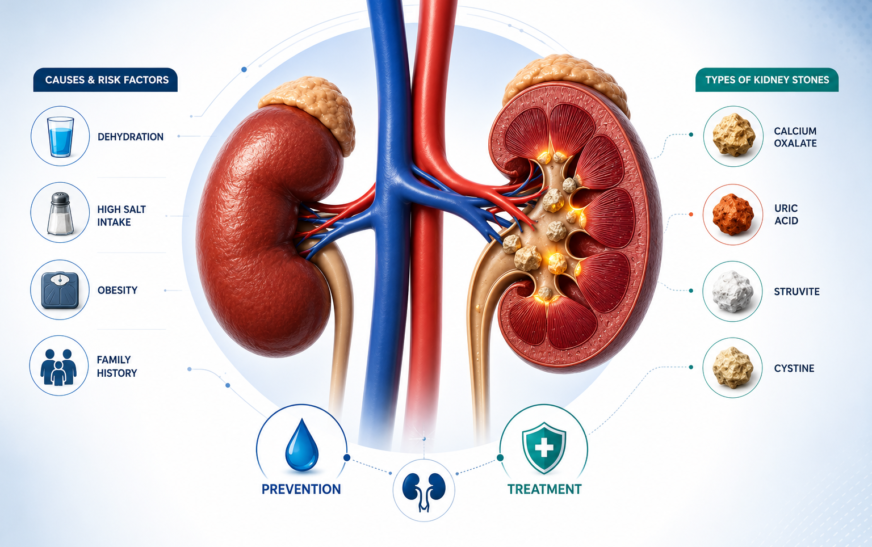
What Are Kidney Stones? Types, Causes & Risk Factors Explained
Kidney stones are one of the most common urinary tract conditions affecting millions of people worldwide. They can develop silently over time and often cause sudden, severe pain when they move through the urinary tract. While some kidney stones pass naturally, others may require medication or even surgery depending on
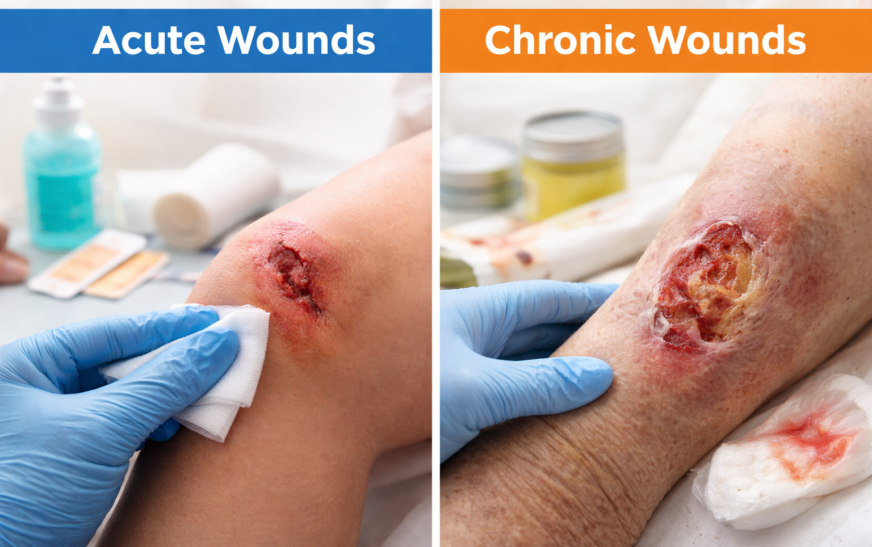
Types of Wounds: Acute vs Chronic Wounds Explained
Wounds are one of the most common injuries people experience, affecting people of all ages. From minor cuts and scrapes to severe injuries caused by accidents or surgery, understanding the types of wounds is essential for proper treatment and faster healing. Every injury is different, and identifying the correct types
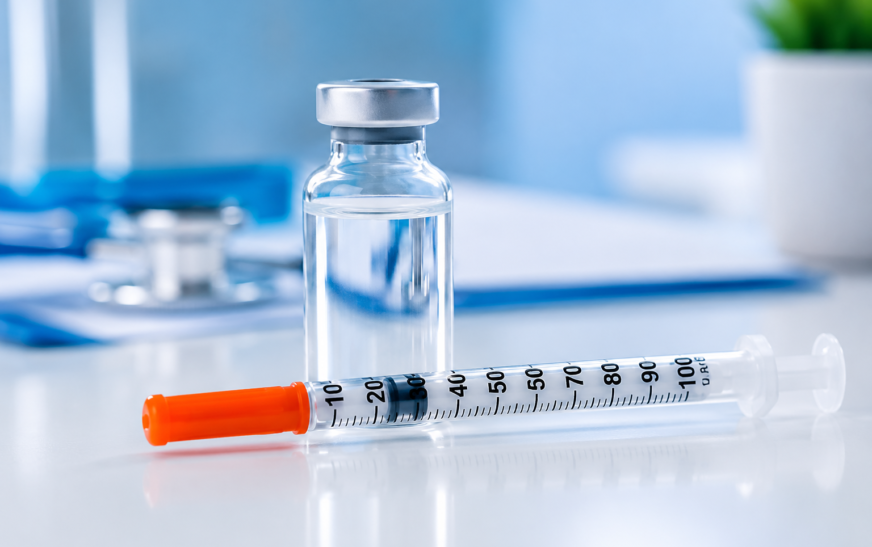
Insulin Syringe Explained: Uses, Parts, Types, and Proper Technique
Managing diabetes often requires accurate insulin administration, and choosing the right insulin syringe plays an important role in that process. Whether you’re newly diagnosed with diabetes or caring for someone who uses insulin, understanding how an insulin syringe works can help ensure safer and more effective treatment. An insulin syringe
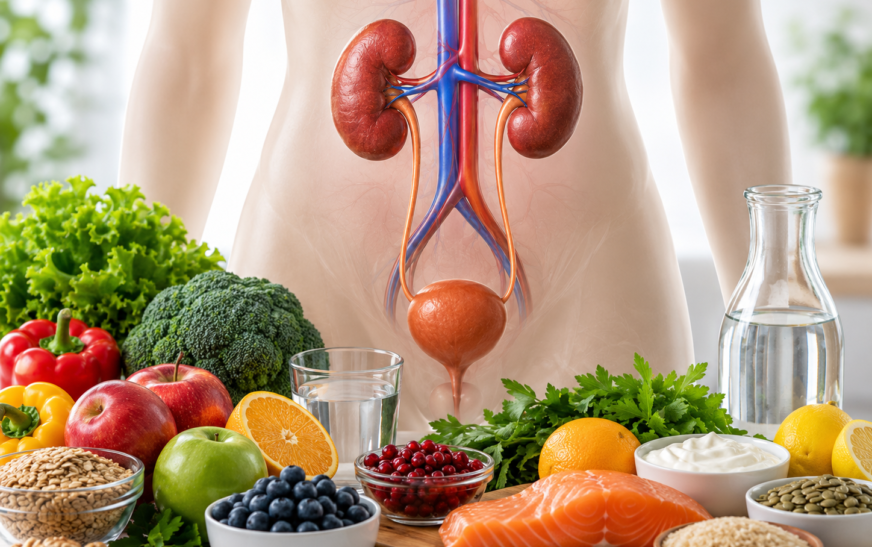
Kidney Stone Diet Chart: Foods to Eat & Avoid for Faster Recovery (Patient-Friendly Guide)
A Kidney Stone Diet is one of the most effective ways to support recovery and reduce the risk of future kidney stones. Along with proper medical treatment, eating the right foods, staying hydrated, and maintaining healthy lifestyle habits can help your kidneys function better while lowering the chances of stone