
Table of Contents
ToggleWounds are one of the most common injuries people experience, affecting people of all ages. From minor cuts and scrapes to severe injuries caused by accidents or surgery, understanding the types of wounds is essential for proper treatment and faster healing. Every injury is different, and identifying the correct types of wounds helps healthcare professionals choose the most effective treatment plan. Whether the wound is small or severe, early care can reduce the risk of infection and improve recovery through proper Preventive Healthcare.
The two primary types of wounds are acute wounds and chronic wounds. Acute wounds usually heal within a predictable period, while chronic wounds take longer to heal because of underlying medical conditions such as diabetes. If you’re unfamiliar with this condition, learn more about What is Diabetes to understand how it affects wound healing Poor circulation and pressure injuries can also delay recovery. Apart from these major categories, the types of wounds can also be classified as open or closed depending on whether the skin is broken.
Learning about the different types of wounds allows you to recognize warning signs, understand the healing process, and know when medical attention is necessary. Some slow-healing injuries may require specialized Advanced Wound Care techniques to promote faster recovery and reduce complications. According to the World Health Organization (WHO), proper wound hygiene and timely treatment play a vital role in preventing infections and supporting healthy recovery.
In this guide, you’ll learn about the different types of wounds, how they are classified, common examples, and the major differences between acute and chronic wounds.
What Are Types of Wounds?
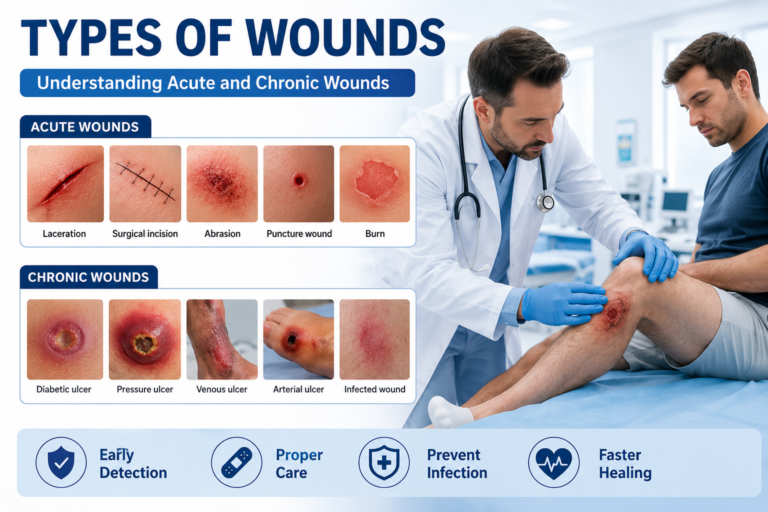
The term types of wounds refers to the different categories of injuries that damage the skin, tissues, muscles, blood vessels, or even bones. Wounds can occur because of accidents, surgical procedures, burns, pressure, infections, sports injuries, or chronic diseases. Understanding the types of wounds helps doctors determine the right wound care approach and reduces the chances of complications.
Some wounds affect only the outer layer of the skin, while others extend deep into muscles, tendons, nerves, or bones. The severity of different types of wounds depends on several factors, including:
- The cause of the injury
- The depth of the wound
- The location on the body
- Blood supply to the affected area
- Presence of infection
- The patient’s overall health
Correctly identifying the types of wounds is the first step toward faster healing and successful recovery.
How Are Types of Wounds Classified?
Healthcare professionals classify the types of wounds in several ways to determine the most appropriate treatment. The classification is based on healing time, skin damage, and the cause of the injury.
Classification Based on Healing Time
The most common way to classify the types of wounds is by how long they take to heal.
The two primary categories include:
- Acute wounds
- Chronic wounds
Acute wounds usually heal within 4 to 6 weeks, whereas chronic wounds remain unhealed for a longer period because of infection, poor circulation, diabetes, or other health conditions.
Classification Based on Skin Damage
Open Wounds
Open wounds are types of wounds where the skin is broken, exposing the underlying tissues. These wounds have a greater risk of infection because bacteria and dirt can easily enter the wound.
Examples include:
- Abrasions
- Lacerations
- Incisions
- Puncture wounds
- Avulsions
Closed Wounds
Closed wounds are types of wounds in which the skin remains intact, but damage occurs beneath the surface. These injuries may involve muscles, blood vessels, or internal tissues.
Common examples include:
- Bruises
- Hematomas
- Crush injuries
Although the skin does not break, these types of wounds may still require medical evaluation if swelling or severe pain develops.
Classification Based on Cause
Another way to classify the types of wounds is according to how they occur.
Common causes include:
- Falls
- Road traffic accidents
- Surgical procedures
- Burns
- Sports injuries
- Animal bites
- Pressure injuries
- Diabetes-related complications
- Poor blood circulation
Understanding what caused the injury helps healthcare professionals recommend the most effective wound management plan.
Acute Wounds
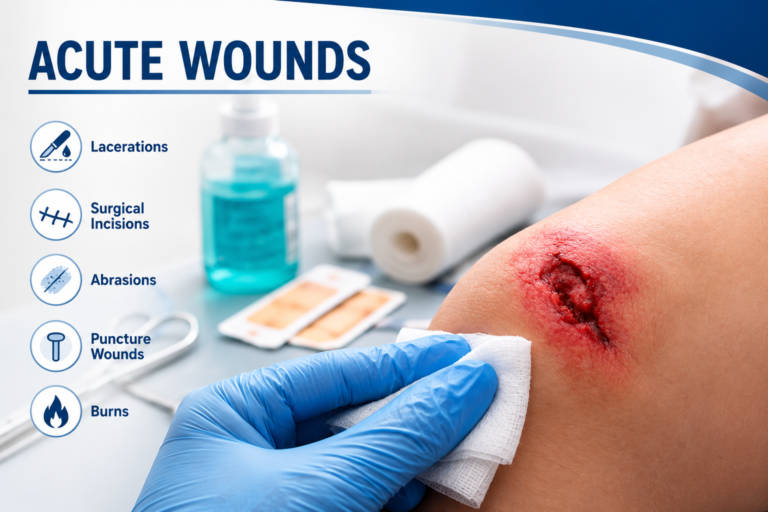
An acute wound is one of the most common types of wounds. It develops suddenly after an injury or surgical procedure and follows the body’s natural healing process. With proper treatment, most acute wounds heal within 4–6 weeks without significant complications.
Acute wounds usually respond well to cleaning, dressing changes, and infection prevention. Following proper Surgical Wound Care after an operation can help reduce complications and support faster healing.
Characteristics of Acute Wounds
Acute wounds generally have the following characteristics:
- Heal within a predictable period
- Healthy blood supply
- Minimal tissue damage
- Lower risk of complications
- Respond well to proper wound care
- Progress through the normal stages of wound healing
Most acute types of wounds recover completely when treated early and monitored correctly.
Common Causes of Acute Wounds
Acute wounds can occur in many everyday situations.
Cuts
Cuts caused by knives, broken glass, or sharp tools are among the most common types of wounds seen in homes and workplaces.
Falls
Children and older adults often experience abrasions or skin tears after falling on rough surfaces.
Surgical Procedures
A surgical incision creates an acute wound under sterile conditions. Proper Surgical Wound Care is essential for reducing infection risk and promoting healthy healing.
Burns
Minor burns from hot liquids, steam, or household appliances are acute wounds that usually heal within a few weeks.
Sports Injuries
Athletes frequently develop cuts, abrasions, and lacerations during contact sports or outdoor activities.
Road Accidents
Motorcycle and vehicle accidents often result in acute wounds that may require stitches or emergency medical treatment.
Examples of Acute Wounds
The following are common examples of acute types of wounds:
Abrasions
An abrasion occurs when the skin rubs against a rough surface. Although these wounds are usually superficial, they should be cleaned thoroughly to prevent Wound Infection.
Lacerations
Lacerations are deep cuts with irregular edges caused by sharp or blunt trauma. Depending on their severity, stitches may be required.
Incisions
Incisions are clean cuts intentionally made during surgery and generally heal faster because they are created under controlled sterile conditions.
Puncture Wounds
Puncture wounds occur when sharp objects such as nails or needles penetrate the skin. Even though the surface opening is small, bacteria can enter deep tissues and increase the risk of infection.
Minor Burns
Superficial burns affecting the outer layers of the skin are considered acute wounds and usually heal within a few weeks with proper care.
Factors That Can Delay Acute Wound Healing
Although acute wounds heal faster than chronic wounds, certain factors may slow recovery, including:
- Diabetes
- Smoking
- Poor nutrition
- Infection
- Obesity
- Advanced age
- Reduced blood circulation
- Weak immune system
- Certain medications
People living with diabetes should carefully monitor even minor injuries because delayed healing may increase the risk of chronic wounds. Following proper Diabetic Wound Care practices can significantly reduce complications and support healthy recovery.
Why Early Wound Care Matters
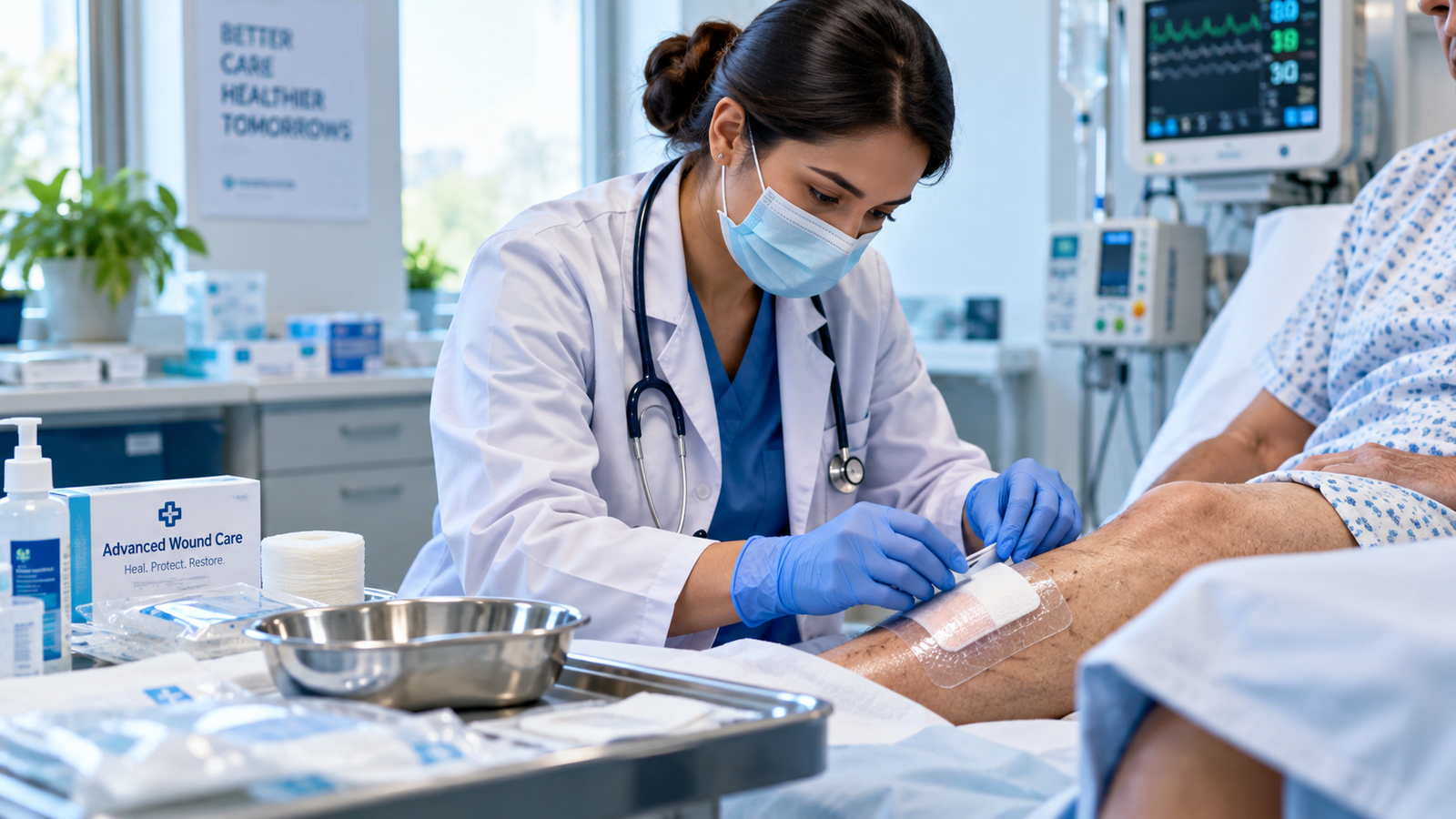
Early treatment is essential for all types of wounds, especially acute wounds. Cleaning the wound, controlling bleeding, applying a sterile dressing, and monitoring for infection can speed up healing and prevent complications.
Using Advanced Wound Dressings helps maintain a moist healing environment and supports tissue repair. If you notice redness, swelling, pus, increasing pain, or fever, seek medical attention immediately. The Centers for Disease Control and Prevention (CDC) recommends early evaluation of wounds showing signs of infection to prevent serious complications.
Chronic Wounds
Unlike acute wounds, chronic wounds are types of wounds that do not heal within the expected timeframe, usually more than 4–6 weeks. These wounds often remain in the inflammatory stage of healing and require specialized treatment. Chronic wounds are commonly associated with underlying health conditions such as diabetes, poor blood circulation, obesity, or prolonged pressure on the skin.
Among all types of wounds, chronic wounds are more likely to develop infections and complications if they are not treated properly. Early diagnosis and appropriate wound management are essential for improving healing outcomes.
Patients with long-lasting wounds often benefit from proper Diabetic Wound Care and advanced treatment methods that promote tissue repair.
Characteristics of Chronic Wounds
Chronic wounds have several unique features that distinguish them from acute wounds.
Some common characteristics include:
- Healing takes longer than 4–6 weeks.
- Persistent inflammation.
- Increased risk of infection.
- Reduced blood supply to the affected area.
- Tissue breakdown and delayed regeneration.
- Frequent need for advanced wound care treatments.
These types of wounds often require continuous monitoring by healthcare professionals to prevent serious complications.
Common Causes of Chronic Wounds
Several medical conditions and lifestyle factors can contribute to chronic wounds.
Diabetes
Diabetes is one of the leading causes of chronic wounds. High blood sugar levels damage blood vessels and nerves, slowing the body’s natural healing process.
Following proper Diabetic Wound Care helps reduce complications and lowers the risk of amputation.
Poor Blood Circulation
Reduced blood flow limits the delivery of oxygen and nutrients to damaged tissues, making healing much slower.
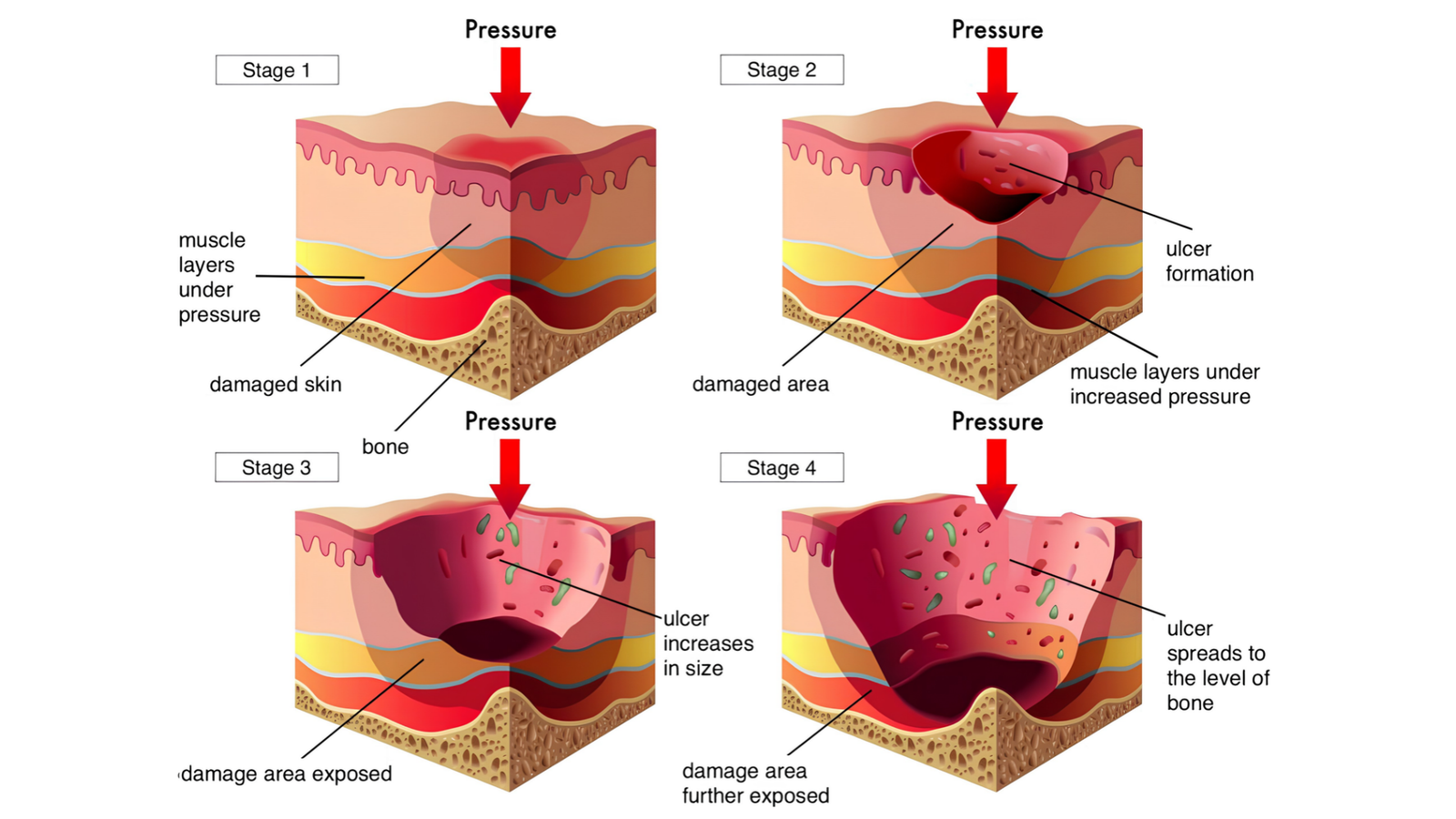
Pressure Injuries
People who remain in one position for long periods, such as bedridden patients or wheelchair users, may develop pressure ulcers because continuous pressure reduces blood flow to the skin.
Venous Insufficiency
Poor vein function in the legs can lead to swelling and chronic venous ulcers that heal slowly.
Infection
Untreated infections can prevent the normal healing process and turn minor injuries into chronic wounds. Recognizing the early signs of Wound Infection is essential for preventing further complications.
Examples of Chronic Wounds
The following are the most common types of wounds classified as chronic wounds.
Diabetic Foot Ulcers
Diabetic foot ulcers develop because of nerve damage and poor circulation. They are one of the most serious complications of diabetes and require immediate medical care.
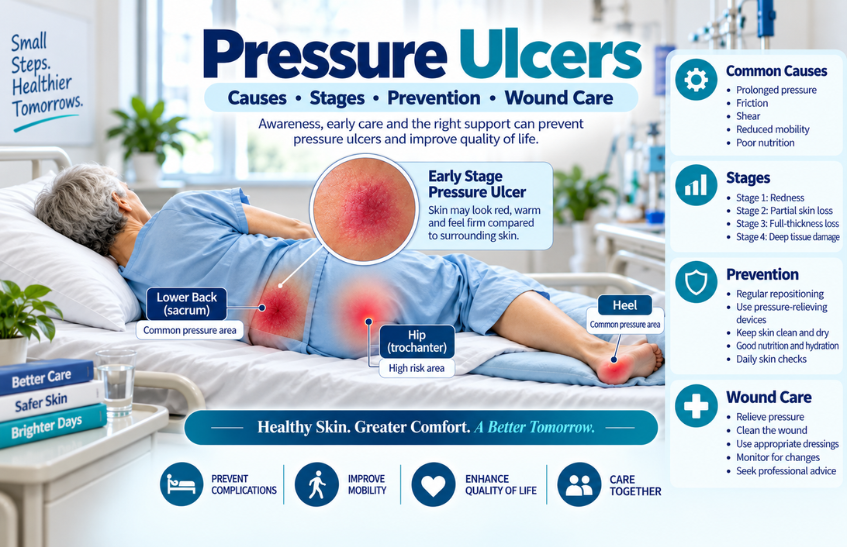
Pressure Ulcers
Also known as bedsores, pressure ulcers occur due to prolonged pressure on the skin. They commonly affect the heels, hips, elbows, and lower back.
Venous Leg Ulcers
Venous ulcers usually develop on the lower legs because damaged veins prevent proper blood circulation.
Arterial Ulcers
Arterial ulcers occur due to poor blood flow caused by narrowed or blocked arteries. These wounds are often painful and heal very slowly.
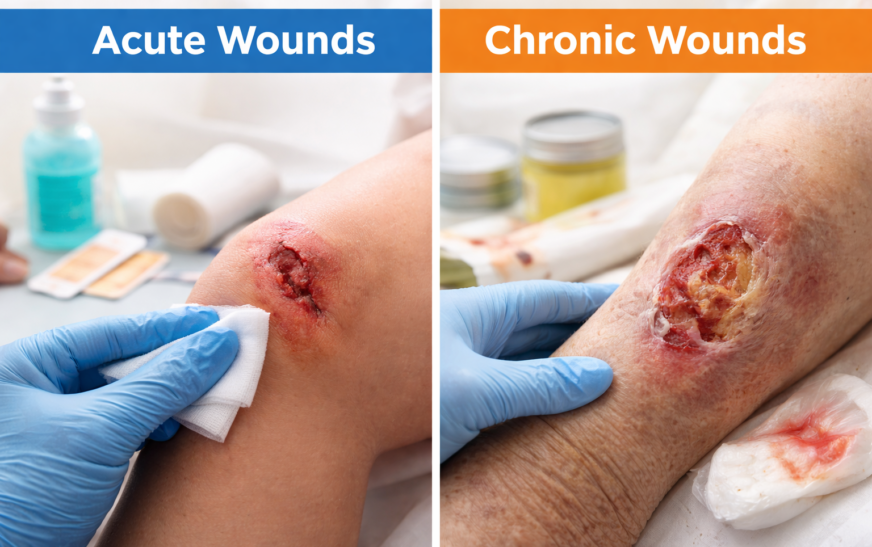
Acute vs Chronic Wounds
Understanding the difference between acute and chronic types of wounds helps patients receive the right treatment at the right time.
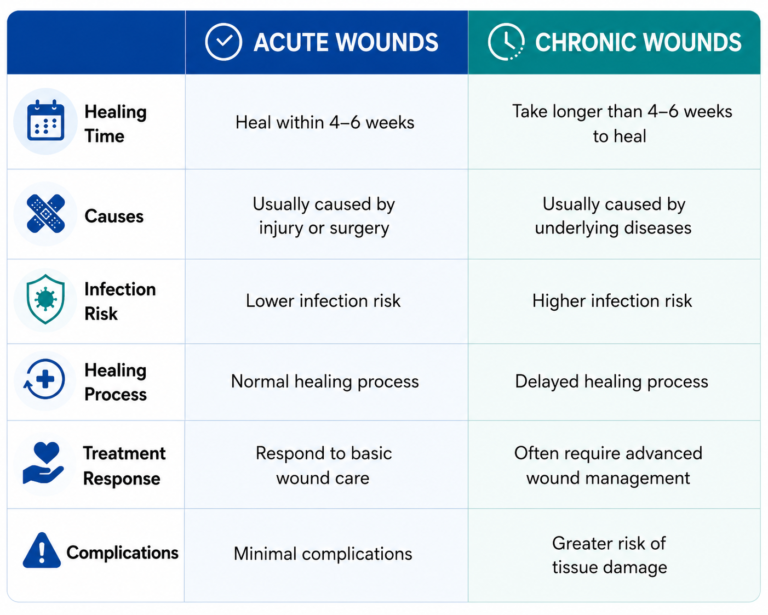
Knowing these differences helps doctors decide which treatment plan is most appropriate.
Stages of Wound Healing
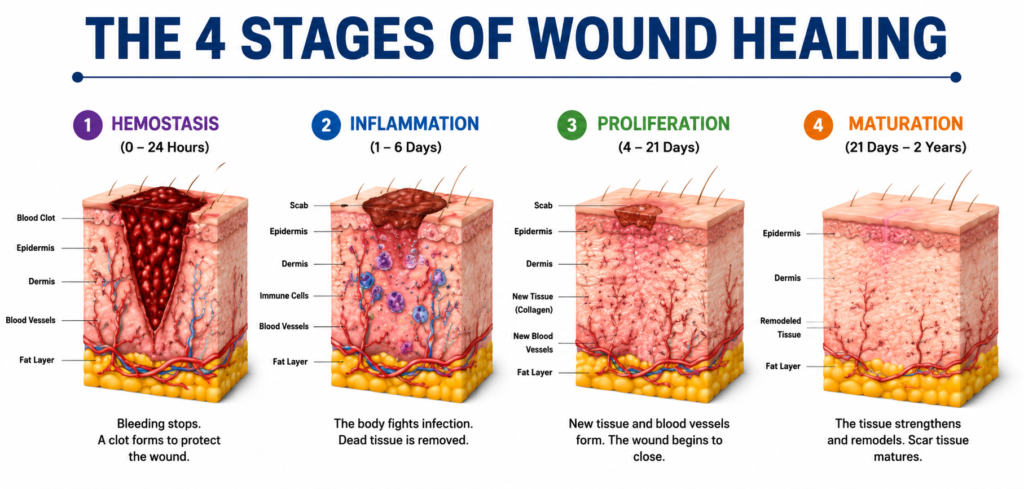
Regardless of the types of wounds, the body follows a natural healing process consisting of four stages.
1. Hemostasis
Immediately after an injury, the body stops bleeding by forming a blood clot.
2. Inflammatory Phase
White blood cells remove bacteria, damaged tissue, and debris while protecting the wound from infection.
3. Proliferative Phase
New blood vessels, collagen, and healthy tissue begin to form. This stage is essential for closing the wound.
Maintaining the Importance of Moist Wound Healing during this stage helps support faster tissue growth and reduces the risk of scarring.
4. Remodeling Phase
The newly formed tissue becomes stronger over time, and the scar gradually matures.
Some chronic types of wounds may remain stuck in the inflammatory phase, preventing complete healing.
Why Some Wounds Fail to Heal
Several factors can delay healing regardless of the types of wounds involved.
These include:
- Diabetes
- Smoking
- Poor nutrition
- Obesity
- Aging
- Poor circulation
- Infection
- Reduced immune function
Patients experiencing delayed healing may benefit from Negative Pressure Wound Therapy (NPWT), which promotes blood flow, removes excess fluid, and supports tissue regeneration.
The National Health Service (NHS) also recommends proper nutrition, regular dressing changes, and early medical evaluation for wounds that fail to heal normally.
Treatment for Different Types of Wounds
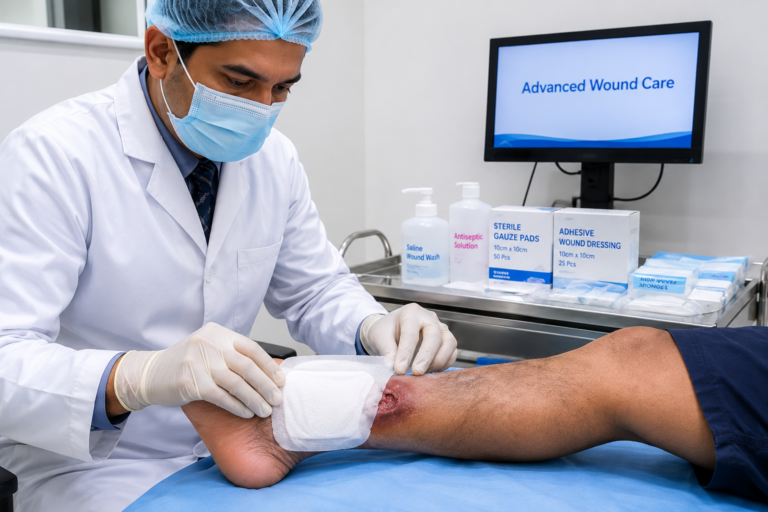
Proper treatment depends on the types of wounds, their severity, location, and the patient’s overall health. While minor wounds may heal with basic first aid, deeper or infected wounds often require professional medical care. Choosing the right treatment not only speeds up healing but also reduces the risk of infection and long-term complications.
Healthcare providers assess the types of wounds before recommending the most suitable treatment plan.
Clean the Wound Properly
The first step in treating most types of wounds is cleaning the injured area with clean water or saline solution. Removing dirt, debris, and bacteria helps reduce the risk of infection.
Avoid using harsh chemicals unless advised by a healthcare professional, as they may damage healthy tissue and delay healing.
Control Bleeding
Apply gentle pressure using sterile gauze or a clean cloth until the bleeding stops. If the bleeding is severe or does not stop after several minutes, seek immediate medical attention.
Apply an Appropriate Dressing
Keeping the wound covered protects it from bacteria and external contaminants.
Using Advanced Wound Dressings helps maintain a moist healing environment, supports faster tissue repair, and reduces pain during dressing changes.
The choice of dressing depends on the types of wounds, wound size, and the amount of drainage.
Prevent Infection
Preventing infection is one of the most important aspects of wound care. Signs such as redness, swelling, warmth, pus, foul odor, or fever may indicate an infection.
Learning to recognize the symptoms of Wound Infection allows patients to seek treatment before complications develop.
According to the Centers for Disease Control and Prevention (CDC), proper hand hygiene, regular dressing changes, and timely medical care help reduce wound-related infections.
Advanced Wound Care
Some chronic types of wounds require specialized treatments that improve healing and reduce recovery time.
Healthcare providers may recommend:
- Debridement (removal of dead tissue)
- Compression therapy
- Skin grafting
- Hyperbaric oxygen therapy
- Growth factor therapy
For wounds that heal slowly, Negative Pressure Wound Therapy (NPWT) can improve blood circulation, remove excess fluid, and promote healthy tissue growth.
Patients should also understand the Difference Between Traditional Wound Care and Advanced Wound Management to make informed decisions about their treatment options.
Tips to Prevent Wound Complications
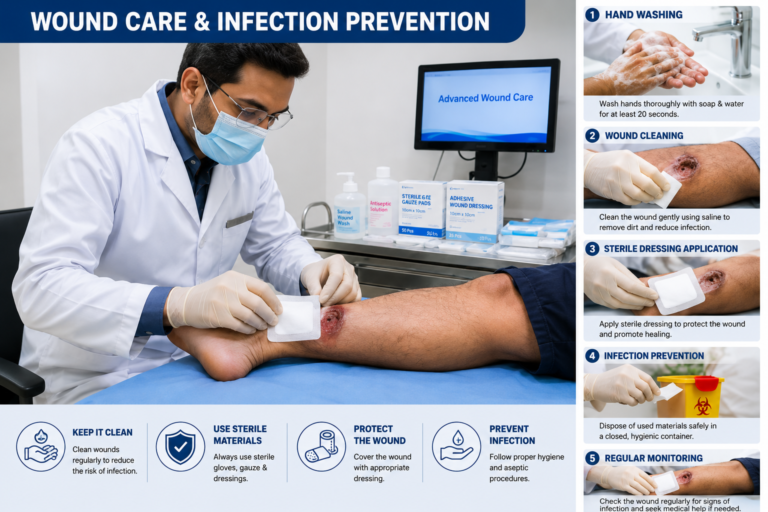
Although not all injuries can be avoided, following healthy habits can reduce complications associated with different types of wounds.
Here are some practical prevention tips:
- Clean wounds immediately after an injury.
- Wash your hands before changing dressings.
- Keep the wound clean and dry.
- Eat a balanced diet rich in protein, vitamins, and minerals.
- Stay hydrated to support tissue repair.
- Avoid smoking, as it slows wound healing.
- Manage diabetes and other chronic health conditions.
- Change dressings as instructed by your healthcare provider.
- Avoid putting pressure on healing wounds.
- Seek medical advice if the wound does not improve.
Maintaining the Importance of Moist Wound Healing can also improve recovery by supporting new tissue formation and reducing scarring.
The MedlinePlus Wound Care Guide recommends proper wound cleaning, dressing changes, and regular monitoring to encourage healthy healing.
Frequently Asked Questions (FAQs)
What are the 4 types of wound drainage?
The four common types of wound drainage are serous, sanguineous, serosanguineous, and purulent drainage. These drainage types help healthcare professionals determine whether a wound is healing normally or showing signs of infection.
Which type of fracture causes an open wound?
An open (compound) fracture causes an open wound because the broken bone breaks through the skin. This injury requires immediate medical treatment to reduce the risk of infection and other complications.
Is a scraping type of wound prone to infection?
Yes. A scraping wound, also known as an abrasion, can become infected if dirt and bacteria remain in the wound. Cleaning the wound promptly and covering it with a sterile dressing helps reduce the risk of infection.
A surgical incision will create which type of wound?
Yes. A scraping wound, also known as an abrasion, can become infected if dirt and bacteria remain in the wound. Cleaning the wound promptly and covering it with a sterile dressing helps reduce the risk of infection.
What are the four types of open wounds?
The four common types of open wounds are:
- Abrasions
- Lacerations
- Incisions
- Puncture wounds
Each requires different treatment depending on its depth, severity, and risk of infection.
Conclusion
Understanding the different types of wounds is essential for proper wound care and faster recovery. Whether you are dealing with an acute injury or a chronic wound, early diagnosis and appropriate treatment can significantly reduce the risk of infection and long-term complications. Identifying the types of wounds correctly also helps healthcare professionals choose the most effective treatment based on the wound’s cause, depth, and healing stage.
Simple injuries often heal with basic first aid, while chronic wounds may require advanced therapies and regular medical supervision. Following good hygiene practices, eating a nutritious diet, managing chronic conditions such as diabetes, and using the right wound care techniques can support healthy healing. If a wound becomes painful, swollen, produces pus, or fails to heal within the expected timeframe, seek medical advice without delay.
For additional evidence-based guidance on wound management, you can refer to Johns Hopkins Medicine and recommendations from the World Health Organization (WHO).