
Table of Contents
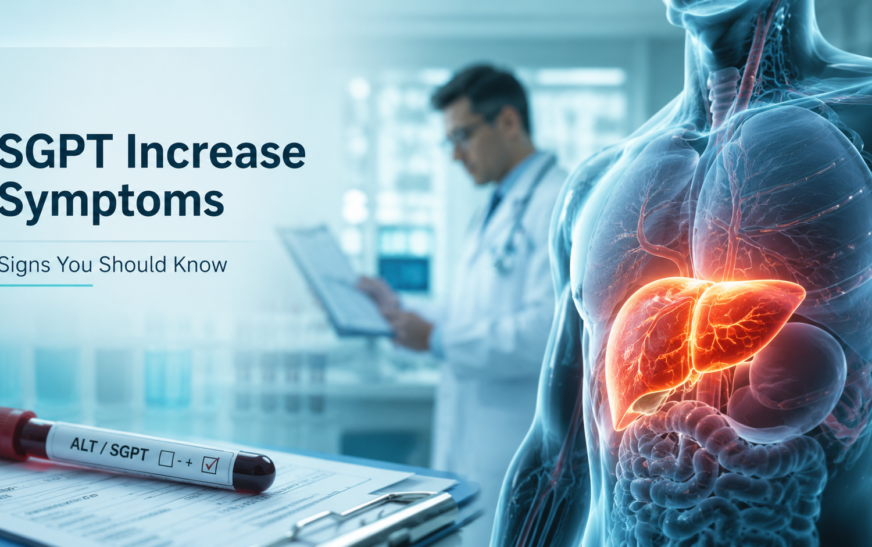
ToggleSGPT increase symptoms can sometimes be difficult to recognize because elevated SGPT may not cause noticeable symptoms in the early stages. SGPT, also known as ALT (alanine aminotransferase), is an enzyme found mainly in the liver. When liver cells become irritated, inflamed or damaged, ALT can enter the bloodstream, causing the SGPT level to rise on a blood test.
Understanding SGPT increase symptoms is important because a high SGPT level is not a disease by itself. Instead, it may indicate that something is affecting the liver. Fatty liver disease, hepatitis, alcohol use, certain medicines, supplements and intense physical activity are some possible reasons for an elevated SGPT level. In some cases, the increase may be temporary, while persistent elevation may require further medical evaluation.
Some people may experience SGPT increase symptoms such as unusual tiredness, loss of appetite, nausea, abdominal discomfort, dark urine or yellowing of the skin and eyes. However, elevated SGPT can also occur without noticeable symptoms and may only be discovered during a routine blood test. Metabolic conditions such as diabetes can also be associated with liver health problems, so understanding what is diabetes, its types and symptoms can help you better understand related health risks. An abnormal SGPT result should be evaluated along with other liver tests, medical history, symptoms and, when necessary, additional blood tests or imaging.
What Is SGPT?
SGPT stands for serum glutamic-pyruvic transaminase and is the older term for ALT, or alanine aminotransferase. It is an enzyme that is mainly found in liver cells. When liver cells are injured, SGPT can enter the bloodstream and its level can become higher than the laboratory’s reference range.
An SGPT test is commonly included in a liver function test or liver panel. Doctors may order this test when a person has possible SGPT increase symptoms, has risk factors for liver disease or needs monitoring for an existing liver condition.
It is important to remember that SGPT is only one part of liver evaluation. A high SGPT result cannot tell you exactly what caused the increase. Healthcare professionals may compare SGPT with AST, bilirubin, alkaline phosphatase and other laboratory findings to understand the overall pattern.
SGPT, also known as ALT, is mainly found in the liver, and liver-cell injury can cause ALT to enter the bloodstream. An ALT test is commonly used to help evaluate possible liver damage or disease. You can learn more about ALT blood test and SGPT results from MedlinePlus, a health information service of the U.S. National Library of Medicine.
What Are the SGPT Increase Symptoms?
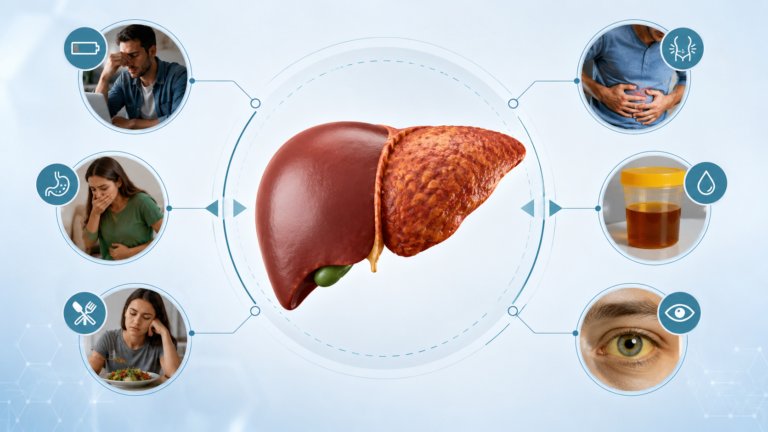
The most important fact about SGPT increase symptoms is that elevated SGPT itself does not always cause symptoms. Instead, symptoms usually come from the underlying condition that is causing the liver enzyme level to increase.
Some common SGPT increase symptoms may include:
1. Persistent Fatigue
Feeling unusually tired or weak can be one of the possible SGPT increase symptoms when an underlying liver condition is present. A person may feel exhausted even after adequate sleep or may notice reduced energy during normal daily activities.
However, fatigue is not specific to high SGPT. Stress, poor sleep, anemia, infections, nutritional deficiencies and many other conditions can also cause tiredness.
2. Loss of Appetite
Loss of appetite can occur with some liver conditions. A person may feel less interested in food or become full after eating only a small amount.
If loss of appetite continues for several days or is accompanied by weight loss, nausea or abdominal discomfort, medical evaluation may be appropriate.
3. Nausea and Vomiting
Nausea is another possible SGPT increase symptom, particularly when elevated SGPT is associated with liver inflammation. Some people may also experience vomiting or a general feeling of digestive discomfort.
Nausea alone does not mean that SGPT is high because stomach infections, food poisoning, medications and other digestive problems can cause similar symptoms.
4. Upper Abdominal Discomfort
Discomfort or pain in the upper-right part of the abdomen can occur with certain liver conditions. This area is located near the liver and gallbladder.
If abdominal pain is persistent, severe or associated with vomiting, fever or jaundice, it should not be ignored.
5. Yellowing of the Eyes or Skin
Jaundice, or yellowing of the skin and whites of the eyes, is an important possible sign of liver or bile-related problems. It can happen when bilirubin builds up in the body.
Jaundice is not a direct result of SGPT itself. Instead, it can indicate an underlying condition that may also cause elevated liver enzymes.
6. Dark-Colored Urine
Dark urine can occur when bilirubin levels become elevated. If dark urine appears together with yellow eyes, abdominal discomfort or unusual fatigue, it is important to seek medical advice.
7. Pale or Light-Colored Stool
Changes in stool color can sometimes occur when bile flow is affected. Pale or clay-colored stool, especially when combined with jaundice or dark urine, should be medically evaluated.
8. Itchy Skin
Persistent itching can occur with certain liver and bile-duct conditions. Although itching is not one of the most specific SGPT increase symptoms, it can be present when an underlying liver problem affects bile flow.
9. Swelling in the Legs or Abdomen
Swelling or fluid retention can occur in some advanced liver conditions. Swelling of the legs or an increase in abdominal size should be evaluated by a healthcare professional.
These symptoms do not prove that a person has high SGPT. A blood test is needed to measure SGPT or ALT.
Why Does SGPT Increase?
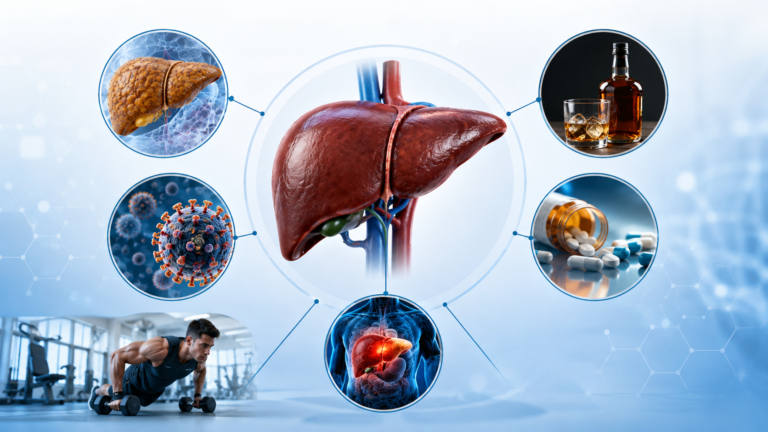
There are many possible reasons why SGPT increases. Understanding the cause is more important than simply trying to lower the number.
Fatty Liver Disease
Fatty liver disease is a common cause of elevated liver enzymes. Metabolic dysfunction-associated steatotic liver disease, or MASLD, is associated with metabolic factors such as excess body weight, diabetes and abnormal blood lipid levels.
People with fatty liver may have few or no symptoms. This is one reason why SGPT increase symptoms may not be noticeable until a blood test identifies an abnormal liver enzyme level.
Lifestyle factors such as maintaining a healthy weight, regular physical activity and managing blood sugar and cholesterol can be important parts of managing fatty liver.
Learn more about the early signs of fatty liver and the symptoms that should not be ignored.
Viral Hepatitis
Hepatitis A, B and C can cause inflammation of the liver and may lead to increased SGPT. Depending on the type of hepatitis and the individual, symptoms may include fatigue, nausea, abdominal discomfort, appetite loss and jaundice.
Some people with viral hepatitis may have few or no symptoms, so testing may be needed when there are risk factors or abnormal liver enzymes.
Alcohol Use
Regular or heavy alcohol consumption can affect liver cells and cause elevated SGPT and other liver enzymes. Alcohol-related liver disease can range from fatty liver to more serious liver injury.
If alcohol is contributing to an increased SGPT level, reducing or avoiding alcohol may be recommended depending on the individual’s medical situation.
Medicines
Certain medicines can affect liver enzymes. For example, some cholesterol-lowering medicines and pain medicines can be associated with elevated liver enzymes.
This does not mean that people should stop prescribed medicines whenever SGPT is high. A healthcare professional should determine whether a medication may be contributing to the result and whether any change is necessary.
Supplements and Herbal Products
Some herbal products, dietary supplements and vitamins can affect liver health. People sometimes assume that natural products cannot harm the liver, but some supplements may cause liver injury.
Always tell your doctor about prescription medicines, over-the-counter medicines, herbal products and supplements you are taking.
Intense Exercise
Very strenuous exercise can sometimes cause temporary increases in ALT and other enzymes. If you recently started intense workouts or performed unusually demanding physical activity, tell your healthcare provider when discussing an abnormal SGPT result.
Other Medical Conditions
Other possible causes of elevated SGPT include autoimmune hepatitis, hemochromatosis, thyroid disorders, certain infections, metabolic conditions and reduced blood flow to the liver.
Because there are many possible causes, SGPT increase symptoms should never be interpreted without considering the complete clinical picture.
Can Stress Increase SGPT?
Many people ask whether stress can cause SGPT increase symptoms or directly increase SGPT.
Stress can affect overall health and lifestyle, but it should not automatically be considered the main cause of an elevated SGPT level. Other established causes, such as fatty liver, alcohol, viral hepatitis, medications, supplements and intense exercise, should also be considered.
If your SGPT is high, it is better to identify the underlying cause instead of assuming that stress alone is responsible.
Managing stress through adequate sleep, physical activity, relaxation techniques and a healthy routine can still support overall health. However, these steps should not replace medical evaluation when liver enzymes are significantly or persistently elevated.
What Is the Normal SGPT Level?
There is no single SGPT number that applies to every person and every laboratory. Reference ranges can vary between laboratories.
For example, one commonly used ALT reference range is around 7 to 56 U/L, but the range printed on your own laboratory report should be considered when interpreting the result.
An SGPT level slightly above the laboratory range does not automatically mean severe liver disease. Similarly, a very high level does not by itself identify the exact cause.
Doctors may consider:
- SGPT or ALT level
- AST level
- Bilirubin
- Alkaline phosphatase
- Other liver tests
- Symptoms
- Medical history
- Medicines and supplements
- Alcohol consumption
- Metabolic risk factors
- Previous test results
Looking at the complete pattern helps doctors determine what additional evaluation may be necessary.
How Is High SGPT Diagnosed?
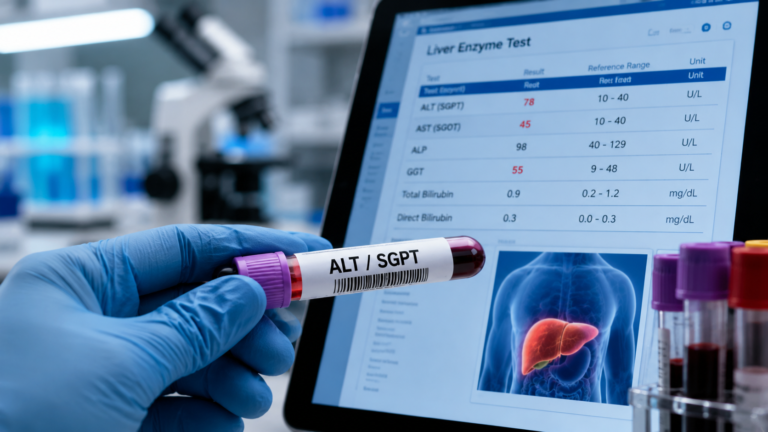
A blood test is the primary way to identify an elevated SGPT level. SGPT is often tested as part of a liver panel.
If the result is abnormal, your healthcare provider may ask about SGPT increase symptoms, lifestyle factors, medications and medical history.
Depending on the situation, additional tests may include:
- Repeat liver enzyme testing
- Hepatitis testing
- Blood tests for metabolic conditions
- Tests for thyroid or autoimmune conditions
- Abdominal ultrasound
- CT or MRI when appropriate
- Other specialized investigations
Cleveland Clinic notes that elevated ALT cannot be used by itself to diagnose a specific condition. Healthcare providers interpret ALT together with other blood tests, symptoms and medical history.
How Are SGPT Increase Symptoms Treated?
There is no single medicine specifically designed to treat SGPT increase symptoms. Treatment depends on the underlying cause of the elevated SGPT level.
For example, if fatty liver is contributing to elevated SGPT, treatment may focus on weight management, physical activity and management of metabolic conditions.
If hepatitis is responsible, the appropriate treatment depends on the type of hepatitis.
If a medicine is contributing to the liver enzyme elevation, a healthcare provider may review the medicine and decide whether it should be changed.
If alcohol is contributing to liver injury, reducing or avoiding alcohol may be part of the treatment plan.
Therefore, the goal is not simply to reduce SGPT. The goal is to identify and manage the condition responsible for the increased liver enzymes.
Can SGPT Go Back to Normal?
Yes, SGPT can return to the normal range when the underlying cause improves or is treated. However, the time required varies from person to person.
For example, temporary elevations may improve after the underlying trigger resolves. If high SGPT is associated with a chronic liver condition, improvement may require longer-term management.
Doctors may repeat liver enzyme tests after a period of time to determine whether the SGPT level is improving.
If you have SGPT increase symptoms along with a persistently high SGPT level, follow-up is especially important because symptoms and test results together may provide more information about the underlying condition.
How Can You Help Keep SGPT Healthy?
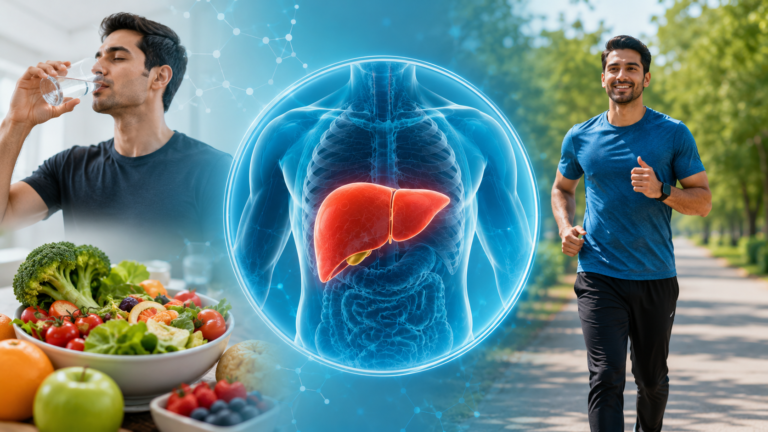
There is no guaranteed home remedy for high SGPT. The right approach depends on the reason for the elevation.
However, several habits can support liver health:
Maintain a Healthy Weight
Excess body weight is associated with fatty liver and metabolic health problems. If weight loss is appropriate for you, gradual and sustainable changes can be more useful than extreme dieting.
Eat a Balanced Diet
Choose a balanced diet that includes vegetables, fruits, whole grains, adequate protein and healthy sources of fat. Limit excessive amounts of highly processed foods and added sugars.
Exercise Regularly
Regular physical activity can support metabolic health and help manage body weight. However, avoid suddenly performing extremely intense exercise if you are not accustomed to it, particularly before repeat liver enzyme testing.
Avoid Excessive Alcohol
Alcohol can contribute to liver injury and elevated liver enzymes. If your doctor recommends avoiding alcohol, follow that advice.
Review Medicines and Supplements
Do not stop prescription medicines without medical advice. Instead, tell your healthcare provider about every medicine, supplement and herbal product you use.
Manage Diabetes and Cholesterol
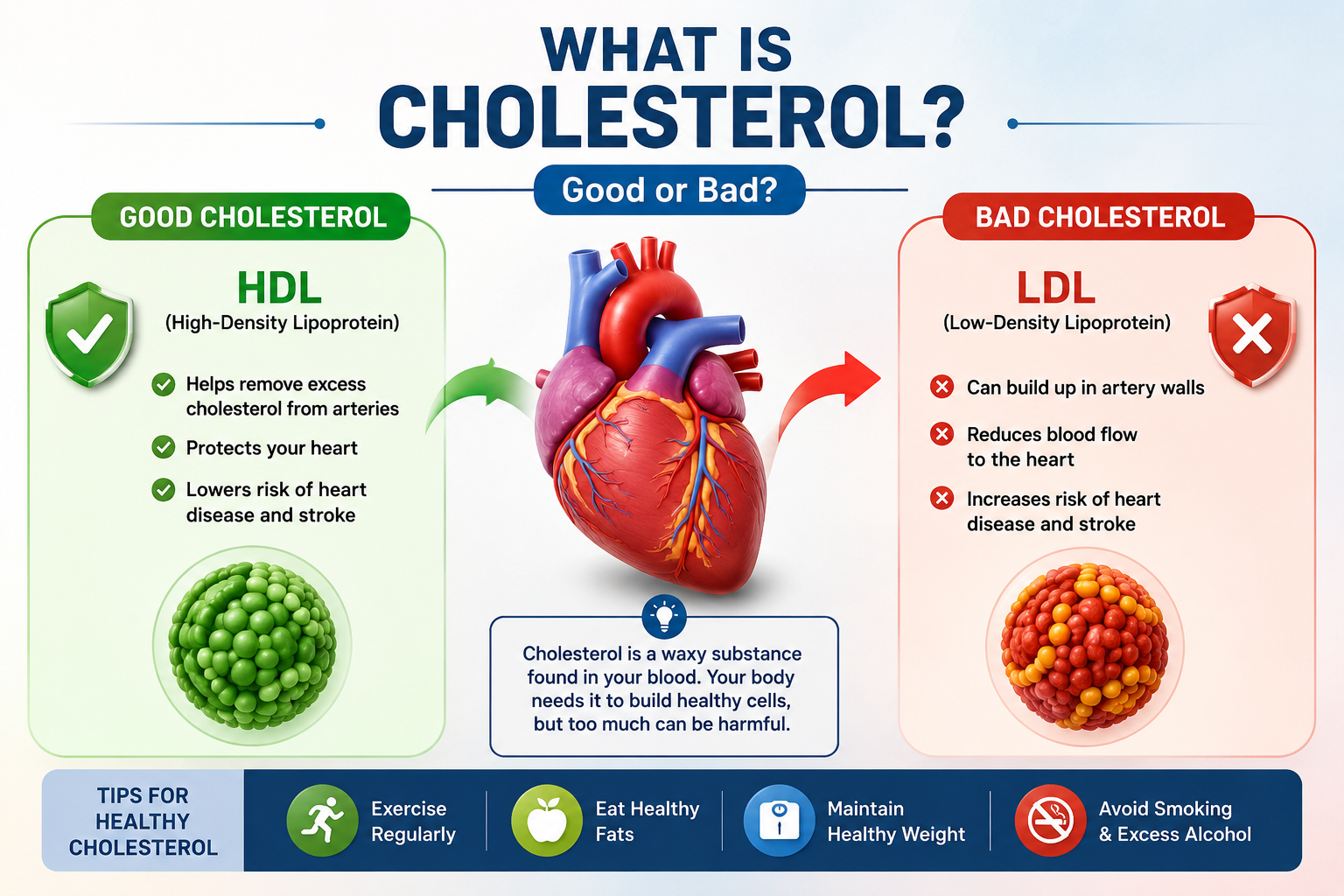
Managing diabetes and cholesterol is also important for overall metabolic and liver health. Abnormal cholesterol levels can occur alongside other metabolic risk factors associated with fatty liver. Understanding your cholesterol levels can help you make better decisions about diet, exercise and long-term health. Read our guide on good and bad cholesterol to learn more.
When Should You See a Doctor?
You should talk to a healthcare professional if a blood test shows that your SGPT is above the laboratory’s reference range, especially if the elevation persists.
Medical evaluation is particularly important when high SGPT is accompanied by possible SGPT increase symptoms such as:
- Yellowing of the eyes or skin
- Persistent abdominal pain
- Dark urine
- Pale stool
- Significant fatigue
- Persistent nausea or vomiting
- Loss of appetite
- Unexplained swelling
- Severe or worsening symptoms
Jaundice, significant abdominal pain or other concerning symptoms should not be ignored.
Frequently Asked Questions (FAQs)
What are the 14 signs of liver damage and how are they treated?
There is no single official list of exactly 14 signs of liver damage because symptoms can vary depending on the type and stage of liver disease.
Possible signs include fatigue, appetite loss, nausea, abdominal discomfort, itching, jaundice, dark urine, pale stool, swelling, fluid retention and other changes. Some liver conditions can cause few or no early symptoms.
Treatment depends on the underlying cause. It may include lifestyle changes, treatment for infections, management of metabolic conditions, medication changes or other medical treatment. Elevated SGPT alone does not confirm liver damage or identify its cause.
What are the early signs of liver damage?
Early liver disease may cause no obvious symptoms. When symptoms are present, they can include fatigue, appetite loss, nausea, abdominal discomfort or itching.
This is why SGPT increase symptoms can sometimes be missed. A person may feel completely normal even when a blood test shows elevated ALT or SGPT.
If liver enzymes remain elevated, medical evaluation can help identify the cause.
Can SGPT go back to normal?
Yes. SGPT can return to the normal range when the underlying cause improves or is treated. However, the time required depends on the reason for the elevated SGPT.
If the increase is related to fatty liver, hepatitis, alcohol, medicines or another condition, treatment should focus on that specific cause. Your healthcare provider may recommend repeat testing to monitor the SGPT level.
Can stress increase SGPT?
Stress should not automatically be considered the main cause of elevated SGPT. While lifestyle and stress can influence overall health, many other factors can increase ALT, including fatty liver, hepatitis, alcohol, medicines, supplements and intense exercise.
If you have SGPT increase symptoms or an abnormal SGPT result, it is better to discuss the complete situation with a healthcare professional rather than assuming stress is the cause.
Is high SGPT always a sign of liver disease?
No. High SGPT does not always mean that a person has a serious liver disease.
ALT is mainly associated with the liver, but it can also be affected by factors such as intense exercise and certain medicines. Healthcare providers consider the SGPT level together with other blood tests, symptoms and medical history.
What are the most common SGPT increase symptoms?
Common possible SGPT increase symptoms include fatigue, appetite loss, nausea, abdominal discomfort, itching, dark urine and jaundice when an underlying liver problem is present.
However, many people with elevated SGPT have no symptoms at all. A blood test is therefore necessary to determine whether SGPT is elevated.
What causes SGPT to increase suddenly?
Suddenly increased SGPT can have several possible causes, including acute liver inflammation, viral hepatitis, alcohol-related injury, medication-related liver injury and other conditions.
Intense physical exercise can also temporarily affect ALT levels. The significance of a sudden increase depends on the actual level, symptoms, other laboratory results and medical history.
Is high SGPT dangerous?
A high SGPT level can sometimes indicate liver injury, but the number alone does not determine how dangerous the condition is.
A mildly elevated result may have a temporary or relatively minor cause, while persistent or significantly elevated liver enzymes may require more detailed investigation.
If you have SGPT increase symptoms or repeated abnormal liver tests, consult a healthcare professional for appropriate evaluation.
How can I reduce high SGPT naturally?
There is no universal natural remedy that lowers SGPT safely for everyone. The best approach is to identify the cause.
Healthy habits such as maintaining a healthy weight, exercising regularly, eating a balanced diet, managing diabetes and cholesterol and avoiding excessive alcohol can support liver health.
However, if SGPT is elevated because of hepatitis, medication-related liver injury or another medical condition, lifestyle changes alone may not be enough.
Should I worry if my SGPT is slightly high?
A slightly high SGPT does not necessarily mean that you have serious liver disease. Mild elevations can occur for several reasons, and some temporary factors can affect ALT.
However, persistent elevation should be evaluated, particularly if you have risk factors for liver disease or SGPT increase symptoms.
Your healthcare provider may repeat the test or recommend additional investigations depending on your individual situation.
Conclusion
SGPT increase symptoms can vary considerably because elevated SGPT is a laboratory finding rather than a disease itself. Some people may experience fatigue, nausea, appetite loss, abdominal discomfort, itching, dark urine or jaundice when an underlying liver problem is present, while others may have no symptoms at all.
Fatty liver disease, hepatitis, alcohol use, certain medicines, supplements and intense exercise are among the possible reasons for an elevated SGPT level.
If your blood report shows high SGPT, do not rely only on symptoms or home remedies. A healthcare professional can evaluate your SGPT result together with other liver tests, medical history and risk factors to identify the possible cause.
The key point is that SGPT increase symptoms should be understood in relation to the underlying condition. Finding and treating that underlying cause is more important than simply trying to lower the SGPT number.