
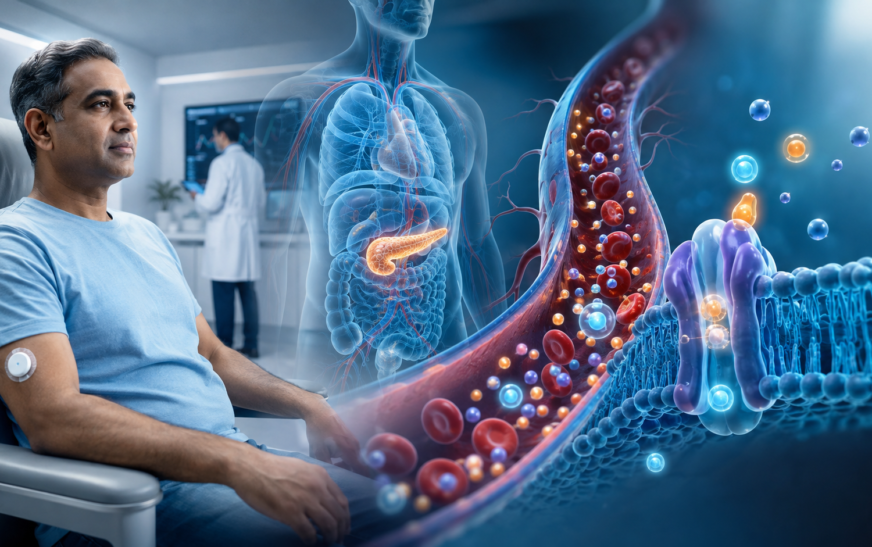
Diabetes is a chronic health condition that affects how the body uses glucose, also known as blood sugar. Understanding the difference between fasting blood sugar and post-meal blood sugar is an important part of learning how diabetes affects the body and why glucose testing may be recommended. If you are searching for what is diabetes, it is a condition in which blood glucose levels become too high because the body does not produce enough insulin, does not use insulin effectively, or both.
Table of Contents
ToggleGlucose is an important source of energy for the body. It comes mainly from the foods we eat, especially carbohydrates. Insulin is a hormone produced by the pancreas that helps glucose move from the bloodstream into the body’s cells, where it can be used for energy.
When insulin is not produced properly or does not work effectively, glucose can remain in the bloodstream instead of entering cells. Over time, high blood glucose can affect important organs and systems, including the heart, kidneys, eyes, nerves, and blood vessels.
Understanding what is diabetes is important because early recognition, appropriate testing, and proper management can help reduce the risk of long-term complications.
What Is Diabetes in Simple Words?
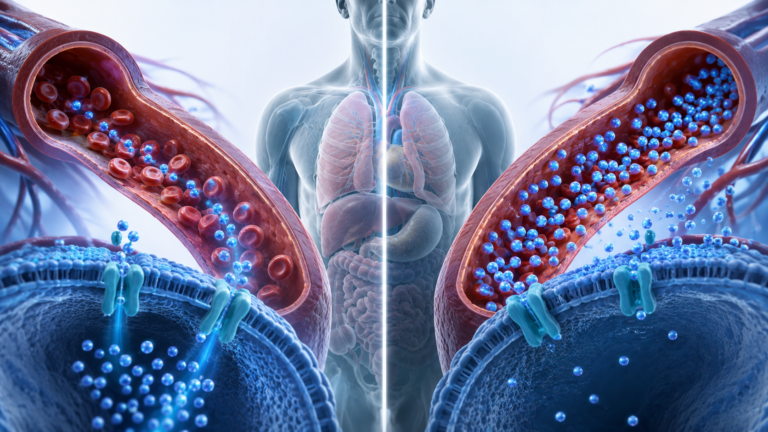
Think of glucose as fuel and insulin as a key that helps the fuel enter your body’s cells. After eating, carbohydrates are broken down into glucose, which enters the bloodstream. The pancreas normally releases insulin, allowing cells to take in glucose and use it for energy.
In diabetes, this process does not work normally. The body may produce little or no insulin, or cells may become resistant to insulin. As a result, too much glucose remains in the blood.
This is why understanding what is diabetes is not simply about knowing that someone has “high sugar.” Diabetes involves problems with how the body produces or uses insulin and how it regulates blood glucose.
If high blood glucose continues for a long time, it can contribute to damage involving blood vessels and nerves.
How Does Diabetes Develop?
The answer to what is diabetes can differ depending on the type.
In type 1 diabetes, the immune system mistakenly attacks and destroys insulin-producing beta cells in the pancreas. As a result, the body produces little or no insulin. People with type 1 diabetes need insulin treatment to survive.
In type 2 diabetes, the body usually develops insulin resistance. This means the body’s cells do not respond to insulin as effectively as they should. Initially, the pancreas may produce more insulin to compensate. Over time, however, insulin production may not be sufficient to keep blood glucose levels within a healthy range.
Gestational diabetes develops during pregnancy when hormonal changes make it harder for the body to use insulin effectively.
Although these conditions are all forms of diabetes, their causes and treatment approaches are different.
Main Types of Diabetes

There are several forms of diabetes, but the three main types are type 1 diabetes, type 2 diabetes, and gestational diabetes.
| Type of Diabetes | What Happens in the Body | Common Characteristics |
|---|---|---|
| Type 1 Diabetes | The immune system destroys insulin-producing cells | Requires insulin treatment |
| Type 2 Diabetes | The body becomes resistant to insulin and may eventually produce insufficient insulin | Most common type |
| Gestational Diabetes | Blood glucose becomes elevated during pregnancy | Usually identified through pregnancy screening |
Knowing the differences between these conditions makes it easier to understand what is diabetes and why treatment can vary from one person to another.
The main types of diabetes include type 1 diabetes, type 2 diabetes, and gestational diabetes.
Type 1 Diabetes
Type 1 diabetes is an autoimmune condition. The immune system mistakenly attacks and destroys the insulin-producing cells in the pancreas.
Because the body produces little or no insulin, glucose cannot move efficiently from the bloodstream into cells. Without insulin treatment, blood glucose can rise to dangerously high levels.
Type 1 diabetes can develop at any age, although it is commonly diagnosed during childhood, adolescence, or young adulthood.
Common symptoms may include:
- Increased thirst
- Frequent urination
- Increased hunger
- Unexplained weight loss
- Extreme tiredness
- Blurred vision
Symptoms can sometimes develop quickly. Rapidly worsening symptoms should be evaluated by a healthcare professional promptly.
When discussing what is diabetes, it is important to remember that type 1 diabetes is not simply caused by eating too much sugar or having an unhealthy lifestyle.
Type 2 Diabetes
Type 2 diabetes is the most common form of diabetes. It usually develops when the body does not use insulin effectively, a condition known as insulin resistance.
At first, the pancreas may produce more insulin to compensate. Over time, however, the pancreas may not be able to produce enough insulin to maintain healthy blood glucose levels.
One important point about what is diabetes is that type 2 diabetes can develop gradually. Some people may have few or no noticeable symptoms for a long time.
Risk factors for type 2 diabetes can include:
- Family history of diabetes
- Physical inactivity
- Overweight or obesity
- Increasing age
- Previous gestational diabetes
- Prediabetes
- Certain genetic factors
- Certain health conditions
Having one or more risk factors does not mean that a person will definitely develop type 2 diabetes.
Gestational Diabetes
Gestational diabetes develops during pregnancy when blood glucose levels become higher than normal.
Hormonal changes during pregnancy can make the body less sensitive to insulin. In some women, the pancreas cannot produce enough additional insulin to compensate.
Gestational diabetes may not cause noticeable symptoms, which is why screening during pregnancy is important.
Blood glucose levels may return to normal after delivery, but having gestational diabetes can increase the mother’s future risk of developing type 2 diabetes.
Why Is Diabetes a Serious Health Condition?
To fully understand what is diabetes, it is important to know why persistently high blood glucose can be harmful.
When blood glucose remains elevated for long periods, it can contribute to damage involving blood vessels and nerves. This may increase the risk of:
- Heart disease
- Stroke
- Kidney disease
- Eye problems
- Nerve damage
- Foot problems
- Poor wound healing
The development of complications is not inevitable. Good blood glucose management, healthy lifestyle habits, regular medical care, and recommended screening can help reduce the risk.
Early Symptoms of Diabetes

Another important part of understanding what is diabetes is recognizing possible symptoms.
Diabetes symptoms can vary depending on the type of diabetes and how high blood glucose levels become.
Common symptoms include:
Frequent Urination
When blood glucose becomes too high, the kidneys work harder to remove excess glucose from the body. This can result in more frequent urination.
Increased Thirst
Frequent urination can cause the body to lose more fluid, which may lead to increased thirst.
Increased Hunger
Some people with diabetes may feel unusually hungry because glucose is not being used effectively by the body’s cells.
Unexplained Weight Loss
Unintentional weight loss can occur when the body cannot use glucose effectively for energy.
Fatigue
When glucose cannot enter cells efficiently, the body may not receive enough usable energy, which can contribute to tiredness.
Blurred Vision
High blood glucose can temporarily affect the eye’s lens and may cause blurred vision.
Slow-Healing Wounds
Diabetes can affect circulation and nerve function, which may contribute to slow healing of cuts and wounds.
Not everyone with diabetes experiences all of these symptoms.
Can You Have Diabetes Without Symptoms?
Yes. This is an important point when learning what is diabetes.
Type 2 diabetes can develop slowly over several years. Some people can have elevated blood glucose without feeling noticeably unwell.
Because symptoms may be mild or absent, people with risk factors for type 2 diabetes may benefit from appropriate blood glucose screening.
A healthcare professional can recommend testing based on age, health history, risk factors, and other individual circumstances.
What Causes Diabetes?
The causes of diabetes depend on the type. There is no single cause that explains every case.
Type 1 diabetes is associated with an autoimmune reaction in which the immune system attacks insulin-producing cells.
Type 2 diabetes develops through a combination of factors, including genetics, insulin resistance, physical activity, body weight, and other metabolic factors.
Gestational diabetes is associated with hormonal and metabolic changes during pregnancy.
It is also important to understand that what is diabetes cannot be explained simply by saying that eating sugar causes the condition. Different forms of diabetes have different underlying mechanisms.
Risk Factors for Type 2 Diabetes
Certain factors can increase the risk of developing type 2 diabetes. Understanding these risk factors can help explain what is diabetes and why some people may need regular screening.
Common risk factors include:
- Having overweight or obesity
- Physical inactivity
- Having a family history of diabetes
- Increasing age
- Having prediabetes
- Previous gestational diabetes
- Certain genetic factors
- Certain health conditions associated with insulin resistance
Having a risk factor does not mean that a person will definitely develop diabetes. However, people with multiple risk factors may benefit from regular health checkups and appropriate blood glucose testing.
Is Diabetes Caused by Eating Sugar?
A common question when searching for what is diabetes is whether eating sugar directly causes the condition.
Type 1 diabetes is an autoimmune condition and is not caused simply by eating sugary foods.
Type 2 diabetes develops through a combination of genetic, metabolic, and lifestyle factors. A diet consistently high in calories and added sugars can contribute to excess weight and metabolic problems, which may increase the risk of type 2 diabetes.
Therefore, diabetes should not be described as a condition caused simply by eating sugar.
How Is Diabetes Diagnosed?

Symptoms alone cannot confirm diabetes. Blood glucose testing is needed to determine whether a person has diabetes or prediabetes.
Healthcare professionals may use several tests, including:
- A1C test
- Fasting blood glucose test
- Oral glucose tolerance test
- Random blood glucose test
The appropriate test depends on the individual’s health, symptoms, pregnancy status, and other circumstances.
A1C Test
The A1C test measures average blood glucose levels over approximately the previous three months.
For non-pregnant adults, commonly used diagnostic ranges are:
- Below 5.7%: Normal
- 5.7%–6.4%: Prediabetes
- 6.5% or higher: Diabetes range
The A1C test usually does not require fasting.
A healthcare professional may recommend repeat testing or another test to confirm a diagnosis.
Fasting Blood Glucose Test
A fasting blood glucose test measures blood glucose after fasting.
For non-pregnant individuals:
- Below 100 mg/dL: Normal
- 100–125 mg/dL: Prediabetes range
- 126 mg/dL or higher: Diabetes range
Test results should be interpreted by a healthcare professional in the context of the person’s overall health.
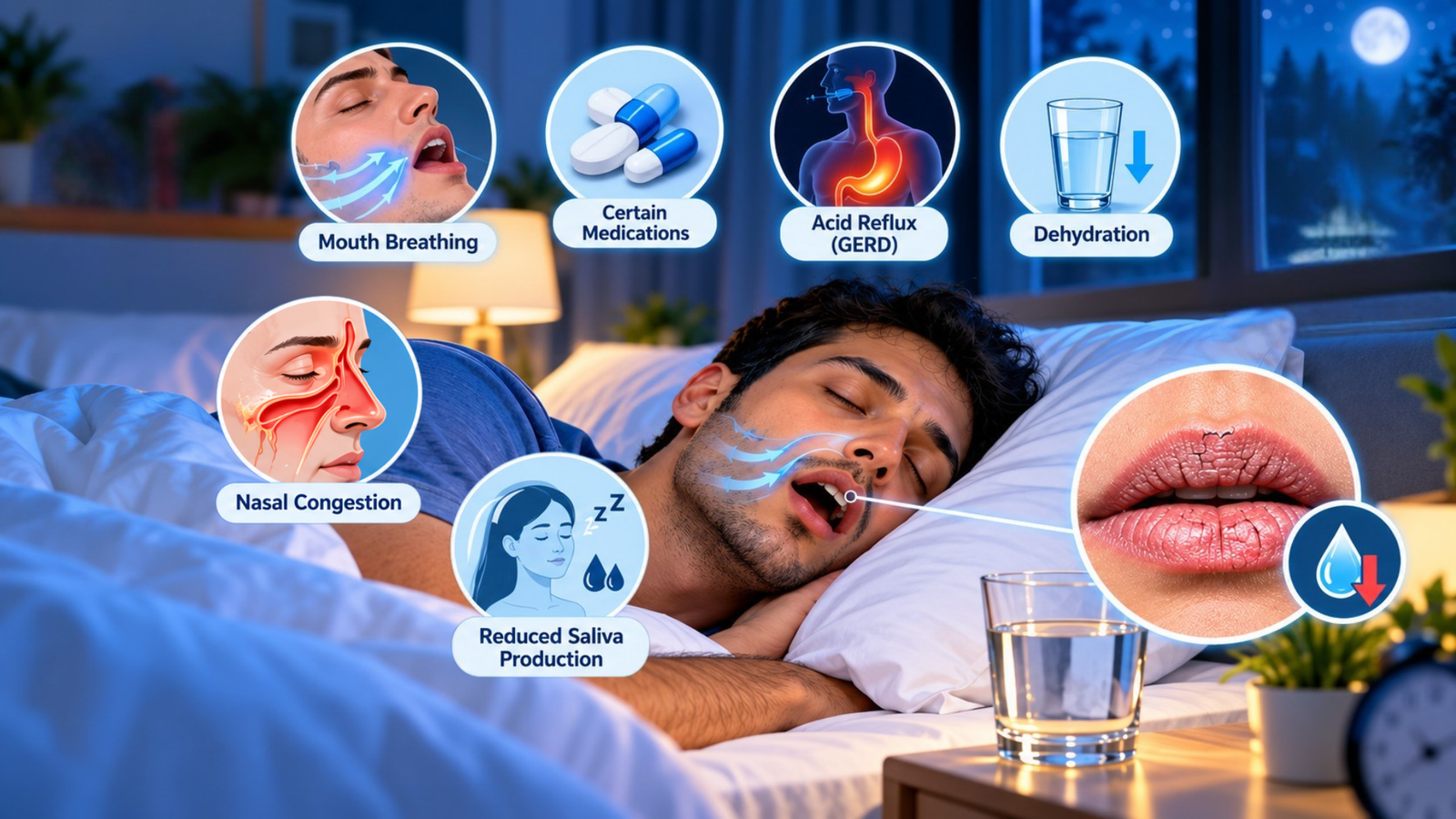
Understanding the difference between fasting blood sugar and post-meal blood sugar can also help people better understand how blood glucose is measured throughout the day.
Oral Glucose Tolerance Test
An oral glucose tolerance test measures how the body responds to glucose.
After fasting, the person drinks a glucose-containing liquid. Blood glucose is then measured at specific intervals.
For the commonly used two-hour test:
- Below 140 mg/dL: Normal
- 140–199 mg/dL: Prediabetes range
- 200 mg/dL or higher: Diabetes range
Different criteria may apply during pregnancy.
Random Blood Glucose Test
A random blood glucose test can be performed at any time of day and does not require fasting.
A blood glucose level of 200 mg/dL or higher may indicate diabetes when it occurs together with classic symptoms of high blood glucose.
A healthcare professional can determine whether additional testing is needed.
Diabetes Diagnosis: Quick Comparison
| Test | Normal | Prediabetes | Diabetes Range |
|---|---|---|---|
| A1C | Below 5.7% | 5.7%–6.4% | 6.5% or higher |
| Fasting Blood Glucose | Below 100 mg/dL | 100–125 mg/dL | 126 mg/dL or higher |
| 2-Hour Glucose Tolerance Test | Below 140 mg/dL | 140–199 mg/dL | 200 mg/dL or higher |
| Random Blood Glucose | Generally below diabetes range | — | 200 mg/dL or higher with classic symptoms |
These ranges are commonly used for diagnosing diabetes in non-pregnant individuals. Pregnancy may have different diagnostic criteria.
What Is Prediabetes?
Prediabetes means blood glucose levels are higher than normal but are not yet high enough to meet the criteria for diabetes.
It is an important warning sign because people with prediabetes have a higher risk of developing type 2 diabetes.
However, prediabetes does not mean that diabetes will definitely develop. For people at increased risk, lifestyle changes may help delay or prevent progression to type 2 diabetes.
Regular physical activity, a balanced eating pattern, appropriate weight management, and regular medical checkups can all support diabetes prevention.
How Is Diabetes Treated?
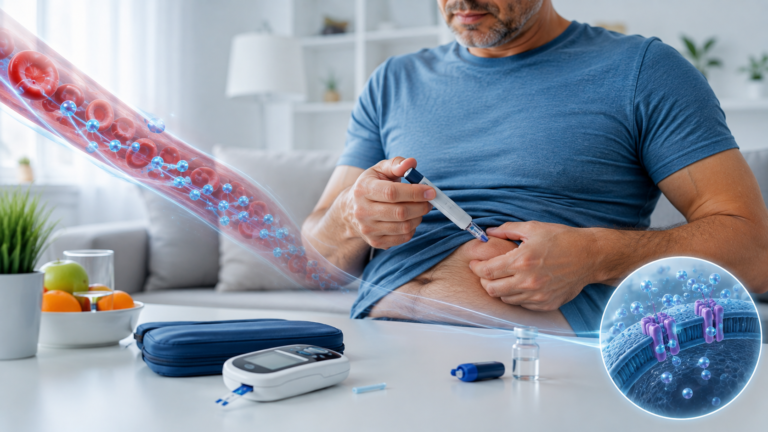
Understanding what is diabetes also means understanding how the condition can be managed.
There is no single treatment plan that works for everyone. Treatment depends on the type of diabetes, blood glucose levels, overall health, medications, and individual needs.
The main goals of diabetes treatment are to manage blood glucose, reduce symptoms, prevent or delay complications, and support overall health.
Treatment for Type 1 Diabetes
People with type 1 diabetes need insulin because their bodies produce little or no insulin.
Insulin may be delivered through:
- Insulin injections
- Insulin pens
- Insulin pumps
- Other prescribed insulin-delivery methods
People with type 1 diabetes also need appropriate blood glucose monitoring and education about food, physical activity, insulin use, and recognizing changes in blood glucose.
Some people who use insulin pumps receive insulin through insulin infusion sets, which connect the pump to the body and allow continuous insulin delivery.
Treatment for Type 2 Diabetes
Treatment for type 2 diabetes may include lifestyle changes, oral medicines, injectable medicines, insulin, or a combination of treatments.
Important aspects of diabetes management may include:
- Eating a balanced diet
- Staying physically active
- Maintaining a healthy weight when appropriate
- Monitoring blood glucose when recommended
- Taking prescribed medicines correctly
- Attending regular medical appointments
Some people with type 2 diabetes can achieve significant improvements in blood glucose through lifestyle changes and medical treatment.
Some people may achieve type 2 diabetes remission, but remission does not necessarily mean that the condition can never return. Continued healthy habits and medical monitoring may still be important.
Treatment for Gestational Diabetes
Gestational diabetes treatment focuses on maintaining healthy blood glucose levels during pregnancy.
Depending on the individual’s circumstances, management may include:
- A balanced eating plan
- Appropriate physical activity
- Blood glucose monitoring
- Medication when necessary
- Regular prenatal care
Pregnant women with gestational diabetes should follow the treatment plan recommended by their healthcare professional.
Lifestyle Changes That Can Help Manage Diabetes
Learning what is diabetes is only the first step. Daily lifestyle habits can also play an important role in managing blood glucose and supporting overall health.
Eat a Balanced Diet
A balanced eating pattern may include:
- Vegetables
- Whole grains
- Beans and lentils
- Fruits in appropriate portions
- Lean protein
- Nuts and seeds
- Healthy sources of fat
People with diabetes may need to pay attention to carbohydrate portions and meal timing depending on their individual treatment plan.
Instead of following extreme diets, focus on sustainable eating habits that provide adequate nutrients.
Stay Physically Active
Regular physical activity can help improve insulin sensitivity and support cardiovascular health.
Activities such as walking, cycling, swimming, and strength training may be useful for many people.
The type and intensity of physical activity should be appropriate for an individual’s health and fitness level.
Maintain a Healthy Weight
For people with overweight or obesity and type 2 diabetes, appropriate weight management may improve insulin sensitivity and blood glucose control.
The focus should be on sustainable habits rather than rapid or extreme weight-loss methods.
Take Medicines as Prescribed
If diabetes medication has been prescribed, take it according to your healthcare professional’s instructions.
Do not stop, increase, or reduce diabetes medication without medical advice.
Possible Complications of Diabetes
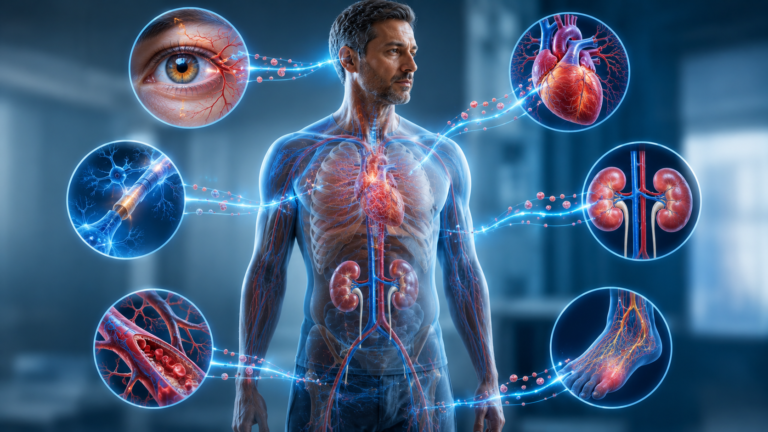
One important reason to understand what is diabetes is that prolonged high blood glucose can affect different organs and systems in the body.
Possible diabetes complications include:
Heart Disease and Stroke
Diabetes can increase the risk of cardiovascular disease, including heart disease and stroke.
Managing blood glucose, blood pressure, cholesterol, and other cardiovascular risk factors can support overall heart health.
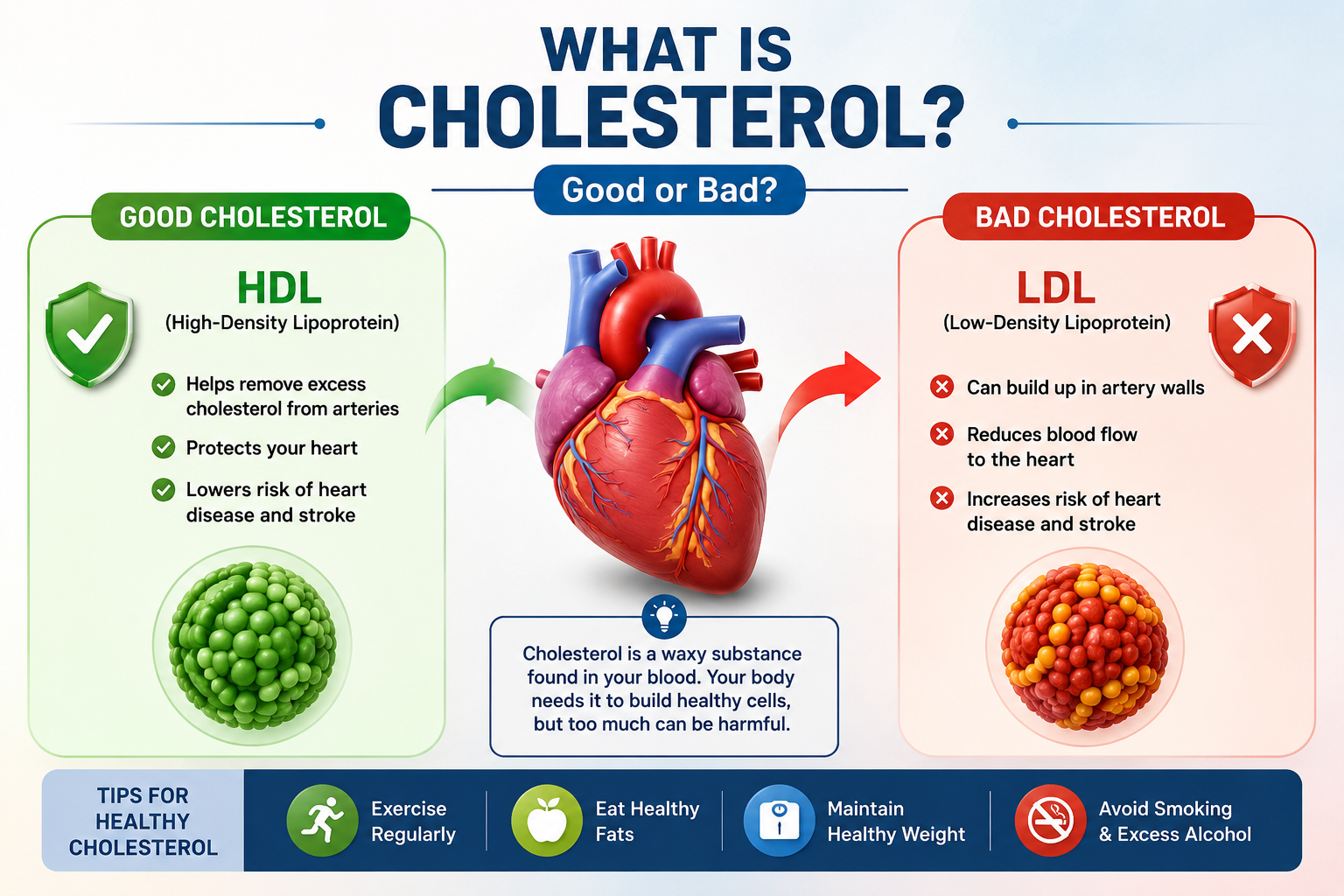
Managing blood glucose along with blood pressure and good and bad cholesterol levels can support overall cardiovascular health.
Kidney Disease
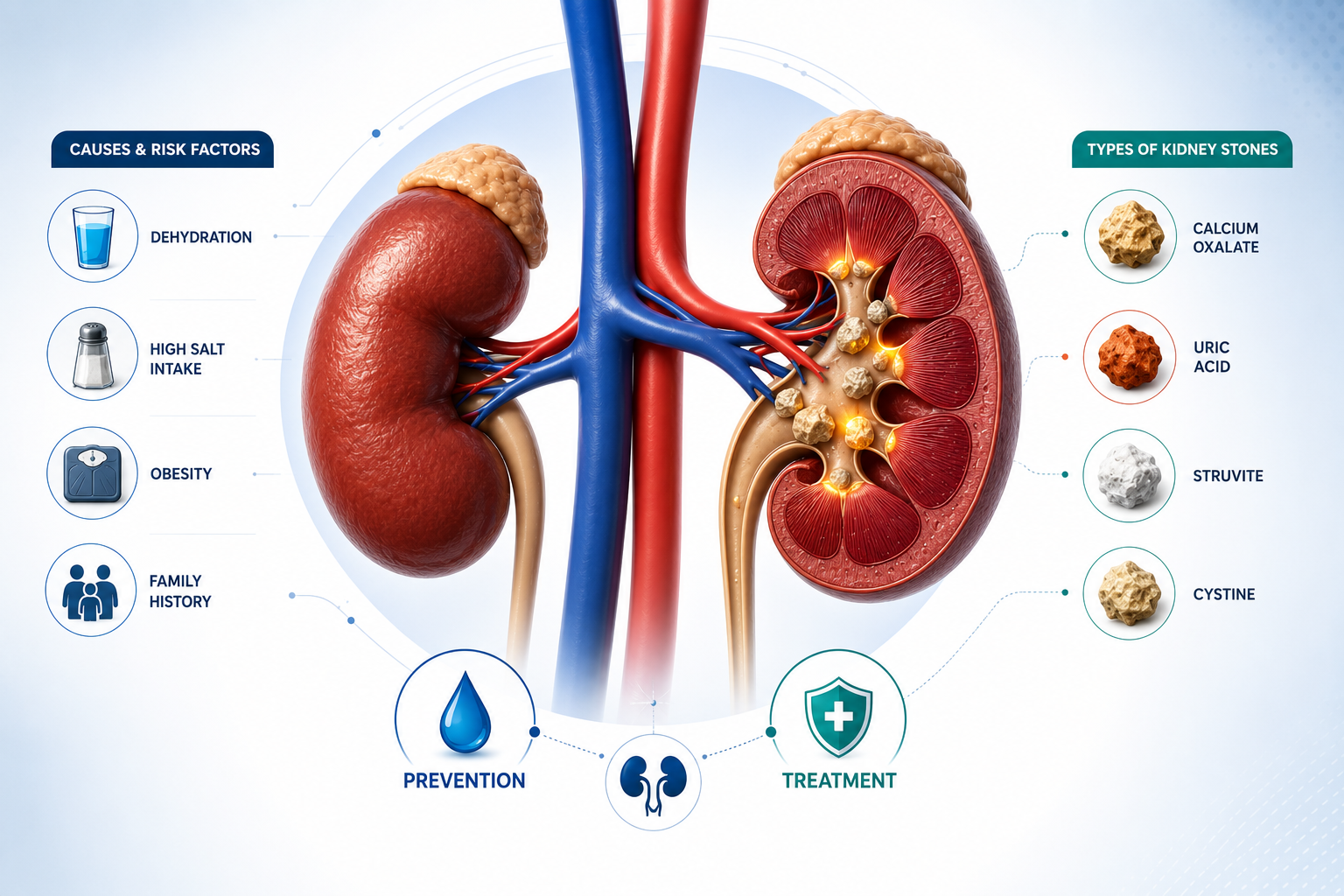
Persistently high blood glucose can damage the small blood vessels in the kidneys.
Over time, this can contribute to diabetes-related kidney disease. Regular kidney health assessments may help detect problems earlier.
Eye Problems
Diabetes can damage blood vessels in the retina and contribute to diabetic eye disease.
In severe cases, diabetes-related eye complications can affect vision or lead to vision loss.
Regular eye examinations can help identify changes early.
Nerve Damage
Long-term high blood glucose can damage nerves, particularly those in the feet and legs.
Possible symptoms include:
- Numbness
- Tingling
- Burning
- Pain
- Reduced ability to feel injuries
Foot Problems
Nerve damage and circulation problems can make foot injuries more difficult to notice and heal.
People with diabetes should regularly check their feet for:
- Cuts
- Blisters
- Redness
- Swelling
- Sores
- Changes in skin color
- Signs of infection
A wound that does not heal properly should be evaluated by a healthcare professional.
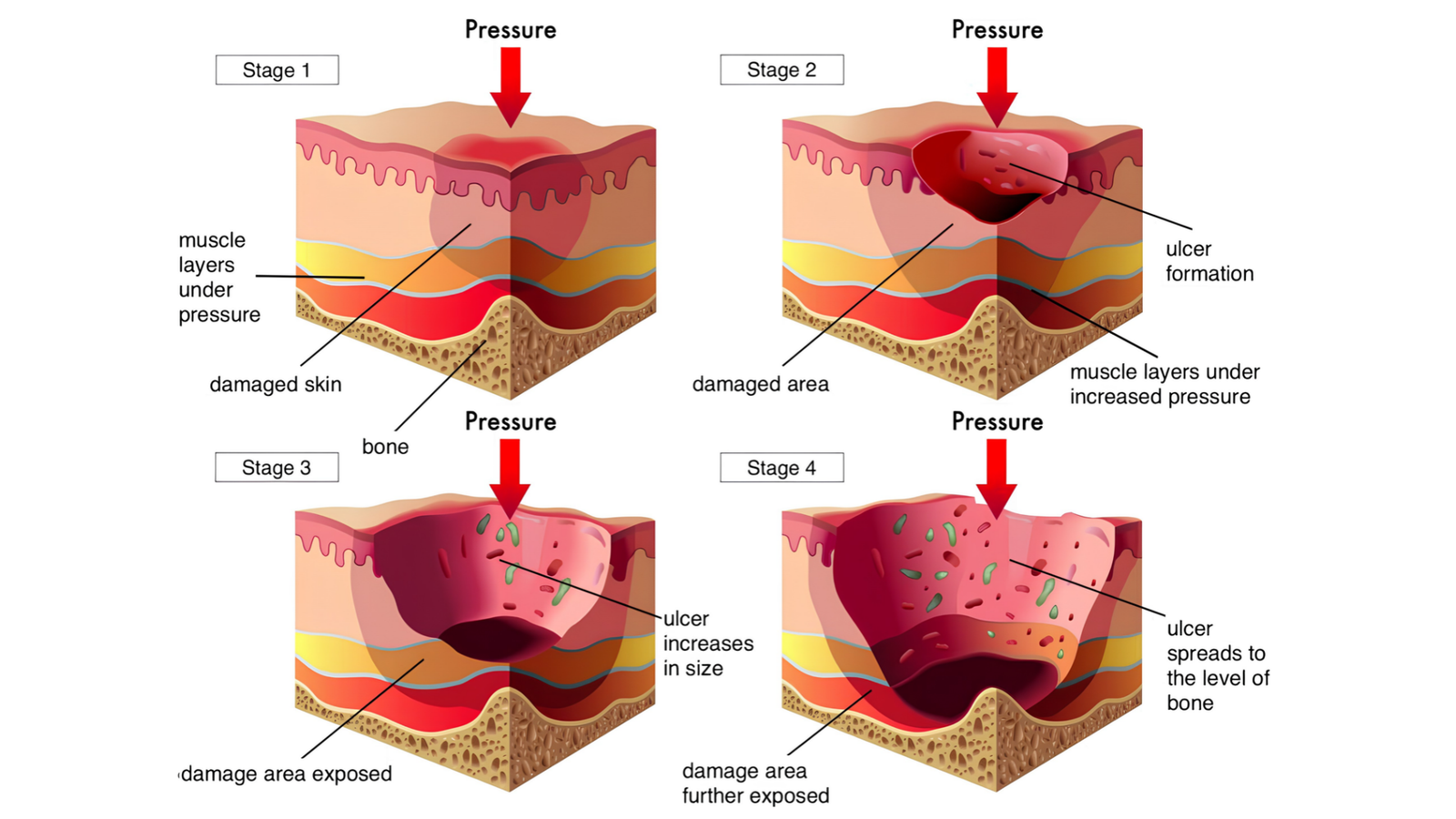
People with diabetes should regularly check their feet and learn about proper diabetic wound care, especially when they notice cuts, sores, or wounds that are slow to heal.
Can Diabetes Be Prevented?

Not every type of diabetes can currently be prevented.
Type 1 diabetes cannot currently be prevented through diet or exercise. However, type 2 diabetes can often be delayed or prevented in people who are at increased risk.
Helpful habits include:
- Staying physically active
- Eating a balanced diet
- Maintaining a healthy weight when appropriate
- Avoiding tobacco
- Getting adequate sleep
- Managing blood pressure and cholesterol
- Attending recommended health screenings
Small and consistent lifestyle changes are generally more sustainable than extreme diets or exercise programs.
For information about diabetes, its health impact, and diabetes awareness in India, readers can explore the WHO India diabetes resource.
When Should You See a Doctor?
You should speak with a healthcare professional if you experience possible diabetes symptoms, such as:
- Excessive thirst
- Frequent urination
- Unexplained weight loss
- Persistent fatigue
- Blurred vision
- Slow-healing wounds
- Recurrent infections
- Numbness or tingling
You should also discuss diabetes screening if you have risk factors, even when you do not have symptoms.
Because type 2 diabetes can develop without obvious warning signs, appropriate testing can help identify the condition earlier.
Frequently Asked Questions (FAQs)
What is diabetes in simple words?
Diabetes is a chronic condition in which blood glucose levels become too high because the body does not produce enough insulin, does not use insulin effectively, or both.
What are the main types of diabetes?
The three main types are type 1 diabetes, type 2 diabetes, and gestational diabetes. Each type has different causes and treatment approaches.
What are the early signs of diabetes?
Common early diabetes symptoms include increased thirst, frequent urination, increased hunger, fatigue, unexplained weight loss, blurred vision, and slow-healing wounds.
Can you have diabetes without symptoms?
Yes. Type 2 diabetes can develop gradually and may cause few or no noticeable symptoms, particularly during the early stages.
Does eating sugar cause diabetes?
Eating sugar alone does not explain all cases of diabetes. Type 1 diabetes is an autoimmune condition, while type 2 diabetes develops through a combination of genetic, metabolic, lifestyle, and other factors.
Is diabetes curable?
There is currently no universal cure for diabetes. Type 1 diabetes requires insulin treatment. Some people with type 2 diabetes may achieve remission through appropriate treatment and lifestyle changes, but continued medical monitoring may still be necessary.
How is diabetes diagnosed?
Diabetes can be diagnosed using blood tests such as the A1C test, fasting blood glucose test, oral glucose tolerance test, or appropriate random blood glucose testing.
Can prediabetes turn into diabetes?
Yes. Prediabetes increases the risk of developing type 2 diabetes. However, progression is not inevitable, and lifestyle changes may help reduce the risk.
Can type 2 diabetes be prevented?
Type 2 diabetes can often be delayed or prevented in people at increased risk through regular physical activity, healthy eating, appropriate weight management, and regular health screening.
What should I do if I think I have diabetes?
If you have possible symptoms or risk factors, speak with a healthcare professional and ask whether blood glucose testing is appropriate. Do not rely on symptoms alone to diagnose diabetes.
Conclusion
Understanding what is diabetes is an important first step toward recognizing the condition and taking appropriate action. Diabetes is a chronic health condition in which blood glucose levels become too high because the body does not produce enough insulin, does not use insulin properly, or both.
The main types of diabetes are type 1 diabetes, type 2 diabetes, and gestational diabetes. Although they have different causes and treatment approaches, all forms require appropriate medical attention and management.
Common diabetes symptoms may include increased thirst, frequent urination, unexplained weight loss, fatigue, blurred vision, and slow-healing wounds. However, diabetes can also develop without noticeable symptoms, particularly type 2 diabetes.
Healthy eating, regular physical activity, appropriate weight management, prescribed medications, blood glucose monitoring when recommended, and routine medical checkups can all support effective diabetes management.
If you are concerned about your blood glucose levels, have possible symptoms, or have risk factors for diabetes, speak with a qualified healthcare professional. Early testing and appropriate management can help reduce the risk of long-term complications and support better overall health.