Many people use the terms migraine and headache interchangeably, but they are not the same. While every migraine may involve headache pain, not every headache is a migraine.
Knowing the difference between migraine vs headache is important because treatment, triggers, and prevention can differ.
In this article, MedExplainHub explains migraine and headache in simple language, including symptoms, causes, warning signs, and when to see a doctor.
What Is a Headache?
A headache is pain or discomfort in the head, scalp, or neck area.
Common types include:
- Tension headache
- Sinus headache
- Cluster headache
- Dehydration headache
- Headache due to fever or illness
Headaches can range from mild to severe.
What Is a Migraine?
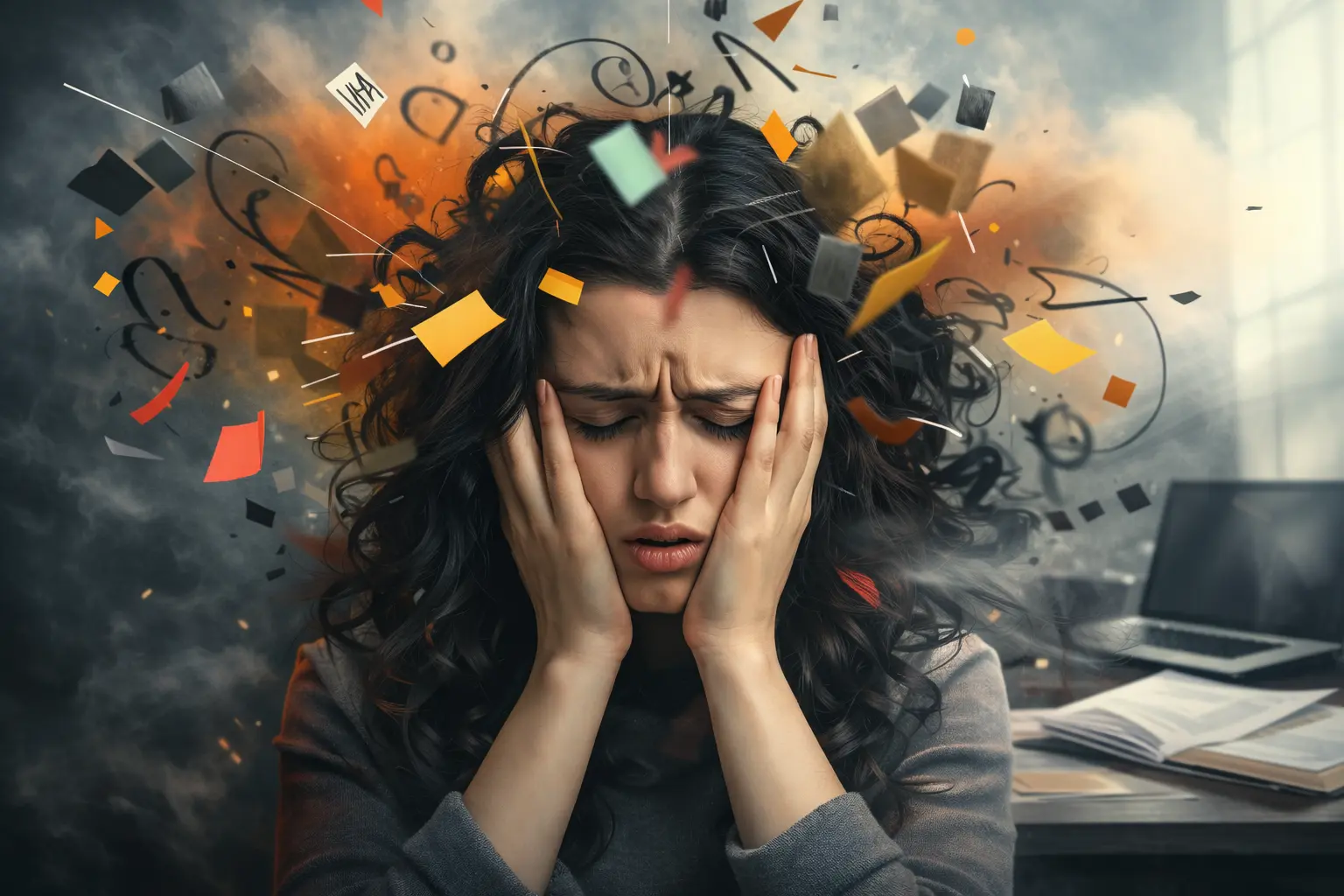
Migraine is a neurological condition that often causes intense headache along with other symptoms such as nausea, light sensitivity, or visual disturbances.
Migraine attacks may last for hours or even days.
Migraine vs Headache: Main Differences
Feature | Migraine | Common Headache |
Pain Type | Throbbing / Pulsing | Pressure / Tightness / Dull ache |
Location | Often one side, but can be both | Usually both sides or forehead |
Severity | Moderate to severe | Mild to moderate |
Duration | 4 hours to 72 hours | 30 minutes to few hours |
Nausea | Common | Rare |
Light Sensitivity | Common | Uncommon |
Sound Sensitivity | Common | Uncommon |
Activity Effect | Worse with movement | Often manageable |
Aura | Sometimes present | No aura |
Symptoms of Migraine
Common migraine symptoms include:
- Throbbing headache
- Pain on one side (not always)
- Nausea
- Vomiting
- Sensitivity to light
- Sensitivity to sound
- Need to rest in dark room
- Blurred vision
- Visual aura in some people
What Is Migraine Aura?
Some people experience warning symptoms before migraine:
- Flashing lights
- Zigzag lines
- Temporary blurred vision
- Tingling sensations
Aura does not happen in everyone.
Symptoms of Common Headache
Tension Headache
Most common type:
- Tight band feeling around head
- Pressure in forehead
- Neck tightness
- Mild to moderate pain
Sinus Headache
May include:
- Face pressure
- Nasal blockage
- Fever or cold symptoms
Common Migraine Triggers
- Lack of sleep
- Stress
- Bright lights
- Strong smells
- Skipping meals
- Hormonal changes
- Certain foods in some people
- Dehydration
Common Headache Triggers
- Stress
- Poor posture
- Eye strain
- Dehydration
- Fever
- Lack of sleep
- Sinus infection
How to Treat Migraine vs Headache
Migraine Relief
- Rest in dark quiet room
- Hydration
- Doctor-prescribed migraine medicines
- Avoid personal triggers
- Regular sleep routine
Headache Relief
- Water intake
- Rest
- Stress reduction
- Correct posture
- Simple pain relief (doctor guidance if frequent)
When to See a Doctor Urgently
Seek urgent medical care if headache is:
- Sudden severe “worst headache”
- With weakness or numbness
- With confusion
- With fainting
- With fever and stiff neck
- After head injury
- New severe headache after age 50
How Doctors Diagnose Migraine
Diagnosis is often based on:
- Symptom pattern
- Frequency
- Triggers
- Neurological exam
Scans may be needed in some cases.
Can Migraine Be Prevented?
Yes, often by:
- Regular sleep
- Stress management
- Avoiding known triggers
- Staying hydrated
- Timely meals
- Preventive medicines if frequent
Frequently Asked Questions
Is migraine more serious than headache?
Migraine can be more disabling than common headaches, but both need attention if frequent.
Can headache turn into migraine?
Some headaches may actually be undiagnosed migraine.
Does migraine always happen on one side?
No, it can affect both sides too.
Can stress cause migraine?
Yes, stress is a common trigger.
Conclusion
Migraine and headache are not the same. Migraine usually causes throbbing pain with nausea, light sensitivity, and more severe symptoms, while common headaches are often milder and pressure-like.
If headaches are frequent, severe, or affecting daily life, proper medical evaluation is important.