
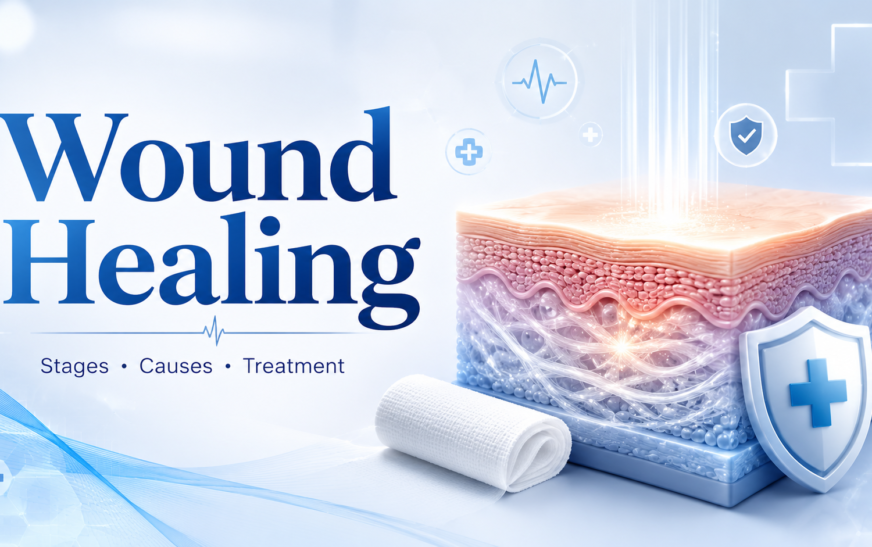
A wound is a break or damage to the skin caused by an injury, cut, burn, surgery, or certain medical conditions. In most cases, the wound healing process begins immediately, allowing the body to repair damaged tissue naturally. With proper cleaning, protection, and care, minor wounds usually heal within a few days. However, if the wound healing process slows down, the wound remains open, becomes larger, or shows little improvement after several weeks, it may be a sign of an underlying health condition that requires medical evaluation and timely treatment.
A non-healing wound should never be ignored. Delayed healing increases the risk of infection, pain, tissue damage, and, in severe cases, serious complications that may require advanced medical treatment. Conditions such as diabetes, poor blood circulation, smoking, poor nutrition, or improper wound care can all interfere with the body’s natural healing process.
Understanding why a wound is not healing is the first step toward effective treatment. Early diagnosis and proper wound management can prevent complications and improve recovery.
Before learning about delayed healing, it’s helpful to understand the Types of Wounds and how different wounds require different treatment approaches.
Table of Contents
ToggleWhat Is a Wound?
A wound is any injury that damages the skin or the tissues underneath it. The skin acts as the body’s first line of defense against bacteria and harmful microorganisms. When the skin is broken, germs can enter the body, increasing the risk of infection. This is why proper wound care is essential from the very beginning.
Wounds can occur for many reasons, including:
- Cuts from sharp objects
- Scrapes and abrasions
- Burns
- Surgical incisions
- Animal or insect bites
- Falls or accidents
- Pressure injuries from prolonged bed rest
- Diabetic foot ulcers
Some wounds heal quickly with basic first aid, while others require ongoing medical care. The healing time depends on the type of wound, its depth, location, overall health, and how well it is cared for.
What Is a Non-Healing Wound?
A wound is considered non-healing, slow-healing, or chronic when it does not heal within the expected time despite receiving appropriate care.
Although every wound heals at a different rate, most minor injuries begin showing noticeable improvement within one to two weeks. If a wound remains open, continues to drain fluid, becomes more painful, or fails to shrink over several weeks, it should be evaluated by a healthcare professional.
Doctors generally consider a wound chronic if it has not healed after approximately 4 to 6 weeks, although the timeframe may vary depending on the patient’s condition and the type of injury.
Ignoring a chronic wound may lead to:
- Persistent infection
- Tissue damage
- Delayed recovery
- Increased pain
- Risk of hospitalization
- In severe cases, tissue loss or amputation
Early treatment significantly improves healing outcomes.
How Does a Wound Heal?
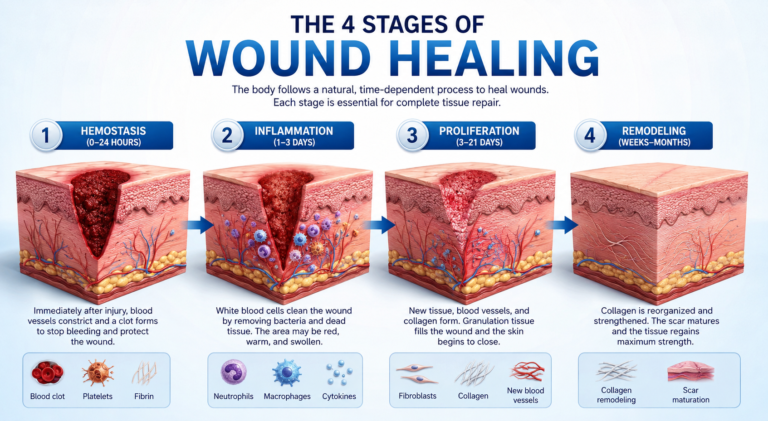
Understanding the normal healing process makes it easier to recognize when something is preventing a wound from recovering properly.
The body repairs a wound in four overlapping stages.
1. Hemostasis (Stopping the Bleeding)
Immediately after an injury, blood vessels constrict and blood clotting begins. Platelets form a protective clot that stops bleeding and creates the foundation for healing.
This stage usually lasts only a few minutes.
2. Inflammation
The body sends white blood cells to clean the wound and remove bacteria, dirt, and damaged tissue.
During this stage, it is normal to notice:
- Mild redness
- Slight swelling
- Warmth around the wound
- Mild tenderness
These signs usually improve within a few days. However, if redness spreads or pain continues to increase, it may indicate infection rather than normal healing.
3. Tissue Growth (Proliferation)
New blood vessels begin to develop, and healthy tissue gradually fills the damaged area.
During this stage:
- The wound becomes smaller.
- Pink or red granulation tissue appears.
- New skin cells begin covering the wound.
Proper nutrition and adequate oxygen supply are especially important during this phase.
4. Remodeling (Maturation)
The final stage strengthens the repaired tissue.
Although the wound may appear closed, the skin continues rebuilding beneath the surface for several months. Over time, scars usually become flatter and less noticeable.
If any stage of healing is interrupted by infection, poor circulation, diabetes, or repeated injury, the wound may stop progressing and become chronic.
Why Is My Wound Not Healing?
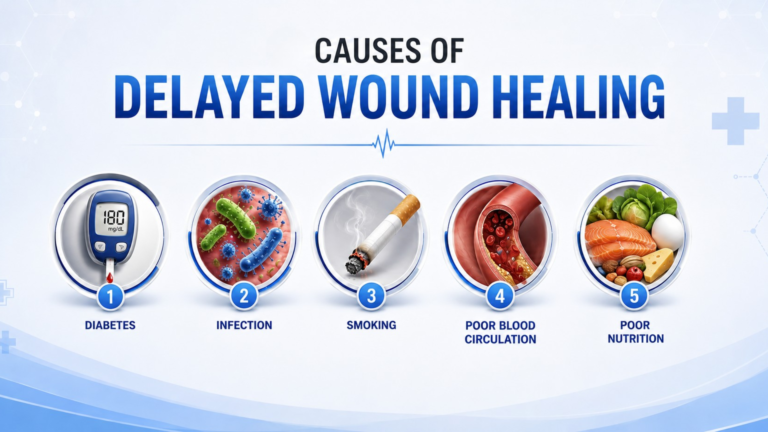
There are many reasons why a wound heals more slowly than expected. In some people, several factors work together to delay recovery.
Below are the most common causes of delayed wound healing.
1. Wound Infection
One of the leading reasons a wound fails to heal is infection.
When bacteria multiply inside a wound, the body’s immune system focuses on fighting the infection instead of repairing damaged tissue. As a result, healing slows down or stops completely.
Common signs of an infected wound include:
- Increasing redness
- Swelling
- Warm skin around the wound
- Yellow or green pus
- Bad smell
- Increasing pain
- Fever in severe cases
Prompt treatment with appropriate wound care and, when necessary, antibiotics can help prevent further complications.
2. Diabetes
People living with diabetes are much more likely to develop a slow-healing wound, especially on the feet.
High blood sugar levels damage small blood vessels and nerves over time. Reduced circulation limits the oxygen and nutrients needed for tissue repair, while nerve damage can make it difficult to notice injuries early.
Because of these changes, even a small wound can become infected and develop into a serious diabetic foot ulcer if not treated promptly.
Keeping blood sugar under control is one of the most effective ways to support healthy wound healing.
People with diabetes should also learn the correct insulin injection technique by reading our Insulin Syringe Guide: Uses, Parts & Sizes.
Common Causes of Delayed Wound Healing
A wound heals best when the body receives enough oxygen, nutrients, and proper medical care. Unfortunately, several health conditions and lifestyle habits can interrupt the healing process. Understanding these causes can help you identify problems early and seek the right treatment before the wound becomes chronic.
1. Poor Blood Circulation
Healthy blood flow is essential for every wound to heal. Blood carries oxygen, nutrients, white blood cells, and growth factors that repair damaged tissue. When circulation is poor, the wound receives fewer of these healing components, causing recovery to slow significantly.
Poor circulation is commonly caused by:
- Peripheral artery disease (PAD)
- Chronic venous insufficiency
- Heart disease
- High blood pressure
- Blood vessel disorders
People with poor circulation often notice slow-healing wounds on the legs, ankles, toes, and feet because these areas are farthest from the heart.
Symptoms of poor circulation may include:
- Cold feet or hands
- Numbness or tingling
- Leg pain while walking
- Skin discoloration
- Slow-healing wound on the lower limbs
Without proper blood flow, even a small wound may take weeks or months to heal.
2. Repeated Pressure or Friction
Constant pressure prevents a wound from closing properly by reducing blood supply to the affected area.
This commonly occurs in:
- Bedridden patients
- Wheelchair users
- People wearing tight shoes
- Individuals with diabetic foot ulcers
- Athletes experiencing repeated friction
Pressure injuries, also known as bed sores or pressure ulcers, develop when the same area remains under pressure for long periods.
If the pressure continues, the wound repeatedly breaks down instead of healing. Using pressure-relieving cushions, changing body position frequently, and wearing properly fitted footwear
can significantly improve wound healing.
3. Poor Nutrition
Your body needs energy and nutrients to rebuild damaged tissue after a wound occurs.
A poor diet can slow collagen production, reduce immune function, and delay tissue repair.
Important nutrients for wound healing include:
- Protein – builds new tissue
- Vitamin C – supports collagen production
- Vitamin A – promotes healthy skin growth
- Zinc – assists tissue repair
- Iron – helps transport oxygen through the blood
- Healthy calories – provide energy for healing
People who are malnourished or have difficulty eating often experience delayed wound healing.
Eating a balanced diet rich in lean protein, fruits, vegetables, whole grains, and healthy fats supports faster recovery.
4. Smoking
Smoking is one of the most preventable causes of delayed wound healing.
Nicotine causes blood vessels to narrow, reducing oxygen delivery to damaged tissues. Carbon monoxide from cigarette smoke further decreases the amount of oxygen available for repair.
Smoking also:
- Weakens the immune system
- Slows collagen formation
- Increases infection risk
- Delays skin regeneration
- Reduces blood circulation
Studies have shown that smokers often experience slower wound healing and a higher risk of complications after surgery.
Quitting smoking, even a few weeks before surgery, can significantly improve wound recovery.
5. Improper Wound Care
Even a small wound can become difficult to heal if it is not cared for properly.
Common mistakes include:
- Not washing hands before touching the wound
- Using dirty bandages
- Leaving dressings unchanged for too long
- Cleaning the wound with harsh chemicals
- Frequently picking at the scab
- Applying unproven home remedies
Proper wound care involves gentle cleaning, using appropriate dressings, and following your healthcare provider’s instructions.
Good hygiene reduces infection risk and creates the best environment for healing.
6. Swelling (Edema)
Swelling occurs when excess fluid builds up in body tissues.
Severe swelling around a wound reduces oxygen delivery and makes it harder for nutrients to reach damaged tissue.
Edema is especially common in people with:
- Venous leg ulcers
- Heart failure
- Kidney disease
- Lymphedema
Compression therapy, leg elevation, and treating the underlying condition often improve wound healing in these patients.
7. Weak Immune System
The immune system plays a critical role in repairing every wound.
When immunity is weakened, the body struggles to fight infection and produce healthy new tissue.
A weakened immune system may result from:
- Cancer treatment
- HIV infection
- Long-term steroid use
- Autoimmune diseases
- Chronic illnesses
- Organ transplantation medications
People with weakened immunity should seek medical advice promptly if a wound is slow to heal.
8. Dead Tissue in the Wound
Dead tissue, also called necrotic tissue, blocks healthy tissue from growing.
If dead tissue remains inside a wound, bacteria can multiply more easily, increasing the risk of infection and delaying healing.
Healthcare professionals may perform debridement, a procedure that removes dead tissue and allows healthy tissue to grow.
Never attempt to remove dead tissue yourself, as this may worsen the wound.
Signs a Wound Is Not Healing Properly
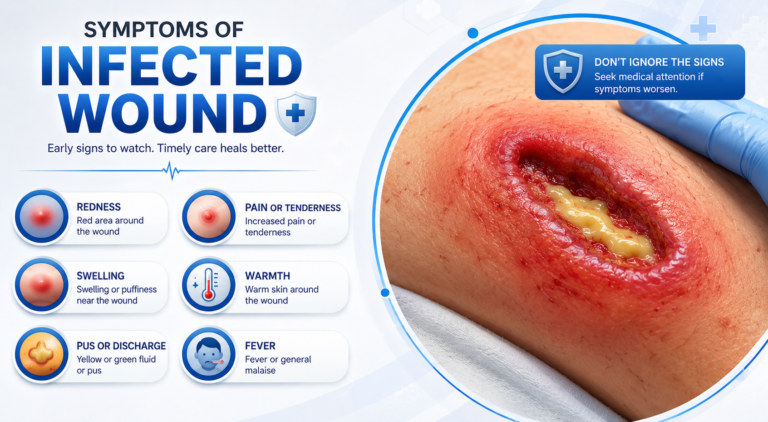
A healing wound should gradually become smaller, cleaner, and less painful over time. If your wound shows any of the following warning signs, medical evaluation is recommended.
Common signs include:
- No noticeable improvement after 1–2 weeks
- The wound becomes larger instead of smaller
- Persistent redness around the wound
- Increasing swelling
- Pain that continues to worsen
- Yellow, green, or thick discharge
- Foul-smelling drainage
- Black or dead tissue
- Fever or chills
- Skin breaking down around the wound
- Excessive bleeding
- Delayed healing despite proper care
These symptoms may indicate infection, poor circulation, or another medical condition requiring treatment.
Who Is at Higher Risk of Developing a Chronic Wound?
Some people are naturally at greater risk of developing a slow-healing wound.
High-risk groups include:
- People with diabetes
- Older adults
- Smokers
- Individuals with obesity
- Patients with poor blood circulation
- Bedridden patients
- Wheelchair users
- People with weakened immunity
- Individuals with poor nutrition
- Patients recovering after major surgery
If you belong to any of these groups, regular wound checks and early treatment are especially important.
Common Types of Non-Healing Wounds
Different medical conditions can lead to different types of chronic wound.
Diabetic Foot Ulcer
A diabetic foot wound develops because of nerve damage and poor circulation caused by diabetes. Without early treatment, these wounds can become infected and may lead to serious complications.
Pressure Ulcer (Bed Sore)
Pressure ulcers develop when prolonged pressure reduces blood flow to the skin.
These wounds commonly affect the:
- Heels
- Hips
- Tailbone
- Elbows
- Shoulders
Frequent repositioning helps prevent these injuries.
Venous Leg Ulcer
This type of wound occurs when blood has difficulty returning from the legs to the heart.
Venous ulcers often appear around the ankles and may produce significant drainage.
Arterial Ulcer
Arterial ulcers develop because of poor blood supply caused by blocked arteries.
These wounds are usually painful and commonly appear on the toes, feet, or lower legs.
Surgical Wound Breakdown
Occasionally, a surgical wound may reopen after an operation due to infection, excessive tension, or poor healing.
Prompt medical treatment helps reduce complications and supports recovery.
How Is a Non-Healing Wound Diagnosed?
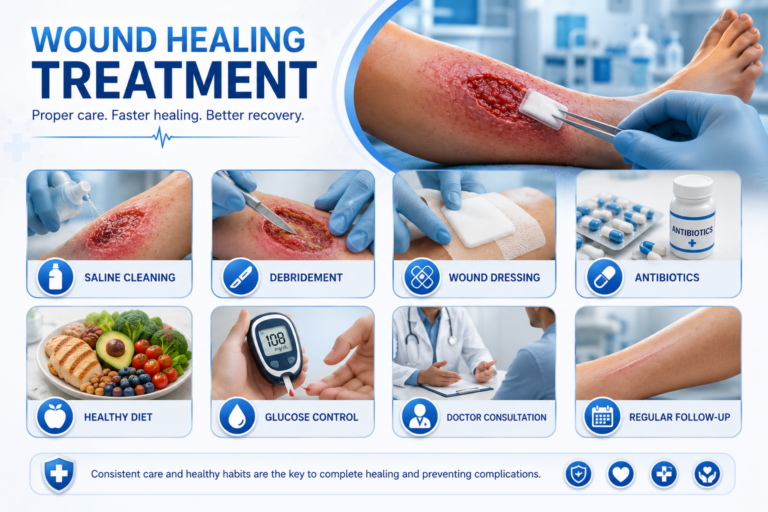
If a wound is not healing as expected, a healthcare professional will first determine the underlying cause before recommending treatment. Since every wound is different, diagnosis usually involves a combination of medical history, physical examination, and laboratory tests.
During the evaluation, your doctor may ask:
- How long has the wound been present?
- How did the wound occur?
- Has the wound become larger or more painful?
- Have you noticed pus, bleeding, or a bad smell?
- Do you have diabetes, poor circulation, or any chronic illness?
- What medications are you currently taking?
Understanding these details helps identify factors that may be delaying wound healing.
Tests Used to Evaluate a Wound
Depending on your symptoms, your healthcare provider may recommend one or more tests.
Physical Examination
The doctor carefully examines the wound to assess:
- Size and depth
- Color of the tissue
- Signs of infection
- Drainage or discharge
- Swelling
- Blood supply around the wound
- Presence of dead tissue
Photographs or measurements may also be taken to monitor healing over time.
Blood Tests
Blood tests help identify medical conditions that may be slowing wound healing, including:
- High blood sugar (diabetes)
- Infection
- Poor nutrition
- Anemia
- Kidney disease
Correcting these underlying problems can significantly improve healing.
Wound Culture
If infection is suspected, a sample of fluid or tissue from the wound may be sent to a laboratory.
A wound culture identifies the bacteria causing the infection and helps doctors choose the most effective antibiotic.
Imaging Tests
In severe cases, imaging tests may be recommended.
These may include:
- X-ray
- Ultrasound
- CT scan
- MRI
These tests help determine whether the infection has spread to deeper tissues or bones.
Blood Circulation Tests
If poor circulation is suspected, your doctor may perform tests such as:
- Doppler ultrasound
- Ankle-Brachial Index (ABI)
- Vascular assessment
These tests evaluate blood flow and help determine whether circulation is preventing the wound from healing.
How to Treat a Non-Healing Wound
Successful treatment focuses on both the wound itself and the underlying condition responsible for delayed healing.
The treatment plan varies depending on the cause, severity, and location of the wound.
1. Clean the Wound Properly
Keeping a wound clean is one of the most important steps in preventing infection.
Healthcare professionals usually recommend:
- Washing hands before touching the wound
- Cleaning the wound with sterile saline or a recommended cleansing solution
- Removing dirt and debris carefully
- Avoiding harsh chemicals unless prescribed
A clean wound creates the ideal environment for healthy tissue growth.
2. Use the Right Wound Dressing
Different wounds require different types of dressings.
Modern wound dressings help:
- Maintain moisture balance
- Protect against infection
- Absorb excess drainage
- Promote faster healing
Your healthcare provider may recommend:
- Foam dressings
- Hydrocolloid dressings
- Alginate dressings
- Antimicrobial dressings
- Gauze dressings
Changing the dressing at the recommended intervals is essential for proper wound care.
3. Treat the Infection
If bacteria are preventing a wound from healing, infection must be treated promptly.
Treatment may include:
- Antibiotic medications
- Antimicrobial dressings
- Professional wound cleaning
- Drainage of infected fluid if necessary
Completing the prescribed antibiotic course is important to prevent recurring infection.
4. Debridement
Debridement is a medical procedure that removes dead, damaged, or infected tissue from a wound.
Removing unhealthy tissue:
- Encourages new tissue growth
- Reduces bacterial growth
- Improves circulation within the wound
- Helps dressings work more effectively
Debridement should only be performed by trained healthcare professionals.
5. Control Blood Sugar
For people with diabetes, blood sugar management is one of the most important parts of wound treatment.
High blood glucose slows healing, weakens immunity, and increases the risk of infection.
Following your diabetes treatment plan can greatly improve wound recovery.
6. Improve Blood Circulation
Better circulation allows oxygen and nutrients to reach the wound more effectively.
Depending on the cause, treatment may include:
- Regular walking or gentle exercise
- Compression therapy
- Leg elevation
- Vascular procedures
- Medications prescribed by your doctor
Improved blood flow supports faster healing and reduces the risk of future wounds.
7. Relieve Pressure on the Wound
Continuous pressure delays healing.
Healthcare providers may recommend:
- Pressure-relieving mattresses
- Foam cushions
- Special diabetic footwear
- Orthopedic insoles
- Frequent repositioning
Reducing pressure gives the wound the best opportunity to heal naturally.
8. Improve Nutrition
Good nutrition provides the building blocks needed for tissue repair.
Include foods rich in:
- Lean protein
- Eggs
- Fish
- Dairy products
- Fresh fruits
- Green vegetables
- Whole grains
- Nuts and seeds
Staying hydrated also supports healthy wound healing.
Healthy eating recommendations are also available from the Academy of Nutrition and Dietetics.
9. Stop Smoking
Quitting smoking improves oxygen delivery, blood circulation, and immune function.
Even stopping smoking for a few weeks can significantly improve wound healing after surgery or injury.
What Not to Do
Many home remedies can actually make a wound worse instead of helping it heal.
Avoid the following:
Applying toothpaste directly to a wound
- Putting turmeric powder into an open wound
- Using alcohol or strong antiseptics repeatedly without medical advice
- Covering the wound with dirty cloths
- Picking at scabs
- Ignoring foul-smelling discharge
- Walking on a diabetic foot wound
- Sharing dressing materials with others
If your wound continues to worsen despite home care, seek professional medical advice.
Tips to Help a Wound Heal Faster
Although every wound heals at its own pace, healthy habits can support the healing process.
Helpful tips include:
- Keep the wound clean and dry.
- Change dressings as instructed.
- Wash your hands before touching the wound.
- Eat a protein-rich, balanced diet.
- Drink enough water throughout the day.
- Keep diabetes under control.
- Avoid smoking and excessive alcohol.
- Wear comfortable footwear if the wound is on your foot.
- Protect the wound from repeated injury.
- Attend all follow-up appointments.
Consistent wound care can make a significant difference in recovery.
Can a Non-Healing Wound Be Prevented?
While not every wound can be prevented, many chronic wounds can be avoided with proper care and healthy lifestyle habits.
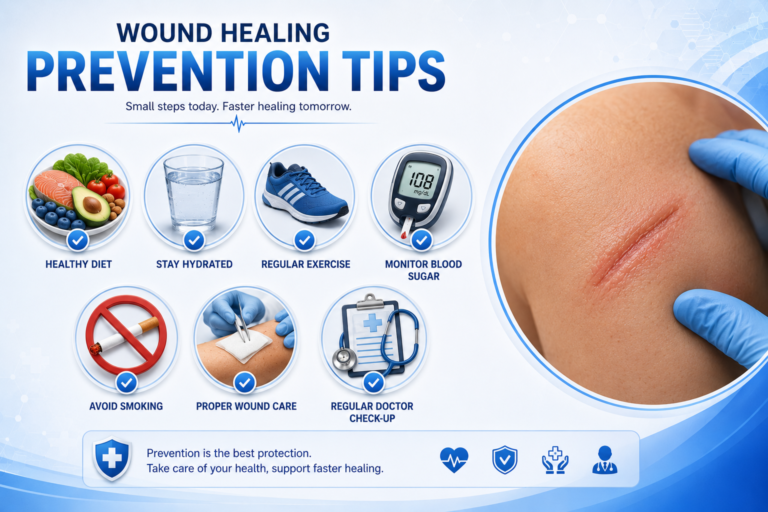
Preventive measures include:
- Treat cuts and scrapes immediately.
- Clean every wound as soon as possible.
- Cover the wound with a clean dressing.
- Check your feet daily if you have diabetes.
- Maintain a healthy body weight.
- Stay physically active.
- Eat a nutritious diet.
- Stop smoking.
- Manage chronic conditions such as diabetes and high blood pressure.
- Seek medical advice if a wound does not improve within one to two weeks.
Taking these simple steps can reduce the risk of complications and promote faster wound healing.
When Should You See a Doctor?
Some wounds require immediate medical attention. Delaying treatment may lead to severe infection or permanent tissue damage.
Seek urgent medical care if your wound:
- Has not improved after 1–2 weeks
- Continues to grow larger
- Produces thick yellow or green pus
- Has a strong, unpleasant odor
- Causes severe or increasing pain
- Develops black or dead tissue
- Shows rapidly spreading redness
- Is accompanied by fever or chills
- Exposes muscle, tendon, or bone
- Occurs on the foot if you have diabetes
Early diagnosis and prompt wound treatment greatly improve the chances of complete healing and help prevent long-term complications.
Frequently Asked Questions (FAQs)
How long does a wound normally take to heal?
The healing time depends on the type, size, and location of the wound, as well as your overall health. Minor cuts and scrapes usually begin to heal within a few days and may close within one to two weeks. Larger or deeper wounds can take several weeks or even months. If a wound shows no improvement after two weeks or remains open for more than four to six weeks, it should be evaluated by a healthcare professional.
Why is my wound healing so slowly?
A wound may heal slowly because of infection, diabetes, poor blood circulation, smoking, poor nutrition, repeated pressure, or an underlying medical condition. Delayed healing is common in older adults and people with chronic illnesses. Identifying and treating the underlying cause is essential for proper wound healing.
Can diabetes prevent a wound from healing?
Yes. Diabetes is one of the leading causes of delayed wound healing. High blood sugar damages blood vessels and nerves, reducing blood flow and increasing the risk of infection. People with diabetes should inspect their feet daily and seek medical care immediately if they notice a new wound or ulcer.
What are the signs of an infected wound?
An infected wound may cause:
- Increasing redness
- Swelling
- Warm skin around the wound
- Yellow or green pus
- Bad odor
- Increasing pain
- Fever or chills
If you notice these symptoms, consult a healthcare provider as soon as possible to prevent complications.
Is it normal for a wound to drain fluid?
A small amount of clear fluid during the early stages of healing can be normal. However, thick yellow, green, or foul-smelling drainage may indicate infection. If the drainage increases or your wound becomes more painful, seek medical advice promptly.
Should I keep a wound covered or uncovered?
Most wounds heal better when they are kept clean, slightly moist, and covered with an appropriate dressing. Keeping a wound protected helps reduce the risk of infection and supports faster healing. Your healthcare provider can recommend the best dressing based on your wound type.
Can smoking affect wound healing?
Yes. Smoking reduces oxygen delivery and blood flow to damaged tissues, slowing the body’s natural repair process. Quitting smoking can significantly improve wound healing and reduce the risk of infection.
What foods help a wound heal faster?
A healthy diet supports wound healing by providing the nutrients needed for tissue repair. Foods rich in protein, vitamin C, zinc, iron, healthy fats, and whole grains can help your body recover more effectively. Staying hydrated is equally important during the healing process.
Can I treat a chronic wound at home?
Minor wounds can often be managed at home with proper cleaning and dressing changes. However, a chronic wound should always be evaluated by a healthcare professional. Home treatment alone may not be enough if infection, poor circulation, or diabetes is preventing the wound from healing.
When should I see a doctor for a wound?
You should seek medical attention if your wound:
- Does not improve after one to two weeks
- Continues to grow larger
- Produces pus or a foul odor
- Causes severe pain
- Develops black tissue
- Is accompanied by fever
- Is located on the foot if you have diabetes
Early treatment can prevent serious complications and improve healing outcomes.
Conclusion
A wound that does not heal properly is often a sign that the body’s natural repair process has been interrupted. Common causes include infection, diabetes, poor blood circulation, smoking, poor nutrition, repeated pressure, and improper wound care. Recognizing the warning signs early and addressing the underlying cause can make a significant difference in recovery.
Proper wound care, a healthy lifestyle, balanced nutrition, and timely medical treatment all play an important role in promoting faster healing. Never ignore a wound that remains open, becomes more painful, or develops signs of infection. Early diagnosis and professional treatment can reduce the risk of complications and help restore healthy skin.
If you or a loved one has a wound that is not healing, consult a qualified healthcare professional for a thorough evaluation and personalized treatment plan. Prompt action today can prevent more serious problems tomorrow.