
Table of Contents
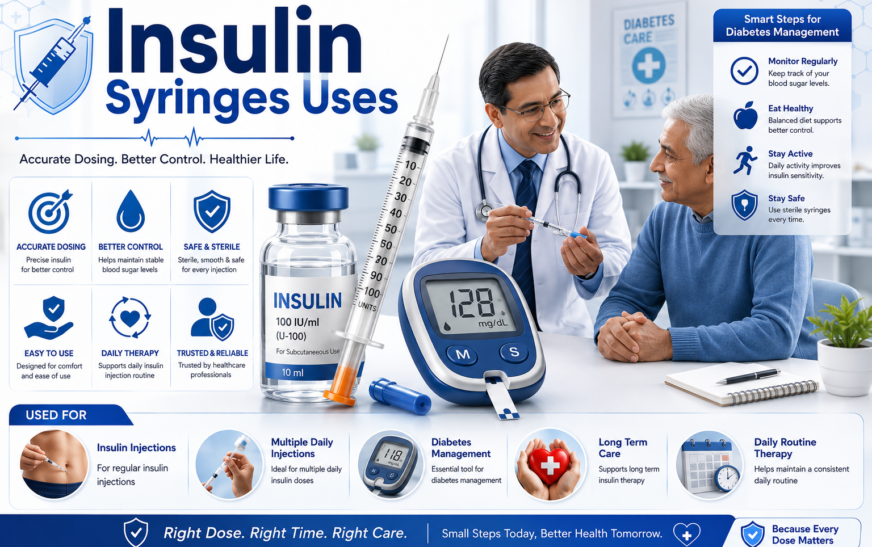
ToggleManaging diabetes often requires more than just medication—it demands accuracy, consistency, and the right medical devices. One of the most trusted tools for insulin therapy is the insulin syringe, which helps deliver precise insulin doses to maintain healthy blood sugar levels.
Understanding insulin syringes uses is essential for anyone living with diabetes or caring for someone who needs insulin injections. These syringes are specially designed with fine needles and clear unit markings, making insulin administration safer, easier, and more accurate than using standard syringes.
While insulin pens and pumps are becoming increasingly popular, insulin syringes remain a cost-effective and reliable option recommended by healthcare professionals worldwide. They are available in different sizes and are designed to match specific insulin concentrations, helping reduce dosing errors and improve diabetes management.
In this comprehensive guide, you’ll learn about insulin syringes uses, their benefits, different types, available sizes, proper injection techniques, safety precautions, and practical tips for choosing the right syringe. Whether you’re new to insulin therapy or looking to improve your injection routine, this article will help you use insulin syringes with confidence and safety.
If you’re looking for a detailed explanation of insulin syringe components, sizes, and injection methods, read our guide on Insulin Syringe Explained: Uses, Parts, Types, and Proper Technique.
What Are Insulin Syringes?
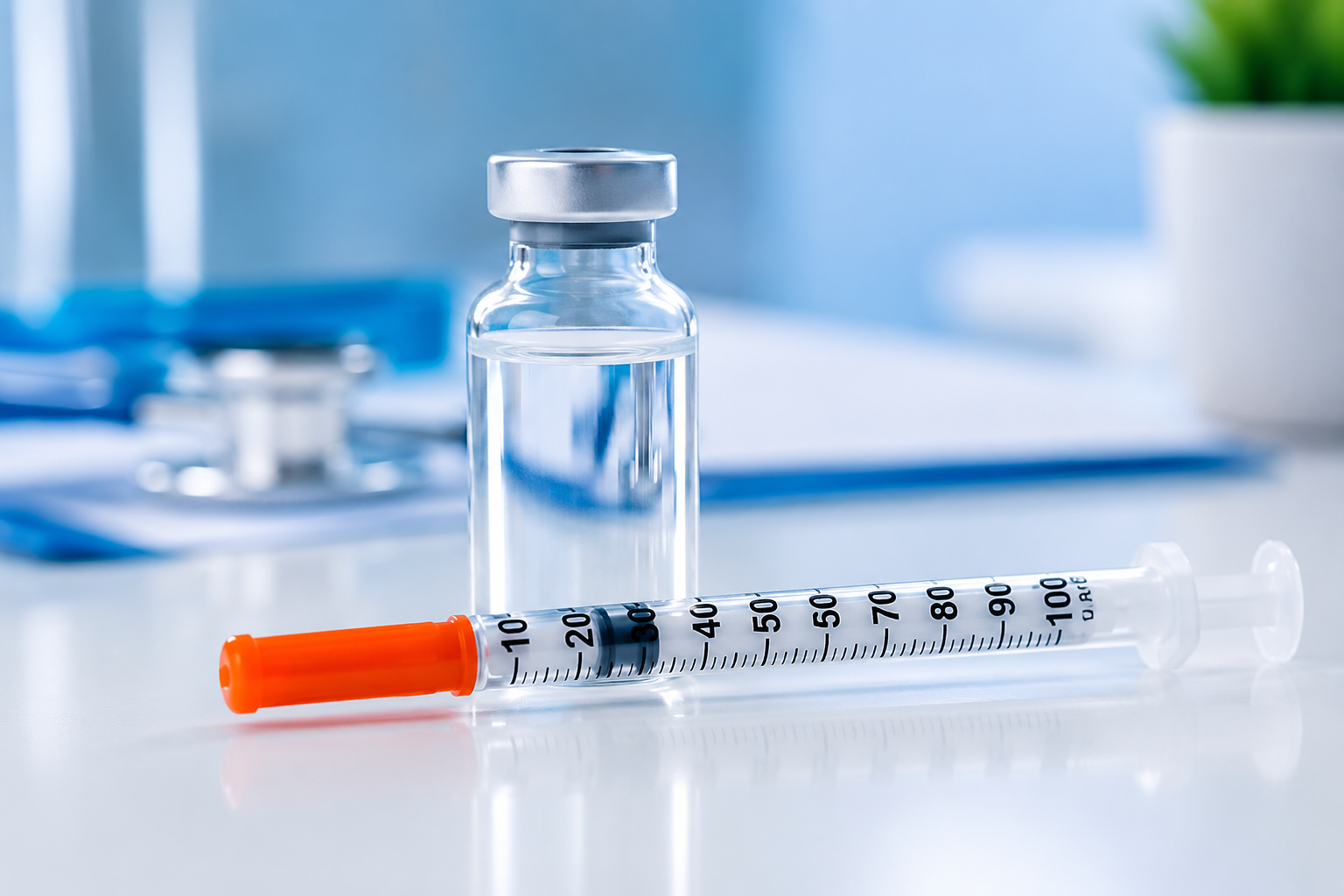
An insulin syringe is a single-use medical device designed specifically to inject insulin into the fatty tissue beneath the skin (subcutaneous tissue). Unlike ordinary syringes, insulin syringes are calibrated in insulin units rather than milliliters, making it easier to measure and administer the exact dose prescribed by a healthcare provider.
Each insulin syringe consists of a fine needle, a transparent barrel with unit markings, a plunger, and a protective needle cap. The thin needle helps reduce discomfort during injections, while the clear markings improve dosing accuracy.
Healthcare professionals recommend matching the syringe with the correct insulin concentration, such as U-40 or U-100, to avoid dosing errors. Using the right syringe can improve blood sugar control, reduce the risk of complications, and make daily insulin therapy more convenient.
Why Are Insulin Syringes Important?
The importance of insulin syringes uses goes beyond insulin delivery because they improve dose accuracy. For people who depend on insulin therapy, the syringe is more than just a medical device—it is an essential tool for maintaining healthy blood glucose levels. Even a small dosing mistake can affect blood sugar control, making accuracy extremely important.
Insulin syringes are specially designed with clear unit markings and fine needles to deliver insulin safely into the subcutaneous (fatty) tissue. This ensures the insulin is absorbed properly and works as intended.
Here are some reasons why insulin syringes remain an important choice:
- Deliver precise insulin doses.
- Reduce the risk of medication errors.
- Make self-injection easier at home.
- Help maintain consistent blood sugar control.
- Available in different sizes for different insulin requirements.
- Affordable compared to some advanced insulin delivery devices.
For many people with diabetes, insulin syringes continue to be a practical, reliable, and cost-effective option for daily insulin administration. Understanding insulin syringes uses helps patients administer insulin more safely and accurately.
Insulin Syringes Uses
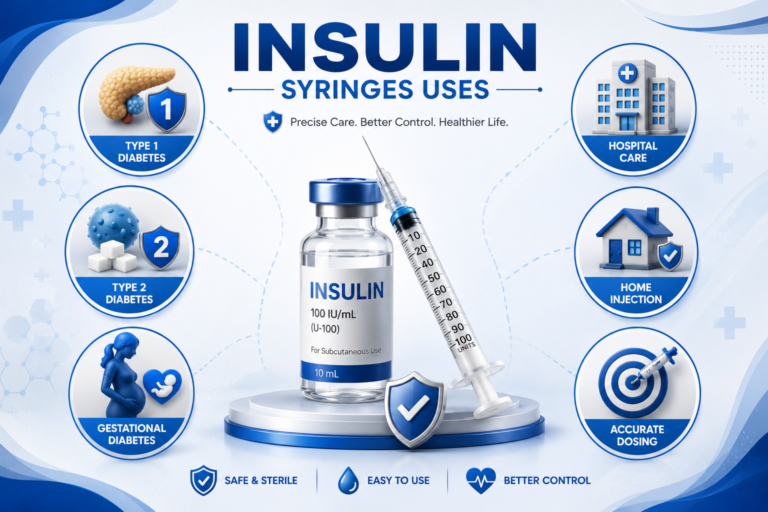
The primary purpose of an insulin syringe is to deliver insulin beneath the skin accurately. However, there are several insulin syringes uses that support safe and effective diabetes management in both home and clinical settings.
1. Managing Type 1 Diabetes
People with Type 1 diabetes are unable to produce enough insulin naturally. They require lifelong insulin therapy to regulate blood glucose levels.
Insulin syringes help:
- Deliver accurate insulin doses.
- Support multiple daily injections.
- Reduce blood sugar fluctuations.
- Improve long-term diabetes management.
The Centers for Disease Control and Prevention (CDC): Diabetes also recommends proper insulin use, regular blood sugar monitoring, and healthy lifestyle habits to improve diabetes outcomes.
2. Supporting Insulin Therapy in Type 2 Diabetes
Not everyone with Type 2 diabetes needs insulin, but some individuals require it when lifestyle changes and oral medications no longer control blood sugar effectively.
In these cases, insulin syringes uses include:
- Administering basal insulin.
- Delivering mealtime insulin.
- Improving blood glucose control.
- Reducing the risk of diabetes-related complications.
3. Treating Gestational Diabetes
Some pregnant women develop gestational diabetes and may need insulin if diet and exercise alone are not enough.
Insulin syringes provide:
- Accurate insulin delivery.
- Safe blood sugar management during pregnancy.
- Better health outcomes for both mother and baby.
Insulin therapy during pregnancy should always be supervised by a healthcare professional.
4. Accurate Dose Measurement
One of the most important insulin syringes uses is measuring insulin accurately.
Unlike regular syringes, insulin syringes display insulin units, making it easier to administer the prescribed dose without calculation errors.
Accurate dosing helps:
- Prevent hypoglycemia (low blood sugar).
- Prevent hyperglycemia (high blood sugar).
- Improve HbA1c levels over time.
- Support effective diabetes treatment.
5. Self-Administration at Home
Many people prefer administering insulin independently without visiting a clinic every day.
Insulin syringes make home treatment easier because they are:
- Lightweight.
- Easy to carry.
- Simple to use after proper training.
- Available in different capacities for different insulin doses.
With proper education, most people can safely inject insulin at home while following their healthcare provider’s instructions.
6. Hospital and Emergency Care
Hospitals commonly use insulin syringes for patients who need rapid blood sugar management.
Healthcare providers use them for:
- Newly diagnosed diabetes.
- Post-surgical blood sugar control.
- Emergency hyperglycemia.
- Intensive care units (ICUs).
- Short-term insulin therapy during illness.
Their precise calibration helps clinicians administer the correct insulin dose quickly and safely.
7. Sliding Scale Insulin Therapy
Sliding scale insulin therapy adjusts insulin doses based on current blood glucose readings.
Healthcare professionals often use insulin syringes because they allow flexible dose adjustments throughout the day.
This approach is commonly used:
- During hospitalization.
- After surgery.
- During severe infections.
- In temporary diabetes management plans.
8. Temporary Insulin Treatment
Some people who do not usually require insulin may need it temporarily during:
- Major surgery.
- Severe infections.
- Steroid treatment.
- Critical illness.
- Recovery after hospitalization.
During these situations, insulin syringes help deliver accurate short-term insulin therapy until blood sugar levels stabilize.
9. Diabetes Care for Older Adults
Many older adults continue using insulin syringes because they are familiar, affordable, and available in multiple sizes.
Fine needles and clear unit markings make insulin syringes easier to use for seniors, especially when prescribed by their healthcare provider.
10. Pediatric Diabetes Management
Children with Type 1 diabetes often require small and precise insulin doses.
Insulin syringes with lower capacities, such as 0.3 mL, provide better dose accuracy, making them suitable for pediatric insulin therapy under medical supervision.
Who Should Use Insulin Syringes?
Healthcare professionals may recommend insulin syringes for:
- People with Type 1 diabetes.
- Individuals with insulin-dependent Type 2 diabetes.
- Women with gestational diabetes require insulin.
- Children who need accurate low-dose insulin.
- Older adults receiving insulin therapy.
- Patients requiring temporary insulin treatment during illness or surgery.
The right syringe size and insulin concentration should always match your prescribed treatment plan to ensure safe and effective insulin delivery.
Benefits of Using Insulin Syringes
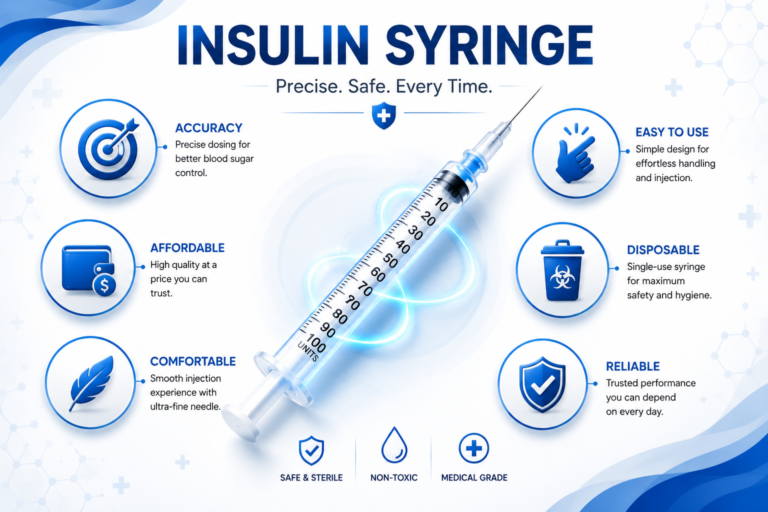
Insulin syringes remain one of the most trusted methods for insulin delivery because they are simple, affordable, and highly accurate. When used correctly, they help improve blood sugar control and reduce the risk of dosing errors.
Regular cholesterol screening is equally important because diabetes increases the risk of heart disease. Read our Lipid Profile Test Explained guide to understand your cholesterol results.
1. Accurate Insulin Delivery
One of the biggest benefits of insulin syringes uses is precise dose measurement. The clear unit markings help users draw the exact amount of insulin prescribed by their healthcare provider, reducing the chances of underdosing or overdosing.
2. Cost-Effective Option
Compared with insulin pens and insulin pumps, insulin syringes are generally more affordable. This makes them a practical choice for people who require daily insulin therapy over the long term.
3. Easy to Learn and Use
Most people can learn the proper injection technique with guidance from a healthcare professional. Once trained, insulin syringes allow safe self-administration at home without frequent clinic visits.
4. Available in Multiple Sizes
Insulin syringes come in different capacities and needle lengths, allowing users to choose the option that best matches their prescribed insulin dose.
5. Comfortable Injections
Modern insulin syringes are designed with ultra-fine needles that minimize discomfort during injections while supporting accurate insulin delivery.
6. Widely Available
Insulin syringes are commonly available at pharmacies and healthcare facilities, making them easy to obtain for ongoing diabetes management.
7. Supports Better Diabetes Management
Consistent insulin dosing, combined with regular blood glucose monitoring and a healthy lifestyle, helps reduce the risk of diabetes-related complications.
These insulin syringes uses make diabetes management safer and more effective.
Parts of an Insulin Syringe
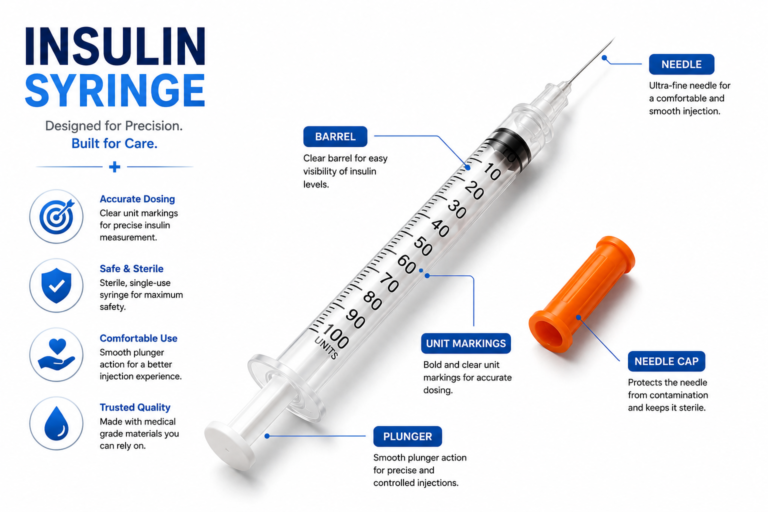
Understanding each part of an insulin syringe helps ensure safe and accurate insulin administration.
| Part | Function |
|---|---|
| Needle | A fine, sharp needle that delivers insulin beneath the skin. |
| Barrel | A transparent tube that holds the insulin and displays unit markings. |
| Plunger | Pushes insulin through the needle during injection. |
| Unit Markings | Show insulin units for accurate dose measurement. |
| Needle Cap | Keeps the needle sterile before use and helps prevent accidental injuries. |
Needle
The needle is designed to be thin and sharp, making injections less painful. Modern insulin syringes are available in different needle lengths and gauges to suit individual needs.
Barrel
The transparent barrel allows users to clearly see the insulin level while measuring the prescribed dose.
Plunger
The plunger moves smoothly inside the barrel, helping inject insulin at a controlled rate.
Unit Markings
Unlike standard syringes, insulin syringes are marked in insulin units, making dose measurement simple and accurate.
Needle Cap
The protective cap keeps the needle clean and sterile until it is ready for use.
Types of Insulin Syringes
Different insulin syringes are designed for different insulin concentrations. Choosing the correct type is essential for accurate dosing.
U-40 Insulin Syringe
A U-40 insulin syringe is designed specifically for U-40 insulin, which contains 40 units of insulin per milliliter.
Best for:
- People prescribed U-40 insulin.
- Accurate low-concentration insulin dosing.
Important: Never use a U-40 syringe with U-100 insulin unless specifically instructed by a healthcare professional.
U-100 Insulin Syringe
A U-100 insulin syringe is designed for U-100 insulin, which contains 100 units of insulin per milliliter. It is the most commonly used insulin syringe worldwide.
Best for:
- Most adults using modern insulin formulations.
- Daily insulin therapy.
- Home and hospital use.
U-40 vs U-100 Insulin Syringe
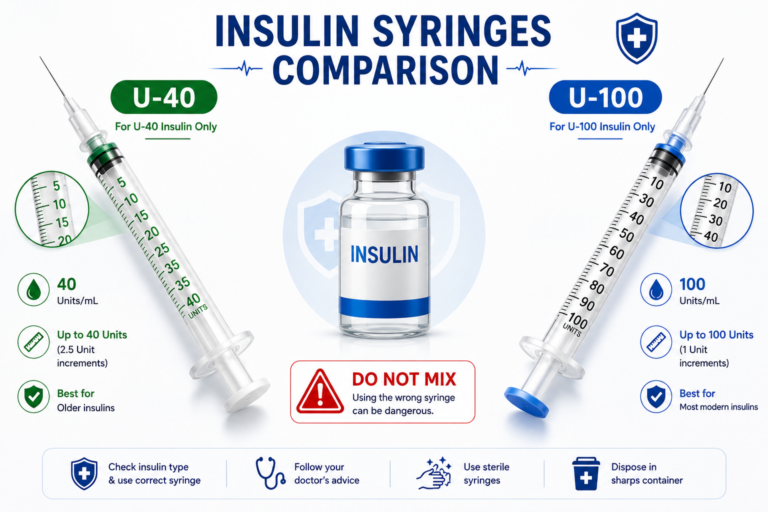
| Feature | U-40 Syringe | U-100 Syringe |
|---|---|---|
| Insulin Concentration | 40 units/mL | 100 units/mL |
| Calibration | U-40 only | U-100 only |
| Common Use | Limited insulin formulations | Most modern insulin products |
| Dose Accuracy | For U-40 insulin | For U-100 insulin |
| Interchangeable | ❌ No | ❌ No |
Important: Always match the syringe with the prescribed insulin concentration. Using the wrong combination can result in serious dosing errors.
Insulin Syringe Sizes Explained
Selecting the right syringe size improves dosing accuracy and makes insulin administration easier.
| Syringe Size | Maximum Capacity | Recommended Dose |
|---|---|---|
| 0.3 mL | 30 Units | Up to 30 units |
| 0.5 mL | 50 Units | 31–50 units |
| 1 mL | 100 Units | 51–100 units |
0.3 mL Syringe
Ideal for people who require smaller insulin doses. The larger spacing between unit markings makes measuring low doses easier.
0.5 mL Syringe
Suitable for individuals taking moderate insulin doses while maintaining good measurement accuracy.
1 mL Syringe
Recommended for people who need larger insulin doses, with a maximum capacity of 100 units.
Insulin Syringe Needle Sizes
The needle size affects both injection comfort and insulin delivery.
Common Needle Lengths
- 4 mm
- 5 mm
- 6 mm
- 8 mm
- 12.7 mm
Shorter needles are suitable for most adults because insulin only needs to reach the fatty tissue beneath the skin.
Common Needle Gauges
| Needle Gauge | Thickness |
|---|---|
| 29G | Thick |
| 30G | Fine |
| 31G | Very Fine |
| 32G | Ultra-Fine |
A higher gauge number indicates a thinner needle, which is generally associated with less discomfort during injections.
How to Choose the Right Insulin Syringe
Proper knowledge of insulin syringes uses helps reduce dosing errors.
Consider:
- Your prescribed insulin concentration (U-40 or U-100).
- Your daily insulin dose.
- The syringe capacity.
- Needle length recommended by your healthcare provider.
- Your comfort and ease of handling.
If you’re unsure which syringe is appropriate, consult your doctor, diabetes educator, or pharmacist before making any changes.
How to Use an Insulin Syringe Correctly
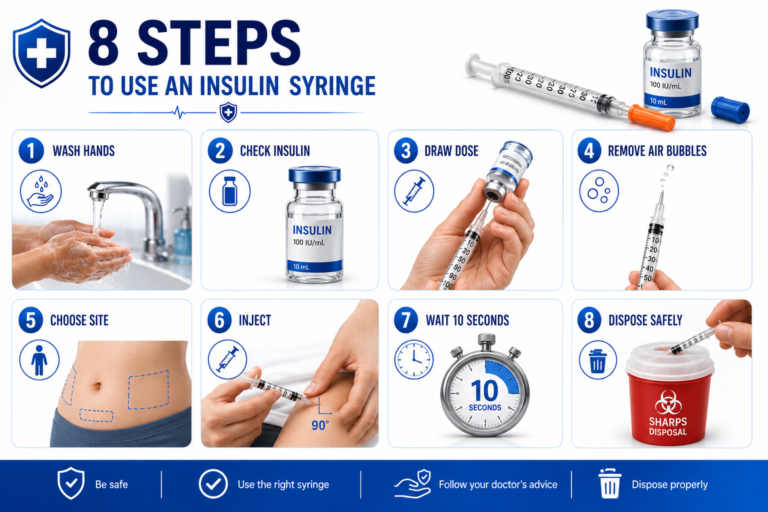
Using an insulin syringe properly is essential for accurate insulin delivery and effective blood sugar management. Following the correct technique can reduce discomfort, improve insulin absorption, and lower the risk of injection-related complications.
Step 1: Wash Your Hands
Wash your hands thoroughly with soap and water before handling the insulin vial or syringe. Clean hands help reduce the risk of infection.
Step 2: Check the Insulin
Before drawing insulin into the syringe:
- Verify the insulin label.
- Check the expiration date.
- Inspect the insulin for discoloration or particles.
- If using cloudy insulin, gently roll the vial between your palms as directed. Avoid shaking it vigorously.
Step 3: Draw the Correct Dose
- Remove the syringe cap.
- Pull the plunger back to draw air equal to your prescribed insulin dose.
- Inject the air into the insulin vial.
- Turn the vial upside down.
- Slowly pull back the plunger until the correct number of insulin units is reached.
- Remove any large air bubbles by gently tapping the syringe and adjusting the dose.
Accurate dose measurement is one of the most important insulin syringes uses, helping reduce the risk of blood sugar fluctuations.
Step 4: Choose an Injection Site
Select a healthy area with enough fatty tissue.
Common injection sites include:
- Abdomen
- Front of the thighs
- Upper outer arms
- Buttocks
Avoid injecting into bruised, swollen, scarred, or infected skin.
Step 5: Inject the Insulin
- Pinch the skin gently if advised by your healthcare provider.
- Insert the needle at the recommended angle (usually 90° with short needles).
- Press the plunger slowly until all the insulin has been injected.
- Wait for about 10 seconds before removing the needle to reduce insulin leakage.
Step 6: Dispose of the Syringe Safely
After the injection:
- Do not recap the needle if it increases the risk of needle-stick injury.
- Place the used syringe in a puncture-resistant sharps container.
- Never reuse or share an insulin syringe.
Along with insulin therapy, routine blood tests such as an Understanding CBC Report can help detect infections and monitor your overall health.
Best Injection Sites for Insulin Syringes
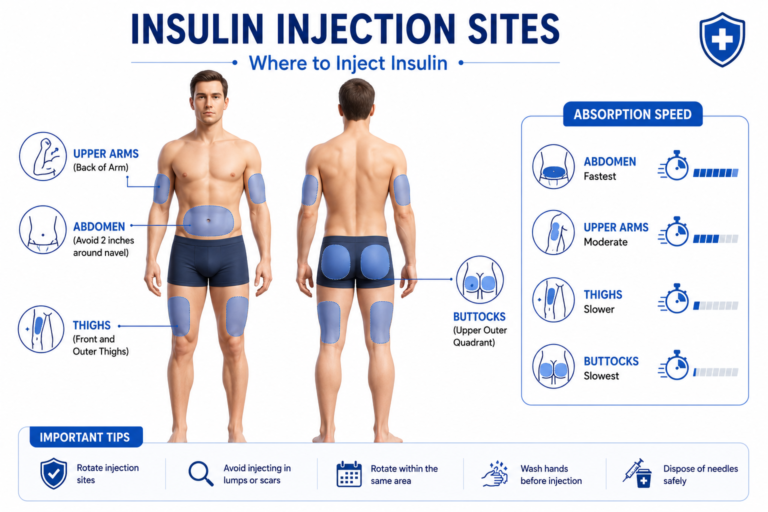
Different areas of the body absorb insulin at different speeds. Rotating injection sites helps prevent skin thickening (lipohypertrophy) and supports consistent insulin absorption.
| Injection Site | Absorption Speed | Common Use |
|---|---|---|
| Abdomen | Fast | Rapid-acting insulin |
| Upper Arm | Moderate | Daily insulin therapy |
| Thigh | Moderate to Slow | Long-acting insulin |
| Buttocks | Slow | Basal insulin |
Tips for Rotating Injection Sites
- Rotate injections within the same body region before switching to another area.
- Keep injections at least 2–3 cm away from the previous site.
- Avoid injecting into lumps, scars, or irritated skin.
- Follow a consistent rotation pattern to maintain predictable insulin absorption.
Safety Tips for Using Insulin Syringes
Following proper safety practices helps improve insulin therapy and reduces the risk of complications.
Follow These Safety Tips
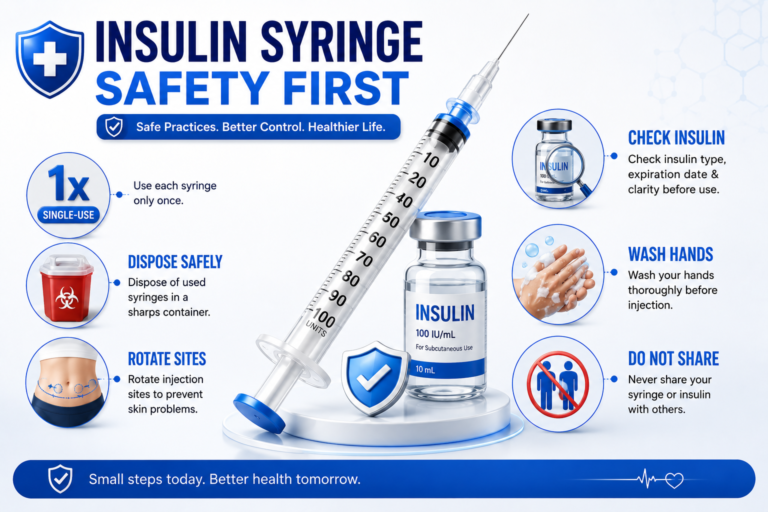
- Always use a new sterile insulin syringe for every injection.
- Match the syringe with the correct insulin concentration (U-40 or U-100).
- Store insulin according to the manufacturer’s instructions.
- Rotate injection sites regularly.
- Keep insulin syringes out of reach of children.
- Never share insulin syringes with anyone.
- Dispose of used syringes in an approved sharps container.
- Check the syringe for damage before use.
The World Health Organization (WHO): Diabetes emphasizes the importance of early diagnosis, proper treatment, and access to insulin for effective diabetes management.
Common Mistakes to Avoid
Even experienced users can make mistakes that affect insulin therapy.
1. Using the Wrong Syringe
Using a U-40 syringe with U-100 insulin—or vice versa—can result in incorrect dosing.
2. Reusing Disposable Syringes
Reusing syringes increases the risk of:
- Infection
- Pain during injection
- Needle damage
- Reduced injection accuracy
3. Injecting in the Same Spot Repeatedly
Repeated injections at one site may cause fatty lumps beneath the skin, reducing insulin absorption.
4. Incorrect Dose Measurement
Drawing too much or too little insulin can lead to:
- Hypoglycemia
- Hyperglycemia
- Poor diabetes control
Always double-check the insulin dose before injecting.
5. Skipping Blood Glucose Monitoring
Regular blood sugar monitoring helps determine whether your insulin dose is working effectively and allows your healthcare provider to adjust treatment if needed.
Insulin Syringes Uses vs Insulin Pens vs Insulin Pumps
Choosing the right insulin delivery method depends on your lifestyle, insulin requirements, budget, and healthcare provider’s recommendations.
| Feature | Insulin Syringe | Insulin Pen | Insulin Pump |
|---|---|---|---|
| Cost | Low | Moderate | High |
| Dose Accuracy | Excellent | Excellent | Excellent |
| Ease of Use | Moderate | Easy | Very Easy |
| Portability | Good | Excellent | Excellent |
| Daily Injections | Required | Required | Continuous Insulin Delivery |
| Best For | Most insulin users | Active lifestyles | Intensive insulin therapy |
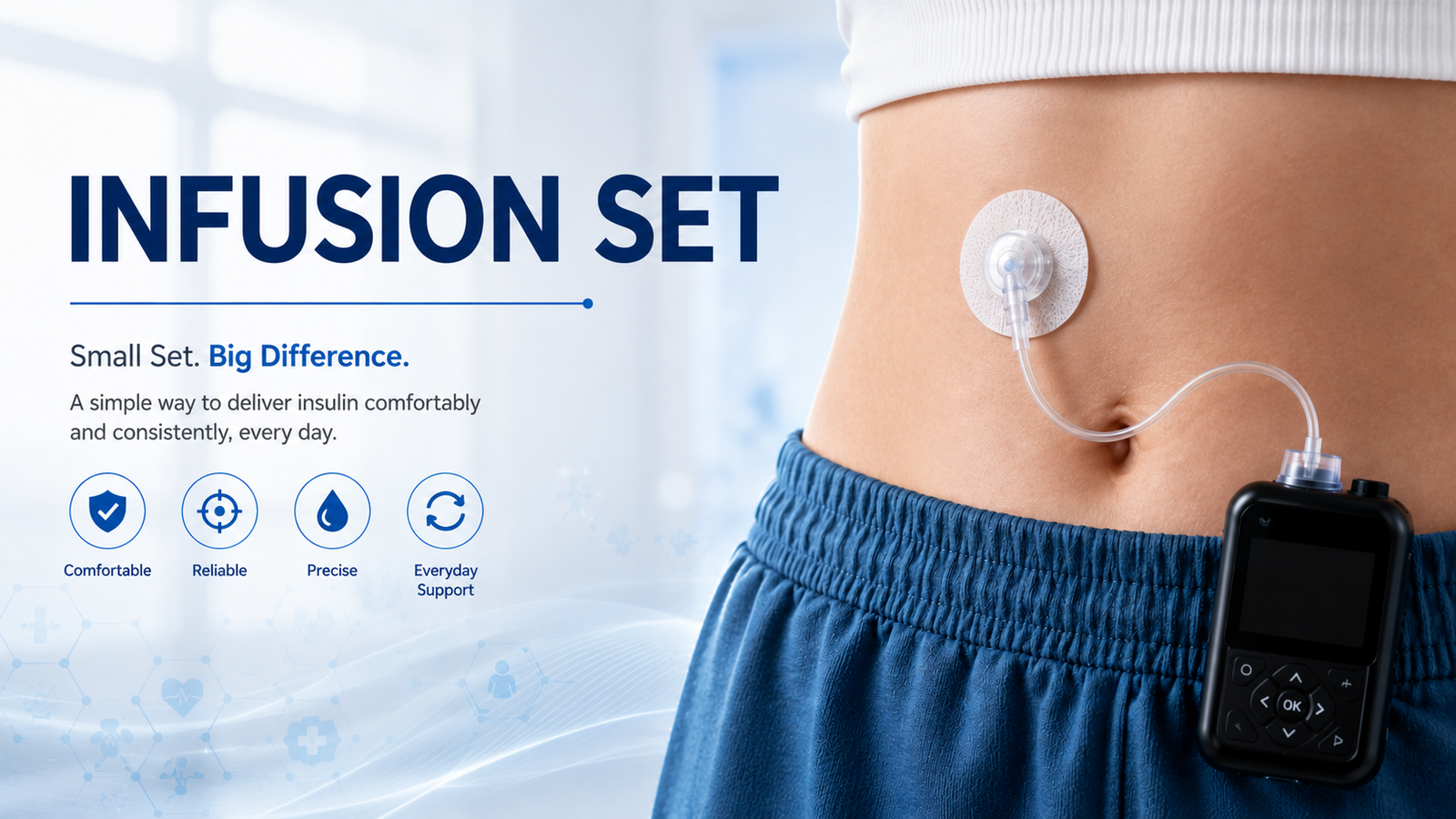
Each method has advantages, and the best choice varies from person to person. Discuss your options with your healthcare provider to determine which insulin delivery system is most suitable for you.
Storage and Disposal of Insulin Syringes
Proper storage and disposal help maintain hygiene and prevent accidental injuries.
Storage Tips
- Store unused syringes in a clean, dry place.
- Keep syringes in their original sterile packaging until use.
- Protect them from excessive heat, moisture, and direct sunlight.
- Do not use damaged or expired syringes.
Safe Disposal
- Dispose of used syringes immediately after use.
- Use a puncture-resistant sharps container.
- Never throw loose needles into household trash unless permitted by local regulations.
- Follow your local healthcare or pharmacy guidelines for safe disposal.
When Should You Contact a Doctor?
Seek medical advice if you experience:
- Frequent episodes of low or high blood sugar.
- Persistent redness, swelling, or pain at the injection site.
- Signs of infection such as pus or fever.
- Difficulty administering insulin correctly.
- Unexplained changes in insulin requirements.
- Repeated dosing errors or concerns about your injection technique.
Early medical guidance can help prevent complications and improve diabetes management.
Frequently Asked Questions (FAQs)
What can insulin syringes be used for?
The primary insulin syringes uses include administering insulin to people with Type 1 diabetes, insulin-dependent Type 2 diabetes, and gestational diabetes. They are also used in hospitals for temporary insulin therapy and emergency blood sugar management. Their precise unit markings help ensure accurate insulin dosing.
What are the 7 types of insulin?
The seven commonly used types of insulin are:
- Rapid-acting insulin
- Short-acting (Regular) insulin
- Intermediate-acting insulin
- Long-acting insulin
- Ultra-long-acting insulin
- Premixed insulin
- Inhaled insulin
Each type differs in onset, peak time, and duration of action. Your healthcare provider will recommend the most appropriate insulin based on your treatment needs.
What is the main use of insulin?
The main use of insulin is to regulate blood sugar levels by helping glucose move from the bloodstream into the body’s cells, where it is used for energy. People with diabetes may require insulin therapy when their body does not produce enough insulin or cannot use it effectively.
How many units are in a 1 mL insulin syringe?
A 1 mL U-100 insulin syringe holds 100 units of insulin. It should only be used with U-100 insulin unless your healthcare provider advises otherwise.
Can insulin syringes be reused?
No. Insulin syringes are intended for single use only. Reusing them can increase the risk of infection, dull the needle, cause more pain during injections, and reduce dosing accuracy.
Which insulin syringe size is best?
The best syringe size depends on your prescribed insulin dose.
- 0.3 mL – Up to 30 units
- 0.5 mL – Up to 50 units
- 1 mL – Up to 100 units
Using the smallest syringe that accommodates your prescribed dose improves measurement accuracy.
What is the difference between U-40 and U-100 insulin syringes?
A U-40 syringe is designed for insulin containing 40 units/mL, while a U-100 syringe is designed for insulin containing 100 units/mL. They are not interchangeable, and using the wrong combination can lead to incorrect insulin dosing.
Where is the best place to inject insulin?
The abdomen is generally the preferred injection site because it provides consistent insulin absorption. Other recommended sites include the thighs, upper arms, and buttocks. Rotating injection sites helps prevent skin damage and improves insulin absorption.
Are insulin syringes better than insulin pens?
Both insulin syringes and insulin pens are effective for insulin delivery. Insulin syringes are generally more affordable and suitable for drawing insulin from vials, while insulin pens offer greater convenience, portability, and ease of use. The right option depends on your medical needs, lifestyle, and your healthcare provider’s advice.
How should used insulin syringes be disposed of?
Used insulin syringes should be placed immediately in a puncture-resistant sharps container. Never throw loose syringes into household waste unless local regulations permit it. Follow your local healthcare or pharmacy guidelines for safe disposal.
Conclusion
Understanding insulin syringes uses is essential for anyone who relies on insulin therapy to manage diabetes effectively. These specially designed syringes provide accurate insulin dosing, support better blood sugar control, and make daily insulin administration safer and more convenient.
Choosing the correct syringe size, matching it with the appropriate insulin concentration, following the recommended injection technique, and practicing proper storage and disposal are all important steps in reducing complications and improving treatment outcomes. Regular blood glucose monitoring and routine follow-ups with your healthcare provider further support successful diabetes management.
Whether you are newly diagnosed with diabetes or have been using insulin for years, learning how to use insulin syringes correctly can increase confidence, improve safety, and contribute to better long-term health.
Following the correct insulin syringes uses and your healthcare provider’s advice can help achieve better blood sugar control.
People living with diabetes should also understand proper wound care. Read our guide on Types of Wounds: Acute vs Chronic Wounds Explained to learn how to identify wounds early and support faster healing.