
Table of Contents
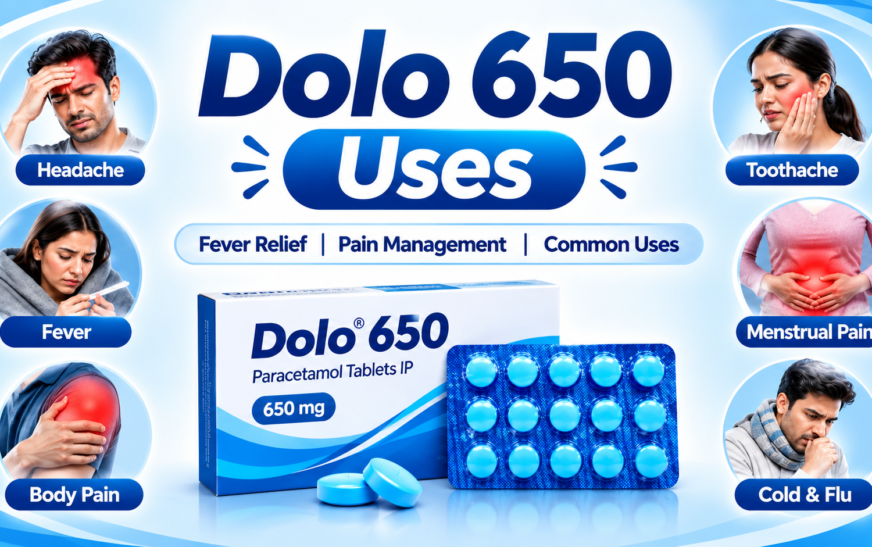
ToggleDolo 650 is a commonly used medicine in India for managing fever and different types of mild-to-moderate pain. Understanding commonly used medicines and their purpose can help readers make informed decisions about medication use. Its active ingredient is paracetamol, also known as acetaminophen. Many people keep this medicine at home because it can help relieve common symptoms such as headaches, body aches and fever.
However, knowing the correct Dolo 650 uses is important before taking this medicine. Although paracetamol is widely used, taking an inappropriate dose or combining it with other medicines containing the same ingredient can increase the risk of serious side effects, particularly liver damage.
This guide explains the Dolo 650 uses, how the medicine works, when it may be recommended, its possible side effects, dosage considerations and important precautions. It also answers common questions about taking this medicine without fever and using it for cold symptoms.
What Is Dolo 650?
Dolo 650 is a branded paracetamol tablet that contains 650 mg of paracetamol as its active ingredient. It belongs to two important medicine categories:
- Analgesic: A medicine that helps relieve pain.
- Antipyretic: A medicine that helps reduce elevated body temperature during fever.
The main purpose of this medicine is to provide temporary relief from fever and mild-to-moderate pain. It does not directly treat the underlying infection or disease responsible for these symptoms.
Understanding the Dolo 650 uses starts with recognising that the medicine manages symptoms rather than curing their underlying causes.
For brand-specific product information, readers can refer to Tata 1mg’s Dolo 650 medicine information.
How Does Dolo 650 Work in the Body?
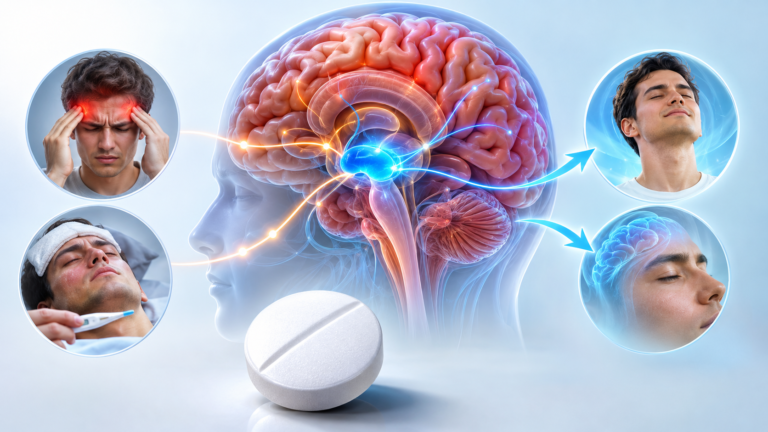
Paracetamol works mainly through its effects on the central nervous system. It influences chemical pathways involved in pain signalling and temperature regulation.
When the body experiences an infection or inflammation, several chemical messengers contribute to pain and fever. Prostaglandins are among the substances involved in these processes.
Paracetamol helps reduce pain signalling and acts on the temperature-regulating centre in the hypothalamus, a region of the brain responsible for maintaining body temperature.
Here is a simplified explanation:
- An illness, injury or other condition causes pain or fever.
- Chemical signalling pathways contribute to these symptoms.
- Paracetamol acts on central pathways involved in pain and temperature regulation.
- Pain may become less noticeable, and an elevated temperature may decrease.
This explains why the Dolo 650 uses include temporary relief from different pain conditions and fever.
Important: Paracetamol is not an antibiotic. It does not kill bacteria or directly eliminate viruses.
Dolo 650 Uses: 9 Common Conditions It May Help Manage

The following are common situations in which healthcare professionals may recommend paracetamol, depending on the patient’s age, medical history and symptoms.
1. Relief From Fever
One of the most recognised Dolo 650 uses is helping reduce fever.
Fever is a temporary increase in body temperature that can occur when the immune system responds to infections or other medical conditions.
Fever can occur due to several conditions, including viral infections. Understanding viral fever symptoms can help readers recognise when medical evaluation may be necessary.
Paracetamol helps regulate elevated body temperature through its action on the brain’s temperature-control centre.
It may be recommended for fever associated with:
- Viral infections
- Seasonal illnesses
- Flu-like conditions
- Certain bacterial infections, alongside appropriate treatment
Practical example: A person experiencing fever and discomfort during a viral illness may be advised by a doctor to use paracetamol for temporary symptom relief.
However, persistent or unusually high fever requires medical evaluation.
2. Headache Management
Headaches can develop because of stress, dehydration, lack of sleep, eye strain, migraines and several other conditions.
Headaches can have different causes and patterns. Learning about the types of headaches can help readers understand when recurring headaches require medical attention.
Another important aspect of Dolo 650 uses is temporary relief from certain types of headaches.
Paracetamol may help reduce pain associated with mild headaches. However, recurring headaches, severe headaches or headaches accompanied by neurological symptoms should not be managed through repeated self-medication.
Practical example: Someone experiencing an occasional mild headache after a tiring day may receive advice from a healthcare professional about using an appropriate pain reliever.
3. Relief From Body Pain
Body aches are common during infections, physical exhaustion and certain inflammatory conditions.
Paracetamol can help reduce discomfort associated with muscle aches and general body pain.
This is particularly relevant when people experience body aches alongside fever or flu-like symptoms.
The Dolo 650 uses in this situation focus on symptom management rather than treating the reason behind the muscle pain.
If body pain continues, becomes severe or occurs with unexplained weakness, medical assessment is important.
4. Toothache Relief
Toothache may occur because of tooth decay, gum infections, damaged teeth or dental inflammation.
Paracetamol can provide temporary relief from dental pain while the person arranges an examination.
However, it cannot repair cavities, remove dental infections or replace dental treatment.
Practical example: A person experiencing tooth pain while waiting for a dental appointment may be advised to use an appropriate pain reliever.
Facial swelling, fever, pus or difficulty swallowing requires prompt dental or medical attention.
5. Muscle Pain After Physical Activity
Muscle discomfort can develop after exercise, sports activities or unusual physical exertion.
Paracetamol may help manage some types of mild muscle pain.
Among the commonly discussed Dolo 650 uses is temporary relief from discomfort that develops after physical activity.
However, severe muscle pain, major swelling, weakness or dark-coloured urine after intense exercise needs urgent medical evaluation.
6. Menstrual Pain
Menstrual cramps develop when the uterus contracts during menstruation. Prostaglandins play an important role in these contractions.
Paracetamol may help some people manage mild menstrual discomfort.
However, its effectiveness can vary, and it may not provide sufficient relief for severe menstrual cramps.
Women experiencing unusually painful periods, heavy bleeding or worsening pelvic pain should consult a healthcare professional to identify possible underlying conditions.
7. Sore Throat Discomfort
A sore throat can occur because of viral infections, bacterial infections, allergies or irritation.
Paracetamol may help reduce associated throat pain and fever.
However, it does not directly treat the cause of a sore throat.
The Dolo 650 uses in this situation are limited to managing discomfort. A bacterial throat infection may require a separate treatment plan determined by a doctor.
Seek medical attention if swallowing becomes difficult, breathing is affected or symptoms are severe.
8. Pain Associated With Cold and Flu
The common cold and influenza can cause several symptoms, including:
- Body aches
- Headaches
- Fever
- Sore throat
- General discomfort
Paracetamol may help manage fever and certain types of pain associated with these illnesses.
It is important to understand that paracetamol does not cure the common cold or influenza. It also does not directly relieve nasal congestion, sneezing or a runny nose.
9. Joint and Musculoskeletal Pain
Joint discomfort may develop because of physical strain, osteoarthritis and other musculoskeletal conditions.
Paracetamol may provide temporary relief from some mild-to-moderate musculoskeletal pain.
However, it does not treat the underlying cause of joint disease or reverse joint damage.
Persistent swelling, stiffness, redness or restricted movement should be evaluated by a healthcare professional.
Quick Comparison: Conditions and Possible Benefits
| Condition | Potential benefit | Important limitation |
|---|---|---|
| Fever | Helps reduce elevated temperature | Does not cure infection |
| Headache | Temporary pain relief | Does not treat every headache cause |
| Body ache | Helps manage discomfort | Persistent pain needs evaluation |
| Toothache | Temporary pain relief | Dental treatment may be necessary |
| Muscle pain | May reduce mild discomfort | Does not repair muscle injury |
| Menstrual cramps | May relieve some cramps | Severe pain needs assessment |
| Sore throat | Helps reduce throat pain | Does not treat bacterial infection |
| Cold and flu | Helps manage fever and aches | Does not cure viral illness |
| Joint pain | May reduce some discomfort | Does not reverse joint damage |
Dolo 650 Dosage: How Should It Be Taken?
The correct dose of paracetamol depends on several factors, including age, body weight, liver health, other medicines and individual medical history.
A 650 mg tablet is not automatically suitable for every adult.
For this reason, the Dolo 650 uses and dosage should be understood separately. Knowing what the medicine treats does not mean everyone should take the same amount.
Important dosage considerations include:
- Follow the dosage prescribed by your doctor.
- Maintain the recommended interval between doses.
- Do not take additional tablets simply because the symptoms have not improved.
- Check other medicines for hidden paracetamol content.
- Do not continue taking the medicine for longer than advised.
Can You Take Dolo 650 Every Day?
Taking paracetamol regularly without medical guidance is not recommended.
Repeated use may increase the risk of taking more paracetamol than intended, particularly when other cold, flu or pain medicines are also being used.
If fever or pain continues, consult a healthcare professional rather than increasing the dose yourself.
Dolo 650 vs Regular Paracetamol: What Is the Difference?
Many people wonder whether Dolo 650 and ordinary paracetamol are different medicines.
The key difference is the tablet strength and brand.
| Feature | Dolo 650 | Paracetamol 500 mg |
|---|---|---|
| Active ingredient | Paracetamol | Paracetamol |
| Strength | 650 mg | 500 mg |
| Medicine category | Analgesic and antipyretic | Analgesic and antipyretic |
| Main purpose | Pain and fever relief | Pain and fever relief |
| Dose selection | Depends on medical advice | Depends on medical advice |
Both contain the same active ingredient, but they are not identical in strength.
A person should not assume that two different strengths can be substituted tablet-for-tablet without checking with a healthcare professional.
Possible Side Effects of Dolo 650
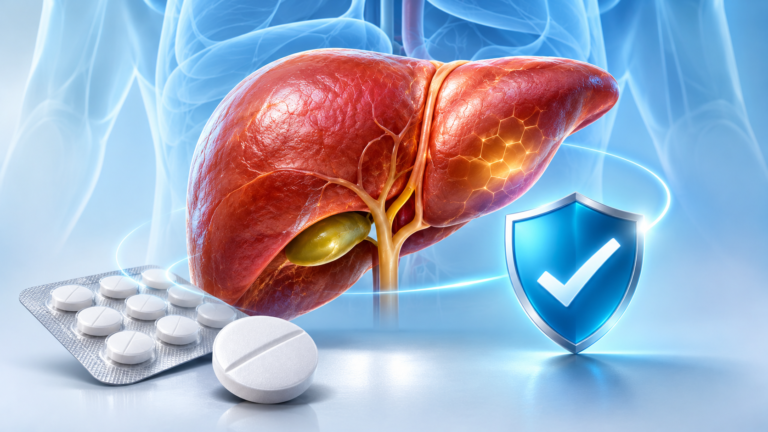
Paracetamol is generally well tolerated when used appropriately. However, side effects can occur, and excessive intake can be dangerous.
Understanding the risks is an important part of learning about the Dolo 650 uses.
Possible side effects include:
- Nausea
- Vomiting
- Stomach discomfort
- Allergic skin reactions
- Skin rash or itching
Serious reactions are uncommon but require immediate medical attention.
Liver Damage: An Important Safety Concern
The liver plays a major role in processing paracetamol.
When an excessive amount is taken, harmful metabolites can accumulate and damage liver cells.
Possible warning signs of serious liver injury include:
- Yellowing of the skin or eyes
- Unusual nausea or vomiting
- Pain in the upper right side of the abdomen
- Unusual weakness
- Dark-coloured urine
Important: Paracetamol overdose may initially cause few or no noticeable symptoms. If you suspect an overdose, seek emergency medical help immediately, even if you feel well.
Do not wait for symptoms to develop.
Who Should Take Extra Precautions?
Although paracetamol is commonly used, it may not be appropriate for everyone.
Consult a doctor before using it if you:
- Have an existing liver condition.
- Have kidney-related health problems.
- Weigh less than 50 kg.
- Have a history of an allergic reaction to paracetamol.
- Consume alcohol regularly or heavily.
- Have malnutrition or significant dehydration.
- Take other medicines that may affect liver function.
Pregnant or breastfeeding individuals should also seek appropriate medical advice about their medicine and dose.
Children should not be given an adult-strength 650 mg tablet without specific medical instructions. Paediatric paracetamol dosing depends on the child’s age, weight and formulation.
Important Safety Tips Before Taking Dolo 650
To use paracetamol responsibly, follow these precautions:
- Check the active ingredients: Some cold and flu medicines already contain paracetamol. Taking them together can lead to accidental overdose.
- Avoid increasing the dose: Taking more medicine does not necessarily provide faster or better relief.
- Check your medical history: Liver and kidney conditions can influence the appropriate dose.
- Follow medical instructions: Use the recommended amount for the recommended duration.
- Seek medical attention when needed: Persistent fever, severe pain or worsening symptoms should not be ignored.
- Store medicines safely: Keep tablets away from children and follow the storage instructions on the packaging.
Practical Example: When Should You Seek Medical Advice?
Consider these situations:
Example 1: Fever with body aches
A person develops fever, tiredness and muscle pain. Paracetamol may help manage the fever and discomfort, but the cause of the illness still needs to be considered.
Example 2: Headache that keeps returning
Someone experiences headaches several times a week and repeatedly takes pain medication. Instead of continuing self-medication, they should seek medical evaluation to identify the cause.
Example 3: Cold symptoms without fever
A person has sneezing, a blocked nose and a runny nose but no pain or fever. Paracetamol may not provide meaningful relief because it does not directly treat these symptoms.
These examples show why understanding the Dolo 650 uses is important before choosing a medicine for a particular symptom.
When Should You See a Doctor?
Do not rely only on pain-relief medicines when symptoms indicate a potentially serious condition.
Seek medical attention if you experience:
- Fever that persists or keeps returning.
- Severe or unexplained abdominal pain.
- A sudden, unusually severe headache.
- Difficulty breathing or swallowing.
- Persistent vomiting or signs of dehydration.
- Severe allergic symptoms such as facial swelling or breathing difficulty.
- Possible paracetamol overdose.
A healthcare professional can determine whether further tests or specific treatment are necessary.
Frequently Asked Questions (FAQs)
Can I take Dolo 650 without a fever?
Yes, paracetamol may be used for certain types of pain even when a person does not have a fever. For example, it may help manage headaches, muscle aches or toothache. However, Dolo 650 contains 650 mg of paracetamol, so it should only be taken when appropriate for your individual health condition and according to medical advice.
What are the benefits of Dolo?
Dolo 650 may help reduce fever and provide temporary relief from mild-to-moderate pain. Its potential benefits include relief from headaches, body aches, toothaches, menstrual discomfort and certain types of muscle pain. It does not cure infections or treat the underlying cause of these conditions.
Can Dolo 650 be taken for cold?
Dolo 650 may help manage fever, headaches and body aches associated with a common cold. However, it does not directly relieve sneezing, nasal congestion or a runny nose. It also does not cure the viral infection responsible for the cold.
Are paracetamol and Dolo the same?
Dolo 650 is a branded medicine that contains paracetamol as its active ingredient. Therefore, both contain the same active medicine, but their strengths can differ. Dolo 650 contains 650 mg of paracetamol per tablet. Always check the strength before taking or combining medicines.
Is Dolo good or bad?
Dolo 650 can be useful for managing fever and certain types of pain when taken appropriately. However, taking excessive amounts or combining it with other paracetamol-containing medicines can cause serious liver damage. Whether it is suitable depends on the person’s health, dosage and medical history. Follow professional medical advice rather than using it unnecessarily.
Conclusion
Understanding the Dolo 650 uses helps people make informed decisions about managing common symptoms such as fever, headaches, body aches and certain types of pain.
Dolo 650 contains paracetamol, which works as a pain reliever and fever reducer. However, it does not cure infections or treat every underlying medical condition.
The most important safety measure is to follow appropriate medical advice, avoid combining multiple paracetamol-containing medicines and never exceed the recommended dose.
Responsible medicine use, timely medical evaluation and awareness of potential side effects can help prevent avoidable health complications.
MedExplainHub encourages readers to understand their medicines and make informed healthcare decisions with guidance from qualified healthcare professionals.