
Table of Contents
ToggleFeeling tired during the day, getting breathless while climbing stairs, or noticing pale skin and brittle nails can have several causes. One possibility is low iron. Iron helps the body make haemoglobin, the protein in red blood cells that carries oxygen to tissues. People who follow vegetarian diets can meet their needs, but they should plan meals carefully because plant foods contain non-heme iron, which is generally less easily absorbed than heme iron.
The good news is that iron rich foods for vegetarians are available in everyday Indian kitchens. Lentils, beans, soy foods, leafy greens, seeds, millets and fortified foods can all contribute to iron intake. Pairing these foods with vitamin C-rich ingredients can help the body absorb more of the iron.
Iron deficiency can sometimes be associated with other nutritional problems, including vitamin B12 deficiency. Since both iron and vitamin B12 play important roles in healthy red blood cell production, understanding the symptoms and causes of vitamin B12 deficiency can help you learn more about nutritional deficiencies and their impact on overall health.
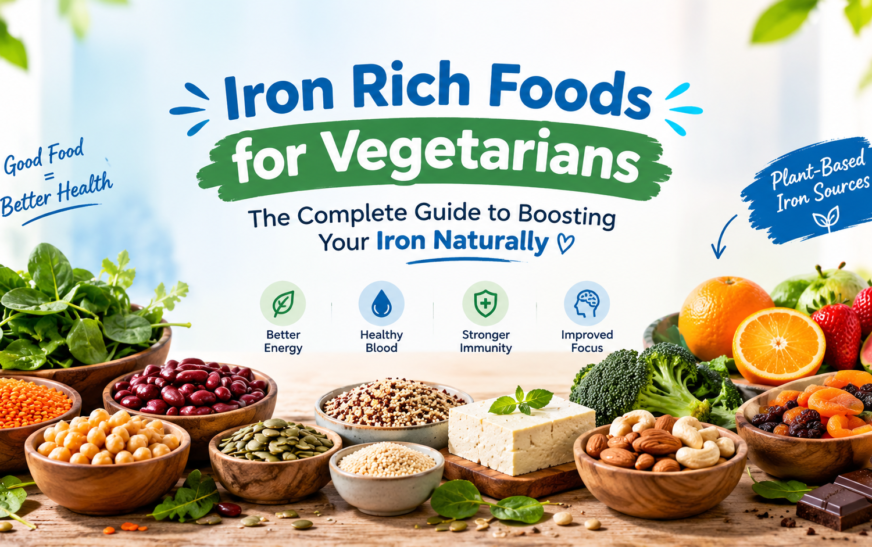
This guide explains why iron matters, how much adults may need, the best food choices, useful drinks and fruits, ways to improve absorption, and a practical one-day meal plan. It is designed to help readers choose iron rich foods for vegetarians using familiar Indian ingredients.
Why Is Iron Important?
Iron is needed to make haemoglobin and myoglobin. Haemoglobin carries oxygen in the blood, while myoglobin helps supply oxygen to muscles. Iron also supports normal energy metabolism, growth and immune function.
Low iron stores may eventually lead to iron deficiency anaemia. Choosing iron rich foods for vegetarians can support intake, although symptoms need proper assessment.
Possible symptoms include:
- Persistent tiredness or weakness
- Pale skin or inner eyelids
- Dizziness or headaches
- Shortness of breath, especially during activity
- Difficulty concentrating
- Brittle nails or unusual cravings, in some people
These symptoms are not specific to iron deficiency. A healthcare professional may recommend a complete blood count (CBC) and ferritin test before treatment. Do not begin high-dose iron supplements without medical advice.
Including iron rich foods for vegetarians regularly can support dietary intake, but food alone may not be enough to treat an established deficiency.
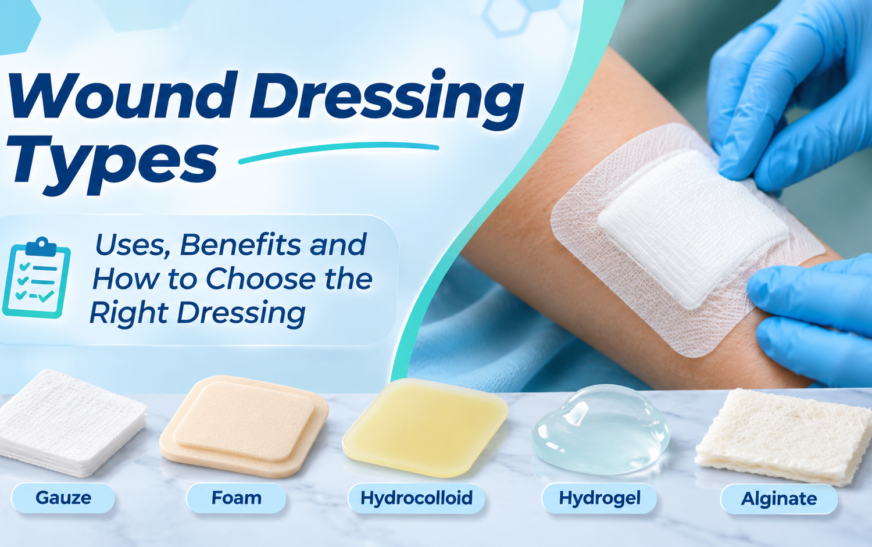
Low iron levels can sometimes contribute to anaemia and changes in red blood cell measurements. Understanding low PCV in blood report can help you learn about possible causes, symptoms and the importance of proper blood test evaluation.
How Much Iron Do You Need Every Day?
Iron requirements vary with age, sex and life stage. ICMR-NIN’s 2020 reference values list approximately 19 mg per day for adult men and 29 mg per day for adult women. The value for pregnancy is different and depends on the stage of pregnancy; individual advice should come from a qualified healthcare professional.
These are Indian reference values and should not be confused with recommendations from other countries. People who menstruate, are pregnant, donate blood frequently or have certain digestive conditions may need individual assessment.
Because plant-based iron is less readily absorbed, meal composition matters. Rather than focusing on a single ingredient, include several iron rich foods for vegetarians across breakfast, lunch and dinner.
Heme vs Non-Heme Iron: What Vegetarians Should Know
Dietary iron comes in two main forms:
Heme iron is found in meat, poultry and seafood and is generally absorbed more efficiently.
Non-heme iron is found in plant foods and fortified foods. Its absorption is influenced by the rest of the meal.
Vegetarians rely mainly on non-heme iron. Vitamin C can improve its absorption, while phytates in some grains and legumes and polyphenols in tea and coffee can reduce absorption when consumed with the same meal.
This does not mean you need to avoid beans, grains or tea completely. Simple food combinations and meal timing can help you get more value from iron rich foods for vegetarians.
Top Iron Rich Foods for Vegetarians
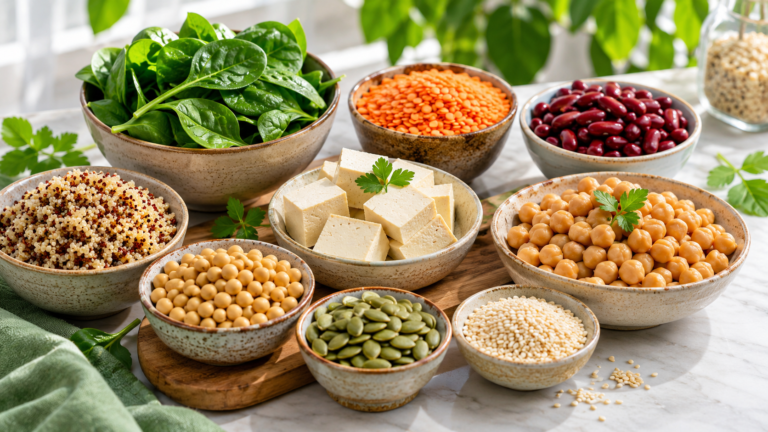
The following options are widely available and can fit into familiar Indian meals. These iron rich foods for vegetarians offer variety across pulses, vegetables, seeds and grains. Iron amounts vary by variety, brand, cooking method and serving size.
1. Lentils and Pulses (Dal)
Masoor, moong, chana dal, toor dal and urad dal provide non-heme iron, protein and fibre. Serve dal with tomato, lemon or another vitamin C source. A bowl of dal is an easy everyday way to include iron rich foods for vegetarians without changing your usual meal routine.
2. Chickpeas, Rajma and Other Beans
Black chana, kabuli chana, rajma, lobia and white beans contribute iron and plant protein. Try chana chaat with lemon, rajma with tomato-based gravy or lobia salad with capsicum. Soaking beans before cooking and cooking them thoroughly improves texture and digestibility.
3. Soybeans, Tofu and Soya Chunks
Soybeans and foods made from them, including tofu and soya chunks, can provide useful amounts of iron and protein. Add tofu bhurji, soya curry or cooked soybeans to meals. Check packaged product labels because iron content differs between products.
4. Leafy Green Vegetables
Spinach (palak), amaranth leaves (chaulai), fenugreek (methi), mustard greens (sarson) and moringa leaves provide iron along with folate and other nutrients. Spinach also contains oxalates, so it should not be treated as the only or best source of absorbable iron. Add lemon or tomatoes to leafy vegetable dishes.
5. Seeds
Pumpkin seeds, sesame seeds (til), sunflower seeds, flaxseeds and chia seeds can add iron to snacks and meals. Sprinkle them over oats, salads or curd, or use sesame in chutney and ladoos. Seeds are energy-dense, so use sensible portions.
6. Whole Grains and Millets
Ragi, bajra, jowar, oats, quinoa and amaranth contribute iron and other nutrients. Use millet rotis, oats porridge or quinoa bowls to add variety. Whole grains also contain phytates, so soaking, fermentation and combining meals with vitamin C can be useful.
7. Nuts and Dried Fruits
Cashews, pistachios, raisins, dried apricots, figs and dates contain some iron. They can contribute to intake, although they should not replace legumes, soy foods or seeds as major sources. Choose unsweetened dried fruit where possible and keep portions moderate.
8. Fortified Breakfast Cereals
Some cereals and flour products have iron added during manufacturing. Fortification levels differ, so read the nutrition panel and serving size. Fortified foods can be a practical addition to iron rich foods for vegetarians, particularly when appetite or meal variety is limited.
Iron Rich Foods for Vegetarians: Quick Reference Table
| Food | Serving | Approximate iron |
|---|---|---|
| Cooked white beans | 1 cup | 6–8 mg |
| Cooked lentils | 1 cup | 6–7 mg |
| Cooked chickpeas | 1 cup | 4–5 mg |
| Firm tofu | 100 g | 3–5 mg |
| Cooked spinach | 1 cup | 5–6 mg |
| Pumpkin seeds | 28 g | Around 2.5 mg |
| Sesame seeds | 2 tablespoons | Around 2 mg |
| Dried apricots | 5–6 pieces | Around 1–2 mg |
Values are estimates and can vary substantially with food type, brand, preparation and database. Use product labels for packaged foods; the table is for comparison, not a medical measurement.
What Drink Is Full of Iron?
No everyday drink should be relied on as a treatment for iron deficiency. Most fruit juices contain little iron, although they may provide vitamin C that helps absorb iron from food.
Options that can complement meals include:
- Amla or orange drink: Vitamin C can help improve absorption of non-heme iron when consumed with a meal.
- Guava smoothie: Guava supplies vitamin C; blend it with water or another suitable base.
- Spinach and fruit smoothie: Provides leafy greens and vitamin C-rich fruit, although the actual iron absorbed will vary.
- Fortified plant milk: Some products have iron added. Check the nutrition label for the amount per serving.
- Nutrition mix: A fortified product may provide iron, depending on its formulation. For example, GOOD MONK 50+ Nutrition Mix can be considered as a supplementary food option. Check the product label for the exact iron content and follow the manufacturer’s directions.
These drinks are best used alongside meals containing iron rich foods for vegetarians, not as replacements for balanced food or prescribed treatment.
Which Fruit Is Very High in Iron?
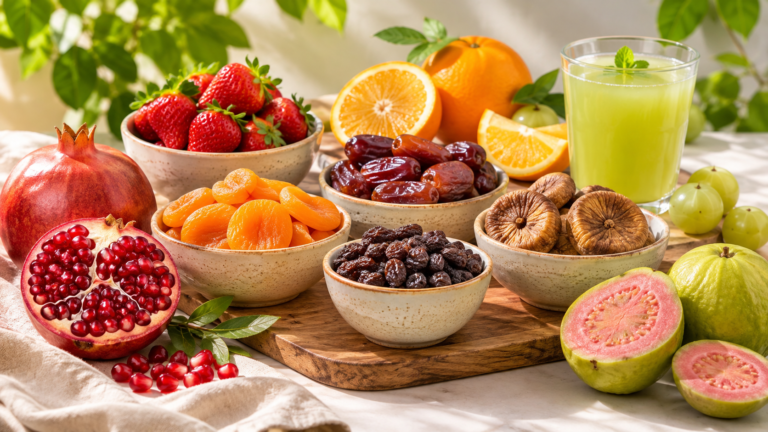
Most fresh fruits are not concentrated sources of iron. Dried fruits contain more nutrients per gram because water is removed, but their iron contribution is still usually modest.
Build meals around iron rich foods for vegetarians and use fruit to complement them.
- Dried apricots: Provide some iron and fibre.
- Raisins: Offer small amounts of iron and can be added to porridge.
- Dried figs: Contribute some iron and fibre.
- Prunes: Provide a little iron along with fibre.
- Mulberries: Contain some iron; amounts vary between fresh and dried forms.
- Guava, oranges, kiwi and amla: These are more useful for their vitamin C, which supports absorption of iron from plant foods.
For best results, pair a vitamin C-rich fruit with a meal containing iron rich foods for vegetarians rather than expecting fruit alone to meet your daily requirement.
Is Curd Rich in Iron?
Curd is nutritious and provides protein, calcium and beneficial bacteria, but it is not a meaningful source of iron. Calcium can affect iron absorption when large amounts are consumed with an iron-containing meal, although the effect of usual mixed diets varies.
You do not need to avoid curd. If you have been diagnosed with iron deficiency, ask your clinician or dietitian whether separating large dairy servings from your main iron-containing meal would be useful. Curd can still be part of a balanced vegetarian diet, but it should not be counted among your main iron rich foods for vegetarians.
How to Get 100% of Your Daily Iron on a Vegetarian Diet
Meeting an individual iron target requires consistent meal planning. These habits can help you use iron rich foods for vegetarians more effectively:
- Include an iron source at meals. Rotate dal, beans, soy foods, greens, seeds and fortified cereals.
- Add vitamin C. Use lemon, tomato, capsicum, guava or amla with meals.
- Soak, sprout or ferment pulses. These methods can reduce some phytates and may improve mineral availability.
- Keep tea and coffee away from meals. Their polyphenols can reduce non-heme iron absorption. Consider having them between meals rather than with lunch or dinner.
- Use cast iron cookware thoughtfully. Cooking some acidic foods in cast iron may increase the iron content of the dish, but the amount is variable and should not be relied on as treatment.
- Eat a varied diet. Folate and vitamin B12 are also needed for healthy red blood cell production.
Following these habits can make iron rich foods for vegetarians a more effective part of an everyday eating pattern.
What Foods Raise Iron Quickly?
No food raises iron levels overnight. Dietary changes support long-term intake, while confirmed iron deficiency may require clinician-guided supplements or treatment of an underlying cause. Keep iron rich foods for vegetarians in your regular meal rotation.
Useful choices include cooked lentils, beans, soy foods, pumpkin seeds, sesame seeds, leafy greens and iron-fortified cereals. Pair them with vitamin C-rich foods such as lemon, guava or tomatoes. Continue including iron rich foods for vegetarians even if a clinician prescribes supplements, unless they advise otherwise.
If you have marked fatigue, breathlessness, dizziness or very low haemoglobin, seek medical advice rather than relying on a food plan alone.
A Sample One-Day Vegetarian Iron Meal Plan
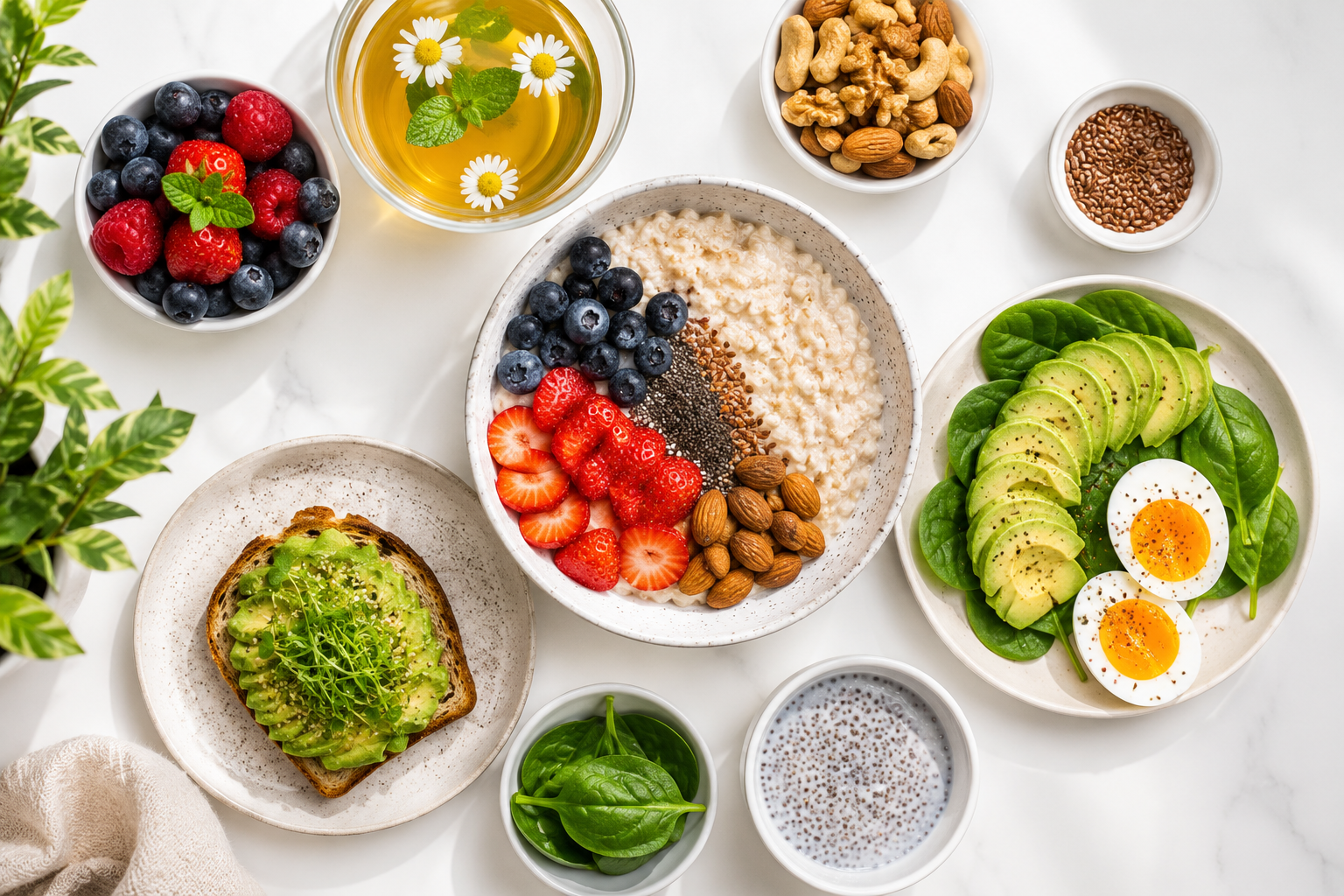
- Breakfast: Ragi dosa or vegetable oats upma with guava or orange.
- Mid-morning: A small portion of raisins or dried apricots.
- Lunch: Masoor dal, bajra roti, palak or methi sabzi, and tomato-cucumber salad with lemon.
- Evening snack: Roasted chana with a small serving of pumpkin or sesame seeds. Have tea between meals rather than alongside the snack if you are focusing on iron absorption.
- Dinner: Tofu or soya bhurji, mixed vegetables and jowar roti, with a vitamin C-rich fruit.
This sample uses familiar iron rich foods for vegetarians and pairs plant sources with vitamin C. It demonstrates how iron rich foods for vegetarians can be spread across a day.
It is a general example, not a personalised diet prescription; portion sizes should match your age, activity, health and energy needs.
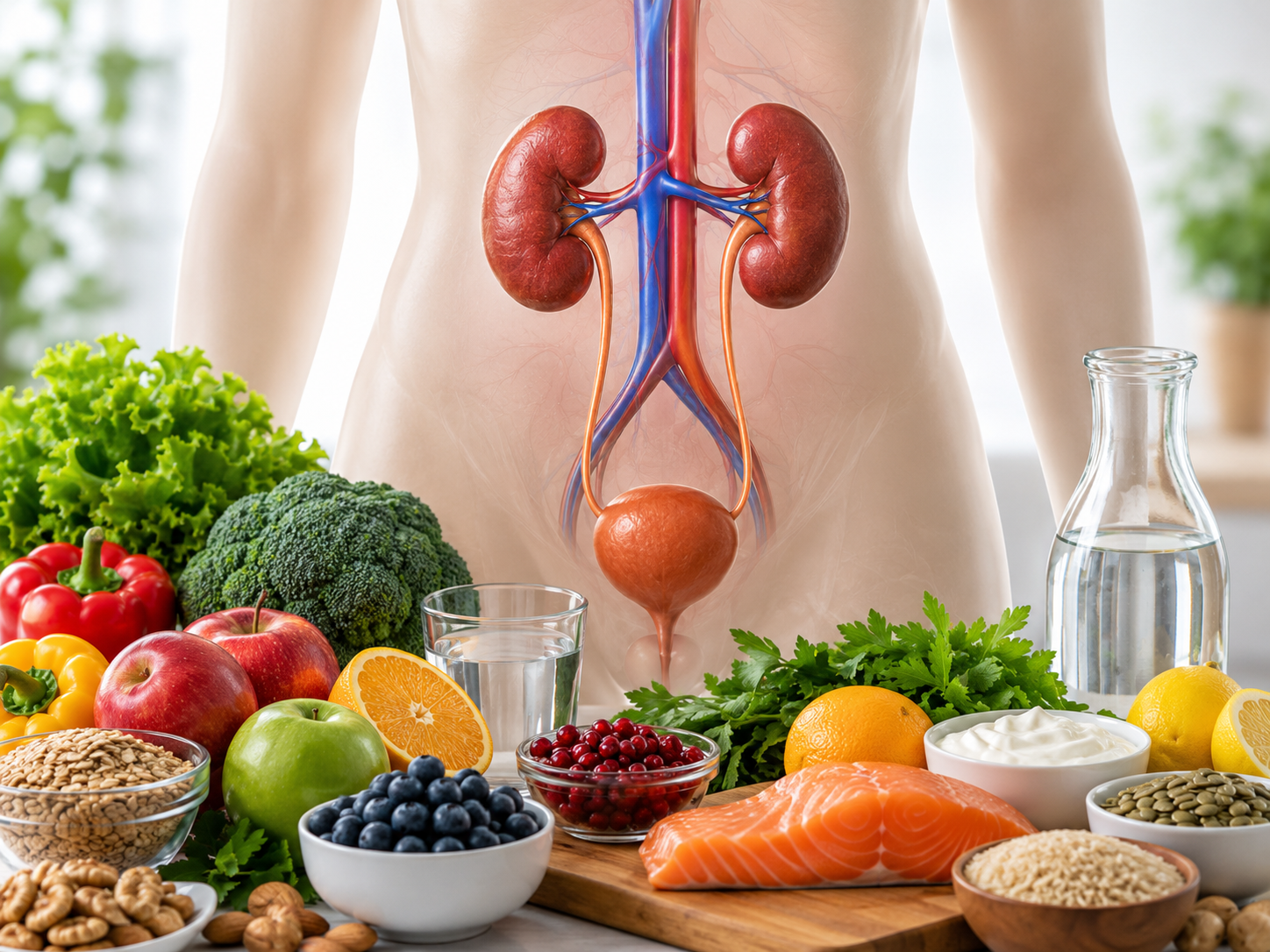
Overall health also depends on maintaining a balanced diet and understanding different health conditions. You can read our guide on what is diabetes to learn about its causes, symptoms, diagnosis and treatment options.
Frequently Asked Questions (FAQs)
How to get 100% of your daily iron?
Include pulses, beans, soy foods, leafy greens, seeds, millets and fortified foods across your meals. Add vitamin C-rich ingredients such as lemon, tomato or guava, and avoid tea or coffee with meals. Your target depends on your age, sex and life stage. A dietitian can help plan portions if you have specific requirements.
What drink is full of iron?
Most drinks are not naturally high in iron. Some fortified plant milks or nutrition products may contain added iron, so check their labels. Amla, orange and guava drinks provide vitamin C, which can help your body absorb iron from food, but they are not substitutes for iron-rich meals.
What foods raise iron quickly?
Lentils, beans, soy foods, seeds, leafy greens and fortified cereals can increase dietary iron intake. However, food does not correct deficiency immediately. If blood tests show low iron or anaemia, follow a healthcare professional’s advice about treatment and monitoring.
Is curd rich in iron?
No. Curd provides protein, calcium and beneficial bacteria but contains very little iron. It can remain part of a balanced diet, but choose pulses, beans, soy foods and seeds as your main plant-based iron sources.
Which fruit is very high in iron?
Dried apricots, raisins and figs contain some iron, but fruits are not usually the richest sources. Guava, oranges, kiwi and amla are valuable because their vitamin C helps improve absorption of iron from plant foods.
Conclusion
A vegetarian diet can provide iron through a thoughtful mix of lentils, beans, soy foods, leafy greens, seeds, millets, nuts and fortified products. Pairing these foods with vitamin C-rich ingredients and keeping tea or coffee away from main meals can help improve non-heme iron absorption.
Make iron rich foods for vegetarians part of a varied daily eating pattern rather than depending on one so-called superfood. If you have symptoms or a blood test showing low iron, consult a healthcare professional to identify the cause and decide whether dietary changes, supplements or other treatment are needed.