
Table of Contents
ToggleDiarrhoea, vomiting, excessive sweating and hot weather can cause the body to lose more water and essential minerals than usual. When these fluids are not replaced, the body may develop dehydration, which can affect normal functioning and become dangerous if left untreated. Dehydration can also cause symptoms such as dry mouth and increased thirst. Learn more about the common causes of dry mouth at night and when it may indicate an underlying problem.
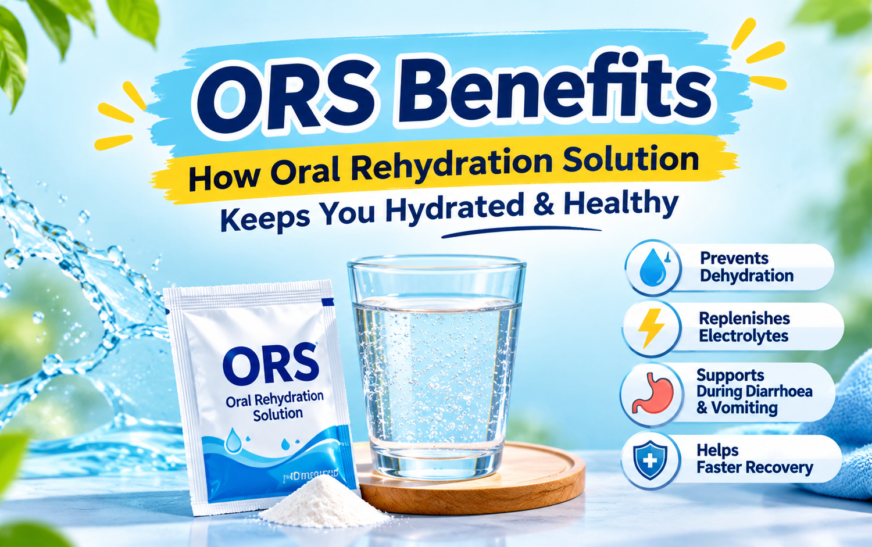
One of the most effective ways to manage mild to moderate dehydration caused by diarrhoea is Oral Rehydration Solution (ORS). It contains a carefully balanced combination of water, glucose and electrolytes that helps the body replace lost fluids and minerals.
Understanding ORS benefits is important because dehydration can affect people of all ages, particularly young children and older adults. ORS is affordable, easy to prepare when used according to instructions, and recommended by international health organisations for managing dehydration associated with diarrhoeal illness.
In this article, we will explore how ORS works, its major health benefits, its ingredients, proper usage, common mistakes and situations when medical attention is necessary.
What Is ORS (Oral Rehydration Solution)?
Oral Rehydration Solution (ORS) is a specially formulated drink designed to replace water and essential electrolytes lost through diarrhoea, vomiting and other fluid-loss conditions.
Unlike ordinary drinking water, ORS contains specific quantities of glucose and salts that help the small intestine absorb water more effectively.
According to the World Health Organization (WHO), oral rehydration therapy is an important treatment for diarrhoeal dehydration because it replaces water and electrolytes lost through loose stools.
The ORS benefits are mainly related to maintaining fluid balance, supporting electrolyte replacement and reducing the risk of complications associated with dehydration.
What Does ORS Contain?
A standard WHO-recommended low-osmolarity ORS formulation contains five important ingredients.
| Ingredient | Quantity per litre | Main function |
|---|---|---|
| Glucose | 13.5 g | Helps sodium and water absorption |
| Sodium chloride | 2.6 g | Replaces sodium and chloride |
| Potassium chloride | 1.5 g | Replenishes potassium |
| Trisodium citrate dihydrate | 2.9 g | Helps correct metabolic acidosis |
| Clean water | 1 litre | Replaces lost body fluids |
Source: WHO-recommended reduced-osmolarity ORS formulation.
How Does ORS Work Inside the Body?
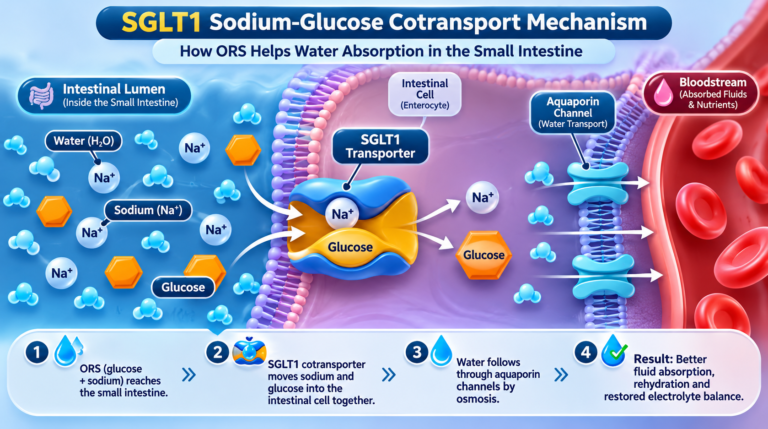
The effectiveness of ORS depends on a natural process called sodium-glucose cotransport.
The small intestine contains specialised transport proteins that absorb glucose and sodium together. When these substances enter intestinal cells, water follows through osmosis.
This mechanism continues to function even during many diarrhoeal illnesses, which is why ORS can help the body absorb fluids despite ongoing loose stools.
9 Important ORS Benefits for Better Hydration
The following points explain how oral rehydration therapy supports the body during fluid loss.
1. Helps Prevent Dehydration
One of the most important ORS benefits is its ability to help prevent dehydration during diarrhoeal illnesses.
Dehydration occurs when the body loses more water than it takes in. This imbalance can affect blood circulation, body temperature regulation and normal organ functions.
Common causes include:
- Frequent loose stools
- Repeated vomiting
- Excessive sweating
- Fever
- Inadequate fluid intake
ORS provides water along with essential electrolytes, helping replace fluids lost through these conditions.
For example, someone experiencing several episodes of loose stools may lose significant amounts of water and sodium. Drinking properly prepared ORS helps replace these losses.
However, severe dehydration requires urgent medical assessment and may need intravenous fluids.
2. Replaces Essential Electrolytes
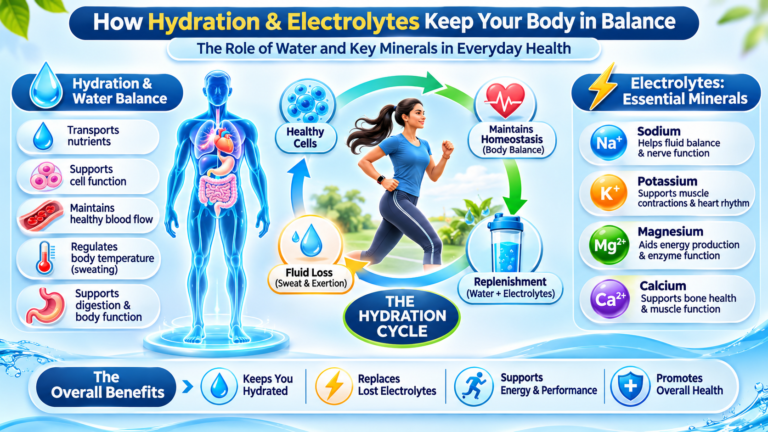
Electrolytes are minerals that carry electrical charges and help regulate several important body functions.
During diarrhoea and vomiting, the body loses electrolytes such as sodium, potassium and chloride.
Their imbalance may contribute to:
- Muscle weakness
- Fatigue
- Dizziness
- Muscle cramps
- Changes in normal body functions
Another important aspect of ORS benefits is electrolyte replacement.
ORS contains specific amounts of these minerals to help restore the balance disturbed by fluid loss.
Expert insight: Replacing water alone may not adequately address electrolyte losses during significant diarrhoeal illness. This is why a properly formulated oral rehydration solution is different from plain water.
3. Supports Fluid Absorption in the Intestine
The human intestine plays an important role in absorbing water and nutrients from food and drinks.
During diarrhoea, excessive fluid passes through the digestive tract. However, the sodium-glucose transport mechanism generally remains functional.
ORS uses this natural mechanism to support water absorption.
Glucose helps sodium enter intestinal cells, and water follows the absorbed electrolytes.
This scientific mechanism explains why ORS benefits extend beyond simply drinking water.
It provides a balanced combination that supports intestinal fluid absorption even when diarrhoea is present.
4. Helps Manage Diarrhoea-Related Fluid Loss
Diarrhoea can cause repeated loss of water and minerals through loose stools.
If these losses are not replaced, dehydration may develop quickly, especially in infants, young children and older adults.
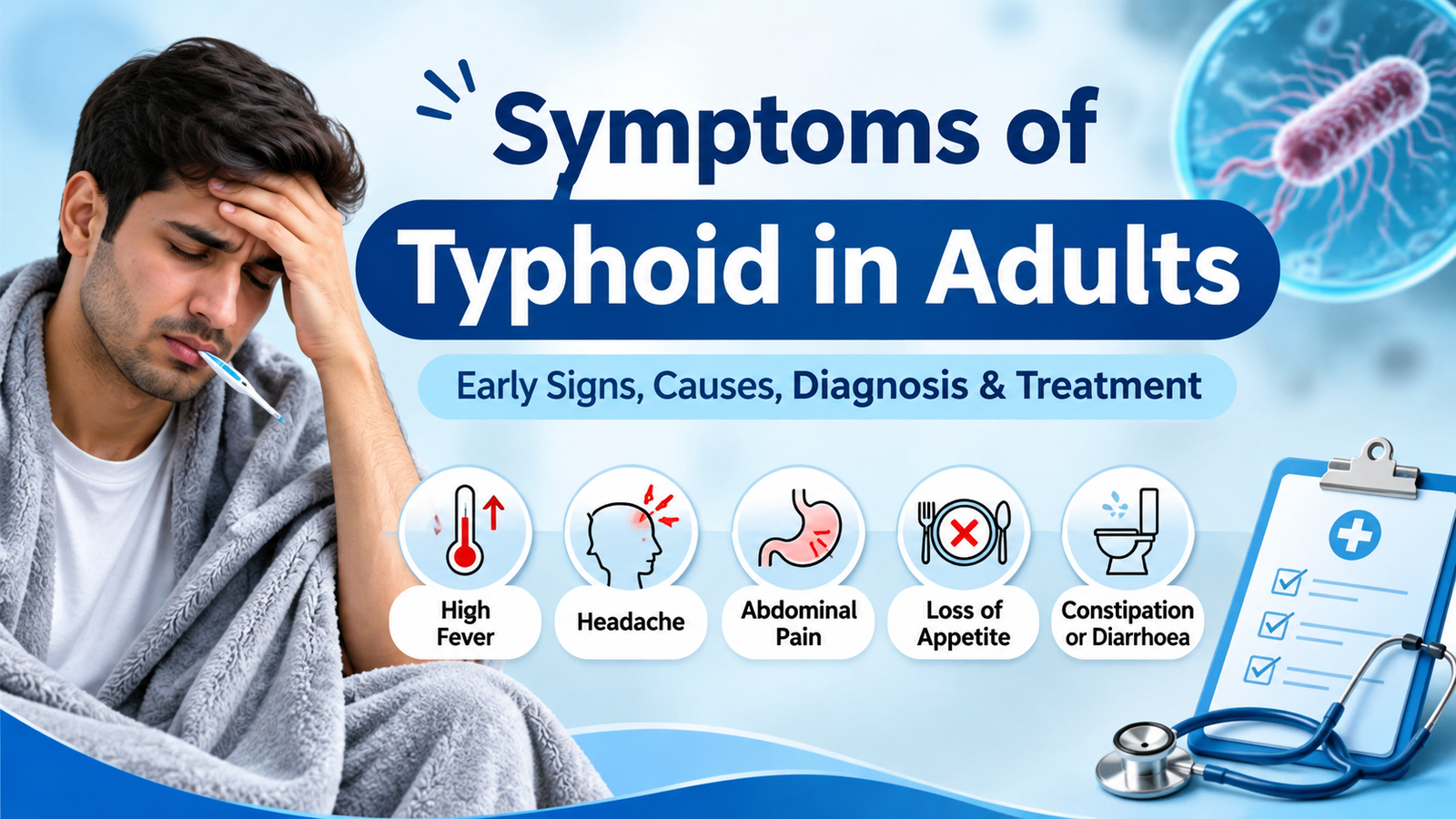
Certain infections, including typhoid, can also cause diarrhoea and vomiting, increasing the risk of dehydration. Learn more about the symptoms of typhoid in adults and their possible complications.
Oral rehydration therapy is recommended as a first-line approach for mild to moderate dehydration associated with acute diarrhoea.
The ORS benefits include helping replace fluids lost during repeated bowel movements and supporting recovery from dehydration.
It is important to understand that ORS does not directly kill the bacteria or viruses responsible for diarrhoea.
Instead, it manages one of the most important complications: fluid and electrolyte loss.
5. Supports Recovery During Vomiting
Vomiting can make it difficult for the body to maintain adequate hydration because fluids are repeatedly lost.
Drinking large quantities of water at once may also trigger further vomiting in some people.
Small, frequent sips of ORS may be easier to tolerate.
For example, if an adult feels nauseated after vomiting, taking small sips rather than drinking a full glass immediately may help maintain fluid intake.
The ORS benefits in this situation relate to replacing lost water and electrolytes.
If vomiting continues and the person cannot keep fluids down, medical attention is necessary.
6. Helps Maintain Normal Muscle and Nerve Function
Electrolytes are essential for normal communication between nerves and muscles.
Sodium and potassium help regulate electrical signals involved in muscle contraction and nerve activity.
Significant electrolyte disturbances can contribute to weakness, cramps and other complications.
By replacing some of the electrolytes lost during diarrhoea, ORS supports the body’s efforts to maintain normal electrolyte balance.
This is another reason why ORS benefits are important during illnesses associated with fluid loss.
However, ORS is not a treatment for every cause of muscle cramps or weakness. Persistent symptoms require medical evaluation.
7. Provides a Practical Hydration Option During Hot Weather
Hot weather increases sweating, particularly during outdoor activities, physical work and exercise.
Sweating is a normal process that helps regulate body temperature. However, excessive fluid loss can contribute to dehydration.
ORS can be useful when significant fluid and electrolyte losses occur alongside diarrhoea or other dehydration-related conditions.
For example, a person experiencing diarrhoea during hot weather may have additional fluid losses due to sweating.
In such circumstances, ORS benefits include helping replace water and electrolytes.
Important: ORS is not necessary for everyone experiencing ordinary sweating. For routine daily hydration and normal exercise, drinking sufficient water and maintaining a balanced diet is generally appropriate.
8. Supports Hydration in Children and Older Adults
Children and older adults may be particularly vulnerable to dehydration.
Young children have smaller fluid reserves, while older adults may experience reduced thirst sensation or have medical conditions that increase their dehydration risk.
During diarrhoea, proper fluid replacement becomes especially important for these age groups.
The ORS benefits are particularly relevant because oral rehydration therapy is recommended for children and adults with mild to moderate diarrhoeal dehydration.
For infants, continue breastfeeding and seek appropriate medical advice when diarrhoea or dehydration develops.
Older adults with kidney disease, heart conditions or fluid restrictions should consult a healthcare professional about the appropriate amount of ORS.
9. Helps Reduce the Risk of Complications From Dehydration
Untreated dehydration can become serious.
When the body loses excessive fluids, blood volume may decrease, affecting circulation and the delivery of oxygen to tissues.
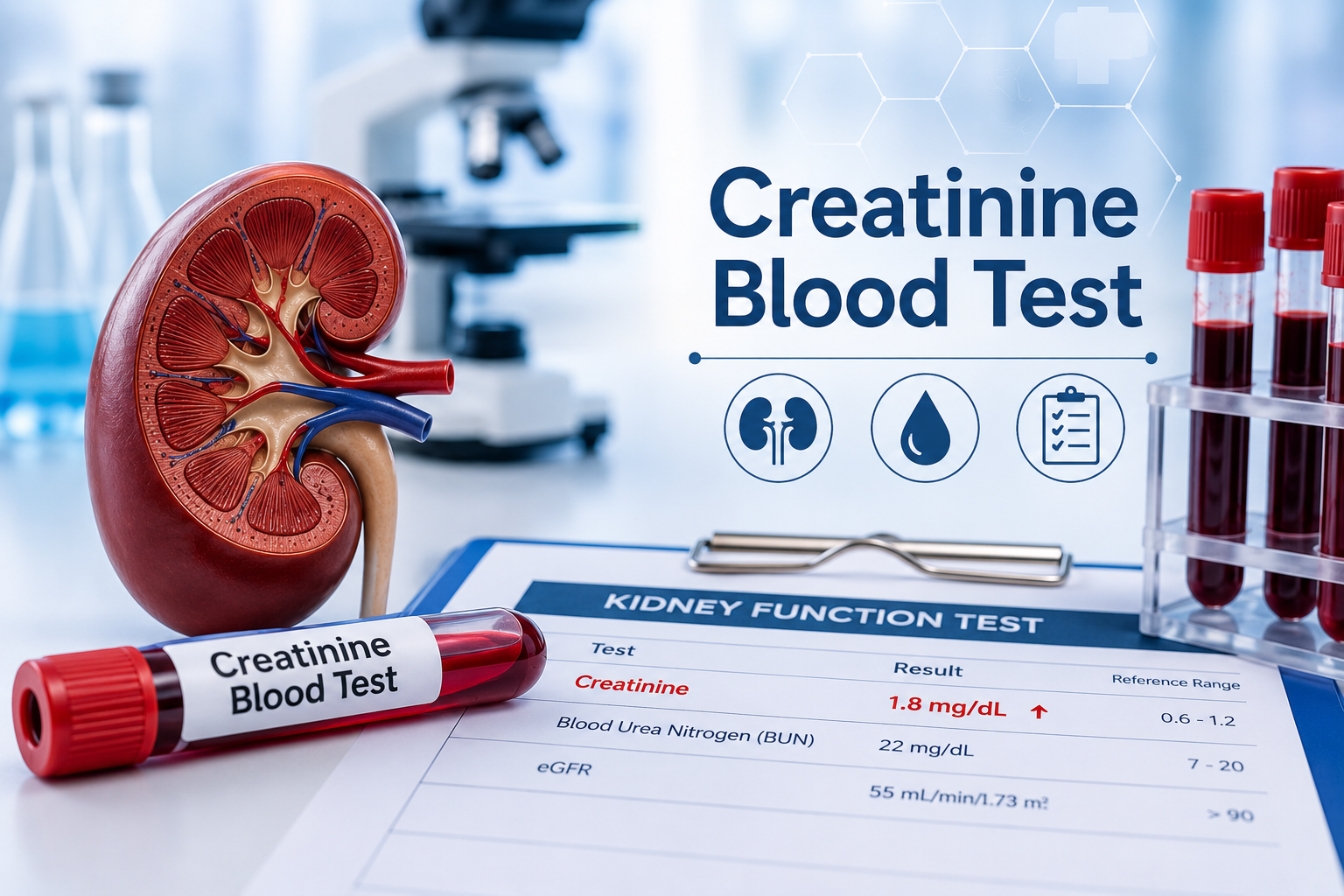
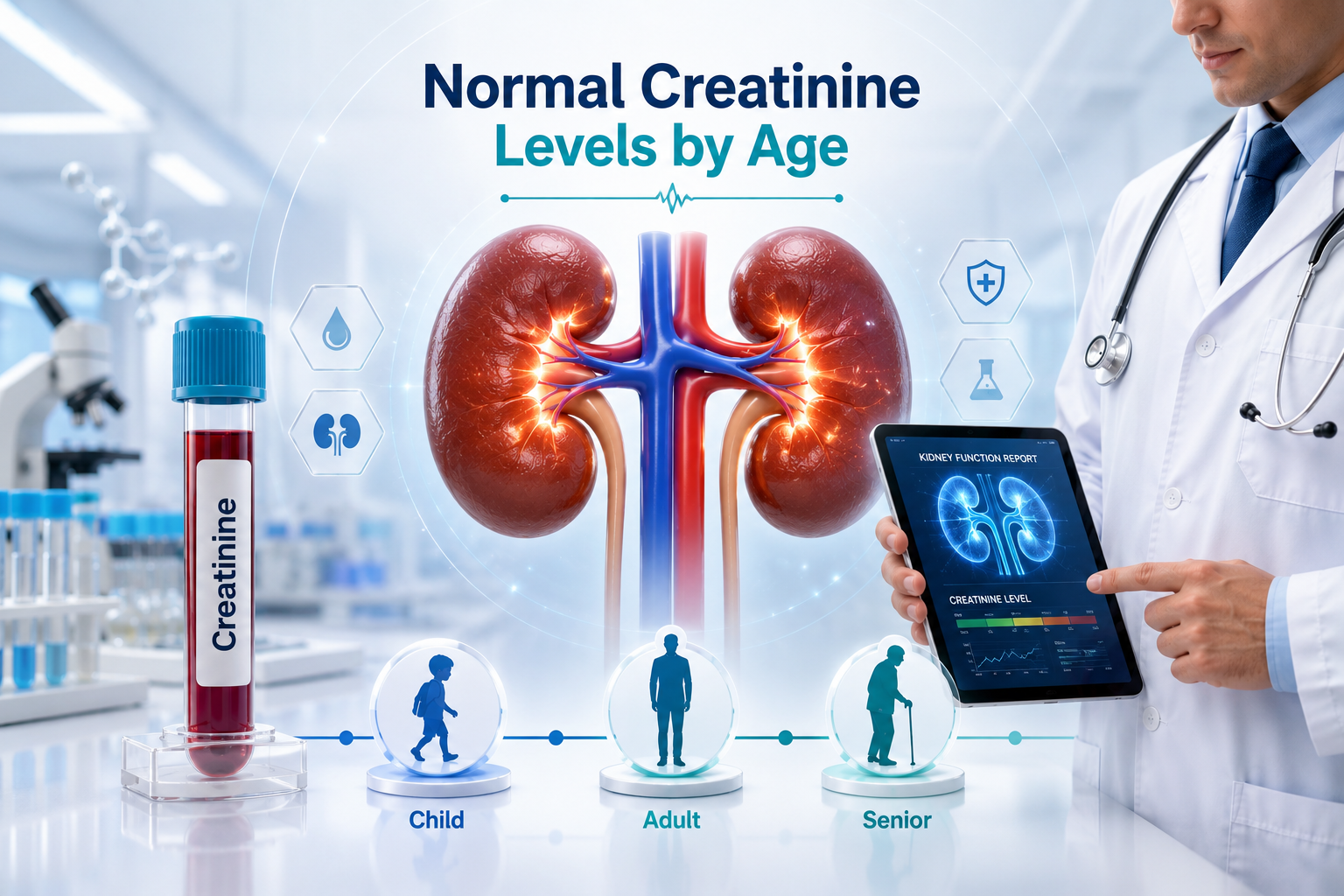
Severe dehydration can also affect kidney function and may contribute to an increase in blood creatinine levels. Understand more about normal creatinine levels and how they help assess kidney health.
Severe dehydration can lead to complications such as:
- Low blood pressure
- Reduced urine production
- Electrolyte disturbances
- Kidney-related complications
- Hypovolemic shock
The most important ORS benefits involve preventing or correcting mild to moderate dehydration before it progresses.
However, ORS cannot replace emergency treatment when severe dehydration, shock or altered consciousness occurs.
ORS vs Normal Water: What Is the Difference?
Many people assume that drinking plain water provides the same effect as ORS. However, both serve different purposes.
Water is essential for everyday hydration, whereas ORS is specifically formulated to replace water and electrolytes lost during conditions such as diarrhoea.
Understanding this difference helps explain the medical importance of oral rehydration therapy.
| Comparison | ORS | Normal Water |
|---|---|---|
| Contains glucose | Yes | No |
| Contains sodium | Yes | No |
| Contains potassium | Yes, in standard formulation | Usually negligible |
| Replaces electrolyte losses | Yes | No |
| Supports diarrhoeal rehydration | Yes | May supplement fluid intake |
| Suitable for everyday hydration | Not usually necessary | Yes |
Which is better?
Neither is universally better. Normal water is appropriate for routine hydration, while ORS is more suitable when a person needs to replace significant water and electrolyte losses, particularly during diarrhoea.
ORS vs Sports Drinks: Which Is Better During Dehydration?
ORS and sports drinks are not interchangeable.
Sports drinks are generally formulated for exercise-related hydration, while ORS is designed to manage dehydration associated with diarrhoea and electrolyte loss.
| Feature | ORS | Sports Drinks |
|---|---|---|
| Primary purpose | Medical rehydration | Exercise hydration |
| Sodium content | Carefully formulated | Varies by product |
| Glucose content | Specifically balanced | Varies by product |
| Medical use in diarrhoea | Recommended | Not a substitute |
| Formulation | Based on rehydration requirements | Based on sports hydration needs |
WHO-recommended reduced-osmolarity ORS has a specific electrolyte and glucose composition. Sports drinks should not be used as a replacement for medically formulated ORS during diarrhoeal dehydration.
How to Prepare and Drink ORS Correctly
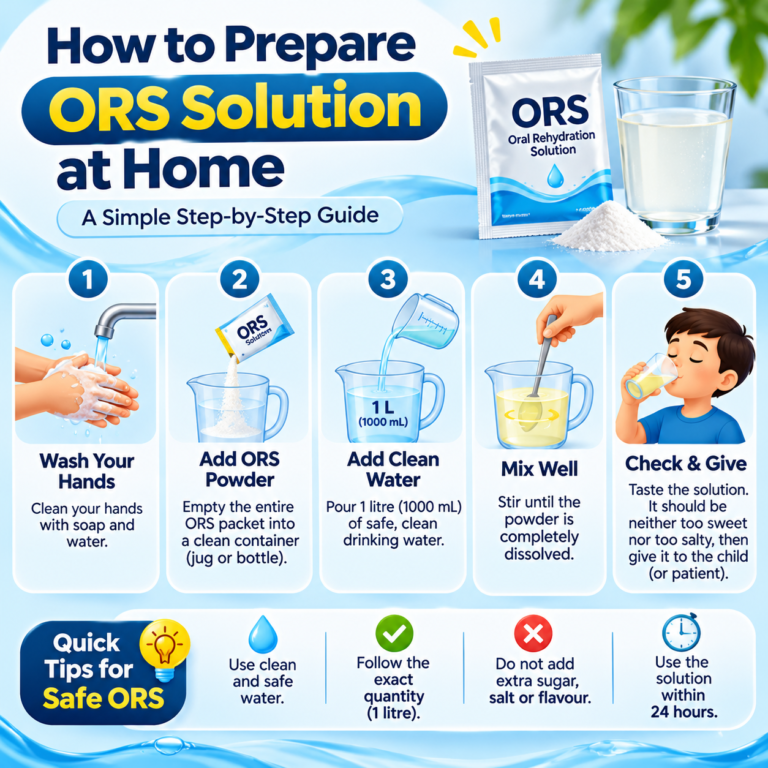
Correct preparation is essential to ensure that the solution has the intended concentration.
An incorrectly prepared solution may contain too much or too little salt and sugar.
Follow these steps:
- Wash your hands properly before preparing the solution.
- Take a commercially available ORS sachet.
- Read the packet instructions carefully.
- Mix the entire sachet with the exact quantity of clean drinking water mentioned on the packet.
- Stir until the powder dissolves completely.
- Drink the prepared solution in small, frequent sips.
Important Precautions While Preparing ORS
- Never use less water than instructed.
- Do not add extra sugar or salt.
- Do not mix the powder with milk, juice or soft drinks.
- Use clean drinking water.
- Follow the packet’s storage and disposal instructions.
- Do not keep prepared ORS beyond the recommended period; many sachet instructions specify disposal after 24 hours.
How Much ORS Should You Drink?
The amount required depends on age, body weight, the degree of dehydration and continuing fluid losses.
The following table provides general guidance for replacing ongoing diarrhoeal losses, not a personalised treatment prescription.
| Age group | General ORS amount after each loose stool |
|---|---|
| Children below 2 years | 50–100 ml |
| Children aged 2–10 years | 100–200 ml |
| Children above 10 years | According to need and medical guidance |
| Adults | Approximately 200–400 ml |
For children with established dehydration, a clinician may recommend a different weight-based rehydration plan.
Practical Examples: When Can ORS Be Useful?
Understanding practical situations makes it easier to recognise when oral rehydration therapy may be helpful.
Example 1: Diarrhoea after eating contaminated food
A person develops frequent loose stools after eating contaminated food. Repeated bowel movements cause water and electrolyte losses.
Properly prepared ORS can help replace these losses while the underlying illness is assessed and managed.
Example 2: Vomiting during a stomach infection
A child develops vomiting and struggles to drink a full glass of water.
Small, frequent sips of an appropriate oral rehydration solution may help maintain fluid intake. Parents should seek medical advice if vomiting persists or dehydration develops.
Example 3: An older adult experiencing dehydration
An older person develops diarrhoea and begins passing less urine than usual.
This may indicate dehydration. ORS may help in mild to moderate cases, but older adults with underlying medical conditions should receive individualised medical guidance.
These examples demonstrate how ORS benefits relate to everyday situations involving fluid loss. They are educational examples, not substitutes for individual diagnosis or treatment.
When Should You Avoid Self-Treatment With ORS?
Although ORS is widely used, it is not appropriate to manage every dehydration-related condition at home.
Seek urgent medical attention if you notice:
- Confusion or unusual drowsiness
- Severe weakness or inability to stand
- Very little or no urine
- Blood in the stool
- Persistent vomiting that prevents fluid intake
- Severe abdominal pain
- Signs of shock, such as cold extremities and collapse
Infants, young children, older adults and people with serious underlying medical conditions need particular attention.
The IDSA clinical guidelines recommend intravenous fluids for severe dehydration, shock, altered mental status or failure of oral rehydration therapy.
Expert Insights: What Makes ORS Medically Important?
The effectiveness of oral rehydration therapy is based on established intestinal physiology rather than simply the amount of water consumed.
Three important medical concepts explain its value:
- Sodium-glucose cotransport: Glucose and sodium are absorbed together through specialised intestinal transport proteins, helping water absorption.
- Electrolyte replacement: Sodium and potassium help maintain fluid distribution, nerve signalling and muscle activity.
- Reduced-osmolarity formulation: Modern WHO-recommended ORS contains a carefully balanced concentration of glucose and electrolytes. This formulation is recommended for treating mild to moderate dehydration associated with acute diarrhoea.
These mechanisms explain why ORS remains an important component of diarrhoeal disease management worldwide.
Frequently Asked Questions (FAQs)
Is it good to take ORS daily?
No, taking ORS daily is generally unnecessary for healthy individuals. ORS is specifically designed to replace fluids and electrolytes lost through diarrhoea, vomiting and dehydration. For everyday hydration, plain drinking water is usually sufficient. Regular ORS consumption without a medical need may provide unnecessary amounts of sodium and glucose.
Is ORS used for weakness?
ORS can help manage weakness caused by dehydration or electrolyte loss. Conditions such as diarrhoea, vomiting and excessive sweating may cause fluid loss, resulting in tiredness and weakness. ORS helps replace lost fluids and electrolytes. However, it does not treat weakness caused by anaemia, nutritional deficiencies or other medical conditions.
What are the side effects of ORS?
ORS is generally safe when prepared and consumed according to the instructions. However, incorrect preparation or excessive consumption may cause problems such as nausea, vomiting or electrolyte imbalances. People with kidney disease or heart conditions should consult a healthcare professional before using ORS because of its sodium and potassium content.
When should ORS be taken?
ORS should be taken when the body loses significant fluids and electrolytes, particularly during diarrhoea, vomiting or dehydration. It is best to drink it in small, frequent sips, especially when experiencing nausea. Always prepare ORS according to the instructions on the sachet.
What organ is dehydration bad for?
Dehydration can affect several organs, particularly the kidneys, brain and heart. Severe dehydration may reduce blood circulation, affect kidney function, cause confusion and increase the risk of low blood pressure. Prolonged or severe dehydration can lead to serious complications, including acute kidney injury. Early fluid replacement is important to prevent these complications.
Conclusion
Oral rehydration therapy is an important and affordable approach to managing dehydration caused by diarrhoea and other fluid-loss conditions. Its balanced combination of glucose, sodium and other electrolytes helps the intestine absorb water and replace essential minerals.
Understanding ORS benefits helps individuals recognise the importance of proper hydration, especially during diarrhoeal illnesses.
However, ORS does not cure the underlying infection, stop every episode of diarrhoea or replace medical treatment for severe dehydration. Correct preparation, appropriate fluid intake and timely medical attention are essential for safe recovery.