
Table of Contents
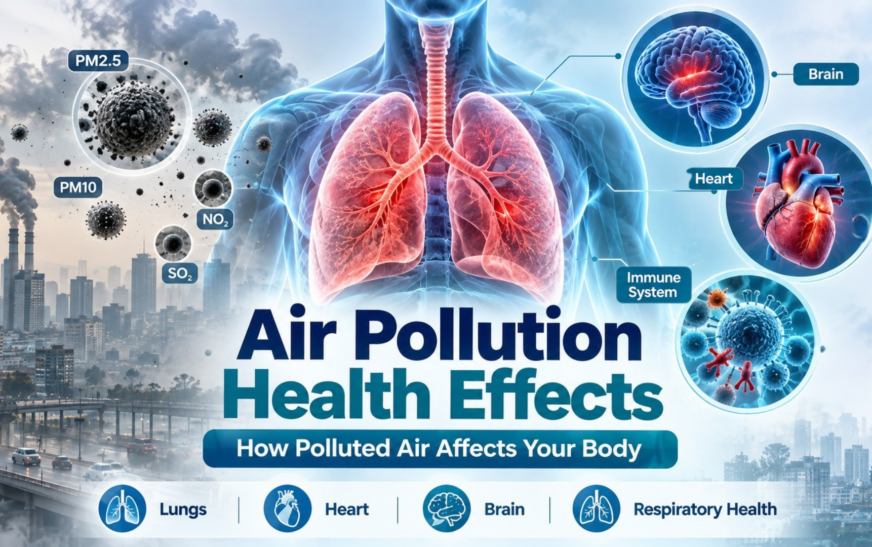
ToggleAir pollution is one of the most important environmental factors affecting human health. Polluted air can contain particulate matter, nitrogen dioxide, ozone, sulfur dioxide, carbon monoxide, and other harmful substances. When these pollutants are inhaled, they can affect the lungs, heart, brain, immune system, and other organs. People with existing conditions such as high blood pressure may need to be particularly careful during periods of poor air quality.
The air pollution health effects can range from temporary problems such as coughing and throat irritation to serious long-term conditions such as asthma, chronic obstructive pulmonary disease (COPD), heart disease, stroke, and lung cancer. The severity depends on the type and concentration of pollutants, duration of exposure, age, existing health conditions, and individual susceptibility.
Understanding the air pollution health effects can help people recognize risks and take practical steps to reduce exposure.
What Is Air Pollution?
Air pollution occurs when harmful gases, particles, biological materials, or other substances enter the atmosphere at concentrations that can negatively affect humans, animals, plants, or the environment.
Common sources include:
- Vehicle exhaust
- Industrial emissions
- Construction activities
- Burning coal, wood, or other fuels
- Crop residue and waste burning
- Household cooking with polluting fuels
- Wildfires and other natural events
- Dust and construction debris
- Tobacco smoke
Among the most concerning pollutants are fine particulate matter (PM2.5), coarse particles (PM10), nitrogen dioxide (NO₂), ozone (O₃), sulfur dioxide (SO₂), and carbon monoxide (CO).
The air pollution health effects are particularly concerning because very small particles can travel deep into the respiratory system and, in some circumstances, contribute to inflammation and other systemic effects.
According to the World Health Organization (WHO), air pollution is a major public-health concern and includes pollutants such as particulate matter, carbon monoxide, ozone, nitrogen dioxide, and sulfur dioxide.
Major Air Pollution Health Effects
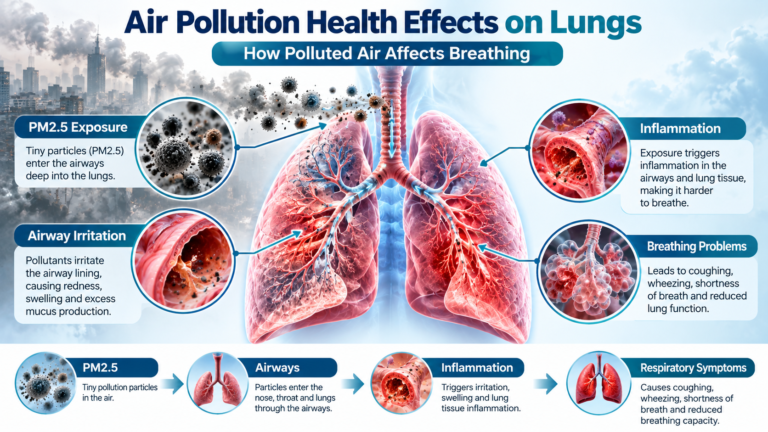
The air pollution health effects can develop after both short-term and long-term exposure. Some people experience symptoms quickly, while others may develop health problems after years of exposure.
1. Respiratory Irritation
One of the earliest air pollution health effects may be irritation of the nose, throat, and airways. People may experience coughing, sneezing, throat discomfort, mucus production, or a feeling of irritation when pollution levels are high.
People who already have respiratory conditions may notice symptoms more easily.
2. Asthma Symptoms and Attacks
Air pollution can aggravate asthma symptoms in susceptible individuals. Pollutants may irritate the airways and contribute to coughing, wheezing, chest tightness, and shortness of breath.
Children with asthma may be particularly vulnerable because their lungs are still developing.
3. Chronic Obstructive Pulmonary Disease
Long-term exposure to polluted air is associated with an increased risk of chronic respiratory problems, including COPD. COPD includes conditions such as chronic bronchitis and emphysema.
The air pollution health effects may be especially important for people who also smoke or are exposed to occupational dust and chemicals.
4. Respiratory Infections
Polluted air can irritate and damage respiratory tissues and may increase vulnerability to respiratory infections. Children, older adults, and people with weakened immune systems can be more susceptible to complications.
5. Heart Disease
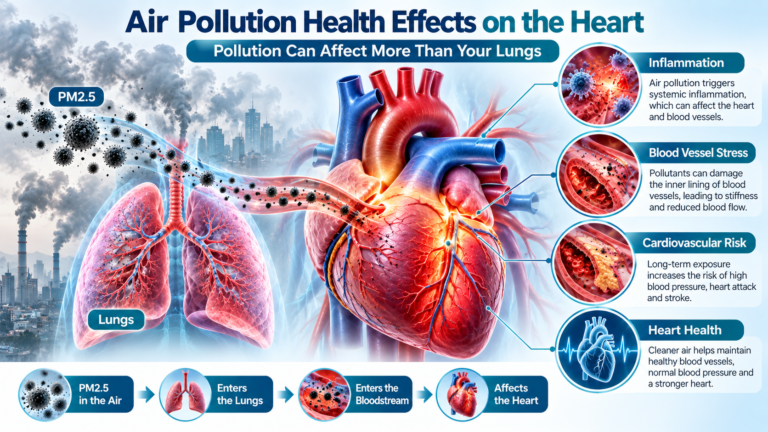
Air pollution is not only a lung problem. Fine particulate matter and other pollutants are associated with cardiovascular disease.
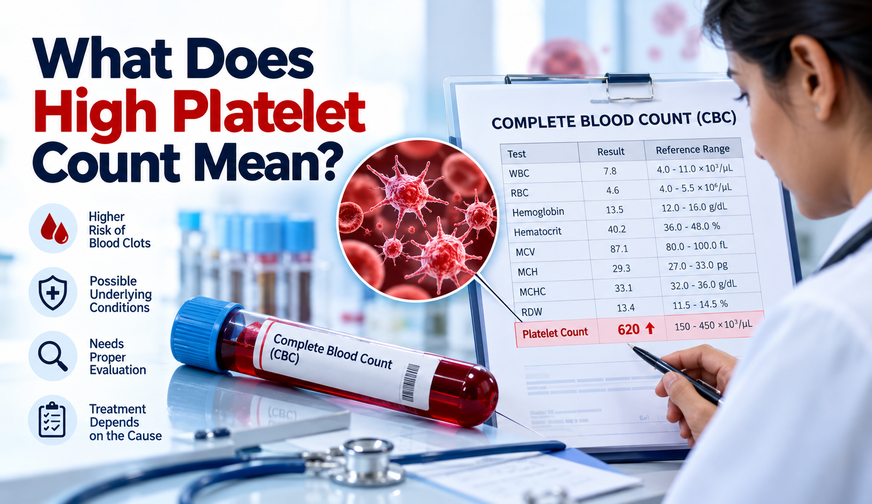
The air pollution health effects on the cardiovascular system may involve inflammation, oxidative stress, changes in blood vessels, and other biological processes. Blood-related measurements, including platelet count, may also be assessed when healthcare professionals evaluate certain cardiovascular concerns.
6. Increased Risk of Stroke
Long-term exposure to certain air pollutants has been associated with an increased risk of stroke. This is particularly important because cardiovascular effects can occur even when a person does not have obvious respiratory symptoms.
7. Lung Cancer
Long-term exposure to outdoor air pollution, particularly fine particulate matter, is associated with an increased risk of lung cancer.
The air pollution health effects associated with cancer usually develop over a much longer period than symptoms such as coughing or irritation.
8. Effects on Brain and Nervous System
Researchers have also studied relationships between air pollution exposure and neurological outcomes. Possible mechanisms include inflammation, oxidative stress, and effects on blood vessels.
Research is ongoing, but reducing unnecessary exposure remains a sensible public-health measure.
9. Effects During Pregnancy
Pregnancy is another period when reducing exposure to harmful air pollutants is important. Exposure to air pollution has been associated with adverse pregnancy and birth outcomes.
Pregnant individuals should follow local air-quality recommendations and discuss specific concerns with their healthcare professional.
10. Effects on Children
Children breathe more air relative to their body size and have developing lungs. Therefore, air pollution can be particularly concerning during childhood.
The air pollution health effects in children may include worsened asthma symptoms, respiratory irritation, and increased risk of respiratory problems.
How Does Air Pollution Affect the Body?
When polluted air is inhaled, particles and gases can enter the respiratory tract. Depending on the symptoms and clinical situation, a blood test may also be used as part of a broader health evaluation. Larger particles may be trapped in the nose or upper airways, while smaller particles can travel deeper into the lungs.
Fine particles such as PM2.5 are small enough to penetrate deep into the lungs. Exposure can trigger inflammatory and oxidative processes. Some pollutants can also enter the bloodstream or influence cardiovascular and other biological systems.
The air pollution health effects therefore extend beyond breathing difficulties. Depending on the pollutant and exposure level, different organs and systems may be affected.
Air Pollution Health Effects: Short-Term vs Long-Term
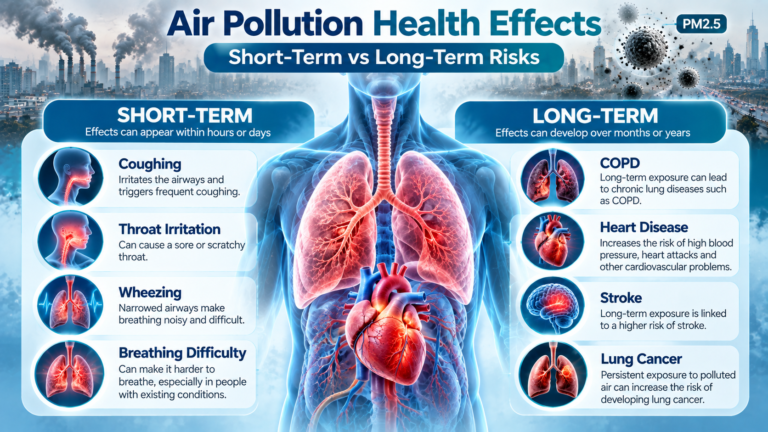
The effects of exposure can be divided broadly into short-term and long-term consequences.
| Type of exposure | Possible health effects |
|---|---|
| Short-term exposure | Coughing, throat irritation, wheezing, eye irritation, headaches, and worsening of asthma symptoms |
| Repeated exposure | Increased respiratory symptoms and worsening of existing lung conditions |
| Long-term exposure | Increased risk of COPD, cardiovascular disease, stroke, lung cancer, and other chronic conditions |
| High-risk groups | Children, older adults, pregnant individuals, and people with heart or lung conditions |
Short-term symptoms may improve after exposure decreases, but repeated or prolonged exposure can contribute to more serious health risks. The air pollution health effects therefore depend heavily on the pollutant, concentration, duration, and characteristics of the exposed person.
Who Is Most Vulnerable to Air Pollution?
Although everyone can be affected, certain groups may face greater risks.
Children
Developing lungs can be more sensitive to environmental pollutants. Children who already have asthma or other respiratory conditions may experience worsening symptoms.
Older Adults
Older people may be more vulnerable because cardiovascular and respiratory diseases become more common with age.
People With Heart or Lung Conditions
Individuals with asthma, COPD, heart disease, or other chronic conditions may experience symptoms when air pollution increases.
Pregnant Individuals
Pregnancy involves important changes in the cardiovascular and respiratory systems. Reducing unnecessary exposure to polluted air is therefore advisable.
Outdoor Workers
People who spend many hours outdoors may have greater cumulative exposure, especially in areas with traffic, industrial emissions, dust, or smoke.
10 Diseases Linked to Air Pollution
It is more accurate to say that air pollution can cause, contribute to, or increase the risk of certain diseases rather than saying every condition is directly caused by pollution.
Conditions strongly associated with air pollution exposure include:
- Asthma and asthma exacerbations
- Chronic obstructive pulmonary disease (COPD)
- Lung cancer
- Ischemic heart disease
- Stroke
- Respiratory infections
- Chronic bronchitis
- Emphysema
- Certain adverse pregnancy and birth outcomes
- Other cardiovascular and respiratory conditions
These associations are an important part of understanding the air pollution health effects. Individual risk can vary depending on exposure, smoking status, occupation, age, genetics, and existing medical conditions.
What Are the 10 Major Effects of Air Pollution?
The air pollution health effects commonly discussed include:
- Respiratory irritation
- Coughing and breathing discomfort
- Worsening of asthma
- Increased respiratory infections
- Reduced lung function
- Increased risk of COPD
- Increased cardiovascular risk
- Increased stroke risk
- Increased risk of lung cancer
- Potential effects on pregnancy, child development, and other body systems
Not everyone will experience all these effects. The actual outcome depends on the pollutant and the individual’s exposure and health status.
How Can You Reduce Exposure to Air Pollution?
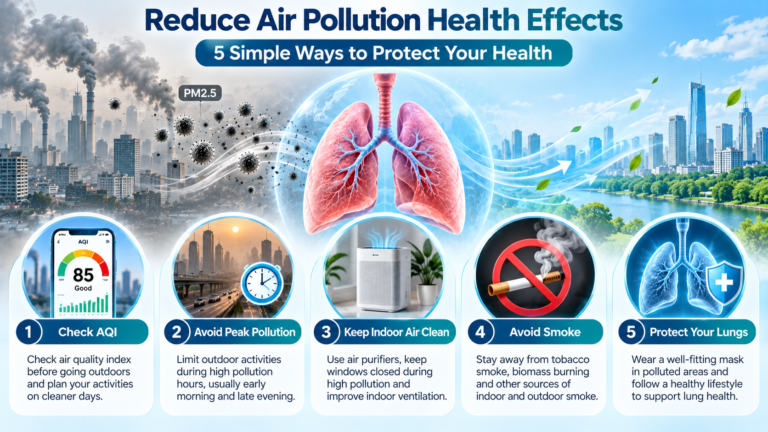
Reducing exposure does not always require major lifestyle changes. Several practical steps can help.
Check Air Quality
Check the local air-quality index before spending extended periods outdoors, particularly on days when pollution is elevated.
Reduce Outdoor Exercise During High Pollution
If air quality is poor, consider moving strenuous outdoor exercise indoors. Heavy exercise increases breathing rate and therefore increases the amount of air inhaled.
Keep Indoor Air Cleaner
Keep windows closed when outdoor pollution is particularly high, if practical. Proper ventilation at suitable times can help when outdoor air quality improves.
Avoid Indoor Smoke
Do not smoke indoors, and minimize exposure to secondhand smoke. Avoid unnecessary burning of incense, wood, coal, or other materials indoors.
Use Suitable Air Filtration
A properly selected and maintained air purifier with an effective particle filter can reduce indoor particulate matter in an appropriate room.
Wear Appropriate Protection When Necessary
In situations involving dust or particulate exposure, properly fitted respiratory protection may help. The correct type depends on the pollutant and setting.
Reduce Vehicle Exposure
Whenever practical, avoid spending unnecessary time in heavy traffic and consider public transport, walking on lower-traffic routes, or carpooling.
These measures can reduce personal exposure and therefore may help limit some air pollution health effects.
How to Control Air Pollution?
Controlling pollution requires action at individual, community, industrial, and government levels.
Important measures include:
- Improving public transportation
- Promoting cleaner fuels and renewable energy
- Controlling industrial emissions
- Improving waste-management systems
- Reducing open burning
- Encouraging energy-efficient buildings
- Controlling construction dust
- Increasing green spaces where appropriate
- Monitoring air quality
- Enforcing environmental standards
Individual actions alone cannot eliminate air pollution. Strong environmental policies and cleaner technologies are essential for reducing population-wide exposure and the resulting air pollution health effects.
When Should You Seek Medical Help?
You should seek medical attention if you develop severe or persistent symptoms such as:
- Difficulty breathing
- Severe wheezing
- Chest pain
- Bluish lips or skin
- Confusion
- Fainting
- Persistent cough
- Significant worsening of asthma or COPD symptoms
People with existing heart or lung diseases should follow their healthcare professional’s advice about managing symptoms during periods of poor air quality.
The air pollution health effects can sometimes resemble symptoms caused by infections, allergies, asthma, or other conditions, so persistent symptoms should not automatically be attributed to pollution.
Frequently Asked Questions (FAQs)
What are the 10 major effects of air pollution?
The air pollution health effects can include respiratory irritation, coughing, worsening asthma, respiratory infections, reduced lung function, COPD, cardiovascular disease, stroke, lung cancer, and adverse pregnancy or developmental outcomes. The actual risk depends on the pollutant, exposure level, duration, and individual health.
What are 10 diseases caused by air pollution?
Air pollution is associated with several diseases and health conditions, including asthma, COPD, lung cancer, ischemic heart disease, stroke, chronic bronchitis, emphysema, respiratory infections, and certain adverse pregnancy outcomes. It is better to describe pollution as a contributing factor or risk factor rather than claiming that every case is directly caused by pollution.
What are three effects of air pollution on health?
Three important air pollution health effects are respiratory problems, cardiovascular effects, and increased risk of chronic diseases. Short-term exposure may cause coughing and breathing irritation, while long-term exposure can increase the risk of conditions affecting the lungs and heart.
How to control air pollution?
Air pollution can be controlled by reducing vehicle and industrial emissions, using cleaner energy, improving public transportation, preventing open waste burning, controlling construction dust, improving waste management, and enforcing environmental regulations. Individuals can also reduce exposure by checking air-quality levels and avoiding unnecessary outdoor activity during severe pollution episodes.
Conclusion
Air pollution is more than an environmental concern—it is an important public-health issue. The air pollution health effects can affect the respiratory and cardiovascular systems and may contribute to serious long-term diseases.
Reducing exposure is particularly important for children, older adults, pregnant individuals, outdoor workers, and people with existing heart or lung conditions. Checking air quality, limiting exposure during pollution peaks, keeping indoor air cleaner, and avoiding smoke can all be useful steps.
At a broader level, cleaner transportation, renewable energy, better industrial controls, responsible waste management, and effective environmental policies are necessary to reduce pollution for entire communities.
Understanding the air pollution health effects helps people make informed decisions about outdoor activities, personal exposure, and when to seek medical care. While individuals can take practical steps to protect themselves, long-term improvement requires collective action to create cleaner and healthier air.