
Table of Contents
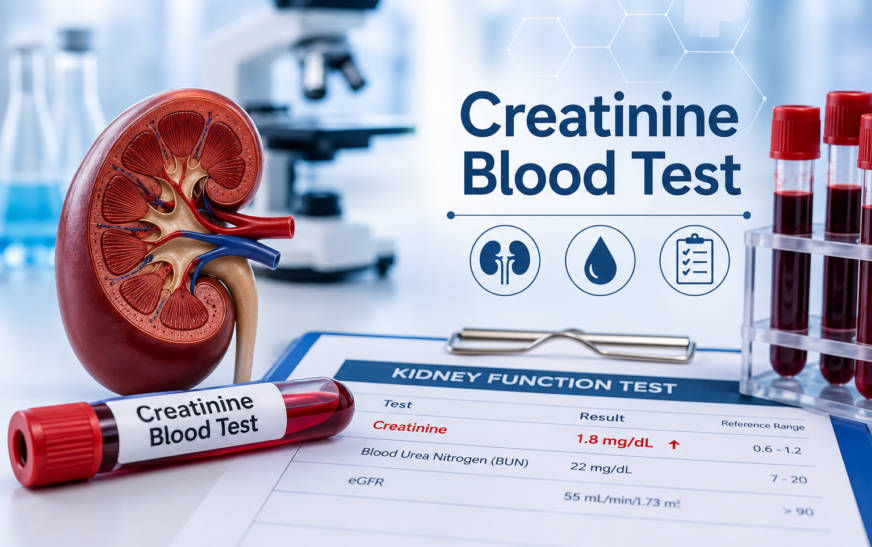
ToggleYour kidneys play an essential role in filtering waste products and maintaining the body’s overall balance. One of the most reliable ways to evaluate kidney function is through a creatinine blood test. This simple laboratory test measures the amount of creatinine in your bloodstream, helping healthcare providers assess how well your kidneys are working.
Creatinine is a waste product produced naturally when your muscles break down creatine for energy. Healthy kidneys remove creatinine from the blood and eliminate it through urine. When kidney function declines, creatinine levels can rise, making a creatinine blood test an important tool for detecting kidney disease, monitoring existing kidney conditions, and evaluating overall kidney health.
Doctors commonly recommend a creatinine blood test during routine health checkups, especially for individuals with diabetes, high blood pressure, dehydration, or a family history of kidney disease. The test is also used alongside the estimated Glomerular Filtration Rate (eGFR) to provide a more complete picture of kidney function.
In this article, you’ll learn everything about the creatinine blood test, including its normal range, causes of high creatinine levels, symptoms, diagnosis, treatment options, and lifestyle changes that can help protect your kidneys.
What Is a Creatinine Blood Test?
A creatinine blood test measures the level of creatinine in your blood. Creatinine is a natural waste product generated by muscle metabolism during everyday activities. Because muscles continuously produce creatinine, everyone has a measurable amount circulating in their bloodstream.
Healthy kidneys filter creatinine from the blood and remove it through urine. If the kidneys become damaged or are not functioning properly, creatinine accumulates in the blood, resulting in elevated levels.
Doctors often order a creatinine blood test to:
- Assess kidney function
- Detect early kidney disease
- Monitor chronic kidney disease (CKD)
- Evaluate the effectiveness of kidney treatments
- Check kidney function before surgery
- Monitor medications that may affect kidney health
A creatinine blood test is frequently combined with the serum creatinine test, blood urea nitrogen (BUN) test, and estimated Glomerular Filtration Rate (eGFR) for a more comprehensive evaluation of kidney health.
Why Is a Creatinine Blood Test Important?
A creatinine blood test is one of the most commonly used laboratory tests for evaluating kidney function. Since kidney disease often develops without noticeable symptoms in its early stages, this test helps identify potential problems before permanent kidney damage occurs.
Healthcare providers recommend a creatinine blood test for people who:
- Have diabetes
- Have high blood pressure
- Experience swelling in the legs or feet
- Notice changes in urination
- Have a family history of kidney disease
- Are taking medications that may affect kidney function
- Need regular kidney monitoring
- Early diagnosis allows timely treatment, lifestyle changes, and better long-term outcomes.
Normal Creatinine Blood Test Range
The normal range of a creatinine blood test varies based on age, sex, muscle mass, and the laboratory performing the test.
Normal Creatinine Levels by Age and Gender
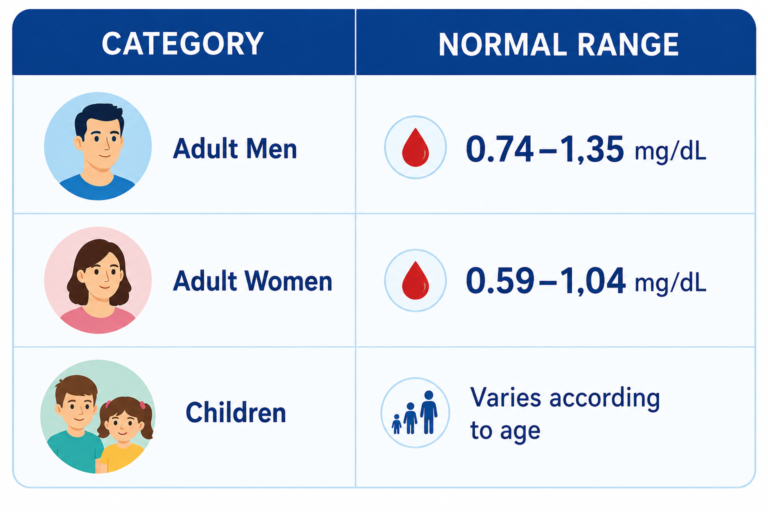
People with greater muscle mass may naturally have slightly higher creatinine levels, while older adults and individuals with lower muscle mass often have lower readings.
Doctors interpret your creatinine blood test together with your medical history, symptoms, and eGFR rather than relying on one number alone.
Causes of High Creatinine Levels
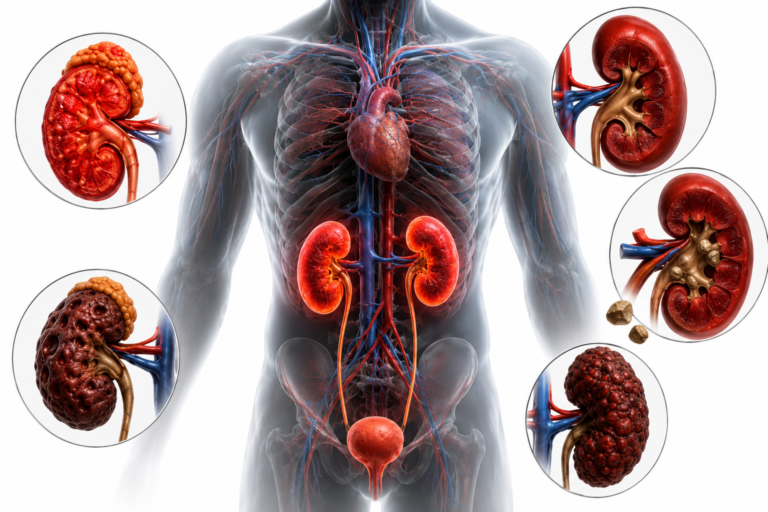
High creatinine levels may indicate that your kidneys are not filtering waste efficiently. However, elevated creatinine isn’t always caused by kidney disease. Several medical conditions and lifestyle factors can contribute.
1. Chronic Kidney Disease (CKD)
Chronic kidney disease gradually reduces kidney function over time, allowing creatinine to build up in the bloodstream.
2. Diabetes
High blood sugar damages tiny blood vessels in the kidneys, reducing their filtering ability.
3. High Blood Pressure
Long-term hypertension damages kidney tissues and decreases filtration efficiency.
4. Dehydration
Severe dehydration temporarily reduces blood flow to the kidneys, leading to elevated creatinine levels.
5. Urinary Tract Blockage
Kidney stones, enlarged prostate, or urinary tract obstruction may increase creatinine levels by preventing normal urine flow.
6. Certain Medications
Some medicines, including NSAIDs, certain antibiotics, chemotherapy drugs, and contrast dyes used during imaging tests, can temporarily affect kidney function.
7. Intense Exercise
Heavy physical activity can temporarily increase creatinine production because muscles generate more waste during strenuous exercise.
8. High Protein Intake
A diet rich in red meat or protein supplements may cause a temporary rise in creatinine levels without indicating kidney disease.
Who Is at Higher Risk of High Creatinine Levels?
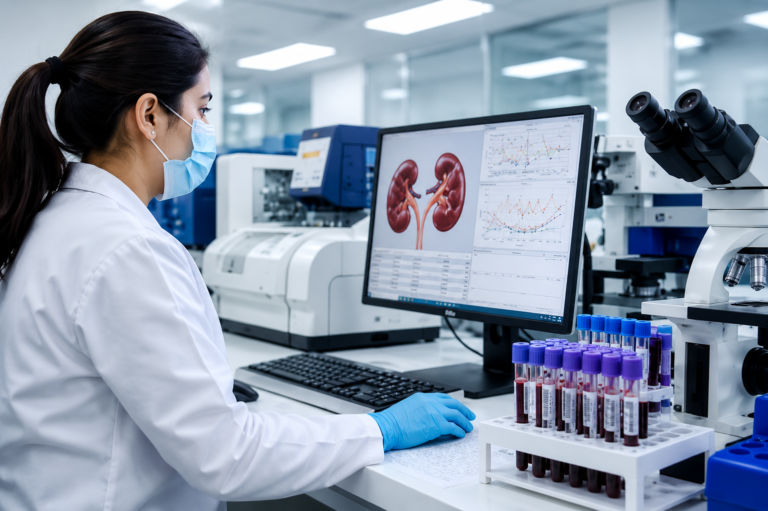
Certain individuals are more likely to develop abnormal creatinine blood test results, including:
- People with diabetes
- Individuals with high blood pressure
- Adults over 60 years of age
- People with obesity
- Individuals with chronic kidney disease
- Smokers
- People with a family history of kidney disease
- Those taking long-term medications that affect kidney function
Routine creatinine blood tests can help detect kidney problems early, even before symptoms appear.
Symptoms of High Creatinine Levels

High creatinine levels do not always cause symptoms in the early stages. However, as kidney function declines, several warning signs may appear. Recognizing these symptoms early can help prevent serious complications.
Common Symptoms of High Creatinine Levels
- Fatigue and weakness
- Swelling in the legs, ankles, or feet
- Frequent or reduced urination
- Foamy or bloody urine
- Shortness of breath
- Loss of appetite
- Nausea and vomiting
- Muscle cramps
- Difficulty concentrating
- Persistent itching
If you experience these symptoms along with abnormal creatinine blood test results, consult a healthcare provider as soon as possible.
How Is a Creatinine Blood Test Performed?
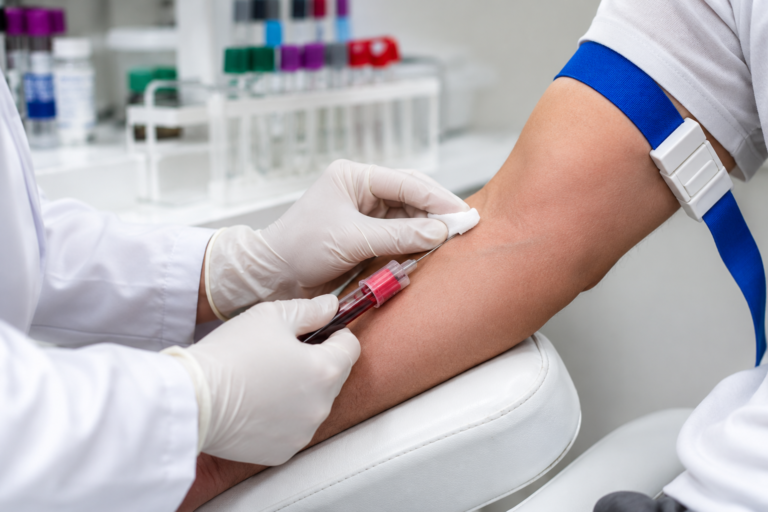
A creatinine blood test is a quick and simple laboratory procedure that usually takes only a few minutes.
During the Test
A healthcare professional will:
- Clean the skin on your arm.
- Draw a small blood sample from a vein.
- Send the sample to a laboratory for analysis.
The test usually requires no special preparation unless your doctor recommends fasting or temporarily stopping certain medications.
Doctors may also recommend additional kidney function tests, including:
- Blood Urea Nitrogen (BUN)
- Estimated Glomerular Filtration Rate (eGFR)
- Urine Creatinine Test
- Urinalysis
Understanding Creatinine Blood Test Results
Interpreting a creatinine blood test involves more than simply checking whether your creatinine level is high or low. Healthcare providers consider factors such as age, gender, muscle mass, hydration status, medications, and other laboratory results.
High Creatinine Levels
Higher-than-normal creatinine levels may indicate:
- Chronic kidney disease
- Kidney infection
- Dehydration
- Urinary tract obstruction
- Uncontrolled diabetes
- High blood pressure
- Certain medications
Low Creatinine Levels
Lower creatinine levels are generally less concerning and may occur due to:
- Reduced muscle mass
- Pregnancy
- Malnutrition
- Liver disease
Doctors often calculate the estimated Glomerular Filtration Rate (eGFR) along with serum creatinine to better evaluate kidney function.
How to Lower High Creatinine Levels

Treatment depends on the underlying cause. If kidney disease is responsible, your doctor will recommend an appropriate treatment plan.
Effective Ways to Reduce High Creatinine
Stay Hydrated
Drinking enough water supports healthy kidney function and helps remove waste products.
Control Blood Sugar
People with diabetes should maintain healthy blood sugar levels to prevent kidney damage.
Manage Blood Pressure
Keeping blood pressure under control reduces stress on the kidneys.
Eat a Kidney-Friendly Diet
A healthy diet may include:
- Fresh fruits
- Vegetables
- Whole grains
- Low-sodium foods
- Moderate protein intake
Exercise Regularly
Moderate physical activity improves overall health, but avoid excessive exercise before testing because it may temporarily increase creatinine levels.
Take Medications as Prescribed
Never stop or change medications without consulting your healthcare provider.
Tips to Keep Your Kidneys Healthy
Healthy kidneys are essential for filtering waste and maintaining fluid balance. Following healthy lifestyle habits can reduce the risk of kidney disease.
Kidney Health Tips
- Drink plenty of water.
- Eat a balanced diet.
- Limit salt intake.
- Exercise regularly.
- Avoid smoking.
- Maintain a healthy weight.
- Control diabetes and blood pressure.
- Avoid excessive use of painkillers.
- Get routine health screenings.
- Follow your doctor’s recommendations.
When Should You See a Doctor?

Schedule a medical evaluation if you experience:
- Swelling in the legs or feet
- Persistent fatigue
- Blood in urine
- Foamy urine
- Severe back pain
- Reduced urination
- High blood pressure
- Abnormal creatinine blood test results
Early diagnosis and treatment can help prevent further kidney damage and improve long-term health outcomes.
Frequently Asked Questions (FAQs)
What is creatinine in blood test?
Creatinine is a waste product produced by normal muscle activity. A creatinine blood test measures the amount of creatinine in your bloodstream to evaluate how efficiently your kidneys filter waste. Elevated creatinine levels may indicate reduced kidney function.
What is creatinine serum in a blood test?
Serum creatinine refers to the amount of creatinine present in the liquid part of your blood (serum). Doctors use the serum creatinine test to diagnose kidney disease, monitor treatment, and estimate kidney function using the eGFR.
What is BUN/creatinine ratio in blood test?
The BUN/creatinine ratio compares Blood Urea Nitrogen (BUN) with creatinine levels. It helps healthcare providers determine whether abnormal kidney function is caused by dehydration, kidney disease, or other medical conditions. A normal ratio generally ranges from 10:1 to 20:1, depending on the laboratory.
What does creatinine mean in a blood test?
Creatinine is a natural waste product formed during normal muscle metabolism. A creatinine blood test measures its concentration in the blood to evaluate kidney function. Higher levels may suggest impaired kidney function or other underlying health conditions.
What is creatinine in a blood test?
A creatinine blood test is a routine laboratory test that measures the amount of creatinine in your blood. It helps diagnose kidney disease, monitor chronic kidney disease (CKD), and assess how effectively your kidneys are removing waste products from the body.
Conclusion
A creatinine blood test is one of the most effective tools for evaluating kidney function and identifying potential kidney problems before serious symptoms develop. Whether performed as part of a routine health checkup or to monitor an existing condition, this simple blood test provides valuable insights into your overall kidney health.
While high creatinine levels do not always indicate kidney disease, they should never be ignored. Conditions such as dehydration, diabetes, high blood pressure, certain medications, and chronic kidney disease can all affect creatinine levels. Early diagnosis, regular monitoring, and healthy lifestyle habits—including staying hydrated, eating a balanced diet, managing blood pressure and blood sugar, and following your healthcare provider’s advice—can help protect your kidneys and support long-term health.
If your creatinine blood test results are outside the normal range or you notice symptoms such as swelling, fatigue, or changes in urination, consult a healthcare professional promptly. Timely evaluation and treatment can make a significant difference in maintaining healthy kidney function and preventing complications.