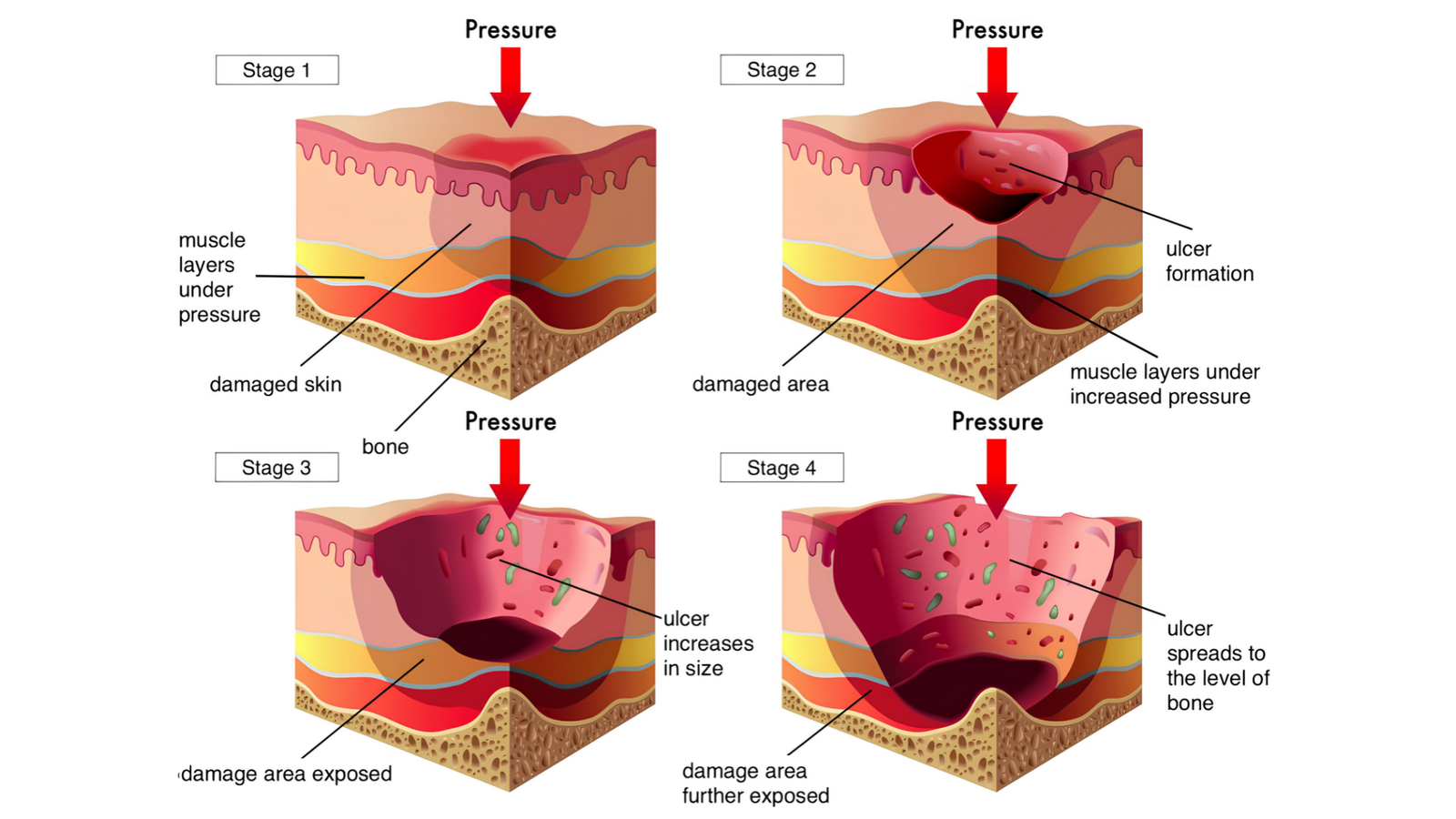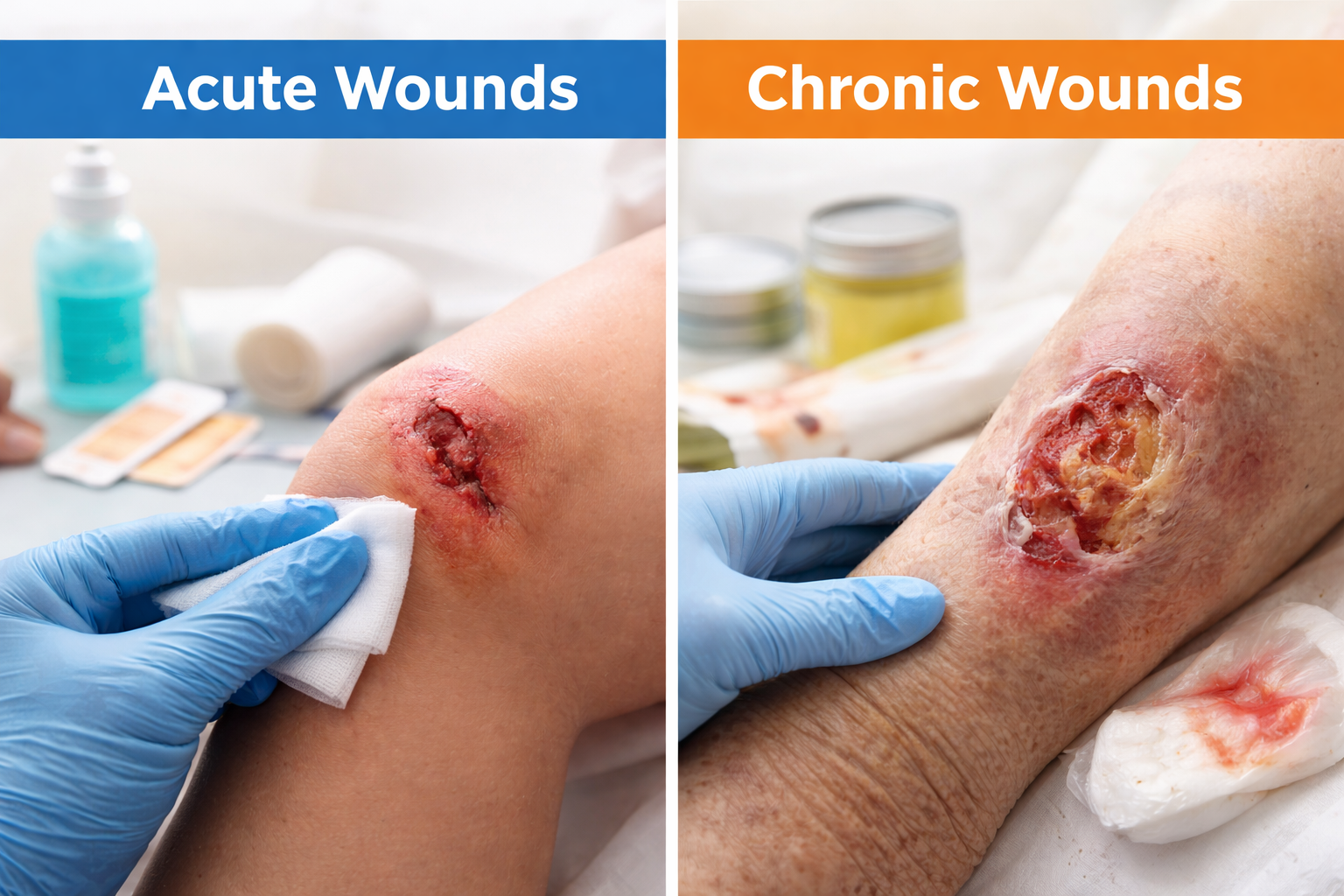

Wounds can vary widely in their cause, appearance, depth, and healing time. While many minor injuries heal naturally, some wounds may take longer because of infection, poor circulation, diabetes, pressure, repeated trauma, or other underlying factors. Understanding the different types of wounds can help patients recognize why certain wounds may require closer monitoring and specialized treatment.
Table of Contents
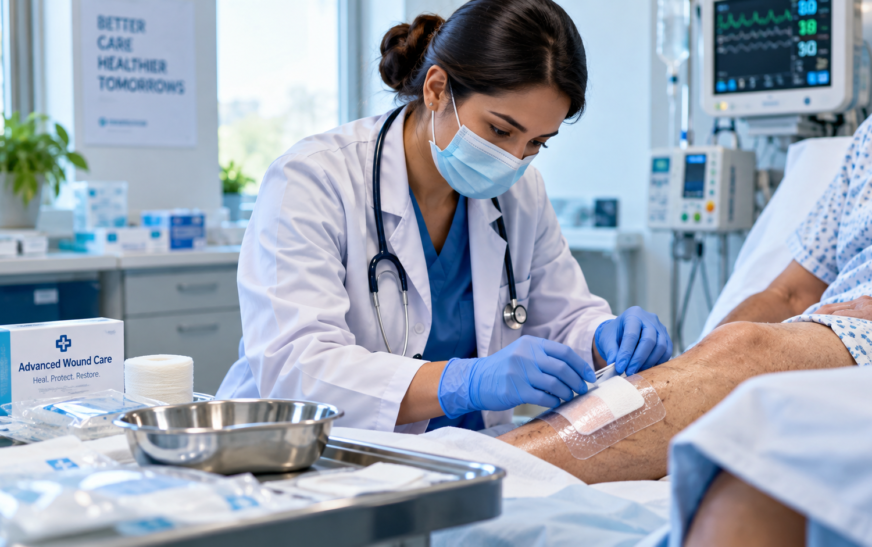
ToggleWhen a wound does not respond well to routine wound management, Advanced Wound Care may be considered as part of an individualized treatment plan. Modern wound management goes beyond simply covering an injury with a dressing. It may include wound assessment, cleansing, debridement, specialized dressings, infection management, pressure relief, negative pressure wound therapy, and other approaches selected according to the wound’s condition.
Understanding Advanced Wound Care can help patients and caregivers learn why some wounds need specialized treatment, regular assessment, and professional monitoring to support proper healing.
What Is Advanced Wound Care?
Advanced Wound Care refers to specialized approaches used to manage wounds that are complex, chronic, difficult to heal, or at risk of complications.
Unlike routine wound care, which may involve cleaning a minor wound and applying a basic dressing, advanced approaches focus on the overall wound environment. Healthcare professionals assess factors such as wound depth, tissue condition, drainage, infection risk, blood supply, pressure, and the patient’s underlying health conditions.
The goal of Advanced Wound Care is not simply to cover the wound. Treatment aims to create conditions that support healing while addressing factors that may be slowing the process.
Depending on the wound, treatment may include:
- Specialized wound dressings
- Debridement
- Moisture and exudate management
- Negative pressure wound therapy
- Infection management
- Offloading and pressure reduction
- Compression therapy when appropriate
- Specialized wound cleansing
- Skin protection around the wound
- Nutritional and lifestyle support
- Regular wound assessment
Treatment should always be individualized because the same approach is not appropriate for every wound.
Understanding how wounds heal can help patients recognize why some injuries recover naturally while others may require specialized wound management.
Why Do Some Wounds Need Advanced Treatment?
Many minor wounds heal without specialized intervention. However, certain wounds can remain open or deteriorate despite routine care.
Common examples include:
- Diabetic foot wounds
- Pressure injuries
- Venous leg ulcers
- Arterial or ischemic wounds
- Complex surgical wounds
- Traumatic wounds
- Wounds with significant tissue loss
- Wounds with excessive drainage
- Chronic wounds that repeatedly reopen
Conditions such as diabetes and vascular disease can interfere with normal healing. Pressure, infection, poor nutrition, smoking, and inadequate blood supply can also contribute to delayed healing.
This is why Advanced Wound Care often begins with identifying why a wound is not healing rather than simply changing the dressing.
Important Techniques Used in Advanced Wound Care
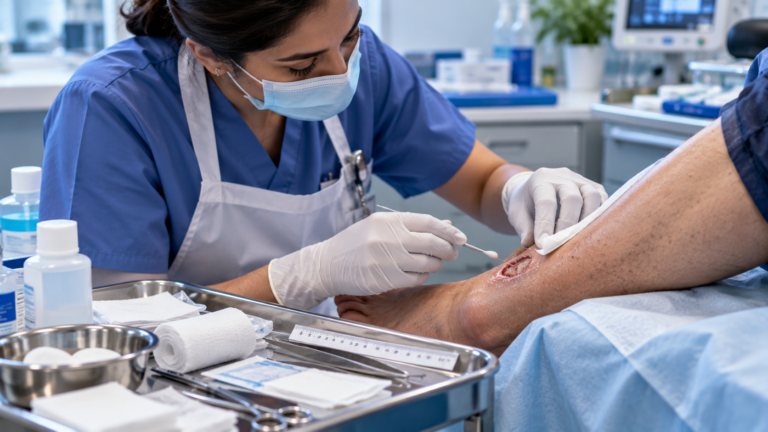
Different techniques can be used depending on wound type, severity, and the patient’s overall health.
1. Comprehensive Wound Assessment
A detailed wound assessment is one of the most important steps in Advanced Wound Care.
Healthcare professionals may evaluate:
- Wound location
- Length, width, and depth
- Tissue type
- Wound edges
- Amount and type of drainage
- Surrounding skin
- Signs of infection
- Pain
- Blood supply
- Pressure or friction
- Patient’s medical conditions
Regular assessment helps determine whether the wound is improving, remaining unchanged, or becoming worse.
2. Wound Cleansing
Proper cleansing helps remove surface debris, drainage, and contaminants.
The appropriate cleansing method depends on the wound and clinical situation. Healthcare professionals may use suitable wound-cleansing solutions and techniques rather than relying on harsh substances that can damage healthy tissue.
Wound cleansing is particularly important when drainage or debris is interfering with wound assessment and healing.
3. Debridement
Debridement involves removing dead, damaged, or nonviable tissue from a wound when clinically appropriate.
Nonviable tissue can interfere with healing and may contribute to bacterial burden. Different forms of debridement include:
- Sharp or surgical debridement
- Mechanical debridement
- Enzymatic debridement
- Autolytic debridement
The method depends on the wound, patient’s condition, blood supply, pain level, and clinical goals.
Current wound-care guidance recognizes debridement as an important component of managing many wounds containing devitalized tissue, although it is not appropriate in every situation.
4. Specialized Dressings
One of the most visible parts of Advanced Wound Care is the use of specialized wound dressings.
Modern dressings can serve different purposes, including:
- Maintaining an appropriate moisture environment
- Managing wound drainage
- Protecting the wound
- Reducing friction
- Supporting the wound bed
- Protecting surrounding skin
Examples include foam dressings, hydrocolloids, alginates, hydrogels, absorbent dressings, antimicrobial dressings, and other specialized products.
The best dressing depends on factors such as drainage, wound depth, tissue type, infection status, and surrounding skin.
There is no single dressing that works best for every wound.
5. Negative Pressure Wound Therapy
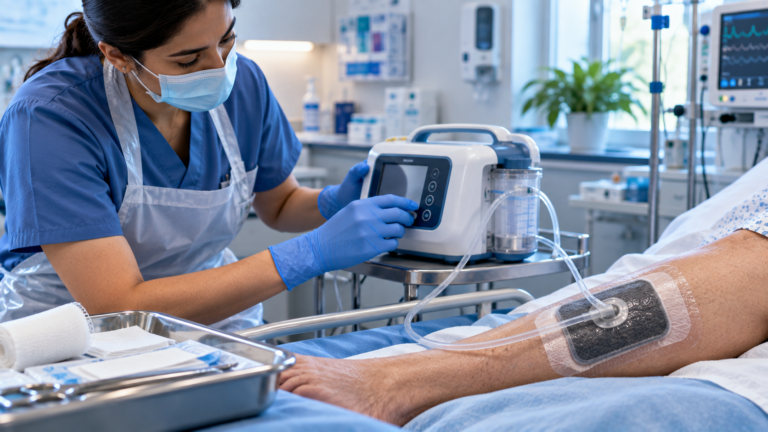
Negative pressure wound therapy, often called NPWT, is an important technique used in selected cases of Advanced Wound Care.
It uses controlled negative pressure through a specialized dressing and suction system. The therapy can help remove wound exudate and support the development of healthy granulation tissue in appropriately selected wounds.
NPWT may be considered for certain acute and chronic wounds, including some surgical wounds, traumatic wounds, diabetic wounds, and other complex wounds.
However, it is not suitable for every wound. Careful assessment is required, particularly when there is exposed vulnerable anatomy, untreated infection, necrotic tissue, active bleeding, or other contraindications.
Importantly, negative pressure therapy does not replace necessary debridement or treatment of an underlying infection.
6. Infection Management
Infection can significantly interfere with wound healing.
During Advanced Wound Care, healthcare professionals look for signs that may suggest infection, such as:
- Increasing redness
- Swelling
- Increasing pain
- Warmth around the wound
- Pus or unusual drainage
- Foul odor
- Fever
- Rapid deterioration of the wound
Treatment depends on the cause and severity of infection. Antibiotics may be required in some situations, but they should not be used automatically for every wound.
A wound-care professional may also consider appropriate cleansing, debridement, drainage, cultures, or other treatment depending on the clinical situation.
7. Pressure Relief and Offloading
Pressure can prevent wounds from healing, particularly pressure injuries and diabetic foot wounds.
Reducing pressure may involve:
- Changing positions regularly
- Specialized mattresses
- Cushions
- Protective footwear
- Offloading devices
- Reducing friction and shear
- Modifying activities
For a diabetic foot wound, appropriate offloading can be an important part of treatment because continuing pressure on the affected area may delay healing.
8. Compression Therapy
Compression therapy may be used for certain venous leg ulcers and conditions associated with lower-limb swelling.
It helps manage edema and supports venous circulation. However, compression is not appropriate for every leg wound.
Blood circulation should be assessed before compression is recommended, particularly when arterial disease is suspected.
This is an important example of why Advanced Wound Care needs to be individualized rather than based on a one-size-fits-all approach.
Products Used in Advanced Wound Care
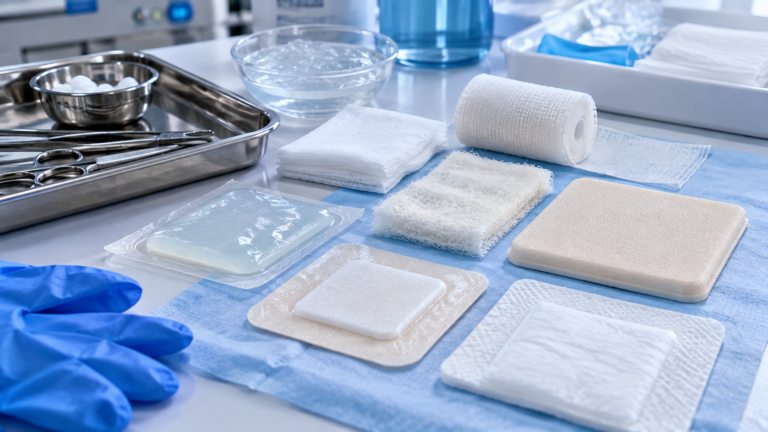
A variety of products are available for specialized wound management. Their purpose depends on the wound’s condition.
Foam Dressings
Foam dressings can absorb wound drainage while helping protect the wound from external friction and trauma.
They may be useful for wounds producing moderate amounts of exudate.
Hydrocolloid Dressings
Hydrocolloid dressings interact with wound fluid to form a gel-like environment. They can provide protection and help maintain moisture.
They are generally intended for selected wounds rather than heavily draining or severely infected wounds.
Alginate Dressings
Alginate products are highly absorbent and can be useful for wounds with significant drainage.
Some are made from seaweed-derived materials and may be particularly useful when managing exudate.
Hydrogel Dressings
Hydrogels can provide moisture to wounds that are dry or require additional hydration.
Their suitability depends on the wound bed and amount of drainage.
Antimicrobial Dressings
Some dressings contain antimicrobial agents such as silver or other substances.
These products may be considered in selected wounds where microbial management is a concern. They should not automatically be used on every wound, and their use should follow appropriate clinical assessment.
Negative Pressure Systems
Negative pressure systems include specialized dressings, tubing, a suction source, and a collection system. They are used under professional guidance for appropriately selected wounds.
The equipment and settings vary according to the patient’s wound and treatment plan.
Benefits of Advanced Wound Care
The potential benefits of Advanced Wound Care depend on the wound and the treatment selected.
Possible benefits include:
Better Wound Assessment
Regular professional assessment can identify changes that may not be obvious to patients or caregivers.
Improved Exudate Management
Specialized dressings and negative pressure systems can help manage excessive wound drainage when appropriate.
Support for Wound Bed Preparation
Debridement and other techniques can help prepare a wound bed for healing or further treatment.
Protection of the Wound
Appropriate dressings can protect the wound from friction, trauma, and external contamination.
Support for Complex Wounds
Advanced approaches can provide additional treatment options for wounds that are difficult to manage with basic dressings alone.
Potentially Better Healing Conditions
By addressing factors such as moisture balance, pressure, drainage, devitalized tissue, and infection, treatment can create a more favorable environment for healing.
However, Advanced Wound Care does not guarantee rapid healing. Healing depends on the wound itself, blood supply, underlying conditions, nutrition, infection control, adherence to
treatment, and many other factors.
Who May Benefit From Advanced Wound Care?
People with wounds that are slow to heal or have complicated characteristics may benefit from evaluation by a qualified wound-care professional.
This can include people with:
- Diabetes-related wounds
- Pressure injuries
- Venous ulcers
- Complex surgical wounds
- Traumatic wounds
- Deep or extensive wounds
- Wounds with significant drainage
- Recurrent wounds
- Wounds showing signs of delayed healing
People with diabetes should take foot wounds particularly seriously because reduced sensation and circulation problems can make injuries harder to recognize and heal.
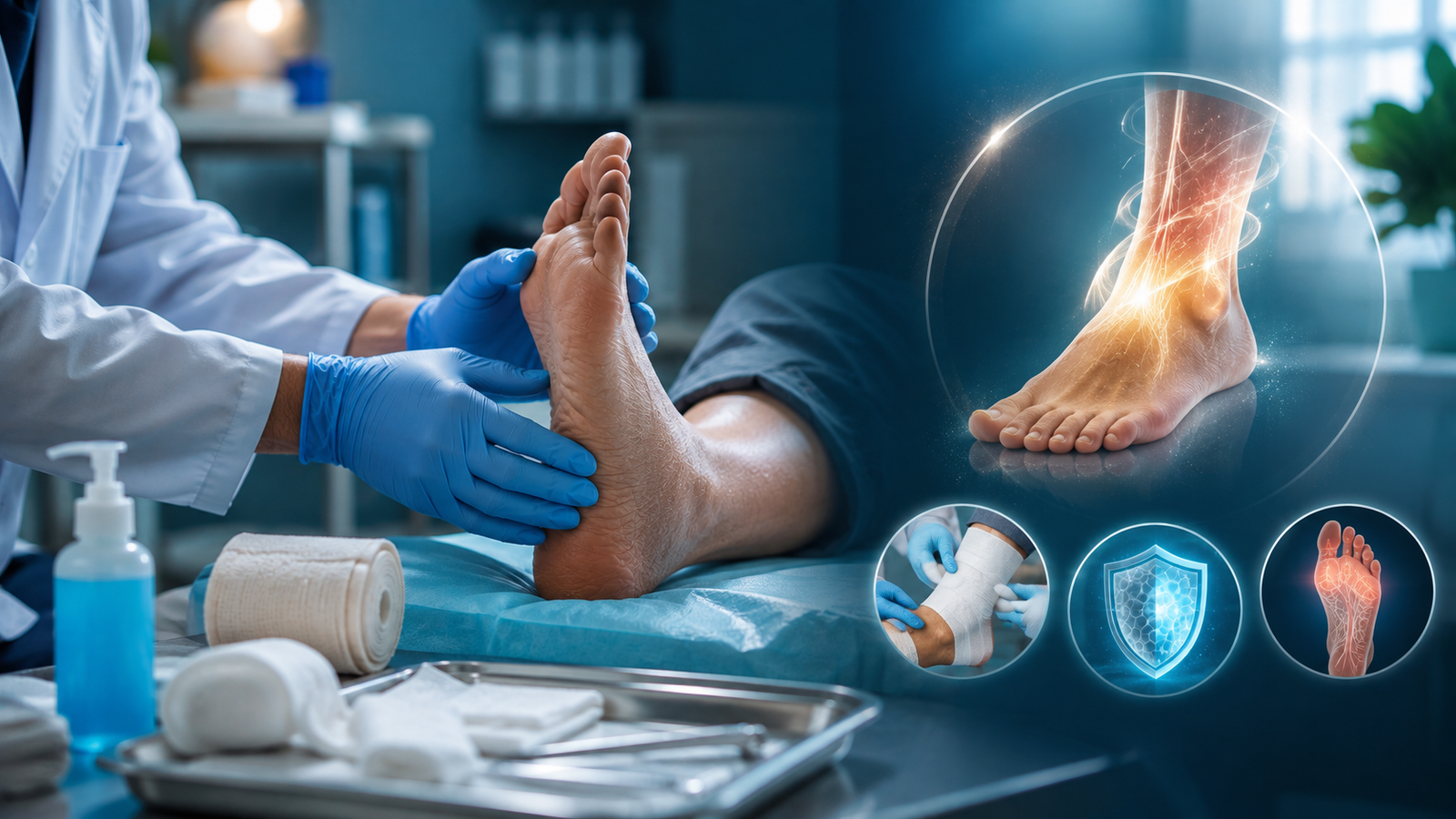
Advanced Wound Care for Diabetic Wounds
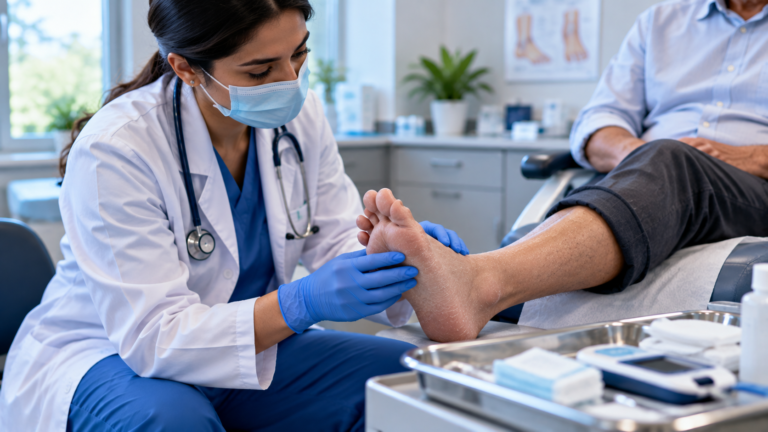
Diabetes can affect wound healing through several mechanisms, including impaired circulation, nerve damage, and increased susceptibility to complications.
A diabetic wound should not be ignored simply because it appears small.
Advanced Wound Care for diabetic wounds may involve:
- Detailed wound assessment
- Blood-flow evaluation
- Pressure offloading
- Debridement when appropriate
- Appropriate dressings
- Infection assessment
- Blood glucose management
- Foot protection
- Regular follow-up
The treatment plan should address both the wound and the underlying factors contributing to delayed healing.
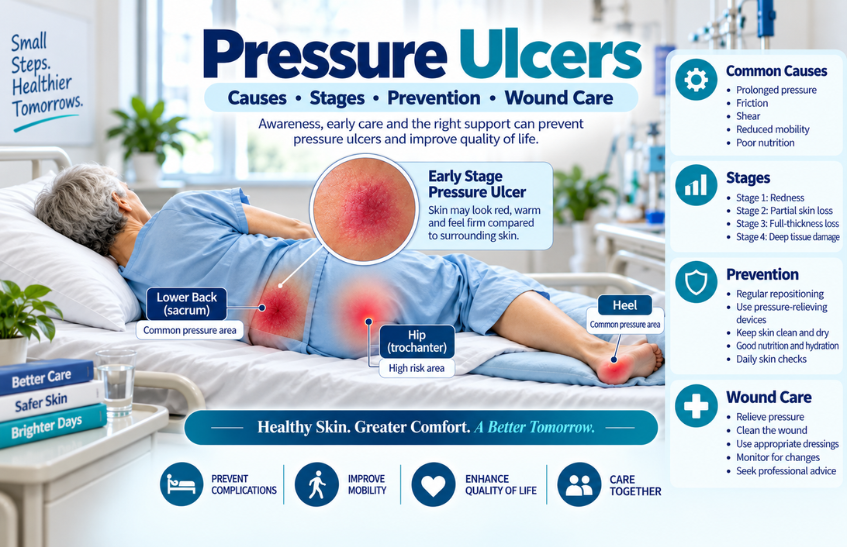
Advanced Wound Care for Pressure Injuries
Pressure injuries develop when prolonged pressure or shear damages the skin and underlying tissue.
Treatment can involve:
- Pressure redistribution
- Repositioning
- Skin protection
- Wound cleansing
- Debridement when indicated
- Appropriate dressings
- Nutrition assessment
- Management of moisture and incontinence
- Monitoring for infection
Reducing pressure is especially important because repeatedly exposing a healing wound to the same pressure can interfere with recovery.
How Long Does Advanced Wound Care Take?
There is no fixed timeline for Advanced Wound Care.
Healing time can vary considerably depending on:
- Wound size
- Wound depth
- Location
- Blood circulation
- Infection
- Diabetes
- Nutrition
- Age
- Smoking
- Pressure
- Underlying diseases
- Treatment adherence
Some wounds improve within weeks, while complex chronic wounds may require treatment for months.
A wound becoming smaller, producing less drainage, developing healthy tissue, and showing healthier surrounding skin can be encouraging signs. However, progress should be evaluated by a healthcare professional.
When Should You Seek Professional Wound Care?
You should consider professional evaluation when a wound:
- Does not appear to be healing
- Continues to increase in size
- Becomes increasingly painful
- Produces pus or unusual drainage
- Develops worsening redness or swelling
- Has a persistent unpleasant odor
- Becomes darker or develops dead tissue
- Is associated with fever or feeling unwell
- Occurs on the foot in someone with diabetes
- Develops after surgery and appears to be opening
- Is deep or exposes underlying structures
Seek urgent medical attention when there is rapidly spreading redness, severe pain, significant bleeding, fever with a worsening wound, or other signs of a serious infection or complication.
How Can You Support Wound Healing?
Professional treatment is important, but everyday habits can also affect healing.
Follow the Treatment Plan
Use dressings and wound treatments exactly as instructed by your healthcare professional.
Maintain Good Nutrition
Adequate protein, calories, vitamins, minerals, and fluids support normal tissue repair. People with poor appetite or nutritional deficiencies may need professional nutritional assessment.
Manage Underlying Conditions
Conditions such as diabetes and vascular disease can affect healing. Following the treatment plan for these conditions is an important part of wound management.
Avoid Smoking
Smoking can negatively affect circulation and tissue healing. Quitting can support overall health and wound recovery.
Protect the Wound
Avoid unnecessary pressure, friction, or trauma to the affected area.
Frequently Asked Questions (FAQs)
Is Advanced Wound Care only for serious wounds?
No. It can be used for a range of wounds that require specialized assessment or treatment. The need depends on wound characteristics and the patient’s overall condition.
What is the difference between basic and Advanced Wound Care?
Basic wound care may involve cleaning a minor wound and applying a standard dressing. Advanced Wound Care involves more specialized assessment and therapies for wounds that are complex, chronic, or difficult to heal.
Can Advanced Wound Care treat diabetic foot wounds?
Yes, specialized wound management can be part of diabetic foot wound treatment. However, treatment should also address pressure, circulation, infection, blood glucose management, and other contributing factors.
Is negative pressure wound therapy suitable for everyone?
No. NPWT is appropriate for selected wounds and has important contraindications and precautions. A healthcare professional should assess the wound before this therapy is used.
How do I know if my wound needs specialized care?
A wound that is not healing, repeatedly opens, produces increasing drainage, develops signs of infection, or occurs in a person with conditions such as diabetes may require professional evaluation.
Conclusion
Advanced Wound Care has transformed the way healthcare professionals approach complex and chronic wounds. Instead of relying on one dressing or treatment, modern wound management considers the complete wound environment and the factors affecting healing.
Techniques such as debridement, specialized dressings, pressure relief, compression when appropriate, infection management, and negative pressure wound therapy can all have a role in selected patients.
The most important point is that Advanced Wound Care should be individualized. A treatment that is appropriate for one wound may be unsuitable for another. Professional wound assessment is therefore essential, especially when a wound is deep, chronic, infected, worsening, or associated with diabetes or poor circulation.