

Healthcare is becoming more precise, individual, and data-driven. Instead of treating every patient with the same approach, modern healthcare increasingly focuses on understanding the unique characteristics of each person. This approach is known as Personalized Medicine, and it is changing how doctors think about disease prevention, diagnosis, and treatment.
Table of Contents
ToggleTraditional healthcare often relies on symptoms, medical history, physical examinations, and medical tests to understand a patient’s condition. These tests can provide valuable information about what is happening inside the body and help healthcare professionals make informed decisions about diagnosis and treatment. outcomes. Personalized Medicine aims to consider these differences when healthcare decisions are made.
The goal is not simply to create a different treatment for every individual. Instead, Personalized Medicine uses available patient information to help healthcare professionals choose strategies that are more appropriate for a particular person.
What Is Personalized Medicine?
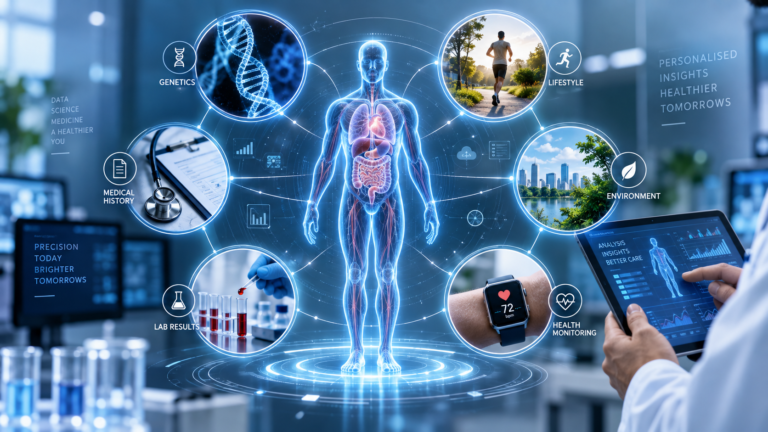
Personalized Medicine is a healthcare approach that uses information about an individual’s genes, environment, lifestyle, and health history to help guide medical decisions. It is sometimes closely associated with precision medicine because both approaches aim to make healthcare more targeted and effective.
Personalized Medicine uses information about an individual’s genes, environment, lifestyle, and other health characteristics to help guide medical decisions. The approach can help healthcare professionals better understand why people may respond differently to the same treatment. The NIH explanation of personalized medicine also highlights how genetic differences can influence disease risk and responses to certain medicines.
For example, two people may have the same type of cancer but respond differently to the same drug. Genetic and molecular testing may help doctors identify whether a particular treatment is more likely to benefit one patient than another.
Similarly, some people may process certain medicines differently because of genetic variations. Understanding these differences can help healthcare professionals consider medication choices and dosing more carefully.
Personalized Medicine does not replace the expertise of doctors. Instead, it provides additional information that can support clinical decision-making.
How Does Personalized Medicine Work?

The process can involve collecting and analyzing several types of information. Depending on the medical condition, doctors may consider:
- Genetic information
- Family medical history
- Blood test results
- Imaging results
- Lifestyle factors
- Environmental exposure
- Previous treatment responses
- Current medications
- Age and other clinical characteristics
One important component of Personalized Medicine is genetic testing. A genetic test can identify specific changes in DNA that may influence disease risk or how a person responds to certain medications.
However, genetic information is only one part of the picture. Doctors may combine genetic findings with clinical information to develop a more complete understanding of a patient’s health.
For some conditions, molecular testing can identify specific biological markers associated with a disease. These markers may help doctors select treatments that target particular characteristics of the disease.
Why Is Personalized Medicine Important?
One of the major advantages of Personalized Medicine is that it recognizes that patients are not identical. A treatment that works effectively for one person may produce limited benefits or unwanted effects in another.
A more individualized approach may help healthcare professionals:
- Identify suitable treatment options
- Reduce unnecessary treatments
- Consider potential medication responses
- Detect certain disease risks earlier
- Support preventive healthcare
- Make treatment decisions using more patient-specific information
The importance of Personalized Medicine is particularly noticeable in areas such as cancer care, pharmacogenomics, rare diseases, and inherited conditions.
It can also support preventive healthcare by identifying individuals who may have an increased risk of developing certain diseases. This does not necessarily mean that a person will develop the disease, but it may encourage appropriate monitoring and preventive strategies.
Personalized Medicine and Genetics
Genetics plays a major role in Personalized Medicine. Every person has a unique genetic makeup, and some genetic differences can influence disease susceptibility or medication response.
Medication choices can vary depending on the patient’s condition, treatment goals, and individual response. For example, people managing diabetes may use different treatment approaches, including diabetes medicines and insulin, depending on their healthcare needs and professional medical advice.
For instance, certain inherited genetic variants can affect how quickly the body breaks down a medicine. If a person metabolizes a medication unusually quickly or slowly, the expected effect of a standard dose may differ.
Pharmacogenomics is the study of how genes influence a person’s response to medicines. It can provide information that doctors may consider when selecting specific medications or doses.
Genetic information may also help identify inherited risks for certain conditions. When appropriate, healthcare professionals can use this information alongside family history and other clinical findings.
Importantly, genetic testing should be interpreted carefully. A genetic result does not always provide a definite prediction about someone’s future health.
Role of Personalized Medicine in Cancer Treatment

Cancer is one of the areas where Personalized Medicine has become particularly important. Cancer is not a single disease. Different cancers, and even different tumors within the same cancer type, can have different genetic and molecular characteristics.
Doctors may use tumor testing to identify biomarkers or genetic changes that could influence treatment decisions. Depending on the findings, a patient may be considered for a targeted therapy or another treatment approach.
For example, certain cancers contain specific molecular changes that can be targeted by particular medicines. Testing may help determine whether those treatments are appropriate.
This approach can make cancer care more targeted rather than relying only on the cancer’s location or appearance under a microscope.
However, not every patient will have an identifiable target, and testing does not guarantee that a particular treatment will work. Clinical judgment remains essential.
Personalized Medicine and Medication Selection
Medication response can vary significantly between individuals. Personalized Medicine can help healthcare professionals consider why these differences occur.
Factors affecting medication response may include:
- Genetic variations
- Age
- Body size
- Kidney function
- Liver function
- Other medications
- Diet and lifestyle
- Existing medical conditions
Pharmacogenomic testing can sometimes identify genetic differences that affect medication metabolism. This information may help clinicians determine whether a particular medicine or dosage requires additional consideration.
The objective is to improve the balance between treatment effectiveness and safety.
Patients should never change medication doses based on genetic testing or online information without discussing the results with a qualified healthcare professional.
Applications Beyond Cancer
Although cancer treatment receives significant attention, Personalized Medicine has potential applications across many areas of healthcare.
Cardiovascular Health
Genetic and clinical information may contribute to assessing cardiovascular disease risk and understanding responses to certain medications.
Diabetes
Individual characteristics such as lifestyle, metabolic health, family history, and treatment response can help healthcare professionals develop more appropriate diabetes management strategies.
Rare Diseases
For people with rare or inherited disorders, genetic testing can sometimes help identify the underlying cause of disease. This may support diagnosis and, in some cases, guide treatment decisions.
Neurological Conditions
Research is exploring how genetic, molecular, and clinical information can be used to improve the diagnosis and management of neurological diseases.
Infectious Diseases
Individual characteristics and information about infectious organisms may help clinicians make treatment decisions, particularly when resistance to medicines is a concern.
Benefits of Personalized Medicine
The potential benefits of Personalized Medicine are broad.
1. More Targeted Treatment
Instead of selecting treatments based only on the average response of a large population, healthcare professionals can consider patient-specific information.
2. Better Treatment Decisions
Additional genetic or molecular information may help doctors compare different treatment options.
3. Reduced Unnecessary Treatment
When testing identifies that a particular treatment is unlikely to be beneficial, it may help clinicians consider alternatives.
4. Potentially Fewer Side Effects
Understanding how a patient may respond to certain medications can support safer medication selection in appropriate situations.
5. Earlier Risk Identification
Some genetic tests can identify an increased likelihood of developing specific inherited conditions, allowing appropriate medical follow-up.
6. More Preventive Healthcare
Information about individual risk factors may encourage earlier screening, lifestyle changes, or monitoring when medically appropriate.
These potential benefits explain why Personalized Medicine continues to attract significant interest in modern healthcare.
Limitations and Challenges
Despite its potential, Personalized Medicine also has limitations.
Genetic and molecular testing can be expensive or unavailable in some healthcare settings. Access to advanced testing may vary depending on location, healthcare systems, insurance coverage, and clinical indications.
Another challenge is interpreting genetic information. Not every genetic variation has a known medical significance. Some results may be uncertain, which means they cannot immediately guide treatment.
Privacy is another important consideration. Genetic information is highly personal, and healthcare systems need appropriate safeguards for storing and handling such data.
There are also ethical questions surrounding genetic testing. Patients may have concerns about learning information about inherited disease risks or discovering unexpected family relationships.
For these reasons, genetic and molecular testing should ideally be discussed with qualified healthcare professionals who can explain the potential benefits and limitations.
Is Personalized Medicine Suitable for Everyone?
Personalized Medicine is not a single test or treatment that everyone needs. Its usefulness depends on the patient’s health condition, medical history, available testing, and clinical circumstances.
For some patients, genetic testing may provide valuable information. For others, conventional clinical assessment may be sufficient.
Doctors usually consider whether a test is medically appropriate before recommending it. A test should have a clear purpose and, ideally, provide information that could influence healthcare decisions.
Patients should also understand what a test can and cannot tell them before agreeing to it.
Personalized Medicine vs Traditional Medicine
Traditional medicine often uses evidence from clinical trials and established treatment guidelines to determine which therapies work best for groups of patients.
Personalized Medicine adds another layer by considering characteristics that may make one patient’s response different from another’s.
These approaches are not necessarily opposites. In modern healthcare, individualized information can be combined with clinical guidelines, medical history, physical examination, and professional judgment.
The best healthcare decisions often involve both population-level evidence and individual patient information.
The Future of Personalized Medicine

The future of Personalized Medicine is closely connected to advances in genetics, artificial intelligence, data analysis, molecular diagnostics, and medical research.
As technology improves, genetic and molecular testing may become faster, more accessible, and potentially less expensive.
Researchers are also studying how large healthcare datasets can help identify patterns that may improve disease prediction and treatment selection.
Artificial intelligence may assist researchers and healthcare professionals in analyzing complex medical information. However, AI-based tools should complement—not replace—qualified clinical judgment.
Future developments may allow healthcare professionals to combine genetic information with laboratory results, medical history, lifestyle factors, and other data to create increasingly individualized healthcare strategies.
How Patients Can Prepare for Personalized Healthcare
Patients who are interested in individualized healthcare can begin by maintaining accurate medical records and discussing their family medical history with their healthcare provider.
It can also be useful to keep a current list of:
- Prescription medications
- Over-the-counter medicines
- Supplements
- Allergies
- Previous diagnoses
- Previous treatment reactions
- Relevant family health history
If a doctor recommends genetic or molecular testing, patients should ask what the test is designed to identify, how the results could affect treatment, and what limitations the test has.
This can help patients make informed decisions about their healthcare.
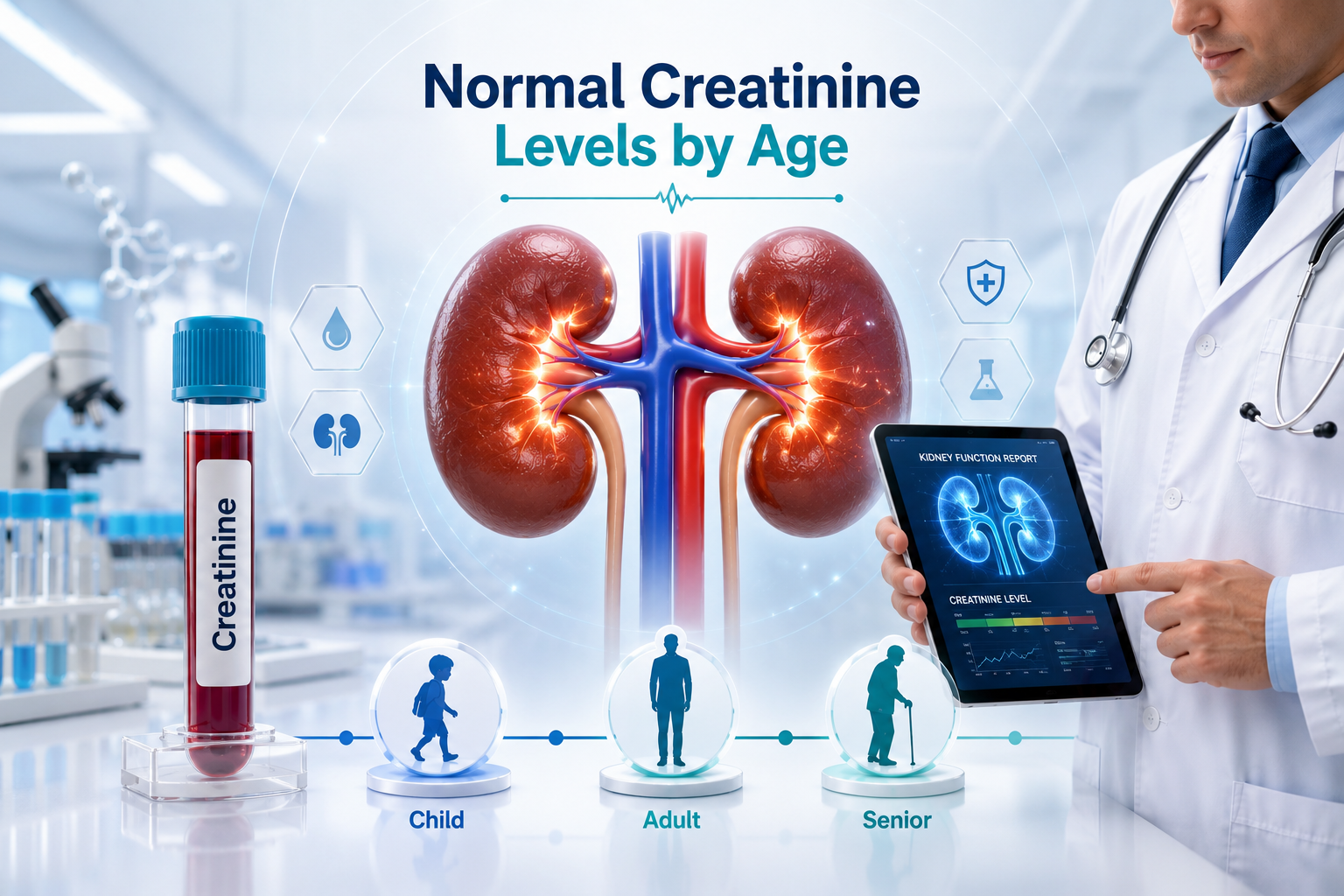
Understanding previous laboratory results can also help patients communicate more effectively with their healthcare providers. For example, knowing about normal creatinine levels by age can provide useful background when discussing kidney-related blood test results and overall health.
Frequently Asked Questions (FAQs)
What is Personalized Medicine in simple words?
Personalized Medicine means using information about an individual’s health, genetics, lifestyle, and other characteristics to help guide healthcare decisions.
Is Personalized Medicine the same as precision medicine?
The terms are often used similarly, although precision medicine can emphasize identifying specific biological characteristics and disease mechanisms. Both approaches aim to make healthcare more targeted and individualized.
Does Personalized Medicine mean everyone gets a different medicine?
Not necessarily. It means that patient-specific information may be considered when choosing prevention, diagnosis, or treatment strategies.
Can genetic testing predict all diseases?
No. Genetic testing can provide useful information about certain conditions, but many diseases are influenced by multiple genes, lifestyle, environmental factors, and other variables.
Is Personalized Medicine expensive?
Costs vary considerably depending on the type of testing, healthcare system, location, and whether testing is clinically indicated or covered by insurance.
Can Personalized Medicine reduce side effects?
In some situations, genetic or molecular information may help healthcare professionals select medicines or doses that are more appropriate for an individual. It cannot eliminate the risk of side effects completely.
Conclusion
Personalized Medicine represents an important shift toward healthcare that considers the individual rather than relying only on average responses across large populations. By combining genetics, clinical information, lifestyle factors, and modern diagnostic technologies, it can help healthcare professionals make more informed decisions in appropriate situations.
From cancer treatment and medication selection to rare diseases and preventive healthcare, Personalized Medicine is already influencing several areas of medical research and practice.
However, it is important to remember that personalized healthcare is not simply about taking a genetic test. Results must be interpreted in the right medical context, and treatment decisions should be made with qualified healthcare professionals.
As research and technology continue to advance, Personalized Medicine may become an increasingly important part of healthcare. Its greatest potential lies in combining scientific evidence with individual patient information to support healthcare that is more targeted, informed, and patient-centered.