
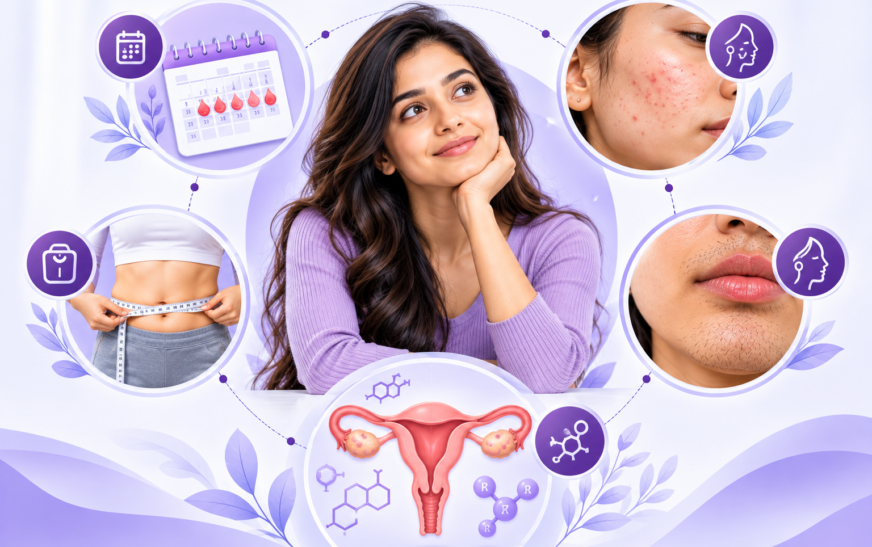
Polycystic ovary syndrome (PCOS) is a common hormonal and metabolic condition that can affect menstrual cycles, ovulation, fertility, skin, hair growth, and overall health. The PCOS symptoms can vary significantly from one person to another, which can sometimes make the condition difficult to recognize. Some people may experience irregular periods, acne, excess facial hair, or difficulty becoming pregnant, while others may have only mild or less noticeable changes.
Understanding the PCOS symptoms is an important first step toward recognizing when medical evaluation may be needed. PCOS is not simply an ovarian condition; it can also be associated with hormonal changes, insulin resistance, and metabolic health concerns. Lifestyle factors, including balanced nutrition and sustainable eating habits, can also play an important role in overall health. If you are considering approaches such as intermittent fasting, it is important to discuss whether they are suitable for your individual health needs.
Table of Contents
ToggleThis guide explains PCOS symptoms in simple language, along with possible causes, diagnosis, treatment options, fertility concerns, diet, exercise, and long-term management.
What Is PCOS?
PCOS stands for polycystic ovary syndrome. It is a hormonal condition that can affect how the ovaries function and how regularly ovulation occurs.
The PCOS symptoms may develop during the reproductive years and can change over time. Some people may have irregular menstrual cycles, while others may experience acne, unwanted hair growth, scalp hair thinning, or fertility difficulties.
Despite the name, having ovarian cysts is not required for a PCOS diagnosis. Some people with PCOS may have multiple small follicles visible on an ultrasound, while others may not.
PCOS can also be associated with insulin resistance and increased risks of certain metabolic conditions.
Common PCOS Symptoms
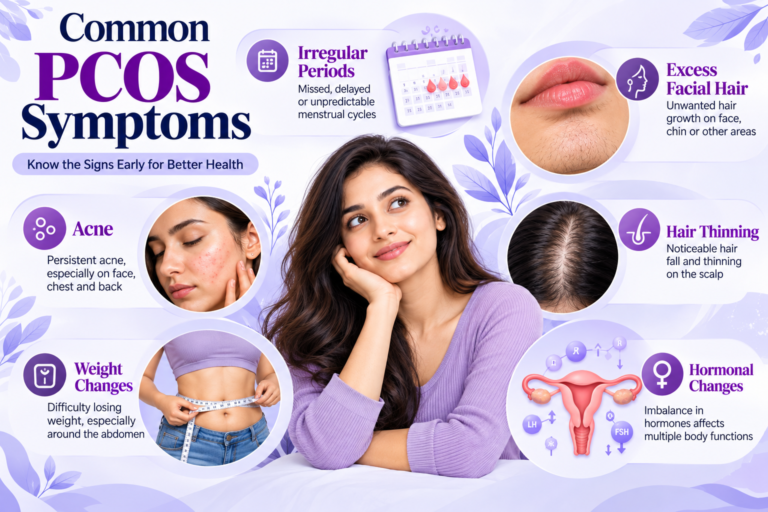
The PCOS symptoms are not exactly the same for everyone. A person may have one symptom, several symptoms, or symptoms that change over time.
Common signs include:
- Irregular periods
- Missed or infrequent periods
- Irregular ovulation
- Difficulty becoming pregnant
- Excess facial or body hair
- Acne
- Oily skin
- Scalp hair thinning
- Weight changes
- Darkened skin in some areas
- Signs of insulin resistance
It is important to remember that the PCOS symptoms listed above can also occur because of other health conditions. A single symptom does not confirm PCOS.
Irregular Periods
One of the most common PCOS symptoms is an irregular menstrual cycle.
Periods may occur less frequently than expected, become unpredictable, or sometimes stop for several months. This may happen when ovulation does not occur regularly.
However, irregular periods can have many causes. Pregnancy, thyroid disorders, major changes in body weight, stress, excessive exercise, and other hormonal conditions can also affect menstrual cycles.
Excess Facial or Body Hair
Another possible sign is increased facial or body hair.
Higher androgen levels or activity can contribute to hair growth on areas such as the chin, upper lip, chest, abdomen, or back.
Some people may also develop scalp hair thinning or female-pattern hair loss.
Acne and Oily Skin
Hormonal changes can increase oil production and contribute to acne.
Persistent acne may occur on the face, jawline, chest, or back. When acne occurs alongside irregular periods or excess hair growth, it may be worth discussing with a healthcare professional.
However, acne alone is not enough to diagnose PCOS.
Weight Changes
Weight gain or difficulty managing weight can occur in some people with PCOS.
However, not everyone with PCOS experiences weight gain. PCOS can affect people across different body sizes.
Weight should therefore not be used by itself to diagnose or rule out the condition.
PCOS Symptoms at a Glance
| Symptom or concern | What it may look like | Why it can occur |
|---|---|---|
| Irregular periods | Infrequent or unpredictable periods | Irregular ovulation |
| Excess hair | Facial or body hair growth | Increased androgen activity |
| Acne | Persistent or hormonal acne | Hormonal changes |
| Scalp hair thinning | Reduced hair density | Androgen-related effects |
| Fertility problems | Difficulty becoming pregnant | Irregular ovulation |
| Weight changes | Weight gain or difficulty managing weight | Metabolic factors |
| Darkened skin | Darker, thicker skin in some areas | May be associated with insulin resistance |
| Insulin resistance | Changes in glucose regulation | Metabolic changes |
This table provides a general overview. Symptoms and their severity can differ between individuals.
What Causes PCOS?
The exact cause of PCOS is not completely understood.
Researchers believe that several factors may contribute, including genetics, hormonal changes, insulin resistance, and metabolic factors.
Family history can also play a role. People with close relatives who have PCOS or type 2 diabetes may have an increased risk.
The PCOS symptoms can therefore result from a combination of factors rather than one single cause.
Hormonal Factors
Androgens are hormones naturally produced by the body. Everyone produces them, although levels and activity vary.
In some people with PCOS, androgen levels or activity may be higher than expected.
This can contribute to several PCOS symptoms, including excess facial hair, acne, oily skin, and scalp hair thinning.
Higher androgen activity may also interfere with regular ovulation.
Insulin Resistance
Insulin helps the body move glucose from the bloodstream into cells for energy.
With insulin resistance, the body’s cells do not respond to insulin as effectively. The pancreas may produce more insulin to compensate.
Higher insulin levels can influence ovarian hormone production and may contribute to increased androgen activity in some people.
Not everyone with PCOS has insulin resistance.
How Are PCOS Symptoms Diagnosed?
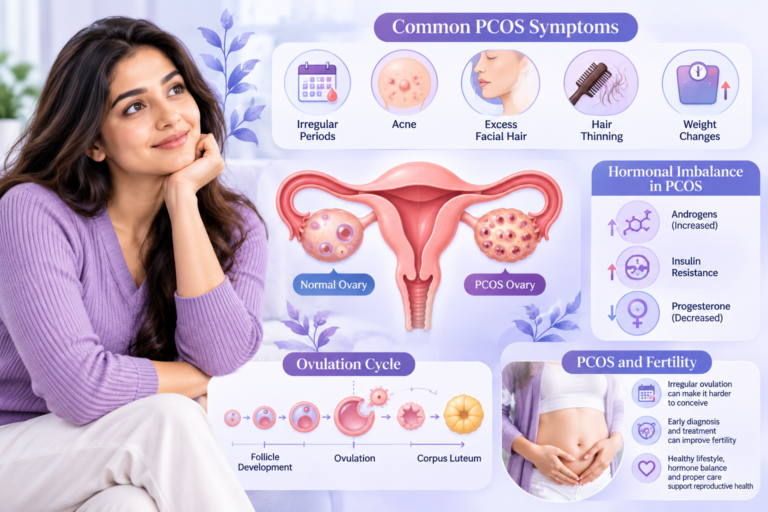
There is no single test that confirms PCOS in every person.
When evaluating PCOS symptoms, healthcare professionals generally consider menstrual history, physical findings, hormone levels, other laboratory tests, and sometimes ultrasound.
For adults, diagnosis generally involves assessing features such as irregular ovulation, clinical or biochemical signs of androgen excess, and polycystic ovarian morphology when appropriate, while excluding other possible causes.
Medical History
A doctor may ask about:
- Menstrual cycle patterns
- Age when periods started
- Acne
- Facial or body hair
- Hair loss
- Weight changes
- Fertility concerns
- Family history
- Current medicines
- Existing medical conditions
Keeping a record of your periods can help your healthcare provider understand your menstrual pattern.
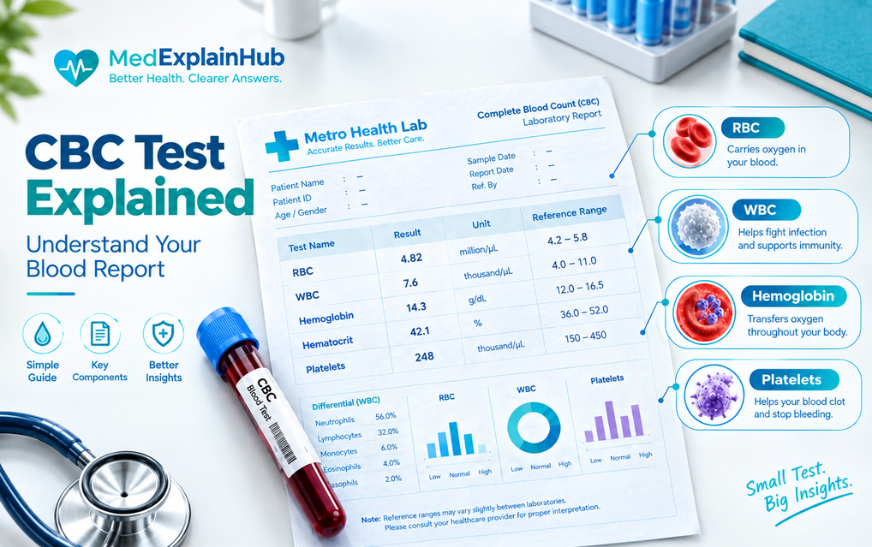
Blood Tests
Blood tests may be recommended depending on the person’s symptoms.
A doctor may evaluate androgen levels and check for other conditions that can cause similar symptoms.
Blood glucose and cholesterol may also be assessed because PCOS can be associated with metabolic risks.
Ultrasound
An ultrasound can examine the ovaries and uterus.
It may identify polycystic ovarian morphology in some people.
However, an ultrasound showing multiple follicles does not automatically mean someone has PCOS.
The complete clinical picture is important when evaluating PCOS symptoms.
For more information about polycystic ovary syndrome, including its symptoms, diagnosis, and treatment, readers can refer to MedlinePlus.
PCOS and Fertility

PCOS can affect fertility because irregular ovulation can make conception more difficult.
When ovulation occurs less frequently, there may be fewer opportunities for an egg to be fertilized.
However, having PCOS does not automatically mean infertility.
Many people with PCOS become pregnant naturally, while others may need treatment to improve ovulation.
Difficulty becoming pregnant can be one of the more concerning PCOS symptoms, particularly for people who are actively trying to conceive.
A gynecologist or fertility specialist can evaluate ovulation and other factors affecting fertility.
Treatment for PCOS
There is no single treatment that works for everyone.
Treatment depends on the person’s symptoms, age, medical history, reproductive goals, metabolic health, and preferences.
Treatment may focus on:
- Managing irregular periods
- Improving metabolic health
- Treating acne
- Managing unwanted hair growth
- Supporting fertility
- Reducing long-term health risks
Lifestyle Changes
Healthy lifestyle habits are an important part of PCOS management.
Regular physical activity, balanced nutrition, adequate sleep, and sustainable daily routines can support overall health.
Lifestyle improvements can be useful even when they do not result in weight loss.
Hormonal Medicines
Hormonal contraceptives may be prescribed to help manage irregular menstrual bleeding and some androgen-related symptoms.
They may also help with acne and excess hair growth in suitable patients.
The appropriate treatment depends on individual medical history and risk factors.
Metformin
Metformin is commonly used to improve insulin sensitivity and manage blood glucose.
It may be considered for some people with PCOS, particularly when metabolic concerns are present.
It should only be taken under the guidance of a healthcare professional.
Treatment for Acne and Excess Hair
Acne can be treated with appropriate topical or oral medicines.
Unwanted facial or body hair can be managed using methods such as shaving, threading, waxing, laser hair removal, or other approaches.
Some people may also receive medicines that reduce androgen effects.
Treatment should be individualized, particularly when pregnancy is possible or planned.
PCOS Diet Plan
A balanced PCOS diet plan can help support healthy eating habits and overall metabolic health. There is no single diet that can treat every person with PCOS.
A balanced eating pattern can include:
- Vegetables
- Fruits
- Whole grains
- Beans and lentils
- Eggs
- Fish
- Lean protein
- Nuts and seeds
- Healthy fats
- High-fiber foods
It may also help to reduce frequent consumption of sugary beverages and highly processed foods.
Rather than completely eliminating carbohydrates or other food groups, focus on balanced meals that provide protein, fiber, healthy fats, vitamins, and minerals.
A registered dietitian can help develop an individualized nutrition plan.
A healthy diet may also support some PCOS symptoms and metabolic health, particularly when combined with regular physical activity.
Exercise for PCOS
Regular physical activity can support cardiovascular health, metabolic health, mood, and overall well-being.
Exercise does not need to be complicated or extremely intense.
Possible activities include:
- Walking
- Cycling
- Swimming
- Yoga
- Dancing
- Strength training
- Stretching
- Recreational sports
People who are new to exercise can start with manageable activities and gradually increase duration or intensity.
Consistency is generally more useful than following an extreme routine that is difficult to maintain.
Regular exercise can also support the management of some PCOS symptoms and improve overall quality of life.
PCOS and Mental Health
PCOS can affect emotional well-being as well as physical health.
People may experience stress related to irregular periods, acne, excess hair growth, fertility difficulties, weight concerns, or body image.
Some people may also experience anxiety or depression.
Mental health should therefore be considered as part of comprehensive PCOS care.
If persistent sadness, anxiety, stress, or difficulty coping begins to interfere with daily life, speaking with a qualified healthcare professional can be helpful.
PCOS and Weight
Weight can be a sensitive topic when discussing PCOS.
Some people with PCOS have overweight or obesity, while others have a body weight within the usual range.
Therefore, PCOS should not be considered a condition that only affects people who are overweight.
When managing PCOS symptoms, the focus should be on overall health, metabolic risk, symptoms, and quality of life rather than body weight alone.
For people who want to manage their weight, a healthcare professional or registered dietitian can help create a sustainable plan.
Extreme diets and rapid weight-loss methods may not be appropriate for everyone.
Long-Term Health Risks
PCOS can affect more than periods and fertility.
People with PCOS may have an increased risk of certain long-term health problems, including:
- Insulin resistance
- Type 2 diabetes
- High blood pressure
- Abnormal cholesterol levels
- Cardiovascular risk factors
- Sleep apnea
- Endometrial problems
Not everyone with PCOS will develop these conditions.
Regular health checks can help identify potential problems early.
Monitoring blood pressure, glucose, cholesterol, and other health markers may be recommended depending on individual risk factors.
Understanding these risks is important because PCOS symptoms are only one part of the condition. Long-term health should also be considered.
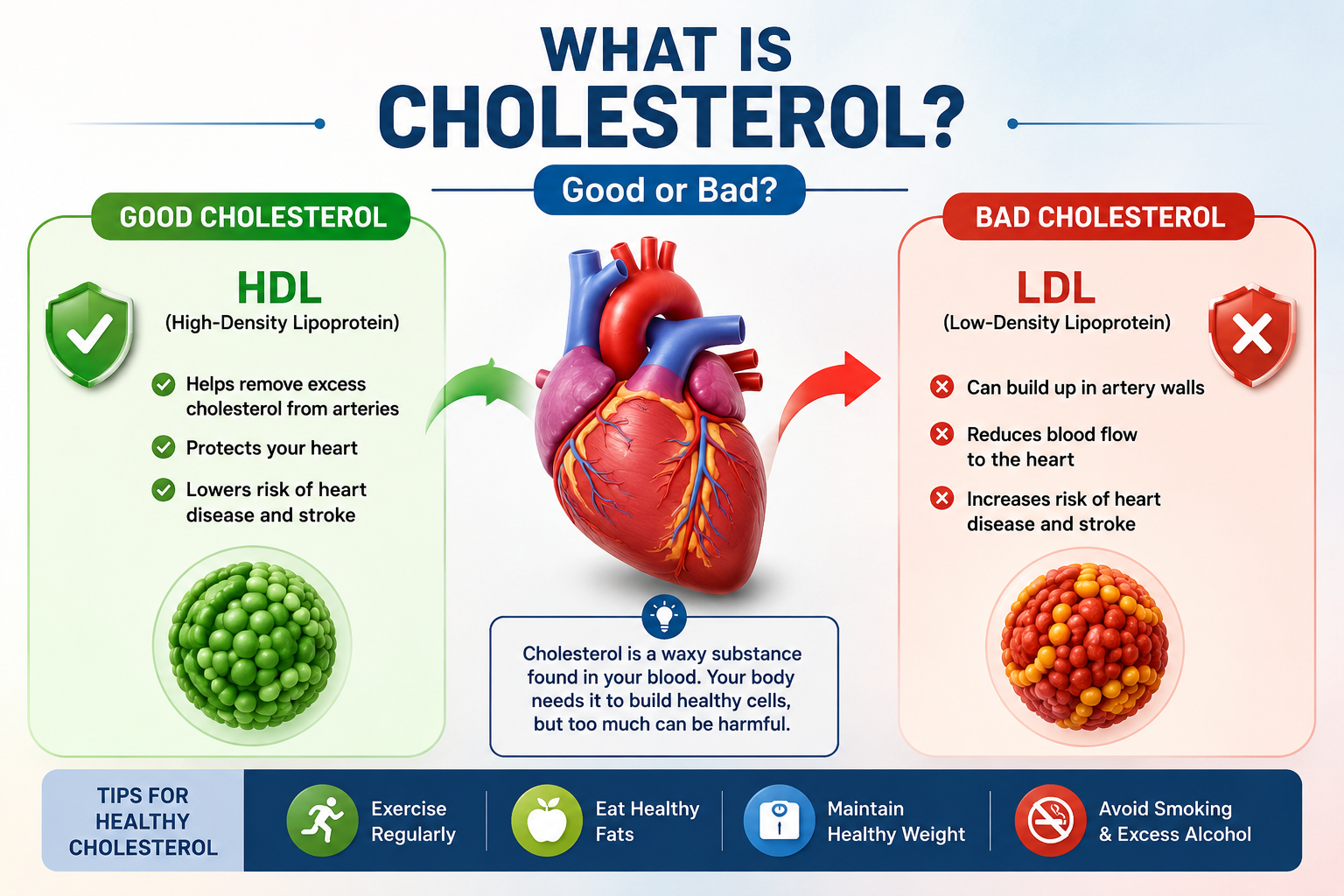
A lipid profile test may be recommended to check cholesterol and other blood lipid levels when clinically appropriate.
PCOS During Pregnancy
People with PCOS can become pregnant, but PCOS may be associated with an increased risk of certain pregnancy complications.
These may include gestational diabetes and high blood pressure during pregnancy.
If you have PCOS and become pregnant, tell your healthcare provider about your condition.
Regular prenatal care can help monitor maternal and fetal health.
People planning pregnancy should discuss their health, medications, and fertility goals with their healthcare provider.
Common Myths About PCOS
Myth 1: PCOS Means You Have Ovarian Cysts
Not necessarily.
Ovarian cysts are not required for a PCOS diagnosis.
Some people with PCOS may have polycystic ovarian morphology, while others may not.
Myth 2: Everyone With PCOS Is Overweight
This is not true.
PCOS can affect people across different body sizes.
Myth 3: PCOS Always Causes Infertility
PCOS can make ovulation irregular, but it does not automatically cause infertility.
Many people with PCOS can become pregnant naturally or with appropriate treatment.
Myth 4: PCOS Only Affects Periods
PCOS can affect reproductive, metabolic, skin, hair, psychological, and overall health.
Myth 5: PCOS Has One Permanent Cure
There is currently no single permanent cure for PCOS.
However, treatment and lifestyle management can help control symptoms and reduce associated health risks.
How Can PCOS Be Managed Every Day?

Managing PCOS is generally a long-term process.
A practical routine may include:
- Track your menstrual cycle.
- Eat balanced meals.
- Stay physically active.
- Maintain a regular sleep schedule.
- Take prescribed medicines correctly.
- Attend recommended medical appointments.
- Monitor health markers when advised.
- Manage stress.
- Discuss fertility plans with your doctor.
- Avoid unproven “miracle” treatments.
Small and sustainable changes are often easier to maintain than extreme short-term approaches.
Keeping track of changes can also help identify whether PCOS symptoms are improving or becoming more noticeable.
When Should You See a Doctor?
You should consider speaking with a healthcare professional if you experience:
- Very irregular periods
- Periods that stop for several months
- Persistent acne with menstrual changes
- New or excessive facial hair
- Significant scalp hair thinning
- Difficulty becoming pregnant
- Unexplained metabolic changes
- Symptoms affecting your quality of life
A doctor can determine whether your PCOS symptoms are related to PCOS or another medical condition.
Do not start hormonal medicines, fertility medicines, supplements, or weight-loss products without appropriate medical advice.
Frequently Asked Questions (FAQs)
What Are the Most Common PCOS Symptoms?
Common signs include irregular periods, irregular ovulation, excess facial or body hair, acne, scalp hair thinning, and difficulty becoming pregnant.
Can PCOS Symptoms Be Mild?
Yes. Some people may have only a few noticeable symptoms, while others may experience several significant changes.
Can PCOS Cause Irregular Periods?
Yes. Irregular ovulation can result in periods that are infrequent or unpredictable.
Can PCOS Cause Acne?
Yes. Increased androgen activity may contribute to acne and oily skin.
Can PCOS Cause Hair Loss?
PCOS can contribute to scalp hair thinning in some people, particularly when androgen activity is increased.
Conclusion
Understanding PCOS symptoms can help people recognize possible signs and seek appropriate medical evaluation. PCOS can affect menstrual cycles, ovulation, fertility, skin, hair, metabolism, and emotional well-being.
The PCOS symptoms can differ significantly from one person to another. One person may mainly experience irregular periods, while another may have acne, unwanted hair growth, fertility concerns, or metabolic problems.
A proper diagnosis should not be based on one symptom alone. Healthcare professionals may consider medical history, physical findings, blood tests, and ultrasound when appropriate.
Although there is no single permanent cure for PCOS, the condition can be managed. Healthy lifestyle habits, appropriate medicines, fertility support, and regular health monitoring can help improve health outcomes.
If you notice persistent PCOS symptoms or changes in your menstrual cycle, speak with a qualified gynecologist, endocrinologist, or other healthcare professional for personalized evaluation.