
Table of Contents
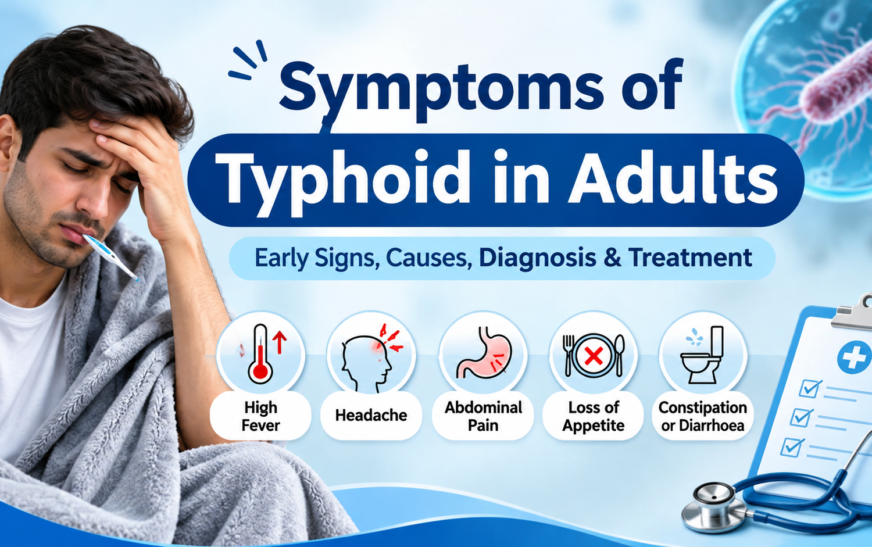
ToggleTyphoid fever is a bacterial infection that affects people of all ages, including adults. It is caused by Salmonella Typhi and usually spreads through contaminated food and drinking water. Recognising the symptoms of typhoid in adults is important because early symptoms may resemble other infections, such as Dengue vs Viral Fever. Understanding Preventive Healthcare can also help reduce the risk of infections through proper hygiene and healthy habits.
Recognising the symptoms of typhoid in adults is important because the early signs may resemble common viral fever, flu or other infections. Persistent fever, headache, weakness, abdominal pain and digestive problems are some of the common warning signs.
Many people ignore these symptoms, assuming they will disappear within a few days. However, untreated typhoid can become serious and may cause intestinal bleeding or intestinal perforation.
In this guide, we will explain the early warning signs, common symptoms, causes, diagnosis, treatment options, recovery tips and foods to avoid during typhoid fever.
What Is Typhoid Fever?
Typhoid fever is a systemic bacterial infection caused by Salmonella enterica serovar Typhi, commonly known as Salmonella Typhi.
The infection usually spreads when someone consumes food or water contaminated with the bacteria. Poor sanitation, unsafe drinking water and improper food handling increase the risk of infection.
After entering the body, the bacteria multiply in the intestinal tract and spread through the bloodstream. This can cause prolonged fever and symptoms affecting different parts of the body.
The incubation period is commonly around 6–30 days, although it can vary from person to person.
What Are the Early Symptoms of Typhoid in Adults?
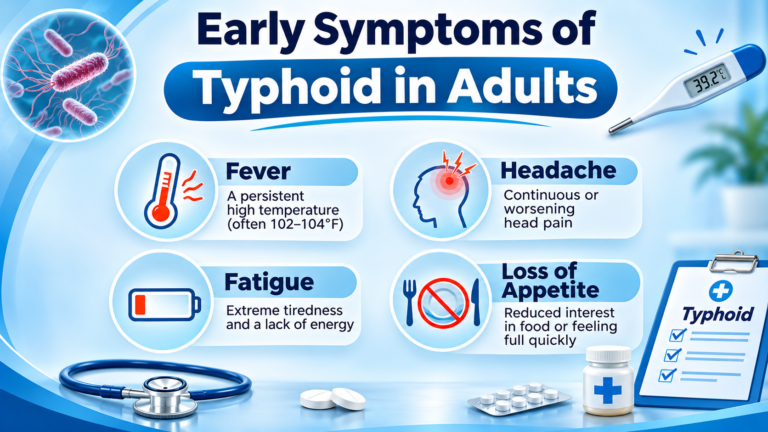
The early symptoms of typhoid in adults may develop gradually rather than appearing suddenly. During the initial stage, a person may experience mild fever, tiredness and headaches.
Recognising the symptoms of typhoid in adults early can help people seek medical attention before the infection becomes more severe.
Common early warning signs include:
- Mild fever that gradually increases.
- Persistent headache.
- Unusual tiredness and weakness.
- Loss of appetite.
- General body aches.
- Abdominal discomfort.
- Constipation or diarrhoea.
- Nausea and digestive discomfort.
One important feature of typhoid is that fever may increase gradually over several days. However, not everyone experiences the same pattern.
If you experience persistent fever along with digestive problems or unusual weakness, consult a healthcare professional for proper evaluation.
10 Common Symptoms of Typhoid in Adults
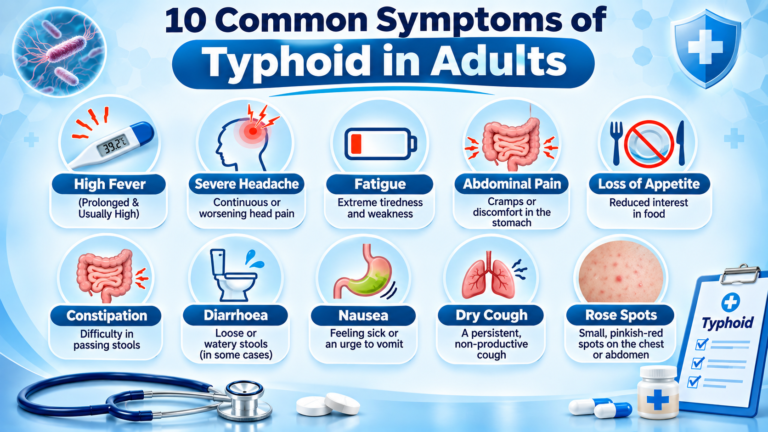
The severity and combination of symptoms can vary depending on the stage of infection and the individual’s overall health.
Here are ten common warning signs to watch for.
1. Persistent High Fever
Persistent fever is one of the most recognised signs of typhoid. The body temperature may increase gradually over several days and can reach 103–104°F (39–40°C).
Unlike some short-term viral infections, typhoid fever can continue for an extended period without appropriate treatment.
2. Severe Headache
A persistent headache is another common complaint. It may occur alongside fever, dehydration and general weakness.
Some adults experience continuous head discomfort that makes concentrating, working or performing everyday activities difficult.
3. Extreme Weakness and Fatigue
Typhoid can make a person feel unusually tired and physically exhausted. Even simple activities, such as walking, working or climbing stairs, may become difficult.
This weakness can continue during recovery, so adequate rest and proper nutrition are important.
4. Abdominal Pain
Abdominal discomfort may develop as the infection affects the digestive system.
Some people experience stomach cramps, tenderness, bloating or general abdominal pain.
Severe or worsening abdominal pain requires urgent medical assessment because it may indicate a serious complication.
5. Loss of Appetite
Many people with typhoid experience reduced hunger. Food may become less appealing because of nausea, fever and digestive discomfort.
Reduced food intake can contribute to weakness and dehydration, particularly when the illness continues for several days.
6. Constipation or Diarrhoea
Typhoid can affect normal bowel movements. Some adults experience constipation, while others develop loose stools or diarrhoea.
These digestive changes may occur at different stages of the illness.
7. Nausea and Vomiting
Nausea is another possible symptom. Some individuals may experience vomiting, making it difficult to eat or drink normally.
Frequent vomiting can increase the risk of dehydration and may require medical attention.
8. Dry Cough
Some adults develop a mild dry cough during typhoid. It may occur alongside fever, headache and body aches.
However, coughing alone does not indicate typhoid because it can occur with several respiratory infections.
9. Skin Rash or Rose Spots
In some cases, small, flat, pinkish spots called rose spots may appear on the chest or abdomen.
These spots are not present in every patient and should not be used alone to identify the infection.
10. Chills and Body Pain
Chills, muscle aches and general body discomfort may accompany the fever.
These symptoms can make a person feel physically uncomfortable and reduce their ability to carry out regular activities.
How Do Symptoms of Typhoid in Adults Progress?
Typhoid symptoms can develop gradually, although the progression is not identical for everyone.
The following table provides a general overview of how the illness may develop:
| Stage | Possible symptoms |
|---|---|
| Early illness | Gradually increasing fever, headache, fatigue and loss of appetite |
| Ongoing illness | Persistent fever, abdominal pain, constipation or diarrhoea |
| Severe illness | Possible intestinal bleeding, perforation or other complications |
| Recovery | Gradual improvement in fever, appetite and energy with appropriate treatment |
Not everyone follows this pattern. Early diagnosis and appropriate antibiotics can help prevent the infection from becoming severe.
What Causes Typhoid Fever in Adults?
Typhoid fever develops when Salmonella Typhi bacteria enter the body.
The major causes and risk factors include:
- Contaminated drinking water: Drinking water containing harmful bacteria can spread the infection.
- Contaminated food: Food prepared using unsafe water or handled without proper hygiene can carry the bacteria.
- Poor hand hygiene: Not washing hands after using the toilet or before preparing food can contribute to transmission.
- Improper food storage: Food stored or handled under unhygienic conditions may become contaminated.
- Contact with an infected carrier: Some people continue to carry and shed the bacteria even after recovering from the illness.
Maintaining proper sanitation and food hygiene is essential to reducing the risk of infection.
How to Confirm Typhoid at Home?
Typhoid cannot be confirmed reliably at home using symptoms alone. Fever, headache, weakness and stomach discomfort can also occur with dengue, malaria, viral infections and other illnesses.
If you notice the symptoms of typhoid in adults, consult a doctor instead of relying on home remedies or self-diagnosis.
A healthcare professional may recommend the following tests:
1. Blood Culture
Blood culture is generally the preferred diagnostic method for identifying Salmonella Typhi bacteria in the bloodstream.
Sometimes, more than one blood culture may be required to improve the chances of detecting the infection.
Doctors may also recommend additional blood investigations to assess the patient’s overall health and identify other possible causes of fever. A CBC Report can provide information about different blood cells and help doctors evaluate certain infections and other health conditions. However, a CBC test alone cannot confirm typhoid.
2. Stool Culture
Stool culture may help detect the bacteria in a patient’s stool. However, it is generally less sensitive than blood culture, particularly during the early stage of illness.
3. Additional Blood Tests
Doctors may recommend other blood investigations to assess overall health and investigate alternative causes of persistent fever.
Is the Widal Test Enough to Confirm Typhoid?
The Widal test is commonly used in some healthcare settings, but it has important limitations.
False-positive and false-negative results can occur. A positive Widal test does not automatically confirm an active typhoid infection.
The CDC clinical guidance for typhoid identifies blood culture as the main diagnostic method and does not recommend serological tests such as Widal because of their high false-positive rate.
Your doctor should interpret test results alongside your symptoms, medical history and clinical examination.
What Is the Best Treatment for Typhoid?
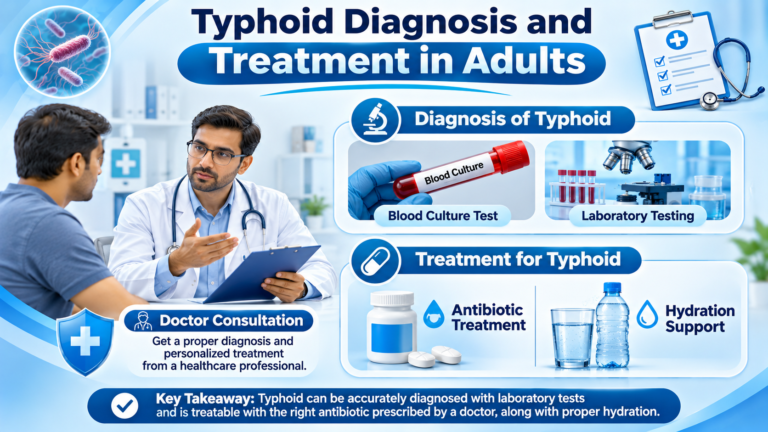
The best treatment for typhoid involves appropriate antibiotics prescribed by a qualified healthcare professional.
Antibiotics help eliminate the bacteria responsible for the infection and reduce the risk of serious complications.
Treatment may include the following:
1. Antibiotic Medicines
Doctors select antibiotics based on the patient’s condition, local antibiotic resistance patterns and, where possible, laboratory sensitivity results.
The choice of medicine depends on clinical assessment. Antibiotics should never be taken without medical advice because antibiotic resistance can make some treatments ineffective.
2. Fever Management
A doctor may recommend suitable medicines to control fever and discomfort.
Avoid combining different fever medicines without checking with a healthcare professional.
3. Adequate Hydration
Fever, diarrhoea and vomiting can cause fluid loss.
Drink safe water and other suitable fluids regularly. Oral rehydration solution (ORS) may be recommended if dehydration or diarrhoea occurs.
4. Proper Rest
Getting enough rest allows the body to recover and helps manage fatigue and weakness.
Avoid strenuous exercise and heavy physical activities until you have recovered.
5. Medical Follow-Up
Follow-up appointments help doctors assess treatment response and identify complications.
Even if the fever improves, complete the prescribed antibiotic course. Never stop medication early without consulting your doctor.
Antibiotics should always be taken according to a doctor’s prescription. Different medicines are used for different infections, and the correct choice depends on the diagnosis and patient’s condition. Learning about the Side Effects of Common Medicines can also help readers understand why medicines should be used carefully and under medical supervision.
Which Foods Should Adults Avoid During Typhoid?
Diet plays a supportive role in managing digestive discomfort and maintaining energy during recovery. Although food cannot cure typhoid, choosing suitable meals can make eating easier.
People experiencing the symptoms of typhoid in adults should pay particular attention to food hygiene and drinking water safety.
The following foods and drinks should be avoided or handled carefully:
| Foods to avoid | Why to avoid them |
|---|---|
| Unhygienic street food | May be contaminated due to poor food handling |
| Raw salads from uncertain sources | May contain harmful microorganisms |
| Unpasteurised milk | Can carry harmful bacteria |
| Deep-fried foods | May worsen digestive discomfort |
| Very spicy foods | Can aggravate digestive symptoms in some people |
| Raw or undercooked meat | May contain harmful microorganisms |
| Unwashed fruits | Can carry contamination on their surfaces |
| Unsafe drinking water | Can expose you to infection |
Foods That May Help During Recovery
Choose freshly prepared, hygienic and easily tolerated foods, such as:
- Soft rice and khichdi.
- Well-cooked vegetables.
- Banana.
- Toast and plain bread.
- Properly cooked eggs.
- Freshly prepared soups.
- Pasteurised milk or curd if tolerated.
- Safe drinking water and ORS when recommended.
Eat smaller meals throughout the day if you have a reduced appetite. Your doctor may recommend dietary adjustments depending on your digestive symptoms.
What Are the Possible Complications of Untreated Typhoid?
Ignoring persistent fever and other warning signs can increase the risk of complications.
Some serious complications include:
- Intestinal Bleeding: Infection can damage the intestinal wall and cause internal bleeding.
- Intestinal Perforation: A hole may develop in the intestine, allowing intestinal contents to leak into the abdominal cavity.
- Peritonitis: This is a serious inflammation or infection of the abdominal lining that may occur following intestinal perforation.
- Severe Dehydration: Persistent diarrhoea, vomiting and fever can cause significant fluid loss.
- Neurological Complications: Severe infection can sometimes affect brain function and cause confusion or altered consciousness.
Seek emergency medical care if you experience severe or worsening abdominal pain, black or bloody stools, vomiting blood, confusion, fainting or signs of severe dehydration.
How Long Does Typhoid Take to Recover?
Recovery time depends on the severity of the infection, the patient’s general health and how early treatment begins.
Many patients start feeling better within a few days of starting effective antibiotics. However, fever may continue for several days after treatment begins.
Some people may experience weakness, tiredness and reduced appetite even after the fever improves.
During recovery from the symptoms of typhoid in adults, follow these recommendations:
- Complete the prescribed antibiotic course.
- Drink sufficient safe fluids.
- Eat freshly prepared, nutritious meals.
- Get adequate sleep and rest.
- Attend follow-up appointments.
- Avoid preparing food for others until your doctor confirms it is safe.
Typhoid can sometimes relapse after initial improvement. Contact your doctor if fever returns or symptoms become worse.
How to Prevent Typhoid Fever in Adults?
Prevention is especially important in areas where typhoid is common. Safe drinking water, proper food hygiene and vaccination can help reduce the risk.
Follow these preventive measures:
- Drink boiled, filtered or properly treated water.
- Wash your hands with soap before eating and preparing food.
- Avoid uncovered street food and unhygienically prepared meals.
- Wash fruits and vegetables thoroughly with safe water.
- Eat food that is freshly prepared and properly cooked.
- Maintain cleanliness in the kitchen and surroundings.
- Ask your healthcare professional whether typhoid vaccination is appropriate.
Vaccination provides protection but does not offer complete immunity. Safe food and water practices remain important even after vaccination.
When Should You See a Doctor?
Do not ignore a persistent fever, particularly when it occurs with abdominal pain, headache, weakness or digestive problems.
If you notice multiple symptoms of typhoid in adults, arrange a medical consultation as soon as possible.
Seek urgent medical care if you experience:
- Fever with severe weakness.
- Persistent vomiting.
- Severe abdominal pain.
- Blood in your stool.
- Black or tarry stools.
- Confusion or unusual drowsiness.
- Difficulty drinking fluids or signs of dehydration.
Early medical assessment helps identify the cause of fever and allows appropriate treatment to begin.
Frequently Asked Questions (FAQs)
What is one of the first signs of typhoid?
One of the first signs of typhoid is a gradually increasing fever. It may initially be mild but can become high over several days. Headache, weakness, fatigue and loss of appetite may also appear during the early stages.
How to confirm typhoid at home?
You cannot reliably confirm typhoid at home through symptoms or a thermometer reading. A medical examination and laboratory testing are necessary. Blood culture is generally the preferred test for confirming Salmonella Typhi infection. Consult a doctor if you have persistent fever or other suspected symptoms.
How to remove typhoid from body?
Typhoid bacteria are treated with appropriate antibiotics prescribed by a doctor. Drinking safe fluids, eating nutritious food and getting sufficient rest can support recovery. Complete the full prescribed antibiotic course, even if you start feeling better.
What is the best treatment for typhoid?
The best treatment is a doctor-prescribed antibiotic selected according to the patient’s condition and antibiotic resistance patterns. Hydration, fever management, proper nutrition and adequate rest also support recovery. Severe cases may require hospital treatment.
Which food to avoid in typhoid?
Avoid unhygienic street food, raw salads from uncertain sources, unpasteurised milk, undercooked meat and unsafe drinking water. Deep-fried and very spicy foods may also worsen digestive discomfort in some people. Choose freshly prepared, properly cooked and easily digestible meals during recovery.
Conclusion
Typhoid fever is a treatable bacterial infection, but early diagnosis and appropriate medical care are essential to prevent serious complications.
Recognising the symptoms of typhoid in adults, such as persistent fever, headache, abdominal pain, fatigue and digestive problems, can help people seek medical attention at the right time.
Avoid self-medication, follow your doctor’s instructions and maintain proper food and water hygiene. With timely treatment, adequate hydration, nutritious food and sufficient rest, most patients can recover successfully.
For more reliable health information, medical education and practical healthcare guides, explore MedExplainHub.