
Table of Contents
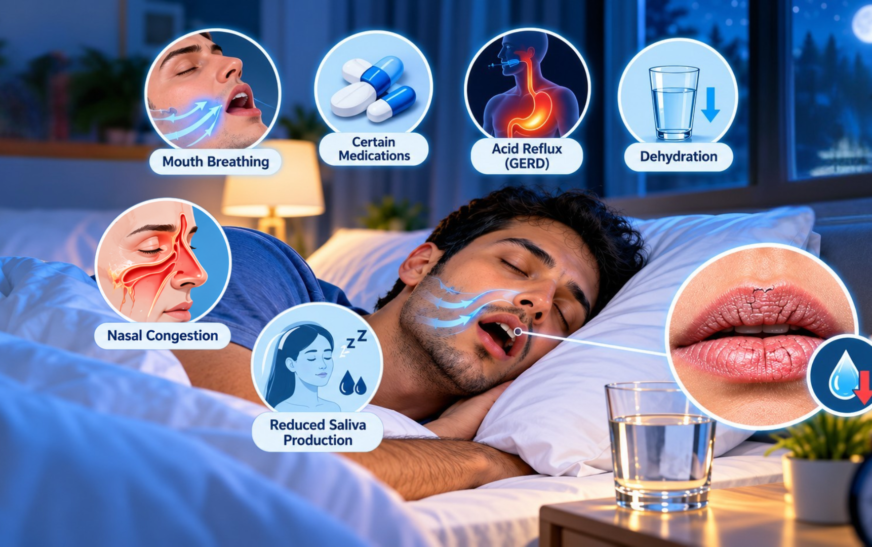
ToggleWaking up with a dry, sticky mouth can be uncomfortable, especially when it happens regularly. If you often keep a glass of water beside your bed or wake up with a dry throat, you may be wondering what causes a dry mouth at night. Nighttime mouth dryness can happen for several reasons, including mouth breathing, dehydration, medications, nasal congestion, lifestyle habits, and certain health conditions.
Saliva is important for keeping the mouth moist, helping with chewing and swallowing, washing away food particles, and protecting teeth and gums. When saliva production decreases or moisture is lost while sleeping, the mouth can feel unusually dry in the morning. Persistent dry mouth can also increase the risk of tooth decay and oral infections. Nighttime dry mouth can sometimes occur alongside other symptoms of diabetes symptoms, particularly excessive thirst and frequent urination.
Understanding what causes a dry mouth at night can help you recognize possible triggers and determine when you may need advice from a doctor or dentist.
What Is Dry Mouth at Night?
Dry mouth, also called xerostomia, occurs when the mouth does not have enough saliva to remain comfortably moist. It can happen occasionally, but frequent nighttime dryness may indicate an underlying trigger.
During sleep, you are not drinking fluids and saliva production may change. If you also breathe through your mouth, have a blocked nose, take certain medicines, or are dehydrated, dryness may become more noticeable.
Common symptoms include:
- Sticky or dry feeling in the mouth
- Dry or sore throat after waking
- Thick or stringy saliva
- Increased thirst
- Cracked or dry lips
- Bad breath
- Burning sensation in the mouth
- Difficulty chewing or swallowing
- Changes in taste
- Mouth sores
Knowing what causes a dry mouth at night is particularly important when symptoms occur repeatedly rather than occasionally.
What Causes a Dry Mouth at Night?
There are several possible explanations for nighttime dryness. Some are temporary and relatively simple to address, while others may require medical or dental evaluation.
1. Mouth Breathing
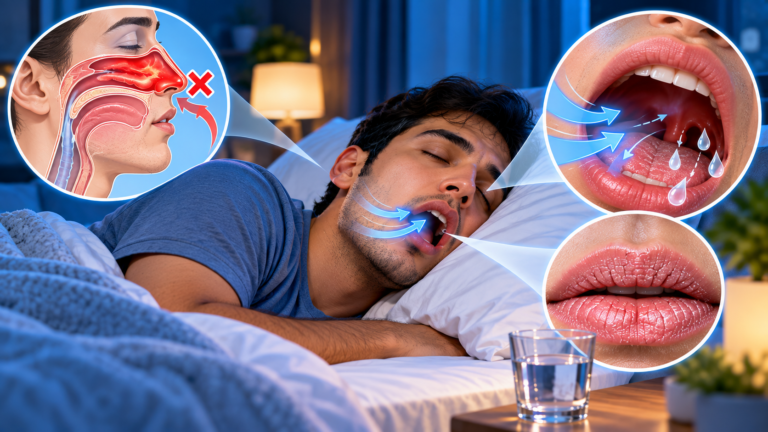
One of the most common answers to what causes a dry mouth at night is mouth breathing.
When you sleep with your mouth open, air repeatedly passes over the tissues inside your mouth. This can increase moisture loss and leave your mouth feeling dry when you wake up.
Mouth breathing may occur because of:
- Nasal congestion
- Allergies
- A cold or respiratory infection
- A blocked nose
- Structural nasal problems
- Snoring
- Certain sleep-related breathing problems
The NHS specifically lists breathing through the mouth at night as a common cause of dry mouth, particularly when someone has a blocked nose or sleeps with their mouth open.
If you regularly wake up with a dry mouth and also experience loud snoring, gasping during sleep, morning headaches, or excessive daytime sleepiness, discuss these symptoms with a healthcare professional.
2. Dehydration
Another important factor when considering what causes a dry mouth at night is dehydration.
Your body needs enough fluid to maintain normal functions, including saliva production. If you do not drink enough throughout the day, lose fluid through sweating, or experience vomiting or diarrhea, you may develop symptoms of dehydration.
Nighttime dryness may become more noticeable if dehydration is combined with mouth breathing.
Possible signs of dehydration include:
- Thirst
- Dry mouth and lips
- Dark-colored urine
- Dizziness
- Tiredness
- Urinating less frequently
The NHS notes that dehydration can cause dry mouth, lips, and eyes.
Drinking fluids regularly throughout the day can help, but persistent dryness should not simply be attributed to dehydration without considering other possible causes.
3. Medications
Medications are another major consideration when looking at what causes a dry mouth at night.
Hundreds of medicines can reduce saliva production or contribute to dry mouth. Some medicines commonly associated with this side effect include certain:
- Antidepressants
- Antihistamines
- Decongestants
- Blood pressure medicines
- Anxiety medicines
- Pain medicines
- Muscle relaxants
- Bladder-control medicines
If your symptoms started after beginning a new medicine or changing your dose, talk to your doctor or pharmacist. Do not stop a prescribed medicine on your own. Your healthcare professional can determine whether the medication may be contributing to the problem and whether a change is appropriate.
4. Nasal Congestion and Allergies
A blocked nose can make normal nasal breathing difficult. When this happens during sleep, you may naturally breathe through your mouth.
This is why nasal congestion can be part of what causes a dry mouth at night.
Common causes of nasal blockage include:
- Seasonal allergies
- Dust allergies
- Common cold
- Sinus problems
- Nasal inflammation
- Structural problems inside the nose
If your mouth becomes noticeably drier whenever your nose is blocked, improving nasal breathing may help reduce the problem.
5. Snoring and Sleep-Related Breathing Problems
Snoring can occur when airflow through the upper airway becomes restricted during sleep. People who snore may also sleep with their mouths open, which can increase oral dryness.
This makes snoring another possible explanation for what causes a dry mouth at night.
Dry mouth alone does not mean that you have a sleep disorder. However, if it occurs with loud snoring, repeated nighttime awakenings, choking or gasping during sleep, or significant daytime sleepiness, speak with a healthcare professional.
6. Diabetes and High Blood Sugar
Diabetes can be associated with dry mouth. When blood sugar is high, increased urination can contribute to fluid loss and dehydration, which may worsen oral dryness.
Therefore, diabetes may be relevant when considering what causes a dry mouth at night, particularly when dryness occurs alongside:
- Increased thirst
- Frequent urination
- Unusual tiredness
- Blurred vision
- Unexplained weight changes
Having a dry mouth does not mean that you have diabetes. Many other, more common factors can cause nighttime dryness. However, persistent symptoms combined with other changes should be discussed with a healthcare professional.
If these symptoms are persistent, your healthcare professional may recommend an HbA1c test to assess your average blood glucose levels.
7. Sjögren’s Disease
Sjögren’s disease is an autoimmune condition that can affect the glands responsible for producing moisture.
People with Sjögren’s may experience persistent dryness of the mouth and eyes. Dryness can sometimes make swallowing, speaking, eating, and maintaining oral health more difficult.
Sjögren’s disease is one possible medical explanation when investigating what causes a dry mouth at night, but dry mouth by itself is not enough to diagnose the condition.
If you experience both persistent dry mouth and unusually dry eyes, speak with a healthcare professional for an appropriate evaluation.
8. Alcohol Consumption
Alcohol can contribute to oral dryness and dehydration. Drinking alcohol in the evening may make nighttime dryness more noticeable, particularly if you are already dehydrated.
This is another lifestyle factor to consider when understanding what causes a dry mouth at night.
Limiting alcohol can be helpful for people who frequently experience dry mouth. The NHS and NIDCR both recommend limiting or avoiding alcohol when managing dry-mouth symptoms.
9. Caffeine
Coffee, tea, energy drinks, and some soft drinks contain caffeine. In some people, consuming significant amounts of caffeine may contribute to a dry-mouth sensation.
If you drink caffeinated beverages throughout the day or close to bedtime, reducing your intake may help determine whether it is contributing to your symptoms.
Caffeine is not always the main reason what causes a dry mouth at night, but it can be one contributing factor. NIDCR recommends limiting caffeinated beverages for people experiencing dry mouth.
10. Tobacco Use
Smoking and other tobacco use can contribute to oral dryness and can negatively affect overall oral health.
Tobacco is therefore another factor to consider when investigating what causes a dry mouth at night.
Stopping tobacco use can benefit your oral and general health. If you need help quitting, a healthcare professional can provide appropriate support.
11. Cancer Treatment
Cancer treatment can sometimes affect saliva production. Radiation therapy involving the head and neck can damage salivary glands, while chemotherapy may change the amount or consistency of saliva.
People receiving cancer treatment may therefore experience persistent dryness. If this occurs, discuss it with your oncology team or dentist because specialized treatments and saliva substitutes may be available.
12. Anxiety and Stress
Anxiety can sometimes be associated with dry-mouth symptoms. Stress may also change breathing patterns, which can contribute to mouth breathing.
The NHS lists anxiety among possible causes of dry mouth.
However, persistent nighttime dryness should not automatically be blamed on stress. Other potential causes should also be considered.
Common Causes of Dry Mouth at Night
| Possible Cause | How It May Contribute | Common Clues |
|---|---|---|
| Mouth breathing | Air increases moisture loss from oral tissues | Open-mouth sleeping, snoring |
| Dehydration | Reduced body fluids can contribute to dryness | Thirst, dark urine |
| Medications | Some medicines reduce saliva production | Symptoms after starting medicine |
| Nasal congestion | Encourages mouth breathing | Blocked nose, allergies |
| Diabetes | High blood sugar may increase fluid loss | Thirst, frequent urination |
| Sjögren's disease | Can affect moisture-producing glands | Dry mouth and dry eyes |
| Alcohol | Can contribute to dehydration and dryness | Symptoms after drinking |
| Caffeine | May worsen dryness in some people | Frequent coffee or tea intake |
| Tobacco | Can contribute to oral dryness | Smoking or tobacco use |
| Cancer treatment | Can affect salivary glands and saliva | History of chemotherapy or radiation |
This table can help you understand what causes a dry mouth at night, but it cannot determine the cause of an individual’s symptoms. A healthcare professional may need to evaluate persistent or unexplained dryness.
How Can You Stop Your Mouth From Drying at Night?

After identifying what causes a dry mouth at night, the next step is addressing the possible trigger.
Stay Hydrated During the Day
Drink fluids regularly rather than waiting until bedtime. Keeping water beside your bed can also be useful if you wake up feeling dry.
However, drinking excessive amounts of water immediately before sleeping may disturb your sleep because you may need to urinate more frequently.
Manage Nasal Congestion
If you have allergies or a blocked nose, treating the underlying nasal problem may help you breathe more comfortably through your nose.
Speak with a doctor or pharmacist if nasal congestion is persistent or severe.
Use a Humidifier
Dry bedroom air may make mouth and throat dryness feel worse. A humidifier can add moisture to the environment and may provide relief for some people.
NIDCR lists using a humidifier at night among measures that can help relieve dry-mouth symptoms.
Chew Sugar-Free Gum
Chewing sugar-free gum can stimulate saliva flow. Sugar-free lozenges may also help some people.
NIDCR recommends sugar-free gum or candy to stimulate saliva production.
Reduce Caffeine and Alcohol
If you regularly consume coffee, tea, energy drinks, or alcohol, reducing these beverages may help.
In particular, consider avoiding large amounts close to bedtime.
Avoid Tobacco
Smoking and tobacco use can worsen oral dryness and increase oral health risks. Avoiding tobacco can therefore be beneficial for people dealing with recurring dry mouth.
Maintain Good Oral Hygiene
Saliva protects the teeth and gums. When saliva levels are reduced, the risk of tooth decay and oral infections may increase.
To protect your mouth:
- Brush twice daily with fluoride toothpaste
- Clean between your teeth regularly
- Keep dental appointments
- Limit sugary foods and drinks
- Follow your dentist’s recommendations
- Consider an alcohol-free mouthwash if appropriate
Consider Saliva Substitutes
Artificial saliva products, gels, sprays, and lozenges may provide temporary relief for some people.
A pharmacist, dentist, or doctor can help you select an appropriate product because not every product is suitable for everyone.
Can Dry Mouth at Night Cause Dental Problems?
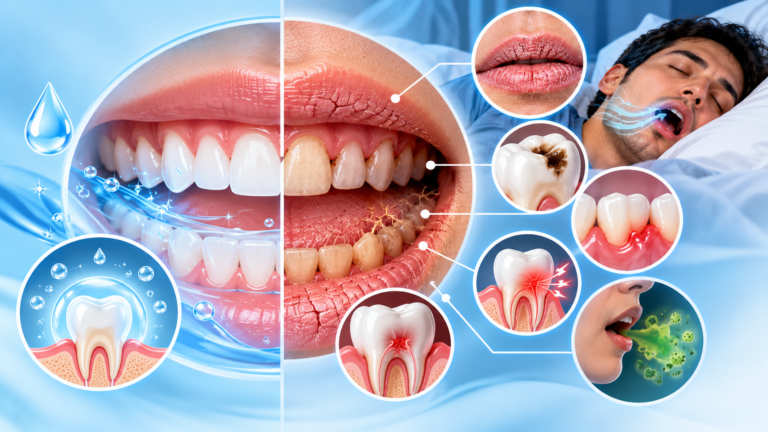
Yes. Persistent dryness can affect oral health because saliva performs several protective functions.
Saliva helps wash away food particles, supports swallowing, and helps control harmful microorganisms in the mouth. When saliva is reduced, the risk of cavities, gum problems, mouth sores, and fungal infections can increase.
This is why understanding what causes a dry mouth at night matters beyond simply making your mouth feel more comfortable.
People with persistent dryness should pay particular attention to brushing, fluoride use, dental checkups, and limiting sugary foods and drinks.
When Should You See a Doctor or Dentist?
Occasional dry mouth is common and may improve after addressing a simple trigger. However, you should consider professional advice if your symptoms continue for several weeks or interfere with normal activities.
Seek medical or dental advice if:
- Your mouth remains dry despite self-care
- Dryness makes eating difficult
- You have difficulty speaking or swallowing
- Your mouth is painful, swollen, red, or bleeding
- You develop persistent white patches
- You have recurring mouth infections
- Your sense of taste changes and does not improve
- You have persistent dry eyes
- You are unusually thirsty
- You frequently need to urinate
- You suspect a prescribed medicine is causing dryness
The NHS recommends seeing a GP when dry mouth persists despite home or pharmacy treatment, affects eating or talking, or occurs with symptoms such as dry eyes or frequent urination.
How Is Dry Mouth Diagnosed?
If you visit a doctor or dentist, they may ask about your symptoms, medical history, lifestyle habits, and medications.
They may examine your mouth for:
- Tooth decay
- Gum disease
- Mouth sores
- Oral infections
- Changes in the tongue
- Reduced saliva
Depending on your symptoms, additional tests may sometimes be required. These can include blood tests or tests that measure saliva production.
The treatment depends on what causes a dry mouth at night in your individual situation. For example, if medication is responsible, your healthcare professional may consider adjusting the medication or recommending an alternative.
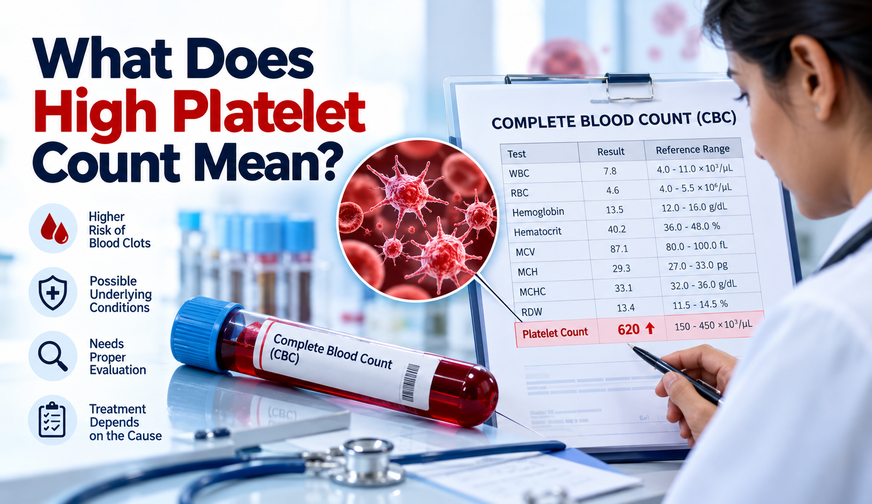
Depending on your symptoms and medical history, your doctor may recommend blood tests, such as a CBC test, along with other investigations when appropriate.
Can Vitamin Deficiency Cause Dry Mouth?
People sometimes search for nutritional deficiencies when trying to understand what causes a dry mouth at night. Dry mouth itself is not automatically a sign of a vitamin or mineral deficiency.
There are many more common explanations, including medications, dehydration, mouth breathing, diabetes, anxiety, tobacco, alcohol, and conditions affecting the salivary glands.
If dry mouth occurs alongside other symptoms that could suggest a nutritional problem, a healthcare professional can decide whether blood testing or other evaluation is appropriate.
Is Dry Mouth at Night Serious?
In many cases, nighttime dry mouth is related to manageable factors such as mouth breathing, dehydration, medications, or lifestyle habits.
However, persistent dryness should not be ignored because reduced saliva can affect oral health and may occasionally be associated with an underlying medical condition.
The seriousness depends on the underlying cause, duration, severity, and other symptoms.
Frequently Asked Questions (FAQs)
How do I stop my mouth from drying at night?
To reduce nighttime dryness, stay hydrated during the day, manage nasal congestion, use a humidifier, limit caffeine and alcohol, avoid tobacco, and consider sugar-free gum or saliva substitutes. If the problem continues, a dentist or doctor can help determine what causes a dry mouth at night in your case.
What organ failure causes dry mouth?
Dry mouth is not specific to one type of organ failure. It can occur for many reasons, including dehydration, medications, mouth breathing, diabetes, autoimmune diseases, and reduced salivary gland function. If you have persistent dryness along with other concerning symptoms, seek medical evaluation rather than assuming a particular organ problem is responsible.
When should I be concerned about a dry mouth?
You should consider seeing a doctor or dentist if dry mouth lasts for several weeks, makes eating or speaking difficult, causes mouth pain or sores, or occurs with symptoms such as frequent urination, excessive thirst, or dry eyes.
What is a dry mouth a deficiency of?
Dry mouth is not necessarily caused by a vitamin or mineral deficiency. More common causes include dehydration, medications, mouth breathing, anxiety, tobacco, alcohol, and certain medical conditions. A healthcare professional can determine whether nutritional testing is appropriate based on your other symptoms.
Can dehydration cause dry mouth at night?
Yes. Not drinking enough fluids can contribute to dryness, particularly when combined with mouth breathing, alcohol consumption, or a dry sleeping environment.
Conclusion
There are many possible explanations for what causes a dry mouth at night, ranging from simple factors such as dehydration and mouth breathing to medications, nasal congestion, diabetes, autoimmune conditions, and cancer treatment.
If your symptoms occur occasionally, improving hydration, managing nasal congestion, reducing caffeine and alcohol, avoiding tobacco, using a humidifier, and maintaining good oral hygiene may help.
If you continue to wake up with significant dryness despite these measures, consider talking with a dentist or doctor. Identifying what causes a dry mouth at night is important because treating the underlying reason can provide longer-term relief and help protect your teeth, gums, and overall oral health.