
Table of Contents
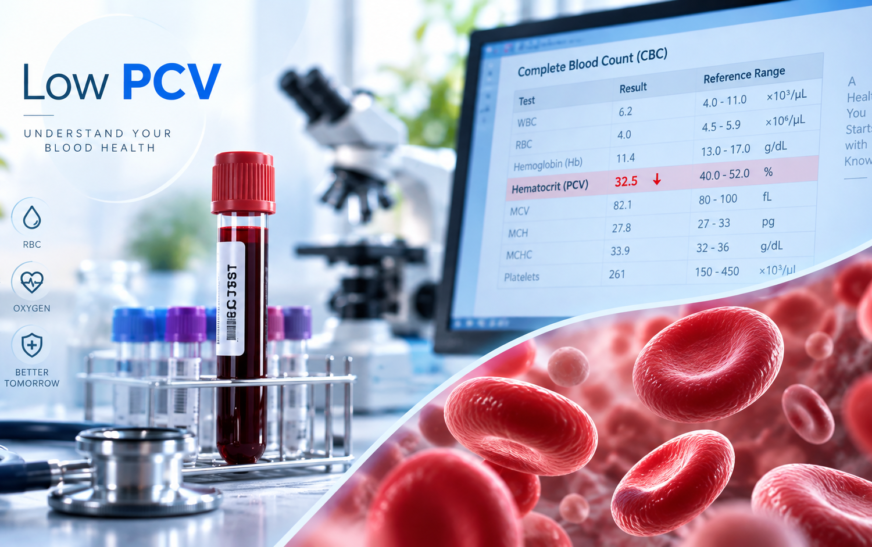
ToggleSeeing low PCV in blood report results can be confusing, especially if you are not sure what PCV means or whether a low value is dangerous. PCV stands for packed cell volume, also called hematocrit (HCT). It measures the percentage of your blood that is made up of red blood cells.
Red blood cells contain hemoglobin and carry oxygen from your lungs to tissues throughout the body. Therefore, a low PCV in blood report means that the proportion of red blood cells in your blood is lower than the expected reference range. A low PCV can occur for several reasons, including anemia, blood loss, nutritional deficiencies, or certain medical conditions. However, one abnormal result does not automatically mean that you have a serious disease. PCV is usually measured as part of a complete blood count (CBC), so looking at your CBC report along with hemoglobin, red blood cell count, and other blood measurements can provide a clearer picture of your overall blood health.
In this guide, we explain what low PCV in blood report means, possible causes, symptoms, what happens when PCV is 32%, how doctors investigate the result, treatment options, and ways to support healthy red blood cell production.
What Is PCV in a Blood Test?
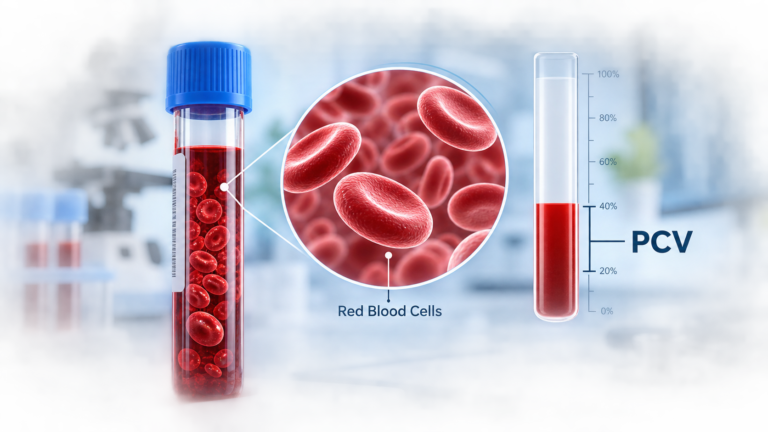
PCV, or packed cell volume, represents the percentage of your blood volume occupied by red blood cells. For example, a PCV of 40% means that approximately 40% of the blood volume consists of red blood cells.
PCV is commonly reported as part of a complete blood count (CBC). The CBC also provides information about hemoglobin, red blood cell count, white blood cells, platelets, and red blood cell indices such as MCV.
When a report shows low PCV in blood report, doctors usually interpret it alongside hemoglobin, RBC count, MCV, RDW, symptoms, medical history, and other test results.
PCV, or packed cell volume, represents the percentage of your blood volume occupied by red blood cells. It is also known as hematocrit (HCT). For a detailed explanation of how this test is performed and what different results can mean, see this hematocrit test guide from MedlinePlus.
What Does Low PCV in Blood Report Mean?
A low PCV in blood report generally means that the percentage of red blood cells is below the laboratory’s reference range.
Low PCV is often associated with anemia, a condition in which the body does not have enough healthy red blood cells to deliver adequate oxygen to tissues. Anemia can develop for many reasons, including blood loss, iron deficiency, vitamin deficiencies, chronic diseases, kidney disease, problems with red blood cell production, or increased destruction of red blood cells.
It is important to remember that the definition of a low result depends on the laboratory, age, sex, pregnancy status, altitude, and other factors. Your own laboratory’s reference range should therefore be considered when interpreting the result.
Low PCV vs Hematocrit
PCV and hematocrit are generally used to describe the same measurement. You may see:
- PCV
- HCT
- Hematocrit
- Packed cell volume
So, if your report says HCT is low, it is essentially reporting the same type of measurement as PCV.
What Are Normal PCV Levels?
There is no single normal value that applies to everyone. Reference ranges can differ slightly between laboratories.
For example, the NHLBI lists adult hematocrit ranges of approximately 41%–50% for men and 36%–44% for women, while other laboratories may use somewhat different ranges.
| Group | Example hematocrit/PCV range* |
|---|---|
| Adult men | Around 41%–50% |
| Adult women | Around 36%–44% |
| Newborns | Around 45%–61% |
| Infants | Around 32%–42% |
Reference ranges vary by laboratory, age, pregnancy status, altitude, and other factors. Always compare your result with the range printed on your report.
A result slightly below the laboratory range does not necessarily mean that you have a serious medical problem. Doctors look at the complete blood picture rather than interpreting PCV alone.
What Causes Low PCV in Blood Report?
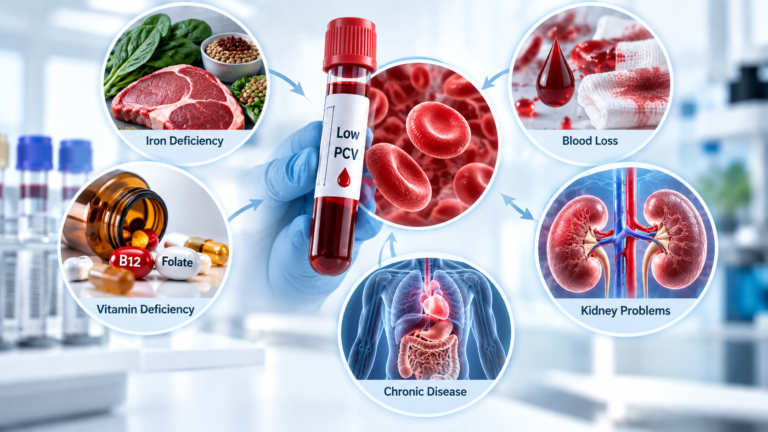
There are several possible explanations for low PCV in blood report results. The cause can range from a nutritional deficiency to blood loss or an underlying medical condition.
1. Iron Deficiency
Iron is required to make hemoglobin and healthy red blood cells. When the body does not have enough iron, iron-deficiency anemia can develop.
Possible causes include:
- Not getting enough iron from food
- Increased iron requirements
- Heavy menstrual bleeding
- Blood loss from the digestive tract
- Problems absorbing iron
Iron deficiency is one of the most common causes of anemia.
2. Vitamin B12 or Folate Deficiency
Vitamin B12 and folate are important for normal red blood cell production. A deficiency can interfere with the formation of healthy blood cells and may contribute to anemia.
Dietary intake, absorption problems, certain medications, and underlying medical conditions can influence these vitamin levels.
3. Blood Loss
Blood loss can lower red blood cell levels and may result in a low PCV in blood report.
Blood loss can be obvious, such as bleeding after an injury or surgery. It can also happen slowly and may not be immediately noticeable. Heavy menstrual bleeding and bleeding in the digestive tract are examples of possible causes.
4. Chronic Kidney Disease
The kidneys play an important role in stimulating red blood cell production. Chronic kidney disease can contribute to anemia because damaged kidneys may produce less erythropoietin, a hormone involved in red blood cell production.
Doctors may also evaluate normal creatinine levels and other kidney function markers when kidney disease is suspected as a contributor to anemia.
5. Chronic Diseases and Inflammation
Long-term conditions such as chronic infections, inflammatory diseases, autoimmune disorders, and some cancers can affect red blood cell production.
In these situations, the treatment focuses on the underlying condition rather than simply trying to increase PCV.
6. Pregnancy
A low PCV in blood report can sometimes occur during pregnancy because blood plasma increases substantially. This can lower the percentage of blood occupied by red blood cells, even though the total blood volume has increased.
Pregnancy-related anemia can also result from increased requirements for iron and other nutrients, so healthcare professionals may monitor CBC and iron-related tests during pregnancy.
7. Problems With Red Blood Cell Production
Bone marrow disorders, certain cancers, infections, nutritional deficiencies, and some medications or treatments can interfere with the body’s ability to produce red blood cells.
8. Destruction of Red Blood Cells
In some conditions, red blood cells are destroyed faster than the body can replace them. This is known as hemolysis and can contribute to anemia and a low PCV in blood report.
Symptoms of Low PCV

The symptoms associated with low PCV in blood report depend largely on the underlying cause and how quickly the red blood cell level has changed.
Mild or slowly developing anemia may cause few noticeable symptoms. When symptoms occur, they may include:
- Tiredness or weakness
- Shortness of breath
- Dizziness or lightheadedness
- Headaches
- Reduced exercise tolerance
- Pale skin
- Fast or pounding heartbeat
- Difficulty concentrating
More significant anemia can cause more noticeable symptoms because the body’s tissues may receive less oxygen.
If symptoms such as severe shortness of breath, chest pain, fainting, significant bleeding, confusion, or a very rapid heartbeat occur, seek urgent medical attention.
What Happens if PCV Is 32?
Many people search for low PCV in blood report because their result is around 32%. A PCV of 32% means that approximately 32% of the measured blood volume consists of red blood cells.
Whether 32% is considered mildly or significantly low depends on the person’s age, sex, pregnancy status, laboratory reference range, symptoms, and other CBC results.
For many adults, 32% is below commonly used adult reference ranges. However, the number itself does not identify the cause. A doctor may look at hemoglobin, RBC count, MCV, MCH,
RDW, reticulocyte count, iron studies, vitamin levels, kidney function, and other information.
Therefore, a PCV of 32% should be interpreted in context rather than treated as a diagnosis by itself.
How Is Low PCV Diagnosed?
If a low PCV in blood report is detected, your healthcare professional may review your complete CBC and medical history.
Tests that may be considered include:
Complete Blood Count
The CBC provides information about:
- Hemoglobin
- Hematocrit/PCV
- RBC count
- MCV
- MCH
- MCHC
- RDW
- White blood cells
- Platelets
These values can provide clues about the type of anemia present.
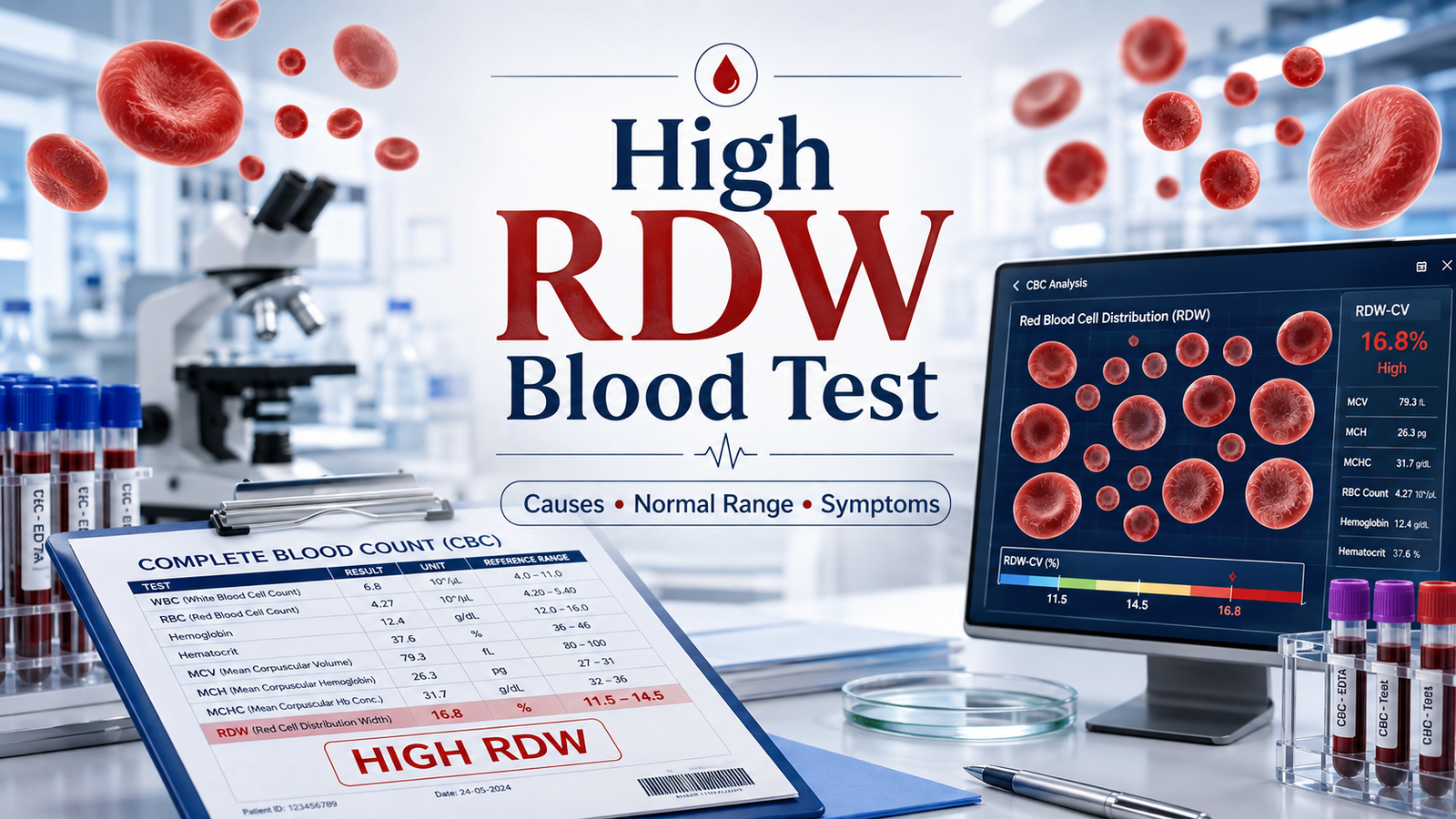
Other RBC indices, including MCV and high RDW blood test results, can provide additional clues about the type and possible cause of anemia.
Iron Tests
Depending on the situation, doctors may order tests such as ferritin, serum iron, total iron-binding capacity, and transferrin saturation.
Vitamin Tests
Vitamin B12 and folate testing may be appropriate when nutritional deficiency is suspected.
Reticulocyte Count
A reticulocyte count can help determine whether the bone marrow is responding appropriately by producing new red blood cells.
Additional Tests
Depending on symptoms and medical history, further tests may be needed to investigate blood loss, kidney disease, inflammation, gastrointestinal problems, or other conditions.
How Do You Increase PCV Levels?

If you have low PCV in blood report, the best way to increase it is to identify and treat the underlying cause.
Eat Nutrient-Rich Foods
A balanced diet can support healthy red blood cell production. Foods containing iron include:
- Lean meat
- Beans and lentils
- Spinach and other leafy greens
- Fortified cereals
- Nuts and seeds
Vitamin B12 sources include meat, fish, eggs, and dairy products, while folate is found in foods such as leafy green vegetables, beans, peas, and fortified foods.
However, diet alone may not correct every cause of anemia.
Take Supplements Only When Needed
Doctors may recommend iron, vitamin B12, or folate supplements when testing confirms or strongly suggests a deficiency.
Taking iron without confirming iron deficiency is not always appropriate. Excess iron can cause harm, so supplementation should be guided by a healthcare professional.
Treat the Underlying Cause
If the low PCV in blood report is related to heavy bleeding, kidney disease, chronic inflammation, medication effects, or another condition, treating that problem may be essential for improving the blood count.
Follow Up With Repeat Testing
Your healthcare professional may recommend another CBC after treatment or at an appropriate interval. This helps determine whether PCV and other blood values are improving.
How Is Low PCV Treated?
Treatment for low PCV in blood report depends on why the PCV is low and how severe the anemia is.
For example:
- Iron deficiency may be treated with iron replacement and management of the source of iron loss.
- Vitamin B12 deficiency may require oral supplements or injections depending on the cause.
- Folate deficiency may require folic acid supplementation.
- Kidney-related anemia may require specific medical treatment.
- Significant blood loss requires identification and control of the bleeding.
- Severe anemia in certain situations may require a blood transfusion.
According to the NHLBI, anemia treatment depends on its cause and severity. Blood transfusion may be used when clinically necessary, while medications or supplements may be appropriate for specific types of anemia.
This is why simply trying to increase PCV without finding the cause is not always the right approach.
When Should You See a Doctor?
If your blood test shows low PCV in blood report, discuss the result with your healthcare professional, especially if you have symptoms.
Medical evaluation is particularly important when you have:
- Persistent fatigue
- Shortness of breath
- Dizziness or fainting
- Unexplained weight loss
- Heavy menstrual bleeding
- Blood in stool or vomit
- Persistent abdominal symptoms
- Chest discomfort
- A history of kidney disease
- Repeatedly abnormal CBC results
A doctor can determine whether the result is temporary, related to a nutritional deficiency, or associated with another health condition.
Frequently Asked Questions (FAQs)
What happens if PCV is low?
A low PCV in blood report may mean that the proportion of red blood cells in your blood is below the expected range. It is commonly associated with anemia, but the cause can vary. Your healthcare professional may evaluate hemoglobin, RBC count, MCV, iron, vitamin levels, and other results.
How do I increase my PCV level?
To improve a low PCV in blood report, the underlying cause needs to be identified. Eating a balanced diet with adequate iron, vitamin B12, and folate can support blood health, but supplements should be used when medically appropriate.
How is low PCV treated?
Treatment for low PCV in blood report depends on its cause. Iron or vitamin replacement may help when a deficiency is present, while blood loss, kidney disease, chronic illness, or other underlying problems may require specific treatment.
What happens if PCV is 32?
A PCV of 32% means approximately 32% of the blood volume is red blood cells. In many adults, this is below the usual reference range, but the significance depends on age, sex, pregnancy, laboratory range, symptoms, and other CBC results.
Is a low PCV always anemia?
Not necessarily. A low PCV in blood report can be associated with anemia, but doctors need to interpret the result with the rest of the CBC and clinical information. Pregnancy and changes in blood plasma can also affect hematocrit.
Conclusion
A low PCV in blood report is a finding, not a diagnosis. PCV measures the percentage of blood made up of red blood cells, and a low result is commonly associated with anemia. Possible causes include iron deficiency, vitamin deficiencies, blood loss, pregnancy, chronic kidney disease, chronic inflammation, bone marrow problems, and increased destruction of red blood cells.
If you have low PCV in blood report, don’t rely on the PCV number alone. Look at the complete CBC and discuss the result with a healthcare professional. Identifying the underlying cause is the most important step because treatment should be directed at that cause.