
Table of Contents
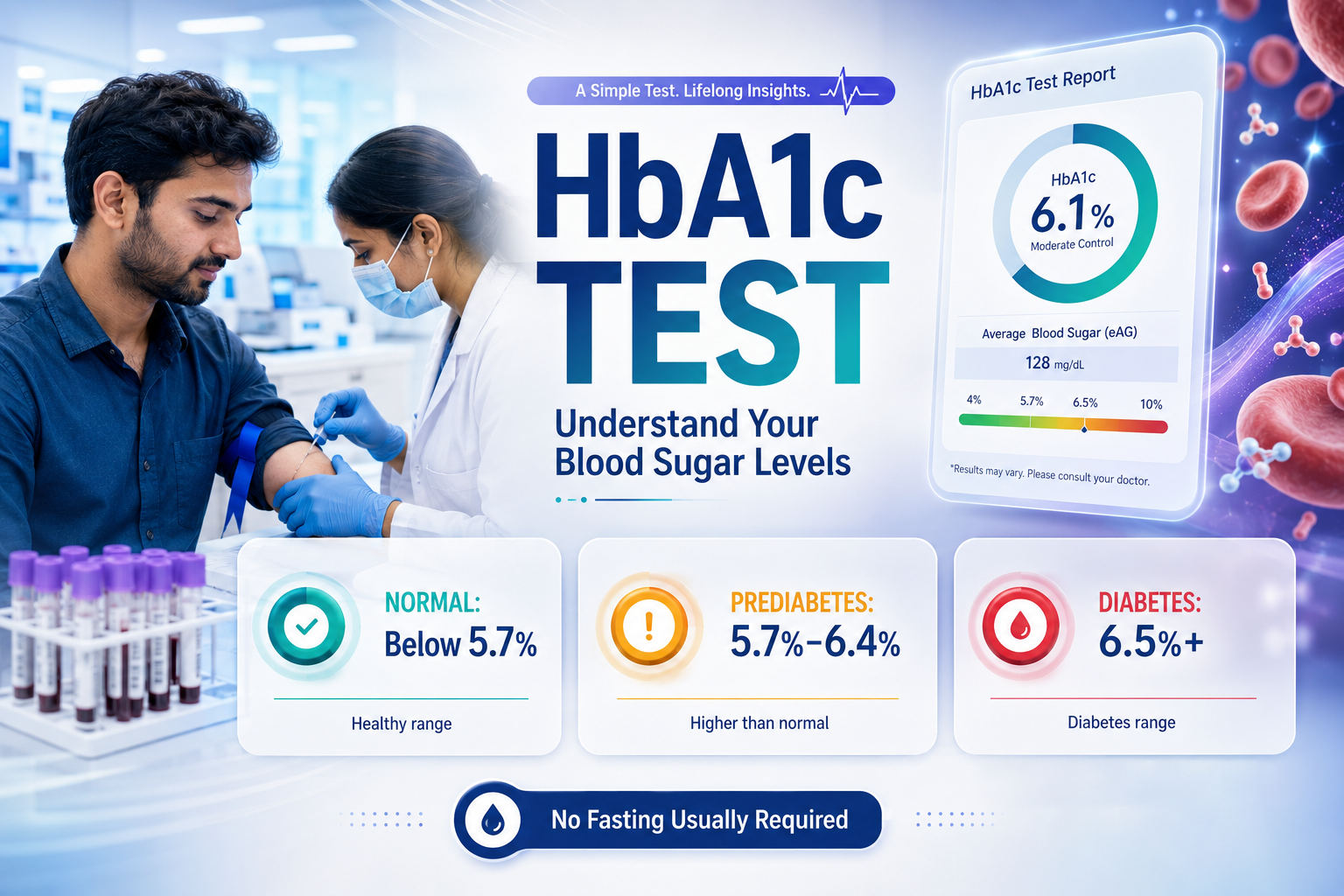
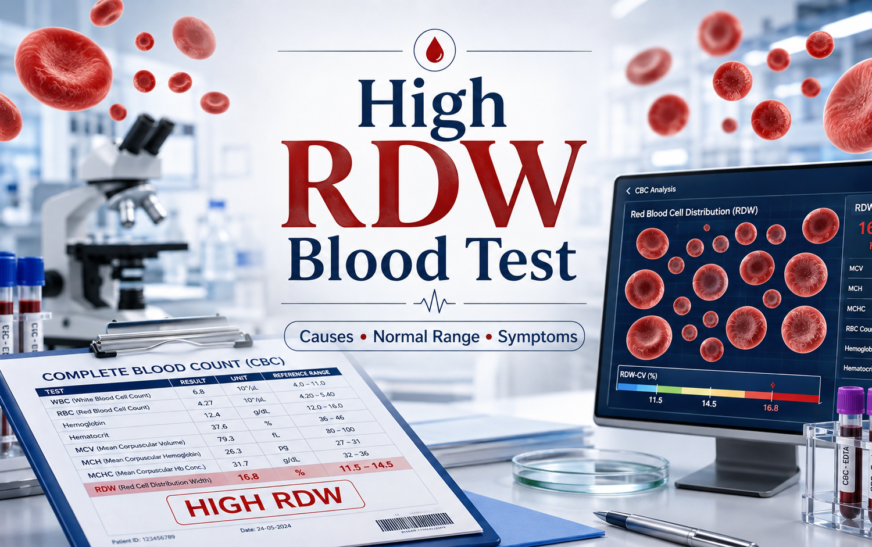
ToggleHave you recently received a high RDW blood test result and are wondering what it means? RDW, or red cell distribution width, is a measurement included in a complete blood count (CBC) that shows how much your red blood cells vary in size. An elevated result can be associated with iron deficiency, vitamin B12 or folate deficiency, blood loss, anemia and several other health conditions. Understanding your blood test results can also help you monitor your overall health. Read our guide on HbA1c Test Explained to learn how another important blood test is used to assess blood sugar levels.
A high RDW blood test does not necessarily mean that you have a serious illness. Doctors usually evaluate RDW together with other blood count values, especially MCV and hemoglobin, to understand the possible reason for the abnormal result. In this guide, we explain the RDW normal range, common causes, symptoms, the connection between RDW and MCV, treatment options and when you should speak with a healthcare professional.
What Is a High RDW Blood Test?
A high RDW blood test means that your red blood cells have more variation in size than expected.
RDW stands for Red Cell Distribution Width. It is one of the red blood cell indices measured as part of a CBC. While healthy red blood cells are generally similar in size, differences can occur when the body produces cells of different sizes.
RDW is usually reported as a percentage. A higher percentage means there is greater variation in red blood cell size. However, the result should not be interpreted on its own.
For a detailed explanation of RDW testing, results and what different values may mean, see MedlinePlus RDW Blood Test Guide.
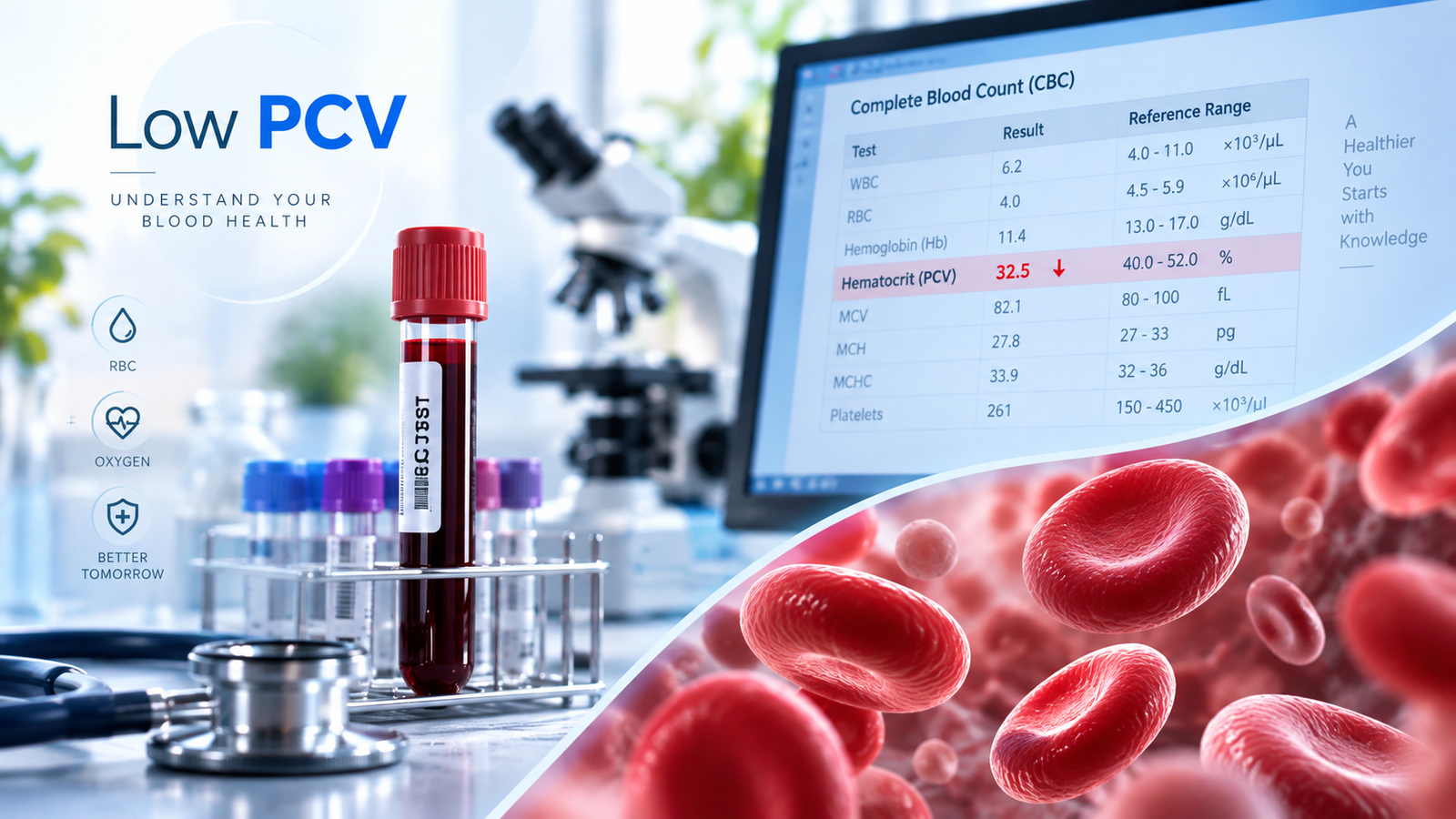
Healthcare professionals generally consider RDW together with other CBC measurements, including:
- Hemoglobin
- MCV
- MCH
- MCHC
- RBC count
- Ferritin
- Iron studies
- Vitamin B12
- Folate
According to MedlinePlus, RDW is used along with other red blood cell indices when evaluating conditions such as anemia.
What Does a High RDW Blood Test Mean?
The meaning of a high RDW blood test depends on your other blood test results and overall health.
An elevated RDW indicates greater variation in the size of your red blood cells. This may happen when your body is producing new red blood cells that differ in size from older cells.
Some common high RDW causes include:
- Iron deficiency
- Vitamin B12 deficiency
- Folate deficiency
- Blood loss
- Certain types of anemia
- Liver disease
- Kidney disease
- Chronic health conditions
- Some cancers
An abnormal RDW does not identify the exact cause by itself. Your healthcare provider may need additional blood tests to determine why the result is elevated.
RDW Normal Range
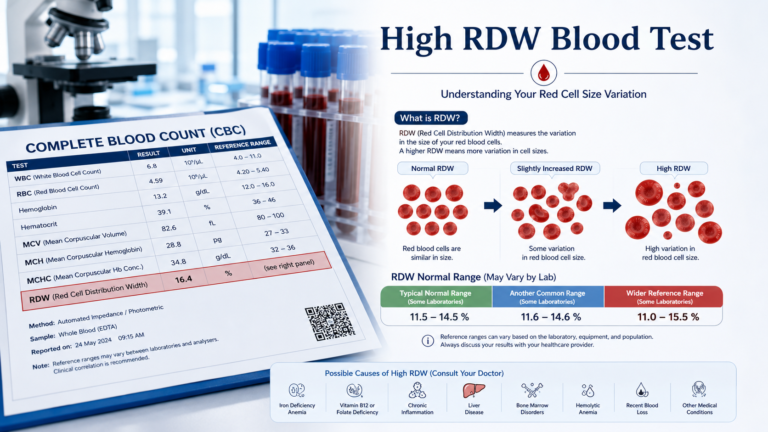
The RDW normal range can vary between laboratories because different laboratories may use different testing methods and reference ranges.
A commonly used adult range is approximately 12% to 15%, although the exact reference range depends on the laboratory. Cleveland Clinic notes that an RDW of 15% or higher may be considered elevated within its reference framework.
For this reason, always compare your result with the reference range printed on your own laboratory report.
RDW Blood Test Range
| RDW Result | General Meaning | Possible Interpretation |
|---|---|---|
| Within laboratory range | Red blood cells have relatively similar sizes | Usually considered within range |
| Slightly elevated | Greater variation in RBC size | May occur with early deficiency or other changes |
| Elevated | Significant variation in RBC size | Can occur with anemia or nutritional deficiencies |
| Low | RBCs are relatively similar in size | Usually not concerning by itself |
A high RDW blood test should therefore be interpreted according to your laboratory’s reference range rather than a number found on a general health website.
Common Causes of High RDW Blood Test
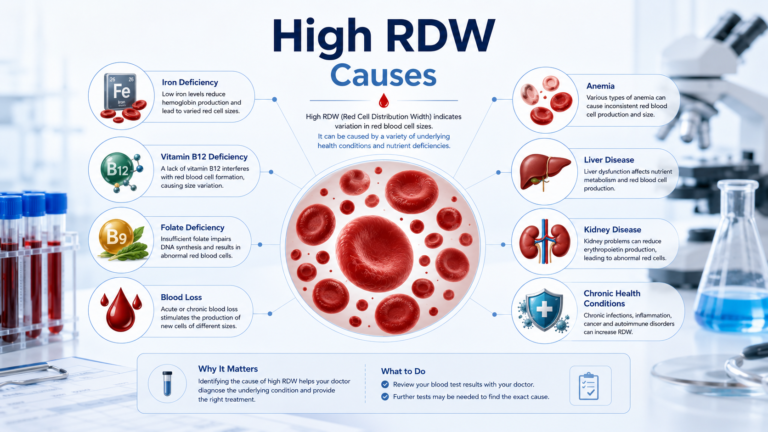
There are several possible high RDW causes. Some are common nutritional problems, while others may require further medical evaluation.
1. Iron Deficiency
Iron deficiency is one of the important causes considered when a high RDW blood test is found.
Iron is needed to produce hemoglobin and healthy red blood cells. When the body does not have enough iron, newly produced red blood cells may differ in size from older cells.
If iron deficiency becomes severe, it can lead to iron-deficiency anemia. You can also learn more about maintaining good health through our guide on Preventive Healthcare: Small Lifestyle Changes.
Possible symptoms include:
- Fatigue
- Weakness
- Dizziness
- Pale skin
- Headaches
- Shortness of breath
- Reduced exercise tolerance
If RDW is elevated together with low MCV or low hemoglobin, a healthcare professional may recommend ferritin and iron studies.
2. Vitamin B12 Deficiency
Vitamin B12 is essential for normal red blood cell production.
A deficiency can affect the development of red blood cells and may contribute to abnormal RBC indices. Some people with vitamin B12 deficiency may experience fatigue, weakness, numbness or tingling.
When a high RDW blood test occurs with a high MCV, vitamin B12 deficiency may be one of the possible causes considered by a healthcare professional.
3. Folate Deficiency
Folate, also known as vitamin B9, is important for cell division and red blood cell production.
Low folate levels can affect red blood cell development and contribute to anemia. In some cases, this can be associated with an elevated RDW and increased MCV.
A doctor may recommend folate testing if nutritional deficiency is suspected.
4. Blood Loss
Blood loss is another possible reason for abnormal red blood cell indices.
Blood loss may occur because of:
- Heavy menstrual bleeding
- Injury
- Surgery
- Gastrointestinal bleeding
- Other sources of internal bleeding
Repeated blood loss can reduce iron stores and eventually contribute to anemia.
If you have a high RDW blood test together with low hemoglobin, your doctor may investigate whether blood loss or iron deficiency is contributing to the result.
5. Liver Disease
Liver disease can affect red blood cell characteristics and may be associated with abnormal RDW values.
If RDW is elevated along with abnormal liver function tests, your healthcare provider may investigate whether liver disease is contributing to the changes.
However, RDW by itself cannot diagnose liver disease.
6. Kidney Disease
The kidneys play an important role in red blood cell production. Chronic kidney disease can contribute to anemia and changes in blood cell measurements.
In this situation, an abnormal RDW may be one part of a larger pattern of blood test abnormalities.
Kidney function tests may be recommended if your doctor suspects kidney-related anemia.
7. Chronic Health Conditions
Certain chronic diseases and inflammatory conditions can affect red blood cell production.
These may include:
- Chronic infections
- Inflammatory conditions
- Kidney disease
- Liver disease
- Other long-term illnesses
A high RDW blood test in someone with a chronic condition does not necessarily mean that the condition has become worse. Other laboratory values and clinical findings are needed for proper interpretation.
8. Cancer
Some cancers have been associated with elevated RDW, including colorectal cancer. However, having a high RDW blood test does not mean that you have cancer.
RDW is not a cancer screening test and cannot diagnose cancer.
If a person has persistent abnormal blood results, unexplained symptoms or other concerning findings, a healthcare professional may recommend additional testing.
High RDW and MCV: Why Are They Compared?
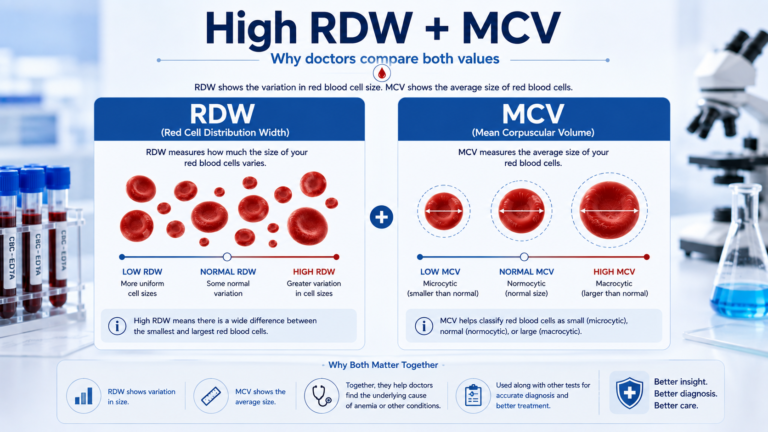
Doctors often evaluate high RDW and MCV together because the two measurements provide different information.
MCV, or mean corpuscular volume, measures the average size of red blood cells.
RDW, on the other hand, measures how much the sizes of individual red blood cells vary.
In simple terms:
- RDW: How different are the red blood cells in size?
- MCV: What is the average size of the red blood cells?
Looking at both values can provide more useful information when investigating anemia and other blood abnormalities.
High RDW and MCV Table
| RDW | MCV | Possible Pattern |
|---|---|---|
| High | Low | May occur with iron deficiency and some microcytic anemias |
| Normal | High | May occur in early deficiency or mixed conditions |
| High | High | May occur with vitamin B12 or folate deficiency |
| Normal | Low | Can occur in some thalassemia patterns |
| Normal | Normal | Does not rule out anemia |
This table is only a general guide. A doctor may need additional tests, such as ferritin, iron studies, vitamin B12 or folate testing, to identify the underlying cause.
Symptoms Associated With High RDW Blood Test
The RDW value itself usually does not cause symptoms. Instead, symptoms are generally caused by the condition responsible for the abnormal blood results.
Possible high RDW symptoms include:
- Fatigue
- Weakness
- Dizziness
- Headache
- Pale skin
- Shortness of breath
- Fast heartbeat
- Cold hands and feet
- Reduced exercise tolerance
Some people have no symptoms and discover an abnormal RDW during a routine CBC.
For example, someone with iron deficiency may feel tired or weak, while another person with a mild abnormal result may feel completely normal.
Regular health checks are especially useful for people monitoring long-term health conditions. You can also read What Is Diabetes? to understand the basics of diabetes and its health effects.
How Is a High RDW Blood Test Evaluated?
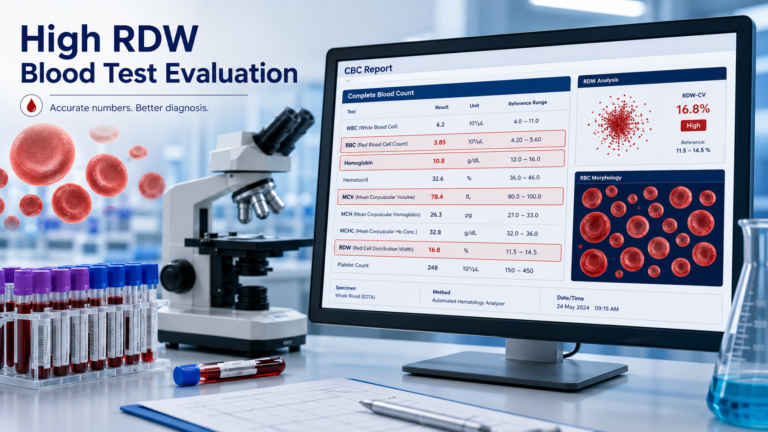
If your RDW is above the laboratory’s reference range, your healthcare provider will usually review the rest of your CBC.
Hemoglobin
Hemoglobin carries oxygen throughout the body. A low level may indicate anemia.
MCV
MCV measures the average size of red blood cells and can help classify different patterns of anemia.
MCH
MCH measures the average amount of hemoglobin in each red blood cell.
MCHC
MCHC measures the concentration of hemoglobin inside red blood cells.
RBC Count
The RBC count measures the number of red blood cells in your blood.
Depending on your symptoms and results, your doctor may also recommend:
- Ferritin
- Iron studies
- Vitamin B12 testing
- Folate testing
- Kidney function tests
- Liver function tests
- Peripheral blood smear
This broader evaluation helps determine whether the abnormal result is related to nutritional deficiency, anemia, blood loss or another condition.
How to Fix a High RDW Blood Test?
There is no single medicine that directly lowers RDW. If you have a high RDW blood test, treatment depends on the underlying cause.
Iron Deficiency
If testing confirms iron deficiency, your healthcare professional may recommend iron replacement and investigate why your iron levels are low.
Vitamin B12 Deficiency
If vitamin B12 deficiency is responsible, appropriate supplementation or treatment may be recommended.
Folate Deficiency
Folate deficiency may be treated through dietary changes or supplements under medical guidance.
Blood Loss
If ongoing bleeding is responsible, the source of the bleeding needs to be identified and treated.
Chronic Disease
If another health condition is contributing to the abnormal result, treating that underlying condition may help improve blood abnormalities.
Do not start iron or vitamin supplements simply because your RDW is elevated. Testing should confirm a deficiency before supplementation is started.
Is a High RDW Blood Test Dangerous?
A high RDW blood test is not necessarily dangerous by itself.
RDW is a laboratory measurement rather than a disease. Its significance depends on several factors, including:
- How high the result is
- Hemoglobin level
- MCV level
- Other CBC values
- Your symptoms
- Your medical history
For example, a mildly elevated RDW with otherwise normal CBC results may have a different significance from an elevated RDW combined with significant anemia.
This is why doctors generally interpret the complete blood report rather than focusing on one number.
When Should You See a Doctor?
You should discuss an abnormal RDW result with a healthcare professional if:
- Your RDW remains elevated
- Your hemoglobin is low
- Other CBC values are abnormal
- You have persistent fatigue
- You experience unexplained weakness
- You have frequent dizziness
- You have unexplained bleeding
- You experience shortness of breath
Seek prompt medical attention if you experience severe symptoms such as chest pain, fainting, significant difficulty breathing or a very fast or irregular heartbeat.
Frequently Asked Questions (FAQs)
What is the most common cause of high RDW?
Iron deficiency is one of the common causes of an elevated RDW, especially when it leads to iron-deficiency anemia. Vitamin B12 deficiency, folate deficiency, blood loss and other conditions can also affect RDW.
What cancers are linked to high RDW?
Higher RDW values have been associated with some cancers, including colorectal cancer. However, RDW cannot diagnose cancer. A high RDW blood test result does not mean that a person has cancer.
Does a high RDW indicate leukemia?
No. A high RDW blood test does not indicate leukemia by itself. RDW measures variation in red blood cell size and cannot diagnose leukemia. If a blood disorder is suspected, doctors may use CBC findings, symptoms and additional diagnostic tests.
How to fix a high RDW?
The appropriate way to address an elevated RDW is to identify and treat its underlying cause. Treatment may involve correcting iron, vitamin B12 or folate deficiency, addressing blood loss or managing another health condition.
Is high RDW always a sign of anemia?
No. A high RDW blood test does not always mean that you have anemia. Doctors consider RDW alongside hemoglobin, MCV and other CBC measurements before determining whether anemia is present.
What does high RDW with low MCV mean?
High RDW with low MCV may occur with iron deficiency and some other microcytic anemias. Additional testing, particularly ferritin and iron studies, may help determine the cause.
What does high RDW with normal MCV mean?
A high RDW blood test with normal MCV means that the average red blood cell size is within the expected range, but individual cells vary more in size. This can occur in early or mixed conditions.
Should I worry about a high RDW blood test?
Not necessarily. An elevated RDW is a finding rather than a diagnosis. Your doctor will consider the RDW result together with other CBC values, symptoms and medical history.
Can vitamin deficiency cause high RDW?
Yes. Vitamin B12 and folate deficiencies can affect red blood cell production and may contribute to elevated RDW.
Conclusion
A high RDW blood test means that your red blood cells have more variation in size than expected. Iron deficiency, vitamin B12 or folate deficiency, blood loss, anemia and some chronic health conditions can contribute to an elevated result.
The important thing to remember is that RDW should not be interpreted on its own. Looking at RDW together with MCV, hemoglobin, RBC count and other laboratory results can help provide a clearer picture of what may be causing the abnormal result.
If your blood report shows elevated RDW, don’t panic or start supplements without medical advice. Speak with a healthcare professional who can determine whether additional tests are needed and recommend treatment based on the underlying cause.