
Unexplained weight gain. Constant tiredness. Hair falling out in handfuls. Feeling cold when everyone around you is warm. These are symptoms that millions of women in India experience every day — and in many cases, the cause is the thyroid gland.
Thyroid problems are significantly more common in women than in men. Yet because the symptoms are gradual and easy to dismiss as stress or lifestyle issues, many women go years without a diagnosis.
In this article, MedExplainHub explains thyroid problems in women — what the thyroid does, the types of thyroid disorders, their symptoms, causes, and how they are treated.
Table of Contents
ToggleWhat Is the Thyroid Gland?
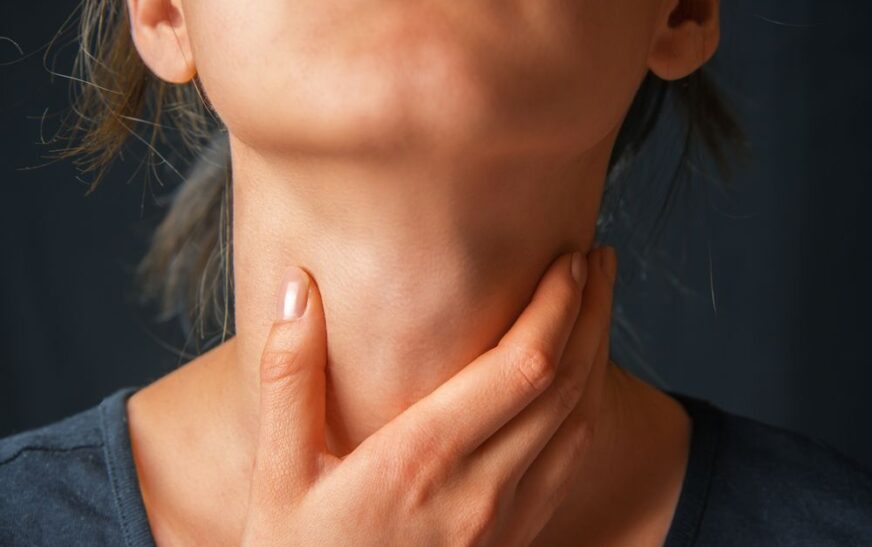
The thyroid is a small, butterfly-shaped gland located at the front of your neck. Despite its small size, it controls an enormous amount of what happens in your body by producing thyroid hormones — primarily T3 (triiodothyronine) and T4 (thyroxine).
These hormones regulate your body’s metabolism — the speed at which your cells produce energy. They influence your weight, energy levels, heart rate, body temperature, mood, menstrual cycle, and even your hair and skin health.
When the thyroid produces too little or too much hormone, the effects are felt throughout the entire body.
Types of Thyroid Problems
Hypothyroidism (Underactive Thyroid)
This is the most common thyroid disorder in women. The thyroid does not produce enough hormone, causing the body’s functions to slow down. In India, the most common cause is Hashimoto’s thyroiditis — an autoimmune condition where the immune system attacks the thyroid gland.
Hyperthyroidism (Overactive Thyroid)
Here, the thyroid produces too much hormone, speeding up body functions. The most common cause is Graves’ disease, also an autoimmune condition.
Thyroid Nodules and Goitre
Sometimes the thyroid develops lumps (nodules) or becomes enlarged (goitre). Most nodules are non-cancerous, but a doctor should always evaluate them.
Thyroid Cancer
Rare but more common in women than men. Usually detected as a lump in the neck and is highly treatable when caught early.
Symptoms of Hypothyroidism in Women
Because the body is slowing down, most symptoms reflect low energy and reduced function:
- Persistent fatigue and weakness — even after sleeping well
- Unexplained weight gain despite no change in diet
- Feeling cold all the time, especially in the hands and feet
- Dry skin and brittle nails
- Hair thinning or excessive hair fall
- Constipation
- Depression, low mood, or brain fog
- Irregular or heavy periods
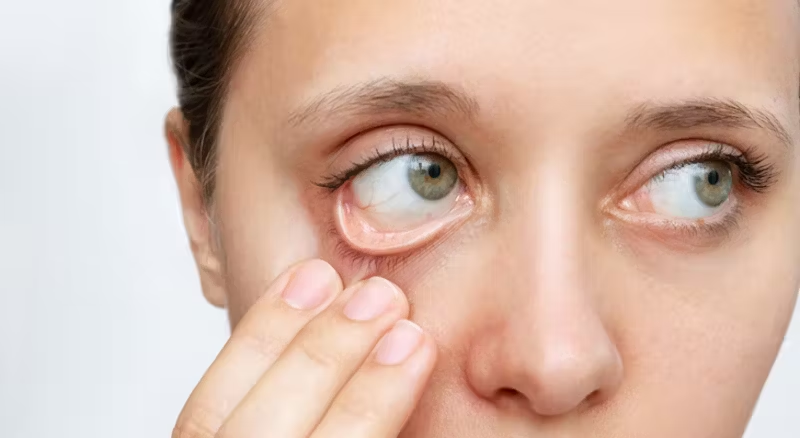
- Swelling in the face, especially around the eyes
- Slow heart rate
Constant tiredness even after sleep is a common thyroid sign
Symptoms of Hyperthyroidism in Women
Because the body is speeding up, symptoms reflect excess activity:
- Unexplained weight loss despite normal or increased appetite
- Rapid or irregular heartbeat (palpitations)
- Excessive sweating and feeling hot all the time
- Anxiety, nervousness, or irritability
- Trembling hands
- Difficulty sleeping
- Frequent bowel movements
- Irregular or missed periods
- Bulging eyes (in Graves’ disease)
Why Are Women More Affected?
Women are 5 to 8 times more likely than men to develop a thyroid disorder. This is largely due to hormonal factors. Oestrogen and thyroid hormones are closely linked, and thyroid problems in women often surface or worsen during key hormonal transitions:
- Puberty — when periods begin
- Pregnancy — thyroid demand increases significantly
- Postpartum period — postpartum thyroiditis affects some women after delivery
- Perimenopause and menopause — hormonal shifts can trigger or worsen thyroid dysfunction
Women with other autoimmune conditions — such as PCOS, rheumatoid arthritis, or type 1 diabetes — also have a higher risk.
PCOS and thyroid problems often occur together in women
How Is Thyroid Disease Diagnosed?
Thyroid disorders are diagnosed through a simple blood test. The key tests are:
Test | What It Measures |
TSH (Thyroid Stimulating Hormone) | The most important screening test. High TSH = hypothyroidism. Low TSH = hyperthyroidism. |
T3 and T4 | The actual thyroid hormones. Checked alongside TSH for a complete picture. |
Anti-TPO antibodies | Detects autoimmune thyroid disease (Hashimoto’s or Graves’) |
Thyroid ultrasound | Checks for nodules, goitre, or structural changes |
Normal TSH range: approximately 0.4 to 4.0 mIU/L (this may vary slightly between laboratories).
Women who are pregnant, planning pregnancy, or experiencing menstrual irregularities should ask their doctor about thyroid testing — it is often missed during routine check-ups.
Treatment of Thyroid Problems in Women
Hypothyroidism Treatment
The standard treatment is a daily oral medication called levothyroxine, a synthetic form of the T4 hormone. It is taken on an empty stomach, usually first thing in the morning.
With the correct dose, most women see significant improvement in symptoms within 4 to 8 weeks. TSH levels are monitored with blood tests every 6 to 12 months to ensure the dose remains correct.
Hypothyroidism is a lifelong condition for most people — medication must be continued even after symptoms improve.
Hyperthyroidism Treatment
Options include:
- Anti-thyroid medications — such as carbimazole or methimazole, which reduce hormone production
- Radioactive iodine therapy — shrinks the overactive thyroid gland
- Surgery — removal of part or all of the thyroid, if other treatments are not suitable
- Beta-blockers — used short-term to control rapid heartbeat and anxiety, while other treatments take effect
Thyroid Nodules
Most nodules require only monitoring with regular ultrasounds. If a nodule is large, symptomatic, or suspicious, a biopsy or surgery may be recommended.
Lifestyle Tips for Thyroid Health
While medication is the primary treatment, certain habits support thyroid function:
- Eat iodine-rich foods — iodised salt, dairy, eggs, and fish provide iodine, which is essential for thyroid hormone production
- Limit raw cruciferous vegetables in large amounts — cabbage, broccoli, and cauliflower contain compounds that can mildly interfere with thyroid function when eaten raw in very large quantities; cooking neutralises this
- Check selenium intake — selenium supports thyroid function; found in nuts (especially Brazil nuts), fish, and eggs
- Manage stress — chronic stress worsens autoimmune thyroid conditions
- Take medication correctly — levothyroxine should be taken 30 to 60 minutes before food, away from calcium, iron supplements, and antacids, which reduce its absorption
Summary
- The thyroid gland controls metabolism, energy, mood, weight, and the menstrual cycle
- Women are far more likely than men to develop thyroid problems
- Hypothyroidism (underactive thyroid) causes fatigue, weight gain, hair loss, and depression
- Hyperthyroidism (overactive thyroid) causes weight loss, anxiety, palpitations, and heat intolerance
- Diagnosis is through a TSH blood test — simple and widely available
- Hypothyroidism is treated with daily levothyroxine; hyperthyroidism has several treatment options
- With correct treatment, most women manage thyroid disorders very well
If you have symptoms that match this article — especially if they have been present for months without a clear cause — ask your doctor for a thyroid blood test. It is one of the most important and most commonly missed tests in women’s health.
Frequently Asked Questions
Can thyroid problems affect fertility in women?
Yes. Both hypothyroidism and hyperthyroidism can cause irregular periods and make it harder to conceive. Treating thyroid disease significantly improves fertility outcomes.
Can I stop thyroid medication once I feel better?
No, not without your doctor’s guidance. Hypothyroidism is usually lifelong, and stopping medication causes levels to drop again. Never stop or adjust your dose on your own.
Does thyroid disease cause permanent weight gain?
Once hypothyroidism is properly treated with the right dose of levothyroxine, metabolism normalises, and weight management becomes much easier — though it may take a few months.
Is thyroid disease hereditary?
Yes, there is a genetic component. If your mother, sister, or grandmother had thyroid disease, your risk is higher. Regular thyroid screening is especially important in these cases.