For people who are suffering from diabetes, insulin plays an important role in controlling their blood sugar levels.An individual should take insulin through the insulin syringe because it is the most common way. Whereas it may look simple but an insulin syringe is specially designed to deliver insulin accurately and safely to an individual . Understanding how an insulin syringe works, its parts, types, and correct usage can make insulin therapy easier, safer, and less stressful. This article explains insulin syringes in a clear, simple way to help patients, care providers and students.
What Is an Insulin Syringe?
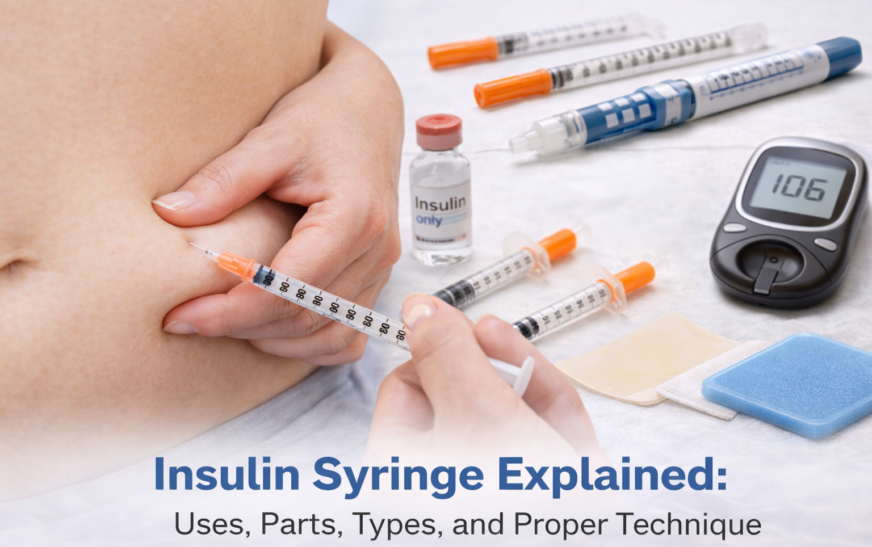
An insulin syringe is a small medical device which is used to inject insulin under the skin of an individual its not like a regular injections that go into the muscle, insulin injections are given into the subcutaneous tissue, which is the fatty layer just below the skin. This allows the insulin to be absorbed slowly and easily into the bloodstream of body.
Insulin syringes are specially made for insulin, which has the markings on the syringe will match the insulin units exactly. This helps in giving the correct dose and prevents large dosing errors.
Why Are Insulin Syringes Used?
Insulin syringes are widely used because they are simple, cheap , and effective. Many people prefer using them because they allow flexibility in adjusting the insulin doses based on blood sugar levels.
Insulin syringes are commonly used for:
- Type 1 individuals who are suffering from diabetes
- Type 2 diabetes patients who need insulin
- Patients which requires mixed insulin doses
- People who need precise dose control
Parts of an Insulin Syringe
the parts of an insulin syringe helps in using it correctly and confidently for a person
Barrel
The barrel is the main body of the syringe. It is usually made up of clear plastic and has markings on the side that shows the insulin units. These markings helps an individual to easily measure the exact amount of insulin needed.
Plunger
The plunger fits inside the barrel and is basically used to fill insulin into the syringe and push it into the body. It has a rubber tip that ensures insulin does not leak.
Needle
The needle is a thin, sharp metal kind of tube which is attached to the syringe. It allows insulin to pass through the skin with less pain.
Needle Length and Thickness
- Short needles reduce discomfort
- Thin needles cause less pain
- Modern needles are designed for easy insertion
Types of Insulin Syringes
Based on Insulin Capacity
Insulin syringes comes in different sizes to suit different insulin doses.
30-Unit Syringe
It is Used for small insulin doses and offers better accuracy for low doses.
50-Unit Syringe
It is Suitable for moderate insulin requirements.
100-Unit Syringe
Used for the people who need larger insulin doses.
Based on Insulin Strength
Most of the insulin syringes are designed for U-100 insulin, which usually means 100 units of insulin per millilitre. It is very important to match the syringe type with the insulin strength to discard the serious dosing errors.
Based on Needle Size
- Needle size is measured in gauge and length.
- Higher gauge means thinner needle
- Some Common Syringes lengths are 4 mm, 6 mm, and 8 mm
- Shorter needles are more comfortable and safer for an individual
How to Use an Insulin Syringe Correctly in a diabetic care
Preparing for the Injection
Before injecting the insulin an individual should properly prepare everything which is important to ensure the safety and accuracy of the patient.
Steps include:
- Wash your hands thoroughly
- Check the insulin label and expiry date before injecting
- Roll cloudy insulin gently (do not shake)
- Clean the injection site with some alcohol
Benefits of Using Insulin Syringes
Accurate Dosing
Insulin syringes allow proper measurement of insulin which is present in the syringe , which is very important for blood sugar control.
Cost-Effective Option
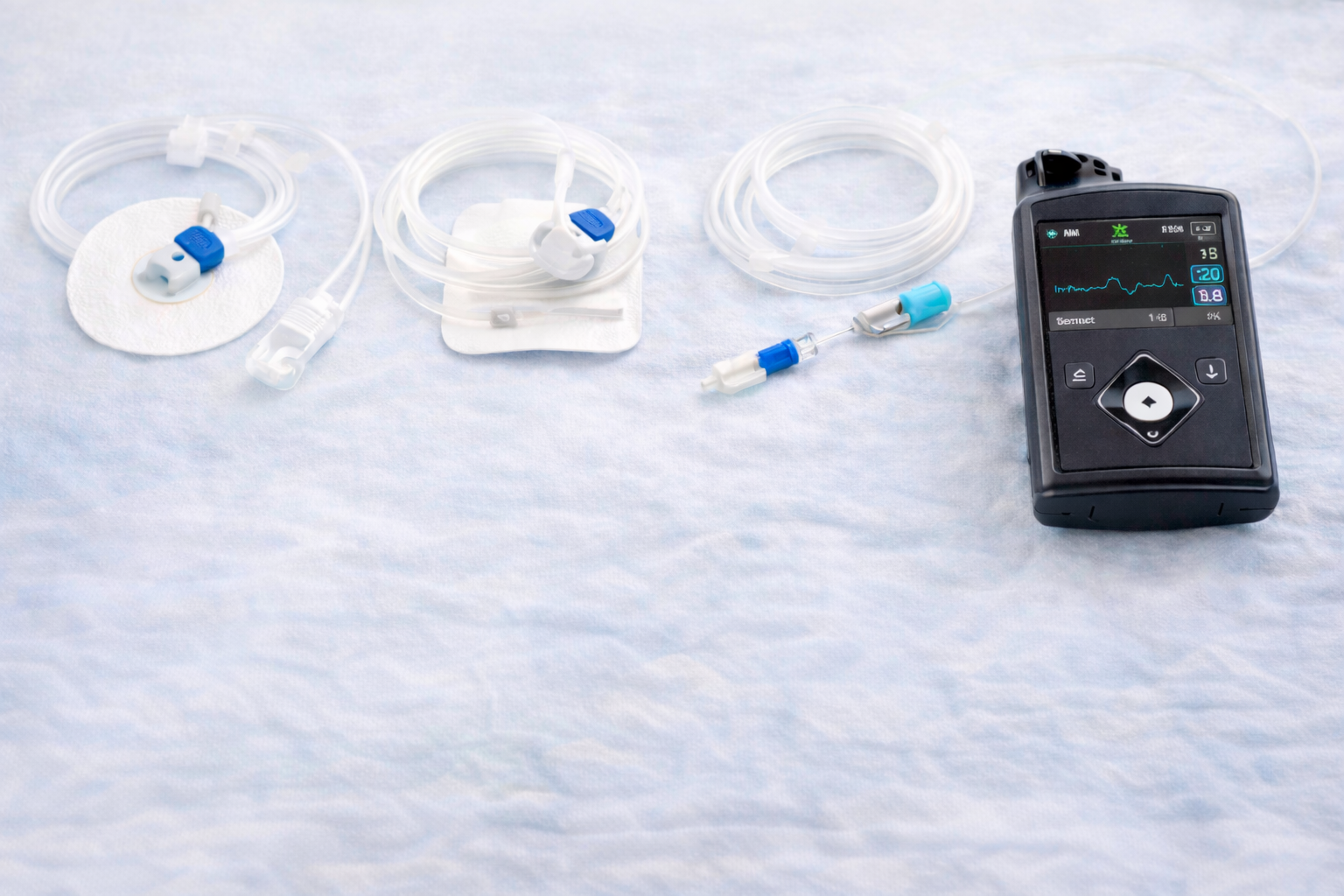
When insulin syringes compared to insulin pens and pumps, syringes are more cheaper and the availability is also more
Flexible Dosing
Syringes allow easy adjustment of insulin doses, especially for people who need mixed insulin.
Easy Availability
Insulin syringes are easily available at medical shops and hospitals.
Common Mistakes to Avoid
Using an insulin syringe incorrectly can affect blood sugar control.
Common mistakes include:
- Using the wrong syringe type
- Not removing air bubbles
- Reusing syringes multiple times
- Injecting into the same site repeatedly
- Incorrect dose measurement
Safety and Hygiene Tips
Maintaining hygiene is really essential to prevent infection to an individual.
Important tips include:
- Use a new syringe for every injection it may reduce the infection
- Store the insulin properly
- Dispose tge used syringes in a sharps container
- Keep the syringes out of reach of children
Who Should Use Insulin Syringes?
Insulin syringes are suitable for:
- People comfortable with injections
- Patients needing flexible dosing
- Individuals on a tight budget
- Patients requiring mixed insulin therapy
Living Confidently With Insulin Syringes
Using insulin syringes may feel really overwhelming at first, but with practice and proper guidance most of the people become confident quickly. Education, support from healthcare givers , and self-care play an important role in successful insulin therapy.
Conclusion
An insulin syringe is a simple and powerful tool in diabetes management. Understanding its parts, types, correct usage, and safety measures helps ensure effective blood sugar control and reduces complications. With proper technique and care, insulin syringes can provide a reliable and affordable way to live a healthy life with diabetes.