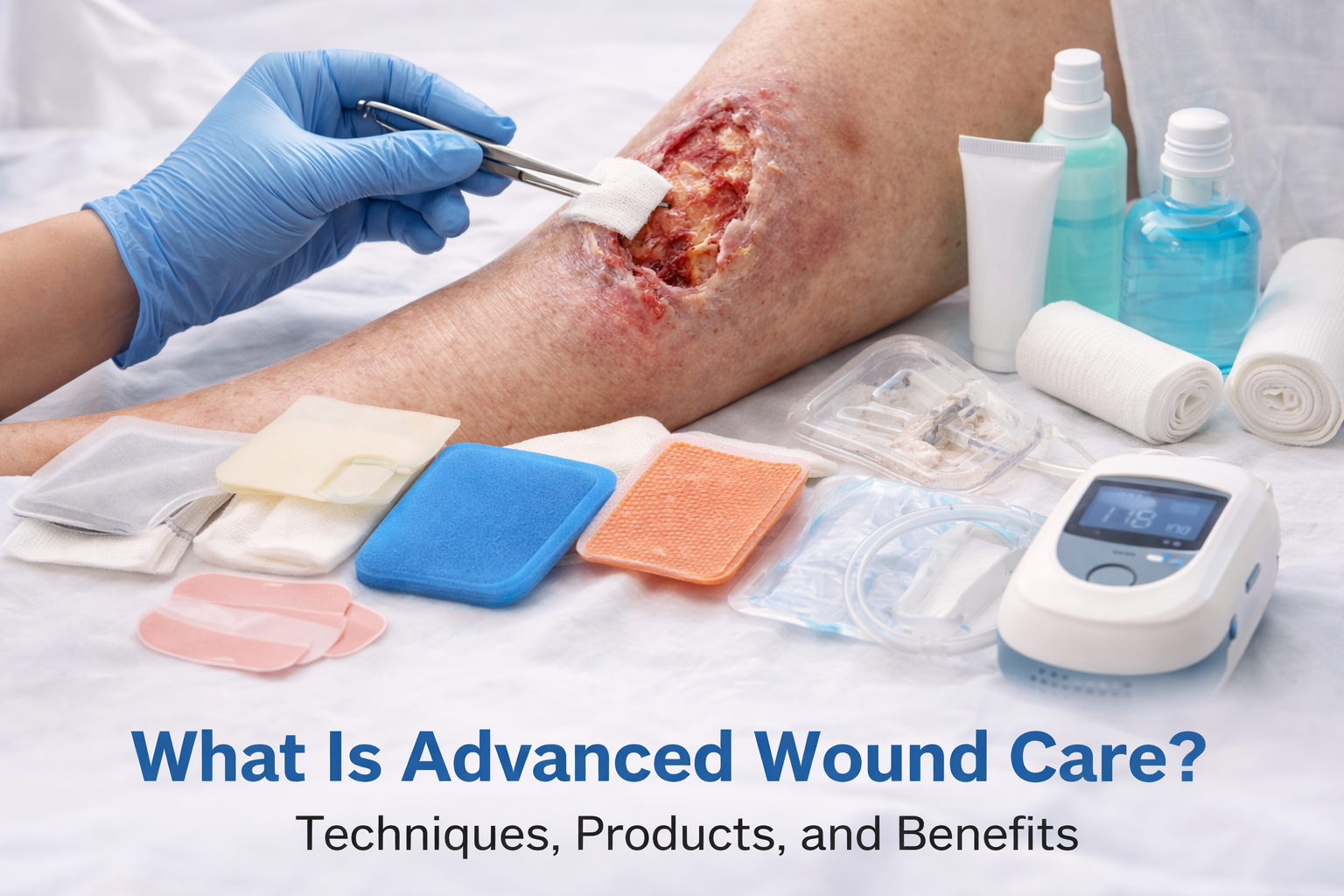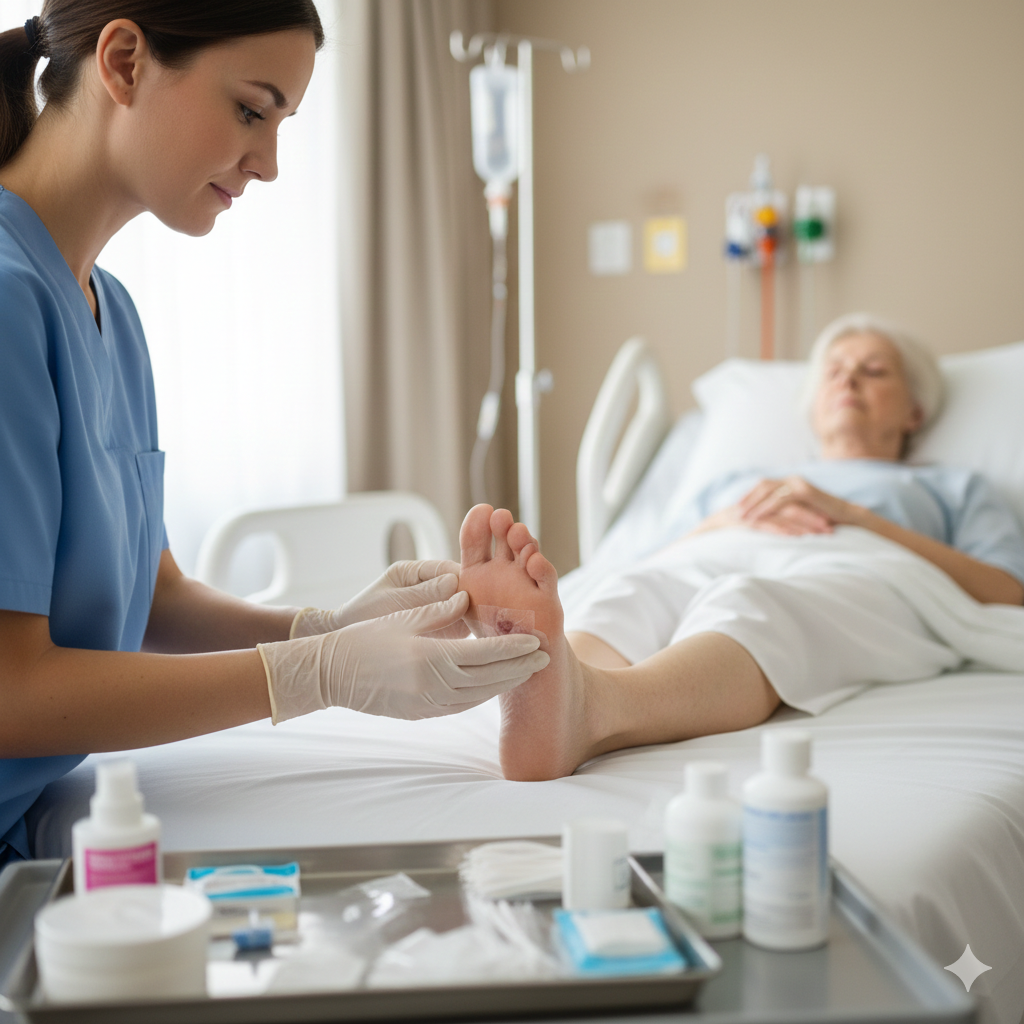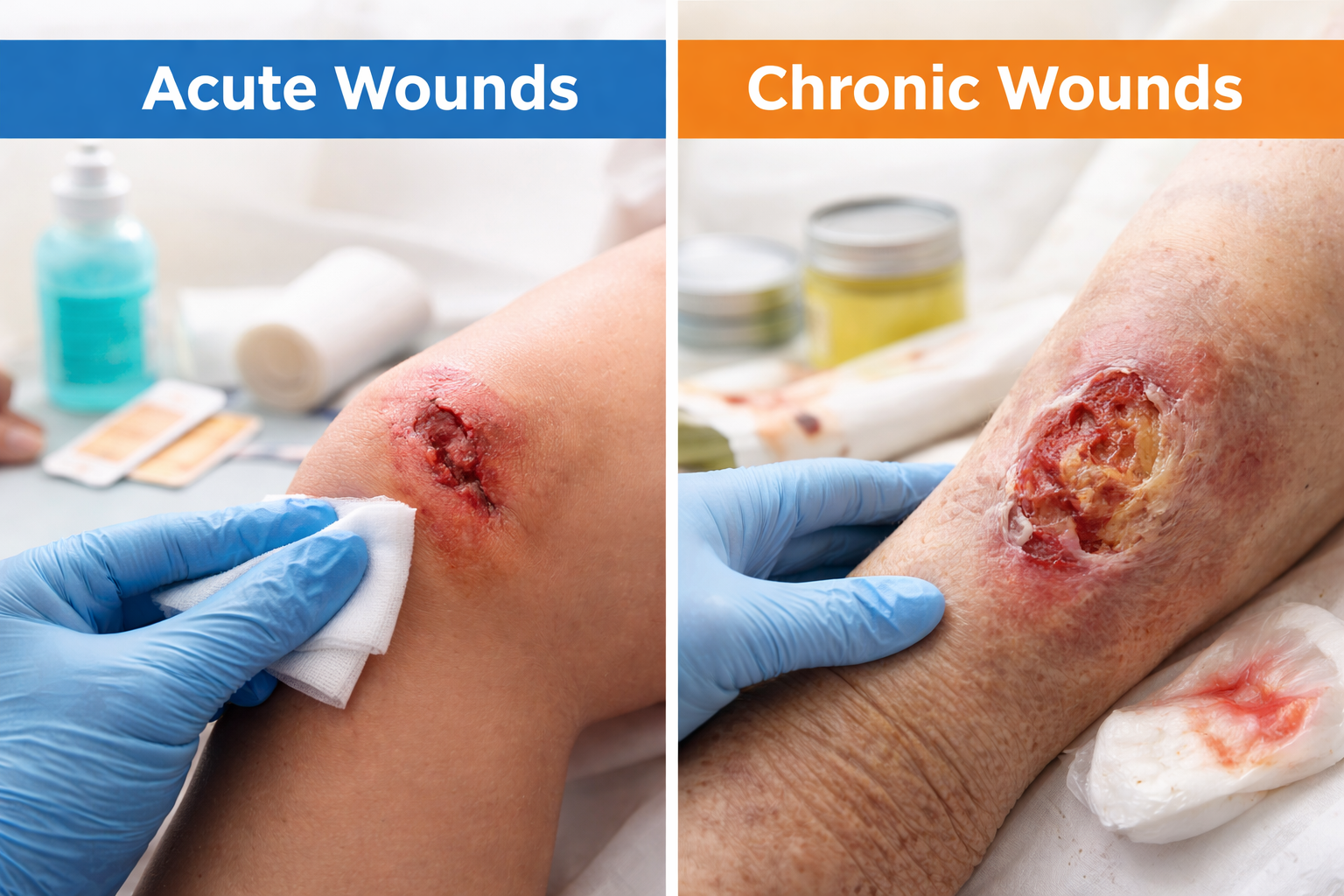


Living with diabetes means taking care of your blood sugar, diet, medicines, and overall health. But foot and skin health also deserve special attention. A small cut, blister, burn, or sore may become more difficult to heal when diabetes affects nerves, blood circulation, or the body’s ability to fight infection.
Table of Contents
ToggleDiabetic wound care focuses on preventing wounds, identifying them early, protecting damaged skin, supporting healing, and getting medical attention when necessary. This is particularly important for the feet because diabetes-related nerve damage can reduce sensation, making it difficult to notice an injury.
A wound that looks minor may become worse when it is exposed to repeated pressure, friction, infection, or poor circulation. Fortunately, regular foot checks, suitable footwear, good diabetes management, and timely medical care can help lower the risk of serious complications.
What Is Diabetic Wound Care?
Diabetic wound care refers to the prevention, monitoring, and treatment of wounds in people with diabetes. Wounds can develop anywhere on the body, but foot wounds require particular attention because the feet experience pressure and friction every day.
Common diabetic wounds include:
- Cuts and scratches
- Blisters
- Dry or cracked skin
- Burns
- Calluses and corns
- Pressure sores
- Diabetic foot ulcers
- Infected wounds
- Injuries caused by poorly fitting shoes
A diabetic foot ulcer is an open sore that commonly develops on the foot. Without appropriate care, it may become deeper or infected. Diabetes-related neuropathy can reduce sensation, so some people may not notice an ulcer until it has become more serious.
This makes regular foot inspection an important part of everyday diabetes management.
Why Do Wounds Heal Slowly With Diabetes?
Several diabetes-related problems can interfere with normal wound healing. The risk may be higher when blood glucose remains poorly controlled or when a person has nerve damage or circulation problems.
Nerve Damage
Diabetes can damage nerves, particularly in the feet. This condition is commonly known as diabetic peripheral neuropathy.
Reduced sensation may make it difficult to notice:
- A blister
- A small cut
- A burn
- A pressure point
- A shoe rubbing against the skin
- A developing ulcer
Some people experience burning, tingling, or pain, while others gradually lose sensation.
For this reason, diabetic wound care should never depend only on whether a wound hurts. A wound can require attention even when there is little or no pain.
Poor Blood Circulation
Diabetes can be associated with circulation problems, including peripheral artery disease. When blood flow to the feet is reduced, oxygen and nutrients may have more difficulty reaching damaged tissue.
Poor circulation can slow healing and may make it harder for the body to fight infection.
Diabetes can affect the nerves and blood circulation in the feet, which may make injuries harder to notice and wounds more difficult to heal. The National Institute of Diabetes and Digestive and Kidney Diseases (NIDDK) explains how diabetes-related nerve damage and reduced blood flow can increase the risk of foot sores and infections.
High Blood Glucose
Persistently high blood glucose can contribute to diabetes complications and may affect the body’s ability to respond effectively to infection and tissue injury.
Following your prescribed diabetes treatment plan and maintaining blood glucose within the range recommended by your healthcare professional is therefore an important part of wound management.
Repeated Pressure
Repeated pressure from walking or standing can make a foot wound worse. This can be especially problematic when sensation is reduced.
A person may continue normal activities without realizing that pressure or friction is repeatedly damaging the same area.
Common Signs of a Diabetic Wound
Checking your feet every day can help identify problems early.
Look for:
- Redness
- Swelling
- Blisters
- Cuts
- Open sores
- Cracked skin
- Bleeding
- Drainage
- Pus
- Unusual warmth
- Skin discoloration
- New calluses
- Foul odor
- Increasing pain
A change in the appearance of your foot can be important even when you do not feel pain.
Recognizing these warning signs early is an important part of diabetic wound care, especially for people who have reduced sensation in their feet.
Diabetic wounds can appear in different forms, from minor cuts and blisters to deeper ulcers. Learning about the Types of Wounds can help patients understand how different wounds may develop and why early attention is important.
Quick Guide to Diabetic Wound Warning Signs
| Sign | What It May Indicate | What You Should Do |
|---|---|---|
| Small cut or blister | Skin injury | Protect it and follow appropriate wound-care advice |
| Redness or warmth | Possible inflammation or infection | Contact a healthcare professional |
| Swelling | Injury or possible infection | Seek medical assessment if it persists or worsens |
| Pus or drainage | Possible infection | Seek prompt medical care |
| Increasing pain | Worsening injury or infection | Contact your healthcare provider |
| Blackened skin | Potential tissue damage | Seek urgent medical attention |
| Foul smell | Possible serious infection | Seek medical care promptly |
| Wound not healing | Delayed healing or underlying problem | Arrange professional evaluation |
Diabetic Wound Care: What Should You Do?
If you discover a cut, blister, sore, or other wound, do not ignore it simply because it looks small.
The appropriate approach depends on the wound’s size, depth, location, blood circulation, and whether infection is present.
Starting diabetic wound care early can help protect the affected area and reduce the risk of further complications.
Keep the Wound Clean
Follow the wound-cleaning instructions provided by your healthcare professional.
Avoid applying harsh chemicals or unapproved home remedies to an open wound. Some substances may irritate damaged skin or interfere with appropriate treatment.
Protect the Wound
Protecting the wound from additional friction and injury is an important part of diabetic wound care.
Your healthcare professional may recommend a particular dressing depending on the type and condition of the wound. Avoid repeatedly disturbing the wound or dressing unless you have been instructed to do so.
Reduce Pressure on the Wound
Pressure is particularly important when dealing with a diabetic foot ulcer.
Depending on the situation, your healthcare team may recommend special footwear, an offloading device, a brace, cast, crutches, or another method of reducing pressure.
Continuing to walk normally on an ulcer without appropriate medical guidance can delay healing or worsen the wound.
Follow Your Treatment Plan
If your doctor, podiatrist, or wound-care specialist provides a treatment plan, follow it carefully.
Depending on the wound, treatment may include:
- Professional wound cleaning
- Appropriate dressings
- Pressure relief
- Infection treatment when indicated
- Blood glucose management
- Footwear changes
- Specialist evaluation
- Assessment of circulation
There is no single dressing or home treatment that is appropriate for every diabetic wound.
Managing Pain From Diabetic Wounds
Pain can vary considerably between people with diabetes.
Some people may experience pain because of inflammation, infection, tissue damage, nerve problems, or pressure. Others may have little or no pain because nerve damage has reduced sensation.
Therefore, the absence of pain does not necessarily mean that a wound is harmless.
Tell your healthcare professional if you experience:
- New or increasing pain
- Burning sensations
- Tingling
- Severe tenderness
- Pain at rest
- Sudden changes in sensation
If pain suddenly increases along with redness, swelling, warmth, drainage, or fever, prompt medical evaluation is important.
Pain management should focus on identifying and treating the underlying cause rather than simply masking symptoms.
How to Support Diabetic Wound Healing
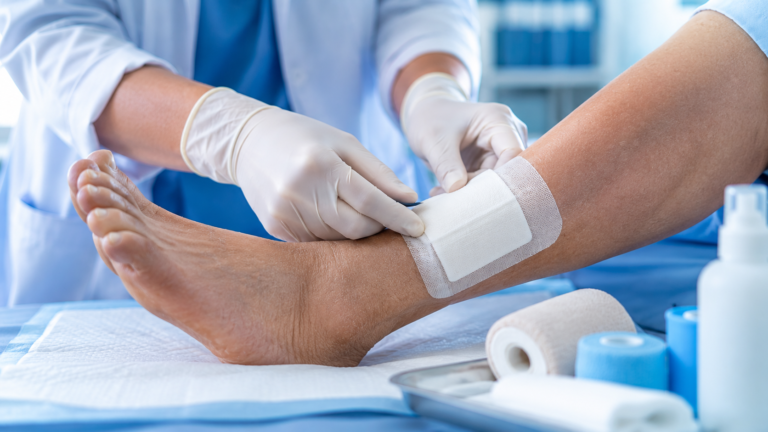
There is no guaranteed way to make a diabetic wound heal quickly. Healing depends on several factors, including the wound’s severity, infection status, circulation, nerve function, nutrition, and diabetes control.
The healing process can vary depending on the type, severity, and location of an injury. Understanding wound healing can help people with diabetes recognize why proper wound protection, nutrition, blood glucose management, and timely medical care are important.
However, several healthy habits can support the healing process.
Effective diabetic wound care also involves supporting the body’s natural healing process and addressing factors that may delay recovery.
Manage Blood Glucose
Follow your prescribed diabetes treatment plan and monitor blood glucose as recommended by your healthcare professional.
Good diabetes management supports overall health and may help reduce the risk of diabetes-related complications.
Good blood glucose management is also an important part of diabetic wound care and overall diabetes management.
Do not change insulin or other diabetes medicines without discussing it with your healthcare professional.
Blood glucose management is another important part of protecting overall health and supporting the body’s ability to respond to injury. Understanding blood sugar and keeping it within the range recommended by your healthcare professional can be an important part of diabetes care.
Eat a Balanced Diet
Your body needs adequate nutrition to maintain healthy skin and repair damaged tissue.
A balanced eating pattern may include appropriate amounts of:
- Protein
- Vegetables
- Whole grains
- Fruits
- Healthy fats
- Other nutrient-rich foods
Nutritional needs can vary from person to person. If you have another medical condition that affects your diet, speak with your doctor or a registered dietitian about your individual needs.
Avoid Smoking
Smoking can negatively affect blood circulation and may make wound healing more difficult.
If you smoke, speak with your healthcare professional about evidence-based approaches that can help you quit.
Follow Activity Instructions
Physical activity is often an important part of diabetes management, but an existing foot wound may require temporary changes to your normal routine.
Do not continue activities that repeatedly put pressure on a wound unless your healthcare professional confirms that they are safe.
Daily Diabetic Foot Care Routine

Prevention is one of the most important parts of diabetic wound care. Spending a few minutes checking your feet each day can help you notice changes before they become more serious.
1. Check Your Feet Every Day
Inspect the tops, bottoms, heels, sides, and areas between your toes.
Look for cuts, redness, swelling, blisters, cracks, discoloration, or drainage.
If you cannot easily see the bottom of your feet, use a mirror or ask someone you trust to help.
2. Wash Your Feet Carefully
Wash your feet with warm water and mild soap.
Avoid very hot water because reduced sensation can make burns difficult to notice.
Dry your feet carefully, especially between the toes.
3. Moisturize Dry Skin
Dry and cracked skin can be more vulnerable to injury.
A suitable moisturizer can help keep the skin soft. However, avoid applying moisturizer between the toes unless your healthcare professional specifically recommends it.
4. Trim Toenails Carefully
Trim your toenails straight across and avoid cutting deeply into the corners.
If your nails are thick, difficult to see, or difficult to trim safely, ask a healthcare professional for assistance.
5. Wear Proper Footwear
Choose comfortable shoes that fit properly and do not create pressure points.
Avoid walking barefoot when protective footwear has been recommended.
Before putting on your shoes, check inside them for small objects, rough areas, or anything that could rub against your skin.
Regular foot checks are an important part of preventing serious complications. The CDC recommends checking your feet every day for cuts, redness, swelling, sores, blisters, and other changes, even when your feet feel normal.
What Should You Avoid During Diabetic Wound Care?
Certain everyday habits can increase the risk of foot injuries or interfere with healing.
Avoid:
- Walking barefoot
- Using heating pads directly on your feet
- Soaking your feet for long periods
- Cutting corns or calluses yourself
- Using over-the-counter corn removers without medical advice
- Wearing tight or poorly fitting shoes
- Ignoring blisters or cuts
- Applying unapproved home remedies to open wounds
- Continuing activities that repeatedly put pressure on an ulcer
- Waiting for severe pain before seeking care
Following these precautions can make everyday diabetic wound care safer and help reduce the risk of additional foot injuries.
People with reduced sensation may not notice an injury immediately. Prevention, daily inspection, and appropriate diabetic wound care are therefore especially important.
When Should You See a Doctor?
People with diabetes should take foot wounds seriously. Knowing when to seek professional help is an essential part of diabetic wound care.
Contact your healthcare professional promptly if:
- A wound does not start healing
- Redness is spreading
- The foot becomes swollen
- The area feels unusually warm
- Pus or drainage develops
- Pain increases
- The wound becomes larger or deeper
- The skin changes color
- A foul smell develops
- You develop fever or feel generally unwell
A blackened area of skin or a foul-smelling wound can indicate serious tissue damage or infection and requires urgent medical attention.
Do not wait until a wound becomes severe before seeking professional care.
Treatment Options for Diabetic Foot Wounds
Treatment depends on the individual wound and the person’s overall health. Professional diabetic wound care may be necessary when a wound is not healing or shows signs of infection.
A healthcare professional may assess:
- Wound size
- Wound depth
- Signs of infection
- Blood circulation
- Nerve sensation
- Pressure on the wound
- Blood glucose management
- Condition of surrounding tissue
Depending on the situation, treatment may include professional wound care, appropriate dressings, pressure reduction, infection treatment when indicated, specialized footwear, or referral to another specialist.
If poor circulation is suspected, additional vascular assessment may be necessary.
The most appropriate diabetic wound care treatment depends on the individual condition rather than a single universal remedy.
How to Prevent Diabetic Foot Ulcers

Prevention is at the center of effective diabetic wound care.
Follow these habits consistently:
- Inspect your feet every day.
- Keep your blood glucose within your recommended range.
- Wear properly fitting footwear.
- Never ignore a blister, cut, or sore.
- Keep your feet clean and dry.
- Protect your feet from extreme temperatures.
- Avoid smoking.
- Attend regular diabetes and foot examinations.
- Follow medical instructions for existing wounds.
- Ask your healthcare team about your individual risk of foot ulcers.
People with previous foot ulcers, reduced sensation, circulation problems, or foot deformities may need more frequent professional foot examinations.
Why Regular Foot Exams Matter
Daily self-checks are important, but they do not replace professional examinations. Regular foot examinations are an important part of long-term diabetic wound care and can help identify problems early.
During a foot examination, a healthcare professional can assess sensation, circulation, skin condition, pressure areas, and other risk factors.
People with diabetes should have their feet examined regularly. Those at higher risk may need examinations more frequently.
Regular professional care can help identify problems before they become serious.
Frequently Asked Questions (FAQs)
Can a diabetic wound heal on its own?
Some minor injuries may heal, but people with diabetes should monitor wounds carefully. If a wound does not begin healing, becomes red or swollen, drains fluid, or changes in appearance, contact a healthcare professional.
Why can diabetic foot wounds be painless?
Diabetes-related nerve damage can reduce sensation in the feet. As a result, a person may have a blister, cut, or ulcer without experiencing significant pain.
How often should I check my feet?
Check your feet every day. Inspect the tops, bottoms, heels, sides, and areas between your toes for cuts, blisters, redness, swelling, or other changes.
Should I walk on a diabetic foot ulcer?
Avoid unnecessary pressure on a foot ulcer. Your healthcare professional can advise you about weight-bearing, special footwear, and other pressure-relief methods.
Can high blood sugar affect wound healing?
Poorly controlled blood glucose can contribute to diabetes complications and may make it more difficult for the body to respond effectively to infection and injury.
When is a diabetic wound an emergency?
Urgent medical attention is needed for signs such as rapidly worsening redness or swelling, severe or increasing pain, fever or feeling very unwell, blackened tissue, or a foul-smelling wound.
Conclusion
Diabetic wound care is an essential part of protecting your feet and reducing the risk of serious complications when you live with diabetes. Nerve damage can make injuries difficult to notice, while circulation problems and poorly controlled blood glucose can contribute to delayed healing.
The best approach is to be proactive. Check your feet every day, keep your skin clean and protected, wear properly fitting footwear, manage your blood glucose as recommended, and avoid putting unnecessary pressure on an existing wound.
Never ignore a cut, blister, sore, or change in the appearance of your feet simply because it does not hurt. If a wound is not healing or you notice increasing redness, swelling, warmth, drainage, foul odor, skin discoloration, or other concerning changes, contact a healthcare professional promptly.
With consistent prevention, early attention, and appropriate diabetic wound care, many serious foot complications can be reduced. Taking a few minutes each day to care for your feet can make an important difference in protecting your mobility and overall quality of life.