
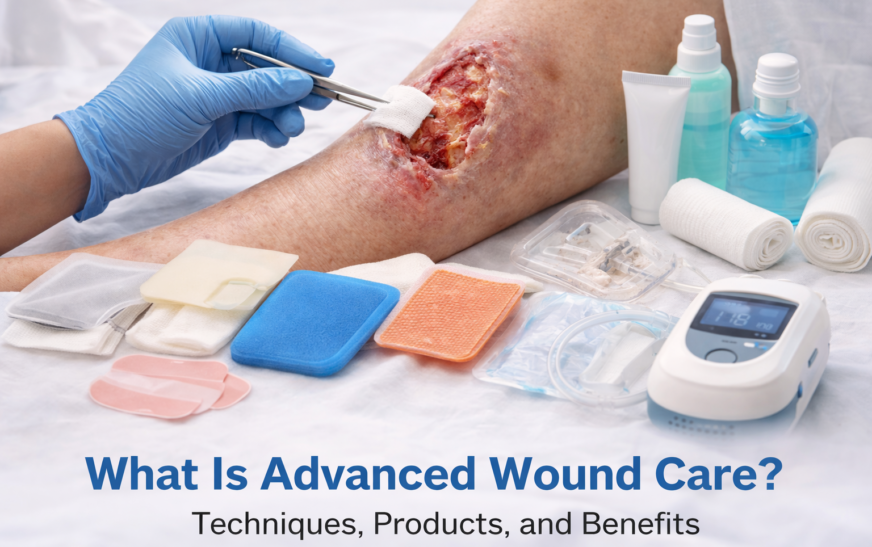
Advanced Wound Care has undergone significant changes over the years. Earlier, simple cotton pads and antiseptics were commonly used to treat wounds. While these methods still work for small injuries, difficult and slow-healing wounds need more specialised treatment. Advanced wound care focuses on faster healing of wounds, infection control, pain-free healing, and improving the patient’s quality of life. In this article, we will explain what advanced wound care is, the techniques and products used in advanced wound care, and the benefits in simple and clear language.
What Is Advanced Wound Care?
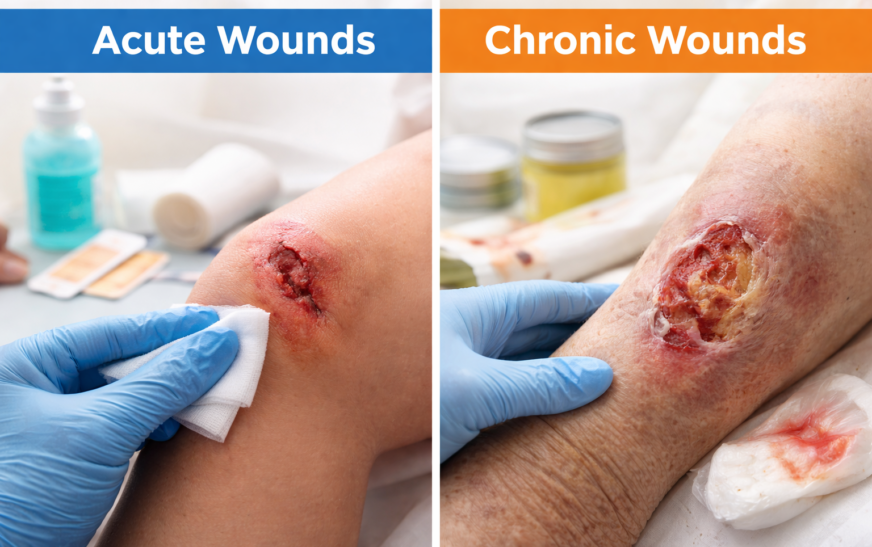
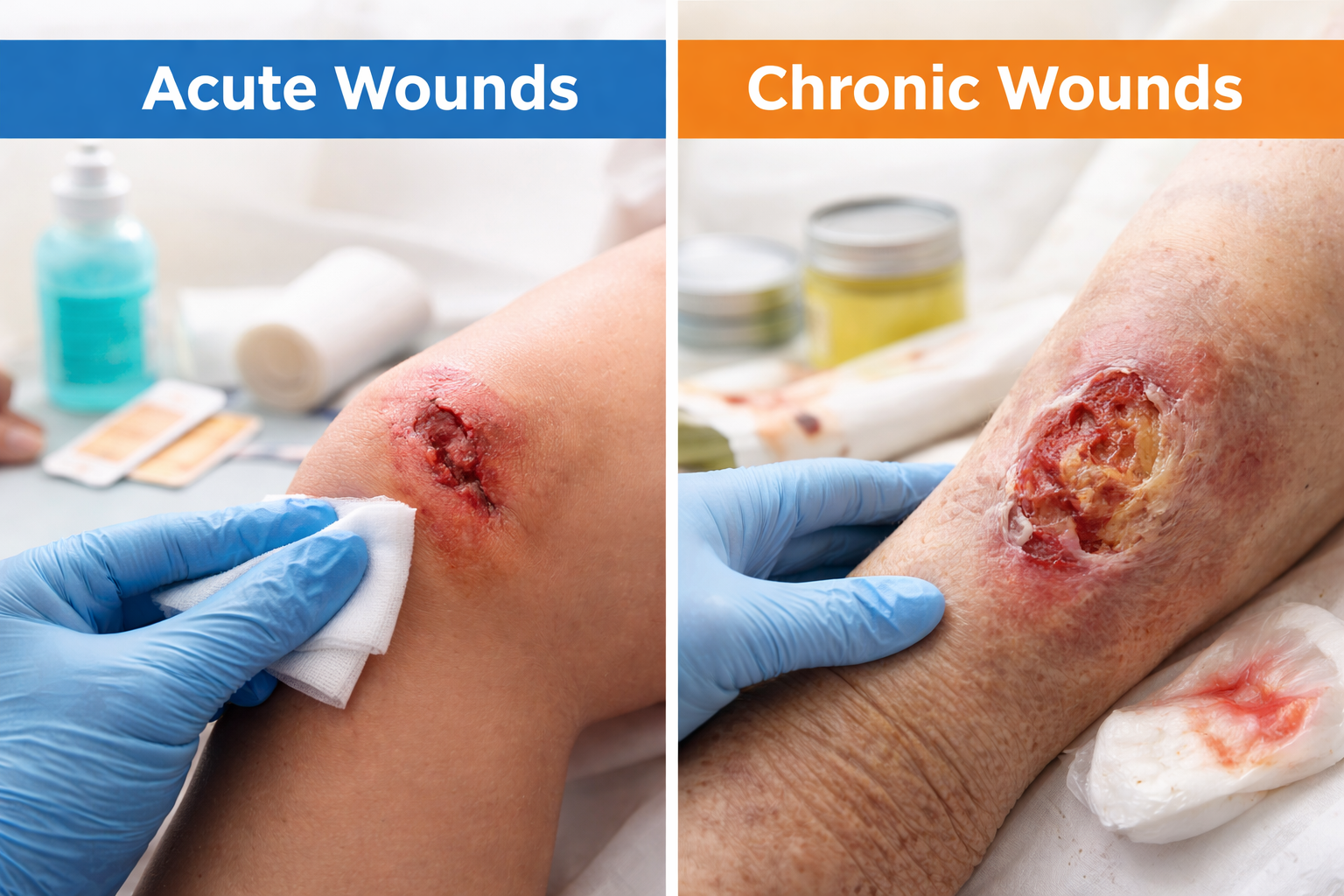
Advanced wound care basically refers to modern, science-based methods used to treat wounds, chronic, or non-healing wounds. These methods don’t do basic cleaning and dressing. The main goal of advanced wound care is to create an environment for healing while preventing the wound from infection and problems for the individual.
Advanced wound care is commonly used for wounds that do not heal with routine treatment, such as diabetic ulcers, pressure ulcers, leg ulcers, surgical wounds, and severe burns as they need proper assessment, specialised dressings, modern devices, and patient-friendly care.
Why Is Advanced Wound Care Important?
Some wounds fail to heal because of poor blood flow, infection, pressure, diabetes, or weak immunity. If such wounds are not managed properly, they can lead to serious complications like severe infection, tissue damage, or even amputation.
Advanced wound care helps by:
- Promoting faster and safer healing
- Reducing the risk of infection
- Managing pain and discomfort
- Preventing wound recurrence
- Improving overall quality of life
Advanced Wound Care Techniques
Wound Assessment and Monitoring
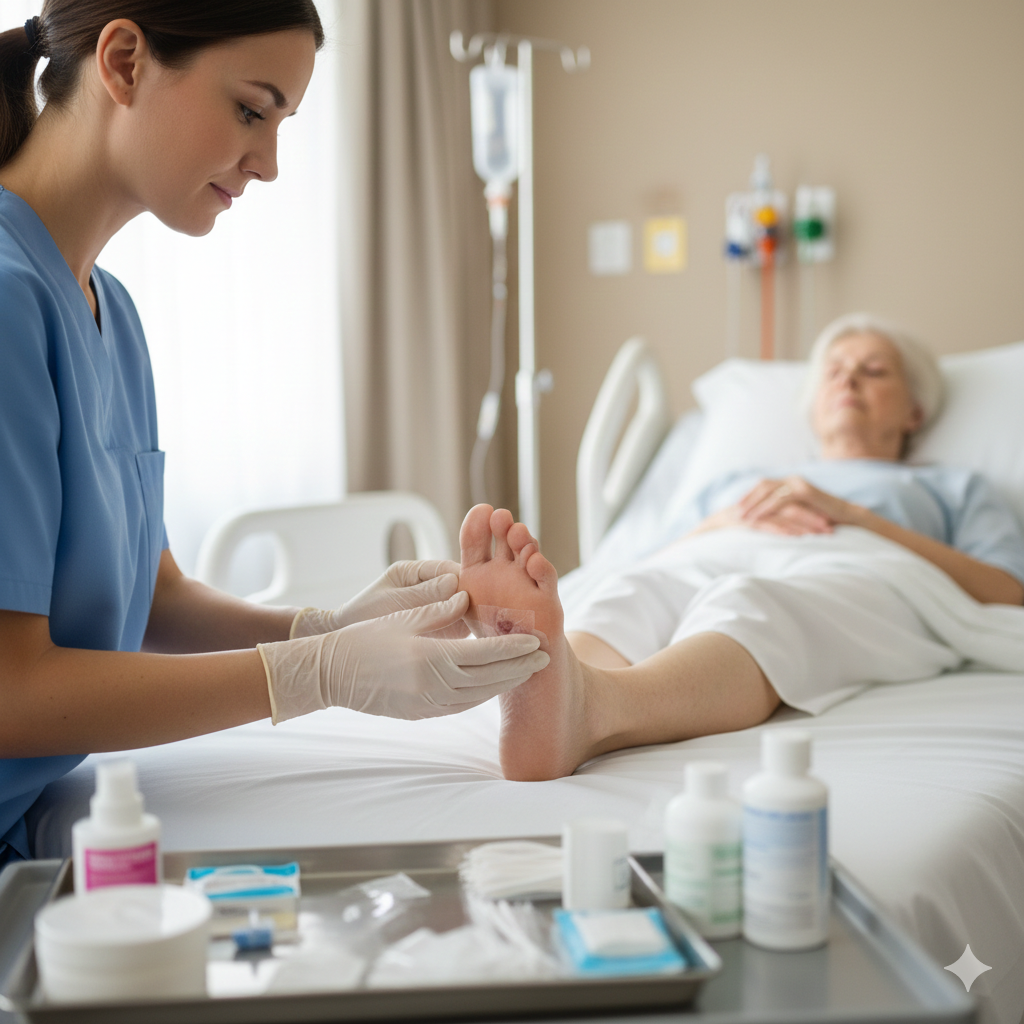
Before starting advanced wound care, a proper wound assessment is done. This helps in choosing the right treatment plan. Healthcare professionals assess the size, depth, location, and condition of the wound, along with the patient’s overall health.
Important factors considered include:
- Wound size and depth
- Presence of infection or dead tissue
- Amount of wound drainage
- Blood supply to the area
- Patient’s medical history
Regular monitoring helps track healing progress and make changes in treatment when needed.
Debridement
Debridement is the process of removing dead, damaged, or infected tissue from the wound. This step is essential because dead tissue delays healing and increases the risk of infection.
Types of Debridement
Surgical Debridement
This involves removing dead tissue using surgical instruments. It is fast and effective, especially for severely infected wounds.
Mechanical Debridement
Dead tissue is removed using wet-to-dry dressings or irrigation. This method is simple but may cause some discomfort.
Autolytic Debridement
The body’s own enzymes are used to break down dead tissue. Special moisture-retaining dressings help this process.
Enzymatic Debridement
Topical enzymes are applied to dissolve dead tissue gently.
Infection Control Techniques
Infection is one of the biggest barriers to wound healing. Advanced wound care focuses heavily on preventing and controlling infection.
Methods used include:
- Proper wound cleaning
- Use of antimicrobial dressings
- Timely use of antibiotics when needed
- Maintaining a clean and moist wound environment
Early infection control helps prevent wound worsening and complications.
Moist Wound Healing
Unlike traditional dry dressings, advanced wound care promotes a moist wound environment. Moisture helps new tissue grow and reduces pain during dressing changes.
Benefits of moist wound healing include:
- Faster cell growth
- Reduced scarring
- Lower infection risk
- Less pain and trauma
Advanced Wound Care Products
Advanced Wound Dressings
Modern dressings are designed to match different wound needs. They protect the wound while supporting healing.
Types of Advanced Dressings
Hydrocolloid Dressings
These dressings maintain moisture and are useful for mild to moderate wounds.
Foam Dressings
Foam dressings absorb excess fluid and provide cushioning.
Alginate Dressings
Made from seaweed, these dressings are ideal for heavily draining wounds.
Hydrogel Dressings
Hydrogels provide moisture to dry wounds and help in autolytic debridement.
Antimicrobial Dressings
Antimicrobial dressings contain agents like silver, iodine, or honey to reduce bacterial growth. They are especially useful for infected or high-risk wounds.
Common antimicrobial agents include:
- Silver-based dressings
- Iodine-based dressings
- Medical-grade honey
Skin Substitutes and Bioengineered Products
Skin substitutes are advanced products that act like natural skin. They help cover the wound and promote tissue growth.
These products are commonly used for:
- Diabetic foot ulcers
- Severe burns
- Non-healing wounds
Growth Factors and Biological Therapies
Growth factors are substances which stimulate the cells and repair the tissues . When they are applied to wounds, they help in speedy healing, especially in chronic wounds. Biological therapies work at a cell based level to restart the healing process.
Benefits of Advanced Wound Care
Faster Healing
Advanced wound care techniques create an ideal healing environment, allowing wounds to heal more quickly than traditional methods.
Reduced Risk of Infection
By controlling the bacteria and maintaining proper moisture levels of an individual,advanced wound care automatically reduces infection risk.
Better Pain Management
Modern dressings reduce the pain during application and removal and also improve patient comfort.
Improved Quality of Life
Patients experience less discomfort, fewer complications, and faster recovery, allowing them to return to daily activities sooner.
Lower Risk of Complications
Advanced wound care reduces the chances of:
- Chronic infection
- Tissue damage
- Hospitalisation
- Amputation
Who Needs Advanced Wound Care?
Advanced wound care is especially beneficial for:
- People with diabetes
- Elderly patients
- Bedridden individuals
- Patients with poor circulation
- People with non-healing surgical wounds
Role of Patient Education in Advanced Wound Care
Role of Patient Education in Advanced Wound Care and Patient involvement plays an important role in wound healing. Patients are educated about proper wound care, hygiene, nutrition, and lifestyle changes.
Important patient practices include:
- Keeping the wound clean
- Following dressing change instructions
- Eating a balanced and protein-rich diet
- Managing difficult conditions
Future of Advanced Wound Care
With advancements in medical technology, wound care continues to improve. New therapies such as stem cell treatment came ,smart dressings, and digital wound monitoring are shaping the future of advanced wound care more effective
Conclusion
Advanced wound care is a modern and effective way to manage complex and non-healing wounds. By using great techniques, innovative products, and patient-friendly care, it promotes faster healing of wounds, reduces complications, and improves the quality of life. Understanding the advanced wound care helps patients and healthcare providers to make better decisions for safer and more effective wound management.