Preventive healthcare is about protecting your health before the illness begins. Instead of waiting to get sick and then seeking treatment, preventive healthcare focuses on daily habits and early care which keeps the body and mind healthy. These habits often seem to be small, but lately they make a big difference.
This article explains preventive healthcare in a simple and very clear way, focusing on the small lifestyle changes that matter a lot ,along with practical tips which anyone can follow.
What Is Preventive Healthcare?
Preventive healthcare means taking steps to prevent the diseases rather than treating them later. It includes healthy lifestyle habits of an individual ,regular health checkups, vaccinations, and early disease treatment .
Preventive health care helps to identify health risks early, when they are easier and cheaper to manage the costing. It boosts an individual to take control of their health instead of depending only on medicines.
Importance of Preventive Healthcare
Preventive healthcare plays a vital role in maintaining long-term well-being. It helps an individual to avoid chronic diseases , reduces medical expenses, and improves their quality of life.
By focusing on prevention, individuals can stay active, productive, and also independent as they grow. It also reduces the emotional stress of an individual that comes with long-term medical treatment.
Small Lifestyle Changes That Matter
You do not need extreme changes to stay healthy. Small lifestyle changes can also plays a key role it brings powerful results.
Examples of small but effective changes include:
- Eating nutritious meals
- Walking daily for hours
- Drinking enough water
- Sleeping on time
- Managing the stress
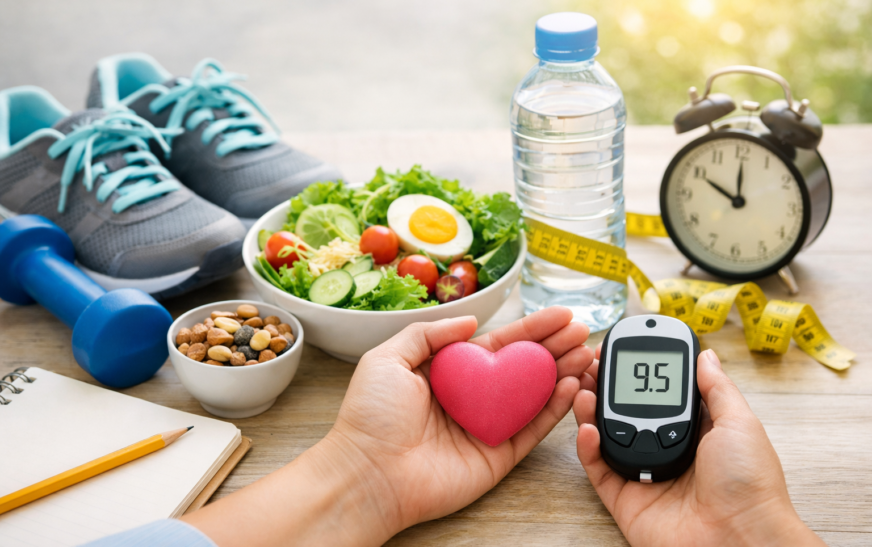
These simple habits form the backbone of preventive healthcare.
Healthy Eating Habits for Disease Prevention
Food plays a major role in preventive healthcare. What we eat every day affects our immunity, energy levels, digestion, and risk of disease.
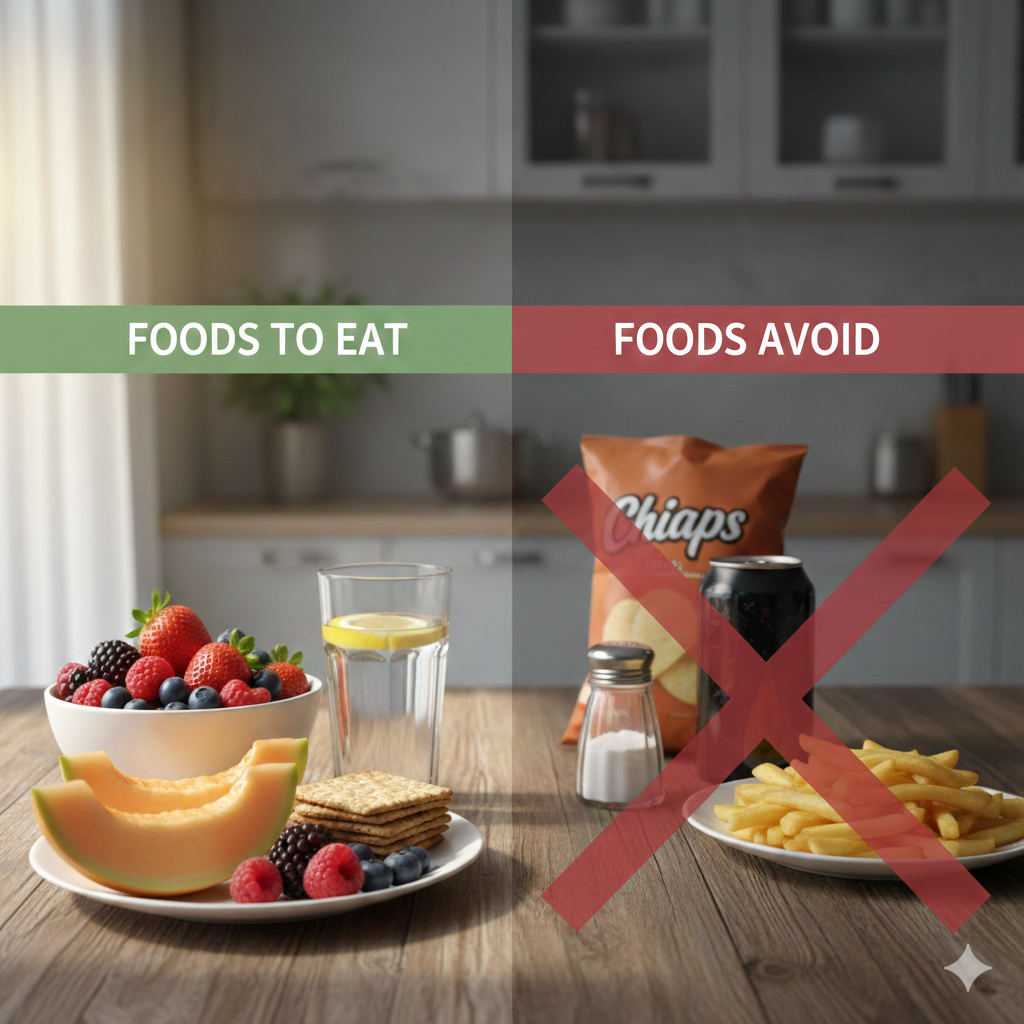
Eat a Balanced and Nutritious Diet
A balanced diet includes:
- Fruits and vegetables
- Whole grains
- Proteins (dal, eggs, fish, lean meat)
- Healthy fats (nuts, seeds, oils)
Benefits of a balanced diet:
- Provides essential nutrients
- Keeps organs functioning properly
Reduce Processed and Junk Foods
Processed foods are often:
- High in sugar
- Rich in salt
- Loaded with unhealthy fats
Excess consumption can lead to:
- Weight gain
- Digestive problems
- Diabetes and heart disease
Healthier alternatives include:
- Fresh fruits
- Nuts and seeds
- Homemade snacks
Stay Hydrated Throughout the Day
Water is essential for:
- Digestion
- Detoxification
- Temperature regulation
- Kidney health
Benefits of proper hydration:
- Prevents fatigue and headaches
- Improves skin health
- Supports concentration
Drinking 8–10 glasses of water daily is a simple yet powerful preventive measure.
Benefits of Regular Exercise
Exercise strengthens the heart of a person . It also improves blood circulation, controls body weight, and boosts immunity. It also helps to regulate blood sugar and cholesterol levels.
In addition, physical activity reduces stress, improves the mood of an individual and enhances mental clarity.
- Reducing the stress
- Improving the mood
- Increasing energy levels
- Enhancing sleep quality
Simple Ways to Stay Active Daily
You do not need a gym to stay healthy. Simple activities like walking, cycling, stretching, yoga, or household chores are enough for an individual.
Just 30 minutes of physical activity daily can significantly reduce the risk of chronic diseases and improve the overall fitness of a person.
https://healthiw.com/simple-ways-to-stay-active-during-the-day/?utm_source=chatgpt.com
Quality Sleep: A Key Part of Preventive Healthcare
Sleep is often ignored, but it is essential for both physical and mental health.
Why Sleep Matters
During sleep, the body repairs tissues, balances hormones, and strengthens the immune system. Poor sleep increases the risk of obesity, diabetes, heart disease, and poor concentration.
Adequate sleep improves energy levels, memory, and emotional balance.
Tips for Better Sleep Quality
To improve sleep:
- Maintain a fixed sleep schedule
- Avoid screens before bedtime
- Keep the bedroom calm and dark
- Avoid caffeine at night
Mental Health and Stress Management
Mental health is an important part of preventive healthcare. Emotional well-being directly affects physical health.
Effects of Stress on the Body
Chronic stress can lead to:
- Headaches
- Digestive problems
- High blood pressure
- Anxiety and depression
Simple Stress-Relief Techniques
- Deep breathing
- Meditation
- Talking to loved ones
- Engaging in hobbies
- Taking breaks from screens
Common Preventive Health Tests
Important routine tests include:
- Blood pressure check
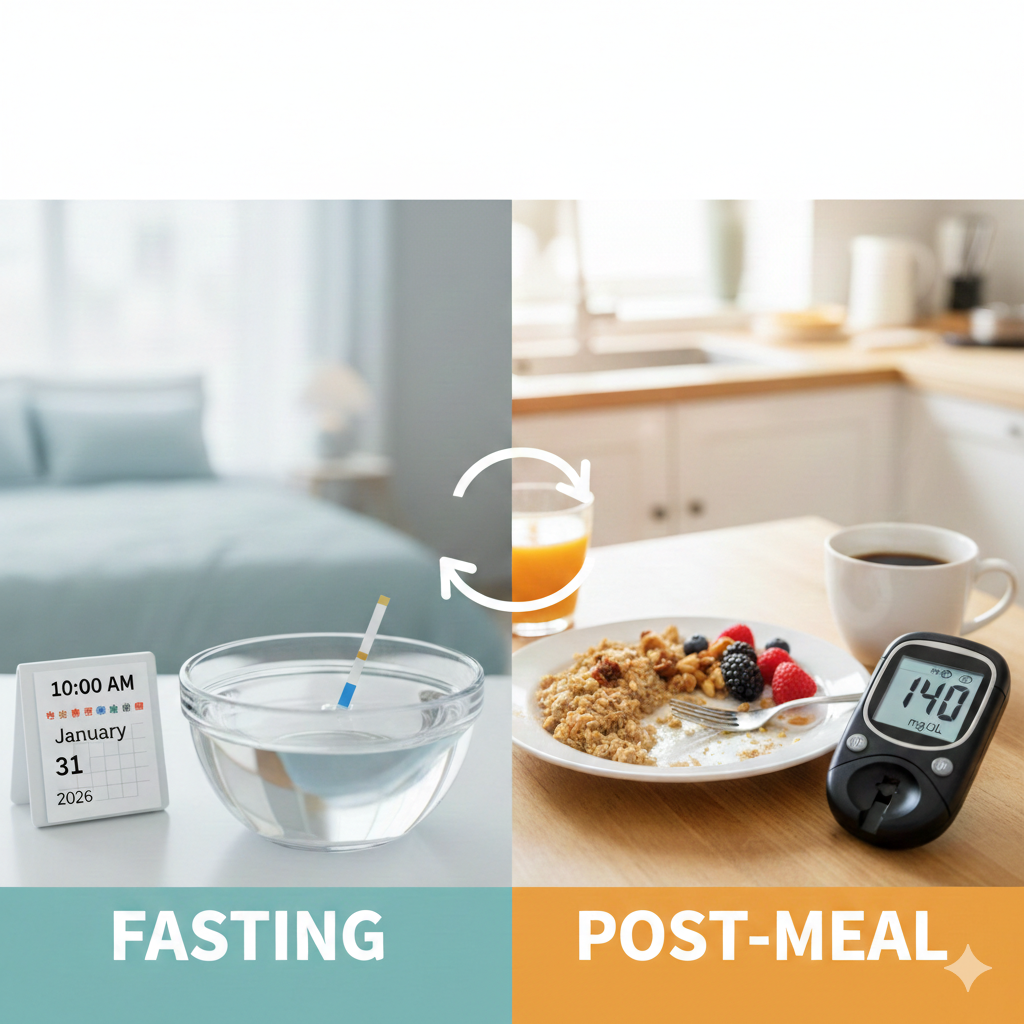
- Blood sugar test
- Cholesterol test
- Weight and BMI measurement
Building Healthy Daily Routines
Healthy routines make preventive healthcare part of daily life.
Examples of healthy routines:
- Fixed meal timings
- Morning walks
- Adequate hydration
- Proper sleep schedule
Consistency brings long-term benefits.
Frequently Asked Questions (FAQs)
1. What is preventive healthcare in simple words?
Preventive healthcare means taking care of your health to avoid diseases before they start.
2. Can small lifestyle changes really prevent diseases?
Yes. Simple habits like healthy eating, exercise, proper sleep, and stress management greatly reduce disease risk.
3. Is preventive healthcare expensive?
No. Preventive healthcare is usually affordable and cheaper than long-term medical treatment.
4. How often should health checkups be done?
Once a year is recommended, or as advised by a doctor.
5. Does preventive healthcare include mental health?
Yes. Mental health is an important part of overall preventive healthcare.
Conclusion
Preventive healthcare is a lifelong investment in your health. Small lifestyle changes that matter, when practiced consistently, can protect you from serious illnesses and improve quality of life. Healthy eating, regular physical activity, proper sleep, stress management, and routine checkups together form the foundation of a healthy future.