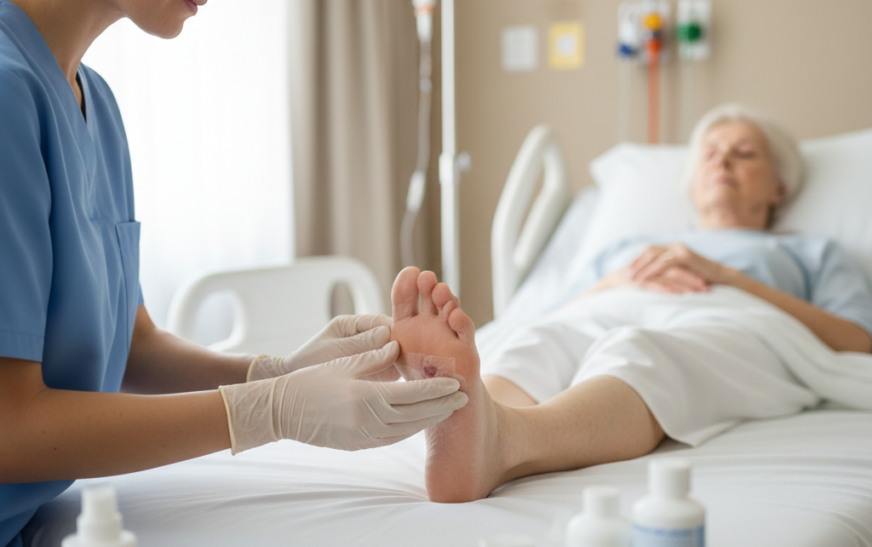
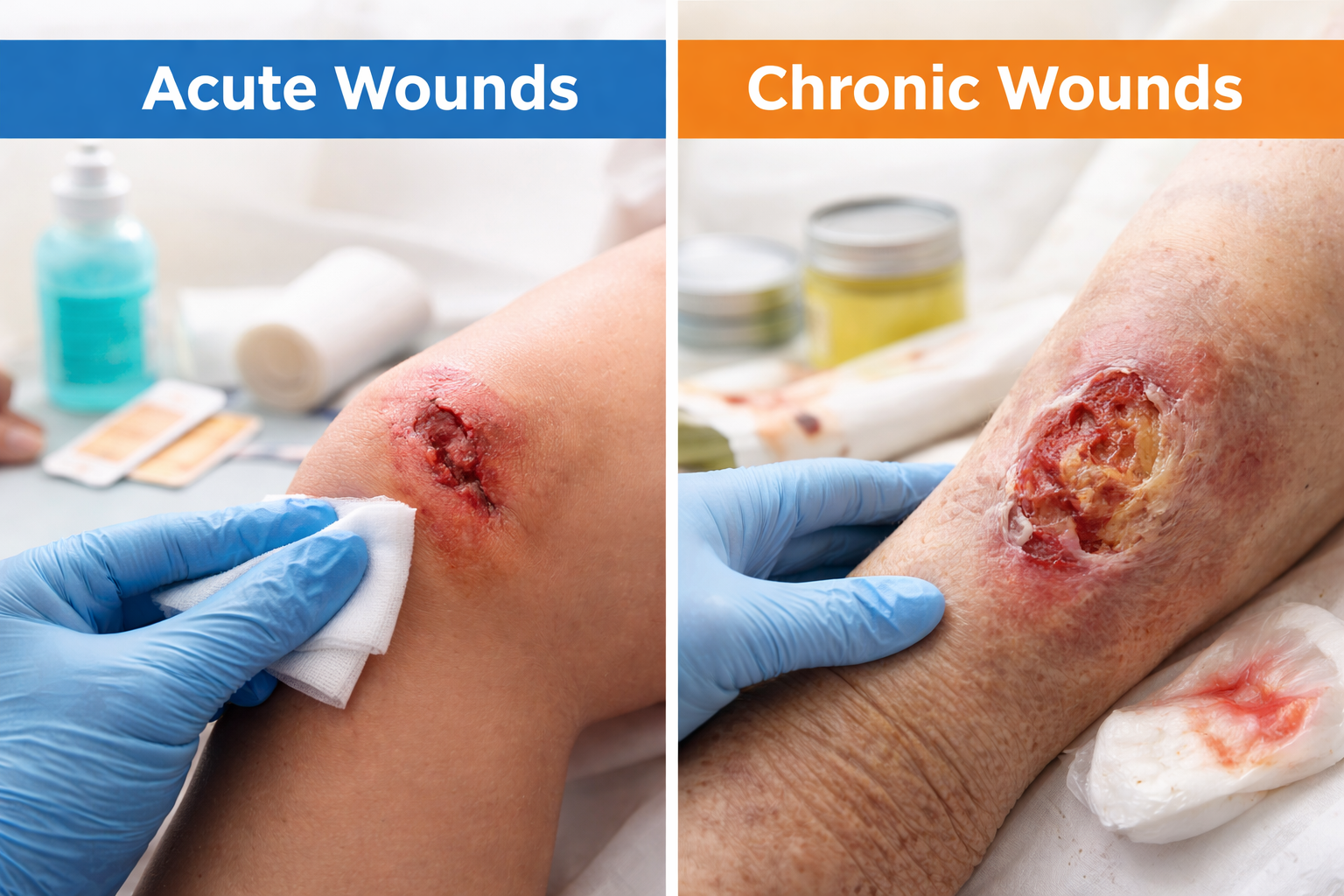
Pressure ulcers are commonly known as bedsores, which are injuries to the skin and the tissue underneath. They usually happens when a person stays in one position for too long time , especially when lying in bed or sitting on a wheelchair. These sores develop slowly and can become very serious if they are not treated on time. Pressure ulcers are very common in elderly people, patients, and individuals with limited movement.
What Are Pressure Ulcers (Bedsores)?
Pressure ulcers are mainly the damaged areas of skin caused by the constant pressure, friction and rubbing. When pressure reduces the blood flows to the skin for a long time, then the skin does not get enough oxygen and nutrients. So , the skin starts to break down and form a sore.
These ulcers usually appear on a bony parts of the individual’s body, such as the heels, ankles, hips, lower back, tailbone, elbows, and shoulders.
Why Are They Called Bedsores?
They are mostly called as bedsores because they commonly affect the people who are confined to bed for long periods due to some illness, surgery, or disability.
Of pressure ulcers.
Pressure ulcers do not form overnight. They develop due to a combination of factors that damage the skin over time.
Main causes are :
Prolonged pressure on the skin
Friction and sheer
Moisturise on the skin
Poor nutrition and dehydration
Limited mobility
Who Is at Risk of Developing Pressure Ulcers?
Very small amount of people are more likely to develop bedsores than others.
High-Risk of Groups Include:
Elderly individuals
Bedridden patients
Wheelchair users
People who have spinal cord injuries
Patients with sugar or poor blood circulation
Individuals which are recovering from major surgery
Stages of Pressure Ulcers
Pressure ulcers are classified into four stages, based on how deep and severe the wound is.
Stage 1: Early Skin Damage
At this stage, the skin is still intact but shows signs of damage.
COMMON SIGNS :
Red or discolored skin
Skin feels warm or firm
Pain or itching in the area
Redness does not fade when pressed
Stage 2: Partial Skin Loss
The outer layer of skin breaks open.
COMMON SIGNS:
Shallow open sore
Blister filled with fluid
Pink or red wound bed
Mild to moderate pain
This stage needs proper wound care to prevent infection.
Stage 3: Full-Thickness Skin Loss
The ulcer becomes deeper and reaches the fat layer under the skin.
COMMON SIGNS:
Deep crater-like wound
Yellow dead tissue (slough)
Possible foul smell
Increased risk of infection
Medical attention is essential at this stage.
Stage 4: Severe Tissue Damage
This is the most serious stage.
COMMON SIGNS:
Very deep wound
Damage to muscles, tendons, or bones
Black dead tissue (eschar)
High risk of serious infection
Symptoms and Warning Signs
Recognizing the early symptoms which helps to prevent serious complications.
Common Symptoms Include:
Persistent redness
Swelling or warmth
Skin pain or tenderness
Open wounds or blisters
Pus or bad-smelling discharge
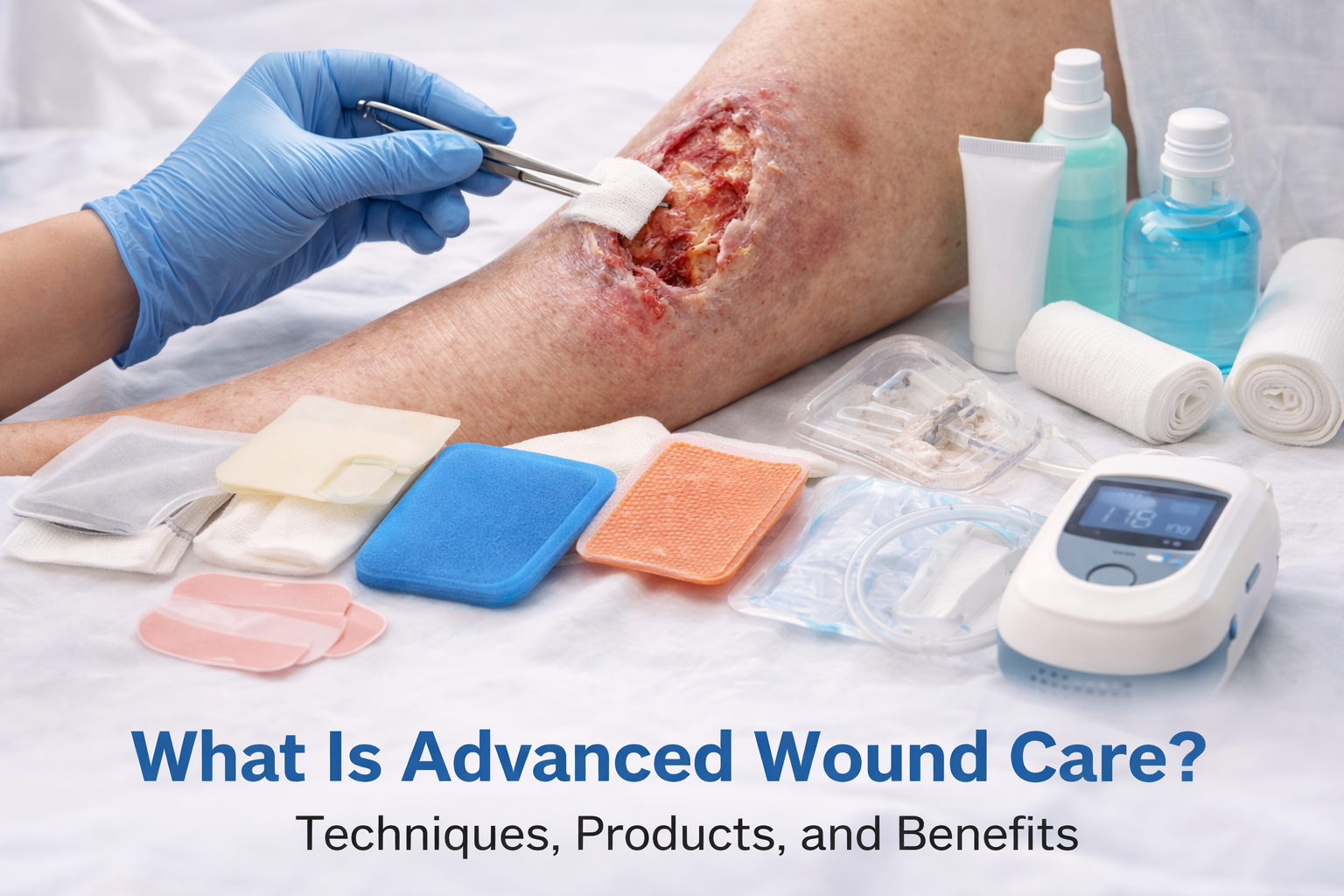
Wound Care and Treatment of Pressure Ulcers
Wound care mainly focuses on giving relief to the pressure of a bedsore by keeping the wound clean, and preventing it from infection. Pressure is reduced only by changing the position regularly and using cushions or special mattresses. The wound should be gently cleaned with saline or clean water and covered with proper cotton pad which will help in speedy healing. If infection is present, antibiotics should be given to an individual and good nutrition supports faster recovery.
1. Relieving Pressure
The main step is to remove pressure from the affected area.
Methods Include:
Changing position every 2 hours
Using air mattresses or cushions
Keeping heels elevated
Avoiding friction while moving
2. Cleaning the Wound
Proper cleaning helps prevent infection.
Wound Cleaning Methods:
Using normal saline or clean water
Avoiding harsh antiseptics unless prescribed
Gently removing dirt and debris
3. Dressing the Wound
Dressings protect the wound and support healing.
Common Dressing Types:
Foam dressings
Hydrocolloid dressings
Alginate dressings
Antibacterial dressings
4. Treating Infection
If infection is present, treatment may include:
Antibiotic creams
Oral or IV antibiotics
Regular wound monitoring
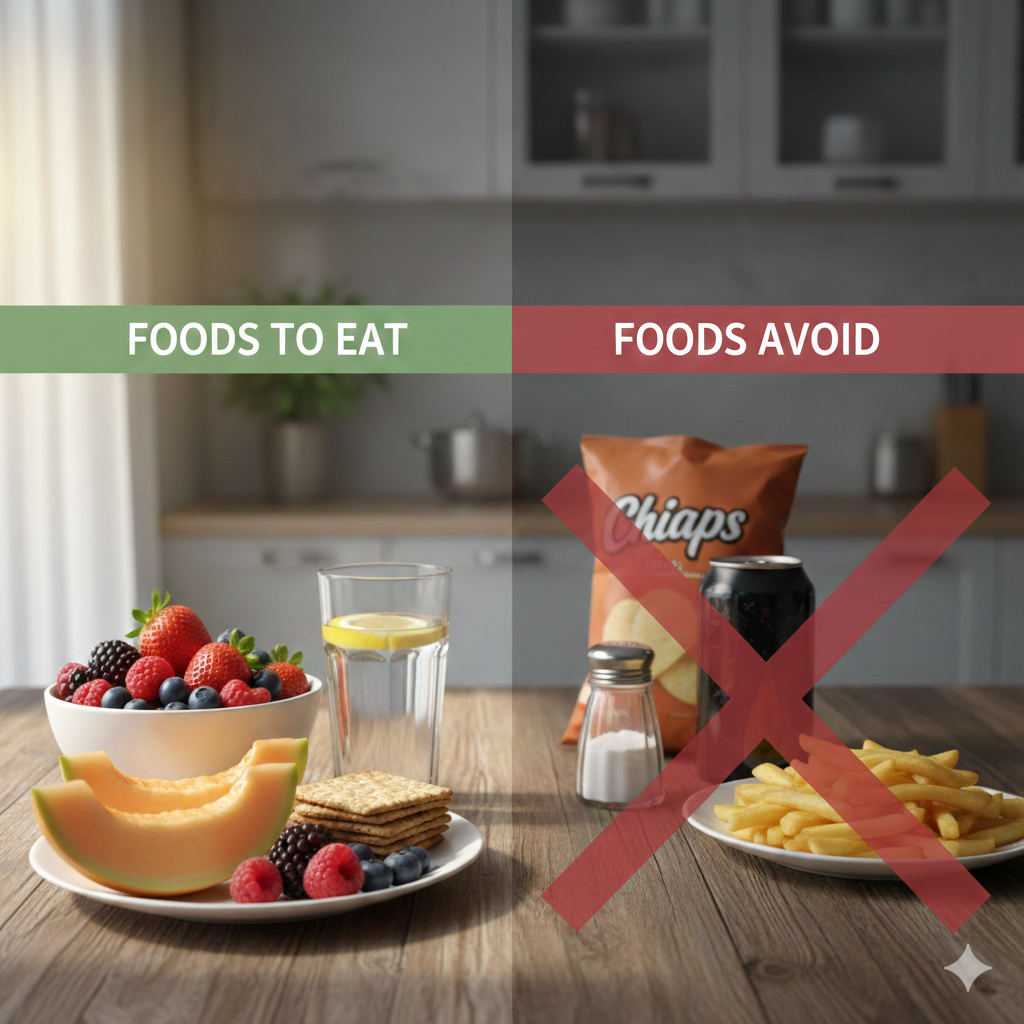
5. Nutrition Support
Good nutrition plays a major role in healing.
Essential Nutrients Include:
Protein
Vitamin C
Zinc
Adequate fluids
Special prevention tips for pressure ulcers
Simple prevention tips:
Change position frequently
Keep skin clean and dry
Use soft bedding and cushions
Inspect skin daily
Complications of Untreated Pressure Ulcers
If pressure ulcers will not get treated then they can lead to serious health problems.
Possible Complications Include:
Severe skin infections
Bone infection (osteomyelitis)
Blood infection (sepsis)
Delayed recovery
Increased hospital stay
Early care can prevent these outcomes.
Conclusion
Pressure ulcers are very common but a peventable condition. The pressure ulcers happens due to the constant pressure, poor circulation, and limited movement of the body . Understanding the main causes, stages, and proper wound care of the sores helps in early detection and effective treatment. With timely care, good hygiene, proper nutrition, and regular changing of position , pressure ulcers can be prevented and handled successfully. Awareness and care are the main keys to protecting the skin health and improving the patient comfort.