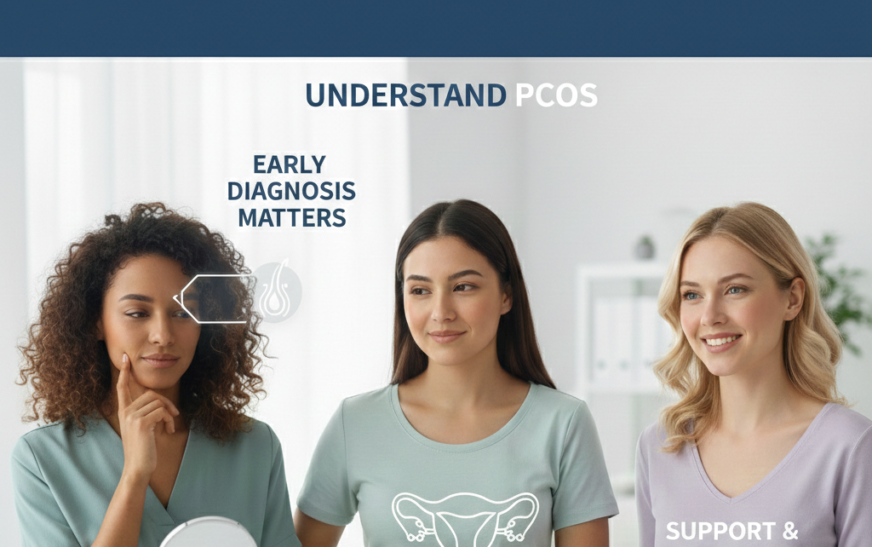
PCOS (Polycystic Ovary Syndrome) is a very common hormonal problem that affects the women during their growing years .It changes how the ovaries function and can cause many issues such as irregular periods, weight gain, acne on face , unwanted hair growth, and also getting difficulty in pregnant.
Many women suffers with PCOS without realizing it because the symptoms of PCOS is different for everyone and may appear slowly over time. Learning about PCOS makes it easier to recognize the signs and then individual can seek the right treatment, and take better care of long-term health.
What Is PCOS?
PCOS (Polycystic Ovary Syndrome) is a condition caused by hormonal imbalance, mainly involving:
Higher levels of androgens (male hormones)
Irregular ovulation
Insulin resistance in many cases
Despite the name, not all women with PCOS have ovarian cysts, and having cysts alone does not mean PCOS.
Why Does PCOS Happen?
The exact cause of PCOS is not known, but several factors play a role:
1. Hormonal Imbalance
Women with PCOS produce more androgens, which can:
Prevent regular ovulation
Cause acne and excess facial/body hair
2. Insulin Resistance
Many women with PCOS have insulin resistance, meaning:
The body doesn’t use insulin properly
Blood sugar levels rise
Weight gain becomes easier
3. Genetics
PCOS often runs in families. If your mother or sister has PCOS, your risk is higher.
Common Symptoms of PCOS
Symptoms vary from person to person.
Menstrual Symptoms
Irregular or missed periods
Very light or very heavy bleeding
Hormonal Symptoms
Acne and oily skin
Excess hair growth on face, chest, or abdomen
Hair thinning or hair fall from scalp
Metabolic Symptoms
Weight gain (especially around the abdomen)
Difficulty losing weight
Fertility Issues
Irregular ovulation
Difficulty getting pregnant
How Is PCOS Diagnosed?
There is no single test for PCOS. Doctors usually diagnose it using a combination of:
1. Medical History
Period pattern
Weight changes
Symptoms like acne or hair growth
2. Blood Tests
Hormone levels
Blood sugar and insulin
Lipid profile
3. Ultrasound
Enlarged ovaries
Multiple small follicles (often called cysts)
Doctors commonly use Rotterdam criteria, where at least 2 of the following 3 must be present:
Irregular periods
High androgen levels
Polycystic ovaries on ultrasound
Health Risks Associated With PCOS
If untreated, PCOS can increase the risk of:
Type 2 diabetes
High blood pressure
Heart disease
Infertility
Endometrial (uterine) problems
Anxiety and depression
Early management helps prevent long-term complications.
Treatment Options for PCOS
There is no permanent cure, but PCOS can be effectively managed.
1. Lifestyle Changes (First-Line Treatment)
Balanced diet (low sugar, high fiber)
Regular exercise
Weight loss (even 5–10% helps significantly)
2. Medicines
Doctors may prescribe:
Hormonal pills to regulate periods
Medicines to improve insulin sensitivity
Acne or hair growth treatments
3. Fertility Treatment (If Pregnancy Is Desired)
Ovulation-inducing medicines
Assisted reproductive techniques if needed
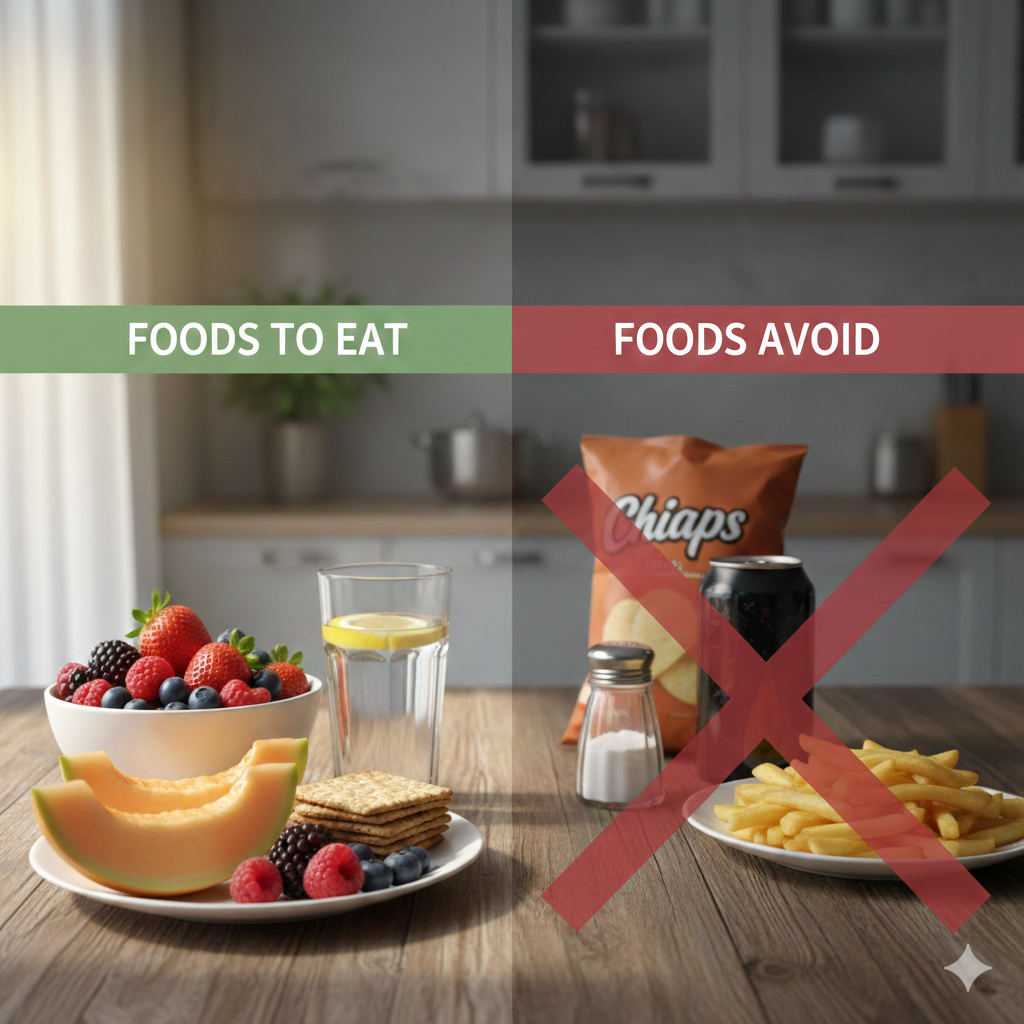
PCOS Diet: What to Eat & Avoid
Foods to Eat
Whole grains
Vegetables and fruits
Lean protein
Healthy fats
Foods to Avoid
Sugary foods
Refined carbohydrates
Processed and fried foods
Can PCOS Be Cured?
PCOS is a long-term condition, but:
Symptoms can be controlled
Periods can become regular
Pregnancy is possible with treatment
Health risks can be reduced
With the adaptation of right lifestyle and medical care, many women live healthy, normal lives.
FAQs: PCOS Explained Simply
Is PCOS common?
Yes. PCOS affects 1 in 10 women worldwide.
Can thin women have PCOS?
Yes. PCOS can occur in women of any body type.
Does PCOS always cause infertility?
No. Many women with PCOS conceive naturally or with treatment.
Is PCOS dangerous?
It’s manageable, but untreated PCOS can cause long-term health problems.
At what age does PCOS start?
Usually during teenage years or early adulthood.
Conclusion
PCOS is a common hormonal condition, but it can be managed well. With early identification of the cause , healthy lifestyle should be changed and proper medical treatment should also be given so then symptoms can be controlled, fertility of an individual can be improved and long-term health can be protected too .
If you notice irregular menstrual cycle , acne on your face , weight gain, or excess hair growth, it’s important to consult a doctor. Getting the right care early can make a big difference.