Diabetes treatment often raises many questions for the patients and their families. One of the most common concerns is whether the diabetes can be managed with the tablets alone or if insulin injections are must. Many people feel very anxious when insulin is given, it means their condition has become very serious. In reality, both tablets and insulin are effective treatments when used correctly by an individual.
This article explains diabetes medicines in simple and clear language, compares insulin vs tablets, and helps patients understand why different treatments are prescribed.
Why Are Medicines Needed for Diabetes?
Diabetes occurs when the body of an individual is unable to control the blood sugar levels properly. This happens because:
- The body does not produce enough insulin, or
- The body cannot use the insulin effectively
Medicines helps to :
- Lower the blood sugar levels
- Improve the insulin action
- Prevent long-term problems
Treatment is personalised which is based on the type of diabetes, sugar levels, age, and overall health.
Diabetes Medicines List: An Overview
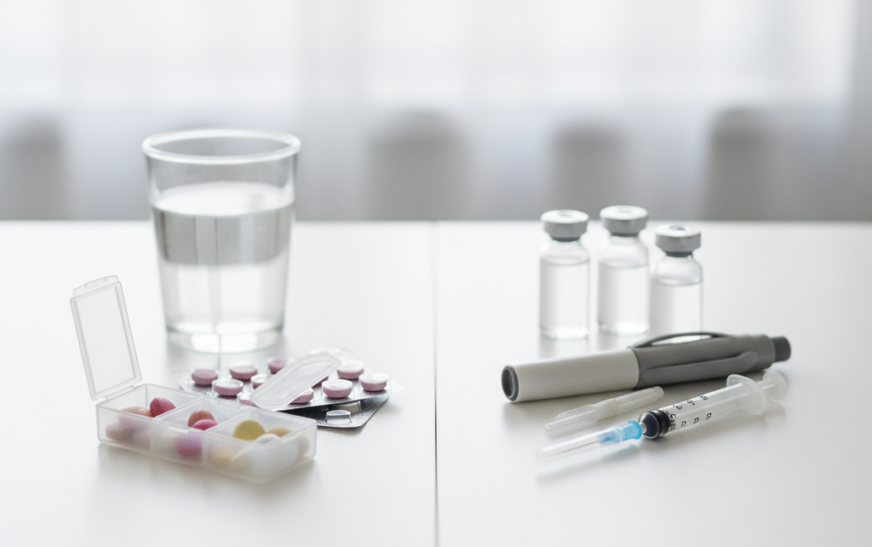
Diabetes medicines are broadly divided into two categories:
- Oral diabetes medicines (tablets)
- Insulin injections
Both work in different ways to control blood sugar.
Oral Diabetes Medicines (Tablets)
Tablets are often prescribed for Type 2 diabetes and are often for the first line of treatment.
How are the Diabetes Tablets Work?
Diabetes tablets may:
- Help the body use insulin better
- Reduce sugar production in the liver
- Increase insulin release from the pancreas
- Slow down sugar absorption from food
Common Diabetes Medicines List (Tablets)
Some commonly used diabetes tablets include:
- Metformin
- Sulfonylureas
- DPP-4 inhibitors
- SGLT-2 inhibitors
- Thiazolidinediones
Doctors choose medicines which are based on the individual needs and sugar levels.
Benefits of Diabetes Tablets
- Easy to take
- No injections required
- Effective in early and moderate Type 2 diabetes
- Can be combined for better control
Limitations of Tablets
- May become less effective over time
- Some tablets can cause low blood sugar
- Not suitable for Type 1 diabetes
- May cause side effects like stomach upset or frequent urination
What Is Insulin and Why Is It Needed?
Insulin is a hormone naturally produced by the pancreas. It allows sugar to enter the body’s cells to be used for energy.
When the body cannot make enough insulin or stops responding to it, insulin injections are required.
Who Needs Insulin?
Insulin is necessary for:
- All patients with Type 1 diabetes
- Some patients with Type 2 diabetes
- Gestational diabetes (in some cases)
- Patients with very high blood sugar levels
- People whose tablets are no longer effective
Types of Insulin
Insulin is classified based on how fast it works:
- Rapid-acting insulin
- Short-acting insulin
- Intermediate-acting insulin
- Long-acting insulin
Doctors select the type and dose based on blood sugar patterns.
Benefits of Insulin
- Most powerful way to lower blood sugar
- Essential for Type 1 diabetes
- Protects organs from long-term damage
- Flexible dosing options
Concerns About Insulin (Myths Explained) 10
Many patients fear insulin due to myths such as:
- “Insulin means my diabetes is very serious”
- “Insulin causes addiction”
- “Insulin always causes complications”
Truth: Insulin is a safe and lifesaving treatment when used correctly.
Insulin vs Tablets: Key Differences Explained
|
Feature
|
Diabetes Tablets
|
Insulin
|
|
Method
|
Oral (by mouth)
|
Injection
|
|
Used in
|
Mostly Type 2 diabetes
|
Type 1 & Type 2
|
|
Strength
|
Moderate
|
Very strong
|
|
Ease
|
Easier to use
|
Requires training
|
|
Flexibility
|
Limited dose adjustment
|
Highly adjustable
|
|
Long-term use
|
May lose effect
|
Always effective
|
Both treatments are equally important depending on the condition.
Why Do Some Patients Switch from Tablets to Insulin?
Switching to insulin does not mean failure. It happens because:
- Diabetes progresses over time
- Pancreas produces less insulin
- Tablets alone are no longer sufficient
- Better sugar control is required
Early insulin use can actually prevent complications.
Can Tablets and Insulin Be Used Together?
Yes. Many Type 2 diabetes patients use:
- Tablets during the day
- Insulin at night
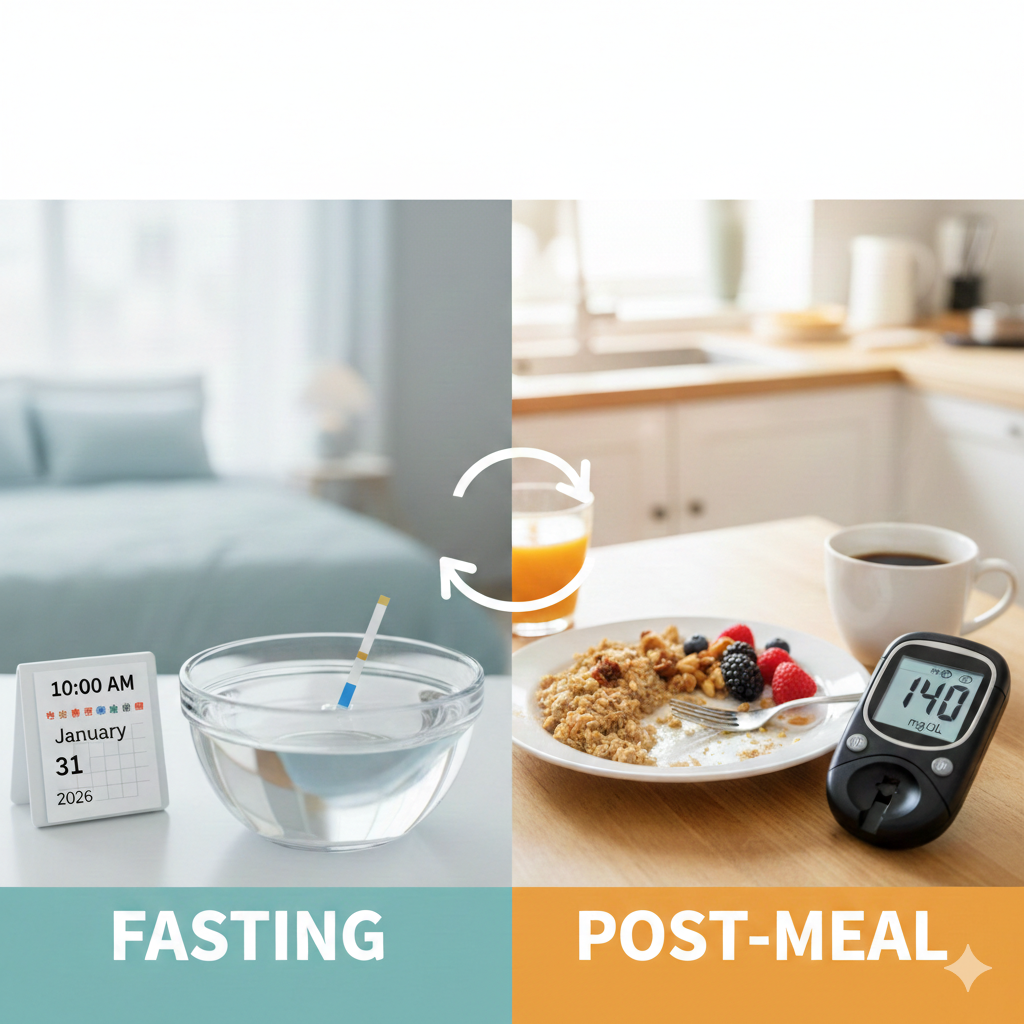
This combination helps control both fasting and post-meal sugar levels.
How Does a Doctor Decide the Right Treatment?
Doctors consider:
- Type of diabetes
- HbA1c level
- Fasting and post-meal sugar values
- Age and weight
- Other health conditions
Treatment is adjusted over time based on response.
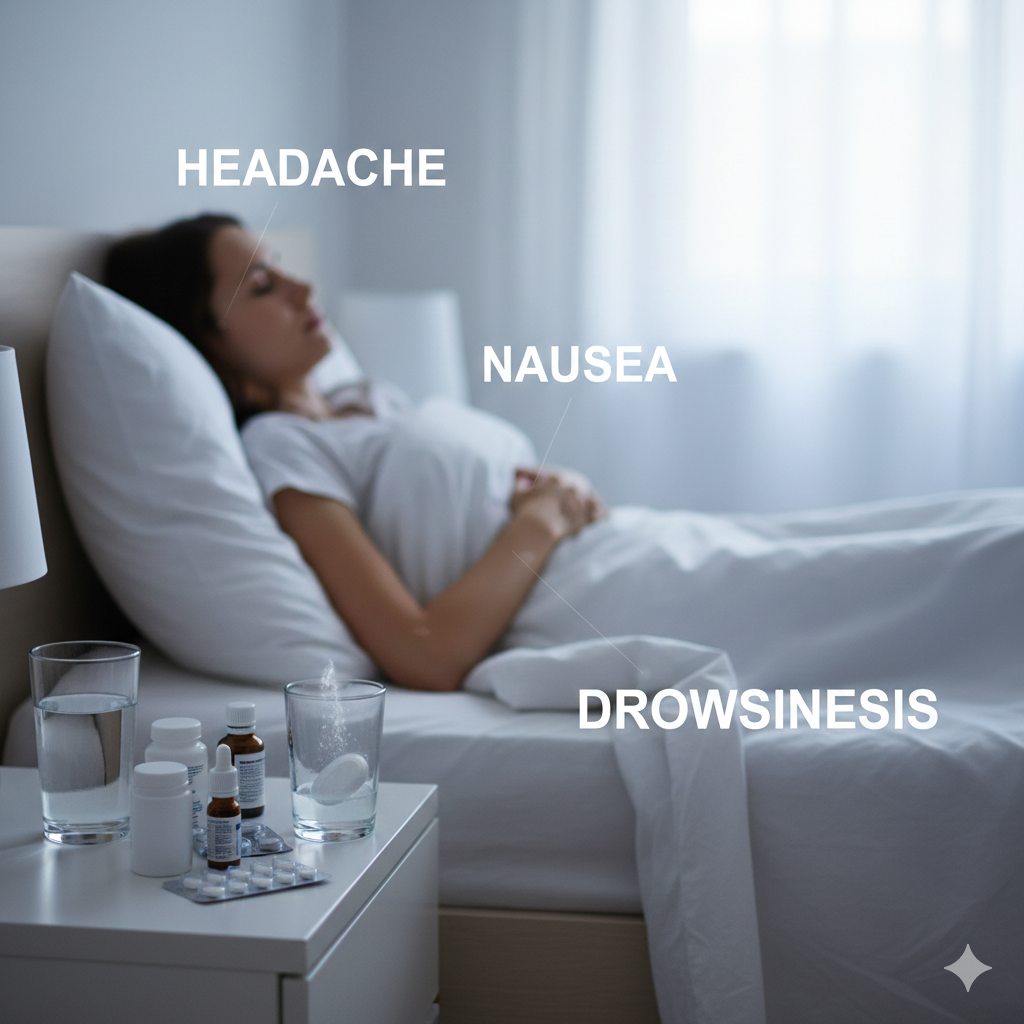
Side Effects of Diabetes Medicines
Tablet Side Effects
- Nausea or stomach upset
- Low blood sugar (some medicines)
- Increased urination
Insulin Side Effects
- Low blood sugar if dose is high
- Weight gain in some cases
- Injection site discomfort
Regular follow-up helps reduce risks.
How to Get the Best Results from Diabetes Medicines
- Take medicines at the same time daily
- Do not skip doses
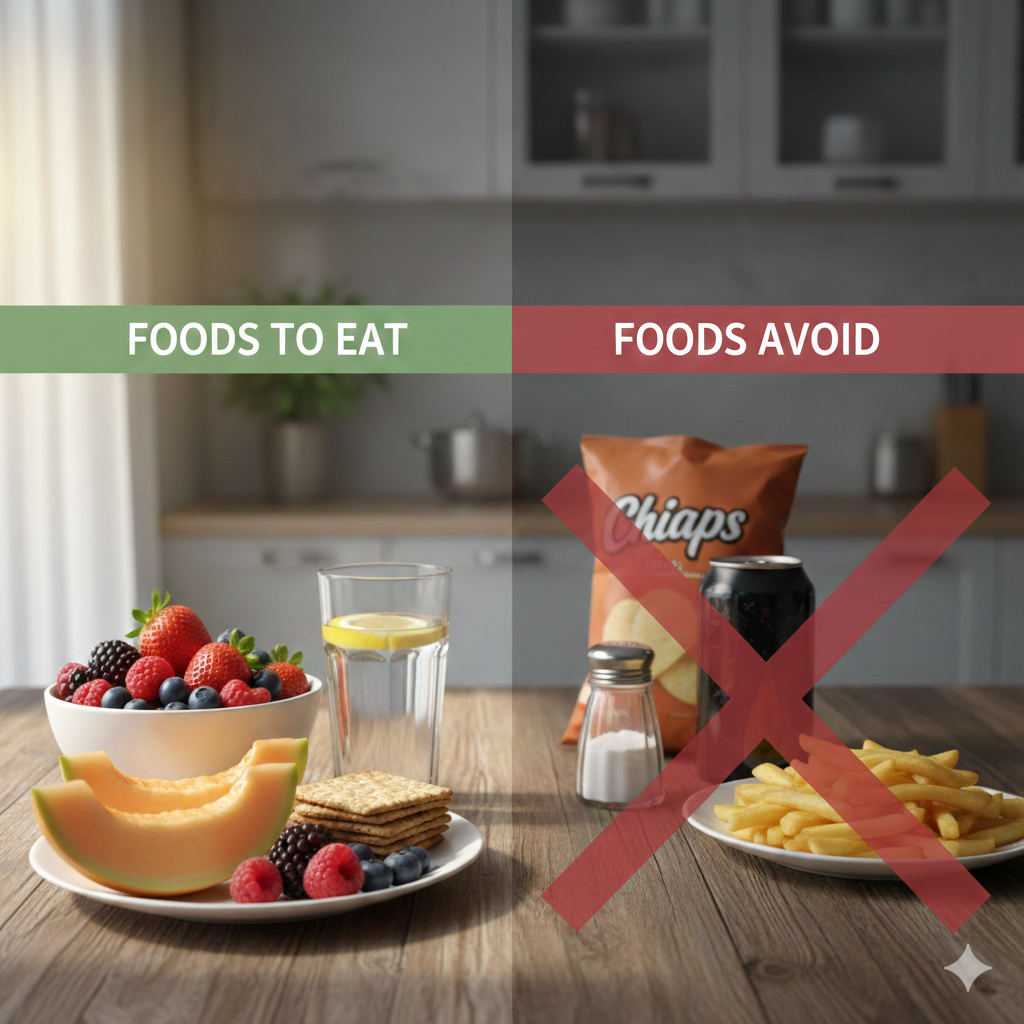
- Follow dietary advice
- Monitor blood sugar regularly
- Never change dose without consulting a doctor
Frequently Asked Questions
Can diabetes be controlled with tablets only?
Yes, especially in early Type 2 diabetes.
Is insulin permanent once started?
Not always. Some patients can return to tablets if sugar control improves.
Is insulin painful?
Modern insulin pens cause minimal discomfort.
Are diabetes medicines lifelong?
Diabetes is long-term, but treatment can change over time.
Key Takeaway (Featured Snippet Optimized)
Diabetes medicines include oral tablets and insulin injections. Tablets are commonly used in Type 2 diabetes, while insulin is essential for Type 1 diabetes and advanced Type 2 cases. The choice between insulin vs tablets depends on blood sugar levels, disease progression, and individual health needs. Both treatments are safe and effective when used correctly.