
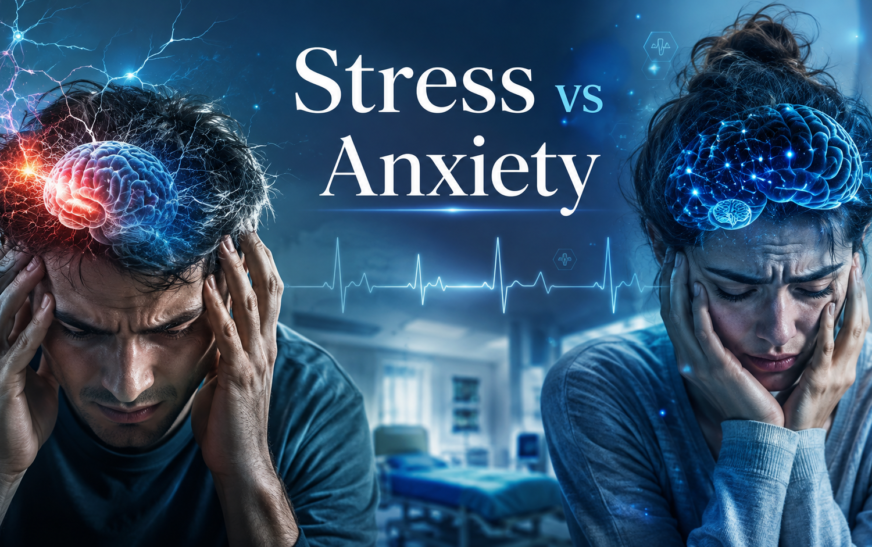
Stress and anxiety are often used interchangeably, but they are not the same. While both can affect your emotional and physical well-being, understanding the difference is important for managing your mental health effectively. Stress vs Anxiety is a common topic because many people experience similar symptoms without knowing which condition they are dealing with.
Table of Contents
ToggleStress is usually a response to an external situation, such as work deadlines, financial problems, exams, or relationship conflicts. Once the stressful situation improves, the symptoms often reduce. Anxiety, on the other hand, can persist even when there is no obvious trigger. It may involve excessive worry, fear, or nervousness that affects daily life and may require professional treatment.
Understanding Stress vs Anxiety can help you recognize symptoms early, seek appropriate support, and prevent long-term mental and physical health problems.
In this guide, you’ll learn the key differences, symptoms, causes, diagnosis, treatment options, and practical ways to manage both conditions.
Persistent fatigue and poor concentration are not always caused by Stress vs Anxiety. In some cases, nutritional deficiencies may also contribute to these symptoms. Read our guide on Signs of Vitamin B12 Deficiency to learn about other possible causes.
What Is Stress?
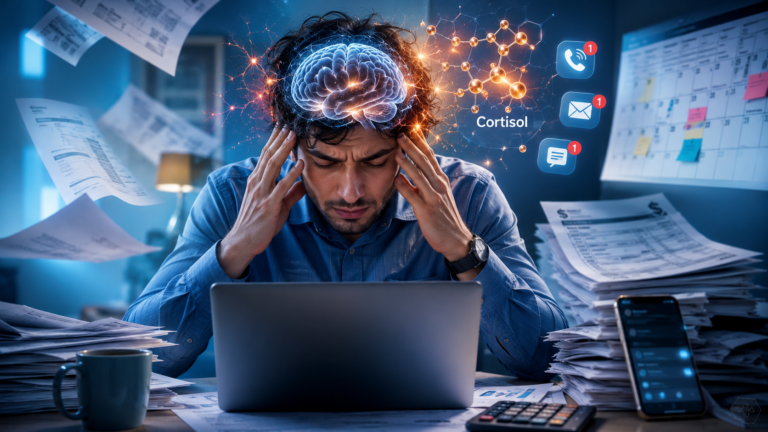
Stress is your body’s natural response to a challenge or demand. It activates the body’s “fight-or-flight” response, releasing hormones like adrenaline and cortisol to help you react quickly. In small amounts, stress can actually be helpful by improving focus, motivation, and performance.
However, when stress becomes frequent or long-lasting, it can negatively affect your physical and mental health.
Common Causes of Stress
Many everyday situations can trigger stress, including:
- Heavy workload or job pressure
- Financial difficulties
- Family or relationship problems
- Academic pressure
- Serious illness or injury
- Major life changes
- Lack of sleep
- Moving to a new city
- Caring for a loved one
- Unexpected emergencies
The intensity of stress varies from person to person. A situation that feels manageable for one individual may feel overwhelming for another.
Symptoms of Stress
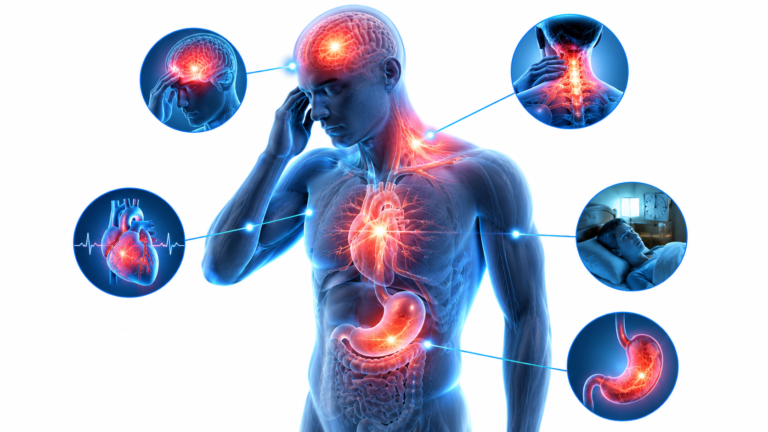
Stress can affect your body, emotions, thoughts, and behavior.
Physical Symptoms
- Headaches
- Muscle tension
- Neck and shoulder pain
- Fatigue
- Rapid heartbeat
- Upset stomach
- Digestive problems
- Sweating
- Chest tightness
- Sleep disturbances
Emotional Symptoms
- Irritability
- Frustration
- Mood swings
- Feeling overwhelmed
- Difficulty relaxing
- Lack of motivation
Cognitive Symptoms
- Poor concentration
- Forgetfulness
- Racing thoughts
- Constant worrying
- Difficulty making decisions
Behavioral Symptoms
- Overeating or loss of appetite
- Increased alcohol or smoking
- Nail biting
- Social withdrawal
- Procrastination
- Reduced productivity
Recognizing these symptoms is the first step in understanding Stress vs Anxiety, as many of these signs may overlap with anxiety disorders.
What Is Anxiety?
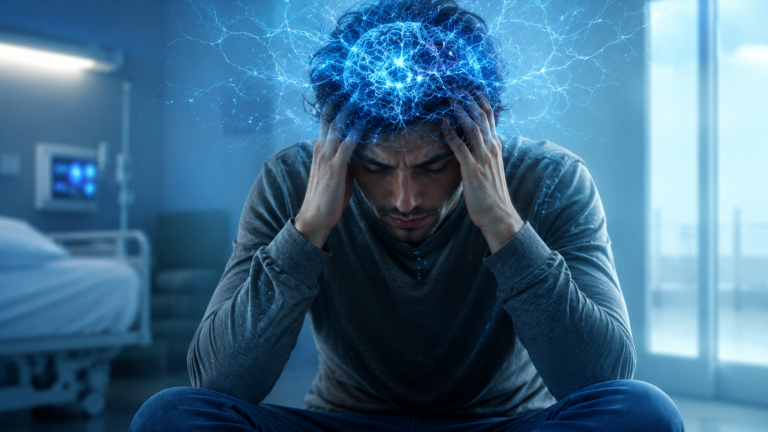
Anxiety is more than occasional nervousness before an important event. It is a persistent feeling of fear, worry, or uneasiness that may continue even when there is no immediate threat. Unlike stress, anxiety can remain long after a stressful event has ended and may interfere with work, relationships, and daily activities.
When comparing Stress vs Anxiety, the biggest difference is that anxiety often occurs without a clear external trigger and can become a long-term mental health condition if left untreated.
Occasional anxiety is normal. However, persistent or excessive anxiety may indicate an anxiety disorder that requires professional evaluation.
Common Causes of Anxiety
Several factors may contribute to anxiety, including:
- Chronic stress
- Family history of anxiety disorders
- Traumatic experiences
- Certain medical conditions
- Hormonal changes
- Substance misuse
- Excessive caffeine intake
- Sleep deprivation
- Chronic illnesses
- Personality traits
Often, anxiety develops due to a combination of biological, psychological, and environmental factors.
Symptoms of Anxiety
Many anxiety symptoms resemble stress symptoms, but they are usually more persistent and intense.
Physical Symptoms
- Fast heartbeat
- Shortness of breath
- Sweating
- Trembling
- Dizziness
- Dry mouth
- Chest discomfort
- Stomach problems
- Muscle tension
- Difficulty sleeping
Emotional Symptoms
- Constant fear
- Excessive worry
- Feeling restless
- Panic
- Irritability
- Feeling that something bad will happen
Cognitive Symptoms
- Difficulty concentrating
- Racing thoughts
- Negative thinking
- Trouble controlling worries
- Feeling mentally exhausted
Behavioral Symptoms
- Avoiding social situations
- Avoiding responsibilities
- Seeking constant reassurance
- Difficulty completing daily tasks
- Withdrawing from family and friends
Understanding these symptoms makes it easier to identify Stress vs Anxiety and know when professional help may be needed.
The National Institute of Mental Health (NIMH) explains that anxiety disorders are among the most common mental health conditions and can significantly affect daily life if left untreated.
Why Understanding Stress vs Anxiety Matters
Many people ignore emotional symptoms until they begin affecting physical health, relationships, or work performance. Although Stress vs Anxiety share several symptoms, they differ in their causes, duration, and treatment approaches. Learning these differences helps you take the right steps toward improving your mental well-being instead of assuming all emotional distress is simply “stress.”
Stress vs Anxiety: Key Differences
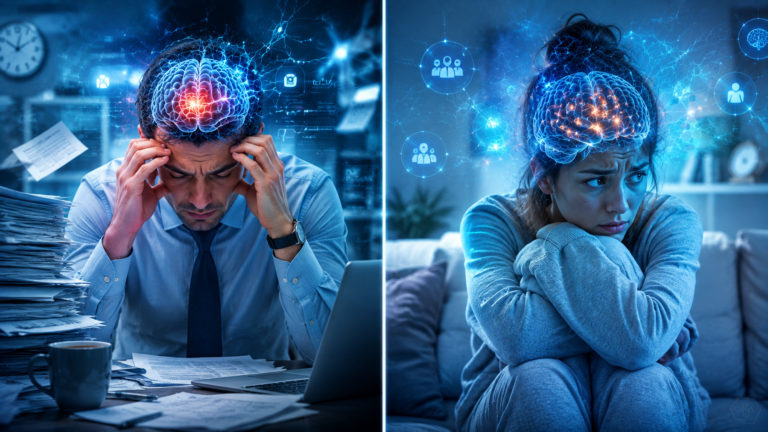
Although Stress vs Anxiety share many emotional and physical symptoms, they are not the same condition. Stress is generally a response to an external challenge, while anxiety often continues even when the stressful situation has passed.
Understanding Stress vs Anxiety can help you recognize whether your symptoms are temporary or if they may require professional evaluation.
| Feature | Stress | Anxiety |
|---|---|---|
| Trigger | Usually caused by a specific event or situation | May occur without an obvious trigger |
| Duration | Temporary and improves when the stressor is removed | Can persist for weeks, months, or longer |
| Cause | External pressures such as work, finances, exams, or relationships | Internal feelings of fear, worry, or nervousness |
| Symptoms | Tension, irritability, headaches, muscle pain | Excessive worry, panic, restlessness, fear |
| Effect on Daily Life | Usually improves after the stressful event ends | Can significantly interfere with daily activities |
| Treatment | Lifestyle changes, stress management, relaxation | Therapy, lifestyle changes, and sometimes medication |
The biggest difference in Stress vs Anxiety is that stress usually has a clear cause, whereas anxiety can continue even when there is no immediate danger.
Stress vs Anxiety Symptoms Comparison
Many symptoms overlap, making it difficult to tell the difference. However, anxiety symptoms are often more persistent and intense.
Common Symptoms of Stress
People experiencing stress may notice:
- Muscle tension
- Headaches
- Neck or back pain
- Irritability
- Fatigue
- Difficulty sleeping
- Digestive problems
- Temporary worry
- Difficulty concentrating
- Feeling overwhelmed
These symptoms often improve once the stressful situation is resolved.
Common Symptoms of Anxiety
People with anxiety may experience:
- Constant worrying
- Fear without a clear reason
- Panic attacks
- Racing thoughts
- Fast heartbeat
- Sweating
- Trembling
- Shortness of breath
- Difficulty relaxing
- Avoiding everyday situations
Unlike stress, anxiety symptoms may continue for long periods and often affect work, school, relationships, and overall quality of life.
Feeling exhausted despite getting enough sleep is common in people dealing with Stress vs Anxiety. However, other health conditions may also be responsible. Learn more in our article on Why You Feel Tired After Sleep.
Causes of Stress vs Anxiety
Another important aspect of Stress vs Anxiety is understanding what causes each condition.
Common Causes of Stress
Stress is usually linked to identifiable life events such as:
- Heavy workload
- Financial difficulties
- Academic pressure
- Relationship conflicts
- Divorce or separation
- Losing a job
- Serious illness
- Caring for family members
- Major life transitions
- Lack of sleep
Once these situations improve, stress often decreases naturally.
Common Causes of Anxiety
Anxiety is often more complex and may result from multiple factors, including:
- Family history of anxiety disorders
- Chronic stress
- Childhood trauma
- Depression or other mental health conditions
- Hormonal changes
- Thyroid disorders
- Certain medications
- Substance misuse
- Excessive caffeine intake
- Long-term medical illnesses
In many cases, anxiety develops from a combination of genetic, environmental, and psychological factors.
Risk Factors for Stress and Anxiety
Certain individuals are more likely to experience both stress and anxiety.
Common risk factors include:
- High-pressure jobs
- Students preparing for important exams
- Poor work-life balance
- Chronic medical conditions
- Family history of mental health disorders
- Lack of social support
- Financial instability
- Sleep deprivation
- Major life changes
- Previous traumatic experiences
Having one or more risk factors does not necessarily mean someone will develop anxiety, but it can increase the likelihood.
When Does Stress Become Anxiety?
One of the most common questions people ask is whether stress can turn into anxiety.
The answer is yes.
Persistent stress that is not managed properly can increase the risk of developing an anxiety disorder. For example, someone experiencing months of workplace stress may continue feeling worried, tense, or fearful even after changing jobs.
Signs that stress may be developing into anxiety include:
- Worry that continues after the stressful event ends
- Feeling nervous most days
- Difficulty controlling fearful thoughts
- Avoiding routine activities
- Panic attacks
- Trouble sleeping for several weeks
- Physical symptoms without an obvious medical cause
Recognizing these warning signs early can make treatment more effective.
Can You Have Stress and Anxiety Together?
Yes. Many people experience both conditions at the same time.
For example, a person dealing with financial difficulties may initially experience stress. If the constant pressure continues for months, they may begin developing ongoing anxiety, excessive worry, and fear about the future.
This overlap is one reason why understanding Stress vs Anxiety is important. While the symptoms may appear similar, identifying the underlying cause helps healthcare professionals recommend the most effective treatment.
How Stress vs Anxiety Affects Your Health
If left unmanaged, both stress and anxiety can affect nearly every system in the body.
Possible complications include:
- High blood pressure
- Weakened immune system
- Heart disease risk
- Digestive disorders
- Chronic headaches
- Poor sleep quality
- Depression
- Reduced work performance
- Memory problems
- Relationship difficulties
Managing symptoms early can improve both mental and physical health while reducing the risk of long-term complications.
How Are Stress and Anxiety Diagnosed?
There is no single test that can diagnose stress or anxiety. Healthcare professionals evaluate your symptoms, medical history, lifestyle, and emotional well-being before making a diagnosis.
If your symptoms are severe or long-lasting, your doctor may refer you to a psychologist or psychiatrist for further evaluation.
During the assessment, your healthcare provider may ask:
- How long have your symptoms been present?
- How often do you feel worried or stressed?
- Do your symptoms interfere with work, school, or relationships?
- Have you experienced panic attacks?
- Are there any recent life events contributing to your symptoms?
- Do you have a family history of anxiety or other mental health conditions?
Sometimes, blood tests or other medical evaluations may be recommended to rule out conditions such as thyroid disorders, vitamin deficiencies, or heart problems that can cause similar symptoms.
Understanding the difference between Stress vs Anxiety helps healthcare professionals choose the most appropriate treatment plan.
Treatment for Stress vs Anxiety

The treatment for Stress vs Anxiety depends on the severity of symptoms, how long they have been present, and how much they affect daily life. While mild stress often improves with lifestyle changes, persistent anxiety may require professional treatment.
1. Lifestyle Changes
Healthy daily habits can significantly improve both stress and anxiety.
Helpful lifestyle changes include:
- Get 7–9 hours of quality sleep every night.
- Exercise for at least 30 minutes most days of the week.
- Eat a balanced diet rich in fruits, vegetables, whole grains, and lean proteins.
- Reduce caffeine and sugary drinks if they worsen your symptoms.
- Limit alcohol and avoid smoking.
- Stay connected with family and friends.
- Maintain a healthy work-life balance.
Healthy lifestyle habits help manage Stress vs Anxiety and also support liver health. If you’re interested in understanding liver function and elevated enzyme levels, read our guide on Why SGPT Increases.
2. Stress Management Techniques
Learning to manage stress can reduce its impact before it develops into chronic anxiety.
Effective stress management strategies include:
- Deep breathing exercises
- Meditation
- Yoga
- Mindfulness practices
- Journaling
- Listening to calming music
- Spending time in nature
- Taking regular breaks during work
These techniques help lower stress hormone levels and improve emotional well-being.
The American Psychological Association (APA) recommends healthy coping strategies such as regular exercise, mindfulness, and adequate sleep to reduce stress and improve emotional well-being.
3. Therapy
For people with persistent anxiety, therapy is often one of the most effective treatments.
Common therapies include:
- Cognitive Behavioral Therapy (CBT)
- Acceptance and Commitment Therapy (ACT)
- Mindfulness-Based Stress Reduction (MBSR)
- Counseling and psychotherapy
CBT is especially effective because it helps identify and replace negative thought patterns with healthier coping strategies.
4. Medications
Some people with moderate to severe anxiety disorders may benefit from prescription medications.
These may include:
- Selective Serotonin Reuptake Inhibitors (SSRIs)
- Serotonin-Norepinephrine Reuptake Inhibitors (SNRIs)
- Anti-anxiety medications (for short-term use when appropriate)
Medications should only be taken under the guidance of a qualified healthcare professional. Never start or stop prescription medicines without medical advice.
Tips to Prevent Stress and Anxiety

Although it is impossible to eliminate every stressful situation, healthy habits can lower your risk of long-term emotional distress.
Here are some practical ways to protect your mental well-being:
- Follow a regular sleep schedule.
- Stay physically active.
- Practice relaxation techniques daily.
- Set realistic goals and priorities.
- Take breaks from work and digital devices.
- Avoid excessive caffeine and alcohol.
- Spend time with supportive family and friends.
- Seek help early if symptoms become overwhelming.
- Make time for hobbies and enjoyable activities.
- Practice gratitude and positive thinking.
These habits can improve resilience and make it easier to cope with life’s challenges.
A balanced diet, regular exercise, and maintaining a healthy weight can reduce the risk of many health conditions. You may also want to read Early Signs of Fatty Liver to understand how lifestyle choices affect liver health.
When Should You See a Doctor?
Occasional stress is a normal part of life. However, professional medical advice is important if symptoms become persistent or begin affecting your daily routine.
Seek medical help if you:
- Feel anxious most days for several weeks.
- Experience frequent panic attacks.
- Have difficulty sleeping because of constant worry.
- Avoid work, school, or social activities.
- Notice ongoing physical symptoms such as chest pain or shortness of breath after serious medical causes have been ruled out.
- Feel unable to control your thoughts or emotions.
- Experience symptoms of depression along with anxiety.
Early diagnosis and treatment often lead to better long-term outcomes.
Frequently Asked Questions (FAQs)
What is the difference between stress vs anxiety?
The main difference between Stress vs Anxiety is that stress is usually caused by an external situation, such as work pressure or financial problems, and often improves once the situation is resolved. Anxiety may continue even without a clear trigger and can become a long-term mental health condition.
Can stress turn into anxiety?
Yes. Long-term or unmanaged stress can increase the risk of developing anxiety. If stress continues for weeks or months, it may lead to persistent worry, fear, or anxiety symptoms that require professional treatment.
What are the common symptoms of stress vs anxiety?
Common symptoms include headaches, muscle tension, fatigue, irritability, difficulty concentrating, sleep problems, rapid heartbeat, excessive worrying, and restlessness. Anxiety symptoms usually last longer and may occur even without an obvious cause.
How can I tell if I have stress or anxiety?
If your symptoms are linked to a specific event and improve after the situation ends, they are more likely related to stress. If the worry continues for weeks, affects daily life, or occurs without a clear reason, it may be anxiety. A healthcare professional can provide an accurate diagnosis.
What causes stress and anxiety?
Stress is commonly caused by work pressure, relationship issues, financial problems, exams, or major life changes. Anxiety may result from genetics, chronic stress, trauma, certain medical conditions, hormonal changes, or a combination of these factors.
How is stress vs anxiety diagnosed?
Doctors diagnose Stress vs Anxiety by reviewing your symptoms, medical history, lifestyle, and mental health. They may also perform physical examinations or blood tests to rule out underlying medical conditions before recommending treatment.
What is the best treatment for stress vs anxiety?
Treatment depends on the severity of symptoms. Lifestyle changes, regular exercise, mindfulness, and stress management techniques can help with stress. Anxiety may also require counseling, Cognitive Behavioral Therapy (CBT), or medication prescribed by a healthcare professional.
Can exercise help reduce stress and anxiety?
Yes. Regular physical activity releases endorphins, improves mood, reduces cortisol levels, promotes better sleep, and is one of the most effective natural ways to manage both stress and anxiety.
When should I see a doctor for stress or anxiety?
You should seek medical advice if symptoms last for several weeks, interfere with work, school, relationships, sleep, or daily activities, or if you experience frequent panic attacks or overwhelming fear.
Can stress and anxiety be prevented?
Although they cannot always be prevented, healthy habits such as getting enough sleep, exercising regularly, eating a balanced diet, practicing relaxation techniques, limiting caffeine, and maintaining a good work-life balance can significantly reduce the risk of developing chronic stress and anxiety.

Conclusion
Understanding Stress vs Anxiety is essential for recognizing your symptoms and choosing the right approach to care. While stress is usually a temporary response to life’s challenges, anxiety can persist even after the stressful situation has ended. Although the two conditions share many symptoms, they differ in their causes, duration, and treatment.
The good news is that both stress and anxiety can often be managed effectively through healthy lifestyle habits, stress management techniques, therapy, and, when necessary, medical treatment. Paying attention to early warning signs and seeking professional support when symptoms become overwhelming can help prevent long-term physical and mental health complications.
If you or someone you know is struggling with ongoing stress or anxiety, don’t ignore the symptoms. Early intervention can improve your quality of life and support better mental well-being.