
Table of Contents
ToggleCholesterol is a waxy, fat-like substance found in every cell of the human body. Although it is often viewed negatively, cholesterol is essential for many important bodily functions. It helps produce hormones, vitamin D, and bile acids that aid digestion while also supporting the structure of healthy cells.
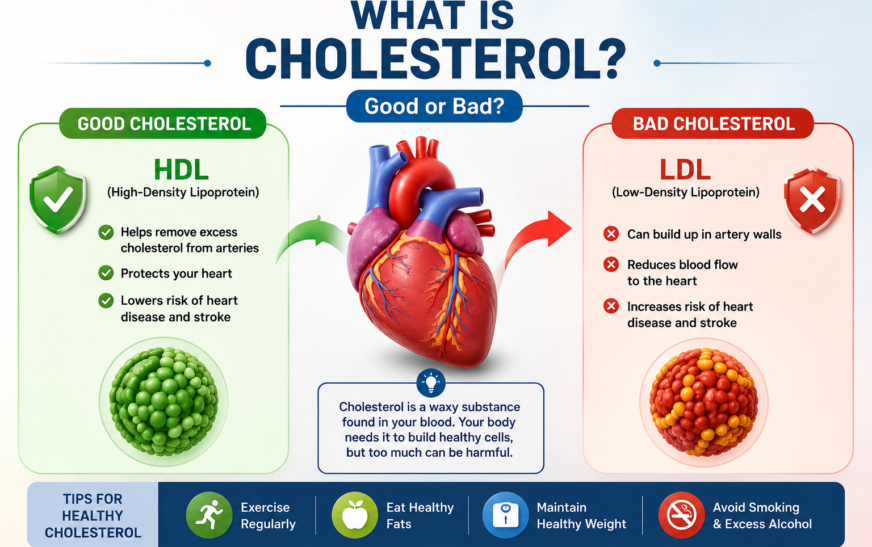
Your liver naturally produces most of the cholesterol your body needs, while the rest comes from foods such as meat, dairy products, and other animal-based foods. Problems arise when cholesterol levels become unbalanced, particularly when low-density lipoprotein (LDL), commonly known as bad cholesterol, increases and begins to build up inside the arteries. At the same time, high-density lipoprotein (HDL), known as good cholesterol, helps remove excess cholesterol from the bloodstream, supporting better heart health.
Understanding the difference between good and bad cholesterol is important because maintaining healthy cholesterol levels can lower the risk of heart disease, stroke, and other cardiovascular conditions. Regular health checkups, a balanced diet, physical activity, and healthy lifestyle habits all play an important role in keeping cholesterol under control.
Maintaining healthy cholesterol levels is an important part of preventive healthcare, helping reduce the risk of heart disease and stroke.
Why Does the Body Need Cholesterol?
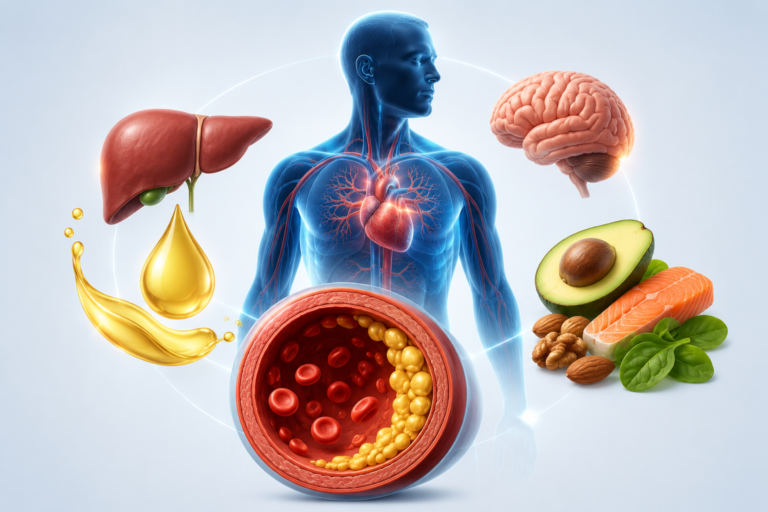
Many people believe cholesterol is harmful, but the truth is that your body cannot function properly without it.
Cholesterol helps your body:
Produce Essential Hormones
Several important hormones, including estrogen, testosterone, and cortisol, are made using cholesterol.
Build Healthy Cell Membranes
Every cell in your body contains cholesterol, which helps maintain cell structure and flexibility.
Produce Vitamin D
Your skin uses cholesterol to produce vitamin D when exposed to sunlight.
Support Digestion
The liver converts cholesterol into bile acids, which help digest dietary fats efficiently.
Without sufficient cholesterol, these essential biological functions would not occur effectively.
Types of Cholesterol
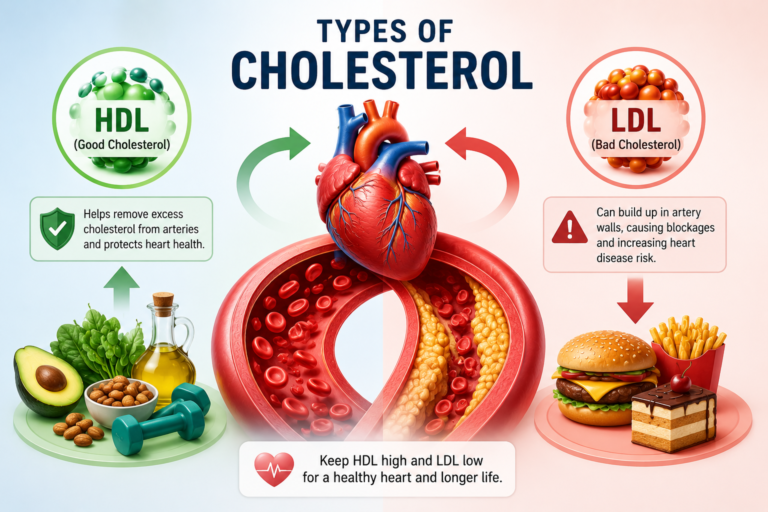
Not all cholesterol is the same. Healthcare professionals generally classify cholesterol into different types based on how it travels through the bloodstream.
HDL Cholesterol (Good Cholesterol)
HDL stands for High-Density Lipoprotein. It is commonly called good cholesterol because it removes excess cholesterol from the bloodstream and transports it back to the liver, where it is processed and removed from the body.
Higher HDL levels are generally associated with better heart health.
Benefits of HDL cholesterol include:
- Removes excess cholesterol from arteries
- Reduces plaque buildup
- Supports cardiovascular health
- Lowers the risk of heart attack and stroke
Increasing HDL levels through exercise, healthy fats, and smoking cessation can positively impact long-term health.
LDL Cholesterol (Bad Cholesterol)
LDL stands for Low-Density Lipoprotein and is known as bad cholesterol.
When LDL cholesterol becomes too high, it begins depositing cholesterol inside artery walls. Over time, these deposits form plaques that narrow blood vessels, reducing blood flow to the heart and brain.
High LDL cholesterol may increase the risk of:
- Heart attack
- Stroke
- Peripheral artery disease
- Coronary artery disease
Reducing saturated fats, limiting processed foods, staying physically active, and maintaining a healthy weight can help lower LDL cholesterol.
Triglycerides
Triglycerides are another type of fat found in the bloodstream. After eating, your body converts excess calories into triglycerides, which are stored in fat cells for future energy.
However, consistently high triglyceride levels combined with elevated LDL cholesterol and low HDL cholesterol can significantly increase the risk of cardiovascular disease.
Common causes include:
- Excess sugar intake
- Obesity
- Physical inactivity
- Alcohol consumption
- Diabetes
- Smoking
Causes of High Cholesterol
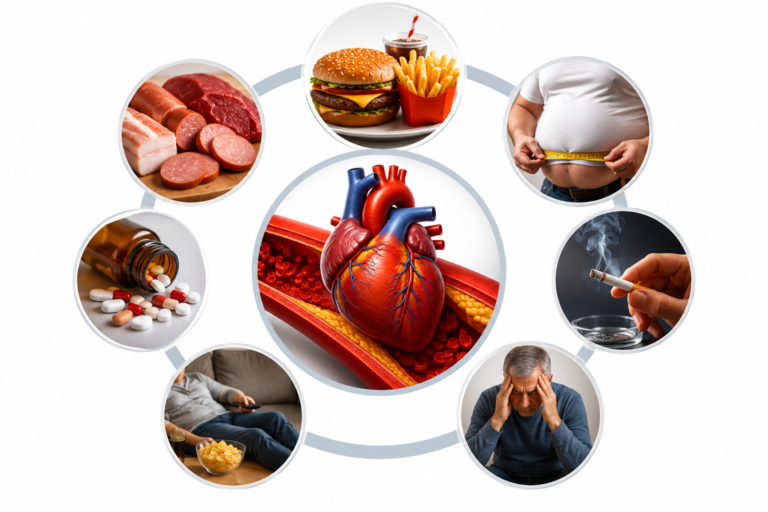
Causes of High CholesterolSeveral lifestyle and medical factors contribute to high cholesterol levels.
Unhealthy Diet
Eating foods high in saturated fats and trans fats can increase LDL cholesterol.
Common examples include:
- Fried foods
- Fast food
- Processed snacks
- Full-fat dairy products
- Processed meats
- Bakery products
Replacing these foods with fruits, vegetables, whole grains, nuts, seeds, and healthy oils supports better cholesterol levels.
Lack of Physical Activity
A sedentary lifestyle can reduce HDL cholesterol while increasing LDL cholesterol and triglycerides.
Healthcare experts recommend at least 150 minutes of moderate-intensity exercise each week.
Obesity
Being overweight or obese often increases LDL cholesterol while lowering HDL cholesterol.
Even modest weight loss can improve cholesterol levels significantly.
Smoking
Smoking damages blood vessels and lowers good cholesterol, increasing the risk of plaque buildup inside arteries.
Quitting smoking benefits both cholesterol levels and overall cardiovascular health.
Excess Alcohol Consumption
Drinking excessive amounts of alcohol may raise triglyceride levels and contribute to weight gain, making cholesterol management more difficult.
Genetics
Some individuals inherit a condition called familial hypercholesterolemia, causing naturally high cholesterol levels regardless of lifestyle.
Regular cholesterol screening becomes especially important if there is a family history of heart disease.
Medical Conditions
Certain health conditions may contribute to unhealthy cholesterol levels, including:
- Diabetes
- Hypothyroidism
- Chronic kidney disease
- Liver disease
- Polycystic Ovary Syndrome (PCOS)
Risk Factors for High Cholesterol
Several factors can increase your risk of developing high cholesterol. While some risk factors cannot be changed, many can be managed through healthy lifestyle choices.
Age
As people get older, the body’s ability to remove excess cholesterol becomes less efficient. Regular cholesterol screening becomes increasingly important after the age of 40 or earlier if you have additional risk factors.
Family History
A family history of high cholesterol or heart disease can increase your chances of developing elevated cholesterol levels.
Diabetes
People living with diabetes often have lower HDL cholesterol and higher triglyceride levels, increasing the risk of cardiovascular disease.
Poor Diet
Frequent consumption of processed foods, sugary beverages, and foods rich in saturated or trans fats may contribute to unhealthy cholesterol levels.
Physical Inactivity
Regular exercise helps raise HDL cholesterol while lowering LDL cholesterol and triglycerides.
Smoking and Alcohol
Smoking damages blood vessels and reduces good cholesterol, while excessive alcohol intake can increase triglyceride levels.
Symptoms of High Cholesterol
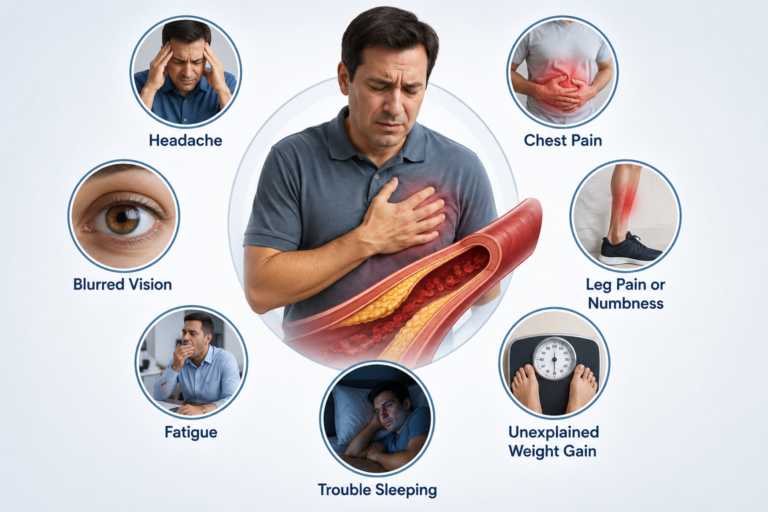
Symptoms of High CholesterolOne of the biggest challenges with cholesterol is that it usually does not cause noticeable symptoms in its early stages.
Many people discover they have high cholesterol only after a routine blood test or following a serious complication such as a heart attack or stroke.
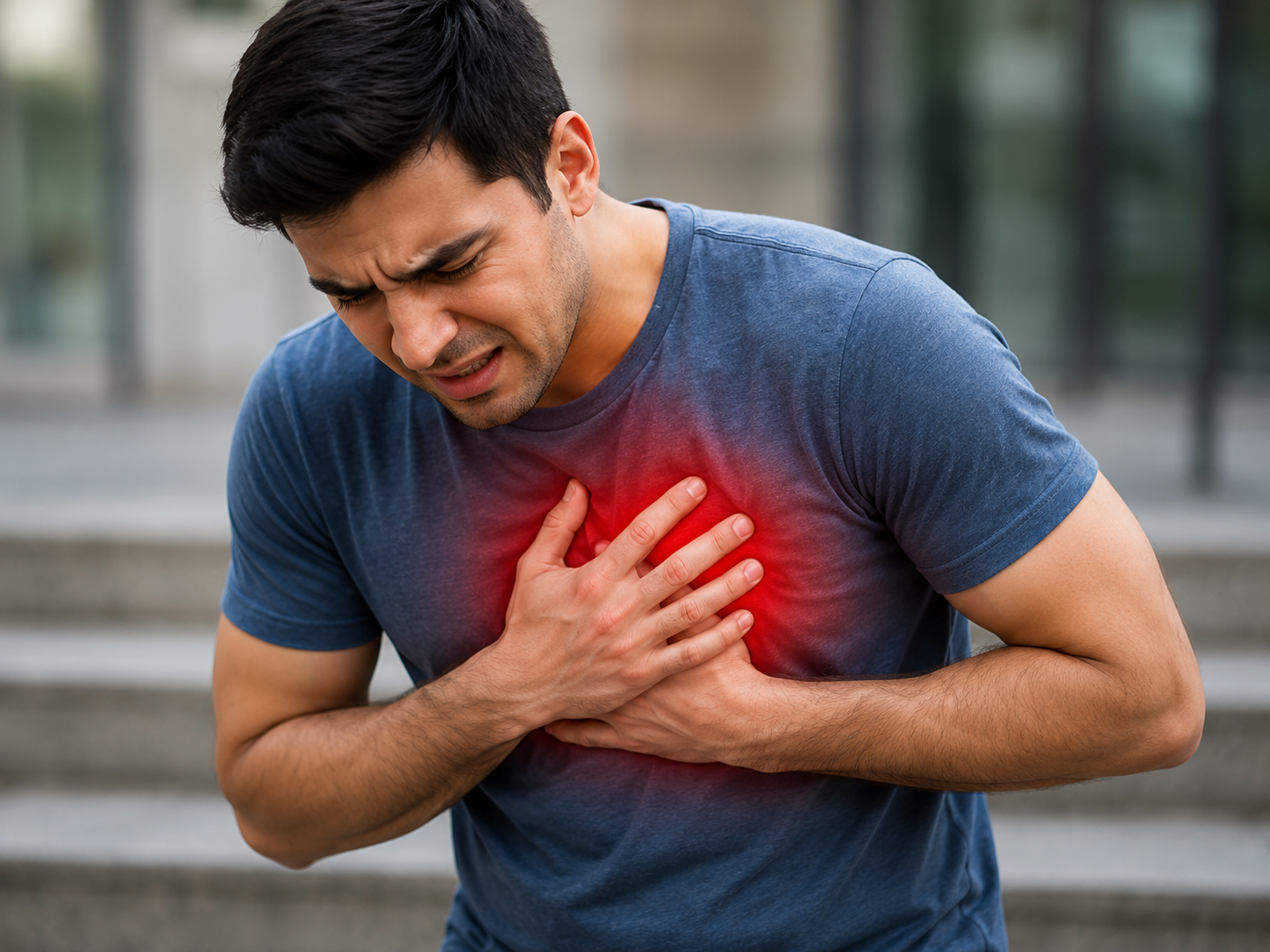
However, when cholesterol remains uncontrolled for years, it may contribute to symptoms related to cardiovascular disease, including:
- Chest pain (angina)
- Shortness of breath
- Fatigue during physical activity
- Pain in the legs due to poor circulation
- Heart attack
- Stroke
Because high cholesterol is often called a “silent condition,” regular health checkups are essential.
How Is Cholesterol Diagnosed?
Healthcare providers diagnose cholesterol using a simple blood test known as a lipid profile or lipid panel.
This test measures:
- Total cholesterol
- LDL (bad cholesterol)
- HDL (good cholesterol)
- Triglycerides
Doctors may recommend fasting before the test, depending on your health condition and medical history.
People with diabetes, obesity, high blood pressure, or a family history of heart disease may require cholesterol testing more frequently.
Healthy Cholesterol Levels
Although target values may vary depending on age and existing medical conditions, the following ranges are generally considered healthy for adults:
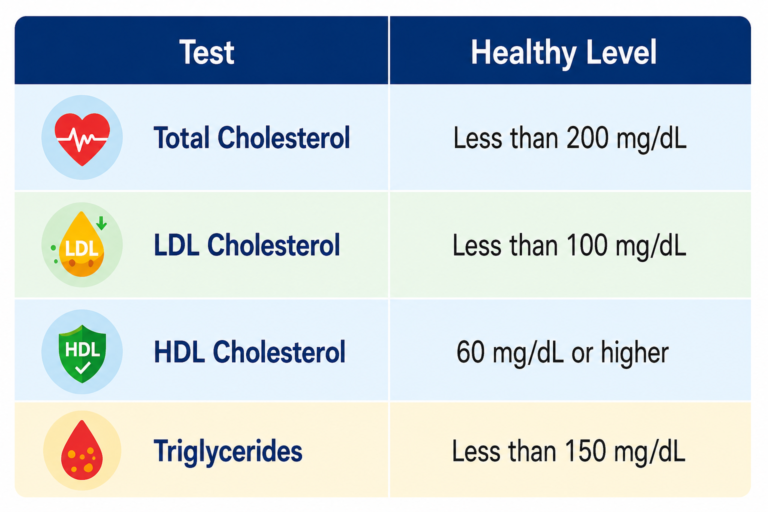
Always discuss your results with a healthcare professional, as individual treatment goals may differ.
For more information about cholesterol testing and recommended cholesterol ranges, visit the Centers for Disease Control and Prevention (CDC).
Treatment for High Cholesterol

Treatment depends on your cholesterol levels, age, medical history, and overall cardiovascular risk.
Lifestyle Changes
For many people, healthy lifestyle habits are the first step in managing cholesterol.
Recommended changes include:
- Eat more fruits and vegetables.
- Choose whole grains instead of refined carbohydrates.
- Include healthy fats such as olive oil, nuts, and seeds.
- Limit saturated and trans fats.
- Reduce processed and sugary foods.
- Exercise for at least 150 minutes each week.
- Maintain a healthy weight.
- Avoid smoking.
- Limit alcohol consumption.
Maintain a Healthy Weight
Even losing 5–10% of your body weight may help improve cholesterol levels and reduce cardiovascular risk.
Medications
If lifestyle changes are not enough, your doctor may prescribe cholesterol-lowering medications.
Common treatment options include:
- Statins
- Ezetimibe
- PCSK9 inhibitors
- Bile acid sequestrants
- Fibrates (for high triglycerides)
Never start or stop medications without consulting a qualified healthcare provider.
Foods That Support Healthy Cholesterol Levels
A heart-friendly diet plays a major role in managing cholesterol.
Foods to Include
- Oats
- Whole grains
- Beans
- Lentils
- Fresh fruits
- Leafy green vegetables
- Almonds
- Walnuts
- Chia seeds
- Flaxseeds
- Fatty fish (such as salmon)
- Olive oil
- Avocados
Foods to Limit
- Fried foods
- Processed meats
- Butter
- Cream
- Full-fat dairy products
- Packaged snacks
- Bakery items
- Sugary beverages
Can High Cholesterol Be Prevented?
Yes. In many cases, cholesterol can be managed or prevented by adopting healthy daily habits.
Effective prevention tips include:
- Eat a balanced diet.
- Stay physically active.
- Maintain a healthy body weight.
- Avoid smoking.
- Limit alcohol intake.
- Manage diabetes and blood pressure.
- Reduce stress.
- Get adequate sleep.
- Schedule regular cholesterol screenings.
Small lifestyle improvements made consistently over time can significantly lower your risk of heart disease.
When Should You See a Doctor?
Consult a healthcare professional if you:
- Have a family history of high cholesterol or heart disease.
- Have diabetes, obesity, or high blood pressure.
- Experience chest pain or shortness of breath.
- Are over 40 and have never had a cholesterol test.
- Receive abnormal lipid profile results.
Early diagnosis allows timely treatment and helps prevent serious cardiovascular complications.
The World Health Organization (WHO) recommends adopting healthy lifestyle habits to reduce the risk of cardiovascular diseases associated with high cholesterol.
Frequently Asked Questions (FAQs)
What is cholesterol?
Cholesterol is a waxy, fat-like substance found in every cell of the body. It helps produce hormones, vitamin D, and bile acids needed for digestion.
What is the difference between good and bad cholesterol?
HDL (good cholesterol) helps remove excess cholesterol from the bloodstream, while LDL (bad cholesterol) can build up inside arteries and increase the risk of heart disease.
What causes high cholesterol?
High cholesterol may result from an unhealthy diet, lack of exercise, obesity, smoking, excessive alcohol intake, genetics, or medical conditions such as diabetes and hypothyroidism.
Does high cholesterol cause symptoms?
High cholesterol usually has no early symptoms. It is often detected through a blood test before complications occur.
How often should cholesterol be checked?
Most adults should have their cholesterol checked every 4–6 years. People with risk factors may need more frequent testing as advised by their healthcare provider.
Can cholesterol be reduced naturally?
Yes. A healthy diet, regular physical activity, maintaining a healthy weight, avoiding smoking, and limiting alcohol intake can help improve cholesterol levels.
Which foods help lower cholesterol?
Foods such as oats, whole grains, fruits, vegetables, beans, nuts, seeds, olive oil, and fatty fish may help support healthy cholesterol levels.
Conclusion
Cholesterol is an essential substance that supports many important functions in the body, including hormone production, cell structure, and digestion. However, maintaining a healthy balance between HDL (good cholesterol) and LDL (bad cholesterol) is crucial for protecting your heart and blood vessels.
While high cholesterol often develops without noticeable symptoms, regular health screenings, a nutritious diet, physical activity, and healthy lifestyle choices can significantly reduce your risk of heart disease and stroke. If lifestyle changes alone are not enough, your healthcare provider may recommend medications based on your individual risk profile.
Taking proactive steps today can help you maintain healthy cholesterol levels and support long-term cardiovascular health.